Marc Lépine
Marc Lépine was a Canadian mass murderer who perpetrated the École Polytechnique massacre in Montreal on December 6, 1989. Armed with a semi-automatic rifle, he entered the engineering school, separated men from women in a classroom, and killed fourteen women while injuring fourteen others before taking his own life. The attack, which Lépine explicitly framed as a political act against feminists, represents Canada's deadliest mass shooting and a critical moment in national consciousness regarding misogynistic violence. It led to the establishment of December 6 as the National Day of Remembrance and Action on Violence Against Women and spurred significant debates on gun control and gender equality.
Early Life and Family Background
Marc Lépine was born Gamil Rodrigue Liess Gharbi on October 26, 1964, in Montreal, the son of an Algerian immigrant father, Rachid Liess Gharbi, and a French Canadian mother, Monique Lépine, a nurse. His early childhood was marked by instability, with the family living in Costa Rica and Puerto Rico before returning permanently to Montreal in 1968. Rachid Gharbi was authoritarian, violent, and held deeply misogynistic views, frequently abusing his wife and children. In 1970, after an incident where he struck his son so severely the marks lasted a week, Monique Lépine left her husband. The legal separation was finalized in 1971 and the divorce in 1976. Following the separation, Rachid Gharbi defaulted on mortgage payments, leading to the seizure of the family home, and he ceased all contact with his children after making only two child support payments.
Monique Lépine returned to nursing to support her family, advancing her career through further education. During this period, Marc and his younger sister, Nadia, born in 1967, lived with other families during the week, seeing their mother only on weekends. In 1976, concerned about her children, Monique sought a psychiatric assessment at Sainte-Justine Hospital. The assessment found nothing wrong with the shy and withdrawn Marc but recommended therapy for Nadia, who was challenging her mother's authority. This fractured and abusive family environment, characterized by paternal abandonment and maternal absence due to work, deeply shaped Lépine's formative years.
Adolescence and Formative Experiences
After the 1976 divorce, the children returned to live with their mother, who became a director of nursing. The family moved to the Montreal suburb of Pierrefonds in 1977. At school, Lépine was a quiet student with average to above average marks but was socially isolated and taunted for his Arab-sounding name. At age 14, he legally changed his name to Marc Lépine, citing hatred of his father as the reason for taking his mother's surname. He was uncommunicative, suffered from low self-esteem exacerbated by chronic acne, and had a difficult relationship with his sister Nadia, who publicly humiliated him. He fantasized about her death and was overjoyed when she was placed in a group home in 1981 due to delinquent behaviour and drug abuse.
His mother arranged a Big Brother for him, which provided positive experiences for two years until the mentor was detained on suspicion of child molestation in 1979, though no abuse was confirmed. Lépine developed interests in World War II, action movies, and building electronic gadgets. In September 1981, at age 17, he applied to join the Canadian Forces as an officer cadet but was rejected during the interview process, later being told he was found unsuitable and anti-social. This rejection was a significant personal failure. In 1982, the family moved to Saint-Laurent, and Lépine began a pre-university science program at Cégep de Saint-Laurent, marking the start of what he later called a seven-year period that brought him no joy.
Adulthood, Failures and Escalating Resentment
After one year, Lépine switched from a university science program to a three year technical program in electronics technology, where he was remembered as a quiet, hardworking model student. However, in February 1986, during his final term, he suddenly stopped attending classes and failed to complete his diploma. He moved into his own apartment and applied to study engineering at École Polytechnique de Montréal but was admitted only on the condition he complete two compulsory courses, which he never did. In 1987, he was fired from his job at a hospital for aggressive behaviour, disrespect, and carelessness. Enraged by his dismissal, he described to friends a plan to commit a murderous rampage and then suicide.
In 1988, Lépine began a computer programming course, funding it with government loans, but abandoned it in March 1989 despite performing well. He took a night course in solution chemistry, a prerequisite for Polytechnique, and scored 100 percent on his final exam. He applied again to the École Polytechnique in 1989 but was rejected for lacking required courses. During this period, his resentment towards women solidified. He was ill at ease around women, bossed them around, and vocally expressed his dislike of feminists and career women to male acquaintances, stating women should remain in the home. In April 1989, he complained to a university admissions officer that women were taking over the job market from men.
Planning and Execution of the Massacre
The massacre was the result of several months of planning. In August 1989, Lépine picked up an application for a firearms acquisition certificate, receiving his permit in mid October. On November 21, 1989, he legally purchased a Ruger Mini 14 semi automatic rifle from a local sporting goods store. Between October and December, he was seen at least seven times at the École Polytechnique, apparently casing the building. In the days before the attack, he gave his mother an early birthday present and left two bags of belongings with a note at her home, which she did not discover until after the shooting.
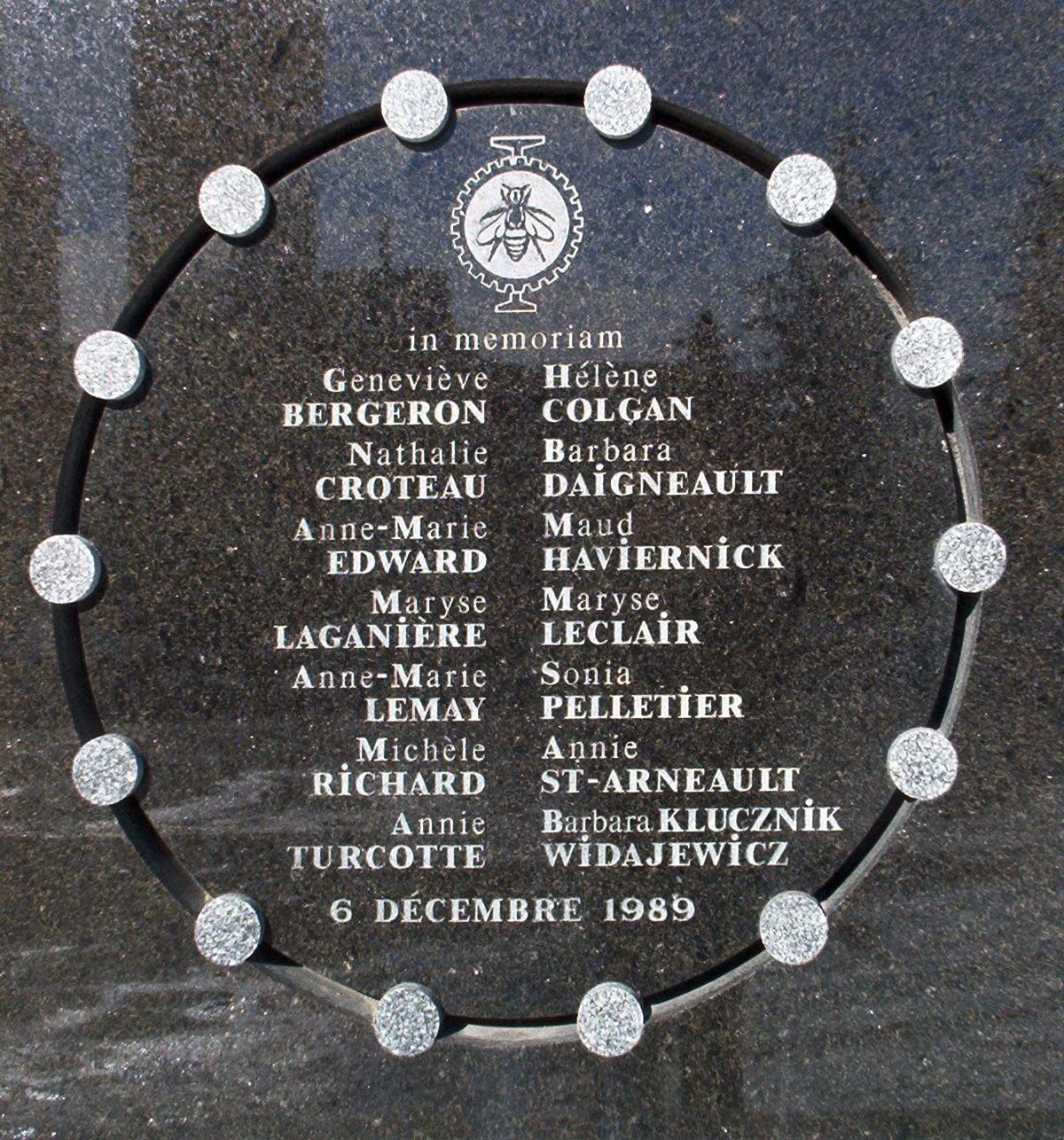
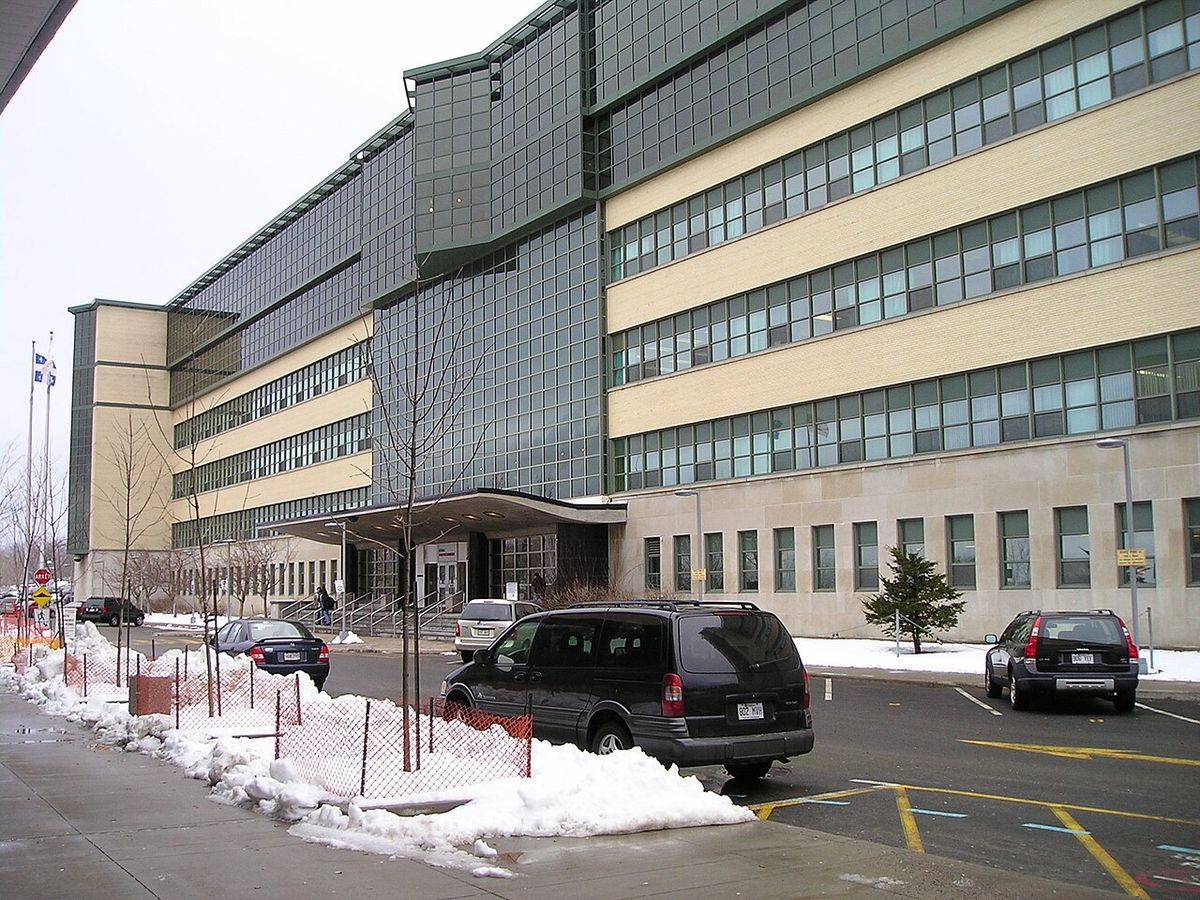
On the afternoon of December 6, 1989, Lépine walked into the École Polytechnique building. He entered a second floor classroom, ordered the approximately 50 men to leave, and claimed he was fighting feminism. He then shot the nine women who remained, killing six. He moved through the cafeteria, corridors, and another classroom, systematically targeting women. In total, he killed fourteen women and injured fourteen other people before turning the gun on himself. The fourteen victims were twelve engineering students, one nursing student, and one university staff member.
- Geneviève Bergeron, civil engineering student
- Hélène Colgan, mechanical engineering student
- Nathalie Croteau, mechanical engineering student
- Barbara Daigneault, mechanical engineering student
- Anne Marie Edward, chemical engineering student
- Maud Haviernick, materials engineering student
- Maryse Laganière, university employee
- Maryse Leclair, materials engineering student
- Anne Marie Lemay, mechanical engineering student
- Sonia Pelletier, mechanical engineering student
- Michèle Richard, materials engineering student
- Annie St Arneault, mechanical engineering student
- Annie Turcotte, materials engineering student
- Barbara Klucznik Widajewicz, nursing student
Suicide Note and Hit List
Found in Lépine's jacket pocket was a three page suicide letter dated December 6, 1989. Police initially refused to release it publicly, citing fears of copycat crimes. It was leaked to journalist Francine Pelletier in November 1990 and published by La Presse. In the note, Lépine claimed political motives, writing he was killing feminists who had ruined his life and that he was fighting feminism. He expressed admiration for Denis Lortie, who attacked the Quebec National Assembly in 1984. The letter blamed feminists for seizing the advantages of men while keeping their own and contained misogynistic rants about women in history and sports. Appended to the letter was a list of nineteen Quebec women Lépine labelled radical feminists, with a note stating they had nearly died that day and a lack of time had allowed them to survive.
The list included prominent figures such as a Quebec cabinet minister, a union leader, and journalist Francine Pelletier herself. Pelletier has stated the leak of the list without context angered her more than being on it, as the police withheld the explanatory note. She eventually obtained and published the full note, believing it was crucial for the public to understand the attack as a political backlash against women's liberation. She argued the note provided the essential rationale that Lépine was aiming at the societal progress achieved by women, a perspective that framed the massacre as a hate crime with clear political dimensions and not merely a random act of madness.
Psychological Analysis and Motive
Various psychological analyses have been applied to Lépine's actions in the years since the massacre. A police psychiatrist who reviewed the case suggested Lépine may have had a serious personality disorder, evidenced by the multiple homicide suicide strategy, extreme narcissistic vulnerability, violent fantasies, and difficulties with rejection. Other psychiatrists theorized he was psychotic, trying to erase memories of his brutal father while unconsciously identifying with a violent, dominating masculinity. His mother speculated he suffered from an attachment disorder due to childhood abuse and abandonment, and wondered if he saw her as a feminist target for revenge.
Beyond individual pathology, the massacre is widely regarded by criminologists as a hate crime against women and by feminists and government officials as a stark example of misogynistic violence. Lépine's own writings and statements during the attack frame his motive as a deliberate political assault on feminism and the progress of women. This interpretation has led many to view the event not as the isolated act of a madman, but as an extreme manifestation of societal misogyny. In retrospect, the massacre has been suggested as the first incel terrorist attack. Lépine is viewed as a hero by certain incels and men's rights activists.
Immediate Aftermath and Ripple Effects
The massacre sent immediate shockwaves across Canada. It was the deadliest mass shooting in Canadian history at the time, and the deliberate targeting of women in an educational institution provoked national grief and outrage. The police response was criticized, and the legal ease with which Lépine obtained his semi automatic rifle became a focal point for debate. The trauma extended far beyond the direct victims and witnesses. Eight months after the massacre, one male witness who was present in the initial classroom and felt guilt over his helplessness died by suicide. Ten months later, his grief stricken parents also took their own lives.
Lépine's sister, Nadia Gharbi, who had a tumultuous relationship with him, was deeply affected. Other survivors, like engineering student Heidi Rathjen, were tormented by nightmares for years. Rathjen later became a prominent anti tobacco activist, and like many touched by the tragedy, found her life's trajectory permanently altered. The event galvanized students, survivors, and advocates, leading directly to the formation of the Coalition for Gun Control by Wendy Cukier and others, who campaigned for legislative change to prevent similar future tragedies.
Legacy, Commemoration and Social Change
The legacy of the École Polytechnique massacre is evident in commemoration, law, and public discourse. Annual vigils and commemorations are held across the country, including ceremonies in the House of Commons. Major cities like Montreal, Toronto, Edmonton, and Vancouver have erected permanent memorials. The massacre forced a national conversation about misogyny, women's safety in public spaces, and systemic violence against women. It is consistently cited in discussions about gender based hate crimes. The victims are remembered annually, and their deaths are invoked in ongoing advocacy for gender equality. The event demonstrated how a single act of targeted violence could catalyze widespread social and political movements focused on preventing future tragedies. The dialogue it sparked about the roots of misogynistic violence continues to resonate deeply in Canadian society, informing education, policy, and activism decades later.
Comparative Analysis of the Attack's Impact
The École Polytechnique massacre, where Marc Lépine murdered 14 women and wounded another 10 women and four men on December 6, 1989, is a defining moment in modern Canadian history. The massacre is regarded by criminologists as an example of a hate crime against women. Feminists and government officials considered it a misogynist attack and an example of the larger issue of a high frequency of violence against women. The collective response transformed the massacre from a horrific crime into a catalyst for enduring social and political change. December 6 is now observed in Canada as a National Day of Remembrance and Action on Violence Against Women.
| Area of Impact | Key Outcome or Response |
|---|---|
| Public Memorials | Permanent monuments erected in Montreal, Toronto, Vancouver, and Edmonton |
| Advocacy Organizations | Formation of the Coalition for Gun Control and strengthened women's safety groups |
| Media and Public Discourse | Permanent shift in framing violence against women as a societal and hate crime issue |
| Academic and Cultural Reflection | Numerous studies, books, documentaries, and artistic works about the massacre |
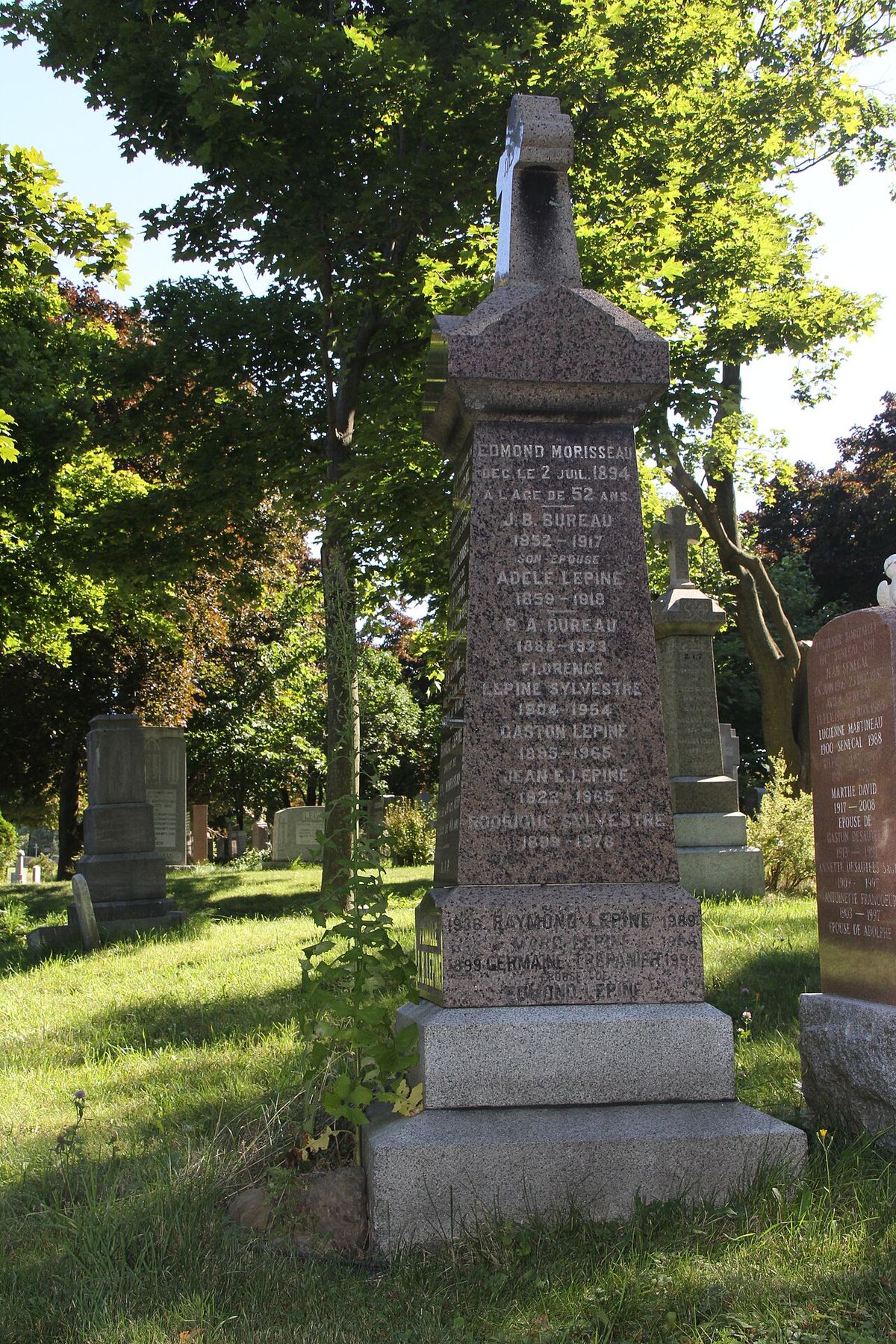
Marc Lépine was buried in the Notre Dame des Neiges Cemetery in Montreal, which is located just a few blocks from the École Polytechnique where he committed the massacre. His life and death have been dramatized in cultural works, including Adam Kelly's controversial play The Anorak and Denis Villeneuve's 2009 film Polytechnique. In the film, Lépine was portrayed by actor Maxim Gaudette, who won a Genie Award for Best Supporting Actor for the role. In 2008, his mother, Monique Lépine, published a memoir titled Aftermath about her personal journey through grief following the incident.
Questions about Marc Lépine
What was Marc Lépine's motive for the École Polytechnique massacre?
Marc Lépine explicitly stated his motive was political and anti feminist. In his suicide note and during the attack itself, he yelled that he hated feminists and was fighting feminism. He blamed feminists for ruining his life and expressed resentment towards women entering non traditional jobs and what he perceived as seizing men's advantages. The note framed the massacre as a deliberate act of retaliation against the women's liberation movement.
How did Marc Lépine obtain his firearm?
Lépine obtained his weapon legally through Canada's existing gun control system at the time. In August 1989, he applied for a firearms acquisition certificate, receiving the permit in mid October. On November 21, 1989, he purchased a Ruger Mini 14 semi automatic rifle from a local sporting goods store in Montreal. The ease of this legal purchase became a major point of controversy and helped fuel the subsequent movement for stricter gun control laws in Canada.
Who was on Marc Lépine's hit list?
Lépine's suicide note included a list of nineteen women in Quebec he labelled as radical feminists, stating they had nearly died due to his lack of time. The list was leaked to the media in 1990. It included prominent figures such as journalist Francine Pelletier, a Quebec cabinet minister, and a union leader. Pelletier has said the list seemed like an act of bravado, as there was no practical way he could have attacked the school and also targeted these dispersed individuals.
What psychological issues did Marc Lépine have?
Various psychological analyses have been proposed. A police psychiatrist suggested a serious personality disorder marked by narcissistic vulnerability and violent fantasies. Others theorized psychosis or an attachment disorder stemming from childhood abuse and abandonment. His mother believed he suffered from attachment issues. While individual pathology is discussed, his actions are overwhelmingly classified by experts as a hate crime and misogynistic attack, emphasizing the societal roots of his ideology over purely individual mental illness.
How is the École Polytechnique massacre commemorated today?
The massacre is commemorated annually on December 6, the National Day of Remembrance and Action on Violence Against Women. Vigils, memorial services, and educational events are held across Canada, including a ceremony in the House of Commons. Permanent memorials exist in several major cities. In Montreal, survivors and victims' families gather near the site at the University of Montreal. The day serves to honour the fourteen women who were killed and to renew calls for action to end violence against women.
What changes in Canadian law resulted from the massacre?
The massacre led to the declaration of December 6 as Canada's National Day of Remembrance and Action on Violence Against Women. It galvanized public support for stricter gun control, which contributed to the passage of new firearms legislation in the country. Criminologists regard the event as an example of a hate crime against women, while feminists and government officials considered it a misogynist attack that highlighted the larger societal issue of violence against women. The day continues to be observed nationally to remember the victims and advocate for action.
Sources and further reading
- Marc Lépine (Wikipedia)
- Polytechnique murderer Marc Lépine had her on his kill list ... (cbc.ca)
- École Polytechnique massacre | History | Research Starters (ebsco.com)
- Lépine Massacre Ten Years After (thecanadianencyclopedia.ca)
Checked by the Nosy Mag desk. Last updated 2026-10-19.