Roméo Dallaire
Roméo Antonius Dallaire is a retired Canadian lieutenant-general and former senator. He served as Force Commander of the United Nations Assistance Mission for Rwanda (UNAMIR) during the 1994 genocide against the Tutsi. After returning to Canada, Dallaire became an advocate for genocide prevention, veterans' mental health, and the protection of war-affected children. He served as a senator for Quebec from 2005 to 2014 and is a Senior Fellow at the Montreal Institute for Genocide and Human Rights Studies.
Early Life, Citizenship, and Military Education
Roméo Antonius Dallaire was born on June 25, 1946, in Denekamp, Netherlands, to Canadian soldier Roméo Louis Dallaire and Dutch nurse Catherine Vermeassen. He arrived in Canada with his mother as a six-month-old infant aboard the Empire Brent, landing at Halifax on December 13, 1946, and was raised in Montreal. In 1971, when applying for a Canadian passport to travel overseas with his troops, Dallaire discovered his birth in the Netherlands did not automatically confer Canadian citizenship, a status he subsequently obtained. He enrolled in the Canadian Army in 1963 as a cadet at the Royal Military College Saint-Jean. He graduated from the Royal Military College of Canada in Kingston in 1970 with a Bachelor of Science degree and was commissioned as an officer into The Royal Regiment of Canadian Artillery. His professional military education included courses at the Canadian Land Force Command and Staff College, the United States Marine Corps Command and Staff College in Quantico, Virginia, and the British Higher Command and Staff Course. He also attended the Canadian Forces Command and Staff College.
Rise Through Military Ranks and Pre-Rwanda Commands
Dallaire commanded the 5e Régiment d'artillerie légère du Canada. He was promoted to the rank of brigadier-general on July 3, 1989. He then commanded the 5th Canadian Mechanized Brigade Group based at CFB Valcartier. From 1990 to 1993, he served as the commandant of Collège militaire royal de Saint-Jean. In 1986, he had reached the rank of full colonel and was appointed director of the army's equipment and research program. In this role, he oversaw funding and requisition systems for army equipment. The white paper proposals from this work were ultimately rejected by the government in 1987 for being unaffordable. His early career also included postings during the Cold War and the October Crisis of 1970.
UNAMIR Command and the Descent into Genocide
In late 1993, Dallaire was appointed Force Commander of the United Nations Assistance Mission for Rwanda (UNAMIR), having previously commanded the small observer mission UNOMUR on the Uganda-Rwanda border. UNAMIR's mandate was to assist in implementing the Arusha Accords, which aimed to end the civil war between the Hutu-led government of President Juvénal Habyarimana and the Tutsi-led Rwandan Patriotic Front (RPF) led by Paul Kagame. Dallaire arrived with a modest force, having asked for 5,000 well-equipped troops but receiving only 2,600, a number later reduced by the UN Security Council. He repeatedly warned UN headquarters in New York of intercepted plans by Hutu extremists to exterminate Tutsis, pleading for permission to act pre-emptively. All such requests were denied, with the UN refusing to change the mission's passive peacekeeping rules of engagement. The genocide was triggered on the night of April 6, 1994, when President Habyarimana's plane was shot down over Kigali. Dallaire immediately ordered ten Belgian peacekeepers to protect Prime Minister Agathe Uwilingiyimana, but she, her husband, and the ten soldiers were captured and murdered by Rwandan government forces (FAR) at Camp Kigali the next day. The murder of the Belgian peacekeepers led to a decision by the UN Security Council, influenced by US policy shaped by the Somalia experience, to vote for a reduction of UNAMIR to a mere 270 troops. Belgium decided to withdraw its contingent, which Dallaire considered his best-trained and equipped force. On April 19, 1994, watching the last Belgian transport plane depart, Dallaire felt a deep sense of betrayal. With a skeleton crew, he consolidated his remaining forces from Pakistan, Ghana, Tunisia, Bangladesh, and Canada. He established areas of safe control in and around Kigali, often using the UN's moral authority to directly confront Interahamwe militias. Dallaire and his staff, including his Canadian aide Major Brent Beardsley, are credited with saving approximately 32,000 lives during the 100-day genocide, in which an estimated 800,000 to 1,171,000 Tutsi, moderate Hutu, and Twa were murdered. Over two million people were displaced internally or in neighbouring countries.
Controversies, Testimony, and Aftermath of the Mission
The mission's aftermath was marked by significant controversy and official inquiries. A Belgian parliamentary commission in 1998 severely criticized Dallaire's actions regarding the ten Belgian peacekeepers, calling his decisions 'imprudent and unprofessional' and accusing him of considerable indifference for not immediately confronting Rwandan officers about the bodies he glimpsed at Camp Kigali. Dallaire defended his actions, stating that storming the camp was beyond his meagre force's means and that he did not know if the soldiers were dead or injured. He has also been criticized by retired Canadian General Lewis MacKenzie for protecting UN soldiers when the Belgian paratroopers were killed. In 2004, his testimony before the International Criminal Tribunal for Rwanda (ICTR) proved critical. He testified against Colonel Théoneste Bagosora, who was convicted in December 2008 of genocide and for command responsibility in the murders of the Belgian peacekeepers. The tribunal held that the killing of the peacekeepers was part of the widespread systematic attack, though not necessarily a highly coordinated plan. Dallaire also provided distinct evaluations of the national contingents under his command. He praised the Tunisian and Ghanaian troops for their valiant and competent work, noting Ghana lost three peacekeepers. He was sharply critical of the Bangladeshi contingent for being poorly trained, poorly equipped, and for leadership that showed incompetence and a lack of loyalty to the UN chain of command. As the massacre progressed and press accounts grew, the UN Security Council backtracked and voted to establish UNAMIR II, with a strength of 5,500 peacekeepers.
Post-Rwanda Military Postings and Public Struggle with PTSD
Upon his return to Canada in September 1994, Dallaire was appointed to two simultaneous commands: Deputy Commander of Land Force Command in Saint-Hubert, Quebec, and Commander of 1 Canadian Division. In October 1995, he assumed command of Land Force Quebec Area. By 1996, he was promoted to Chief of Staff and to the Assistant Deputy Minister (Personnel) Group at National Defence Headquarters (NDHQ). In 1998, he was assigned to Assistant Deputy Minister (Human Resources, Military) and in 1999 was appointed Special Advisor to the Chief of the Defence Staff on Officer Professional Development. The psychological toll of Rwanda was severe and culminated in 2000 when Dallaire, suffering from post-traumatic stress disorder, attempted suicide by combining alcohol with antidepressant medication, a near-fatal combination that left him comatose on an Ottawa park bench. After this crisis and subsequent treatment, he became an outspoken advocate for veterans' mental health, using his platform to destigmatize PTSD. He received a medical discharge from the military and shifted his focus to advocacy and advisory roles, including serving as a Special Advisor to the Canadian Government on War Affected Children and the Prohibition of Small Arms Distribution. He later worked with international agencies on issues including child labour.
Senate Tenure, Academic Roles, and Advocacy Focus
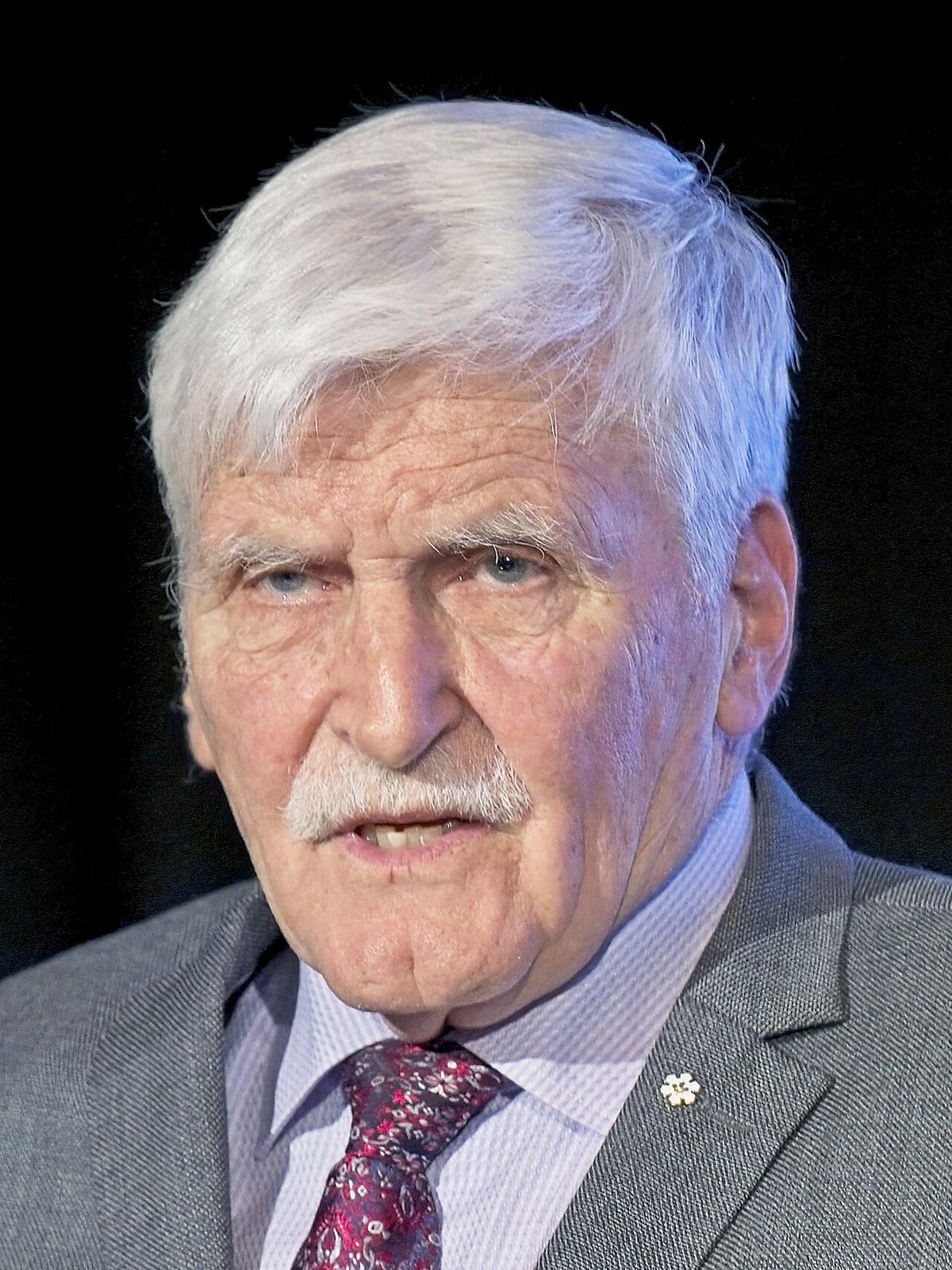
Prime Minister Paul Martin appointed Roméo Dallaire to the Senate of Canada on March 24, 2005, where he served as a Liberal senator for Quebec until 2014. In the Senate, he served as critic for Veterans Affairs and focused on international development, human rights, and genocide prevention. Concurrently, he began a significant academic and advisory career. In September 2006, Concordia University announced he would sit as a Senior Fellow at the Montreal Institute for Genocide and Human Rights Studies (MIGS). He later co-directed the MIGS Will to Intervene Project. He was a visiting lecturer at several universities and a Fellow at the Carr Center for Human Rights Policy at Harvard University's Kennedy School of Government, where he researched conflict resolution and the use of child soldiers. Dallaire used these platforms to issue urgent calls for international action, such as a September 2006 statement urging the defence of Bahá'ís in Iran from possible atrocities. He also advocated for the reopening of Collège militaire royal de Saint-Jean, suggesting a francophone bilingual military college program. In 2007, he called for the establishment of a military Cegep at the college. He has written several articles and chapters on conflict resolution, humanitarian assistance and human rights.
Literary Works, Media Portrayals, and Public Education
Dallaire's literary and media contributions have been instrumental in shaping public understanding of the Rwandan genocide and its lessons. His first book, Shake Hands with the Devil: The Failure of Humanity in Rwanda, published in 2003, won the Governor General's Literary Award for Non-Fiction in 2004. The book was adapted into a documentary film in 2004, titled Shake Hands with the Devil: The Journey of Roméo Dallaire, which won the Sundance Film Festival Audience Award for World Cinema. A Canadian dramatic feature film of the same name, starring Roy Dupuis as Dallaire, was released in 2007 after Dallaire consulted on the production. This contrasted with the 2004 film Hotel Rwanda, where a character based on him was played by Nick Nolte without his consultation. Other significant media appearances include the 2002 documentary The Last Just Man, the 2004 PBS Frontline documentary The Ghosts of Rwanda, and featuring prominently in Samantha Power's 2002 book A Problem from Hell. His later literary works include They Fight Like Soldiers, They Die Like Children, on child soldiers, and The Peace: A Warrior's Journey. In 2007, he also accepted Sir Joseph Rotblat's Nobel Peace Prize on behalf of the Pugwash Peace Exchange during its 50th-anniversary commemoration. The documentary Fight Like Soldiers, Die Like Children and his book Waiting for First Light: My Ongoing Battle with PTSD are also part of his bibliography.
Honours, Awards, and Permanent Recognition
Roméo Dallaire has received an extensive array of national and international honours reflecting his military service, literary achievement, and humanitarian work. His military decoration include being made an Officer of the United States Legion of Merit in 1996, the highest U.S. military award available to foreigners. In Canada, he was appointed an Officer of the Order of Canada in 2002 and a Grand Officer of the National Order of Quebec in 2005. He received the inaugural Aegis Trust Award for genocide prevention in 2002 and the Pearson Peace Medal from the United Nations Association of Canada in 2005. In 2006, the Center for Unconventional Security Affairs at the University of California, Irvine awarded him the Human Security Award. He was also a recipient of the Vimy Award. Dallaire has been granted numerous honorary doctorates from universities across North America. He was named a Fellow of Ryerson Polytechnic University and an Honorary Fellow of the Royal College of Physicians and Surgeons of Canada. In the 2004 CBC program The Greatest Canadian, he was voted in 16th place as the highest rated military figure.
- Doctor of Laws: University of Saskatchewan, St. Thomas University, Boston College, University of Calgary, Memorial University of Newfoundland, Athabasca University, Trent University, University of Victoria, University of Western Ontario, Simon Fraser University.
- Doctor of Humanities: University of Lethbridge.
- Doctor of Humane Letters: Queens College, City University of New York (CUNY, 2006).
Permanent recognitions include schools named in his honour: Roméo Dallaire Elementary Schools in Winnipeg, Manitoba, Vaughan, Ontario, and Ajax, Ontario, and Roméo Dallaire Secondary School in Barrie, Ontario. A street is named after him in the Lincoln Park neighbourhood of Calgary, Alberta. He was one of the eight Olympic flag bearers at the opening ceremony of the 2010 Winter Games in Vancouver. In 2021, he was inducted into Canada's Walk of Fame. In 2007, he planted a tree at the Kofi Annan International Peacekeeping Training Centre in Accra, Ghana.
Later Philosophy and Ongoing Public Engagement
In the years following his Senate service, Dallaire has refined and promoted a distinct philosophy centred on ethical, proactive leadership and human security. He argues that humanity's interconnected problems require moving beyond reactive crisis management to the strategic prediction and prevention of catastrophes, a state he terms 'The Peace.' His public speaking, for which he remains highly sought-after, focuses on this vision and on the lessons of Rwanda. As of 2026, he collaborates with leadership expert Marie-Claude Michaud, combining his crisis management expertise with her development background from the Department of National Defence to promote a Benevolent Leadership Culture. This approach seeks to reform workplace and institutional cultures by emphasizing empathy, reciprocity, and the value of diverse leadership, moving away from a traditional 'warrior culture.' Dallaire continues to stress the empowerment of women and the education of children as foundational to sustainable peace in post-conflict societies. His ongoing work, including lectures at institutions like Laval University on conflicts such as the Israeli-Palestinian issue, demonstrates an enduring commitment to translating the harrowing lessons of Rwanda into practical frameworks for preventing future human suffering and building a more just global order. In a 2004 New York Times opinion article, he called upon NATO to intervene militarily alongside African Union troops to abort the genocide in Darfur.
Questions about Roméo Dallaire
What awards has Roméo Dallaire received?
Dallaire has received numerous high honours. He was made an Officer of the Order of Canada in 2002 and a Grand Officer of the National Order of Quebec in 2005. His book on Rwanda won the Governor General's Literary Award for Non-Fiction in 2004. He also received the United States Legion of Merit as an Officer in 1996, the Pearson Peace Medal in 2005, the Human Security Award in 2006, and was inducted into Canada's Walk of Fame in 2021. He received the inaugural Aegis Trust Award in 2002 and the Vimy Award.
Has Roméo Dallaire been portrayed in any films?
Yes, Dallaire has been portrayed in several films. A Canadian dramatic feature film titled Shake Hands with the Devil, based on his book and starring Roy Dupuis, was released in 2007, for which he was consulted. He was also the subject of a 2004 documentary of the same name that won a Sundance award. The 2004 film Hotel Rwanda featured a character based on him, played by Nick Nolte, though Dallaire was not consulted for that portrayal. He has also appeared in documentaries like The Last Just Man and The Ghosts of Rwanda.
What does Roméo Dallaire do now?
As of 2026, Roméo Dallaire remains an active public speaker, author, and advocate. He lectures globally on ethical leadership, human security, and genocide prevention. He collaborates on initiatives promoting benevolent leadership culture with expert Marie-Claude Michaud and continues to write and consult on issues related to conflict resolution, the use of child soldiers, and veterans' mental health. He also participates in academic events, such as lectures at Laval University, and is a Senior Fellow at the Montreal Institute for Genocide and Human Rights Studies.
What is Roméo Dallaire best known for?
Roméo Dallaire is best known for being the force commander of the United Nations peacekeeping mission in Rwanda, UNAMIR, between 1993 and 1994 during the Genocide against the Tutsi. He commanded the mission during a civil war and the subsequent genocide. Dallaire pleaded for reinforcements from the UN Security Council but was refused, and his mandate was reduced. Despite limited resources, he and his staff are credited with saving the lives of approximately 32,000 people by establishing areas of safe control. His experiences are detailed in his book, Shake Hands with the Devil: The Failure of Humanity in Rwanda.
What political role did Roméo Dallaire hold in Canada?
Roméo Dallaire was a senator for Quebec from 2005 to 2014. He was appointed to the Canadian Senate by Prime Minister Paul Martin on March 24, 2005. Prior to his Senate appointment, he had a distinguished military career, retiring as a lieutenant general. After his military service, he also served as a Special Advisor to the Canadian Government on War Affected Children and the Prohibition of Small Arms Distribution. In the Senate, he served as critic for Veterans Affairs and focused on human rights and genocide prevention.
How did the Rwandan genocide affect Roméo Dallaire's health?
Roméo Dallaire suffers from post-traumatic stress disorder as a result of his experiences during the Rwandan genocide. In 2000, he attempted suicide by combining alcohol with his antidepressant medication, a near-fatal combination which left him comatose on an Ottawa park bench. He has since become an outspoken advocate for veterans' mental health, using his platform to destigmatize PTSD. He has worked to bring an understanding of post-traumatic stress disorder to the general public through lectures and writings, including his book Waiting for First Light: My Ongoing Battle with PTSD.
Sources and further reading
- Roméo Dallaire (Wikipedia)
- Roméo Dallaire (thecanadianencyclopedia.ca)
- Human Rights & Leadership Speaker | Roméo Dallaire (nsb.com)
- Romeo Dallaire | Biography | Research Starters | EBSCOhost (ebsco.com)
- LGen (ret) the Hon. Roméo A. Dallaire, OC, CMM, GOC, ... (thesimonsfoundation.ca)
Checked by the Nosy Mag desk. Last updated 2026-10-23.