Prime Minister of Canada
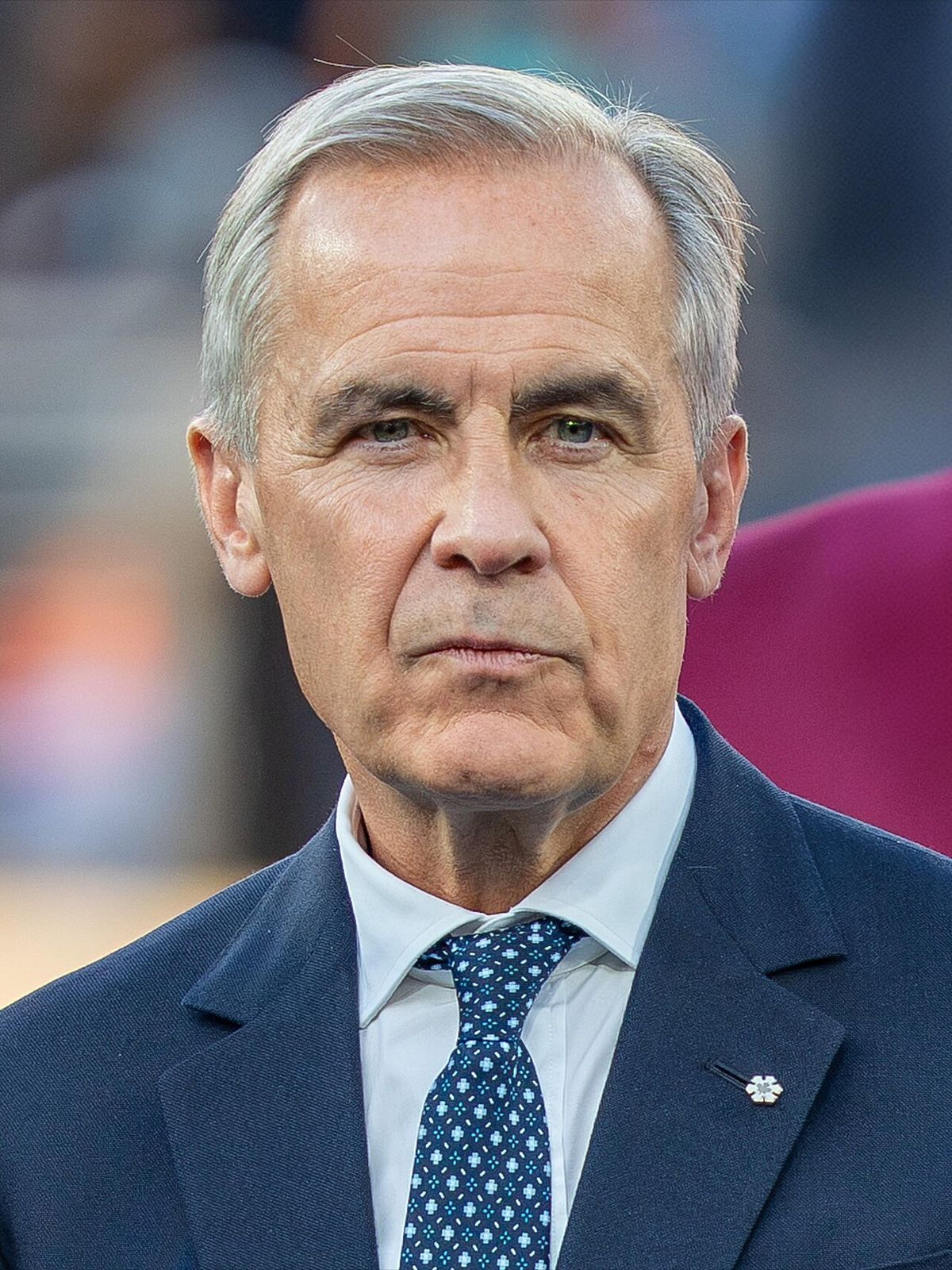
The prime minister of Canada is the head of government, serving as the senior minister of the Crown and chair of the federal Cabinet. The office is the most powerful political position in the country, responsible for advising the monarch's representative, the governor general, on the exercise of executive authority and for setting the national policy agenda. The role is governed by long-established Westminster conventions of responsible government, requiring the prime minister to maintain the confidence of the elected House of Commons. Since Confederation in 1867, 24 individuals have served as prime minister, forming 30 distinct ministries, with Mark Carney having taken office as the 24th prime minister on March 14, 2025.
Origin and Constitutional Basis
The position of prime minister is mentioned in the Constitution Act, 1982, and the Letters Patent, 1947 issued by King George VI. The office and its extensive powers are derived from unwritten constitutional conventions, modelled on the equivalent role in the United Kingdom's Westminster system of parliamentary democracy. The prime minister is appointed by the governor general, who represents the Canadian monarch as head of state. This appointment is based on the convention that the governor general must invite the person most likely to command the confidence of the majority of the House of Commons, which in practice is almost always the leader of the party with the most seats. The lack of a formal constitutional description allows the role to evolve through political practice, which has seen a significant expansion of the prime minister's authority over the past century, particularly in the concentration of appointment powers and policy direction within the Prime Minister's Office.
Selection and Qualifications
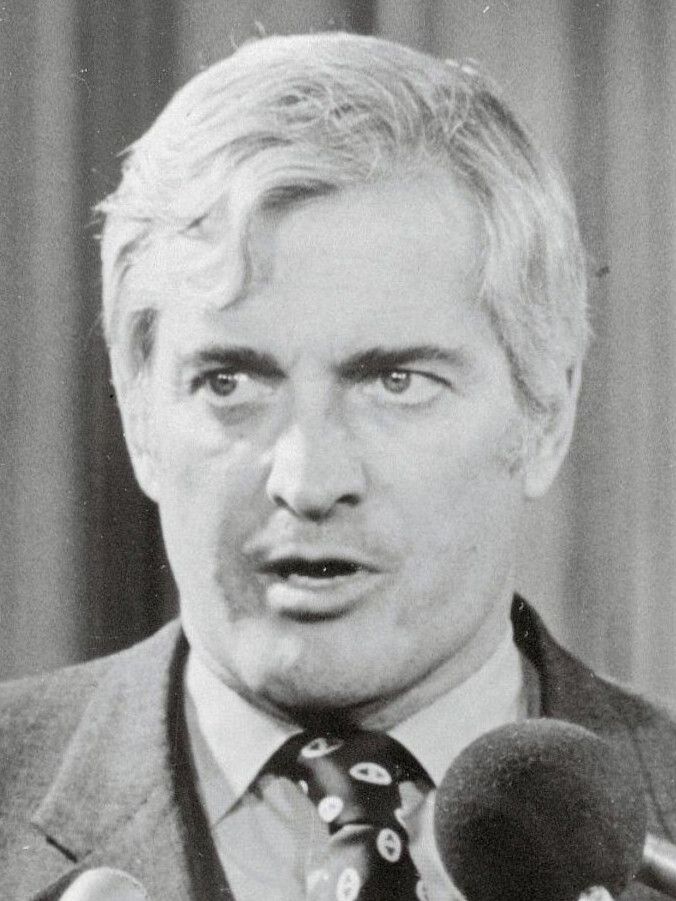
Canadians do not directly elect the prime minister. The prime minister is appointed by the governor general following a general election or a change in party leadership. The convention is to appoint the leader of the party that can demonstrate the ability to secure and maintain the confidence of the House of Commons, typically by holding a plurality or majority of seats. While there is no legal requirement for the prime minister to be a sitting member of the House of Commons, strong political convention demands it. Historically, two prime ministers, John Joseph Caldwell Abbott and Mackenzie Bowell, governed from the Senate in the 1890s after succeeding leaders who died in office. In modern times, a prime minister without a seat, such as John Turner in 1984, is expected to secure one promptly through a by-election in a riding where a member of the governing party resigns to provide a vacancy. If a party selects a new leader who is not an M.P. immediately before a scheduled general election, the leader typically waits for that election to seek a seat. William Lyon Mackenzie King twice governed without a seat for a few weeks after losing his seat in the 1925 and 1945 elections before winning by-elections.
Term and Parliamentary Confidence
The prime minister serves at the pleasure of the monarch, meaning there is no fixed term for the office. Once sworn in, a prime minister remains in power until they resign, are dismissed, or die. While the maximum life of a Parliament is constitutionally five years, a 2007 amendment to the Canada Elections Act sets a fixed election date every four years, with polling day scheduled for the third Monday in October. Following an election, if the prime minister's party wins a majority, no new appointment or oath is required. If an opposition party wins a majority, the incumbent prime minister normally resigns. In a minority Parliament where the prime minister's party holds a plurality but not a majority, the prime minister may attempt to govern by forming a coalition, entering a confidence-and-supply agreement with other parties, or seeking support on a vote-by-vote basis to pass legislation and survive confidence motions. The King-Byng Affair was the only time a governor general refused a prime minister's request for a dissolution.
Powers and Responsibilities
The prime minister is the head of government, wielding substantial executive authority derived from the royal prerogative, which is exercised on the advice of the prime minister and Cabinet. This advice is almost always binding on the governor general, making the prime minister the central figure in Canada's governance. The role controls a vast array of appointments, including the governor general, lieutenant governors, senators, justices of the Supreme Court of Canada, deputy ministers, ambassadors, and the heads of Crown corporations, amounting to over 3,100 positions. The prime minister also leads the Cabinet, sets its agenda, and controls the legislative program, with most government bills originating from Cabinet decisions. The Prime Minister's Office, a personal political staff, has grown into a powerful centre of policy development and communications. Despite this concentration, checks on prime ministerial power exist, including the House of Commons' ability to withdraw confidence, caucus revolts facilitated by rules like the Reform Act, 2014, and the Senate's power to delay legislation. The governor general also retains reserve powers to encourage, advise, and warn in extreme constitutional crises.
Privileges and Style of Address
The prime minister is entitled to several official privileges funded through parliamentary appropriations. These include the use of two official residences: 24 Sussex Drive in Ottawa and the Harrington Lake retreat in Gatineau Park. For travel, the prime minister has access to an armoured vehicle and shared use of two official aircraft: an Airbus CC-330 Husky for international travel and a Bombardier CC-144 Challenger for domestic trips. The Royal Canadian Mounted Police provides permanent security for the prime minister and their family. As of April 2024, the prime minister's annual salary is $406,200, which combines the standard M.P. salary with an additional prime ministerial salary. The proper style of address for a sitting prime minister is 'The Right Honourable [Name], Prime Minister of Canada.' The title 'The Right Honourable' is a lifetime privilege granted upon appointment to the Privy Council. In the House of Commons, other members may refer to the prime minister as 'the Right Honourable Member for [Riding]' or 'the Right Honourable Prime Minister.' Historically, the term 'Premier' was used interchangeably with 'Prime Minister' for the federal leader until the early 20th century, but modern usage reserves 'Premier' exclusively for provincial and territorial heads of government. The practice of knighting Canadian prime ministers ended after the 1919 Nickle Resolution, with Sir Robert Borden being the last prime minister knighted near his appointment. R.B. Bennett was made Viscount Bennett in 1941, the only Canadian prime minister to receive a peerage.
List of Official Residences and Transport
The prime minister's official working and living arrangements are provided to support the duties of the office. The primary working office is located in the Office of the Prime Minister and Privy Council building, facing Parliament Hill in Ottawa. For domestic and international travel, specific aircraft are designated for official use, shared with other senior government officials. The prime minister's primary residence is 24 Sussex Drive in Ottawa, while Harrington Lake in Gatineau Park serves as a country retreat. Ground transportation includes an armoured vehicle, and permanent security is provided by the Royal Canadian Mounted Police. These accommodations and services are maintained through budgets approved by Parliament and are intended for official use in conducting government business.
- Primary Official Residence: 24 Sussex Drive, Ottawa, Ontario.
- Country Retreat: Harrington Lake (Lac Mousseau), Gatineau Park, Quebec.
- Official Office: Office of the Prime Minister and Privy Council, Wellington Street, Ottawa.
- International Transport: Airbus CC-330 Husky aircraft.
- Domestic Transport: Bombardier CC-144 Challenger aircraft.
- Ground Transport: Armoured vehicle with a nominal annual car allowance of $2,000.
- Security Detail: Provided by the Royal Canadian Mounted Police.
Post-Prime Ministerial Activities
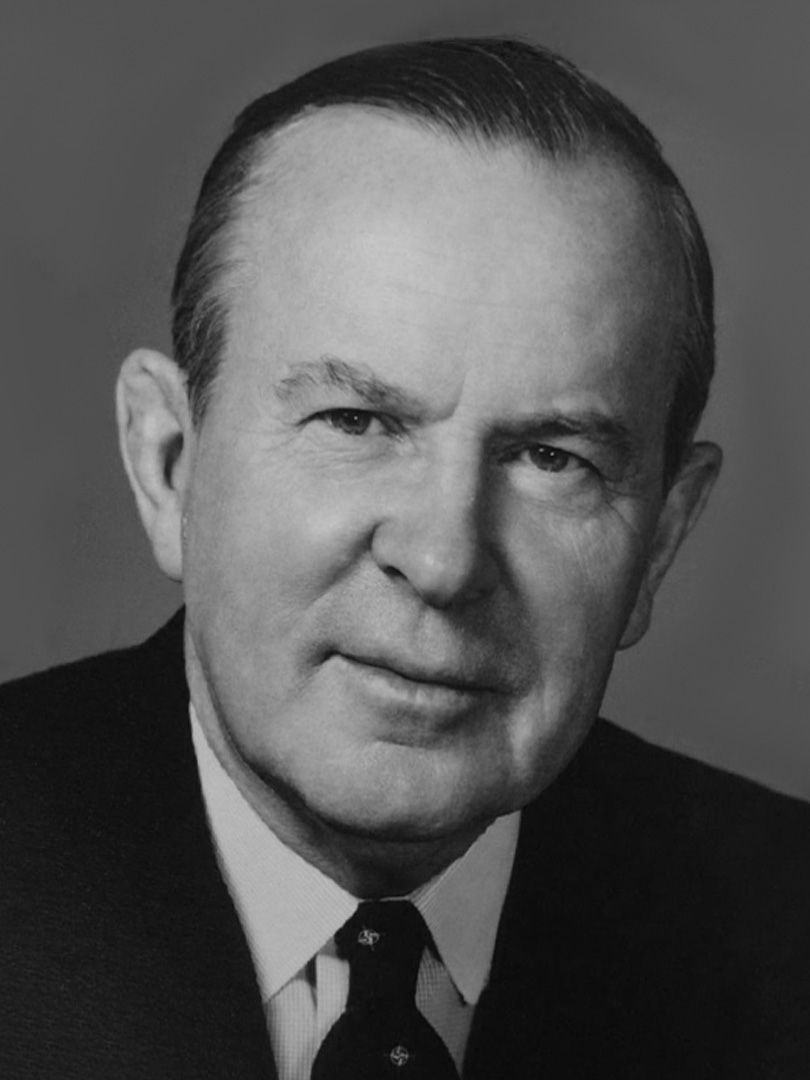
After leaving office, former prime ministers have pursued diverse paths. Many have remained active in public life, either in politics or other prominent roles. Several former prime ministers have served as Leader of the Official Opposition, including Sir John A. Macdonald, Arthur Meighen, William Lyon Mackenzie King, and Pierre Trudeau, all of whom later returned to the prime ministership. Others, like Alexander Mackenzie and John Diefenbaker, served as opposition leader before remaining as M.P.s until their deaths. Some have transitioned to academia or business, such as Robert Borden, who served as chancellor of Queen's University and McGill University, and Lester B. Pearson, who was chancellor of Carleton University. A unique case is that of R.B. Bennett, who moved to the United Kingdom after his premiership and was made a member of the British House of Lords as Viscount Bennett in 1941, the only Canadian prime minister to receive a peerage. The tradition of granting a heraldic augmentation to former prime ministers' coats of arms is a more recent honour, accepted by several living former leaders including Joe Clark, Pierre Trudeau, John Turner, Brian Mulroney, Kim Campbell, Jean Chrétien and Paul Martin.
The Prime Ministership in the 21st Century
The office continues to be the focal point of federal political power in Canada. The 24th and current prime minister, Mark Carney, was sworn in on March 14, 2025, after being elected leader of the Liberal Party. A former governor of the Bank of Canada and the Bank of England, Carney's government has announced initiatives focused on economic growth, national sovereignty, and climate action, as evidenced by public statements in 2026 regarding Northern development and international engagements. The structure of the role, with its powerful supporting apparatus in the P.M.O. and control over a vast appointment schedule, remains largely unchanged. However, ongoing debates about the balance of power between the prime minister, Parliament, and the Cabinet persist. The fixed-election-date law has introduced a measure of predictability, though the prime minister's ability to request an early dissolution remains a key strategic tool. The relationship with the Crown, while ceremonial in daily practice, retains its constitutional significance as a foundational check within the system of responsible government.
Historical Tenure of Prime Ministers
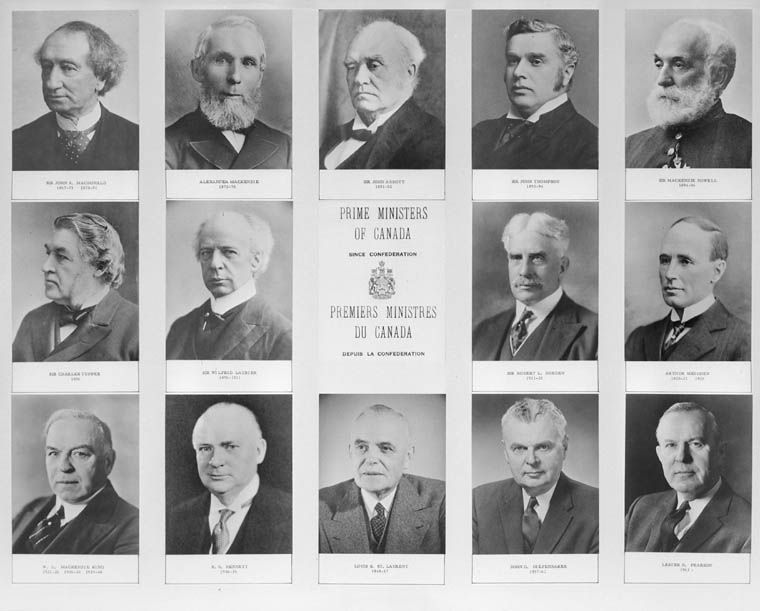
The following table illustrates the sequence and party affiliations of Canadian prime ministers since Confederation, highlighting the turnover of ministries. It shows that while 24 individuals have held the office, there have been 30 separate ministries due to some prime ministers serving non-consecutive terms or leading multiple Parliaments. This historical overview demonstrates the alternation of power between the Liberal and Conservative (and its predecessor) parties over Canada's political history. The table ends with the current prime minister, Mark Carney, whose tenure began in 2025 and continues the Liberal Party's governance.
| Prime Minister | Party | First Year in Office |
|---|---|---|
| Sir John A. Macdonald | Liberal-Conservative | 1867 |
| Sir John Abbott | Liberal-Conservative | 1891 |
| Sir Mackenzie Bowell | Liberal-Conservative | 1894 |
| Pierre Trudeau | Liberal | 1968 |
| Joe Clark | Progressive Conservative | 1979 |
| Pierre Trudeau | Liberal | 1980 |
| John Turner | Liberal | 1984 |
| Brian Mulroney | Progressive Conservative | 1984 |
| Kim Campbell | Progressive Conservative | 1993 |
| Jean Chrétien | Liberal | 1993 |
| Mark Carney | Liberal | 2025 |
Questions about Prime Minister of Canada
How is the prime minister of Canada chosen?
The prime minister is not directly elected by voters. Following a general election or a change in party leadership, the governor general appoints the person most likely to command the confidence of the House of Commons. In practice, this is almost always the leader of the political party that wins the most seats in the House. The prime minister is then sworn in and must promptly secure a seat in the House of Commons if they do not already have one, typically through a by-election in a safe riding where a member of the governing party resigns.
What are the official residences of the prime minister?
The prime minister is provided with two official residences. The primary residence is 24 Sussex Drive in Ottawa, which serves as the prime minister's home and a venue for official functions. The second is Harrington Lake, a country retreat located in Gatineau Park, Quebec. The prime minister also has an office in the Office of the Prime Minister and Privy Council building across from Parliament Hill. All are maintained through parliamentary appropriations.
Can the prime minister be removed from office?
Yes, a prime minister can be removed from office through several means. The most common is losing the confidence of the House of Commons, which typically leads to resignation or a request for Parliament to be dissolved for an election. A prime minister can also be dismissed by the governor general using the Crown's reserve powers in an extreme constitutional crisis, though this is exceptionally rare. A caucus revolt under the rules of the Reform Act, 2014, can trigger a leadership review and potentially lead to a prime minister's removal by their own party.
What is the difference between the prime minister and the governor general?
The governor general is the representative of the Canadian monarch, who is the head of state. The prime minister is the head of government. The governor general performs ceremonial duties and exercises reserve powers. The prime minister is responsible for political leadership and advising the Crown on the exercise of executive powers. The governor general's powers are nearly always exercised on the binding advice of the prime minister and Cabinet.
Who is the current prime minister of Canada?
The current prime minister of Canada is Mark Carney. He is the 24th person to hold the office and the leader of the Liberal Party of Canada. Carney was sworn in as prime minister on March 14, 2025. Prior to entering politics, he served as the governor of the Bank of Canada and later as the governor of the Bank of England.
What is the salary of the prime minister of Canada?
As of April 2024, the prime minister's annual salary is $406,200. This amount consists of a base Member of Parliament salary of $203,100 plus an additional prime ministerial salary of $203,100. The prime minister's compensation is provided through budgets approved by Parliament. The prime minister also receives other benefits, including the use of official residences and government transportation, which are separately funded.
Sources and further reading
- Prime Minister of Canada (Wikipedia)
- About | Prime Minister of Canada (pm.gc.ca)
Checked by the Nosy Mag desk. Last updated 2026-10-24.