Office of the Prime Minister
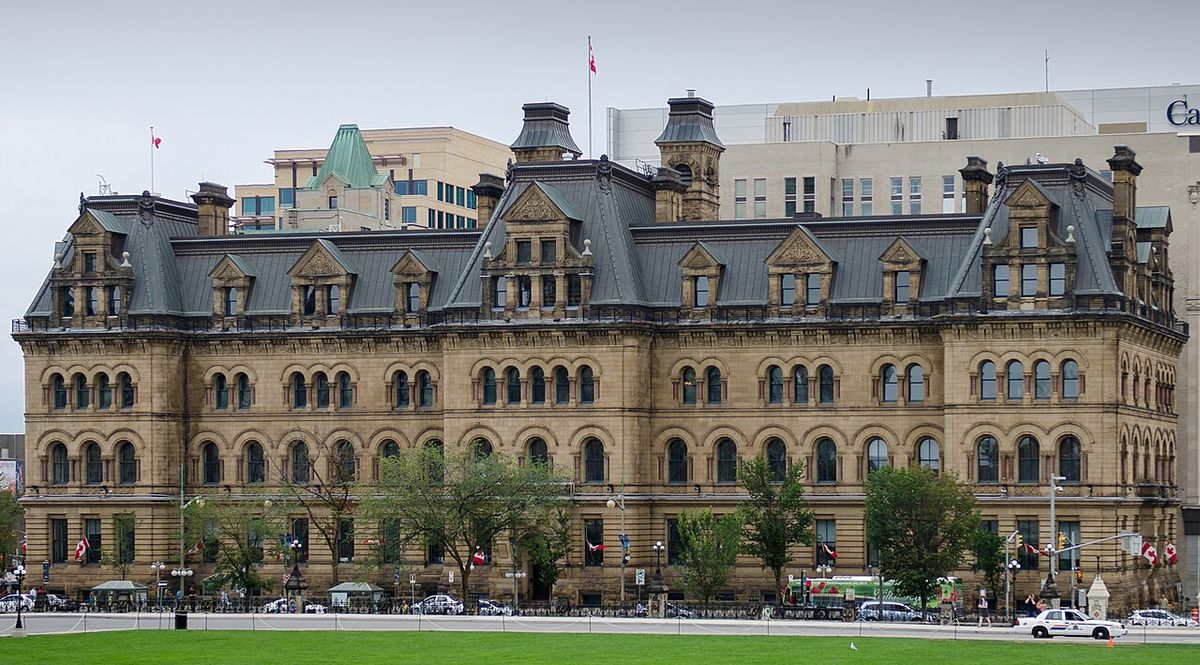
The Office of the Prime Minister (PMO) is the political staff organization that provides direct support to the prime minister of Canada. Located in the Office of the Prime Minister and Privy Council Building in Ottawa, the PMO is a central organ of government, focused on policy advice, communications, planning, and political strategy. It is a partisan entity distinct from the non-partisan federal public service, specifically the Privy Council Office, with which it closely collaborates. The office plays a role in coordinating government priorities, managing the prime minister's political relationships, and overseeing key public appointments, functioning with a staff of about 100 political appointees.
Structure and Key Roles
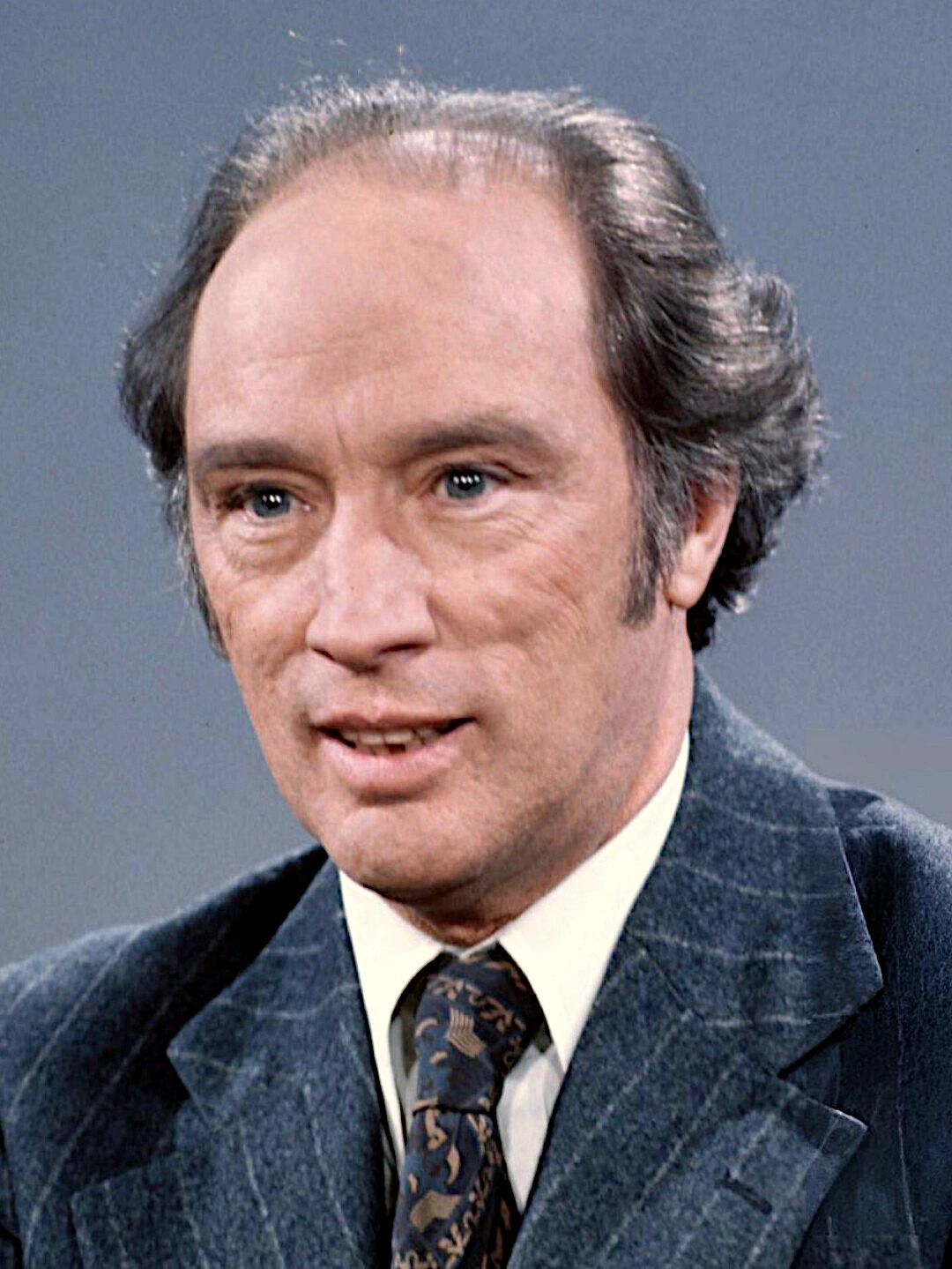
The Prime Minister's Office is structured hierarchically, with its day-to-day operations managed by the chief of staff to the prime minister. This individual, currently Marc-André Blanchard who was appointed on July 7, 2025, holds a position of significant influence with access to the prime minister and cabinet ministers. The chief of staff oversees all PMO staff activities, serves as a key political adviser, and has the duty of liaising with the Privy Council Office. Another senior official is the principal secretary, a role whose specific duties have varied under different prime ministers but consistently involves high-level strategic and advisory functions. The principal secretary role was originally created by Prime Minister Pierre Trudeau. The organizational model, which includes roles like deputy chiefs of staff for specific areas such as communications and policy, was significantly expanded under Prime Minister Paul Martin to more closely resemble the structure of the Executive Office of the President of the United States. Martin also re-established the position of director in the offices of other ministers, positions previously known as special assistants.
The PMO staff consists of approximately 100 partisan appointees, known in federal government jargon as exempt staff. These individuals are hired directly by the prime minister's team and are not part of the non-partisan public service. Their remuneration and the office's operational costs are incurred as part of the estimates for the Privy Council Office, the federal department that hosts them administratively. Despite this financial and physical co-location in the same building facing Parliament Hill, the PMO operates as an autonomous unit. It is not subject to the management authority of the Clerk of the Privy Council, who is the head of the federal civil service. This separation ensures the PMO can maintain its explicitly partisan and politically oriented focus while collaborating operationally with the non-partisan machinery of government.
Core Functions and Responsibilities
The PMO exists to support the prime minister across the full spectrum of responsibilities as head of government, leader of a political party, and a Member of Parliament. Its work is concentrated in areas where public administration objectives intersect or compete with the prime minister's political interests. These functions are broadly categorized into substantive, communicative, intelligence-based, relational, clerical, and operational domains. One of the PMO's most continuous roles is in the area of public appointments. The office's public appointments unit is involved in the recruitment, vetting, and appointment process for numerous governmental and quasi-governmental positions. This is most visible for order-in-council appointments, which are formally made in the name of the monarch or governor general on the advice of the prime minister or cabinet. The PMO's degree of involvement varies depending on the position.
The specific functions performed by PMO staff are diverse. PMO staff support the prime minister as head of government, party leader, and Member of Parliament. Their functions are mainly substantive, such as policy development, legislative strategy, and cabinet agenda coordination. Other functions include marketing and communication like speechwriting and press relations, as well as intelligence gathering through public opinion research. Staff also manage relationships through stakeholder engagement and caucus management, and handle clerical and operational tasks like scheduling and tour logistics.
- Substantive work such as policy development, legislative strategy, and cabinet agenda coordination.
- Marketing and communication duties encompassing speechwriting and press relations.
- Intelligence gathering through public opinion research and vetting for public appointments.
- Relationship management covering stakeholder engagement, community outreach, and caucus management.
- Clerical tasks like scheduling and correspondence management.
- Operational logistics for tours, security coordination, and protocol.
This comprehensive suite of functions allows the PMO to act as the prime minister's central political nerve centre. It filters information, shapes strategy, and manages the interface between politics and government. The office focuses on supporting the prime minister in duties where public administration objectives overlap with political interests. Its work ensures the prime minister's political objectives are integrated into the machinery of government. The PMO also manages the external communications and relationships vital to maintaining public and party support.
Distinction from and Relationship with the Privy Council Office
A fundamental characteristic of the Canadian system is the clear distinction between the partisan Prime Minister's Office and the non-partisan Privy Council Office. The PCO is a department of the Government of Canada staffed by career public servants. It is responsible for cross-government coordination and providing non-partisan support and advice to the federal cabinet as a whole. The two offices are co-located in the same building and collaborate extensively, but they operate from fundamentally different perspectives. The PMO is partisan and politically oriented yet operationally sensitive, while the PCO is non-partisan and operationally oriented yet politically sensitive. This critical distinction was famously articulated in 1971 by then Clerk of the Privy Council Gordon Robertson.
The proper maintenance of this relationship is considered essential for effective and principled government. The PMO focuses on advancing the prime minister's political and policy agenda, while the PCO focuses on ensuring the smooth execution of government decisions and providing impartial advice on the machinery of government. Their functional interdependence requires constant communication and coordination, but their separate mandates help preserve the non-partisan nature of the public service. The PMO staff collaborates extensively with PCO officials, and the two offices are functionally interdependent, yet the PMO remains an autonomous unit not subject to the PCO's management.
Historical Evolution and Institutional Growth
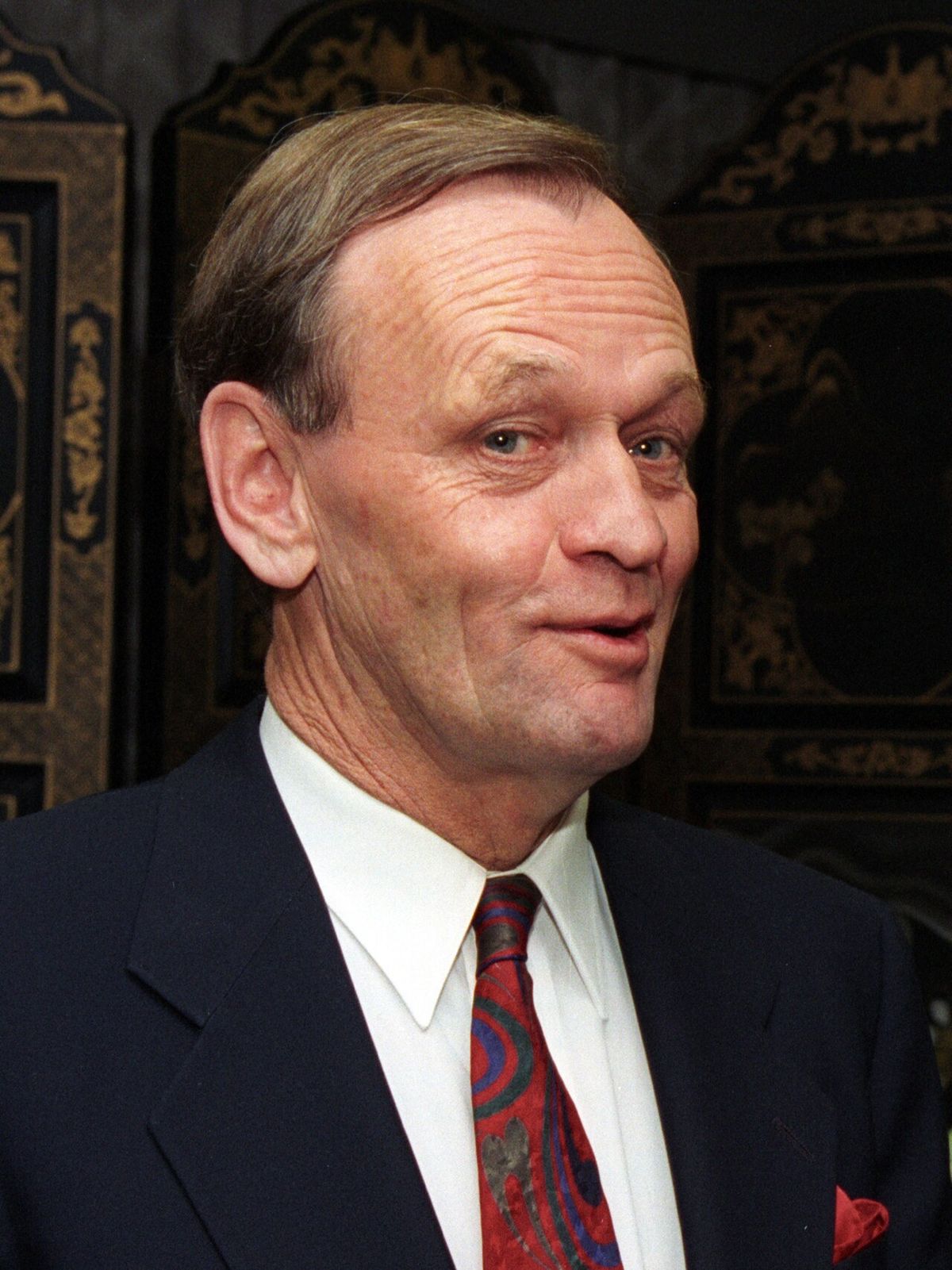
The role and size of the PMO have expanded dramatically since the early days of Confederation. This expansion accelerated as the demands on the centre of government grew, transforming the office from a small secretariat into a powerful central agency. Under Prime Minister Pierre Trudeau, the position of principal secretary was originally created, signalling a move toward a more structured and influential advisory system around the prime minister. Under Prime Minister Jean Chrétien, the PMO became a central and powerful organ of government. Chrétien depended heavily on key figures like Chief of Staff Jean Pelletier, who ran the office from 1993 to 2001, Director of Appointments and later Chief of Staff Percy Downe, and his senior advisor, Eddie Goldenberg. His successor, Paul Martin, instituted major structural changes, deliberately modelling the PMO more closely on the White House structure. Martin introduced deputy chiefs of staff responsible for areas like communications and policy, re-established the position of principal secretary, and significantly increased the salaries of PMO staff. This expanded model was largely retained by Prime Minister Stephen Harper. The power concentrated in the PMO has been a subject of scrutiny, notably during the Gomery Commission's investigation into the sponsorship scandal. Commissioner John Gomery concluded the scandal originated in the PMO and recommended its power be reduced.
The evolution of the PMO can be traced through key figures and structural changes under different prime ministers. After Jean Chrétien became prime minister, the PMO continued to be the central organ of the government. Chrétien greatly depended upon his chief of staff, Jean Pelletier, and his senior advisor, Eddie Goldenberg. Paul Martin changed the PMO's structure to more closely match the Executive Office of the President of the United States. Martin re-established the position of principal secretary and significantly increased PMO staff salaries.
- Jean Pelletier: Chief of Staff to Prime Minister Jean Chrétien from 1993 to 2001.
- Percy Downe: Served as Director of Appointments (1998 to 2001) and later Chief of Staff (2001 to 2003) under Chrétien.
- Eddie Goldenberg: Senior Advisor to Prime Minister Jean Chrétien throughout his tenure.
- Paul Martin: Prime Minister who re-modelled the PMO after the U.S. Executive Office, re-establishing the principal secretary role and creating deputy chiefs of staff.
- Stephen Harper: Prime Minister who largely retained the expanded PMO structure initiated by Martin.
- Marc-André Blanchard: Chief of Staff to Prime Minister Mark Carney, appointed July 7, 2025.
These leaders and advisers have each contributed to the office's growth from a small secretariat to the influential central agency it is today. Stephen Harper largely retained the model established by Paul Martin. The PMO's evolution reflects the increasing centralization of political power and advisory support around the prime minister. In earlier ministries, the prime minister's secretaries mainly fulfilled basic service roles like responding to correspondence. The PMO's institutionalization has expanded its raison d'être to include policy advice, information gathering, communications, planning, and strategizing.
Nomenclature, Location, and the Symbolism of 24 Sussex
The organization is officially titled the Office of the Prime Minister but is universally referred to as the prime minister's office, abbreviated as PMO. In French, it is known as the Cabinet du Premier ministre (CPM). Unlike similar executive offices such as 10 Downing Street or the White House, the Canadian prime minister's official residence is not used as a metonym for the PMO because 24 Sussex Drive is not the site of bureaucratic functions. The media previously occasionally used the building's former name, the Langevin Block, to refer to the office, but since its renaming to the Office of the Prime Minister and Privy Council Building, reports typically refer simply to staff in the prime minister's office.
However, 24 Sussex Drive remains a symbol of the public office of the prime minister. First built in 1868, it has been home to prime ministers and has hosted world leaders. By 2026, the residence had been uninhabitable for over a decade due to decades of deferred maintenance and neglect. In a 2026 announcement, Prime Minister Mark Carney framed the residence as a physical institution that grounds the nation and reflects its democratic traditions. The government launched a national design-and-build competition, open to Canadian firms, to restore 24 Sussex Drive as a secure, accessible, and sustainable official residence and working venue. The Royal Architectural Institute of Canada is advising on the competition, which will be judged by an independent jury.
The history of 24 Sussex Drive is marked by its notable residents and guests. The residence is nearly as old as Canada, first built in 1868. It has been home to prime ministers. For more than 75 years, it has welcomed leaders from around the world. The residence sits on a rise above the meeting of the Ottawa, Rideau, and Gatineau rivers.
- Louis St. Laurent: Prime Minister and resident of 24 Sussex Drive.
- Sir Winston Churchill: World leader hosted at 24 Sussex Drive.
- John F. Kennedy: President of the United States hosted at 24 Sussex Drive.
- Queen Elizabeth II: Monarch hosted at 24 Sussex Drive.
- Stephen Harper: Prime Minister and the last resident of 24 Sussex Drive before it became uninhabitable.
This list shows the residence's role as a backdrop to Canadian and international history. 24 Sussex Drive is more than a residence and is a symbol of the public office of the head of government. After decades of deferred maintenance, the house became uninhabitable and was left empty for more than a decade. In 2026, the government launched a national design-and-build competition to restore 24 Sussex Drive. The goal is to make it a secure, accessible, and sustainable official residence and working venue for future prime ministers.
The PMO Under Prime Minister Mark Carney
Following his swearing-in as prime minister, Mark Carney assumed leadership of the government and the Prime Minister's Office. His appointment of Marc-André Blanchard as chief of staff on July 7, 2025, established the senior leadership for his PMO. The office supports Carney across the full range of his duties, from domestic policy announcements to international diplomacy. This includes calls with world leaders and delivering remarks at international forums. The PMO also manages the political communications around major heritage initiatives like the national competition to restore 24 Sussex Drive.
The PMO's structure under Carney includes the key position of chief of staff, continuing the institutional model developed by his predecessors. The office continues to perform its core functions of policy advice, strategic communications, appointment vetting, and coordination with the public service through the Privy Council Office. As a central political office, it plays a critical role in advancing the government's agenda, managing its political relationships, and supporting the prime minister in his roles as head of government and leader of the Liberal Party of Canada. The PMO remains the prime minister's primary source for partisan policy advice, information gathering, and political strategizing, operating in its distinct but interdependent relationship with the non-partisan public service to govern.
Staffing, Funding, and Public Scrutiny
The approximately 100 staff members of the PMO are partisan appointees, meaning they are exempt from the rules governing the non-partisan public service and serve at the pleasure of the prime minister. Their salaries and the office's operational costs are funded through the estimates of the Privy Council Office, creating an administrative link but not a managerial one. This funding model places the PMO's expenses within the budget of a major government department, though the office itself remains a distinct political entity. The concentration of power and influence in this unelected, partisan staff has been a recurring theme in Canadian political analysis and public debate.
Public and academic scrutiny of the PMO often focuses on its role in centralizing power in the hands of the prime minister and a small circle of advisers. The Gomery Commission's findings following the sponsorship scandal highlighted concerns about the PMO's influence over government operations. Commissioner John Gomery explicitly noted that the scandal originated in the prime minister's office and was allowed to continue despite internal audits and complaints, leading to his recommendation to reduce the PMO's power. This tension between the need for effective political support for the prime minister and the risks of excessive concentration of unaccountable power continues to shape discussions about the office's proper role and size within Canada's Westminster-style parliamentary democracy.
Questions about Office of the Prime Minister
What is the difference between the PMO and the PCO?
The Prime Minister's Office (PMO) is the partisan, political staff that supports the prime minister directly. The Privy Council Office (PCO) is the non-partisan federal department made up of career public servants that supports the entire cabinet and coordinates government operations. They work closely together in the same building, but the PMO focuses on political strategy and the prime minister's agenda, while the PCO focuses on impartial policy advice and implementation. The PMO is not subject to the management authority of the PCO's head, the Clerk of the Privy Council.
Who is the current chief of staff in the PMO?
The current chief of staff to the prime minister is Marc-André Blanchard. He has been Prime Minister Mark Carney's chief of staff since July 7, 2025. The chief of staff manages the office's day-to-day operations and has access to the prime minister and cabinet ministers. The chief of staff also liaises with the Privy Council Office.
Where is the Prime Minister's Office located?
The Prime Minister's Office is located in the Office of the Prime Minister and Privy Council Building in Ottawa, Ontario. This building directly faces Parliament Hill. The prime minister's official residence is 24 Sussex Drive, but it is not the site of any bureaucratic functions. The residence has been uninhabitable for more than a decade and was the subject of a national restoration competition launched in 2026.
What does the PMO do?
The PMO provides policy advice, information gathering, communications, planning, and strategizing to support the prime minister. Staff perform substantive functions like policy development and legislative strategy. They also handle marketing, intelligence, relationship management, clerical, and operational tasks. One of its most consequential roles is managing the public appointments process for order-in-council and other positions.
How many people work in the PMO and how are they paid?
The PMO consists of approximately 100 partisan appointees, known as exempted staff in federal government jargon. Their remuneration and the office's operational costs are incurred as part of the estimates of the Privy Council Office, which is the federal department of career civil servants. Although its costs are covered through the PCO's budget, the PMO is an autonomous unit not subject to the PCO's management authority. The Clerk of the Privy Council, who leads the PCO and the civil service, does not have management authority over the partisan PMO staff.
Has the PMO's power been criticized?
Yes, the PMO's power has been criticized. The Gomery Commission investigating the sponsorship scandal concluded the power of the PMO should be reduced. Commissioner John Gomery stated the scandal originated in the prime minister's office and was allowed to continue despite internal audit reports, investigations, warnings, and complaints. This highlighted concerns about the influence of unelected partisan staff.
Sources and further reading
- Office of the Prime Minister (Wikipedia)
- Leadership of the Prime Minister's Office (lop.parl.ca)
- Prime Minister Mark Carney announces national competition to ... (pm.gc.ca)
Checked by the Nosy Mag desk. Last updated 2026-10-27.