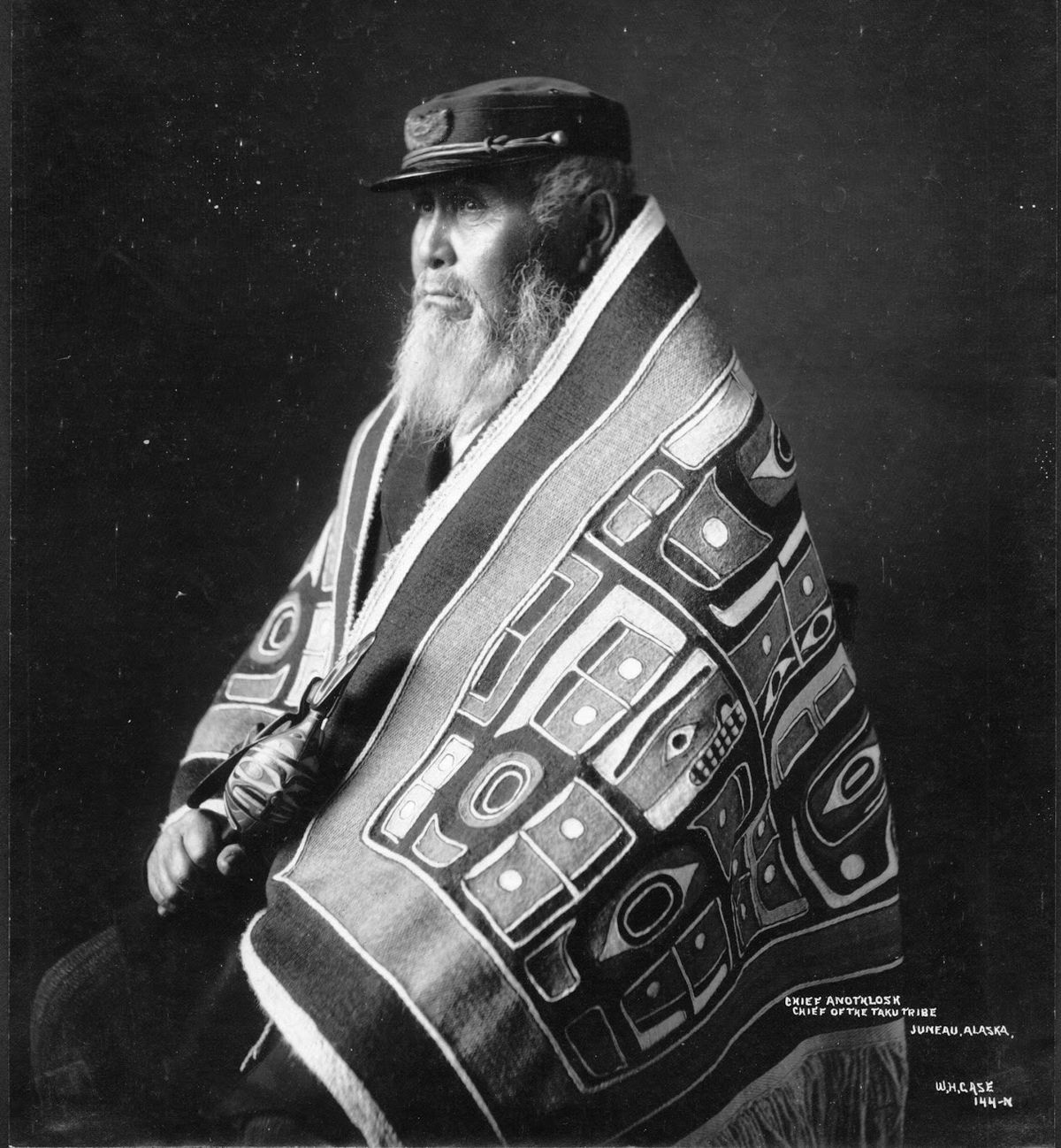
Indigenous peoples of the Pacific Northwest Coast
The Indigenous peoples of the Pacific Northwest Coast are the many distinct First Nations and Alaska Native peoples whose traditional territories lie along the Pacific coast of northwestern North America, from southern Alaska through British Columbia and into Washington, Oregon, and northern California. This cultural region is renowned for its exceptional linguistic diversity, complex social structures, and rich artistic traditions, all sustained by the abundant marine and forest resources of the temperate rainforest. For Canadians, these nations represent a foundational part of the country's cultural heritage and history, with ongoing vital contributions to contemporary art, law, environmental stewardship, and cultural life. Their deep historical connection to the land and sea continues to shape identity, governance, and cultural revitalization efforts across the region.
Geography and Environment
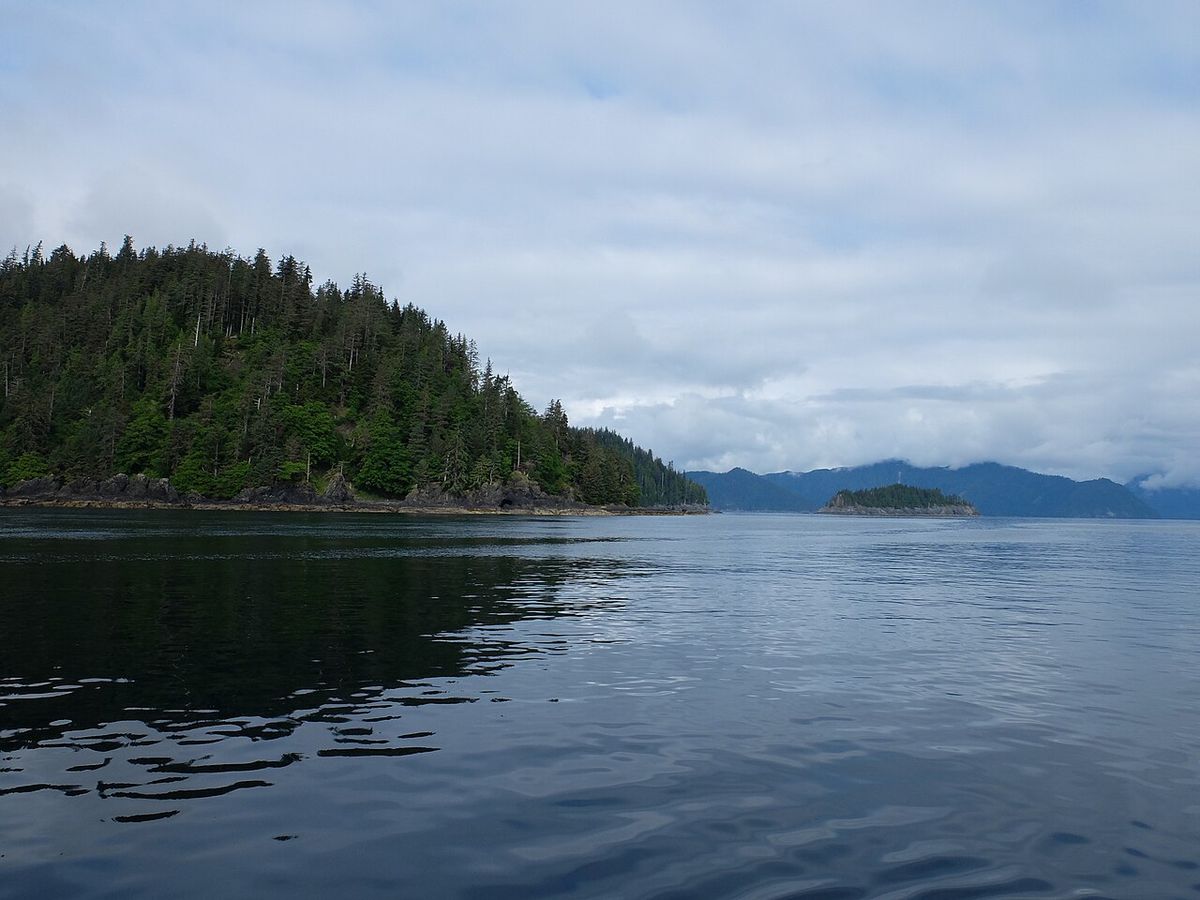
The Northwest Coast cultural area is defined by a long, narrow coastal strip characterized by a deeply indented shoreline of fjords, inlets, and archipelagos, backed by coastal mountain ranges. This geography stretches from the Alaska Panhandle in the north, through the coast of British Columbia, and down through Washington State, Oregon, and into northern California. The temperate rainforest climate, with heavy rainfall and mild temperatures, fostered incredibly dense forests of western red cedar and Sitka spruce. The marine environment, including the Salish Sea, Puget Sound, and the open Pacific, along with major river systems like the Skeena, Nass, and Fraser, provided an extraordinary abundance of food resources. This rich environment supported one of the highest population densities of any region inhabited by Indigenous peoples in Canada prior to European contact, enabling the development of large, permanent villages and complex societies without reliance on agriculture.
Historical Societies and Subsistence
The societies of the Northwest Coast developed a highly complex hunter-gatherer culture based on the secure and plentiful resources of their environment. Permanent villages, often comprising large cedar plank houses, were established along sheltered beaches and river mouths. The economy was centred on the sea and rivers, with salmon being the central dietary and cultural resource, celebrated in ceremonies like the First Salmon Ceremony. Other vital resources included halibut, herring, shellfish, and marine mammals like seals and whales, the latter hunted by nations such as the Makah and Nuu-chah-nulth. From the forests, people harvested cedar for everything from massive dugout canoes and house planks to baskets and clothing, along with berries and roots. This resource security allowed for significant surplus, which fueled social stratification, elaborate ceremonial life, and extensive trade networks that reached far inland and along the coast.
The social and political structures of many Northwest Coast nations were notably hierarchical and complex. Societies were often divided into nobles, commoners, and enslaved persons, with status determined by lineage and wealth. A defining feature for many groups, including the Tlingit, Haida, Tsimshian, and Kwakwakaʼwakw, is the matrilineal clan system, where identity and inheritance pass through the mother's line. These clans, often represented by animal crests like Raven, Eagle, or Killer Whale, regulated marriage, owned property, and managed political relationships. Tsimshian society was organized into four main clans (Eagle, Raven, Killer Whale, Wolf) split into two marriage halves, with marriage only permitted between clans from opposite halves. Leadership was typically held by hereditary chiefs, whose authority was validated and displayed through the ceremonial redistribution of wealth in events known as potlatches.
Major Cultural and Linguistic Groups
The Pacific Northwest Coast is home to a remarkable diversity of distinct nations, each with its own history, language, and traditions. Anthropologists often group them by language families, though these linguistic boundaries do not always align perfectly with cultural or political identities. The northern nations include the Tlingit of southeast Alaska and northern BC, and the Haida of Haida Gwaii and southern Alaska, both known for their art and historically for their prowess in trade and warfare. The Tsimshian-speaking peoples, including the Coast Tsimshian, Gitxsan, and Nisga’a, inhabit the watersheds of the Skeena and Nass rivers. The Wakashan language family includes the Northern Wakashan peoples like the Haisla, Heiltsuk, Wuikinuxv, and Kwakwakaʼwakw of the central coast and northern Vancouver Island, and the Southern Wakashan Nuu-chah-nulth, Ditidaht, and Makah of Vancouver Island's west coast and the Olympic Peninsula.
The Coast Salish peoples represent the largest southern grouping, encompassing many tribes with distinct but related languages across the Salish Sea, Puget Sound, and the southern Strait of Georgia. Their cultures, while sharing the broader Northwest Coast emphasis on salmon and cedar, often featured both matrilineal and patrilineal systems. Other distinct groups include the Chimakuan-speaking Quileute and the now-extinct Chimakum, and the Chinookan peoples of the Columbia River estuary. The Nuxalk, though speaking a Salishan language, are culturally part of the Northwest Coast but are geographically and linguistically distinct from their Coast Salish relatives.
- Tlingit: Matrilineal society of the Alaska Panhandle and northern BC, known as Lingít meaning "Human being."
- Haida: Renowned artists and carvers from Haida Gwaii and Alaska, on land believed to be almost 14,000 years old.
- Tsimshian: "People Inside the Skeena River," with about 10,000 people today and a complex four-clan system.
- Kwakwakaʼwakw: A group of 17 tribes in northern Vancouver Island, with about 5,500 people speaking Kwakʼwala.
- Nuu-chah-nulth: Whaling peoples of Vancouver Island's west coast, central to the Nootka Sound controversy around 1790.
- Coast Salish: A large, loose grouping of many tribes around the Salish Sea, numbering in the tens of thousands pre-contact.
- Gitxsan: People of the Skeena River interior, closely related to the Nisga'a and part of the Delgamuukw land rights case.
- Heiltsuk: Nation of the Central Coast centred on Bella Bella and Klemtu.
Artistic and Material Culture
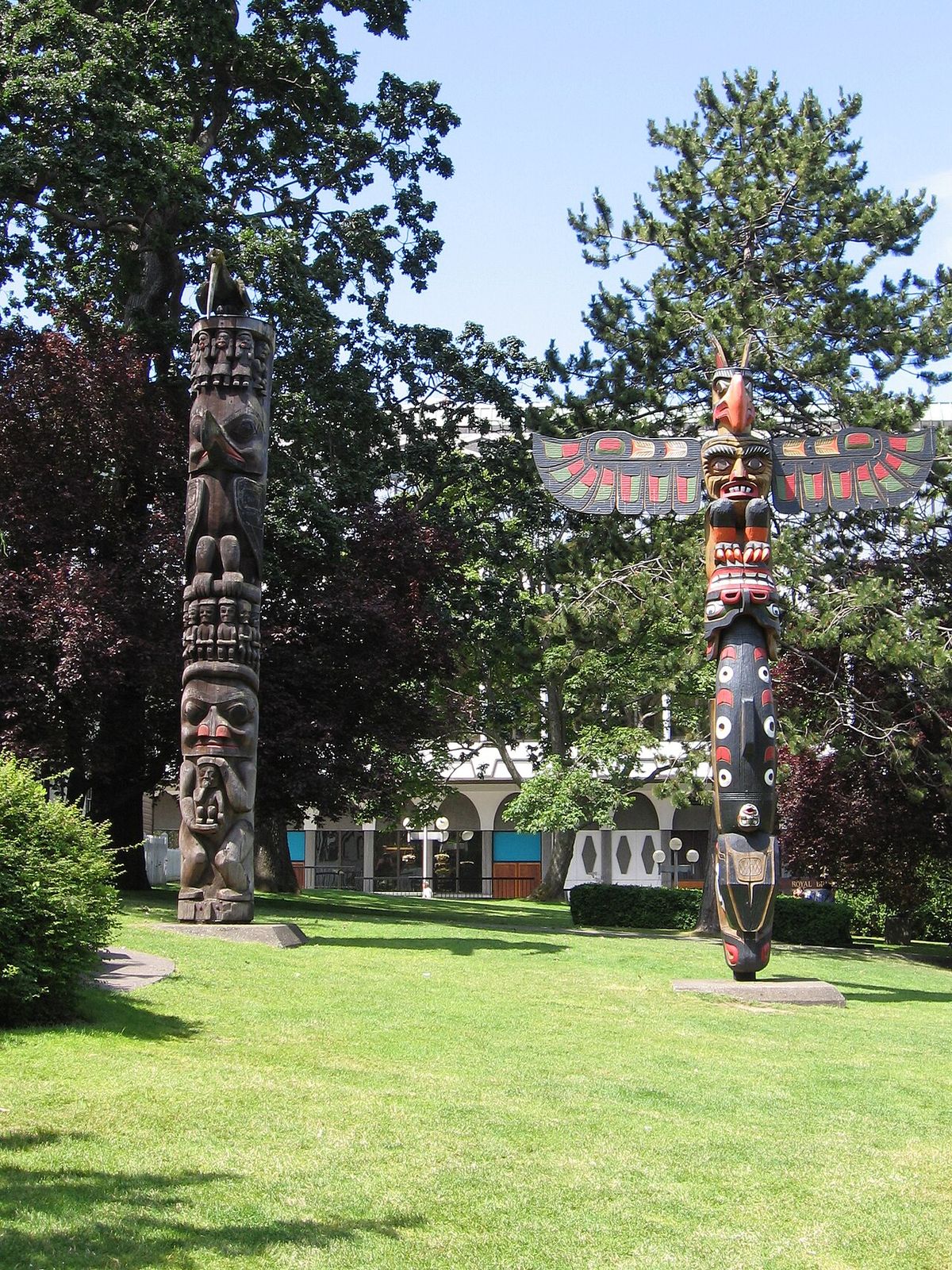
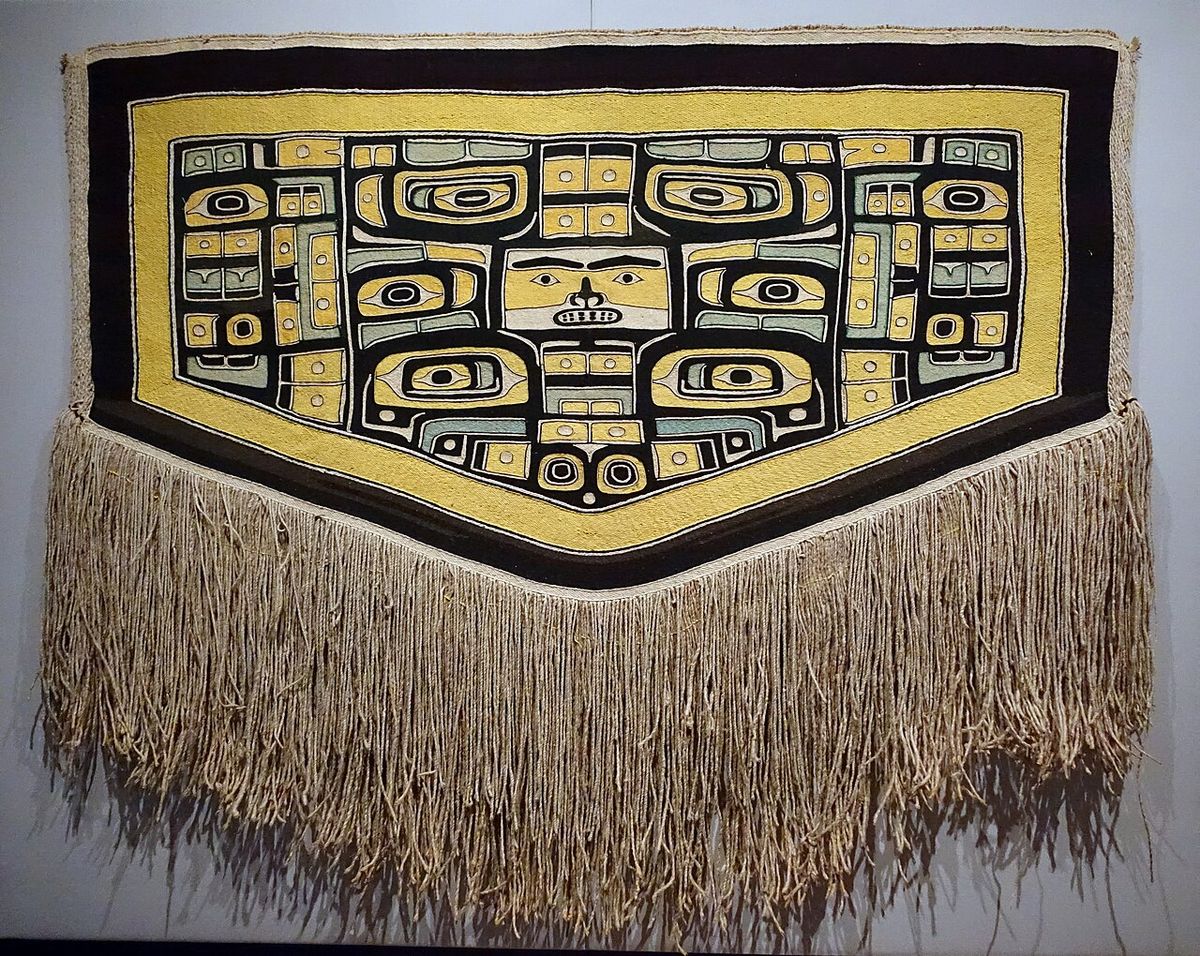
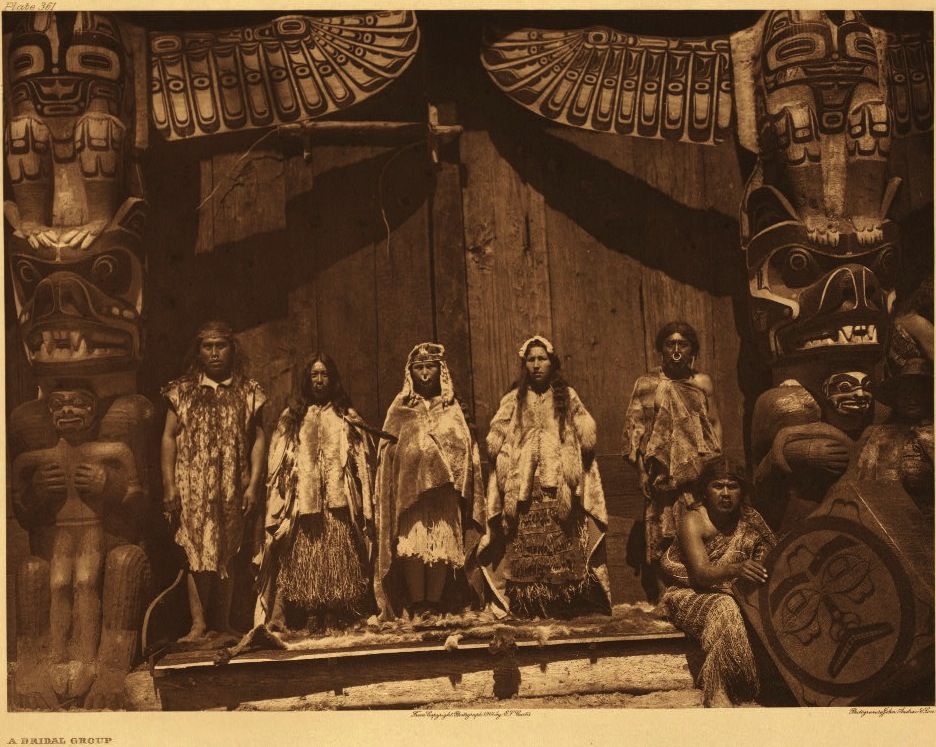
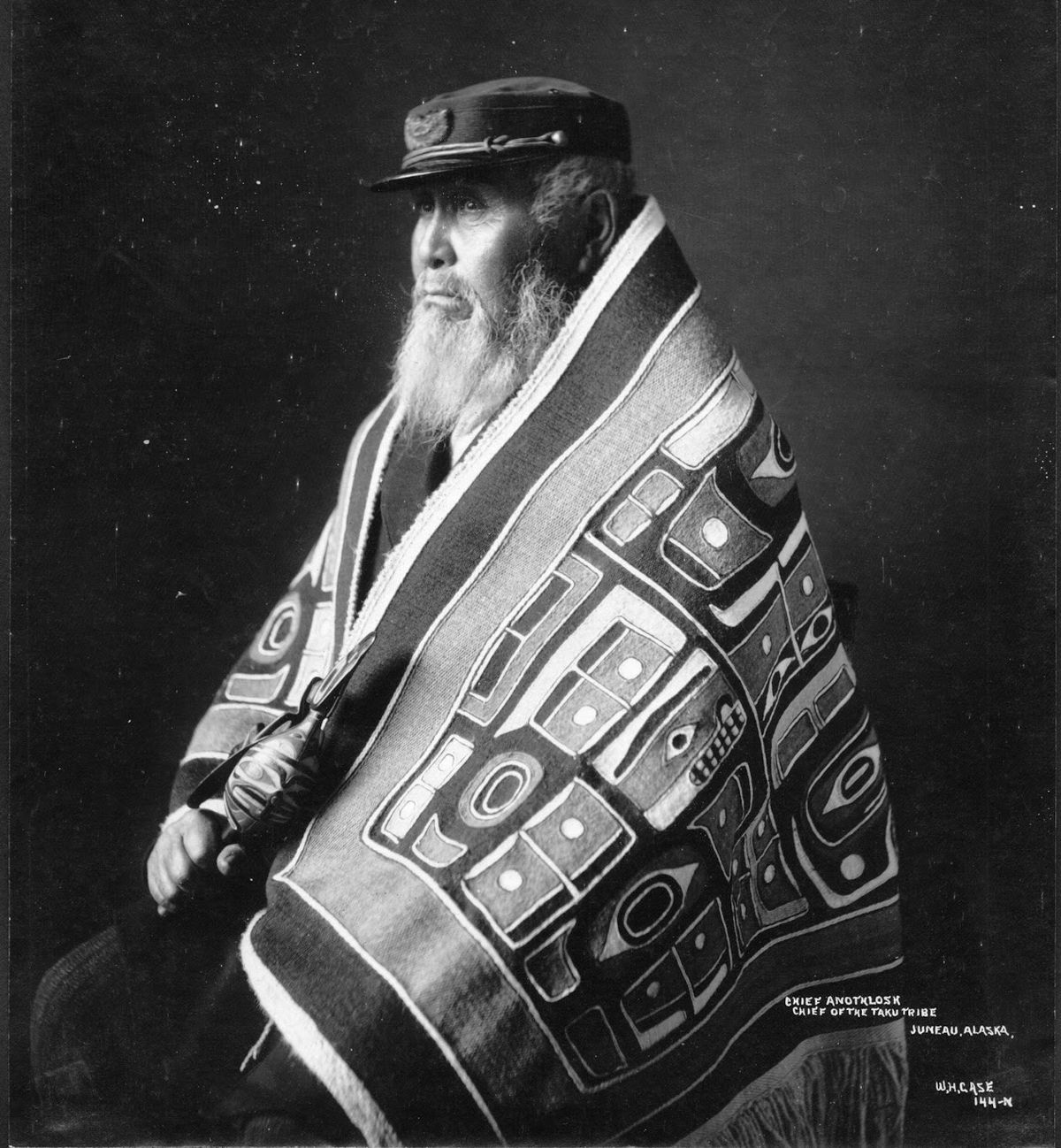
The artistic tradition of the Northwest Coast is one of the most sophisticated and recognizable in the world, characterized by bold, flowing forms and a highly conventionalized style used to depict animals, supernatural beings, and ancestral crests. Art was integral to life, imbuing utilitarian objects with spiritual power and asserting social status and history. The most well-known expression is the totem pole, a monumental cedar sculpture erected to commemorate history, honour ancestors, or mark territory. Other significant artistic achievements include carved masks used in ceremonial dances, elaborate bentwood boxes, woven spruce root hats and cedar bark baskets, and the distinctive formline design style that organizes two-dimensional space. Mastery of woodworking, particularly with cedar, was essential, producing not only art but also the massive dugout canoes that were the primary means of transportation and trade.
Artistic expression was closely tied to social and ceremonial life. Crests and designs were owned property of clans, and their display during potlatches affirmed rights and privileges. The art style varies between groups, with northern nations like the Tlingit and Haida often using more angular forms. Women's arts included finely woven baskets and textiles. The Haida were especially noted for their creative embellishment of wood in art and architecture.
History from Contact to the Present
Sustained European contact began in the late 18th century with maritime fur traders and explorers, such as those involved in the Nootka Sound controversy between Spain and Britain around 1790. While trade introduced new goods, it also brought catastrophic epidemics of diseases like smallpox, to which Indigenous peoples had no immunity. These outbreaks caused staggering population losses, with some estimates suggesting a loss of up to 90% of the population, devastating communities and contributing to social disruption. The 1862 Pacific Northwest smallpox epidemic was particularly devastating.
In Canada, repressive elements of the Indian Act were removed in 1951, and the right for First Nations to vote was granted in 1960. The 1951 amendment to the Indian Act lifted the potlatch ban. Landmark legal battles, most notably the Delgamuukw case led by the Gitxsan and Wet’suwet’en, fundamentally advanced the recognition of Aboriginal title in Canadian law. Today, nations are actively engaged in treaty negotiations, resource management, language revitalization programs, and cultural education. A revival of ocean-going cedar canoes began in the late 1980s, leading to events known as Tribal Canoe Journeys.
Contemporary Life and Cultural Revitalization
Today, the Indigenous peoples of the Northwest Coast lead modern lives while actively maintaining and revitalizing their distinct cultural practices. Many live in urban centres as well as in their traditional territories. A contemporary art scene sees artists working in both traditional and new media. Businesses and tribal enterprises are involved in sustainable forestry, fisheries management, tourism, and cultural product companies. Language revitalization is a critical effort, with communities developing immersion schools and digital resources to reclaim languages.
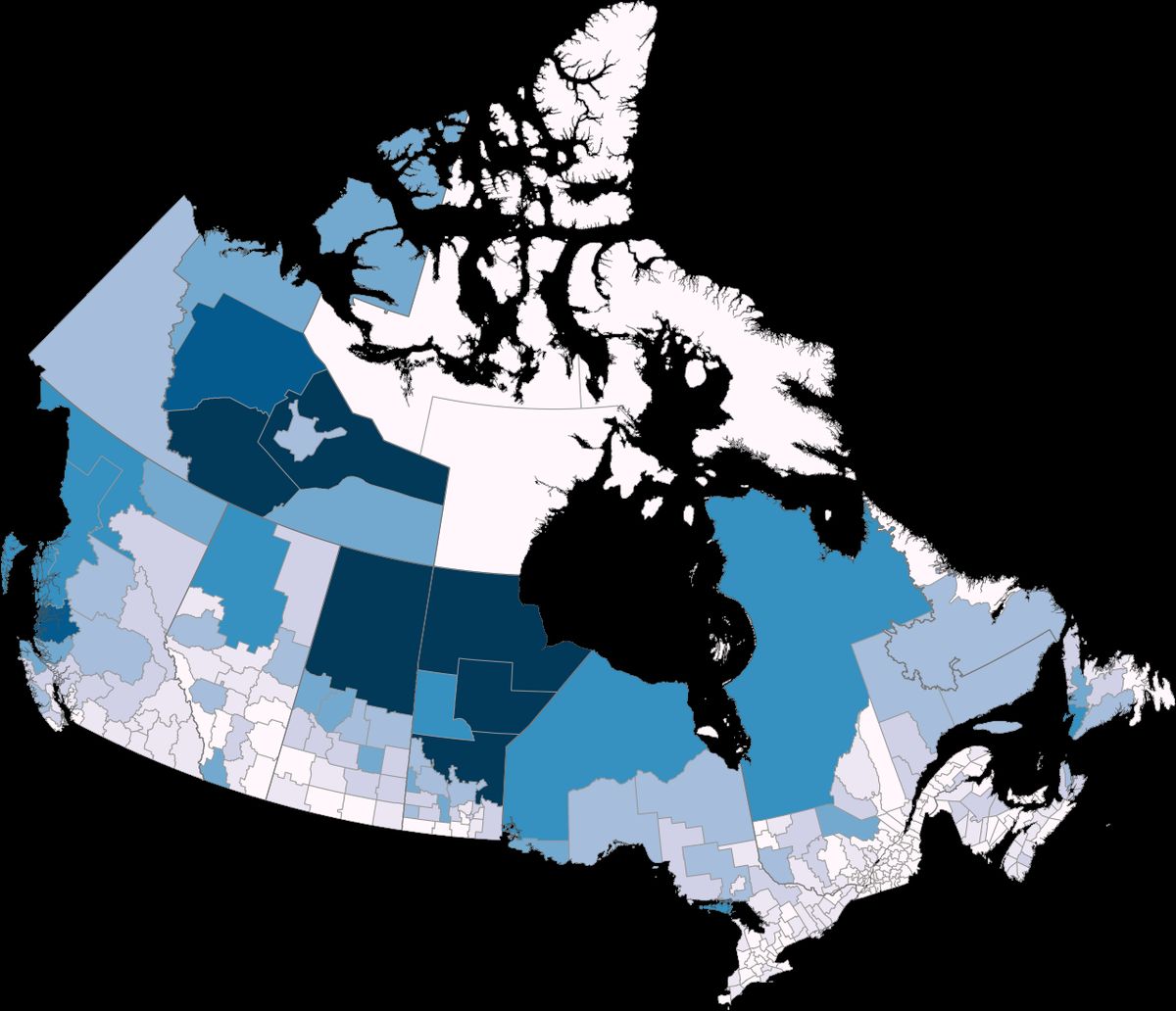
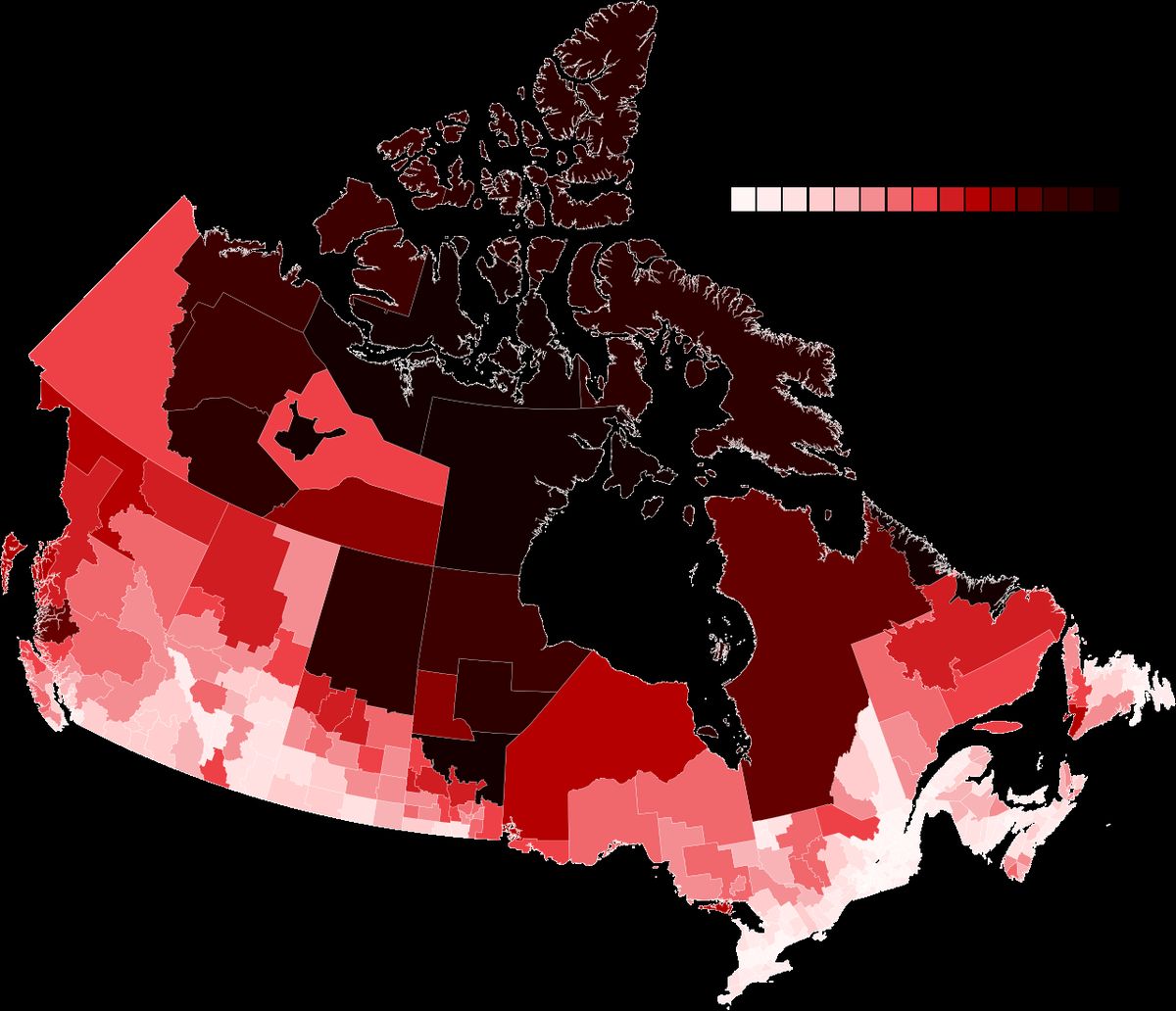
Political self-determination continues to be a central focus, with nations asserting their governance over education, child welfare, health, and land use. Environmental stewardship, rooted in the deep connection to salmon and cedar, drives advocacy for ecosystem restoration. Research has shown that Coast Salish peoples historically maintained complex forest gardens with crabapple, hazelnut, and berry species. Cultural practices such as canoe carving, regalia making, and the hosting of potlatches and feasts remain strong. In Canada, Indigenous peoples are one of the fastest growing groups with a young and increasing population.
| Area of Focus | Examples of Contemporary Activity |
|---|---|
| Governance & Law | Treaty negotiations, court cases on title and rights (e.g., Delgamuukw), self-governance agreements |
| Cultural Practice | Potlatches, Tribal Canoe Journeys, carving schools, language nests |
| Economic Development | Cultural tourism, sustainable fisheries and hatcheries, forestry, Indigenous art and design enterprises |
| Environmental Stewardship | Salmon habitat restoration, marine conservation, revival of forest garden practices |
| Art & Commerce | Public art installations, galleries, protection of artistic copyright |
Population and Demographics
Prior to European contact, the Pacific Northwest Coast supported an unusually high population density for hunter-gatherer societies. This density was made possible by the abundant and reliable food sources, particularly salmon, which allowed for the establishment of large, permanent villages sometimes housing hundreds of people. The total pre-contact population for the entire culture area likely numbered in the hundreds of thousands, with the Coast Salish alone estimated in the tens of thousands. The arrival of Europeans brought demographic catastrophe through epidemics, with some estimates suggesting a loss of up to 90% of the population. This drastic decline led to the consolidation of communities and the disappearance of some groups.
Exact population figures are complex due to membership across multiple federally recognized tribes in the US and First Nations in Canada. The Tsimshian are reported to number about 10,000 people today, with approximately 1,300 living in Alaska. The Kwakwakaʼwakw are reported to have about 5,500 members. The Da’naxda’xw Nation, a Kwakwakaʼwakw group, has approximately 225 members. Contemporary demographics in Canada show a young and growing Indigenous population.
Questions about Indigenous peoples of the Pacific Northwest Coast
What role did salmon play in Northwest Coast cultures?
Salmon was the foundational resource and a central cultural symbol for all Northwest Coast peoples. It provided the primary source of protein and was harvested in massive quantities during annual runs, then preserved by smoking or drying for year-round consumption. Its importance was reflected spiritually in First Salmon Ceremonies. Stories and art frequently feature salmon. The strategic location of the Chinookan peoples near Celilo Falls on the Columbia River, a fishing and trading site used for an estimated 15,000 years, highlights the economic and cultural centrality of salmon.
What does 'matrilineal' mean for Northwest Coast societies?
In a matrilineal society, an individual's clan affiliation, social status, and inheritance are determined through their mother's line. This means you belong to your mother's clan, not your father's. For nations like the Tlingit, Haida, and Tsimshian, this clan system governs marriage rules, political alliances, and property rights. Among the Tsimshian, the four main clans are divided into two halves, and marriage was only permitted between clans from opposite halves. Leadership positions and the right to use certain crests are passed down through the maternal line.
How did the environment shape Northwest Coast cultures?
The abundant marine resources and dense temperate rainforests directly enabled the unique development of Northwest Coast cultures. Reliable food sources like salmon and halibut allowed for permanent settlement in large villages. The plentiful western red cedar provided the material for houses, canoes, containers, clothing, and art. This resource security created surplus wealth, which supported social stratification, specialized artists, and elaborate ceremonies. The maritime environment necessitated expert canoe-building and navigation skills. The mild climate and rich ecosystem allowed people to obtain a good living with relative ease.
Are the Indigenous peoples of the Northwest Coast still here today?
Yes. Despite the devastating impacts of disease and colonialism, the nations of the Northwest Coast are active and dynamic today. They are engaged in all aspects of modern life while reclaiming and practising their cultures. This includes governing their own nations, pursuing land claims and treaties, operating cultural centres and schools, revitalizing languages, and leading in fields like art, law, and environmental science. Contemporary expressions, from legal victories to the thriving Indigenous art market and Tribal Canoe Journeys, demonstrate their enduring strength.
What is a potlatch and why was it important?
The potlatch was a complex ceremonial feast central to the social, economic, and political life of many Northwest Coast nations. It validated important status changes such as inheritances, marriages, or the raising of a totem pole. The ceremony involved the host distributing gifts like blankets, carved copper plaques, and food to all invited guests. This practice served to redistribute wealth within and between communities and affirm social hierarchies. The Canadian government banned the potlatch, but many communities continued the practice secretly, and its open revival has been a central part of cultural resurgence.
Which Indigenous nations are known for building totem poles?
Totem pole creation is most famously associated with northern nations like the Haida, Tlingit, and Tsimshian, as well as the Kwakwakaʼwakw and Nuxalk further south. The Haida were widely known for their art and architecture, which focused on the creative embellishment of wood, including totem poles. These monumental cedar carvings depict ancestral beings, clan crests, and historical or mythological events, serving as records of family lineage and rights. They were traditionally erected in front of houses, as interior house posts, or as freestanding memorial poles.
Sources and further reading
- Indigenous peoples of the Pacific Northwest Coast (Wikipedia)
- Native People of the American Northwest Coast (kids.nationalgeographic.com)
- Native Northwest: Building Everyday Connections to ... (nativenorthwest.com)
- Tribes in the Pacific Northwest Region (fwcs.oregonstate.edu)
- Northwest Coast Indigenous Peoples in Canada (thecanadianencyclopedia.ca)
Checked by the Nosy Mag desk. Last updated 2026-10-21.