Kwakwakaʼwakw
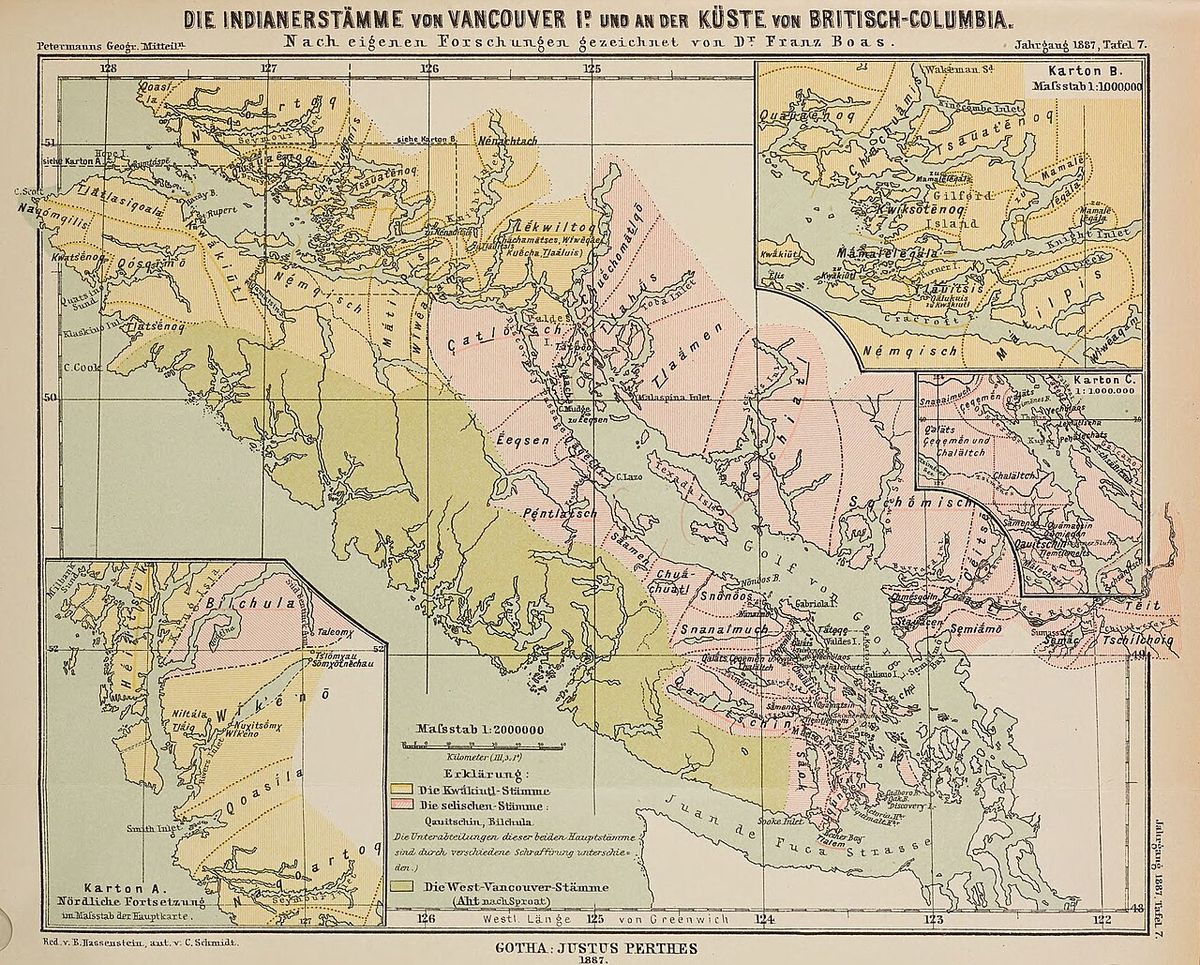
The Kwakwa̱ka̱ʼwakw, historically known as the Kwakiutl, are a collective of Indigenous nations whose traditional territories span northern Vancouver Island, smaller nearby islands, and the adjacent mainland coast of British Columbia. They are united by their common Kwakʼwala language and a rich cultural heritage centred on complex kinship systems, ceremonial potlatches, and a renowned artistic tradition. With a population of 3,665 people according to the 2016 census, the Kwakwa̱ka̱ʼwakw are politically organized into 13 band governments. Their history includes resilience in the face of colonial policies like the potlatch ban and residential schools, leading to a significant contemporary cultural and linguistic revitalization movement.
Origins and Traditional Society
Kwakwa̱ka̱ʼwakw oral histories describe their origins from ancestral beings who arrived in animal forms via land, sea, or underground before shedding their animal appearance to become human. These founding ancestors include powerful figures like the Thunderbird and his brother Kolas, the seagull, the orca, and the grizzly bear. Archaeological evidence indicates that the region has been inhabited for thousands of years. The traditional economy was based on a seasonal cycle of fishing, hunting, and gathering, which provided abundant, preservable food supplies that allowed for extended winter periods of ceremonial and artistic activity in permanent villages. Kwakwa̱ka̱ʼwakw society was highly stratified and organized around a bilinear kinship system. The fundamental social unit was the naʼmima, or extended family group, each with its own hereditary chiefs, history, and communal resource territories. Society was traditionally divided into classes: the nobility, whose status derived from birthright and lineage, the aristocracy who gained standing through wealth and potlatch distributions, commoners, and slaves. Property rights, especially over hunting and fishing grounds, were well-defined and inherited, forming the basis for material wealth.
Trade networks extended both internally among Kwakwa̱ka̱ʼwakw nations and externally with neighbouring peoples like the Tsimshian, Tlingit, Nuu-chah-nulth, and Coast Salish. This exchange of goods and ideas was a key part of the regional economy and cultural interaction. The potlatch tradition created a specific demand for stored surpluses of goods like wool blankets, which became a common currency. Copper held exceptional ceremonial value and was beaten into painted sheets used as prestige items. Named copper pieces were traded at potlatches, with their value measured in blankets, and owning them signified great wealth and status.
History of European Contact and Colonial Impact
The first documented European contact occurred in 1792 with the expedition of British Captain George Vancouver. Sustained contact increased with the establishment of the Hudson's Bay Company's Fort Rupert in 1849, which became a focal point for trade and the source of the misapplied name 'Kwakiutl' for the entire collective. The colonial period brought devastating epidemics, such as the 1862 Pacific Northwest smallpox epidemic, which killed over half the population. The Kwakwa̱ka̱ʼwakw population dropped by 75 percent between 1830 and 1880. Colonial policies aimed at assimilation had a deep impact. The potlatch was outlawed by amendments to the Indian Act in 1885. Enforcement escalated, culminating in the 1921 arrest of participants from a potlatch hosted by Chief Dan Cranmer at ʼMimkwa̱mlis (Village Island), with many imprisoned and their ceremonial regalia confiscated.
Concurrently, the residential school system forcibly removed children from their communities, suppressed the Kwakʼwala language, and sought to eradicate cultural practices. These concerted efforts severely disrupted social cohesion and accelerated language loss. Despite this oppression, many Kwakwa̱ka̱ʼwakw continued to practise their traditions secretly. Kwakwa̱ka̱ʼwakw dancers from Vancouver Island performed at the 1893 World's Columbian Exposition in Chicago.
Language and Revitalization
Kwakʼwala is a member of the Wakashan language family, related to languages spoken by the Nuu-chah-nulth, Heiltsuk, and Haisla peoples. It consists of four primary dialects: Kwak̓wala, 'Nak̓wala, G̱uc̓ala, and T̓łat̓łasik̓wala. Early documentation was sporadic until the systematic work of anthropologist Franz Boas and his collaborator George Hunt in the late 19th and early 20th centuries. Despite this scholarly attention, aggressive assimilation policies reduced Kwakʼwala to an endangered status. By 2016, the Kwakʼwala language was spoken by only 3.1 percent of the population. Revitalization efforts face significant hurdles, including the legacy of interrupted intergenerational transmission and the existence of four different writing systems, such as the Boasian orthography and the modern Uʼmista system.
Numerous community-led initiatives are underway to reverse this decline. These include language immersion programs in schools, community classes, and social events designed to foster everyday use. A significant proposal for a Kwakwakaʼwakw First Nations Centre for Language Culture has gained widespread support. The challenge is substantial, as most remaining fluent speakers are past the age of child-rearing. Success depends on creating new contexts where Kwakʼwala is the primary language of communication.
Cultural Arts and Ceremonies
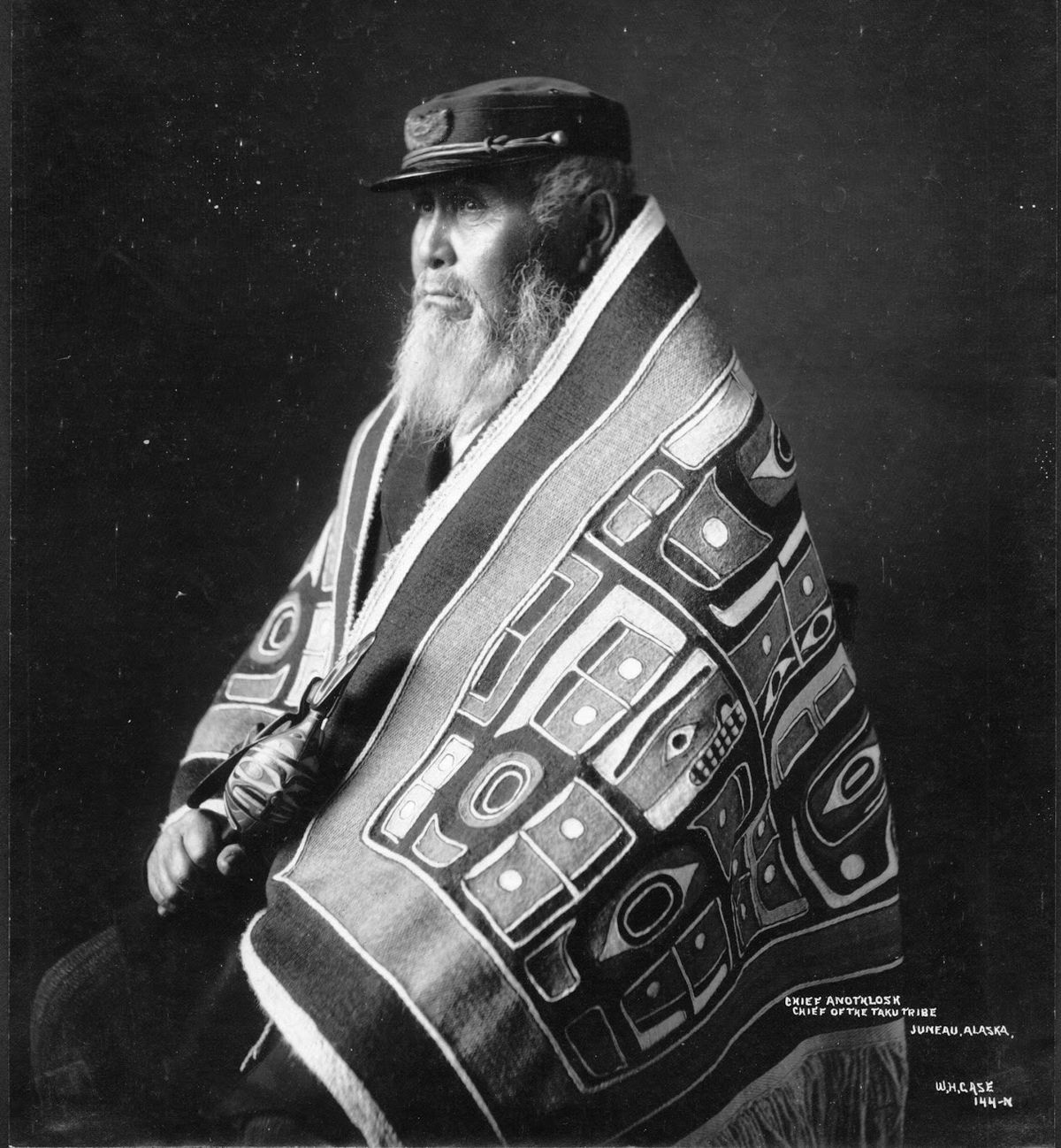
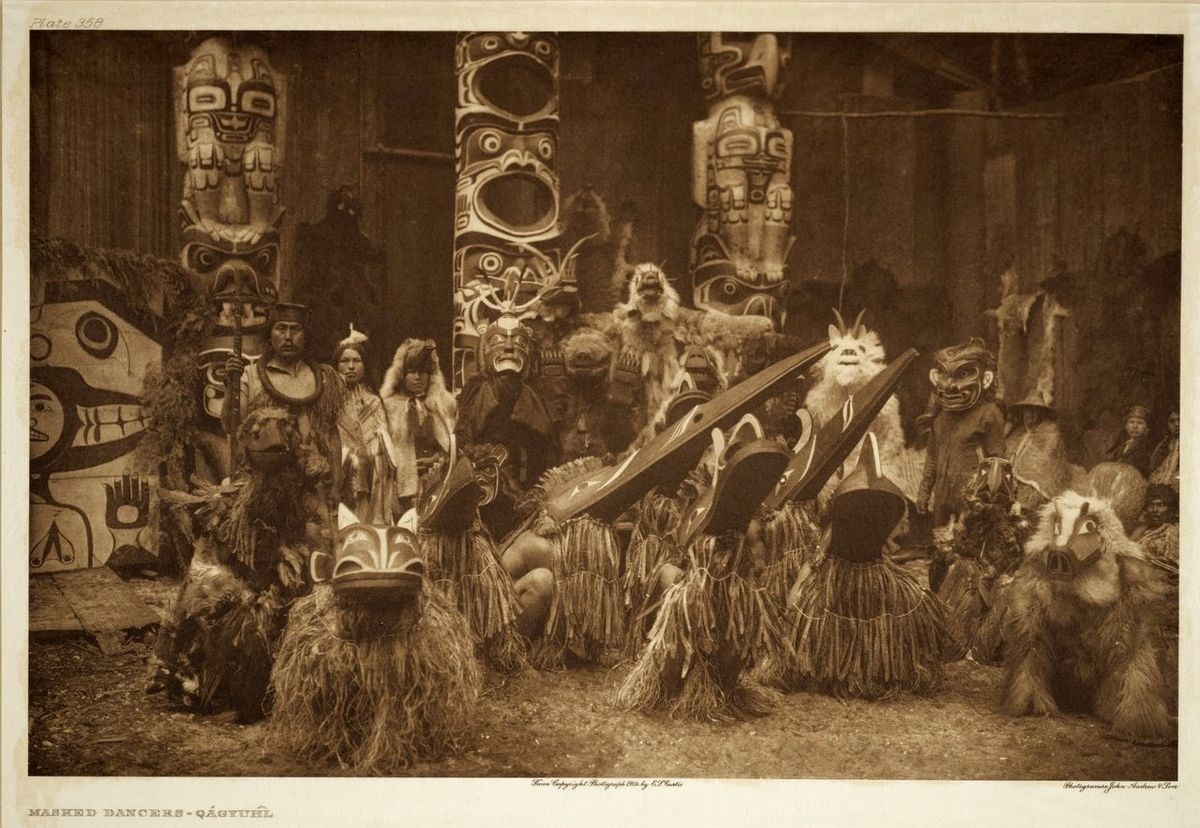
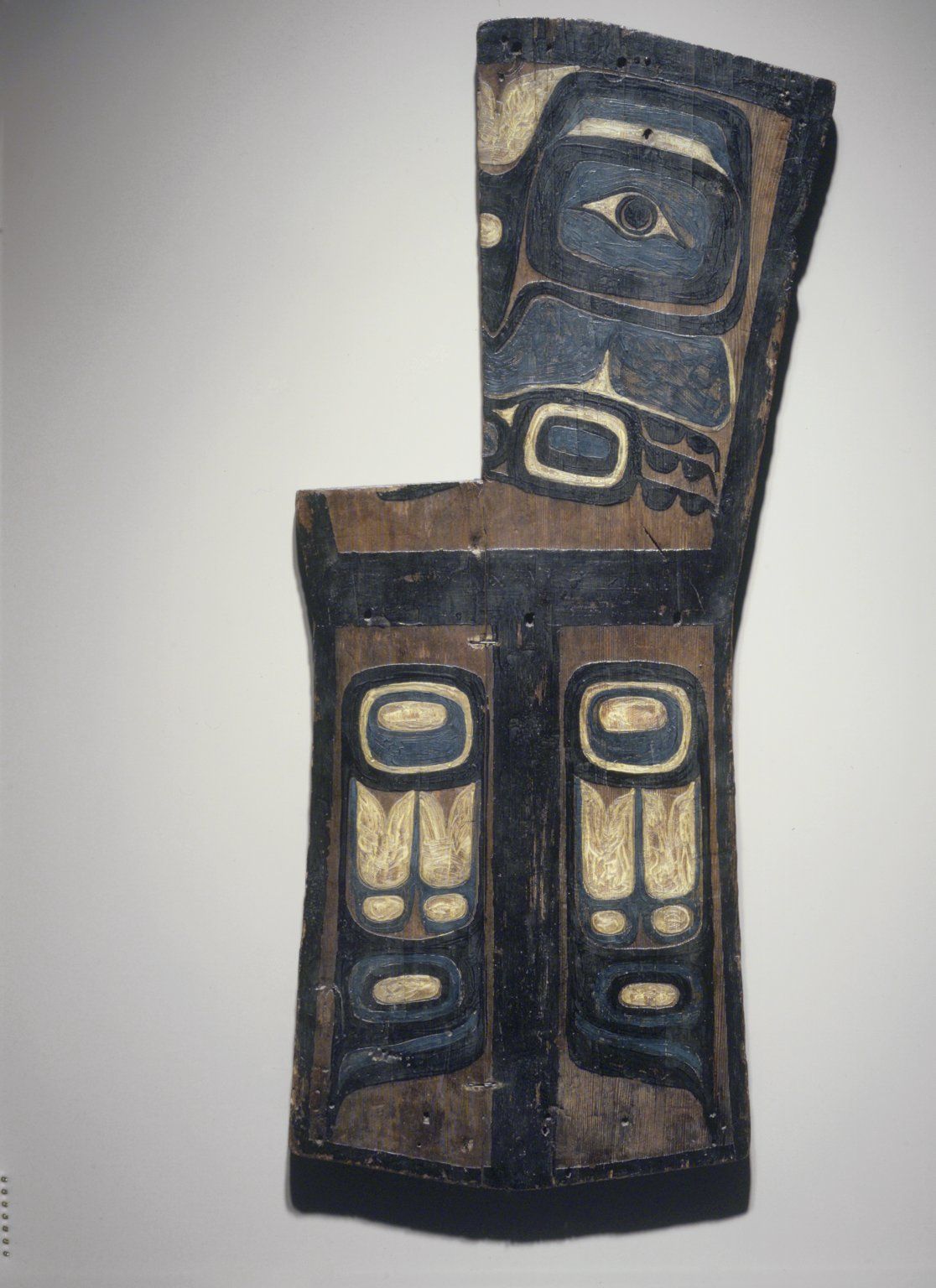
Kwakwa̱ka̱ʼwakw artistic expression is world-renowned for its bold forms, dramatic use of colour, and deep spiritual significance. Art was viewed as symbolizing a common underlying element shared by all species. The primary medium is red and yellow cedar, used to create monumental totem poles and detailed transformation masks used in dances. Totem poles are characterized by creatures carved with narrow eyes and a degree of realism. Masks are central to dramatizing the ancestral stories and supernatural beings performed during winter ceremonies. Other significant art forms include ornate weaving, such as the Chilkat blanket and button cloaks, and jewellery made from copper, silver, abalone shell, and ivory.
The potlatch remains the ultimate context for displaying and validating this artistic wealth. It is a complex ceremony of feasting, dancing, and the distribution of gifts that affirms social status, records history, and transfers hereditary privileges. Today, potlatches are held frequently. The winter ceremony, or Tsetseka, is a multi-day ritual involving masked dances that enact mythological narratives. The four-day Klasila festival is an important cultural display of song and dance and masks, occurring just before the advent of the winter ceremony.
- Totem Poles: Carved from cedar, featuring ancestral crests and mythological beings.
- Masks: Including transformation masks that open to reveal a second face.
- Textiles: Woven Chilkat blankets, dance aprons and button cloaks.
- Jewellery: Ornaments made from ivory, bone, abalone shell, copper and silver.
- Winter Ceremony (Tsetseka): A multi-day ritual involving masked dances and storytelling.
- Klasila Festival: A four-day festival of song and dance preceding the winter ceremony.
Political Organization and Contemporary Life
The Kwakwa̱ka̱ʼwakw are not a single political entity but a confederation of distinct nations. Their territories stretch from northern Vancouver Island southeast to the middle of the island. Each nation maintains its own governance, traditionally led by a head chief and supported by hereditary clan chiefs. In the contemporary context, these nations are politically organized into 13 band governments under the Canadian Indian Act. Modern Kwakwa̱ka̱ʼwakw communities blend traditional and contemporary life. While many members live in urban centres like Vancouver and Victoria, strong connections to traditional territories persist.
Cultural revitalization is a dominant theme, manifesting in the resurgence of potlatches, language programs, and the arts. The Uʼmista Cultural Centre in Alert Bay, which houses repatriated potlatch regalia seized in 1921, is a key institution for this renewal. Contemporary Kwakwa̱ka̱ʼwakw artists, politicians, and activists continue to play significant roles in Canadian society. The community's dancers performed at the 1893 World's Columbian Exposition in Chicago, and today, artists like Beau Dick have exhibited their work in major galleries.
Notable Figures and Repatriation
The Kwakwa̱ka̱ʼwakw have produced many influential individuals who have shaped both the preservation of their culture and its recognition on broader stages. In the mid-20th century, artists like carver Mungo Martin, his granddaughter Ellen Neel, and Chief Willie Seaweed were instrumental in reviving traditional artistic practices during the period of the potlatch ban. Their work ensured the survival of stylistic knowledge and techniques. In recent decades, artist and chief Beau Dick gained international acclaim for his masks and his revival of the copper-cutting ceremony, a shaming ritual he performed on the lawn of the British Columbia Legislature in 2013 as a political protest. The struggle to reclaim cultural patrimony has been a defining effort. Following the 1921 arrests, a vast collection of sacred masks and regalia was confiscated and dispersed to museums.
Decades of advocacy by Kwakwa̱ka̱ʼwakw leaders eventually led to groundbreaking repatriation agreements. The Canadian Museum of Civilization (now the Canadian Museum of History) and the National Museum of the American Indian agreed to return these items, which now form the core collections of the Uʼmista Cultural Centre in Alert Bay and the Nuyumbalees Cultural Centre on Quadra Island. This repatriation movement has empowered communities and fueled cultural renewal. The repatriated collection includes masks, coppers, and other ceremonial objects that are central to potlatch and winter dance ceremonies.
Population and Demographics
The demographic history of the Kwakwa̱ka̱ʼwakw reflects the traumatic impact of disease and colonial policy, followed by a period of recovery and growth. Census data provides a snapshot of this population over recent decades. The most recent reliable figure comes from the 2016 Canadian census, which reported 3,665 people identifying as having Kwakwa̱ka̱ʼwakw ancestry. The majority continue to reside within their traditional territories on northern Vancouver Island and the adjacent mainland, while a significant portion also lives in urban centres. The population is distributed across 13 band governments. Language statistics show the ongoing challenge of revitalization. The 2016 census indicated the Kwakʼwala language was spoken by only 3.1 percent of the population.
| Year | Reported Population | Notes |
|---|---|---|
| 2016 | 3,665 | People self-identifying with Kwakwa̱ka̱ʼwakw ancestry. |
| 2016 | 3.1% | Percentage of population speaking Kwakʼwala at home. |
Most remaining Kwakʼwala speakers are past the age of child-rearing. The intergenerational transmission of the language remains a critical concern. A number of revitalization efforts are underway, including a proposal to build a Kwakwakaʼwakw First Nations Centre for Language Culture.
Questions about Kwakwakaʼwakw
What does the name Kwakwakaʼwakw mean?
The name Kwakwa̱ka̱ʼwakw means 'Kwakʼwala-speaking peoples'. The term Kwakiutl derives from Kwaguʼł, the name of a single community at Fort Rupert. Many people whom others call Kwakiutl consider that name a misnomer and prefer Kwakwa̱ka̱ʼwakw.
What is a potlatch and why is it important?
A potlatch is a complex ceremonial feast central to Kwakwa̱ka̱ʼwakw culture. It involves hosting guests, feasting, performing dances and songs, and distributing wealth and gifts. The potlatch serves to record and validate important events like births, marriages, deaths, and the passing on of hereditary names and rights. It was outlawed under the Indian Act in 1885.
How many people speak the Kwakʼwala language today?
Kwakʼwala is an endangered language. According to the 2016 census, only 3.1 percent of the Kwakwa̱ka̱ʼwakw population speaks the language at home. Most fluent speakers are from older generations. Community efforts include language classes, immersion programs, and a proposal for a Kwakwakaʼwakw First Nations Centre for Language Culture.
What is Kwakwakaʼwakw art known for?
Kwakwa̱ka̱ʼwakw art is renowned for its dramatic wood carving, including totem poles and transformation masks. Other art forms include woven Chilkat blankets, button cloaks, and jewellery made from copper and abalone shell. The art depicts ancestral beings and family crests. Famous artists include Mungo Martin, Ellen Neel, Willie Seaweed and Beau Dick.
What was the impact of the 1921 potlatch arrests?
In 1921, Kwakwa̱ka̱ʼwakw Chief Dan Cranmer hosted a large potlatch at ʼMimkwa̱mlis (Village Island). Participants were arrested and ceremonial regalia was confiscated. This event galvanized a long-term repatriation movement. Many of these sacred items were later returned and are now housed in the Uʼmista Cultural Centre in Alert Bay and the Nuyumbalees Cultural Centre on Quadra Island.
Where is the traditional territory of the Kwakwakaʼwakw?
The traditional territory of the Kwakwa̱ka̱ʼwakw is on the Pacific Northwest Coast in southwestern Canada. Most live on northern Vancouver Island and nearby smaller islands like the Discovery Islands, as well as inland on the adjacent British Columbia mainland. Their territory reaches from northern Vancouver Island southeast to the middle of the island.
Sources and further reading
- Kwakwakaʼwakw (Wikipedia)
- Our People | Living Tradition, The Kwakwaka'wakw Potlatch ... (umistapotlatch.ca)
- Kwakwaka'wakw (Kwakiutl) (thecanadianencyclopedia.ca)
Checked by the Nosy Mag desk. Last updated 2026-10-23.