Treaty of Paris (1763)
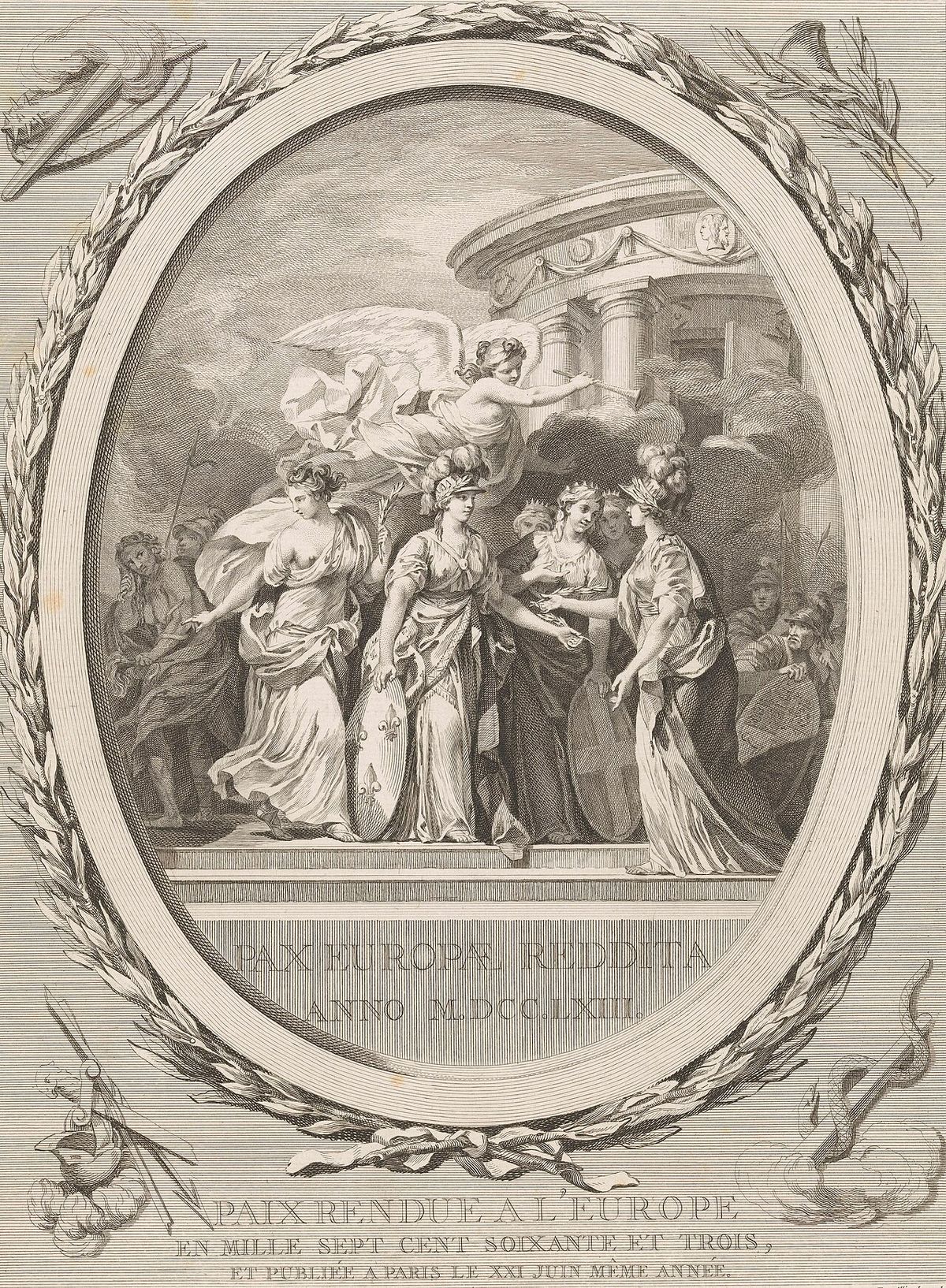
The Treaty of Paris, signed on 10 February 1763, formally ended the Seven Years' War between Great Britain, France, and Spain. This agreement reshaped the political map of North America, marking the transfer of New France to British control. For Canada, the treaty established conditions for British colonial rule, including guarantees for the practice of Catholicism. Its terms set the stage for the cultural and political development of modern Canada and contributed to tensions that would lead to the American Revolution.
The Global Conflict and Path to Negotiations
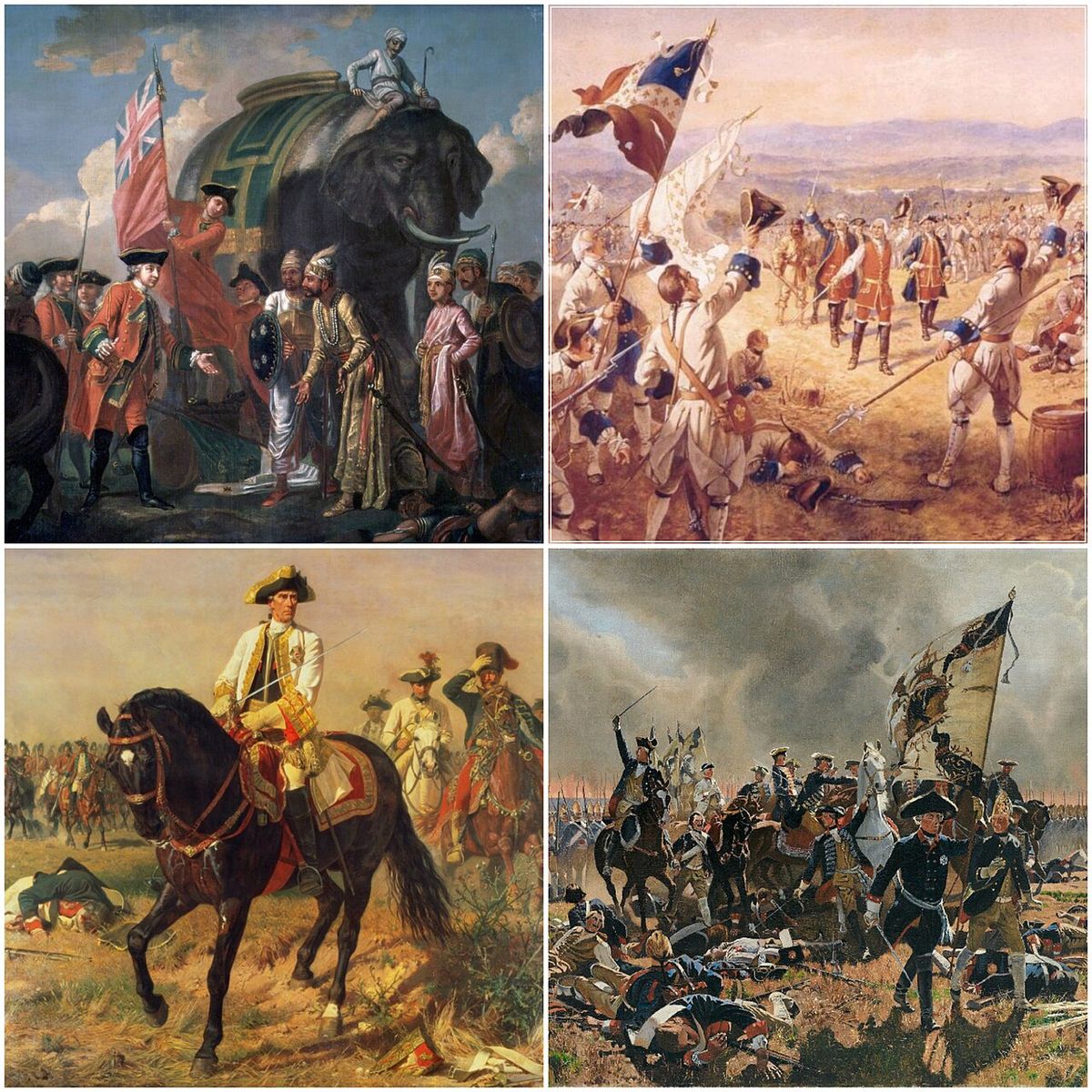
The Seven Years' War was a global conflict fought from 1756 to 1763, involving Great Britain, Prussia, and Hanover against France, Austria, Spain, and Russia. By 1760, British forces had achieved decisive victories in North America, capturing Quebec City in 1759 and Montreal in 1760. The war's enormous financial cost, with Britain financing it through debt, created strong pressures for a settlement. King George III, who succeeded George II in 1760, was amenable to ending the conflict. France and Spain formalized their alliance through the Family Compact, which brought Spain into the war against Britain. British Prime Minister Lord Bute engaged in secret negotiations with French Foreign Minister the Duke of Choiseul throughout 1762. A major complication arose with the British capture of Havana, Cuba, and Manila in the Philippines in 1762. Spain refused to cede Cuba while the British Parliament would not ratify a treaty that ignored this gain. Choiseul devised a comprehensive plan to redistribute American territories, including the transfer of Louisiana to Spain, to resolve the deadlock and satisfy each power's core interests.
Key Provisions and Territorial Exchanges
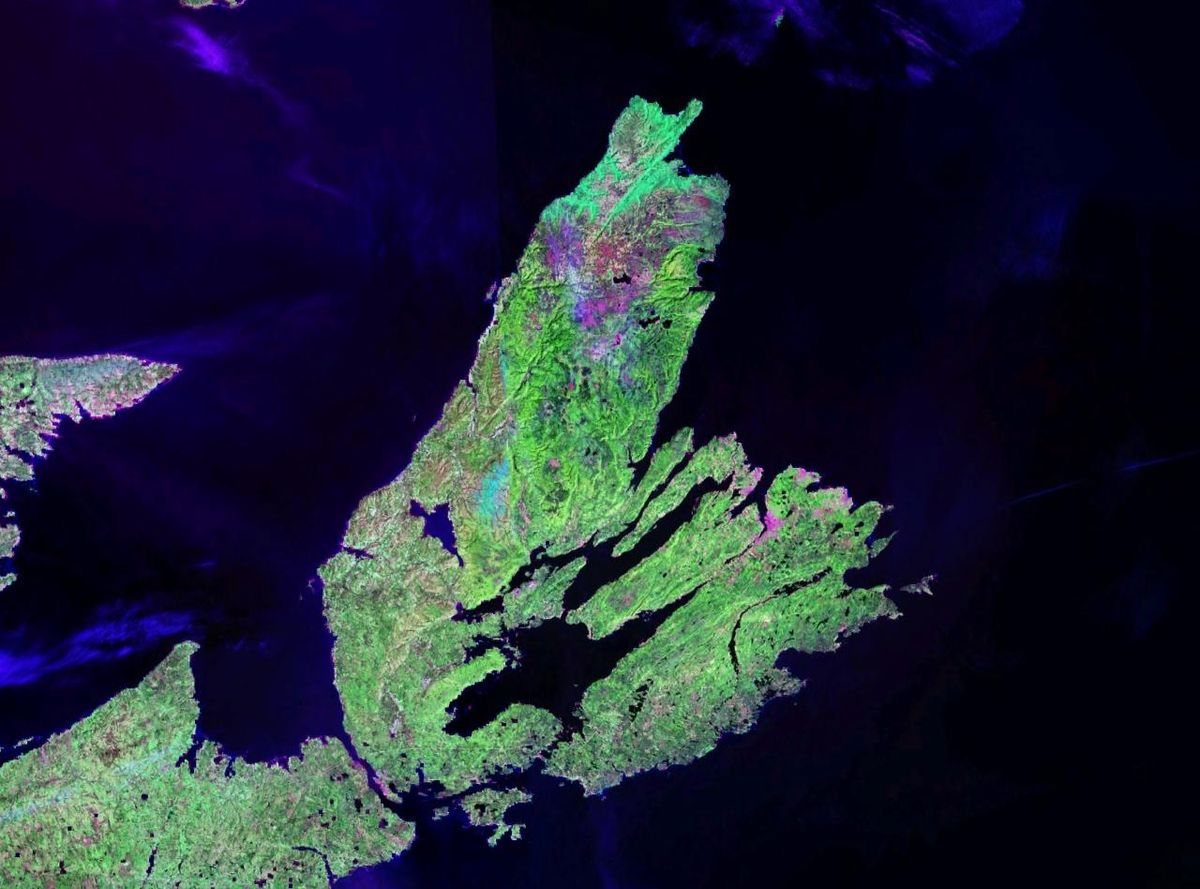
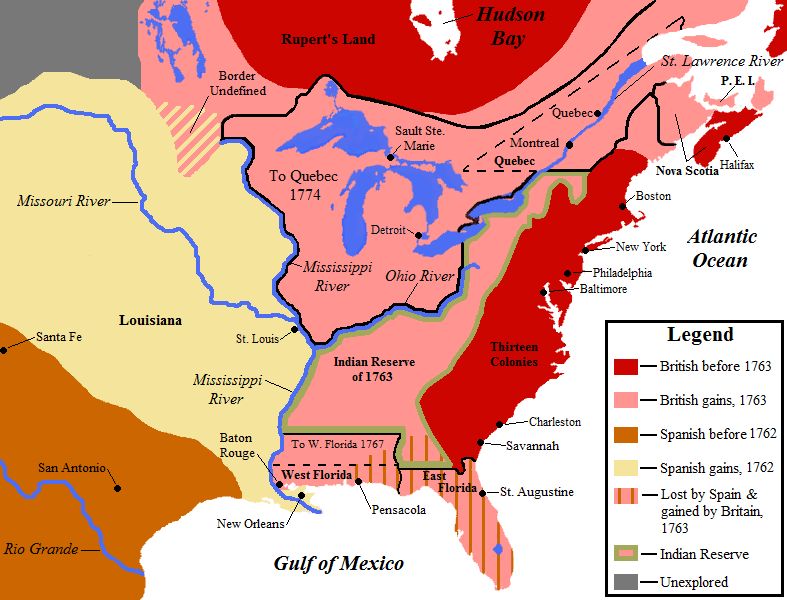
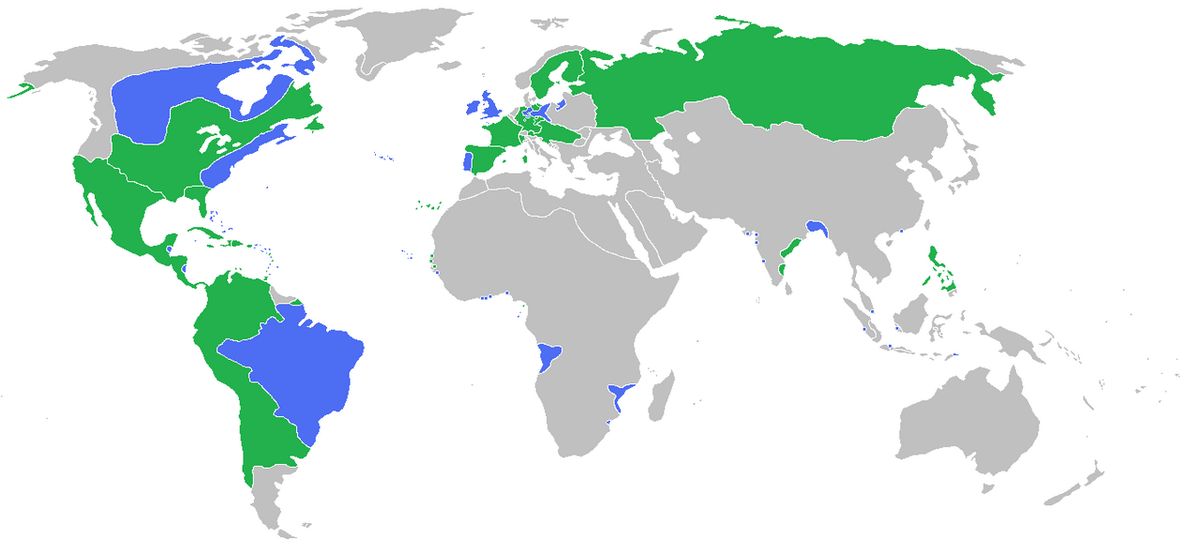
The Treaty of Paris involved a major realignment of colonial possessions across North America, the Caribbean, Africa, and Asia. Its most significant clauses for North America saw France cede all of its territories on the mainland, with the exception of Louisiana west of the Mississippi River, which it had already secretly transferred to Spain in the 1762 Treaty of Fontainebleau. Great Britain gained sovereignty over Canada, Cape Breton Island, and all islands in the Gulf and River St. Lawrence. France also ceded the eastern half of French Louisiana to Britain, establishing the Mississippi River as a new boundary. In a separate arrangement, Spain ceded Florida to Britain in exchange for the return of Havana, Cuba, and Manila. In return for these concessions, France regained the valuable Caribbean sugar islands of Guadeloupe, Martinique, Saint Lucia, as well as the West African slave-trading station at Gorée. Britain restored the French trading posts in India, including Chandernagore and Pondicherry, though France recognized British clients as the rulers of key Indian states and pledged not to send troops to Bengal. The treaty included specific guarantees for the new British subjects in Canada, most notably the liberty to practise the Catholic religion. It granted French inhabitants of Canada an 18-month period to emigrate freely. The treaty also forced France to accept strict limits on the fortifications of Dunkirk, reverting to conditions from the 1713 Treaty of Utrecht.
- France ceded Canada, Cape Breton, and islands in the Gulf of St. Lawrence to Great Britain.
- France ceded the eastern half of Louisiana, east of the Mississippi River, to Great Britain.
- Spain ceded Florida to Great Britain.
- Great Britain returned Guadeloupe, Martinique, Saint Lucia, Gorée, and its Indian factories to France.
- Great Britain returned Havana and Manila to Spain.
- France regained its trading posts in India but lost territorial claims there.
- The treaty guaranteed liberty for Catholicism in Canada.
- French Canadians were given an 18-month window for unrestricted emigration.
- Britain also gained Dominica, Grenada, Saint Vincent and the Grenadines, and Tobago from France.
- France retained fishing rights off Newfoundland and the islands of Saint Pierre and Miquelon.
Strategic Calculations: Canada Versus Guadeloupe
A central and public debate in Britain during the final years of the war centred on whether to keep the conquered territory of Canada or the lucrative sugar island of Guadeloupe. This debate played out in a flurry of pamphlets. Proponents for retaining Guadeloupe argued on strict mercantile grounds, noting the island's enormous profitability from sugar production, which contrasted with Canada's reputation as a financial burden. The British sweet tooth and growing demand for sugar made the Caribbean colonies immensely attractive economic assets. Opponents, including influential former Prime Minister William Pitt the Elder and the American colonist Benjamin Franklin, argued for the strategic necessity of removing France from North America to secure the British colonies. Prime Minister Lord Bute, seeking a stable peace that would not humiliate France, ultimately sided with the strategic argument. From the French perspective, the Duke of Choiseul saw greater value in retaining the profitable sugar islands to rebuild France's economy and naval power. French officials also calculated that without a French counterweight in North America, the British colonists might eventually seek independence, a prediction that proved prescient. Voltaire famously dismissed Canada as 'a few acres of snow'.
Immediate Reactions and Ratification
The preliminary articles of peace were signed on 3 November 1762, with the final treaty signed and ratified on 10 February 1763. Although King George III and his ministers supported the agreement, it faced significant opposition within Britain. The treaty was unpopular with much of the British public and a faction in Parliament who believed it surrendered too many wartime gains. William Pitt the Elder delivered scathing criticism in Parliament, declaring the peace 'insecure' and 'inadequate'. Despite this opposition, the British Parliament ratified the treaty by a substantial majority of 319 votes to 65. In the Thirteen Colonies, Protestant colonists were disappointed by the official toleration granted to Catholicism in Canada. Some American colonists in Quebec were displeased that French civil law was preserved in lower courts. These colonial grievances, combined with subsequent policies like the Royal Proclamation of 1763 which restricted western settlement, sowed seeds of discontent that contributed to the American Revolution.
Consequences for French Canada and Legal Foundations
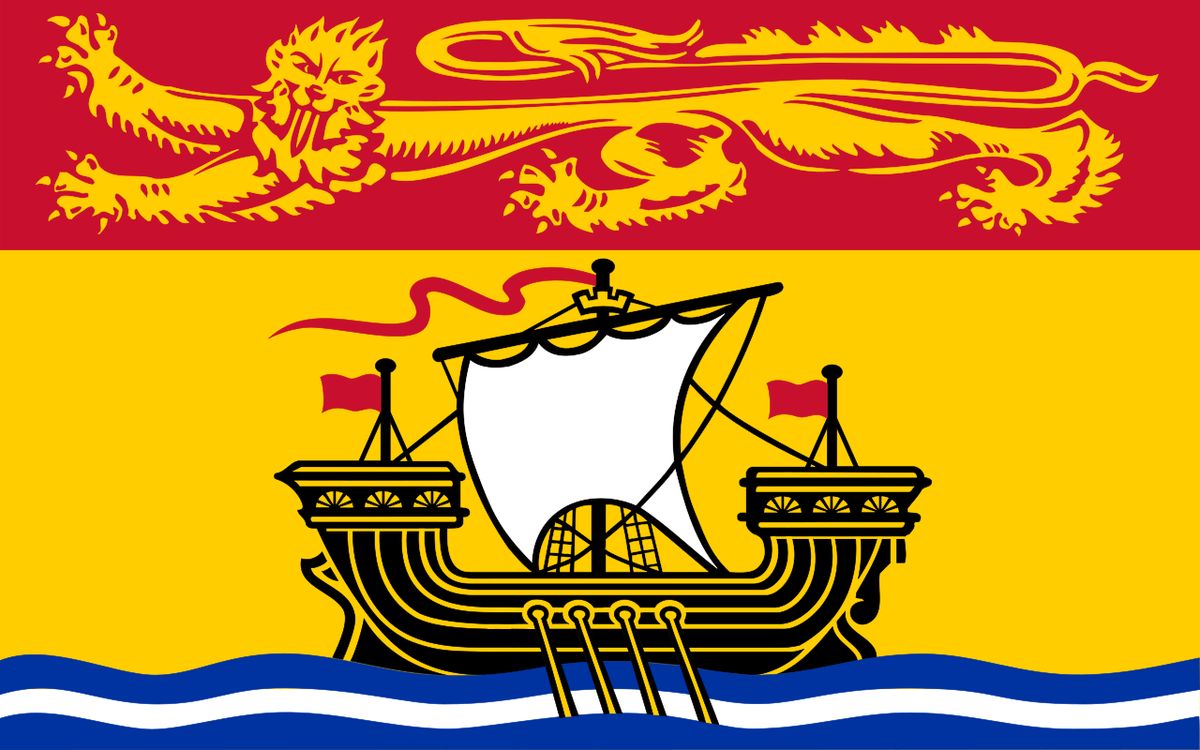
The Treaty of Paris had deep effects on the society and governance of the former New France. The provision for free emigration was used by a small number of inhabitants. Approximately 1,600 people left in the 18 months following the treaty, with only about 270 of them being French Canadians. The guarantee of religious liberty for Catholics was a crucial exception to the Test Acts of 1673 and 1678 that barred Catholics in Britain from public offices. This allowance formed the basis for the unique religious character of Quebec. Article IV of the treaty has been cited as a foundational document for Quebec's distinct legal system. While a general British constitutional principle allowed conquered colonies to retain pre-conquest laws, the treaty's specific terms were considered paramount. This meant that in post-conquest Quebec, French law was permitted in inferior courts and Catholics could serve as jurors there, though these concessions did not extend to superior courts where British law and Protestant jurors prevailed. For the Acadian population, deported during the war, the treaty's religious guarantees allowed some to return to the Maritime region. Many returning Acadians settled along the Saint John River in what would become New Brunswick, helping establish its bilingual character. The treaty did not provide for restoration of confiscated Acadian lands. The broader French Canadian reaction was often one of betrayal. British commander Jeffrey Amherst noted many Canadians could not believe their country had been conceded.
Geopolitical Repercussions and Long-Term Significance
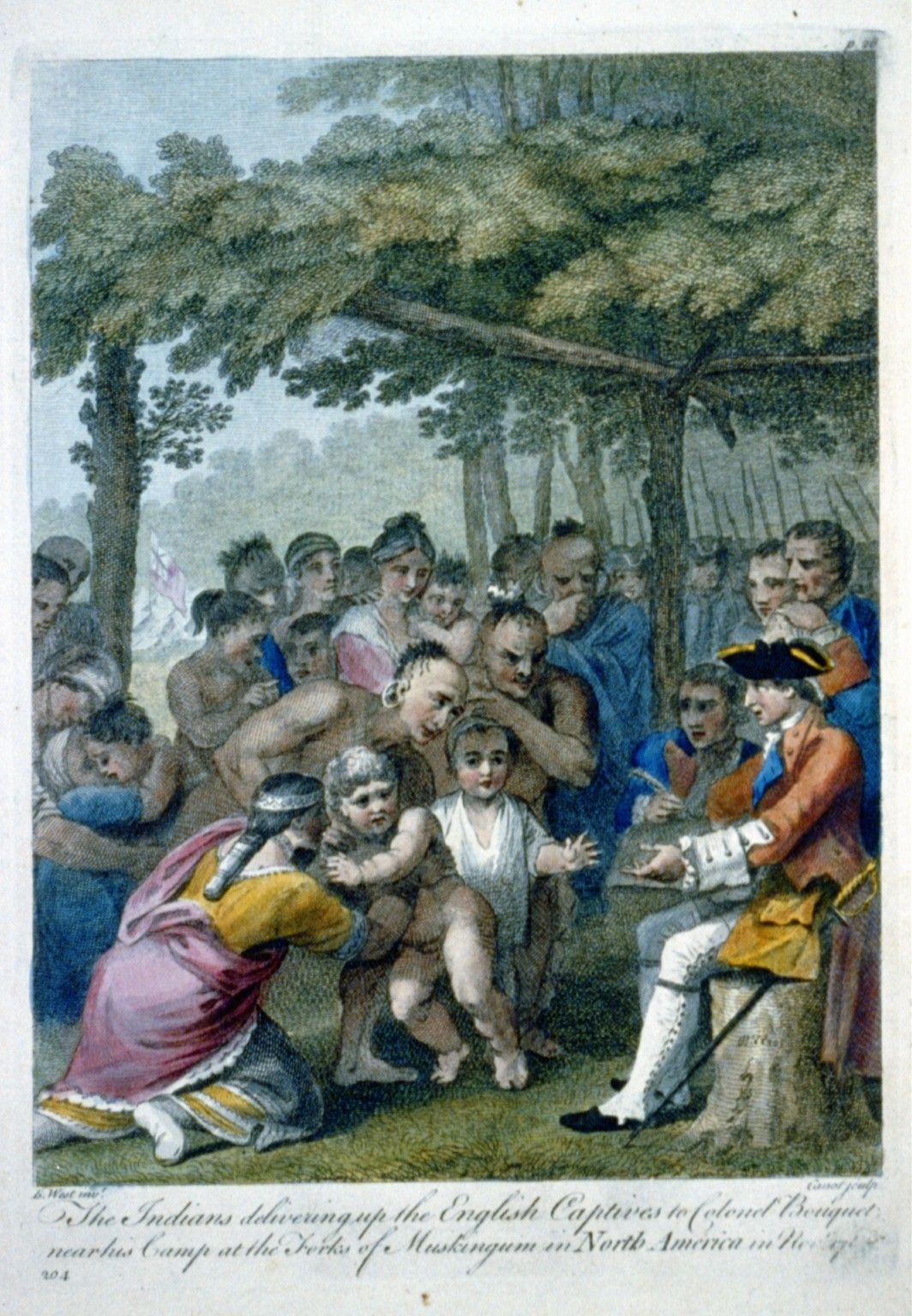
The treaty's redrawing of the map had immediate and long-term geopolitical consequences. By removing the French military threat from the borders of the Thirteen Colonies, it eliminated a major reason for colonial dependence on British protection, making colonists more willing to challenge British authority. For Indigenous nations in the Great Lakes and Ohio Valley, the treaty ended their ability to play European powers against each other to maintain autonomy, leading to increased conflict like Pontiac's War in 1763. The territorial provisions also finalized Spain's acquisition of Louisiana west of the Mississippi via the Treaty of Fontainebleau, though it did not take physical possession until 1769. The reunion of the Mississippi River corridor under a single flag would not occur until the Louisiana Purchase of 1803 and the Adams-Onís Treaty of 1819. In Europe, the humiliating clause regarding Dunkirk's fortifications rankled France until it was overturned in the 1783 Treaty of Paris. For Canada, the 1763 treaty represents a definitive constitutional moment, marking the end of French imperial ambition in mainland North America and the beginning of its development within the British Empire, establishing complex legacies for language, law, and national identity.
Comparative Territorial Changes in the Atlantic World
The Treaty of Paris formally ended the Seven Years' War and triggered a major reshuffling of colonial territories across the globe. Great Britain emerged as the dominant colonial power in eastern North America. France prioritized retaining its profitable Caribbean sugar trade and West African interests over vast North American lands. Spain exchanged Florida for the return of its key ports and gained a vast western territory. The following table details the primary territorial changes for each signatory power as outlined in the treaty and related agreements.
| Power | Territories Gained | Territories Ceded or Returned |
|---|---|---|
| Great Britain | Canada, Cape Breton, East Louisiana, Florida, Dominica, Grenada, Saint Vincent and the Grenadines, Tobago, Senegal River settlements | Guadeloupe, Martinique, Saint Lucia, Gorée, Havana, Manila, French Indian posts (Chandernagore, Pondicherry), Minorca |
| France | Guadeloupe, Martinique, Saint Lucia, Gorée, fishing rights off Newfoundland, Saint Pierre and Miquelon, its Indian factories | Canada, East Louisiana, territorial claims in India, limits on Dunkirk fortifications |
| Spain | West Louisiana (via Treaty of Fontainebleau), Havana, Manila, Colonia del Sacramento | Florida |
| Portugal | Restoration of Colonia del Sacramento, border fortress of Almeida | N/A |
This redistribution of territories solidified Britain's position as the premier colonial power in North America while allowing France to rebuild its economic base, particularly through the return of its valuable sugar colonies. The treaty also involved Portugal, which was in agreement with the terms and saw its conquered territories, such as the border fortress of Almeida and Colonia del Sacramento, restored by Spain and Britain. The formal signing by Great Britain, France, and Spain on 10 February 1763 concluded the global Seven Years' War. This agreement marked a significant shift in colonial control, with Britain gaining dominance outside Europe.
Related Treaties and Legal Instruments
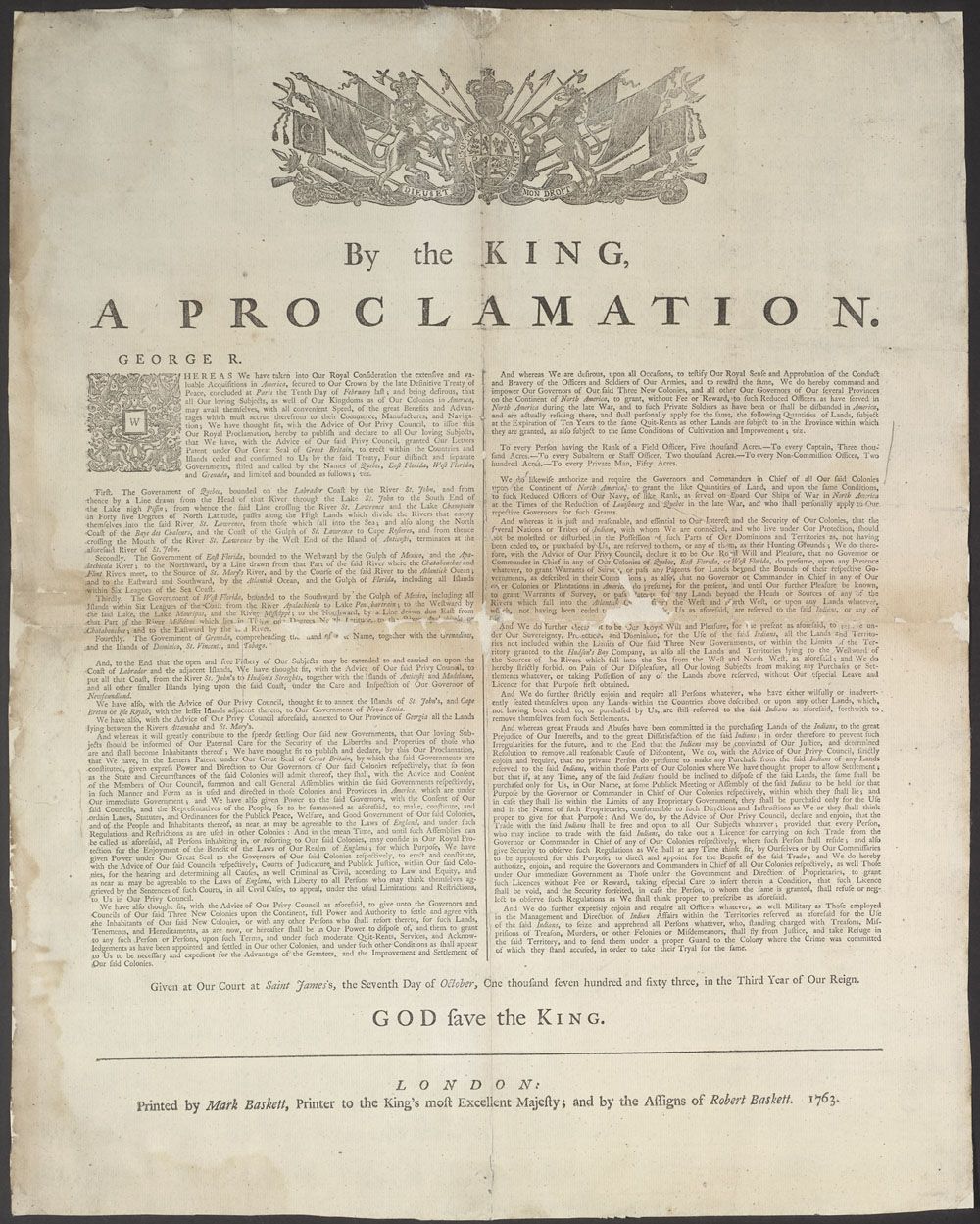
The Treaty of Paris was part of a suite of agreements that concluded the Seven Years' War. Prussia, Austria, and Saxony signed the Treaty of Hubertusburg, which restored the pre-war status quo in Central Europe. The Treaty of Fontainebleau, signed secretly on 3 November 1762, preceded the Paris treaty and transferred French Louisiana west of the Mississippi to Spain. The Royal Proclamation of 1763, issued by King George III in October 1763, was a direct British administrative response to the new territories acquired in the Treaty of Paris. It established the Province of Quebec, defined its borders, and attempted to regulate settlement and relations with Indigenous peoples west of the Appalachian Mountains. The Treaty of Paris (1783), which ended the American Revolutionary War, would later overturn the Dunkirk clause from the 1763 treaty. Other related treaties include the Treaty of Utrecht (1713) and the Treaty of Aix-la-Chapelle (1748), which had previously regulated Anglo-French relations and colonial disputes.
Questions about Treaty of Paris (1763)
What did the Treaty of Paris 1763 do to Canada?
The Treaty of Paris 1763 transferred sovereignty over New France from France to Great Britain. France ceded Canada, Cape Breton Island, and all islands in the Gulf and River St. Lawrence. The treaty guaranteed the liberty of the Catholic religion for inhabitants and allowed French Canadians an 18-month period to emigrate. This transfer marked the definitive end of French imperial rule in mainland North America and began the era of British colonial administration in Canada under the Royal Proclamation of 1763.
Why did France give up Canada in the Treaty of Paris?
French negotiators, led by the Duke of Choiseul, chose to give up Canada for strategic and economic reasons. Canada was seen as a financial burden, while the Caribbean sugar islands like Guadeloupe were enormously profitable. France needed peace to rebuild its navy and finances after the costly war. Retaining the sugar islands provided immediate revenue. French diplomats also speculated that removing the French threat from North America might eventually lead to rebellion in the British colonies, weakening Britain in the long term.
How did the Treaty of Paris affect Indigenous peoples?
The treaty had disastrous consequences for many Indigenous nations in the Great Lakes and Ohio Valley. With the French military and political presence removed, Indigenous nations lost their ability to play the British and French against each other to maintain autonomy, secure trade terms, and resist land encroachment. The British administration was less interested in alliance diplomacy, leading to increased conflict. This shift contributed directly to Pontiac's War in 1763, a major Indigenous uprising against the new British policies.
What were the religious terms of the Treaty of Paris for Canada?
Article IV of the treaty stated that the King of Great Britain would grant the liberty of the Catholic religion to the inhabitants of Canada. New Roman Catholic subjects could profess their worship according to the rites of the Roman church, as far as the laws of Great Britain permitted. This was a significant concession, as the Test Acts in Britain barred Catholics from public office. The provision allowed the Catholic Church to survive as a central institution in Quebec society.
Did the Treaty of Paris contribute to the American Revolution?
Yes, historians argue the treaty indirectly contributed to conditions that led to the American Revolution. By removing the French military threat, it reduced the colonies' dependence on British protection. Specific terms, like the toleration of Catholicism in Quebec, angered many Protestant colonists. Subsequent British policies, such as the Royal Proclamation of 1763 which restricted western settlement to stabilize relations with Indigenous nations, were direct results of the treaty and were deeply resented by land-hungry colonists.
What other territories did Britain gain besides Canada?
Beyond Canada, Britain gained several other territories from France and Spain under the treaty. From France, Britain acquired Cape Breton Island, the eastern half of French Louisiana (east of the Mississippi), and the Caribbean islands of Dominica, Grenada, Saint Vincent and the Grenadines, and Tobago. From Spain, Britain gained Florida. Britain also gained the French settlements along the Senegal River in West Africa. In return, Britain returned many captured territories like Guadeloupe, Martinique, Havana, and Manila.
Sources and further reading
- Treaty of Paris (1763) (Wikipedia)
- MILESTONES: 1750 to 1775 Treaty of Paris, 1763 (history.state.gov)
- Treaty of Paris (1763) | About us (uottawa.ca)
- Antony Anderson: The Treaty of Paris set the stage for ... (thehub.ca)
- 1763: The Treaty of Paris & Other Quebec Curios (montrealrampage.com)
Checked by the Nosy Mag desk. Last updated 2026-10-21.