Quebec Act
The Quebec Act of 1774 was an act of the Parliament of Great Britain which set procedures of governance in the Province of Quebec. It expanded the province's territory to include much of what is now southern Ontario, Illinois, Indiana, Michigan, Ohio, Wisconsin, and parts of Minnesota. The act removed the reference to the Protestant faith from the oath of allegiance, guaranteed free practice of Roman Catholicism, and restored the use of French civil law for matters of private law while maintaining English common law for public law, criminal law and court procedure. The act was a response to the failure of assimilation policies and aimed to secure the loyalty of Canadiens amidst growing unrest in the Thirteen Colonies. Its provisions angered American Patriots, contributing to the outbreak of the American Revolution.
Background and Context
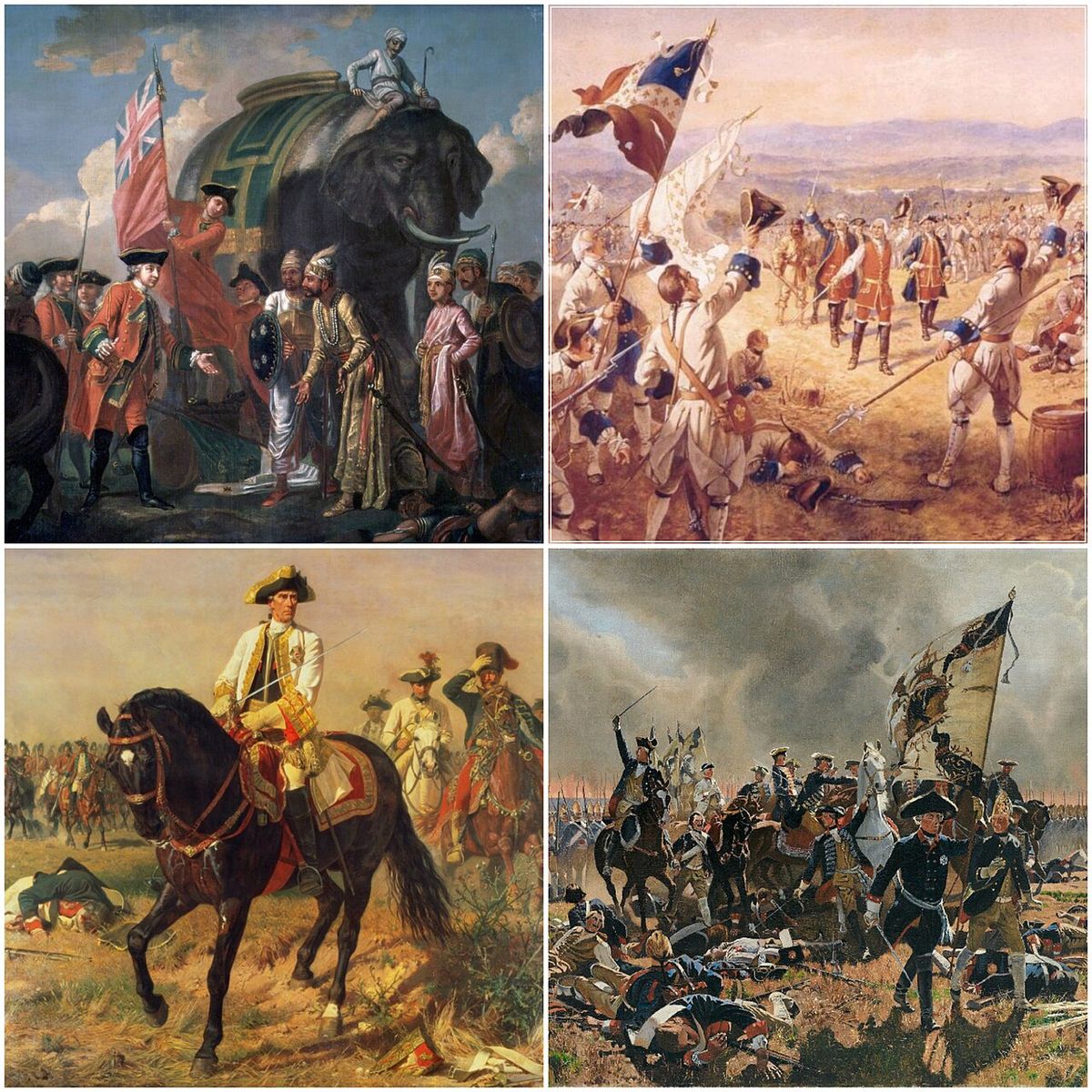
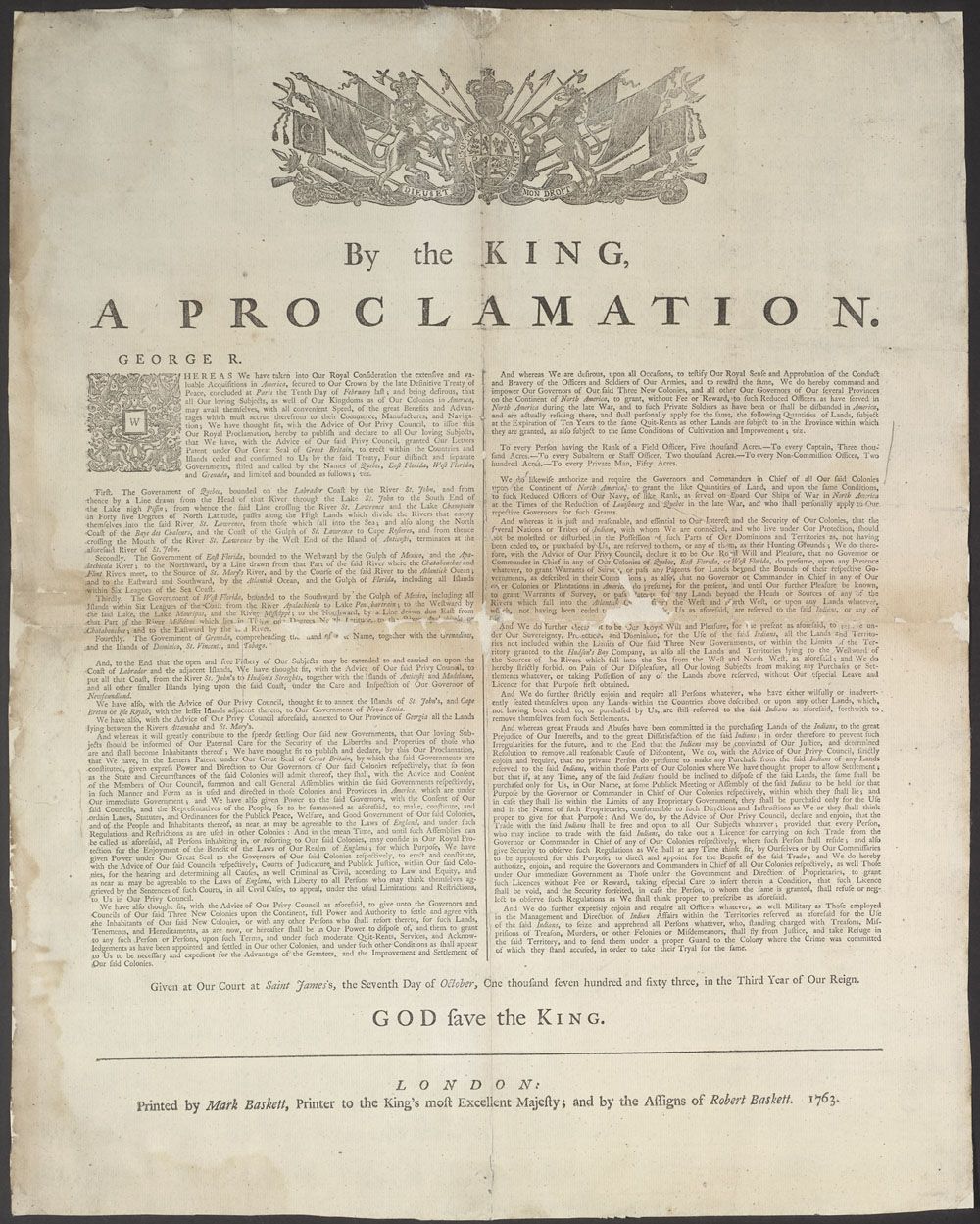
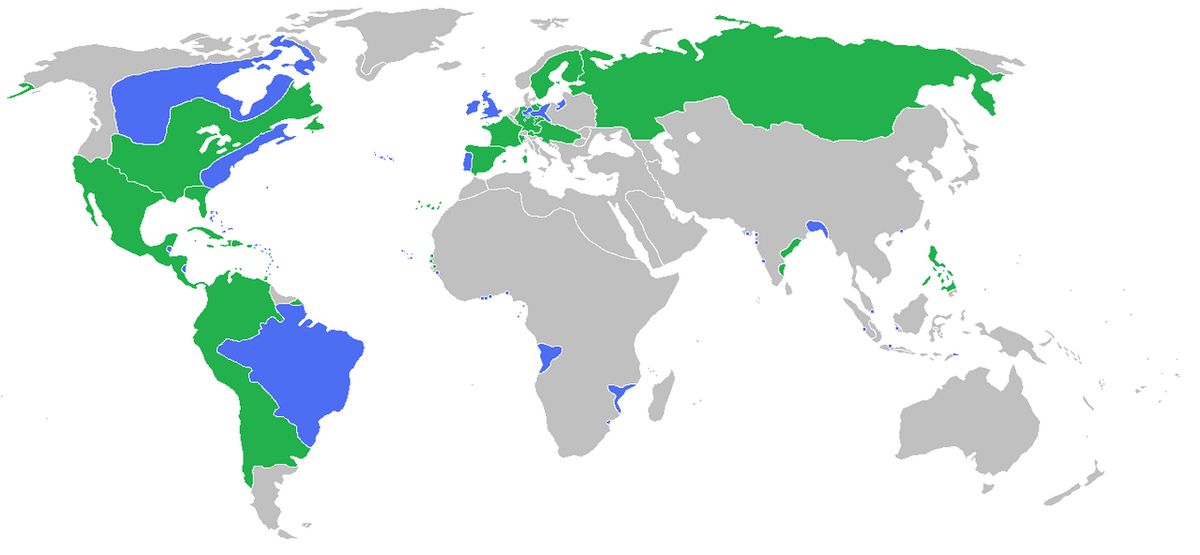
The Quebec Act followed the Seven Years' War and the Treaty of Paris of 1763, which transferred New France to British control. The initial British policy, outlined in the Royal Proclamation of 1763, aimed to assimilate the French-speaking, Roman Catholic Canadiens. This policy required public officeholders to swear an oath that rejected the Catholic faith, barring most of the population from government roles. British ecclesiastical policy also prevented the appointment of a new Catholic bishop for Quebec following the death of Bishop Pontbriand. Governors James Murray and his successor, Guy Carleton, who arrived in 1766, realized the impracticality of this approach. The Canadiens constituted over 99 percent of the settler population of about 90,000, and English-speaking immigration was minimal. Both governors adopted a more pragmatic stance, allowing Catholic religious practices to continue. Their recommendations directly informed the drafting of the Quebec Act. The growing unrest in the Thirteen Colonies added urgency, as British authorities feared the Canadiens might join a potential rebellion if their grievances were not addressed. The British merchant minority, viewing the French with alarm, opposed this tolerance and advocated for Protestantism as the official religion.
Key Provisions of the Act
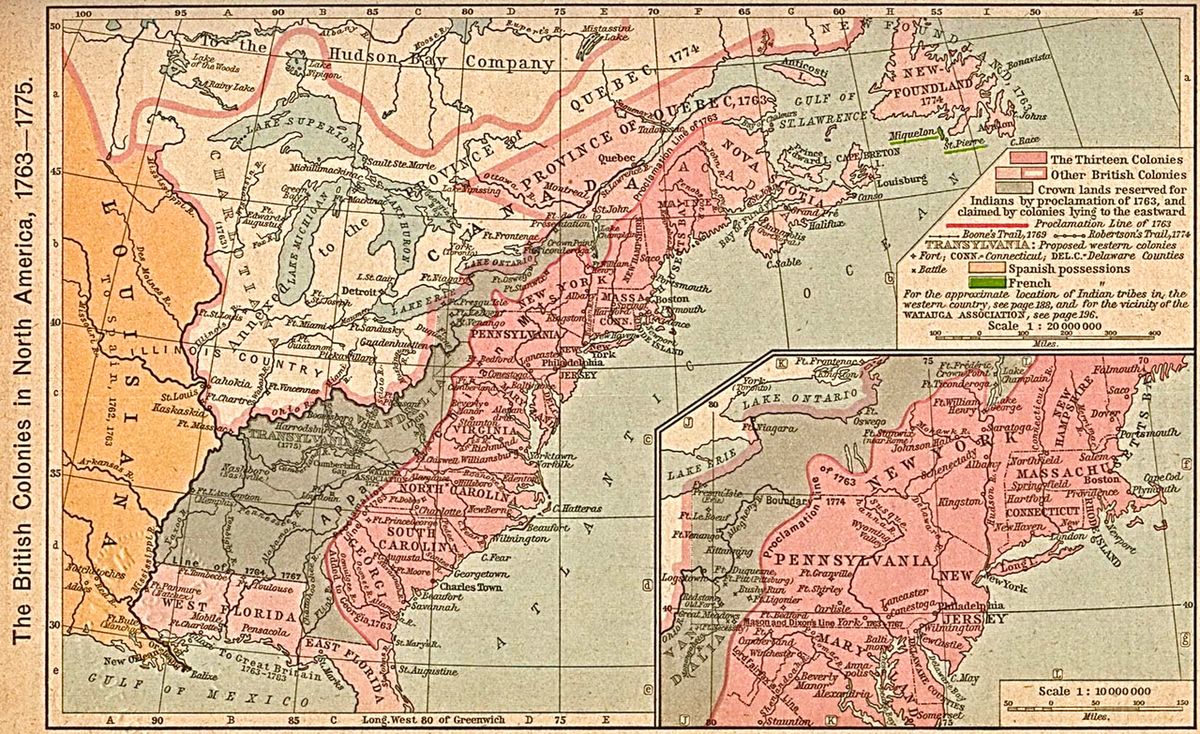
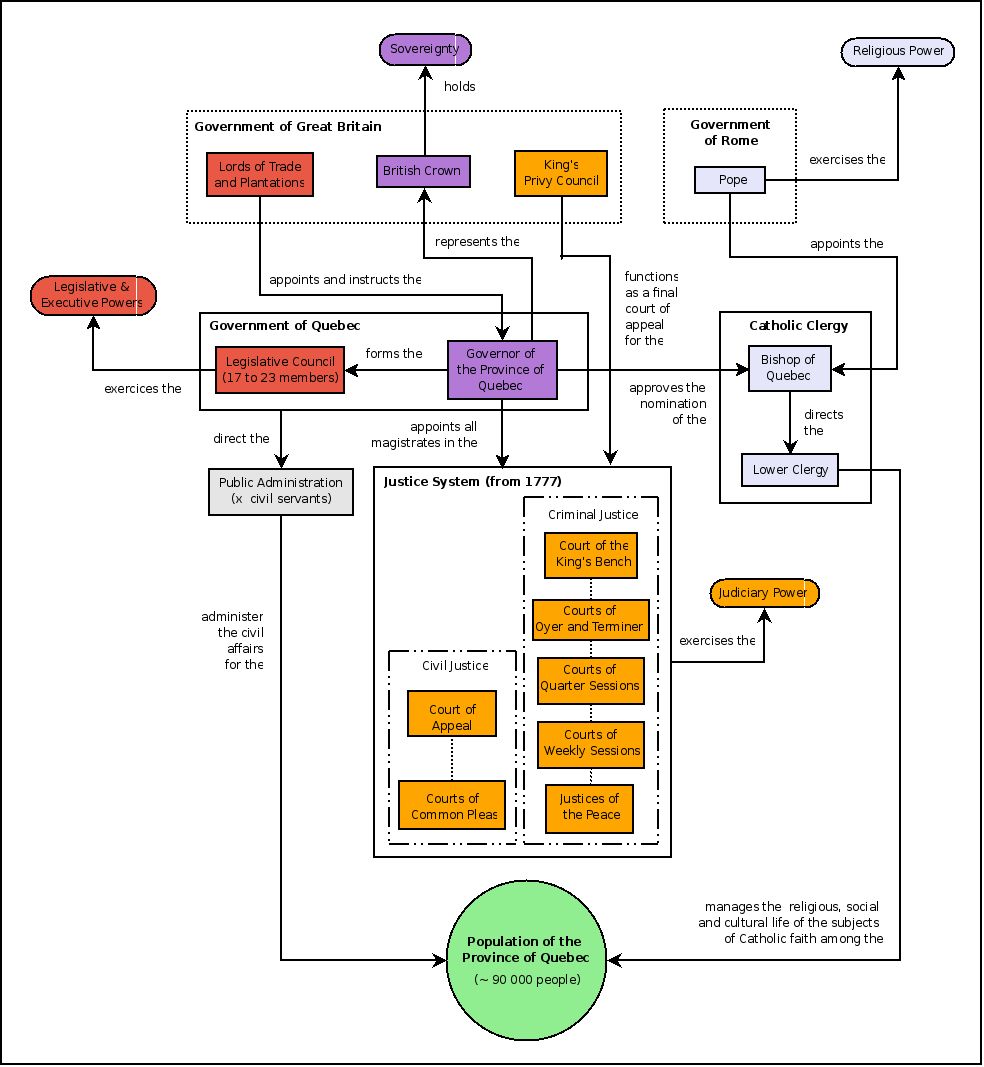
The Quebec Act contained several major provisions that reshaped the governance and society of the province. It dramatically expanded Quebec's territory, tripling its size by annexing lands from the Royal Proclamation's Indian Reserve. This new territory encompassed much of what is now southern Ontario, Illinois, Indiana, Michigan, Ohio, Wisconsin, and parts of Minnesota, restoring borders similar to the former French province of Canada. On religion, the Act removed the reference to the Protestant faith from the oath of allegiance, allowing Roman Catholics to hold public office for the first time without renouncing their faith. It also restored the Catholic Church's right to collect tithes from its members. In terms of governance, the Act established an appointed governor and a legislative council, with no provision for an elected assembly. The legal system was hybridized, restoring French civil law for matters of property and civil rights while maintaining English common law for criminal law, court procedure, and administrative appeals. The Act also reinstated the seigneurial system of land distribution and management, which had been suspended under British rule. The act's long title was 'An Act for making more effectual Provision for the Government of the Province of Quebec in North America'.
Reaction in Quebec and the Thirteen Colonies
The reaction to the Quebec Act was deeply divided. Within Quebec, the French Canadian seigneurs and clergy generally welcomed the Act, as it restored their traditional social status and religious freedoms. However, the reaction of the Canadien peasantry was more mixed and often indifferent, as later government correspondence revealed a failure to rally them militarily. The small British merchant community in Quebec, represented by figures like Attorney General Francis Maseres, vehemently opposed the Act. They viewed the concessions to Catholicism and French law as a betrayal that entrenched Popish influence. In the Thirteen Colonies, the Act was met with outrage and was labelled one of the Intolerable Acts alongside punitive measures like those following the Boston Tea Party. American colonists, particularly from Virginia, Pennsylvania and New York, objected to the expansion of Quebec's borders into the Ohio Country, which voided their colonial land claims. They also denounced the Act as establishing arbitrary government and promoting Catholicism, which they saw as tyrannical. The First Continental Congress addressed an appeal to the people of Quebec, warning them of the Act's supposedly arbitrary nature. Press reaction in New England, such as in Isaiah Thomas's Massachusetts Spy, linked the Quebec Act to other legislation curtailing American liberties.
Role in the American Revolution and the Invasion of Quebec
The Quebec Act was a significant catalyst for the American Revolution, exacerbating colonial fears about British tyranny and religious oppression. The Act was cited in the Declaration of Independence as a grievance for abolishing English laws and establishing an arbitrary government in a neighbouring province. When war broke out in 1775, American forces, including troops under Benedict Arnold, launched an invasion of Quebec. They believed the Canadiens might rise up against British rule. The invasion initially saw success with the capture of Fort Ticonderoga and a raid on Fort Saint-Jean, but it ultimately failed. Key to this failure was the response within Quebec. While the Canadien peasantry largely refused to take up arms for either side, the clergy and gentry largely remained loyal. Bishop Jean-Olivier Briand, appointed in 1766, urged his flock to defend their land and king. Governor Guy Carleton reported difficulty in mobilizing the Canadien militia, noting their ancient habits of obedience had been loosened. In February 1775, Carleton wrote to General Thomas Gage that the gentry were zealous but the peasantry were emancipated and reluctant. The Quebec Act is thus credited with helping to secure the loyalty of enough of Quebec's elite to prevent the province from joining the rebellion.
Immediate Aftermath and Colonial Governance
Despite its intentions, the Quebec Act did not immediately create a stable government in Quebec. Governor Guy Carleton's correspondence in early 1775 revealed his frustration with the difficulty of mobilizing the Canadien militia. Chief Justice William Hey reported in June 1775 that the Act had become an object of discontent among some Canadiens who desired English laws and officers. The British merchant minority continued to agitate for an elected assembly and the full implementation of English law. The Act's centralised government, with an appointed council and no assembly, remained a point of contention. The outbreak of the American Revolutionary War and the subsequent influx of Loyalist refugees into Quebec after 1783 created new demographic and political pressures. These Loyalists, accustomed to British institutions and representative government, settled primarily in the newly acquired western territories. Their demands for change made the system of the Quebec Act untenable. This led directly to the passage of the Constitutional Act of 1791, which divided the Province of Quebec into Upper Canada and Lower Canada, each with its own elected legislative assembly. The Quebec Act was thus effectively superseded after seventeen years, but its core concessions on religion and civil law were preserved in Lower Canada.
Long-Term Legacy and Constitutional Significance
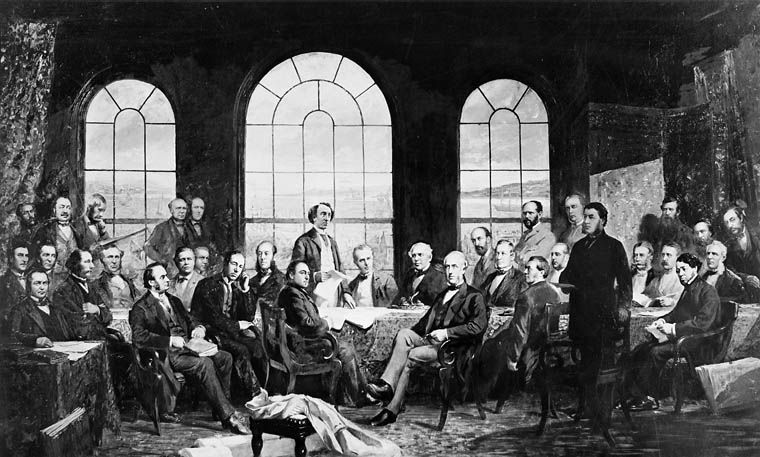
The Quebec Act of 1774 holds a legacy as a proto-constitutional document for Canada. It established the precedent that the British Empire could accommodate linguistic and religious diversity within a single polity, a departure from the assimilationist model. The Act's guarantee of religious freedom for Catholics in Quebec preceded similar relief for Catholics in Britain and Ireland by decades. Its creation of a hybrid legal system, blending French civil law and English criminal law, established the basis for Quebec's distinct legal tradition that continues today. The Act is seen as an important predecessor to the First Amendment to the United States Constitution by establishing religious freedom. Historians recognize the Act as an early, pragmatic experiment in pluralism and tolerance, setting a pattern for the later accommodation of differences that would characterize Canadian Confederation in 1867. The principles of protecting minority rights and employing legal pluralism are seen as foundational to the modern Canadian identity. Subsequent legal developments included the repeal of sections 12 to 16 by the Statute Law Revision Act of 1871.
Key Figures in the Creation of the Quebec Act
The Quebec Act was the product of collaboration by several key British officials and colonial governors. Governor James Murray, who served from 1760 to 1766, initiated the policy of pragmatic tolerance, recognizing that governing without the cooperation of the Canadien majority was impossible. His successor, Guy Carleton, championed the cause of the Canadien seigneurs and clergy in London, arguing that securing their loyalty was essential for the security of the province. He provided detailed recommendations that formed the backbone of the legislation. In Britain, the drafting was led by Solicitor General Alexander Wedderburn, with significant input from Lord Dartmouth, the Secretary of State for the Colonies. Chief Justice of Quebec William Hey and Attorney General Edward Thurlow also contributed to the legal framework. Opponents included Attorney General of Quebec Francis Maseres, who represented the British merchant interest and argued forcefully against the concessions to Catholicism and French law. The appointment of Jean-Olivier Briand as Bishop of Quebec in 1766 was a crucial step in stabilizing the Catholic Church and creating a leadership structure that would later urge loyalty to the Crown. Historians like Reginald Coupland and Philip Lawson have analyzed the roles and decisions of these figures.
Territorial Changes and Their Impact
The territorial expansion mandated by the Quebec Act was one of its most controversial elements. The Act revoked the western boundary set by the Royal Proclamation of 1763 and massively enlarged the Province of Quebec. The new borders stretched from the Labrador coast west to the Mississippi River and south to the Ohio River, encompassing the entire Great Lakes basin. This expansion had several immediate impacts. It directly challenged the land claims and settlement ambitions of several American colonies, particularly Virginia, Pennsylvania, and New York. It also brought the lucrative fur trade of the interior more firmly under the administration of Quebec. For the British government, the move was strategic, aimed at creating a large, stable colony that could act as a counterweight to the rebellious Thirteen Colonies and better manage relations with Indigenous nations. The table below outlines the modern regions that were incorporated into the Province of Quebec by the 1774 Act.
| Modern Region/State | Key Areas Included |
|---|---|
| Southern Ontario | All lands north of the Great Lakes and St. Lawrence River |
| Illinois | Parts of the Illinois Country |
| Indiana | Northern and central sections |
| Michigan | The Lower Peninsula and eastern Upper Peninsula |
| Ohio | Lands north of the Ohio River |
| Wisconsin | Eastern areas along Lake Michigan |
| Minnesota | Land east of the Mississippi River |
This immense territory remained part of Quebec only until the Treaty of Paris in 1783, which ended the American Revolutionary War and established a new international boundary. Most of the southern areas were ceded to the United States. The lands north of the Great Lakes would later become part of Upper Canada and then the Canadian province of Ontario. The Quebec Act's territorial provisions thus had a direct impact on the geopolitical map of North America, influencing the later boundaries of both Canada and the United States.
Questions about Quebec Act
What was the main purpose of the Quebec Act of 1774?
The main purpose of the Quebec Act was to set procedures of governance in the Province of Quebec and secure the allegiance of the French Canadian majority to the British crown. It aimed to address unrest by expanding the province's territory, guaranteeing the free practice of Catholicism, and restoring French civil law for private matters. British authorities promoted these measures to prevent the Canadiens from supporting the growing American rebellion. The act was also one of the catalysts that led to the American Revolution.
How did the Quebec Act affect religious freedom in Quebec?
The Quebec Act granted significant religious freedoms to Roman Catholics in Quebec. It removed the requirement to renounce the Catholic faith from the oath of allegiance, allowing Catholics to legally hold public office for the first time under British rule. The Act also restored the Catholic Church's right to collect tithes from its parishioners. These provisions officially tolerated Catholicism more than fifty years before similar restrictions were lifted for Catholics in Ireland. The act is seen as an important predecessor to the First Amendment of the U.S. Constitution.
Why were the American colonists angry about the Quebec Act?
American Patriots were angered by the Quebec Act for several key reasons. They saw its expansion of Quebec's borders into the Ohio Country as a theft of lands claimed by their own colonies' charters. They interpreted the Act's guarantees for Catholicism as the establishment of a religion they despised. They viewed its government structure, with an appointed council and no elected assembly, as a model of arbitrary rule. These grievances led them to label it one of the Intolerable Acts, and it was cited in the Declaration of Independence. Frontiersmen and land companies like the Ohio Company saw their interests threatened.
Did the Quebec Act successfully make French Canadians loyal to Britain?
The success of the Quebec Act in securing loyalty was mixed. The Canadien elite, including the seigneurs and clergy, were generally pleased and remained loyal, with Bishop Briand urging his people to defend the king. However, the broader peasant population was largely apathetic and refused to be mobilized into militias, as reported by Governor Carleton. Chief Justice William Hey noted in June 1775 that the Act had become an object of discontent among some Canadiens who desired English laws and officers. The internal communications of the colonial government suggest a relative failure of the Act's purpose to rally the populace.
What happened to the Quebec Act after the American Revolution?
Following the American Revolution, the Quebec Act remained in force but was soon rendered inadequate by new demographic realities. The influx of thousands of British Loyalist refugees into the western parts of the province created a population that demanded British laws and representative government. This led to the Constitutional Act of 1791, which divided the Province of Quebec into Upper Canada and Lower Canada, each with its own elected assembly. Sections 12 to 16 of the original act were repealed by the British Statute Law Revision Act of 1871. The act's short title was authorized in 1898 as the British North America (Quebec) Act 1774.
Why is the Quebec Act considered important to Canadian history today?
The Quebec Act is considered a foundational constitutional document for Canada because it established early principles of pluralism and tolerance. It was the first time the British Empire officially recognized and accommodated linguistic, religious, and legal differences within a conquered territory. The Act's acceptance of French civil law and Catholicism created the basis for Quebec's distinct society. Its pragmatic approach to governance set a precedent for the accommodation of diversity that would later be essential to Canadian Confederation and the development of a bilingual, bijuridical nation. Scholars mark its role in the constitutional evolution of Canada.
Sources and further reading
- Quebec Act (Wikipedia)
- Canada's overlooked founding charter, The Quebec Act (macdonaldlaurier.ca)
- Quebec Act, 1774 (thecanadianencyclopedia.ca)
- Quebec's Anglophone Communities and the Legacies of ... (ipsa.org)
- Time Travel to New France: Experience This Unique Event in ... (quebec-cite.com)
Checked by the Nosy Mag desk. Last updated 2026-10-23.