David Miller
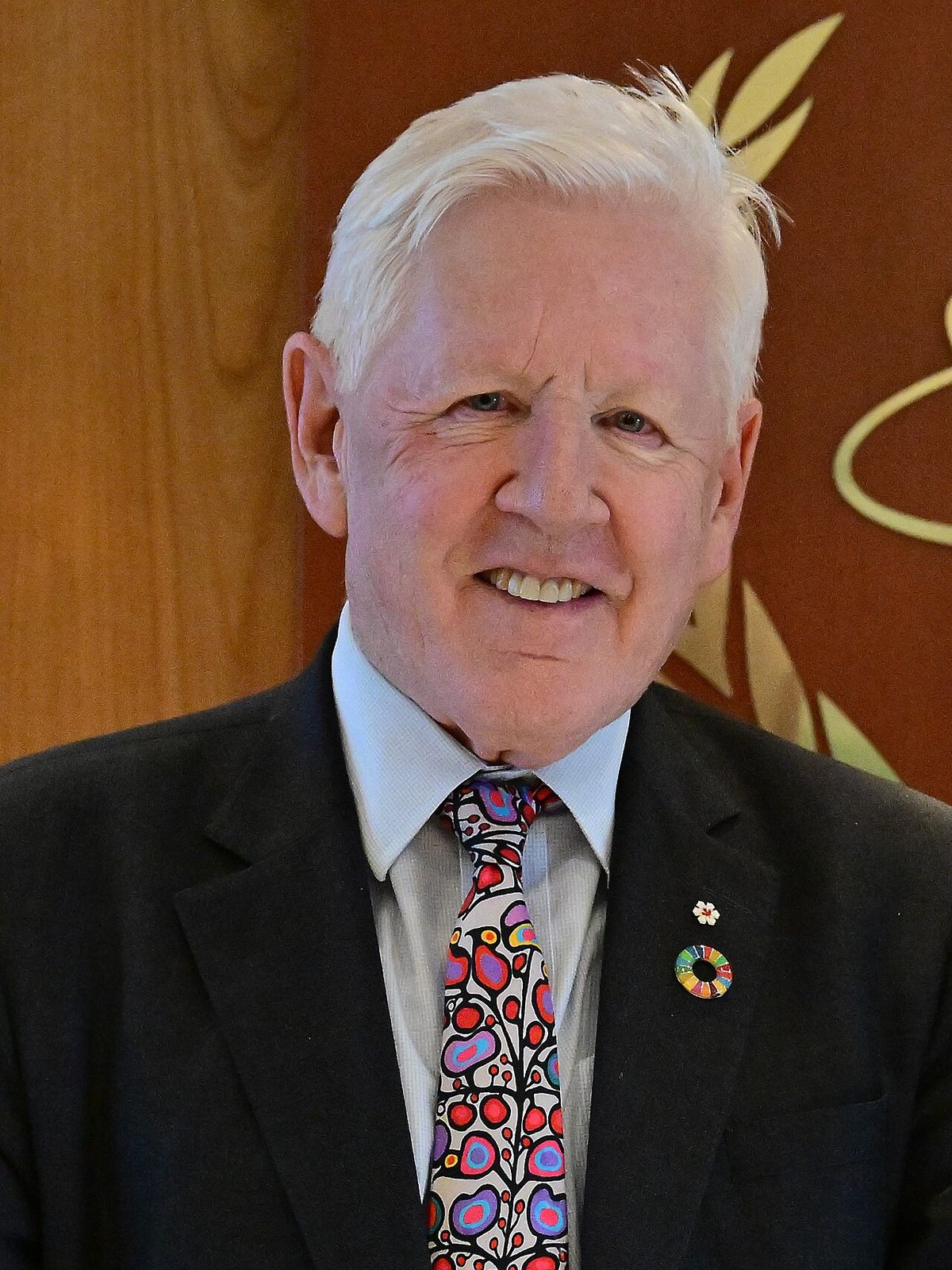
David Raymond Miller is a Canadian lawyer and former politician who served as the 63rd mayor of Toronto from 2003 to 2010. His tenure was defined by a focus on public transit, waterfront revitalization, and municipal reform, with the cancellation of a proposed bridge to the Toronto Island Airport as a signature early achievement. Following his time as mayor, Miller held significant leadership roles in environmental advocacy and international urban diplomacy. In 2026, he was appointed Special Advisor to the Leader of the Ontario New Democratic Party to help craft a new policy framework for municipalities.
Early life, education and legal career
David Raymond Miller was born on December 26, 1958, in San Francisco, California. After his American father Joe Miller died of cancer in 1960, his English mother Joan returned with him to Thriplow, south of Cambridge, England. Miller spent his earliest years in England before moving to Canada with his mother in 1967. He attended Lakefield College School on a scholarship. He graduated summa cum laude in Economics from Harvard University in 1981. He earned a Bachelor of Laws degree from the University of Toronto Faculty of Law in 1984. Miller became a partner at the prominent Toronto law firm Aird & Berlis LLP, specializing in employment, immigration, and shareholder rights. His early legal work included representing Toronto Islands residents in a 1985 arbitration case while an articling student. Miller married fellow lawyer Jill Arthur in 1994, and the couple have two children.
Entry into politics and early campaigns
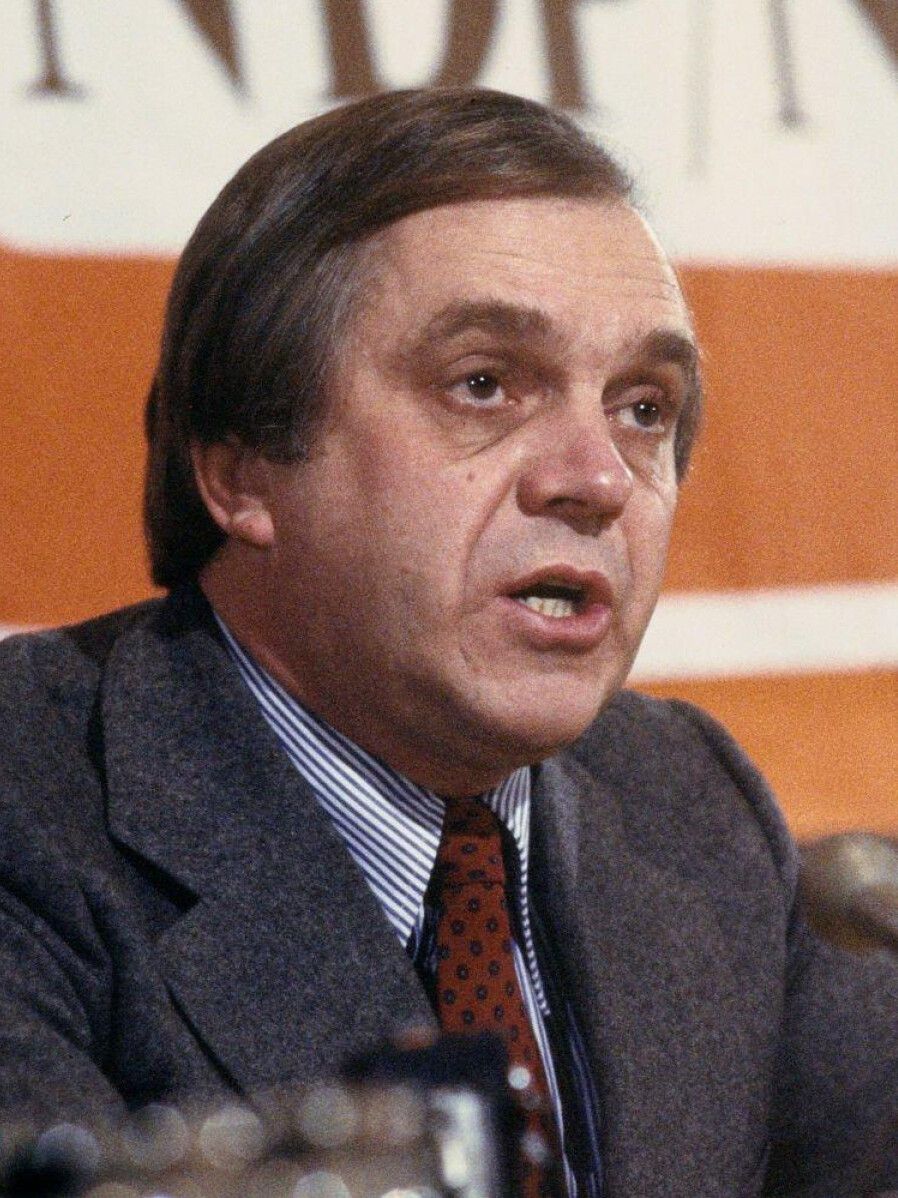
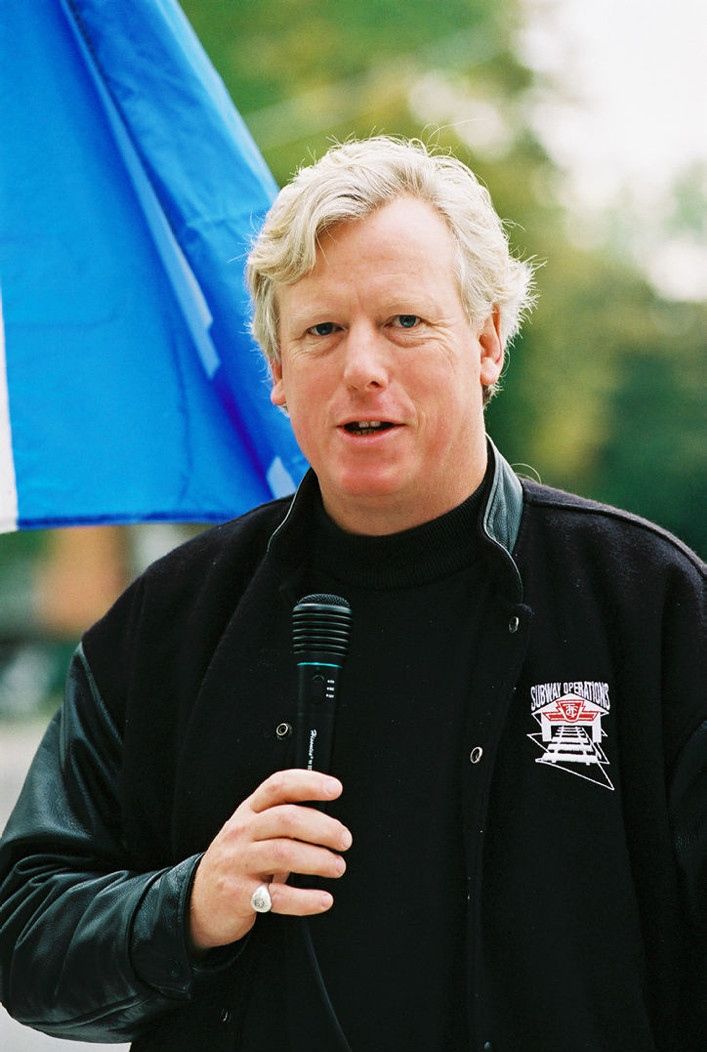
Miller joined the New Democratic Party in 1985 and first sought elected office in 1991, running for Metropolitan Toronto council on a platform of public transit improvements. He lost that race to incumbent councillor Derwyn Shea. He was subsequently the NDP's candidate for Parkdale, High Park in the 1993 Canadian federal election, and finished fourth against Liberal incumbent Jesse Flis. His political breakthrough came in 1994 when he was elected to the Metro Toronto Council for the High Park ward, defeating former Member of Parliament Andrew Witer and future Cabinet minister Tony Clement. On council, he was appointed to the Metro Planning and Transportation Committee, the Metro Anti-racism Committee, and the Board of Governors for Exhibition Place. He spoke against Metro's decision to cut $3 million from its staffing budget in early 1995. He strongly criticized the provincial government of Mike Harris for its 1997 amalgamation of Toronto into a single megacity. Miller proposed an alternate plan to fold the six local councils into the existing Metro council, but this received little support. In 1996, he ran provincially for the NDP in York South to succeed outgoing party leader Bob Rae, narrowly losing to Liberal Gerard Kennedy.
Toronto City Councillor (1997 to 2003)
Following amalgamation, Miller was elected to the new Toronto City Council in the 1997 election, winning one of the two seats in Ward 19 High Park. He was appointed to the Toronto Transit Commission after the election and became a prominent ally of TTC chair Howard Moscoe. Miller led a twelve-member committee that studied the transition to amalgamated municipal services and successfully advocated that Toronto City Hall rather than Metro Hall be the permanent seat of the new government. He later served on a three-member committee that recommended changes to the municipal ward boundaries. Miller issued a formal apology on behalf of the TTC in June 1999 following complaints about a subway advertisement by the Toronto police union. The following year, he argued that the union's controversial Operation True Blue telemarketing campaign was creating a climate of intimidation. Both Miller and his wife claimed they had received threatening telephone calls during the 2000 municipal election.
Miller became known as an advocate for waterfront parklands during his time on council. He supported several aspects of a 2000 report from Robert Fung of the Toronto Waterfront Task Force while criticizing the proposal to sell parkland near Exhibition Place for private development. He also opposed plans to construct a condominium near Toronto's High Park within his ward, instead supporting the construction of affordable housing. With the existing Keele Valley Landfill reaching capacity by 2002, Miller strongly opposed a plan by Mayor Mel Lastman to ship the city's garbage to the Adams Mine in Northern Ontario, which was ultimately voted down by council. The city instead sent its trash to Carleton Farms Landfill. Following electoral redistribution, Miller was re-elected in 2000 over fellow councillor Bill Saundercook in Ward 13 Parkdale-High Park. He was re-appointed to the TTC and sought election as its chair but was passed over in favour of Brian Ashton. In 2001, he expressed concern that the Wheel-Trans bus service for the disabled might be contracted out.
Miller won the unanimous support of his colleagues in July 2001 for a motion requesting that the federal government approve the transfer of gasoline-tax revenues to Toronto's public transit system. He later suggested that Toronto's building revenues could be put toward priority spending rather than being stored in reserve accounts. He was a leading voice in exposing Toronto's MFP computer leasing scandal in 2001 and 2002. As chair of the city's working group on immigrant and refugee issues, Miller introduced a mentorship program making it easier for recent immigrants to gain work experience. Miller was given an A+ grade and named the best councillor by Toronto Life magazine in November 2000. In April 2002, the Toronto Environmental Alliance awarded him an A grade for his work on the TTC. Mayor Lastman and Miller had an adversarial relationship on council. During a May 2002 debate Lastman yelled at Miller, You will never be mayor of this city because you say stupid and dumb things. Miller later remarked that the exchange encouraged him to run for mayor. Despite being council opponents, Lastman attended the funeral for Miller's mother. Miller later became the most prominent opponent of Lastman's plan to build a $22 million bridge to the Toronto Island Airport, an issue that became central to his 2003 mayoral campaign.
2003 mayoral campaign and election
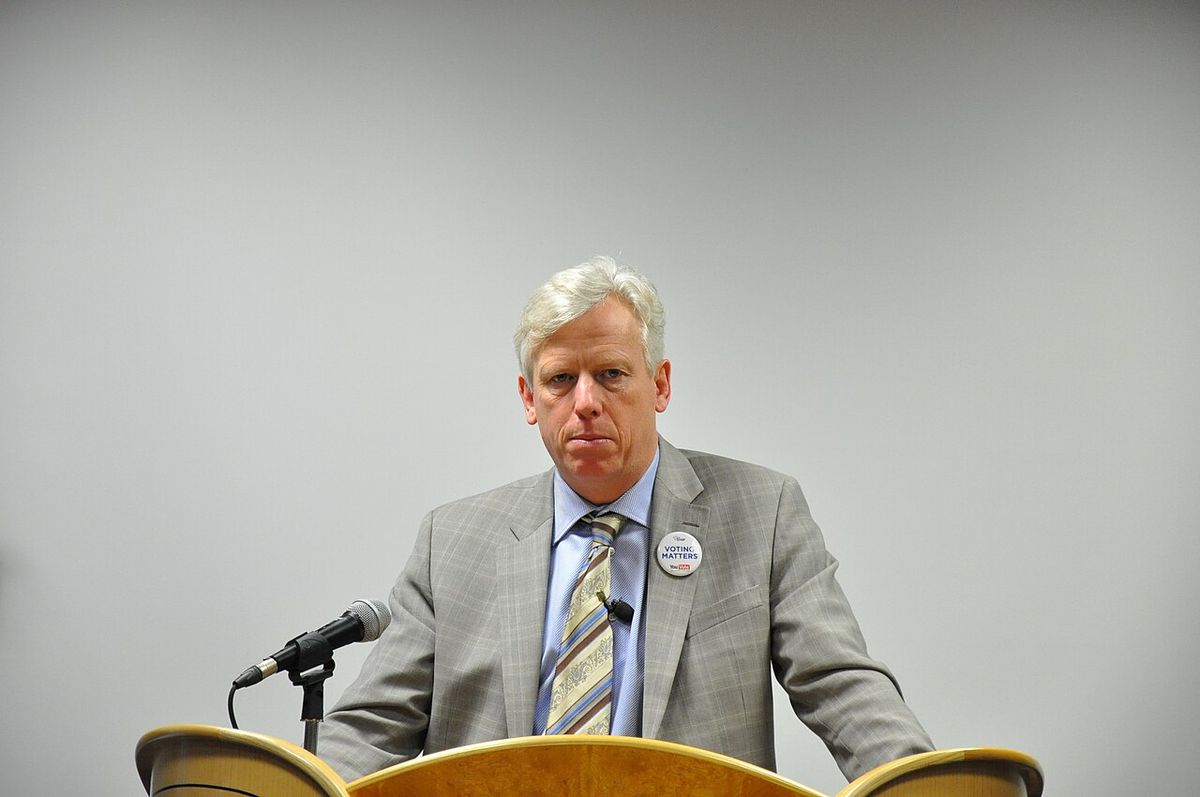
Miller's plans to run for mayor were well-known around city hall in 2002, and he formally declared his candidacy in January 2003. His earliest supporters included councillors Howard Moscoe, Sandra Bussin, Irene Jones and Anne Johnston and urban planner Jane Jacobs. He later received endorsements from councillors Olivia Chow, Joe Pantalone and Brian Ashton, public figures such as June Callwood, Judy Rebick, Margaret Atwood, Michael Ondaatje and Michele Landsberg, American environmental activist Robert F. Kennedy Jr., the Canadian Union of Public Employees and the Toronto Professional Fire Fighters Association. Toronto Star columnist Royson James and councillors Raymond Cho and Michael Walker also endorsed Miller near the end of the campaign. Miller's campaign organization was diverse. His top campaign strategists included veteran Conservative John Laschinger and Liberal Peter Donolo. Architect Jack Diamond was also a co-chair of his campaign.
Miller used a broom as a prop in this campaign, symbolizing his commitment to cleaning up Toronto both literally and metaphorically. He pledged to cancel the airport bridge, appoint a municipal ethics commissioner, and promote public transit by fully implementing the TTC's ridership growth plan. He supported a police request to hire thirty-two new officers and opposed rival candidate John Tory's plans for trash incineration in favour of continuing garbage shipments to Michigan. At one stage, Miller raised the possibility of collecting tolls on the Don Valley Parkway and Gardiner Expressway but dropped the suggestion after criticism. At the start of the campaign in early 2003, Barbara Hall led by a wide margin, with John Nunziata a distant second, while Miller and Tory initially had support in single digits. Miller's polling numbers stalled around 12-13 per cent for most of 2003 but increased in October when front-runner Hall suddenly lost much of her support. He first led a citywide poll on October 22, 2003, scoring 31 per cent support against 29 per cent for Hall and 23 per cent for John Tory. Hall's support continued to dissipate, and she fell to a distant third. The final stage was between Miller and Tory. Days before the vote, prominent Hall supporters Bob Rae and Kyle Rae acknowledged that she could not win and encouraged her supporters to vote for Miller over Tory. Miller defeated Tory 43 per cent to 38 per cent, with Hall third at 9 per cent. He appointed Jane Jacobs and former Toronto Mayor David Crombie to chair his transition team.
Mayoral tenure and policy initiatives
Miller's first term as mayor focused on issues such as waterfront renewal, public transit and municipal reform. He also shifted toward a focus on community safety issues following an increase in gun violence during 2005. Following his election, Miller appointed conservative councillor David Soknacki as Toronto's budget chief. Toronto's budget shortfall when Miller assumed office was $344 million. Miller promised to hold residential property tax increases to 3 per cent per year. His first budget was passed by city council in late April 2004, by a vote of 29-10. The city eliminated its previous shortfall while increasing spending by 6 per cent, and keeping residential property taxes increases at 3 per cent and business and industrial property taxes to 1.5 per cent. The city's total operating budget for the year was $6.7 billion. Miller engaged in a scaled-back consultation process prior to delivering his second budget in 2005. Following months of difficult negotiations, the city passed a balanced budget by taking $19.8 million from its reserve funds.
A major early victory was reversing council's support for the Toronto City Centre Airport Bridge. He argued the bridge was detrimental to the regional environment, was unwanted by most local residents, and stood in the way of a more comprehensive renewal of the waterfront economy. The vote, held on December 3, 2003, was 32-12 in favour of withdrawal. Afterwards, the federal government announced it would withdraw its support for the project. There were subsequent threats of legal action against the City by the Toronto Port Authority and developer Robert Deluce, but these were settled in 2005 when the federal government agreed to pay $35 million in compensation. Liberal MP Tony Ianno defended the payout as providing fair compensation, while Miller's allies, including NDP leader Jack Layton, argued it was overly generous. Shortly after the settlement, Miller announced he would seek the repayment of $27 million in back taxes from the Port Authority to the city. In early 2006, Robert Deluce announced the creation of Porter Airlines to start a commuter service at the Island Airport. Miller argued that the city may soon have to face the choice of an industrial or revitalized waterfront. A Toronto Star report from early February 2006 indicated most Toronto residents opposed expansion. In late September 2006, it was reported that Deluce's REGCO received $20 million of the federal $35 million payout, which Miller described as totally improper.
The bridge and airport debates reflected a more general division between Miller's administration and the Toronto Port Authority, the federal body created by former Liberal MP Dennis Mills that controls the Toronto Island Airport. Miller called for the TPA to be either eliminated or significantly reformed and argued that more oversight powers should be granted to the Toronto Waterfront Revitalization Corp., which is managed by all three levels of government. Miller himself joined the TWRC as a voting member in 2006. The Harper government announced in May 2006 that it would conduct a review of the Port Authority, overseen by former deputy minister of justice Roger Tassé. When the Tassé Report was released in November 2006, it defended the Port Authority's decision to sign a bridge contract just before the 2003 election and described the $35 million payout to Deluce as reasonable. Miller dismissed the document as not worth the paper it is written on. In April 2005, Miller encouraged council to begin work on a bid to host Expo 2015, arguing the event would assist the city's plans for waterfront renewal. Council voted 37-2 to launch a bid in May 2006, but it collapsed in November 2006 when governments failed to reach agreement on covering potential losses. In October 2005, Miller announced $70 million in waterfront investments over five years, dedicated toward new boardwalks, promenades, public places and related attractions. HtO, Toronto's first urban beach, was started in late 2005. Miller and former TWRC chair Robert Fung also criticized the provincial government's plan to build a large power plant in Toronto's waterfront area, urging a smaller facility instead.
Miller's administration expanded the Green Bin composting program citywide in October 2005. In 2006, he spearheaded the purchase of the Green Lane landfill near St. Thomas for $220 million to handle Toronto's waste. He introduced the Transit City light-rail network plan in 2007. Miller also launched the 'One Cent Now' campaign, advocating for a permanent one-cent share of the GST for cities.
Post-mayoral career in environmental advocacy and diplomacy
After leaving the mayor's office in 2010, Miller briefly returned to law. In 2013, he became president and CEO of World Wildlife Fund Canada, leading the organization until 2017. Following his tenure at WWF-Canada, Miller became the director of international diplomacy at the C40 Cities Climate Leadership Group, a network of nearly 100 world cities committed to addressing climate change. Miller also served as a faculty member at NYU Poly in 2011, sharing his expertise in urban governance and policy. He did not renew his NDP membership when it expired in 2007. His continued engagement with public policy was evident in 2026 when Ontario NDP Leader Marit Stiles appointed him as Special Advisor to the Leader on crafting a New Deal for municipalities.
Later political and community service
Beyond his high-profile roles, Miller maintained involvement in local governance and community service. He served as a councillor for the County of Brant. During a farewell meeting on October 20, 2026, Sue Morton of the County of Brant Chamber of Commerce praised his dedication, particularly his work on improving high-speed internet access through the Brant Connects Committee. Concurrently, in the 2026 municipal elections, Miller was acclaimed as the trustee for Brant County on the Brant Haldimand Norfolk Catholic District School Board after the previous incumbent, Dan Dignard, withdrew from the race.
Electoral record and public recognition
David Miller's electoral career spanned several campaigns at different levels of government. He first ran for Metropolitan Toronto council in 1991 but lost to incumbent Derwyn Shea. He was the NDP candidate for Parkdale, High Park in the 1993 federal election and finished fourth. He campaigned for the Ontario legislature in 1996 but was narrowly defeated by Gerard Kennedy. Miller was elected to the Metro Toronto Council in 1994 and to the new Toronto City Council in 1997. He was re-elected to city council in 2000. Miller was elected as the 63rd mayor of Toronto in 2003 and served from 2003 to 2010. He was re-elected mayor in 2006 with a wide margin of victory.
| Year | Office | Result | Vote Share / Notes |
|---|---|---|---|
| 1991 | Metro Toronto Councillor | Lost | Defeated by incumbent Derwyn Shea. |
| 1993 | MP, Parkdale, High Park | Lost (4th) | NDP candidate. Won by Liberal Jesse Flis. |
| 1994 | Metro Toronto Councillor | Elected | Won High Park ward. |
| 1996 | Ontario MPP, York South | Lost | NDP candidate. Narrowly lost to Liberal Gerard Kennedy. |
| 1997 | Toronto City Councillor | Elected | Won one of two seats in Ward 19 High Park. |
| 2000 | Toronto City Councillor | Re-elected | Won Ward 13 Parkdale-High Park over Bill Saundercook. |
| 2003 | Mayor of Toronto | Elected | Defeated John Tory with 43% of the vote (Tory 38%, Hall 9%). |
| 2006 | Mayor of Toronto | Re-elected | Won a second term by a wide margin. |
Throughout his time on council, Miller received positive recognition from media and advocacy groups. In November 2000, Toronto Life magazine gave him an A+ grade and named him the best councillor. The Toronto Environmental Alliance awarded him an A grade for his work on the TTC in April 2002. As mayor, he was a member of the Metrolinx board and helped launch the Transit City plan in 2007.
Questions about David Miller
What is David Miller known for as mayor of Toronto?
David Miller is best known for his focus on public transit, waterfront revitalization, and municipal ethics during his two terms as mayor from 2003 to 2010. His signature early achievement was leading city council to cancel the proposed bridge to the Toronto Island Airport. He also worked to expose the MFP computer leasing scandal, championed investments in the waterfront including the HtO urban beach, and managed the city's finances through a significant budget shortfall while limiting property tax increases. His administration expanded the Green Bin program and purchased the Green Lane landfill.
What did David Miller do after being mayor?
After his mayoralty, David Miller served as president and CEO of World Wildlife Fund Canada from 2013 to 2017. He then became the director of international diplomacy at the C40 Cities Climate Leadership Group, a network of nearly 100 cities. In 2026, he was appointed Special Advisor to the Leader of the Ontario NDP to help craft a New Deal for municipalities. He also served as a County of Brant councillor and was acclaimed as a Catholic school board trustee in 2026.
What was the 'broom campaign' in 2003?
During the 2003 Toronto mayoral election, David Miller used a broom as a central campaign prop. It symbolized his pledge to clean up city hall both literally, by addressing litter, and metaphorically, by promising to end shady deals and improve municipal ethics. The broom became a powerful visual symbol of his platform, which included cancelling the island airport bridge, appointing an ethics commissioner, and investing in public transit. The prop effectively communicated his message of reform.
Did David Miller serve in local government after being Toronto mayor?
Yes, David Miller remained active in local governance. He served as a councillor for the County of Brant. He was praised for his work on the Brant Connects Committee improving internet access. He was also acclaimed as the trustee for Brant County on the Brant Haldimand Norfolk Catholic District School Board in the 2026 municipal elections after Dan Dignard withdrew.
Was David Miller a member of a political party?
David Miller was a member of the New Democratic Party. He joined the NDP in 1985 and ran as its candidate for Parkdale, High Park in the 1993 federal election. He also campaigned as the NDP candidate in York South for the 1996 Ontario provincial election. Miller did not renew his membership when it expired in 2007, stating he did not want to be seen as partisan while dealing with other levels of government as mayor.
Sources and further reading
- David Miller (Wikipedia)
- NDP appoints David Miller to craft New Deal for ... (ontariondp.ca)
- David Miller (Glenwood Town Council At-large, Indiana ... (ballotpedia.org)
Checked by the Nosy Mag desk. Last updated 2026-11-01.