Wabanaki Confederacy
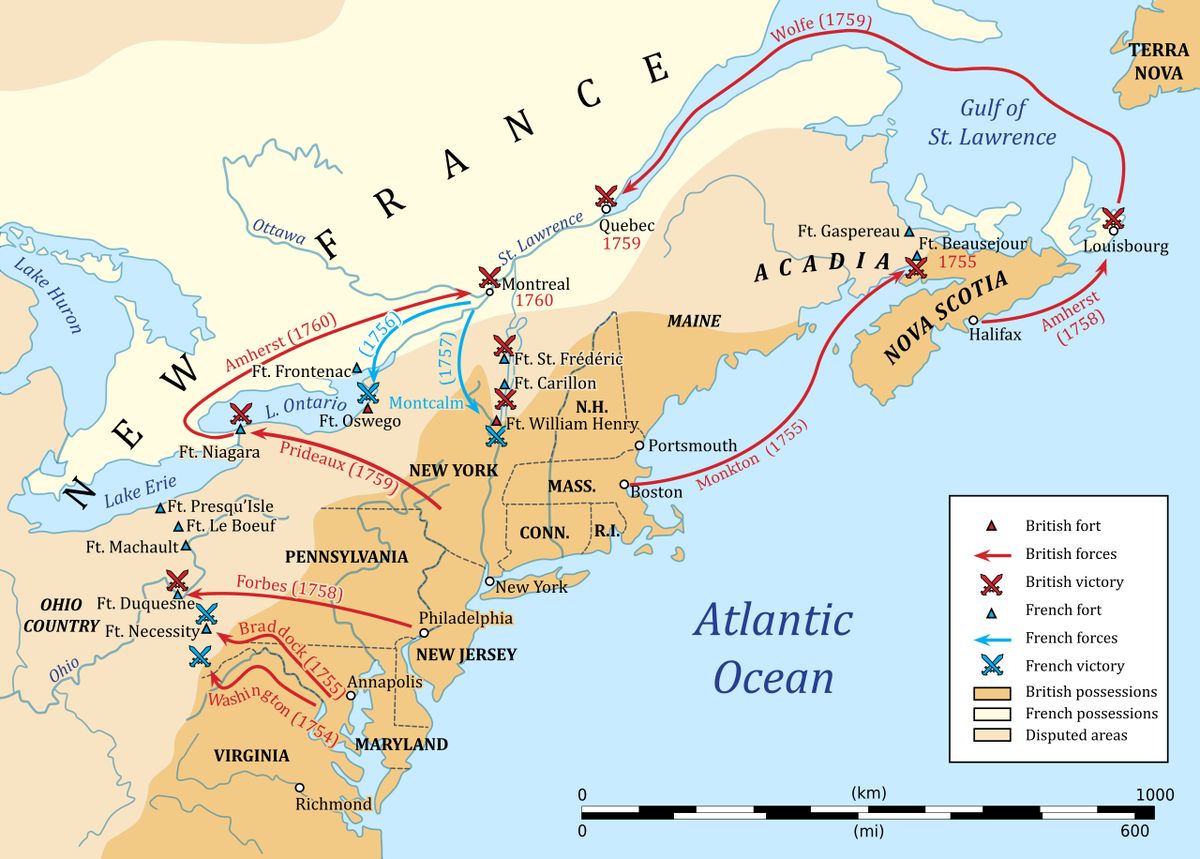
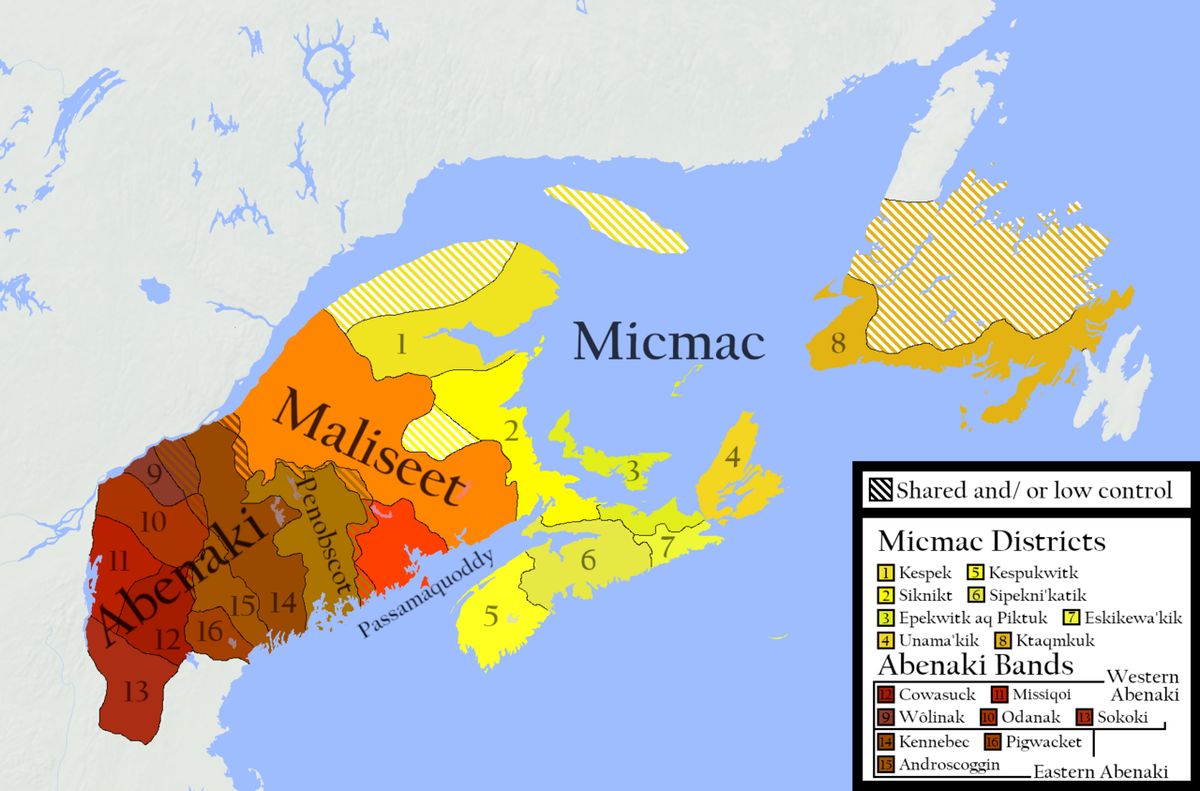
The Wabanaki Confederacy, also known as Wabanaki or Waponahki, is a historic and enduring alliance of five principal Eastern Algonquian First Nations: the Mi'kmaq, Wolastoqiyik (Maliseet), Passamaquoddy (Peskotomuhkati), Penobscot, and Abenaki. Translated as 'People of the Dawn' or 'Dawnland', the confederacy was formed in the late 17th century as a political and military union to counter colonial expansion and Iroquois hostilities. Its traditional territory, Wabanaki, spans from Newfoundland and the Maritimes through northern New England to parts of Quebec, an area that became the French colony of Acadia. The confederacy played a role in the colonial history of northeastern North America, and its member nations continue to advocate for sovereignty, rights, and cultural preservation in Canada and the United States today.
Name, Etymology and Member Nations
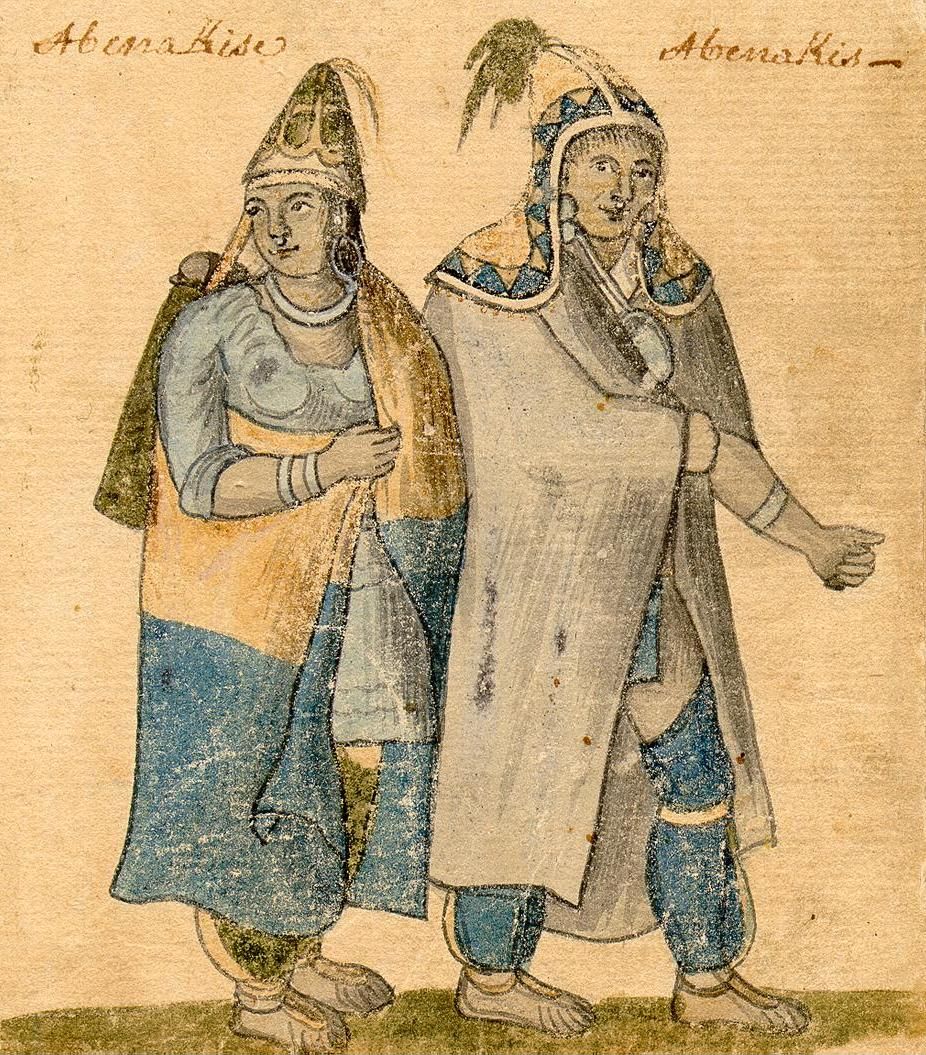
The name Wabanaki derives from the Algonquian root 'wab' combined with 'aki' for land, most commonly translated as 'Dawnland'. The confederacy and its people are also known as Wabanakiyak. Historically, member nations used their own terms for the alliance, such as the Mi'kmaq, Passamaquoddy, and Wolastoqey word Buduswagan, meaning 'convention council'. The Passamaquoddy also called it Tolakutinaya, 'related to one another', while the Penobscot used Bezegowak or Gizangowak, meaning 'those united into one'. The five principal nations have distinct identities and territories within the broader confederacy. The Mi'kmaq are indigenous to Atlantic Canada, Maine, and the Gaspé Peninsula. The Wolastoqiyik, or Maliseet, are the 'People of the Beautiful River', traditionally centred on the Wolastoq (Saint John River) valley. The Passamaquoddy, or Peskotomuhkati, meaning 'pollock spearer', have territory around the St. Croix River watershed. The Penobscot are named for their river and region in Maine, and the Abenaki's homeland extends into Vermont, New Hampshire, and Quebec.
Early Contact and Pre-Confederacy Relations
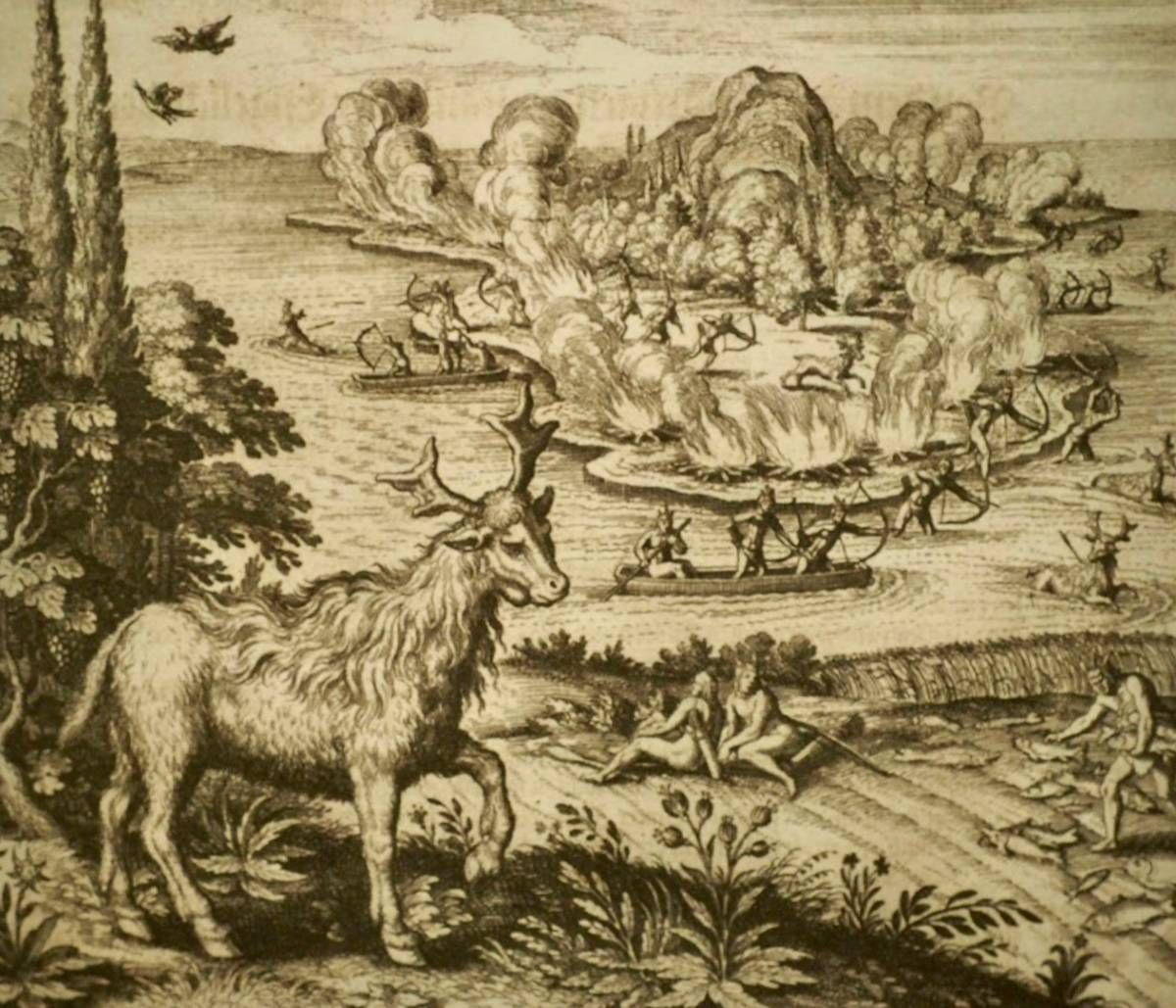
Prior to European contact, smaller confederacies existed in the region, most notably the Mawooshen Confederacy of the Eastern Penobscot, with its political hub at Kadesquit near modern Bangor, Maine. The first documented European contact with Wabanaki lands was by Portuguese explorer Gaspar Corte-Real in 1500, who captured and enslaved at least 57 people from Newfoundland and Nova Scotia to sell in Europe. Throughout the 1500s, European fishermen and explorers frequented the area, often engaging in kidnapping and slave-taking. Portuguese explorer João Álvares Fagundes attempted to establish a colony of almost 200 people in Cape Breton in 1525, which lasted at least until 1570. Permanent French trading operations began around 1581, with Tadoussac established as a key post in 1599 by fur trader François Gravé Du Pont. Samuel de Champlain's expeditions starting in 1604 deepened French-Wabanaki relations, as he established contacts with leaders like Sakom Asticou, who had regional power over the eastern door of Mawooshen, and the supreme leader Sakom Bashaba.
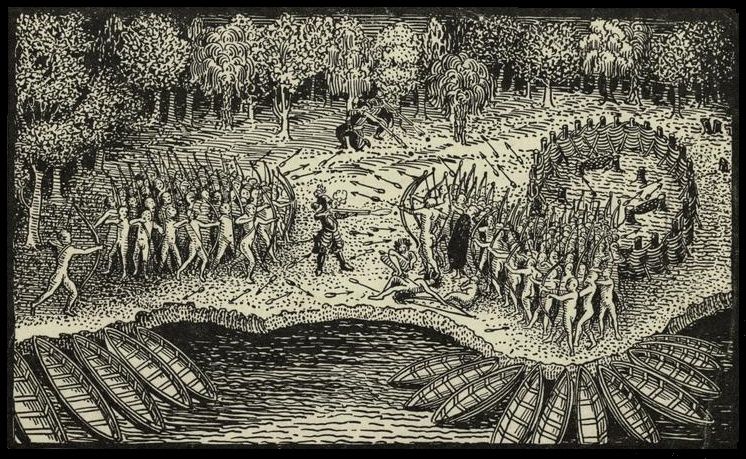
This period also saw conflict and change. Champlain forged strong French relations with Algonquin tribes. Somewhere in the area near Ticonderoga and Crown Point, New York, Champlain and his party encountered a group of Iroquois. In a battle that began the next day, he fired his arquebus and killed two of their chiefs. The next year, the Battle of Sorel on 19 June 1610 saw Champlain's forces, armed with arquebuses and allied with Wendat, Algonquin and Innu peoples, slaughter or capture nearly all of a Mohawk war party. The influx of European goods altered kinship ties and local economies, shifting subsistence hunting toward competition for trade. A war between the Mi'kmaq, Wolastoqey, and Passamaquoddy alliance and their Western Mawooshen neighbours began around 1607, culminating in the killing of Grand Chief Bashaba in his village in 1615. This was followed by a catastrophic pandemic from 1616 to 1619 known as 'The Great Dying', which killed an estimated 70 to 95 percent of the local Algonquin population. English colonial contact increased with the arrival of the Pilgrims in 1620 and settlements like Pannaway Plantation near Kittery, Maine, founded in 1623 as a fishing and lumber village. By the 1640s and 1660s, pressure from Iroquois advances and English expansion led Eastern Algonquian tribes to form a large defensive league, aided by French Jesuits, which included Western Abenaki peoples as far south as Massachusetts.
Formation and Political Structure
The Wabanaki Confederacy was formally created in the 1680s, following the First Abenaki War. That war ended with the Treaty of Casco in 1678, which forced tribes to recognize English property rights in southern Maine while colonists recognized Wabanaki sovereignty and agreed to pay an annual fee of a peck of corn per English family to Madockawando, acknowledged as a grandchief. The treaty also recognized the Saco River as a border. The decisive political event occurred at the Caughnawaga Council, a large neutral gathering in Mohawk territory held every three years for tribes around the Great Lakes, East Coast, and Saint Lawrence River. There, Eastern Algonquian nations, with the aid of an Ottawa sakom, formed a new confederation. The Passamaquoddy wampum record, the Wapapi Akonutomakonol, describes a seven-day silent contemplation called 'The Wigwam is Silent' followed by a council called 'Every One of Them Talks'. The council decided to make a 'great fence' symbolizing the confederacy agreement and Wampum Laws to govern member nations as brothers and sisters under one parent, with a whip placed with their father to enforce obedience. This union absorbed earlier political structures like the Mawooshen Confederacy.
The confederacy's governance incorporated elements from neighbouring confederacies like the Iroquois and Huron, particularly the use of wampum in council conduct. It was governed by a council of elected sakoms. The political union provided substantial benefits to its members, including safe passage and camping rights through each other's territories, the establishment of safer trade networks from western agricultural areas to eastern gathering economies for items like copper and pelts, non-aggression pacts, shared natural resources, freedom to move between villages, organized inter-tribal marriages, and a large-scale defensive alliance. This structure was designed to collectively challenge Iroquois hostilities along the Saint Lawrence River and resist English colonial expansion, providing the political organization that individual tribes lacked. Madockawando himself later moved from Penobscot to Wolastoqey lands, living at their political hub of Meductic until his death, exemplifying the mobility and unity fostered by the confederacy. The Wabanaki never had a formal single grandchief or centralized capital.
Territory and Demographics
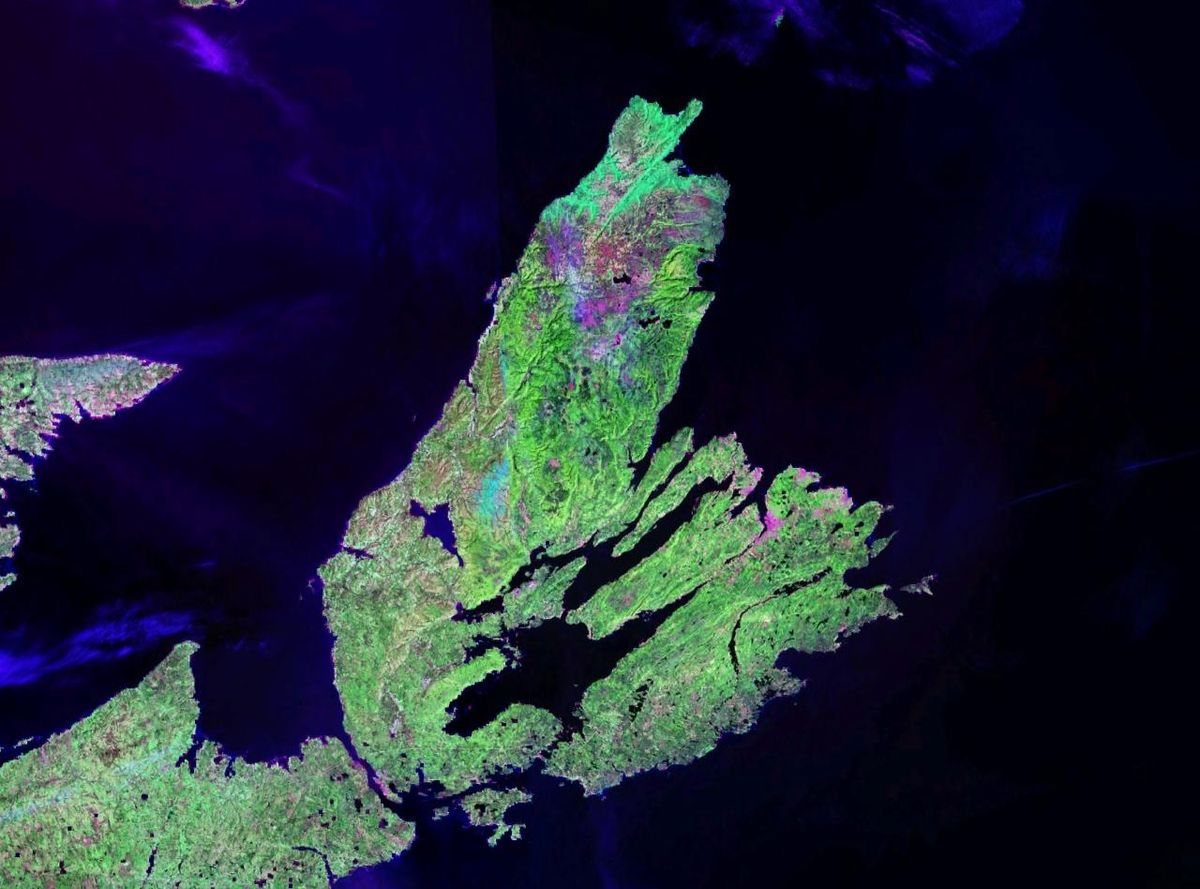
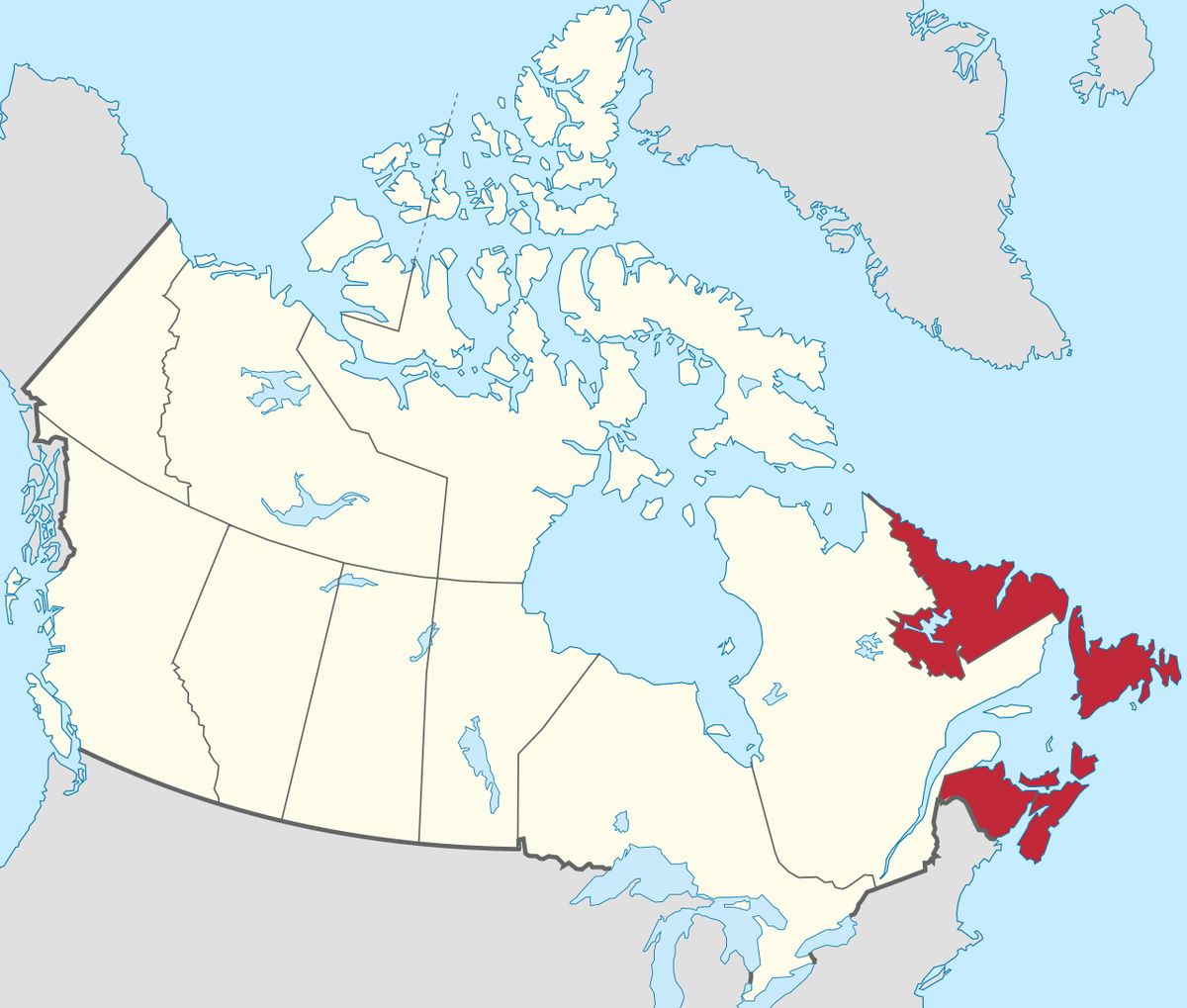
The traditional territory of the Wabanaki Confederacy, known as Wabanaki or Dawnland, encompasses a vast region of northeastern North America. It roughly corresponds to the area that became the French colony of Acadia and northern New England. In modern terms, this includes present-day Maine, New Hampshire, and Vermont in the United States, and New Brunswick, mainland Nova Scotia, Cape Breton Island, Prince Edward Island, parts of Quebec south of the St. Lawrence River, Anticosti, and Newfoundland in Canada. Following European settlement and land seizures, Wabanaki peoples were often relegated to remote areas. Each tribe maintains its own territory composed of reservation, trust, and fee lands. Trust lands, including reservations, are owned by the tribes but placed under federal trust protection by the Bureau of Indian Affairs, while fee lands can be traded, sold, or mortgaged under the same conditions as non-Native owned land.
- Mi'kmaq: The Aroostook Band in Maine, federally recognized in 1991, owns land in the vicinity of Presque Isle. The band is governed by a Chief, a Vice Chief, and a ten-member Tribal Council.
- Wolastoqiyik (Maliseet): The Houlton Band in Maine, recognized in 1980, owns land centred on the Meduxnekeag River. Its governmental structure includes a six-member Tribal Council and an elected Chief.
- Passamaquoddy: This tribe has two reservations in Washington County, Maine: Pleasant Point and Indian Township. Each reservation has its own government, which come together to form a Joint Tribal Council.
- Penobscot: The Penobscot Nation is based in Maine and maintains its own governance structures and land base.
- Abenaki: The Abenaki Nation's homeland extends into Vermont, New Hampshire, and Quebec, with several bands maintaining distinct communities.
Historical Significance and Colonial Era Alliances
For approximately two hundred years, the Wabanaki Confederacy was a political and military force in northeastern North America. Its formation was a direct response to common threats, primarily from English colonial expansionism following events like King Philip's War and the First Abenaki War, and Iroquois territorial pressures along the Saint Lawrence. This Franco-Wabanaki alliance was based on mutual trade, especially in furs, and shared military interests against the English and the Iroquois. The confederacy played a role in the colonial conflicts between France and Britain, including King William's War, Queen Anne's War, Dummer's War, King George's War, Father Le Loutre's War, and the French and Indian War. Its ability to coordinate actions among its member nations made it a significant power broker. The political and diplomatic structures of the confederacy, including its council system and use of wampum belts, were sophisticated instruments of governance and intertribal relations. The colonial government declared the Wabanaki Confederacy forcibly disbanded in 1862, but the five Wabanaki nations still exist and the Confederacy was formally re-established in 1993.
Contemporary Advocacy and the Wabanaki Alliance
In contemporary times, the Wabanaki nations remain closely aligned and actively engaged in advocacy for sovereignty, rights, and cultural revitalization. A key organization in this effort is the Wabanaki Alliance, a coalition that works to advance Wabanaki priorities in Maine and beyond. The Alliance engages in political advocacy, releasing legislative scorecards for bodies like the 132nd Maine Legislature and candidate endorsements based on reviewing questionnaire answers, voting records, and interviews. For example, in August 2026, its newsletter highlighted a new role for Zeke Crofton-McDonald and previewed the Nihkaniyane gathering and Indigenous Peoples' Day. The Alliance hosts public gatherings to celebrate progress and build partnerships, such as the fourth annual Nihkaniyane: Let's Go Forward Together event scheduled for October 2026 at Wolfe's Neck in Freeport, Maine. Other initiatives include the Wabanaki Policy Youth Initiative and the first annual Wabanaki Nations State of the Youth event, done in partnership with the Boys and Girls Clubs of Border Towns. Prominent voices like Maulian Bryant, a Penobscot citizen and executive director of the Wabanaki Alliance, author columns on issues such as protecting the Penobscot River. These modern efforts continue the confederacy's legacy of collective action, focusing on legal recognition, environmental stewardship, economic justice, and the wellbeing of future generations.
Cultural Continuity and Artistic Traditions
Despite centuries of colonization and displacement, Wabanaki cultures have demonstrated resilience and continuity. Each of the Wabanaki tribes is home to highly skilled artisans who maintain and innovate upon traditional art forms. These artistic traditions are vital expressions of cultural identity and knowledge. Common art forms include basket weaving, a practice for which the region is particularly renowned, using materials like sweetgrass, ash, and birch bark. Other significant crafts include drum making, wood and stone carving, the construction of birchbark canoes, and the creation of beadwork and jewelry. These items are both functional and carry stories and connections to the land. The production and sale of traditional artwork also contribute to the local economies within Wabanaki communities. Cultural events, language revitalization programs, and educational initiatives work to pass these skills and knowledge to younger generations. The Wabanaki Collection is a resource that connects educators and the public with materials to support enhanced understanding of these nations and their ways of life, ensuring that the artistic heritage of the Dawnland people endures. Well-known Wabanaki basket makers include Molly Neptune Parker, Clara Neptune Keezer, Fred Tomah, and Jeremy Frey.
Notable Figures and Leadership
Throughout its history, the Wabanaki Confederacy has been shaped by significant leaders. In the early contact period, Sakom Bashaba was the grand chief of the Mawooshen Confederacy, the political precursor to the Wabanaki, until his death in 1615. Sakom Asticou, a leader with regional power over the eastern door of Mawooshen, met with Samuel de Champlain in 1604 and later approved the founding of a Jesuit mission in 1613. Madockawando, a Penobscot leader, emerged as a key figure during the formation of the confederacy, recognized as a grandchief in the 1678 Treaty of Casco and receiving the symbolic annual tribute from English colonists. In the modern era, leadership continues through elected officials and advocates. Chiefs like Sheila McCormack of the Penobscot Nation and Teresita Hamel have been involved in contemporary political advocacy with the Wabanaki Alliance. Other notable modern voices include Darren Ranco, a Penobscot citizen and chair of Native American Programs at the University of Maine, and Osihkiyol Crofton-Macdonald, Ambassador for the Maliseet Nation, who have contributed to discussions on Wabanaki history and sovereignty. The work of individuals like Maulian Bryant, executive director of the Wabanaki Alliance, and Zeke Crofton-McDonald, mentioned in the 2026 newsletter, demonstrates the ongoing leadership within Wabanaki communities. Sepiel Selmo was one of the last keepers of the Wampum Record.
Questions about Wabanaki Confederacy
What does the name Wabanaki mean?
Wabanaki is derived from Algonquian root words: 'wab' relating to light or dawn, and 'aki' meaning land. It is most often translated as 'Dawnland' or 'People of the Dawn'. This name reflects the geographical position of these nations in the easternmost part of North America, where the sun rises. The confederacy and its people are also known as Wabanakiyak. Member nations historically used their own terms, such as the Mi'kmaq, Passamaquoddy, and Wolastoqey word Buduswagan for 'convention council'.
Which First Nations are part of the Wabanaki Confederacy?
The Wabanaki Confederacy comprises five principal Eastern Algonquian nations: the Mi'kmaq, the Wolastoqiyik (also known as the Maliseet), the Passamaquoddy (Peskotomuhkati), the Penobscot, and the Abenaki. Historically, other tribes and bands were absorbed into these larger national identities over time. In the modern context, these five nations continue to recognize their shared heritage and alliance. The confederacy's traditional territory stretches across the Canadian Maritimes, parts of Quebec, and northern New England.
When and why was the Wabanaki Confederacy formed?
The Wabanaki Confederacy was formally created in the 1680s, following the First Abenaki War which ended in 1678. The decisive political meeting took place at the Caughnawaga Council, a neutral gathering ground. The primary reasons for formation were to present a united front against two major threats: the encroaching expansion of English colonists and the territorial hostilities of the Iroquois Confederacy. The union provided a collective defense pact, established safe trade and travel networks among member nations, and created a political structure to govern their shared interests in the Dawnland territory.
Where is the traditional territory of the Wabanaki Confederacy?
The traditional territory, called Wabanaki or Dawnland, encompasses a vast area of northeastern North America. It includes present-day Maine, New Hampshire, and Vermont in the United States. In Canada, it covers New Brunswick, mainland Nova Scotia, Cape Breton Island, Prince Edward Island, parts of Quebec south of the St. Lawrence River, Anticosti Island, and Newfoundland. This region roughly corresponds to the historical French colony of Acadia. Today, Wabanaki communities are located throughout this area, with significant populations in Maine and the Canadian Maritime provinces.
Is the Wabanaki Confederacy still active today?
The formal political confederacy was disbanded in 1862. However, the five member nations remain closely aligned and continue to cooperate on issues of common concern. The confederacy gathering was revived in 1993, with the sacred Council Fire lit again at Listuguj. In the modern era, advocacy groups like the Wabanaki Alliance work to advance sovereignty, rights, and justice for Wabanaki peoples. The nations jointly participate in cultural events, political advocacy, and youth initiatives. The deep historical bonds and shared identity as People of the Dawn ensure ongoing collaboration.
What is the Wabanaki Alliance?
The Wabanaki Alliance is a contemporary advocacy coalition that works to advance the priorities and sovereignty of the Wabanaki nations. It engages in political action within Maine, releasing legislative scorecards, endorsing political candidates based on their records, and lobbying for policy change. The organization also hosts public events like the annual Nihkaniyane gathering to celebrate progress and build partnerships. In 2026, its activities included publishing newsletters, previewing Indigenous Peoples' Day events, and helping to organize the first Wabanaki Nations State of the Youth event. It is a primary vehicle for collective Wabanaki voice in modern political and social spheres.
Sources and further reading
- Wabanaki Confederacy (Wikipedia)
- Wabanaki Tribes (fourdirectionsmaine.org)
- Wabanaki Alliance: Home (wabanakialliance.com)
Checked by the Nosy Mag desk. Last updated 2026-10-21.