Atlantic Canada
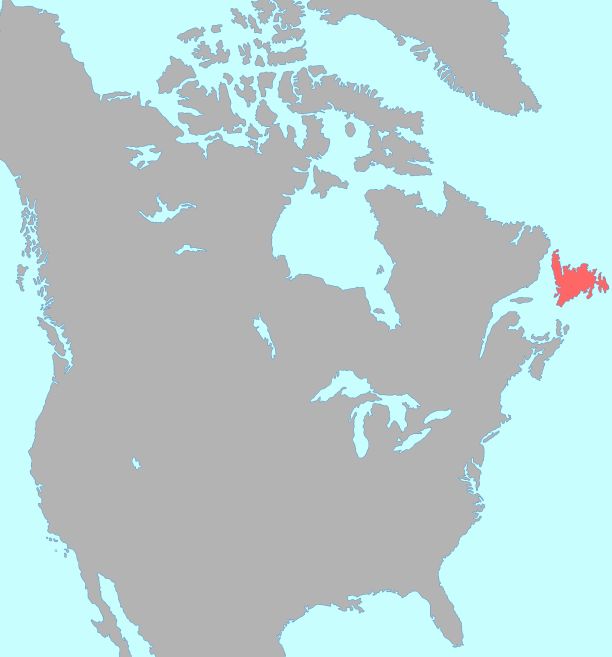
Atlantic Canada is the region of Eastern Canada comprising the four provinces of New Brunswick, Newfoundland and Labrador, Nova Scotia, and Prince Edward Island. With a landmass of approximately 488,000 square kilometres and a population of over 2.4 million people, it is defined by its connection to the Atlantic Ocean, which shapes its economy, culture, and history. The term 'Atlantic Canada' was popularized in 1949 with Newfoundland's entry into Confederation, distinguishing it from the culturally similar but distinct 'Maritime provinces'. This region is significant to Canada for its Indigenous heritage, its role in early European exploration and settlement, and its contributions to the nation's fisheries, energy production, and cultural mosaic.
Historical Foundations
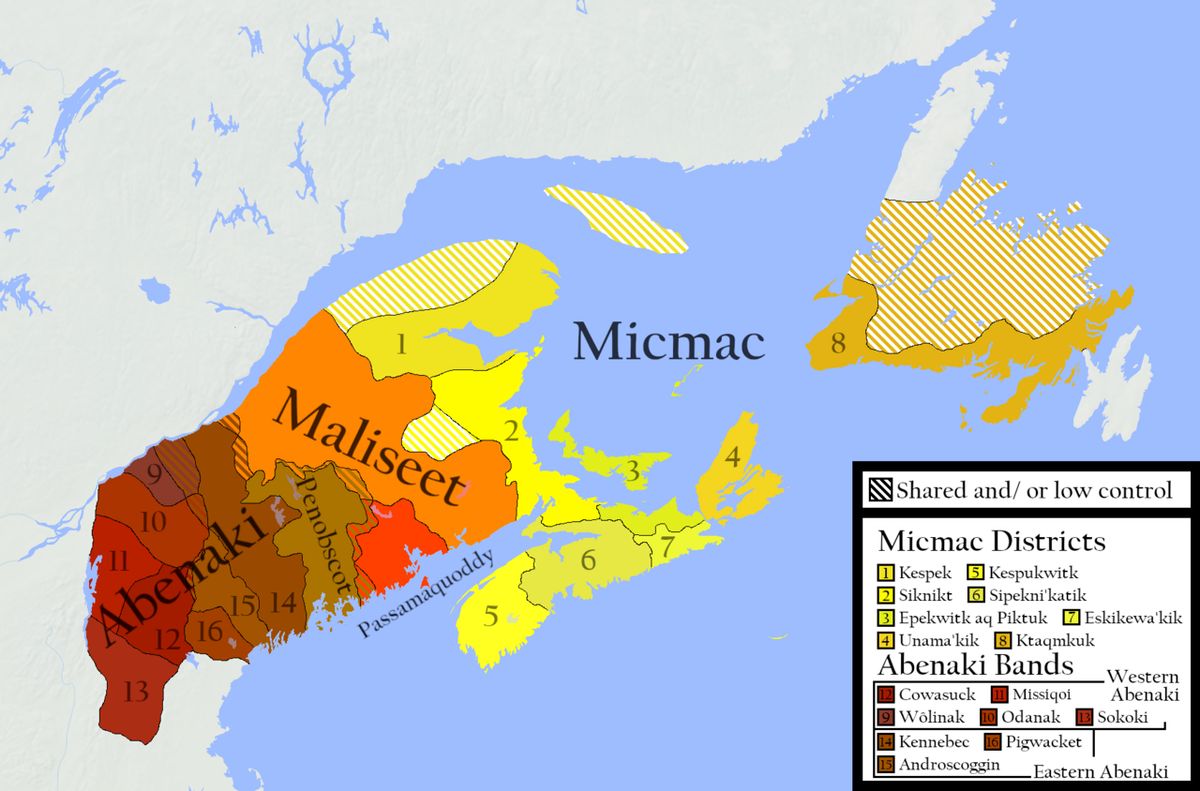
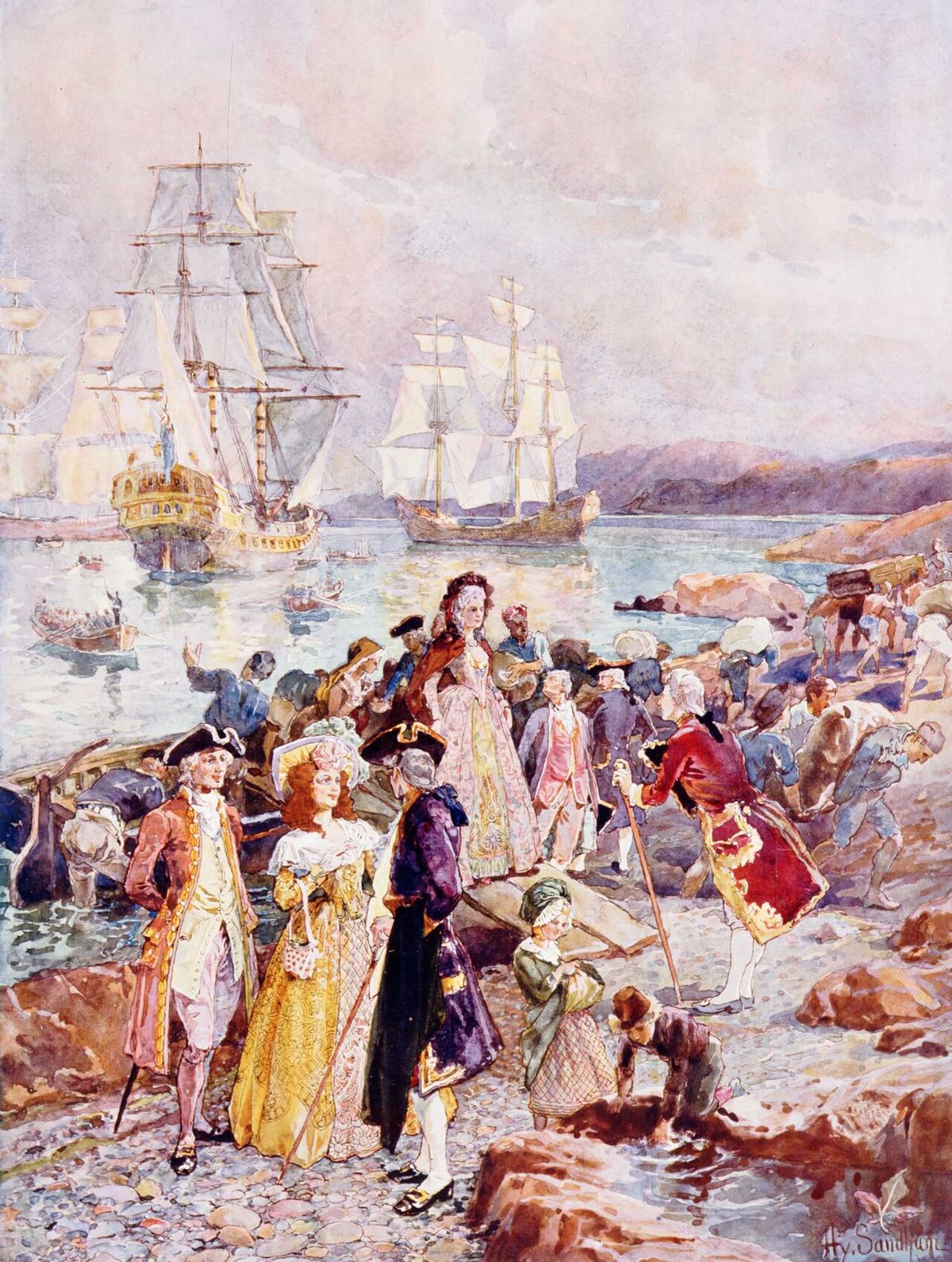
The lands of Atlantic Canada are the historical territories of the Mi'kmaq, Wolastoqiyik (Maliseet), Naskapi, Beothuk, and Nunatsiavut peoples, the latter being the Labrador Inuit. Leif Erikson established a small settlement called Vinland around 986 CE, with L'Anse aux Meadows in Newfoundland identified as a candidate site. Permanent European colonization commenced in 1604 with the establishment of Acadia, a colony of New France, by Samuel de Champlain and Pierre Dugua, Sieur de Mons. The French formed alliances with many Indigenous nations, such as the Mi'kmaq who were part of the Wabanaki Confederacy. Competition between Britain and France for control of fisheries and territory defined the colonial period, culminating in British governance after the Treaty of Utrecht in 1713 and the later Treaty of Paris in 1763.
The region's demographic and cultural scene was dramatically altered by several waves of migration. Between 1755 and 1764 during the Great Expulsion, the British forcibly removed thousands of Acadians from Nova Scotia and New Brunswick. Some Acadians returned after the Treaty of Paris in 1763, resettling in the area that became New Brunswick. After the American Revolution, many Loyalists from the United States settled in the region, leading to the partition of Nova Scotia. This influx established a predominantly Anglo-Canadian population. Among these settlers were approximately 3,000 Black Loyalists, emancipated Black people evacuated to Nova Scotia, many settling in Birchtown. Another major wave came in the mid-19th century with Irish immigrants fleeing the Great Famine, who arrived in large numbers at port cities like Saint John and Halifax.
Geography and Physical Character
Atlantic Canada is characterized by its rugged coastlines, gravel beaches, mountains, and dense forests. The region is bordered by the Atlantic Ocean to the east and south, the province of Quebec to the west, and shares international borders with the United States (Maine) and, off the coast of Newfoundland, with the French overseas collectivity of Saint Pierre and Miquelon. This maritime environment influences the local climate, fostering cool summers and moderate winters. The landscape is a mix of the ancient Appalachian Uplands, boreal forests, and numerous inland waterways. The region encompasses a section of the Appalachian Mountains known as the Appalachian Uplands, which are subdivided into three highland areas within each province. These mountains contribute to the fjorded coastal regions found in parts of Nova Scotia and Newfoundland. While Quebec has a physical Atlantic coast on the Gulf of St. Lawrence, it is classified as part of Central Canada. The area's physical diversity supports a variety of economic activities, from forestry and mining in the interior to fishing and tourism along the coast. Major urban centres like Halifax, Nova Scotia, and St. John's, Newfoundland and Labrador, serve as cultural and economic hubs amidst a predominantly rural landscape.
Economic Drivers and Industries
The economy of Atlantic Canada is based on natural resource extraction and power generation. The fishing industry is a fundamental component, with the region contributing a large portion of Canada's fish production. Over half of all ocean-related jobs in Canada are found in Atlantic Canada, and 75 percent of the nation's ocean economy is centred in its four provinces. The primary access points for these fisheries are the nutrient-rich waters of the Gulf of St. Lawrence and the Atlantic continental shelf. The industry faced a catastrophic shock with the collapse of the Atlantic northwest cod fishery, leading Canada to impose a moratorium on cod fishing in 1992. This resulted in the loss of an estimated 30,000 to 50,000 jobs, the largest single layoff in Canadian history.
Beyond fisheries, the region is a significant producer of energy and minerals. Labrador is home to the Churchill Falls hydroelectric generating station, the second largest hydroelectric system in Canada, which produces approximately 35,000 gigawatt-hours of power annually. Wind power and hydrogen generation are becoming increasingly important. The region's boreal forests support a forestry sector. Mining extracts a variety of resources: Nova Scotia produces over 60 percent of Canada's gypsum. Other mined materials include iron, anhydrite, salt, coal, limestone, silica sand, quartz, marble, slate, sandstone, granite, and peat. The Atlantic Canada Opportunities Agency is the federal body tasked with fostering economic development across the region.
Statutory Holidays and Observances
Public holiday observance in Atlantic Canada involves a mix of nationwide statutory holidays and province-specific days. All four provinces observe core federal holidays such as New Year's Day, Good Friday, Canada Day, Labour Day, and Christmas Day. For the year 2026, these fall on Thursday, January 1, Friday, April 3, Wednesday, July 1, Monday, September 7, and Friday, December 25. Each province also designates its own unique holidays that reflect local history and culture. Province-specific holidays illustrate regional identities. In 2026, Nova Scotia observes Heritage Day on Monday, February 16. Newfoundland and Labrador commemorate St. Patrick's Day and Orangemen's Day as provincial holidays. Prince Edward Island marks Islander Day in February. New Brunswick, as the only officially bilingual province, observes New Brunswick Day on the first Monday of August. The treatment of Remembrance Day on November 11 varies by province. The National Day for Truth and Reconciliation on September 30 is a federal holiday for federally regulated workers, but its status as a general statutory holiday differs by province.
- New Year's Day: Thursday, January 1, 2026 (National)
- Heritage Day (NS): Monday, February 16, 2026
- Good Friday: Friday, April 3, 2026 (National)
- Canada Day: Wednesday, July 1, 2026 (National)
- Labour Day: Monday, September 7, 2026 (National)
- National Day for Truth and Reconciliation: Wednesday, September 30, 2026 (Federal)
- Remembrance Day: Wednesday, November 11, 2026
- Christmas Day: Friday, December 25, 2026 (National)
Beyond official statutes, other days like Easter Monday, Victoria Day, and Natal Day in Nova Scotia are commonly recognized. However, these are not paid general holidays under all provincial labour codes. Employers may also provide additional paid holidays through individual workplace agreements. The specific rules for holiday pay, substitute days when a holiday falls on a weekend, and retail closing hours are all governed by provincial legislation in each of the four Atlantic provinces.
Demographics and Cultural Identity
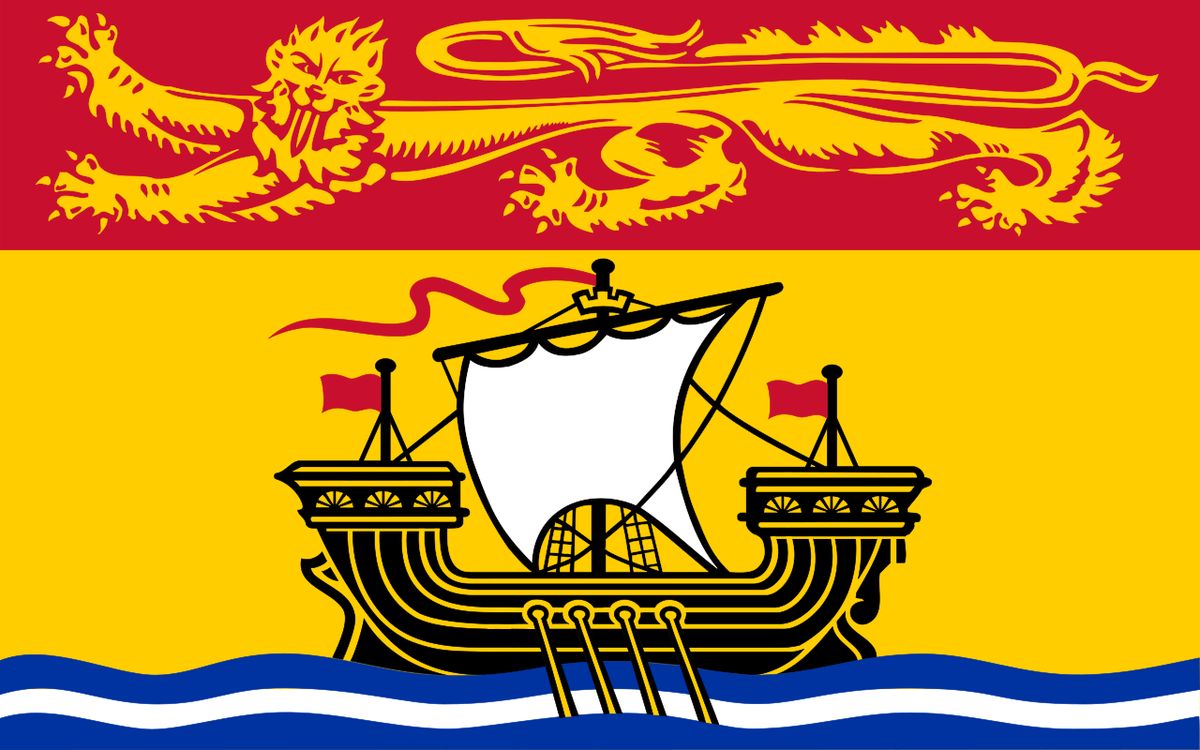
The cultural identity of Atlantic Canada is a blend of Indigenous, French, British, and more recent immigrant influences. The legacy of Acadian settlement is most prominently preserved in New Brunswick, which is Canada's only officially bilingual province, with over a quarter of its residents speaking French at home. The Loyalist migration following the American Revolution firmly established British cultural and political institutions. The substantial Irish immigration of the 19th century left a lasting imprint, particularly in the urban centres and outport communities of Newfoundland. Indigenous cultures remain active and influential, with Mi'kmaq, Wolastoqiyik, and Inuit communities preserving their languages and traditions.
This blend of histories has created distinct provincial cultures within the broader regional identity. Newfoundland and Labrador, with its own unique dialect, music, and traditions, often feels culturally distinct from the three Maritime provinces. The region is known for its strong sense of community and attachment to place. Cultural expressions are varied, encompassing everything from the Celtic-inspired music of Cape Breton and the kitchen parties of Newfoundland to the Acadian festivals of New Brunswick and Indigenous powwows. This diversity is a defining feature of Atlantic Canada's contribution to the national character.
Major Urban Centres and Population Distribution
Atlantic Canada's population is concentrated in a handful of key urban centres, while vast areas remain sparsely populated. Halifax, the capital of Nova Scotia, is the region's largest metropolitan area and serves as its primary economic, academic, and cultural hub. Saint John, New Brunswick, is an important industrial and port city, while Moncton has grown as a commercial and transportation centre for the Acadian community. On the island of Newfoundland, St. John's is the easternmost city in North America and functions as the provincial capital and service centre for the offshore oil industry. Charlottetown, the capital of Prince Edward Island, is notable as the birthplace of Confederation. Despite these urban centres, Atlantic Canada is characterized by a high proportion of small towns and rural communities dependent on primary industries like fishing, forestry, and agriculture.
| City | Province | Primary Role & Significance |
|---|---|---|
| Halifax | Nova Scotia | Largest city in Atlantic Canada. Major port, financial centre, and home to multiple universities and the Canadian Navy's East Coast fleet. |
| St. John's | Newfoundland and Labrador | Provincial capital and easternmost city. Historic fishing port and service hub for offshore oil and gas industry. |
| Moncton | New Brunswick | Major transportation and distribution hub. Centre of Acadian culture and commerce in the province. |
| Saint John | New Brunswick | Industrial port city with major oil refinery and shipping facilities. One of Canada's oldest incorporated cities. |
| Fredericton | New Brunswick | Provincial capital and home to the University of New Brunswick. Government and cultural centre. |
| Cape Breton Regional Municipality (Sydney) | Nova Scotia | Primary urban centre on Cape Breton Island. Historically tied to coal and steel, now focusing on tourism and services. |
Contemporary Challenges and Future Outlook
Atlantic Canada faces several interconnected challenges, with an aging population and slower economic growth being primary concerns. The region has one of the highest median ages in the country, which pressures healthcare systems and the labour market, and contributes to youth outmigration. Economic diversification remains a critical goal, particularly for communities that were historically reliant on the ground fishery. While sectors like offshore oil and gas and renewable energy projects offer potential, their benefits are not always evenly distributed. The Atlantic Canada Opportunities Agency and various provincial initiatives focus on innovation, technology, and value-added natural resource industries.
Climate change presents both a threat and a potential area for leadership. Rising sea levels, coastal erosion, and changing ocean temperatures directly impact fisheries, infrastructure, and vulnerable communities. Conversely, the region is positioning itself as a leader in renewable energy, with investments in wind, tidal, and green hydrogen production. Socially, the region is engaged in the ongoing process of reconciliation with Indigenous peoples and in efforts to attract and retain immigrants to counter demographic decline. The future of Atlantic Canada will likely depend on its ability to leverage its strategic location, educational institutions, and natural resources while fostering inclusive growth.
Questions about Atlantic Canada
What provinces are included in Atlantic Canada?
Atlantic Canada comprises four provinces: New Brunswick, Newfoundland and Labrador, Nova Scotia, and Prince Edward Island. The term Atlantic Canada was popularized following the admission of Newfoundland as a Canadian province in 1949. Newfoundland and Labrador is not included in the Maritimes, which refers only to New Brunswick, Nova Scotia, and Prince Edward Island. New Brunswick and Nova Scotia were founding members of Canada in 1867, Prince Edward Island joined in 1873, and Newfoundland and Labrador joined in 1949.
What is the biggest city in Atlantic Canada?
Halifax, the capital of Nova Scotia, is the largest city and metropolitan area in Atlantic Canada. It serves as the region's primary economic, academic, and cultural hub, and is home to a major port and several universities. Other major urban centres in the region include St. John's in Newfoundland and Labrador, as well as Moncton and Saint John in New Brunswick. The region's population of over 2.4 million people is distributed among these and other urban and rural communities.
What caused the collapse of the cod fishery in Atlantic Canada?
The collapse of the Atlantic northwest cod fishery led Canada to impose a moratorium on cod fishing in 1992. Overfishing and environmental changes were key factors in the collapse. This caused the loss of between 30,000 and 50,000 jobs in the region, which was the largest single layoff in Canadian history. The moratorium necessitated a long-term economic adjustment for many coastal communities dependent on the fishery.
Is Remembrance Day a statutory holiday in Atlantic Canada?
The status of Remembrance Day as a statutory holiday varies by province within Atlantic Canada. In Newfoundland and Labrador, it is a full statutory holiday with required retail closures. In Nova Scotia, it is governed by the Remembrance Day Act, which mandates specific closing rules for retailers. The treatment in New Brunswick and Prince Edward Island involves specific provincial legislation, so entitlement depends on local laws and employment agreements.
What are the major economic industries in Atlantic Canada today?
Major industries include fisheries and aquaculture, offshore oil and gas, hydroelectric and wind power generation, mining, and forestry. The ocean economy is especially significant, accounting for 75 percent of Canada's total ocean-related economic activity. Tourism is also a growing sector. Economic development agencies are also focused on growing technology, cybersecurity, and value-added food processing sectors.
Why is New Brunswick the only bilingual province?
New Brunswick is Canada's only officially bilingual province due to its historical settlement. Following the Great Expulsion (1755 to 1764) and the Treaty of Paris in 1763, many Acadians returned and resettled in the area that became New Brunswick. Their return, combined with subsequent French-speaking migration, established a substantial Francophone community. This is reflected in the province's official language policies. Over a quarter of its residents speak French at home.
Sources and further reading
- Atlantic Canada (Wikipedia)
- Holiday and Retail Closing Day Charts | novascotia.ca (novascotia.ca)
Checked by the Nosy Mag desk. Last updated 2026-10-28.