Mohawk people
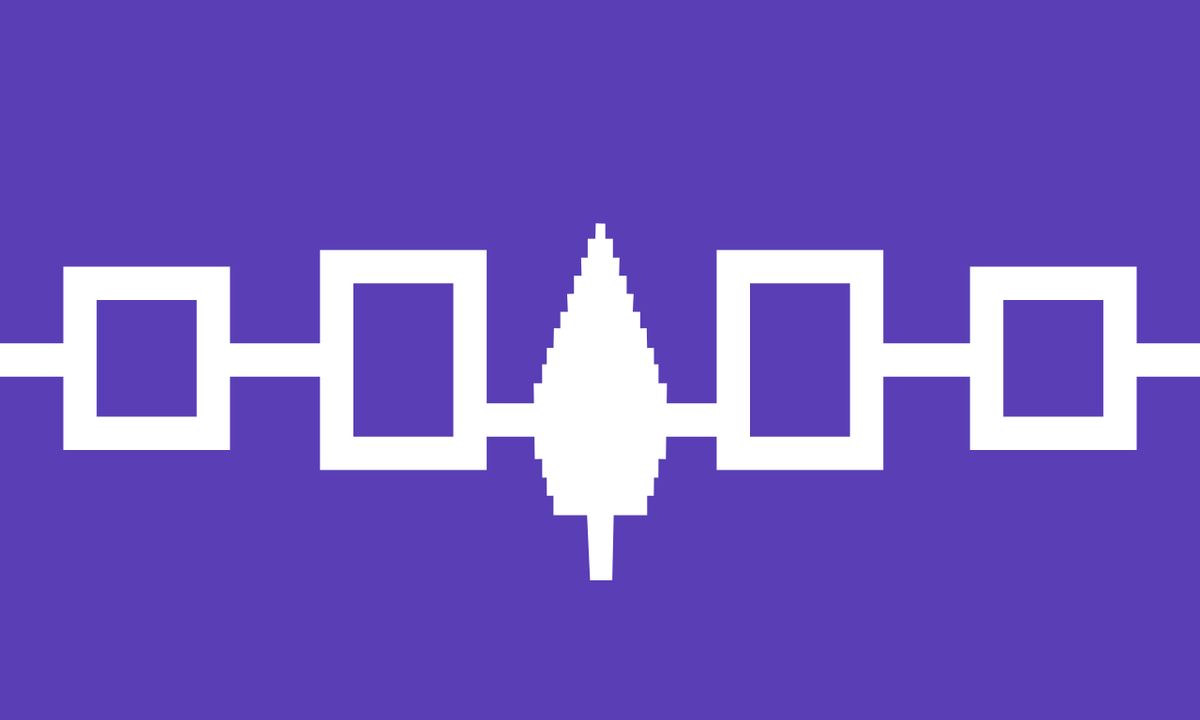
The Mohawk people, known in their own language as Kanien'kehá꞉ka or 'People of the Flint Place', are an Indigenous nation of the Northeastern Woodlands and the easternmost member of the Haudenosaunee Confederacy, also known as the Iroquois or Six Nations. Their traditional territory, centred on the Mohawk Valley in present-day New York, historically extended into what is now southern Quebec and eastern Ontario. Today, Mohawk communities are located on both sides of the Canada-United States border, with significant populations in Quebec and Ontario. As one of the most populous Indigenous nations in Canada, the Mohawk have played a central role in the history, politics, and cultural fabric of the region, maintaining a distinct identity while engaging with colonial and modern governments.
Origins, Society, and the Haudenosaunee Confederacy
The Mohawk people are one of the original five nations of the Haudenosaunee Confederacy, a democratic alliance founded by the Peacemaker and Aionwatha (Hiawatha) under the Great Law of Peace. This system is considered one of the world's oldest participatory democracies. As the easternmost nation, they hold the title of Keepers of the Eastern Door, a role of guardianship and initial diplomacy for the confederacy. Their traditional society was complex and strictly matrilineal, meaning clan identity, kinship, and leadership lineage were traced exclusively through the mother's line. Clan mothers held significant authority, including the selection of male chiefs. Long before European contact, they thrived in the St. Lawrence River Valley and the Mohawk Valley, cultivating extensive fields. Their primary crops were maize, beans, and squash, known collectively as the Three Sisters, which were planted together in a symbiotic relationship. According to the Mohawk Creation Story, these three foods were a sacred gift that allowed the nation to survive.
First Encounters and the Fur Trade Era
The first recorded contact between the Mohawk and Europeans was a violent clash on July 29, 1609. A party led by Samuel de Champlain, allied with Wendat (Huron) warriors, encountered a Mohawk group near Ticonderoga. Champlain fired on the Mohawk chiefs, whose wooden armour was pierced by European shot, killing them instantly. This event introduced firearms to the Mohawk and sparked the Beaver Wars. In 1614, the Dutch established Fort Nassau at the confluence of the Mohawk and Hudson Rivers, initiating the fur trade. The Mohawk fought to control this trade, pushing the Mohican people east and clashing with French-aligned nations like the Wendat and Algonquin. A devastating smallpox epidemic in 1635 reduced the Mohawk population from an estimated 7,740 to 2,830 people. Dutch Protestant missionary Johannes Megapolensis lived among them for six years from 1644, learning their language and recording detailed observations of their culture.
Missions, Alliances, and the American Revolution
Following French attacks in 1666, a peace condition required the Mohawk to accept Jesuit missionaries. Beginning in 1669, Jesuits operated a mission at Ossernenon. Over time, many converted Mohawk relocated to new Jesuit mission villages established south of Montreal. These included Kahnawake (historically called Caughnawaga) and Kanesatake in the early 1700s, and Akwesasne in the 1740s. These communities were joined by other Indigenous peoples but were dominated by Mohawk. A notable convert was Kateri Tekakwitha, born at Ossernenon in the 1650s, who was canonized as the first Native American Catholic saint in 2012. After New Netherland fell to England in 1664, the Mohawk alliance shifted to the British. During the American Revolutionary War, most Mohawk, led by war chief Joseph Brant, allied with the British, hoping to stop colonial encroachment. They conducted raids against rebel settlers in the Mohawk Valley.
Post-Revolution Migration and Community Formation
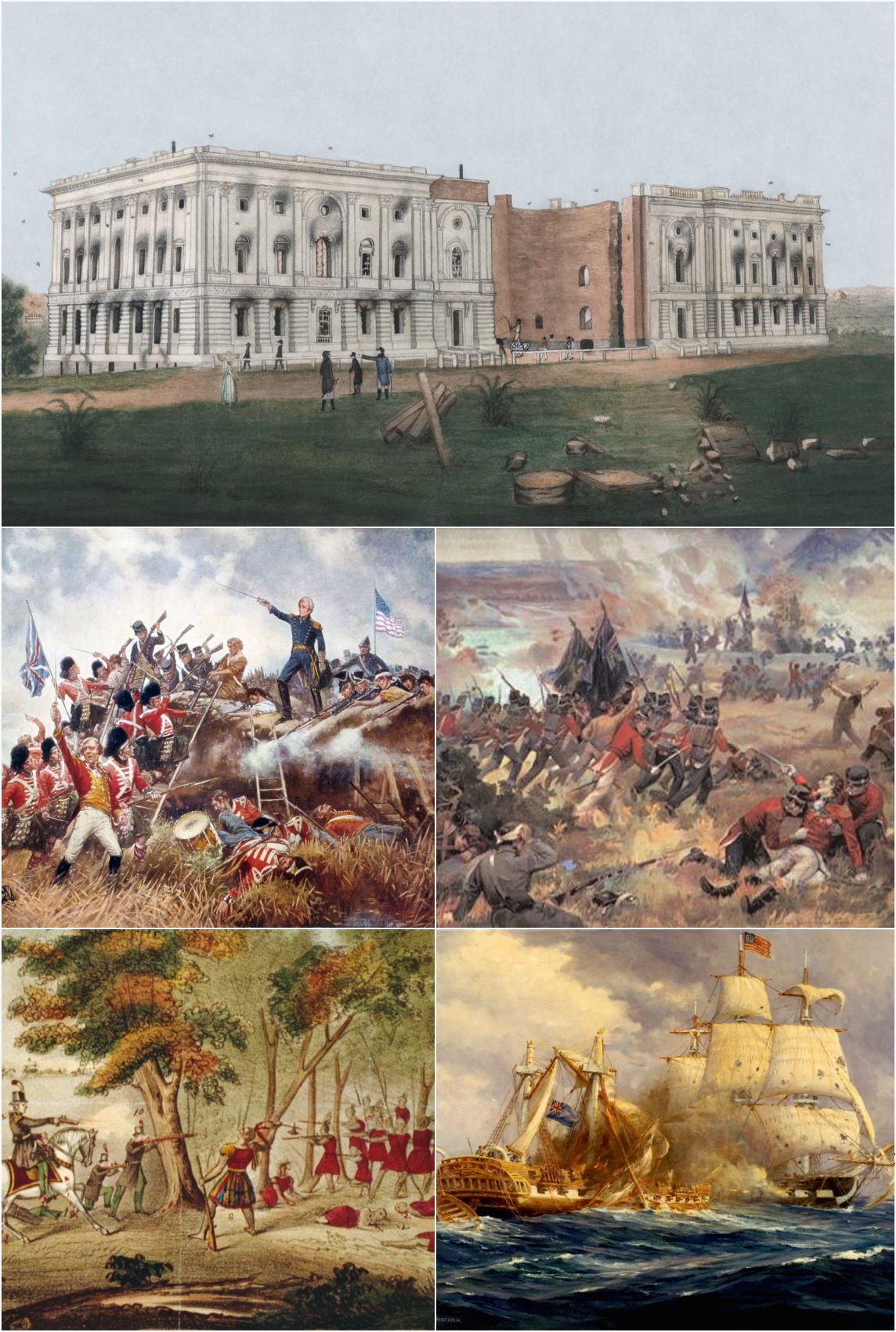
After the American victory, the Mohawk were forced to cede their New York territories. A large-scale migration to Canada followed, where the British Crown granted lands in compensation. Joseph Brant led a group to the Grand River, where they established the Six Nations of the Grand River reserve, a territory originally extending 100 miles from the river's head to Lake Erie. Another Mohawk war chief, John Deseronto, led a group to the Bay of Quinte, forming the Mohawks of the Bay of Quinte community at Tyendinaga. Others joined the existing mission communities at Kahnawake, Kanesatake, and Akwesasne. On November 11, 1794, Mohawk representatives signed the Treaty of Canandaigua with the United States, which affirmed Haudenosaunee land rights. The Mohawks also fought as British allies in the War of 1812. These movements solidified the geographic distribution of major Mohawk communities that persists today, with populations concentrated in Ontario and Quebec.
Modern Communities, Governance, and Economy
Contemporary Mohawk communities in Canada are distinct political entities. In Quebec, the three communities of Kahnawake, Akwesasne, and Kanesatake collectively have a registered population of more than 20,706 members. Akwesasne is uniquely situated on territory that intersects the international border and the provinces of Ontario and Quebec. Ontario communities include Tyendinaga, the Six Nations of the Grand River reserve (which includes Mohawk and other Haudenosaunee nations), and Wahta. These communities exercise considerable self-management. Kahnawake, for instance, operates its own financial institution, the Caisse populaire de Kahnawake, and many private businesses. Historically, Mohawk men specialized in certain trades. In the 19th century, many were expert paddlers and guides for boats portaging the Lachine Rapids near Montreal. In the 20th century, men from Kahnawake and other reserves became renowned high-steel ironworkers, helping construct major bridges and skyscrapers in New York City and other urban centres from the 1930s to the 1970s.
Land Rights Activism and Key Conflicts
The defence of land and sovereignty has defined modern Mohawk political action. In 1971, the Mohawk Warrior Society, or Rotisken’rakéhte, was founded in Kahnawake. Its duties include using roadblocks, evictions, and occupations to assert rights. On May 13, 1974, Mohawks from Kahnawake and Akwesasne repossessed land at Moss Lake, New York, occupying an abandoned girls' camp. After negotiations with New York state, they relocated to a settlement at Miner Lake, known as Ganienkeh Territory. The most significant conflict was the Oka Crisis in 1990. The Warrior Society erected barricades during this confrontation. In 1993, Mohawks purchased land in New York's Mohawk Valley, establishing Kanatsiohareke. Another major protest occurred in 2006 with the occupation of a construction site at Douglas Creek in Caledonia, Ontario. These events highlight ongoing struggles for land recognition and self-determination.
Akwesasne: A Cross-Border Community
The community of Akwesasne, meaning 'Land Where the Partridge Drums', exemplifies the enduring presence and modern complexities of Mohawk life. Its territory along the St. Lawrence River is divided by the Canada-United States border and the provincial boundary between Ontario and Quebec. Archaeological evidence confirms Indigenous use of the area for fishing, hunting, and trade for thousands of years, with the Mohawk portaging the Long Sault Rapids. In 1755, French Catholic priests established the St. Regis Mission at Akwesasne. The current stone church was built in 1795 on a site oral history identifies as traditional Mohawk ceremonial grounds. This location at the confluence of the St. Lawrence and St. Regis rivers was strategic, playing a role in the War of 1812. Today, the church blends Catholic tradition with Mohawk culture, occasionally offering services in the Mohawk language. Despite the imposed borders, Akwesasne remains united through shared family ties, language, and governance, functioning as a single cultural and political entity.
Language, Cultural Practices, and Contemporary Life
The Mohawk language, Kanien’kéha, is a central pillar of identity, though English is commonly used and a growing number of members speak French. The proper term for the people is Kanien'kehá:ka, which expresses a specific pride. Cultural practices remain vital. Social dance songs of the Haudenosaunee are considered a gift from the Creator for gathering and celebration. Peace is a fundamental value upheld by the Great Law. The community of Akwesasne describes its environment as a rich composition of islands, rivers, and forests that has supported Mohawk life for generations. The partridge, referenced in the community's name, symbolizes the heartbeat of the land. These elements are not merely historical but inform contemporary governance and daily life. Communities continue to manage their own affairs, pressing for greater authority over people and lands, which sometimes creates tensions with federal and provincial governments. The Mohawk presence in urban areas also continues, with events like the 23rd Annual Pow Wow in 2026 demonstrating the ongoing vitality and public expression of Mohawk culture.
Questions about Mohawk people
What does 'Mohawk' mean and what is their own name?
The name 'Mohawk' originated from the Algonquian-speaking Mohican people, who referred to them as Maw Unk Lin or 'bear people'. The Dutch heard this term and recorded it as Mohawk. The people's own name is Kanien'kehá꞉ka, meaning 'People of the Flint Place'. This name references their historical role as providers of flint, a valuable material for toolmaking within the Haudenosaunee Confederacy. The French colonists also referred to them using adaptations of Algonquian terms, such as Aignier and Maqui, or by the generic term Iroquois.
Where are the main Mohawk communities located today?
Modern Mohawk communities are situated in northern New York State and southeastern Canada, primarily around Lake Ontario and the St. Lawrence River. In Canada, the primary communities are Akwesasne (straddling Ontario, Quebec, and New York), Kahnawà:ke and Kanesatake in Quebec, and Tyendinaga and the Six Nations of the Grand River in Ontario. Other settlements include Wahta in Ontario and Ganienkeh and Kanatsiohareke in New York. According to recent data, the Mohawk are one of the most populous Indigenous nations in Quebec, with more than 20,706 members grouped into the three communities of Kahnawake, Akwesasne, and Kanesatake.
What was the Mohawk role in the Haudenosaunee Confederacy?
As the easternmost of the original five nations in the Haudenosaunee Confederacy, the Mohawk are designated as the Keepers of the Eastern Door. This title signifies their responsibility for guarding the confederacy's eastern approaches and conducting initial diplomacy with nations coming from that direction. The Confederacy, also called the Iroquois or Six Nations, is a participatory democracy founded by the Peacemaker and Hiawatha under the Great Law of Peace. It unites the Mohawk, Oneida, Onondaga, Cayuga, Seneca, and later the Tuscarora. Each nation retains its own council and responsibilities but works collectively for peace and unity.
Why did many Mohawk people move to Canada after the American Revolution?
During the American Revolutionary War, most Mohawk allied with the British, hoping this alliance would protect their lands from encroaching American colonists. After the British defeat, their American allies were forced to cede their territories in New York. In compensation for this loss and their loyalty, the British Crown granted land in Canada to the Mohawk and other Haudenosaunee loyalists. Joseph Brant led a large group to the Grand River area, forming the Six Nations of the Grand River reserve. John Deseronto led another group to the Bay of Quinte, establishing Tyendinaga. Others joined existing mission communities near Montreal like Kahnawake and Akwesasne, which had been established earlier in the 18th century.
What was the Oka Crisis and why did it happen?
The immediate cause was a plan by the town of Oka, Quebec, to expand a golf course onto land claimed by the Mohawk community of Kanesatake. This land included a sacred pine grove and burial ground. Mohawk protesters, including members of the Mohawk Warrior Society, erected barricades to block the development. The confrontation turned violent, drawing international attention to unresolved Indigenous land claims in Canada. It remains a defining moment in modern Mohawk activism and significantly strained relations between the Mohawk, Quebec, and the federal government.
What are the 'Three Sisters' in Mohawk culture?
The 'Three Sisters' are the three primary agricultural crops cultivated by the Mohawk and other Haudenosaunee people: corn (ó:nenhste), beans (ohsahè:ta), and squash (onon’onsera). These plants were traditionally grown together in a symbiotic planting system where the corn provides a stalk for the beans to climb, the beans fix nitrogen in the soil, and the squash leaves shade the ground to retain moisture and suppress weeds. According to the Mohawk Creation Story, these three foods were a sacred gift that allowed the nation to survive and thrive. They hold an extremely important place in Mohawk culture, representing sustenance, agricultural knowledge, and a deep connection to the land.
Sources: Wikipedia and current public reporting, checked by the Nosy Mag desk. Last updated 2026-10-18.