Kahnawake
Kahnawà꞉ke is a First Nations reserve and Mohawk territory located on the south shore of the Saint Lawrence River in Quebec, directly across from Montreal. Its territory totals 48.05 km² (18.55 sq mi). With a resident population of slightly over 8,000 people, it is one of several self-governing Kanien’kehá꞉ka (Mohawk) communities within Canada and a member of the Haudenosaunee (Iroquois Confederacy). The community is known for its distinct political sovereignty, its historical role as a centre for Mohawk ironworkers who helped build major North American skyscrapers, and its ongoing efforts to reclaim ancestral lands.
Etymology and Historical Significance
The name Kahnawà꞉ke is derived from the Mohawk word meaning "place of the rapids," originally referring to the village of Caughnawaga near the rapids of the Mohawk River in present-day New York State. When Catholic Mohawk moved to the Montreal area in the late 17th century, they named their new settlement after their former homeland. The proximity of the Lachine Rapids on the Saint Lawrence River also influenced this naming decision. The community has been known by numerous European spelling variations, most notably Caughnawaga, before the modern standardisation of Kahnawà꞉ke.
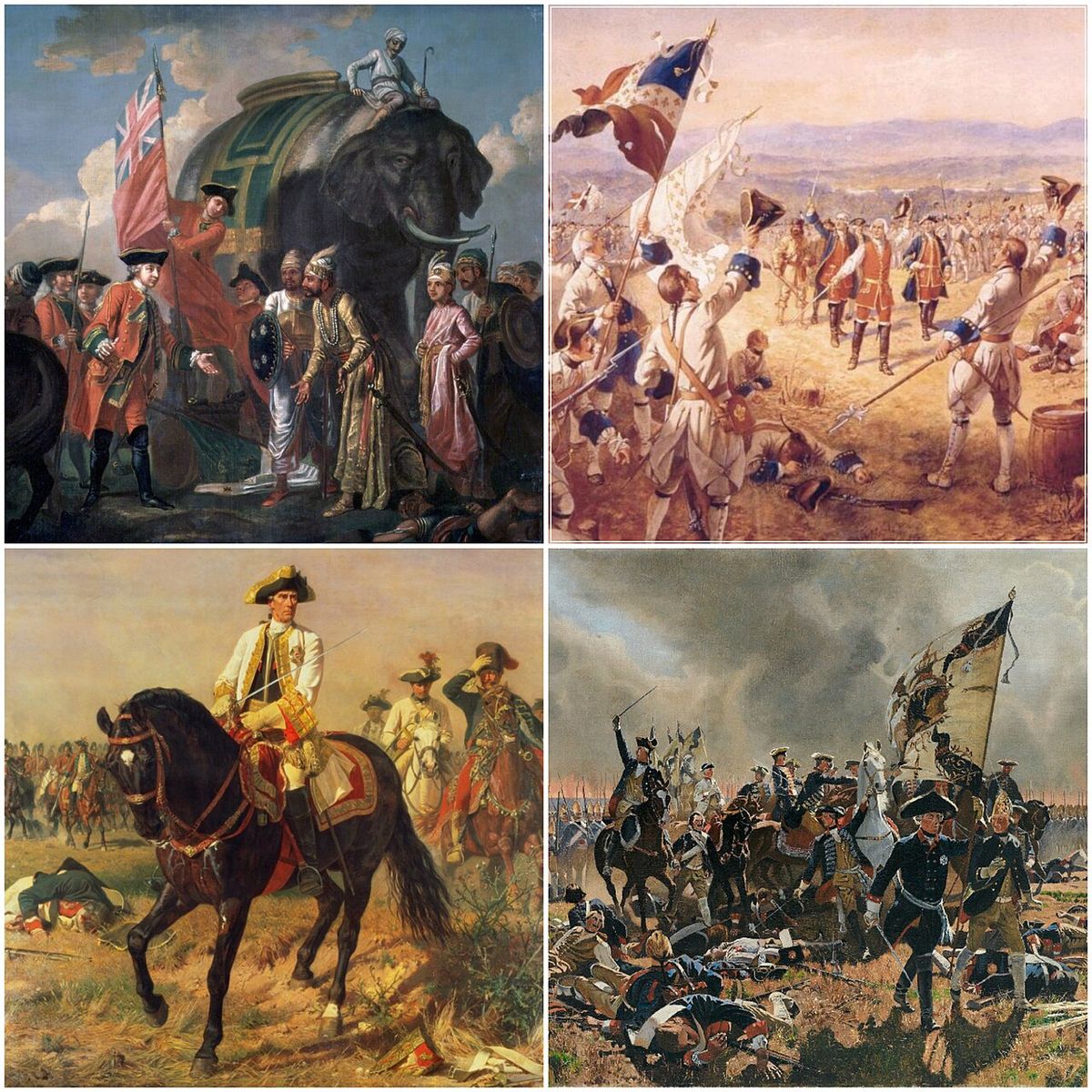
The people refer to themselves as Kanien’kehá꞉ka, meaning "People of the Flint," and they are historically known as the "Keepers of the Eastern Door" within the Haudenosaunee Confederacy. Kahnawà꞉ke was created under the Seigneurie du Sault-Saint-Louis, a 40,320-acre (163.2 km²) territory granted to the Jesuits in 1680 to protect newly converted Catholic Mohawk. The British assumed control after the Seven Years' War, with Governor Thomas Gage ordering in 1762 that the reserve be vested exclusively in the Mohawk under the supervision of the Indian Department. Despite this intention, non-Native encroachment and land mismanagement persisted for centuries.
From the late 1880s to the 1950s, the Mohawk were required to make numerous land cessions for railway, hydro-electric, and telecommunications projects, drastically reducing their territory to approximately 13,000 acres (5,300 ha) today. The community continues to pursue land claims to regain lost territory, with the modern claim area touching the municipalities of Saint-Constant, Sainte-Catherine, Saint-Mathieu, Delson, Candiac, and Saint-Philippe. Kahnawà꞉ke recognizes the full extent of the seigneury to be Kahnawake Mohawk Territory and is moving to reacquire its land along with financial compensation for the infrastructure that crosses it. In June 2026, community leaders met with Canadian officials to discuss progress and developments regarding the return of land to Kahnawà꞉ke.
Cultural and Demographic Composition
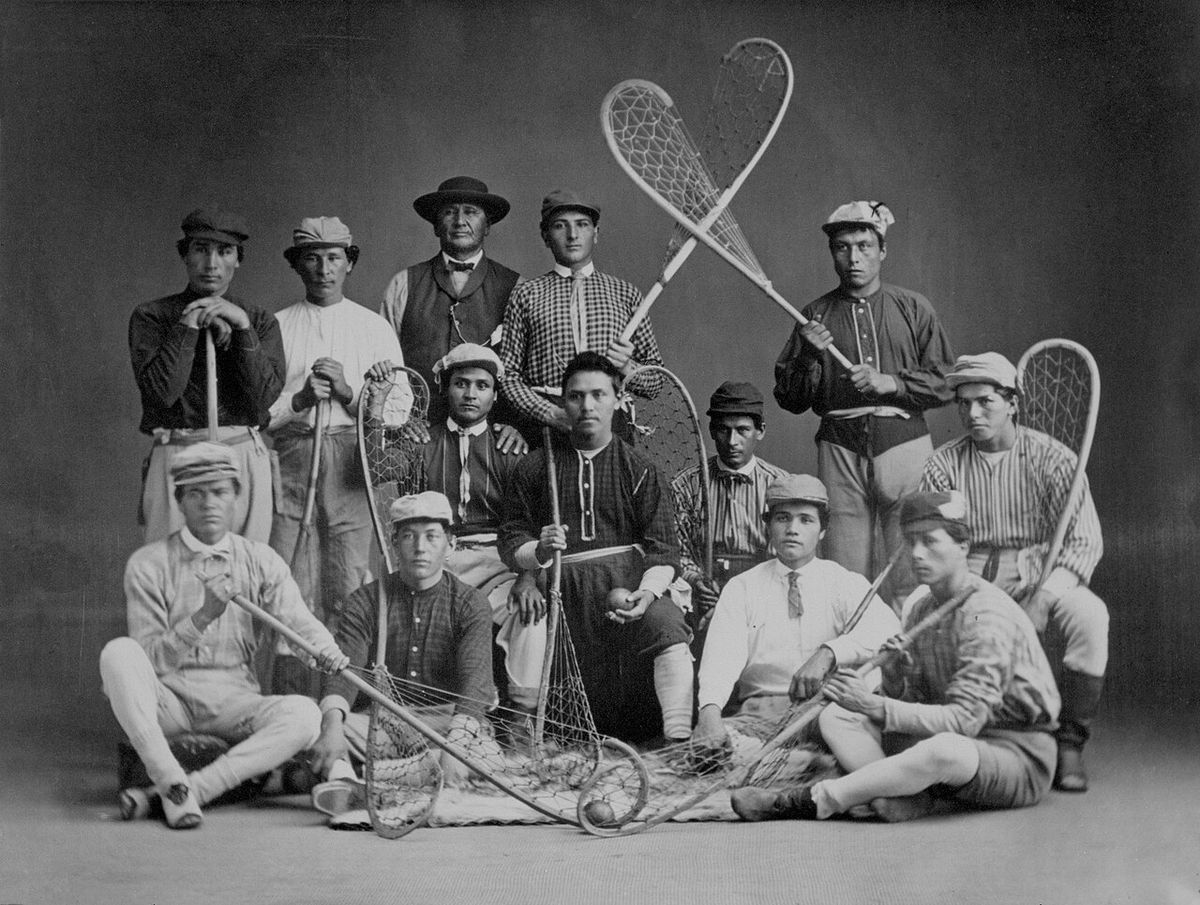
Kahnawà꞉ke has historically been a multicultural community, with the Mohawk forming the majority amid a practice of adopting captives from other Indigenous nations and, later, European settlers. This adoption practice, intended to replace members lost to warfare or disease, integrated individuals fully into Mohawk clans and families. European settlement increased after the French Crown granted the reserve land, with French colonial troops, shopkeepers, and traders forming families with Mohawk women. Throughout the 18th century, many marriages occurred between European men and Mohawk women, and their mixed-ancestry children were assimilated into the mother's matrilineal clan and nation.
As a result of this history, many Kahnawake people have been of mixed ancestry but identify as Mohawk. Backgrounds may include ancestry of other Haudenosaunee nations, such as the Oneida, Onondaga, Cayuga, Seneca, and Tuscarora, and also French, English, Scots and Irish. By the 1790s and early 19th century, visitors often described the visible great mixture of blood at Kahnawake. Kahnawake surnames represent the evidence of tribal members' adoption of and intermarriage with non Natives.
- Beauvais
- D'Ailleboust
- de La Ronde Thibaudière
- Delisle
- de Lorimier
- Giasson
- Johnson
- Mailloux
- McComber
- McGregor
- Montour
- Phillips
- Rice
- Stacey
- Tarbell
- Williams
The Tarbell family, for instance, originates from John and Zachary Tarbell, brothers captured as children from Groton, Massachusetts in 1707 during Queen Anne's War. Adopted by Mohawk families in Kahnawà꞉ke, they were baptized as Catholic, given Mohawk names, married daughters of chiefs, and eventually became chiefs themselves. Despite this integration, relations between Mohawk and ethnic Europeans were sometimes strained over property disputes, competition for resources, and differing cultural laws regarding kinship and inheritance. Historic tensions included the eviction of the Desaulnier sisters in the mid-1720s and community objections to a French garrison in 1722 over fears of discord.
Governance and Membership Policies
The primary governing body of Kahnawà꞉ke is the elected Mohawk Council of Kahnawake (MCK), which the Canadian government recognizes as its official interlocutor. This system began in 1889 under the influence of the federal Indian Advancement Act of 1884, which prohibited traditional chiefs and required Canadian-style elections. The influence of a shadow government of traditional clan chiefs persisted into the 1920s, later being absorbed into the Longhouse Movement based on three clans. The MCK has established laws to regulate membership and residency on the reserve, rooted in a community moratorium on non-Native residency passed in 1981 and enacted into law in 1984.
This policy mandates that non-Natives cannot reside in Kahnawà꞉ke and that Mohawk individuals who marry outside the nation lose their right to live on the reserve. The stated purpose is to preserve the community's cultural identity. In February 2010, the MCK moved to evict 35 non-Natives from the reserve. The only exemption applies to couples who married before the 1981 moratorium. The Canadian Human Rights Tribunal has ruled that the Mohawk government may adopt such measures it deems necessary for survival. The community has filed land claims with the government of Canada, seeking to reacquire its ancestral territory and receive compensation for infrastructure.
Land and Infrastructure Encroachment
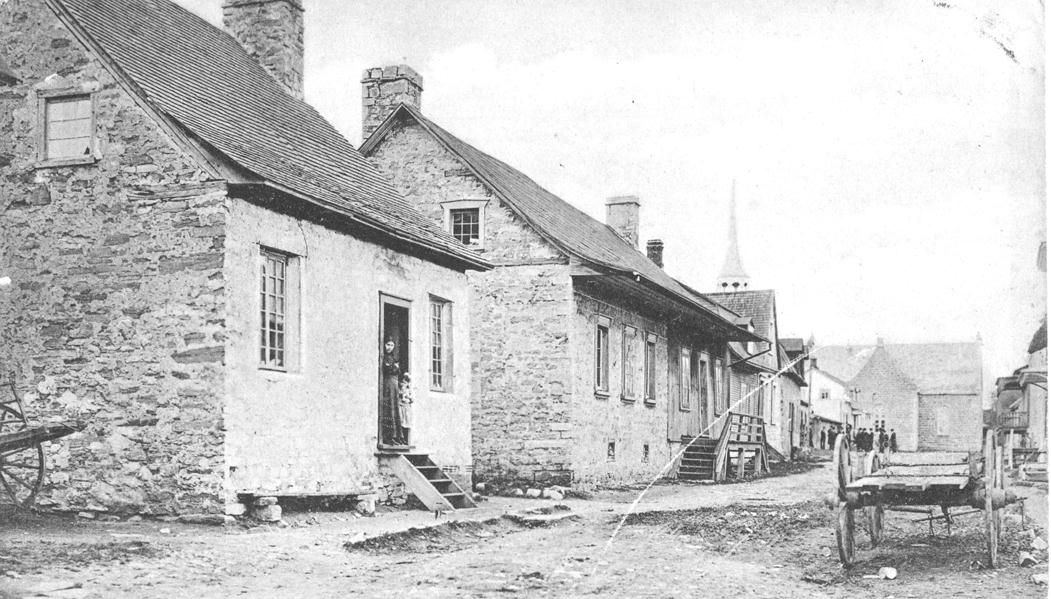
The geography of Kahnawà꞉ke has been deeply shaped by large-scale infrastructure projects constructed through its territory due to its strategic location along the Saint Lawrence River. These projects, often imposed by federal and Quebec governments, have criss-crossed the reserve with power lines, railways, highways, and bridges, significantly reducing and fragmenting its land base. One of the earliest major projects was the Canadian Pacific Railway's Saint-Laurent Railway Bridge, built in 1886 and 1887. Kahnawà꞉ke men worked as ironworkers on this high-steel project, launching a legendary tradition in skyscraper construction.
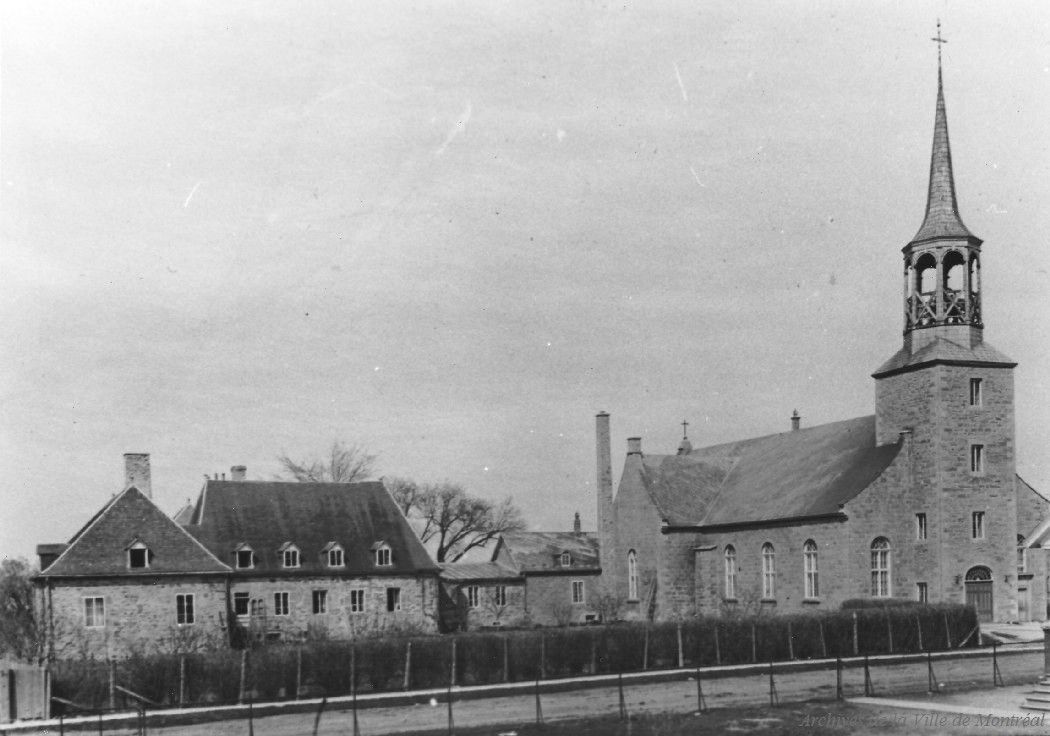
The most disruptive project was the mid-20th-century construction of the Saint Lawrence Seaway, which involved a canal cut directly through the village. The Seaway construction permanently separated the community from its natural river shoreline, demolished houses, and irrevocably altered the people's physical and spiritual connection to the river. This loss galvanized the community's determination to resist further encroachment. The legacy of these projects is a territory intersected by infrastructure that serves the broader southern Quebec economy. Kahnawake contains three National Historic Sites of Canada: Fort St-Louis, the Jesuit Mission of St-François-Xavier, and the Caughnawaga Presbytery. The community also hosts the Kahnawake Gaming Commission, which licenses Internet-based gambling sites, and Mohawk Internet Technologies, a data centre hosting many gambling websites.
The Ironworking Tradition
Kahnawà꞉ke is internationally famous for the skill and courage of its ironworkers, who helped construct many of North America's major bridges and skyscrapers. The tradition began in the 1880s with work on the Saint-Laurent Railway Bridge and grew as Kahnawà꞉ke men demonstrated exceptional aptitude for high-steel work. This success fostered the enduring legend that Indigenous men had no fear of heights. The community erected crosses of steel girders at both ends of the reserve to honour the men lost in the Quebec Bridge collapse. Many Kahnawake ironworkers went to New York City to work during the first half of the 20th century, participating in building notable skyscrapers and bridges.
- Empire State Building
- George Washington Bridge
- Saint-Laurent Railway Bridge (1886 to 1887)
- Quebec Bridge (site of the 1907 disaster)
Workers often relocated their families to Brooklyn, creating a neighbourhood known as "Little Caughnawaga." While men worked on skyscrapers, women built a supportive community, often working outside the home as well. Families typically returned to Kahnawà꞉ke for summers, maintaining strong ties to their homeland. This migratory pattern influenced the community's culture. The ironworkers' story was documented in the 1966 National Film Board documentary High Steel, which featured Kahnawà꞉ke ironworker Harold McComber. Reaghan Tarbell later directed a documentary about this migration called Little Caughnawaga: To Brooklyn and Back (2008).
Contemporary Community and Economy
Today, Kahnawà꞉ke is an active community with a diverse economy and cultural life. It is home to over 250 businesses, including bed and breakfasts, hotels, restaurants, a marina, and numerous artisanal shops. Tourism is a growing sector, with Kahnawà꞉ke Tourism offering guided tours that educate visitors about Mohawk history, culture, and contemporary life. Key cultural institutions include the Kanien’kehà:ka Onkwawén:na Raotitiohkwa Language and Cultural Center, which works to preserve and promote the Mohawk language and traditions.
The community hosts several annual events that attract visitors, most notably the Echoes of a Proud Nation Pow Wow, a gathering held every summer on the second weekend of July at Kateri Tekakwitha Island. The 2025 event is scheduled for July 12 and 13. The community is actively engaged in cultural preservation and economic development, with events like the 2026 Kahnawà꞉ke Harvest Summit scheduled for March 10-12 in Montreal. This summit focuses on keeping culture alive through planting, learning, and sharing knowledge. Politically, the Mohawk Council of Kahnawake continues to advance issues of Indigenous rights and sovereignty, as highlighted in discussions in May 2026. The community has several media outlets, including CKRK-FM 103.7 FM (K1037), CKKI-FM 89.9 FM, the weekly newspaper The Eastern Door, and the online news site Iorì:wase. It also has multiple schools, including the Kahnawake Survival School high school and the Karihwanoron Mohawk Immersion School.
Notable Historical Events and Tensions
The history of Kahnawà꞉ke is marked by internal and external tensions related to land, identity, and governance. In the 19th century, conflicts often arose over the rights of mixed-race residents and the ownership of property. A prominent example was the controversy surrounding Antoine-Georges de Lorimier, the son of a Mohawk mother and a French-Canadian father, whose presence and substantial landholdings were contested even after his death in 1863. In the 1870s and 1880s, land pressures led the Mohawk Council to ask several families of partial European ancestry, including the de Lorimiers, Giassons, and Meloches, to leave the reserve.
Social unrest increased in the community with young men attacking houses, barns and farm animals of people they resented. In May 1878 an arson fire killed Osias Meloche, the husband of Charlotte Louise Giasson, and their home and barn were destroyed. Historic sources document the sometimes strained relations between Mohawk and ethnic Europeans at Kahnawake, usually over property and competition for limited resources. Tensions rose at the time of the 1837-38 Lower Canada Rebellion.
- Lower Canada Rebellion (1837-38): Allied with British Crown against Patriotes.
- Enforcement of Indian Advancement Act (1884): Prohibited traditional chiefs.
- Walbank Survey: Imposed individual land allotment.
- February 2010 evictions: MCK action to remove 35 non-Natives.
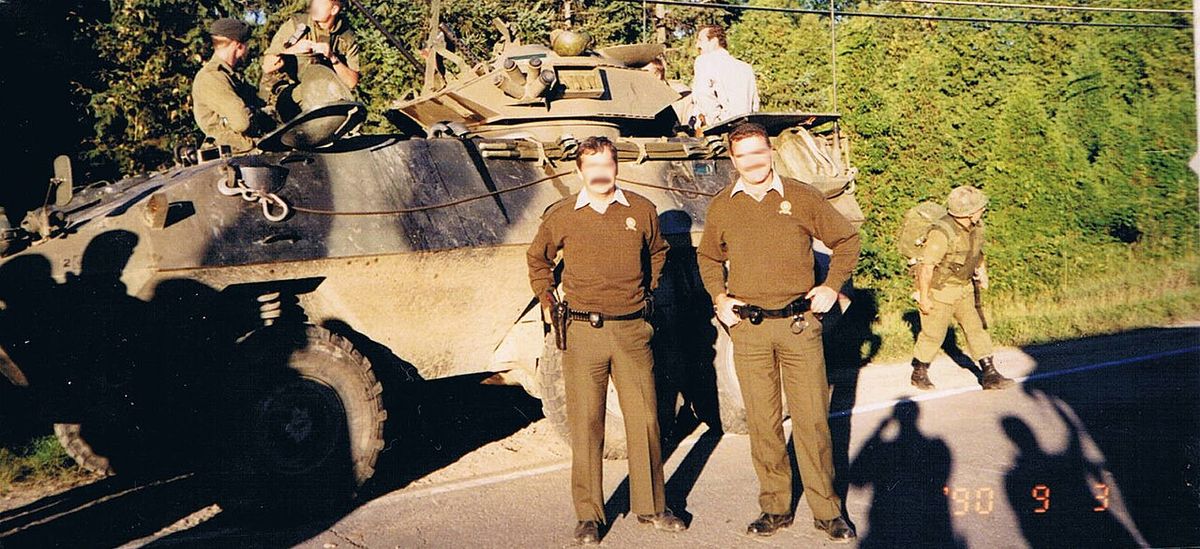
- Oka Crisis (1990): Blockade of Honoré Mercier Bridge in support of Kanesatake.
The Kahnawà꞉ke Mohawk allied with the British Crown against the Patriotes during the 1837-38 rebellion, primarily to protect their land from further incursions. Internal divisions were also fueled by federal legislation like the Indian Act. The Walbank Survey and the subsequent allotment of individual plots privatised land ownership within the reserve, which quelled some violence but did not eliminate underlying antagonisms. In 1990, during the Oka Crisis, Kahnawake residents blockaded the Honoré Mercier Bridge. On August 28, 1990, a convoy of Mohawk leaving the reserve was attacked by a crowd throwing rocks in an event known as the "Rocks at Whiskey Trench."
Questions about Kahnawake
Why are Kahnawà꞉ke Mohawk famous for ironworking?
Kahnawà꞉ke Mohawk gained renown as ironworkers starting in the 1880s when they worked on the high-steel construction of the Saint-Laurent Railway Bridge. Their skill and success led to a legendary reputation for having no fear of heights. Throughout the 20th century, many men from Kahnawà꞉ke worked on major New York City skyscrapers like the Empire State Building and major bridges. The community commemorates those lost in industrial accidents, such as the Quebec Bridge collapse.
What is the membership policy for living in Kahnawà꞉ke?
The Mohawk Council of Kahnawake (MCK) enforces a membership policy stating that non-Natives cannot reside on the reserve. Mohawk individuals who marry outside the nation lose their right to live in Kahnawà꞉ke. This law, based on a 1981 community moratorium, aims to preserve Mohawk cultural identity. The only exemption is for couples who married before the 1981 moratorium. This policy has been upheld by the Canadian Human Rights Tribunal as necessary for the community's survival.
What land claims is Kahnawà꞉ke pursuing?
Kahnawà:ke is actively pursuing land claims to regain territory lost over centuries due to non-Native encroachment and government-mandated land cessions. These cessions enabled projects like railways, hydro-electric plants, and the Saint Lawrence Seaway. The modern claim touches the Quebec municipalities of Saint-Constant, Sainte-Catherine, Saint-Mathieu, Delson, Candiac and Saint-Philippe. The community seeks to reacquire the full extent of the original 40,320-acre Seigneurie du Sault-Saint-Louis granted in 1680. It is also seeking financial compensation for the infrastructure that crisscrosses its territory along with symbolic recognition of its claim.
Where is Kahnawà꞉ke located?
Kahnawà꞉ke is a First Nations reserve on the south shore of the Saint Lawrence River in Quebec, Canada, directly across from Montreal. Its territory totals an area of 48.05 square kilometres. Established by French Canadians as Seigneury Sault du St-Louis in 1719, it is one of several self governing Kanien’kehá꞉ka territories within Canada. The community's location near Montreal has led to numerous infrastructure projects crossing its land.
What does the name Kahnawà꞉ke mean?
The name Kahnawà꞉ke is derived from the Mohawk word meaning 'place of the rapids'. It originally referred to their major ancestral village, Caughnawaga, near the rapids of the Mohawk River in present day central New York State. When converted Catholic Mohawk moved to the Montreal area in the late 17th century, they named the new settlement after their former home. The name also reflects the proximity of the Lachine Rapids on the Saint Lawrence River.
What cultural attractions can visitors experience in Kahnawà꞉ke?
Visitors to Kahnawà꞉ke can learn about its culture and history through tourism offerings. The community hosts the annual Echoes of a Proud Nation Pow Wow on the second weekend of July at Kateri Tekakwitha Island, featuring traditional dancing, music, food, and arts and crafts. Key institutions include the Kanien’kehà:ka Onkwawén:na Raotitiohkwa Language and Cultural Center. The community also contains three National Historic Sites: Fort St-Louis, the Jesuit Mission of St-François-Xavier, and the Caughnawaga Presbytery.
Sources and further reading
- Kahnawake (Wikipedia)
- Kahnawake Tourism (kahnawaketourism.com)
Checked by the Nosy Mag desk. Last updated 2026-10-24.