Canada Health Act
The Canada Health Act (CHA) is the federal legislation governing Canada's publicly funded health insurance system, commonly known as medicare. Enacted in 1984, it establishes the criteria and conditions provincial and territorial health insurance plans must meet to receive federal financial contributions through the Canada Health Transfer. The Act's primary objective is to protect, promote and restore the physical and mental well-being of residents of Canada and to facilitate reasonable access to health services without financial or other barriers. Its enforcement relies on fiscal levers, as healthcare delivery remains a provincial jurisdiction under the Canadian constitution.
Legislative History and Development
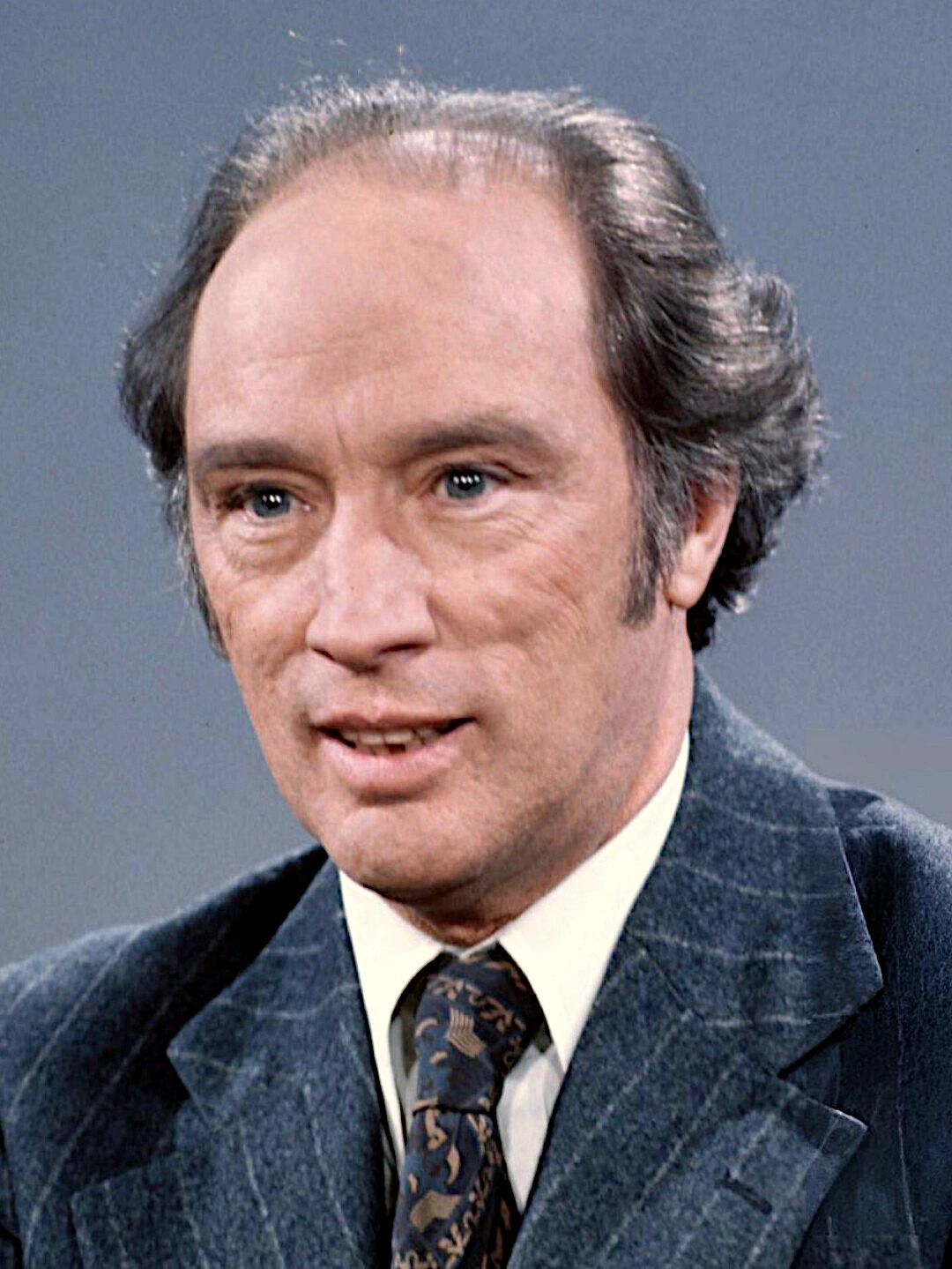
The Canada Health Act was introduced as Bill C-6 in December 1983 by then federal Minister of Health Monique Bégin. The Act consolidated and replaced two previous pieces of federal health legislation, the Hospital Insurance and Diagnostic Services Act and the Medical Care Act, which were subsequently repealed. The government of the day, led by Prime Minister Pierre Trudeau, decided not to expand the scope of coverage significantly but to enshrine the core principles from the earlier statutes into a single law. The bill passed unanimously in the House of Commons on April 9, 1984, and received royal assent on April 17, 1984. Following the election of the Progressive Conservative government under Brian Mulroney in September 1984, the new Minister of Health, Jake Epp, issued a letter in June 1985 to provincial health ministers to clarify and interpret the Act's criteria. The Act has been included in the Revised Statutes of Canada since 1985, forming the enduring framework for federal health policy.
The development of national health insurance in Canada was a gradual process shaped by constitutional divisions and provincial experimentation. Healthcare was primarily a private matter until the mid-20th century, creating financial risk for many Canadians. Early federal efforts, like the 1948 National Health Grants, funded hospital construction but did not cover operating costs. The first publicly funded hospital insurance plan was established in Saskatchewan in 1947 by Premier Tommy Douglas. This provincial initiative, along with similar plans in British Columbia, Alberta, and Ontario, increased pressure on the federal government to support a national approach. The resulting Hospital Insurance and Diagnostic Services Act of 1957 shared the costs of covering hospital services. By 1961, all provinces had universal coverage for hospital care. Saskatchewan later introduced a plan to insure physician costs, which led to a physicians' strike in 1962. The federal Medical Care Act was passed in 1966, and by 1972 all provinces and territories had complying plans.

The Five Program Criteria
To qualify for full federal cash contributions under the Canada Health Transfer, provincial and territorial health insurance plans must satisfy five fundamental criteria. These criteria are designed to ensure the health system is publicly administered, comprehensive, universal, portable, and accessible. Adherence to these principles is voluntary under Canada's constitutional division of powers, but non-compliance can result in financial penalties through reductions in federal transfers. The federal government monitors compliance through an annual report from the Minister of Health to Parliament.
The public administration criterion requires that provincial and territorial health insurance plans be administered and operated on a non-profit basis by a public authority. This public authority is responsible to the provincial or territorial government. The plans are also subject to audits of their accounts and financial transactions. This condition establishes the framework for single-payer medicare in Canada. It reduces the scope for private insurers to cover insured health services, although they may still cover non-insured services or non-insured persons. The condition deals specifically with the system to pay for healthcare, not directly with healthcare delivery itself.
The comprehensiveness criterion mandates that provincial plans must cover all insured health services. The Act defines these services as hospital services, physician services, and surgical-dental services that require a hospital setting. Provinces have the option, but are not required, to insure additional services beyond this core. Historically, this definition has largely restricted publicly funded coverage to care delivered in hospitals or by physicians, a point of ongoing debate as care increasingly shifts to community settings. Some provinces have added midwifery as a fully publicly paid service under this provision.
The universality criterion stipulates that all insured persons in a province must be covered for insured health services on uniform terms and conditions. An 'insured person' is generally a resident of a province who is lawfully entitled to be in Canada. Certain groups, such as members of the Canadian Forces, inmates in federal penitentiaries, persons covered by provincial workers' compensation, and some Indigenous peoples, are covered under other legislation and are excluded from this definition. New residents may be subject to a waiting period of up to three months.
The portability criterion addresses coverage for individuals who are in another province or territory. Residents moving from one province to another must continue to be covered by their home province during any minimum waiting period imposed by the new province, which cannot exceed three months. After this waiting period, the new province assumes healthcare coverage. The portability provisions are subject to inter-provincial agreements, leading to variation in coverage. This variation includes what is considered emergency care, how out-of-country care is covered, and how longer absences are handled. The requirement does not extend to elective services, and there is variation in whether care is paid for at home province or host province rates.
The accessibility criterion stipulates that provincial insurance plans must provide reasonable access to insured health services for insured persons. This access must be on uniform terms and conditions and must not be impeded by user charges or extra-billing. The Act also provides for reasonable compensation for services rendered by medical practitioners or dentists and for payments to hospitals that cover the cost of services provided. Neither reasonable access nor reasonable compensation is explicitly defined by the Canada Health Act. It is presupposed that processes like negotiations between provincial governments and provider organizations satisfy this condition. The Act allows for dollar-for-dollar withholding of federal contributions from provinces that allow user charges or extra-billing.
Conditions, Enforcement and Financial Penalties
Beyond the five main criteria, the Canada Health Act imposes two additional conditions on provinces and territories. The first is an information condition, requiring provinces to provide specific data to the federal Minister of Health on the operation of their health systems for the purpose of annual reporting to Parliament. The second is a recognition condition, mandating that provinces acknowledge the federal financial contribution in public documents or promotional material related to health services. The primary enforcement mechanism for the Act is financial. Section 15 allows the federal government to withhold all or part of a province's Canada Health Transfer payment in response to non-compliance, with the amount deducted proportionate to the gravity of the violation.
The Act contains specific and powerful provisions against extra-billing and user charges. Section 20 mandates a dollar-for-dollar reduction in transfer payments equal to any amounts collected through such charges. A notable feature was a provision for the reimbursement of withheld funds if a province eliminated these practices within three years. Although the amounts withheld were initially modest, totaling $246,732,000 across all provinces in the first two years, the fiscal pressure proved effective. All provinces eventually complied, though not without contention, such as when Ontario physicians went on strike in protest. Subsequent violations have led to further deductions. Historical penalties for violations of the prohibition on extra-billing and user charges have been applied.
- In 1993, British Columbia had its transfers reduced by $2,025,000 over four years for allowing extra-billing by approximately 40 practitioners.
- In 1996, Alberta lost $3,585,000 over several years due to user fees at private clinics.
- Newfoundland lost $323,000 until 1998 for similar clinic user fees.
- Manitoba lost $2,056,000 until 1999 for private clinic user charges.
- Nova Scotia also faced transfer reductions for user fees at private clinics.
To date, all disputes over non-compliance with the Canada Health Act have been settled through discussion or negotiation. The federal government has never withheld an entire transfer payment from a province. For non-compliance with any of the five main criteria, section 15 of the Act allows the federal government to withhold all or part of the transfer payment, with regard to the gravity of the default. Some argue that the federal government has not actively attempted to enforce all conditions. The financial penalties serve as the main tool for encouraging provincial plans to align with the national standards established by the Act.

The 2026 Canada Health Act Services Policy
For historical reasons, the Canada Health Act definition of insured health services is largely restricted to care delivered in hospitals or by physicians. As care has moved from hospitals to home and community, it has increasingly moved beyond the terms of the Act. The Act refers to surgical dental services only if provided in a hospital, which rarely occurs. Provinces are allowed, but not required, to insure additional services beyond hospital and physician care. The 2026 Canada Health Act Services Policy is a federal interpretation that expands the scope of publicly funded services. It states that charging patients for medically necessary services provided by non-physician providers like nurse practitioners, pharmacists, or midwives constitutes extra-billing or user charges under the Act, if those services would be covered when provided by a doctor.
The policy requires provinces and territories to adopt laws or funding models that ensure these services are publicly funded and to restrict providers from charging patients privately. Jurisdictions that do not comply will face deductions from their Canada Health Transfer payments once enforcement begins. In a follow-up letter on December 19, 2025, Federal Health Minister Marjorie Michel provided further, though not publicly released, clarification to her provincial counterparts. The federal government's 2026 to 2027 departmental plan confirms its intention to help provinces implement this policy. The enforcement timeline expects provinces to begin reporting prohibited charges starting in December 2028.
This change has created significant uncertainty for the healthcare sector. The policy is framed as a ministerial interpretation of the existing Act rather than a formal legislative amendment. Consequently, there is no clear statutory standard for compliance, and the federal government has not released detailed guidance on which services or providers are considered 'physician-equivalent.' Each province must independently determine how to implement the directive, which analysts predict will lead to a patchwork of provincial approaches, undermining the national consistency the CHA was designed to promote. The policy particularly impacts private and virtual care providers who have operated on a fee-for-service model with nurse practitioners, as their existing business models may now be deemed non-compliant.
Constitutional Context and Federal-Provincial Dynamics
The Canada Health Act operates within the strict confines of the Canadian constitutional division of powers. Under the Constitution Act, 1867, the regulation of healthcare professions and the management of hospitals are primarily matters of provincial jurisdiction. The federal government's role in health is largely derived from its spending power, which it uses to set conditions on the transfer payments it provides to the provinces. This creates a dynamic where adherence to the Canada Health Act is technically voluntary for provinces, but the significant financial implications of the Canada Health Transfer make compliance practically compulsory. This tension between federal spending power and provincial jurisdiction has been a persistent feature of Canadian healthcare politics, leading to frequent disputes over funding and standards.
This division of responsibility often results in a lack of clear public accountability. Provinces frequently blame the federal government for insufficient funding, while the federal government criticizes provinces for poor service delivery. Citizens are left to determine which level of government is responsible for which failure in a system both claim to run but neither fully controls. Parliamentary committees, such as one that produced the March 2001 report 'The Health of Canadians: The Federal Role,' have documented these ongoing tensions. The challenge of ensuring comparable access to services across provinces with vastly different fiscal capacities has been addressed through federal equalization payments, but the conditional nature of health transfers remains a point of contention. The Supreme Court of Canada has also held that matters of public health are within provincial jurisdiction under the 'matters of a merely local or private nature' clause of the constitution.
Scope, Limitations and Contemporary Debates
A central critique of the Canada Health Act is its narrow scope. The Act's definition of 'insured health services' is largely restricted to hospital and physician services, a legacy of the older legislation it replaced. It does not mandate universal public coverage for pharmaceuticals, mental health counselling outside hospitals, long-term care, dental care, or most allied health services. As care has shifted from hospitals to homes and communities, much of it falls outside the Act's terms. For example, while the Act mentions 'surgical dental services,' this only applies if the procedure is performed in a hospital, which rarely occurs. Data from the Canadian Institute for Health Information confirms that Canadian dental services are almost entirely privately financed.
The Act is also silent on the issue of wait times, which are a major concern for many Canadians seeking care. It guarantees reasonable access in principle but does not define what constitutes a timely service. The term 'medically necessary,' which is central to determining what services are insured, is not defined in the legislation, leaving its interpretation to individual provinces. This has led to variations in coverage across the country. Some provinces have used the flexibility within the Act to expand coverage. For instance, several have added midwifery services as fully publicly insured.
There is an ongoing debate about whether the Act's framework is still fit for purpose. Some policy analysts and provincial governments argue that the federal conditions constrain innovation and prevent provinces from exploring alternative delivery and financing models common in other countries. Calls have been made to replace the Act with provincial laws that would preserve universal care but make provincial governments more directly accountable to their citizens for system performance. Proponents of this view argue that Canada has ten provincial health systems, not one national system, and that a more decentralized model of fiscal federalism, with fewer conditional transfers, would be more effective. They point to the 1977 Established Programs Financing Act which de-coupled federal transfers from specific spending, giving provinces more flexibility.
Financial Context and International Comparison
Federal transfers under the Canada Health Act represent a major component of provincial health budgets. The financial health of federal and provincial governments directly influences healthcare spending trends. Prior to the COVID-19 pandemic, health spending growth was constrained as many governments operated with budget deficits. As of 2020, Canada's per capita spending on healthcare was among the highest of Organisation for Economic Co-operation and Development (OECD) countries, exceeding the OECD average. However, this spending is less than 60 percent of the per capita expenditure in the United States. International data from 2005 indicated that approximately 70 percent of Canadian health expenditures were paid from public sources, which placed Canada below the OECD average at that time.
A mix of public and private financing exists in Canadian healthcare. The Canada Health Act governs the core of publicly insured services, which are primarily hospital and physician services. A significant portion of healthcare spending occurs outside this framework. For example, Canadian dental services are almost entirely financed privately. In 2005, approximately 70 percent of Canadian health expenditures were paid from public sources, placing Canada below the OECD average for public share of health spending. As of 2020, Canada's per capita spending on healthcare was among the highest internationally, above the OECD average, but less than 60 percent of spending in the United States.
| Metric | Figure / Comparison |
|---|---|
| Per Capita Spending (2020) | Above OECD average |
| Comparison to US Spending (2020) | Less than 60% of US per capita spending |
| Public Share of Health Expenditure (2005) | Approximately 70% |
| Public Share vs. OECD (2005) | Below OECD average |
| Major Federal Transfer | Canada Health Transfer (CHT) |
The Canada Health Act establishes the framework for federal financial contributions to provincial and territorial healthcare insurance programs through the Canada Health Transfer. Adherence to the Act's conditions is voluntary for provinces under the constitutional division of powers. However, if a province does not comply, it would not receive the federal financial contribution. These fiscal levers have helped ensure a relatively consistent level of coverage across the country. The federal government uses the annual report on the Act to document provincial compliance. The conditional nature of the funding makes the Act an indirect but powerful tool for influencing the national character of Canadian medicare.
Questions about Canada Health Act
What are the five main principles of the Canada Health Act?
The five principal requirements that provincial and territorial health plans must meet to receive federal funding are public administration, comprehensiveness, universality, portability, and accessibility. Public administration means plans must be administered by a public non-profit authority. Comprehensiveness requires coverage of all insured health services provided by hospitals, medical practitioners, or dentists. Universality means all insured persons must be covered on uniform terms. Portability ensures continued coverage when residents move or travel within Canada. Accessibility requires reasonable access to insured services without financial barriers like user charges.
Can the federal government force a province to follow the Canada Health Act?
No, the federal government cannot directly compel a province to comply with the Canada Health Act due to the constitutional division of powers, which makes healthcare delivery a provincial responsibility. However, the federal government uses its spending power as a powerful incentive. If a province does not meet the Act's criteria and conditions, the federal government can and does withhold a portion of its financial contribution through the Canada Health Transfer. This fiscal lever has proven effective in ensuring broad provincial adherence to the national principles outlined in the Act.
What is the new Canada Health Act Services Policy effective in 2026?
Effective April 1, 2026, the Canada Health Act Services Policy is a federal interpretation that expands the scope of publicly funded services. It states that charging patients for medically necessary services provided by non-physician providers like nurse practitioners, pharmacists, or midwives constitutes extra-billing or user charges under the Act, if those services would be covered when provided by a doctor. Provinces must create laws to publicly fund these services and prevent private charges, or risk reductions in their federal health transfers. The policy was announced in a 2025 letter from then Minister Mark Holland and further clarified by Minister Marjorie Michel in December 2025.
Does the Canada Health Act cover dental care or prescription drugs?
Generally, no. The Canada Health Act's definition of 'insured health services' is largely restricted to hospital services, physician services, and surgical-dental services that require a hospital setting. Routine dental care, prescription drugs outside of hospitals, physiotherapy, optometry, and psychological counselling are not mandated to be covered under the Act. Provinces may choose to cover some of these services through separate programs, but there is no national requirement, leading to a patchwork of coverage across the country for services beyond core hospital and doctor care. Data shows Canadian dental services are almost entirely privately financed.
Who is considered an 'insured person' under the Canada Health Act?
An 'insured person' is generally a resident of a province or territory who is lawfully entitled to be or to remain in Canada. This includes Canadian citizens and permanent residents. Certain groups, such as serving members of the Canadian Forces, inmates of federal penitentiaries, persons covered by provincial workers' compensation, and some Indigenous peoples, may be covered under other federal or provincial legislation and are not included in this definition for the purposes of the Act. New residents to a province may be subject to a waiting period of up to three months before they are classified as insured persons under the portability provisions.
What historical event demonstrated the federal government's use of financial penalties under the Act?
A key demonstration was the response to extra-billing and user charges in the first years after the Act's passage. Financial penalties totaling $246,732,000 were withheld from provinces in the first two years. Specific penalties followed later, such as a $2,025,000 reduction from British Columbia's transfers over four years starting in 1993 for allowing extra-billing, and a $3,585,000 reduction from Alberta starting in 1996 for user fees at private clinics. The Act's provision for reimbursement if practices were eliminated within three years, combined with the fiscal pressure, led all provinces to eventually comply.
Sources and further reading
- Canada Health Act (Wikipedia)
- Why it's time to move past the Canada Health Act (policyoptions.irpp.org)
Checked by the Nosy Mag desk. Last updated 2026-11-04.