Oneida people
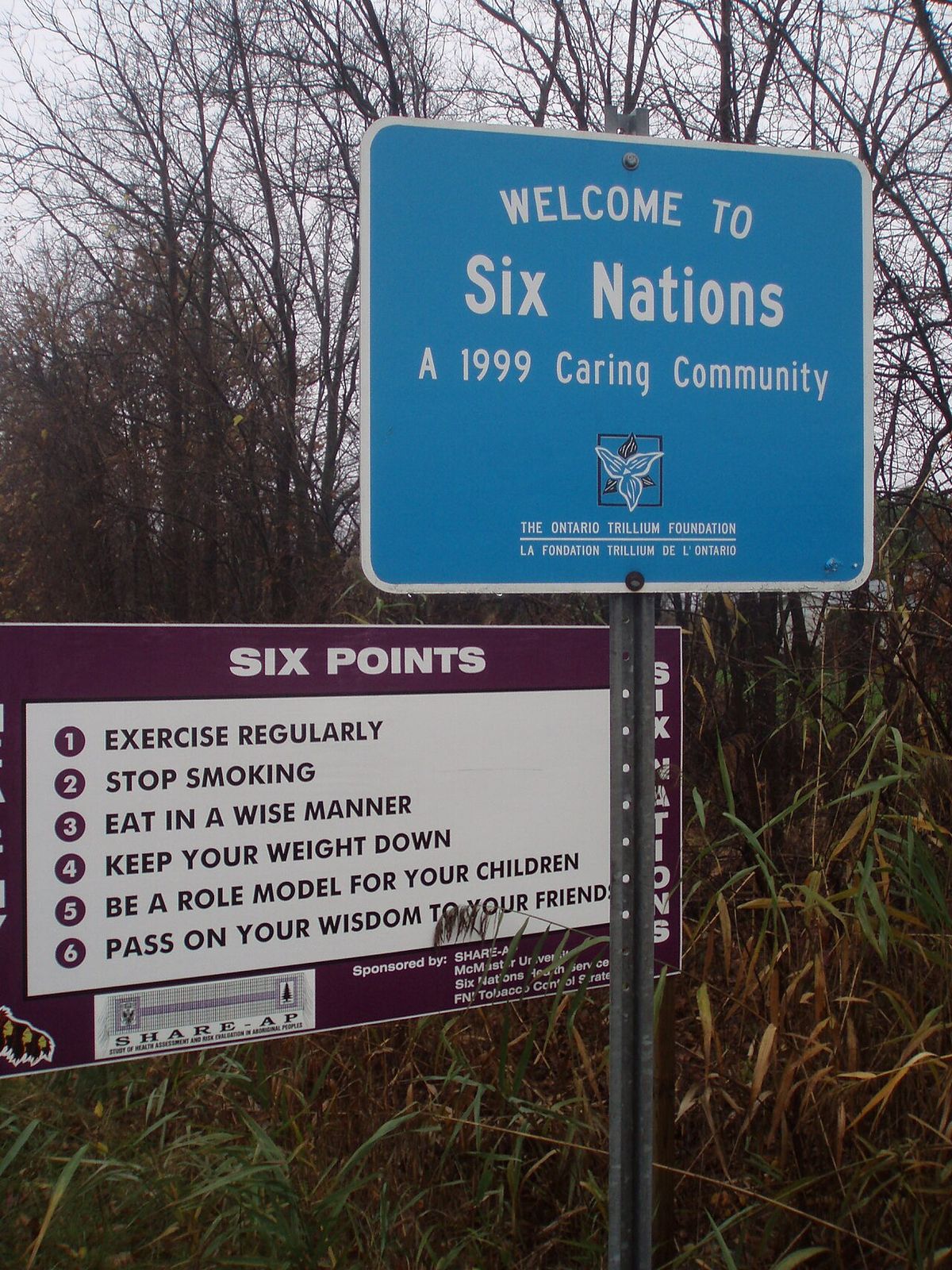
The Oneida people, known as Onʌyoteˀa·ká· or 'People of the Standing Stone', are one of the five founding nations of the Haudenosaunee Confederacy. Their traditional homeland is in the region around Oneida Lake in what is now central New York State. Today, the Oneida people are represented by two federally recognized tribes in the United States: the Oneida Indian Nation in New York and the Oneida Nation in Wisconsin. In Canada, the two Oneida First Nations are the Oneida Nation of the Thames in Southwold, Ontario, and the Oneida First Nation at the Six Nations of the Grand River.
Historical Homeland and Displacement
The Oneida people originally occupied and maintained roughly six million acres of land in modern central New York State. Their territory was formally defined in the 1768 Treaty of Fort Stanwix. Following the American Revolution, the 1794 Treaty of Canandaigua granted the Oneida and other Haudenosaunee nations a reservation of six million acres, primarily in New York. This reservation, however, was drastically reduced by subsequent actions of the State of New York, shrinking to a mere 32 acres. This massive loss of land, coupled with pressure from American settlers, forced many Oneida to relocate in the 1820s and 1830s. One group moved to Wisconsin, where they negotiated the 1838 treaty that established the Oneida Indian Reservation. Another group migrated to Canada, eventually forming the Oneida Nation of the Thames and the Oneida community at Six Nations of the Grand River in Ontario. The Oneida who remained in New York had no land of their own and were subject to sharing the Onondaga Reservation.
Role in the American Revolution
The Haudenosaunee Confederacy initially adopted a policy of neutrality at the outbreak of the American Revolution. This stance quickly fractured, with the Mohawk, Seneca, Cayuga, and Onondaga nations largely siding with the British. Influenced by their proximity to rebel communities and the Presbyterian missionary Samuel Kirkland, most Oneida ultimately chose to support the revolutionaries. Kirkland had worked among the Oneida since 1764, assisting with education and community issues. Oneida warriors served as scouts and provided crucial intelligence, particularly around Fort Stanwix. At the 1777 Battle of Oriskany, about fifty Oneida fought alongside colonial militia, including the leader Tyonajanegen and her husband Han Yerry. A major contribution came from Polly Cooper and other Oneida under Chief Skenandoa's leadership, who brought bushels of white corn to General George Washington's starving troops at Valley Forge in the winter of 1777 to 1778. Cooper remained to teach the soldiers how to properly cook and prepare the corn, refusing monetary payment for her service. As a token of appreciation, Martha Washington later brought Cooper to Philadelphia and purchased a shawl, hat, and bonnet for her. While most Oneida supported the rebels, a minority faction supported the British, and their numbers grew after the rebel destruction of the Oneida settlement at Kanonwalohale.
Land Claims and Legal Battles
Following their displacement, Oneida activists began a long struggle to reclaim their lands. In the early 20th century, women like Laura 'Minnie' Cornelius Kellogg, Mary Cornelius Winder, and Delia Cornelius Waterman were instrumental in pushing for land claims from their homes in New York and Wisconsin. The passage of the Indian Reorganization Act of 1934 encouraged the New York and Wisconsin branches to push jointly for their claims. The Indian Claims Commission Act of 1946 finally provided a formal avenue for tribes to bring claims against the U.S. government. In 1970 and 1974, the Oneida Indian Nation of New York, the Oneida Nation of Wisconsin, and the Oneida Nation of the Thames jointly filed suit in United States District Court to reclaim lands taken by New York without federal congressional approval. The United States government intervened on behalf of the Oneida in 1998 to allow the claims to proceed against the state. While Judge Kahn dismissed the possessory land claims in 2007, allowing only non-possessory claims to continue, the litigation helped formalize the separate interests of the New York and Wisconsin Oneida communities. Earlier resistance was led by chiefs like Cornelius Hill in Wisconsin, who fought against the privatization of common lands under the Dawes Act of 1887 until his death in 1907. After Hill's death, William Rockwell led the Oneida in New York from around 1910 to 1960.
Social Structure, Clans and Governance
Oneida society is matrilineal, with clan identity and social status passing through the mother. Children are born into one of three clans: Wolf (Othahyu:ní), Turtle (A’no:wál), or Bear (Ohkwa:lí). Each clan holds specific traditional roles and responsibilities within the nation. The Wolf clan members are seen as pathfinders and spiritual guides, the Turtle clan as keepers of knowledge and the land, and the Bear clan as healers. The mother's eldest brother plays a significant role in the upbringing of her children, particularly in guiding boys into adulthood. Within the Haudenosaunee Grand Council, the Oneida are part of the Younger Brother moiety alongside the Cayuga, sending nine Rotiyanehson, or chiefs, to represent them. The Oneida governance structure today includes both traditional and contemporary systems. The Oneida Nation of Wisconsin, for example, operates under a constitution adopted in 1936, with a government comprising a General Tribal Council, an Oneida Business Committee, and a Judiciary.
Traditional Culture and Sustenance
The traditional Oneida diet was based on a deep knowledge of seasonal cycles, a practice known as 'eating the seasons.' In autumn, they harvested and dried fruits and vegetables, and preserved meats through brining and drying to sustain them through the winter. Key autumn foods included deer (oskʌnu·tú), geese (káhuk), duck (taluˀkó), and raccoon (ʌti·lú), along with nuts like hickory (néhkaˀ), black walnut, butternut (okehwá·taˀ), and chestnut for essential fats and proteins. Wild rice was another important carbohydrate source. With the arrival of spring, the diet shifted to foraged greens like wild onions, leeks (aˀnukkó), milkweeds, and dandelions, and the fishing season began for trout (tsyotyá·ktu), bullhead (kaˀnkwilo·kʌ́), walleye (skakahláksʌ), pike, bass, and salmon. Spring also meant the maple syrup (olutákliˀ) harvest, where sap was boiled down into syrup and hard candy. Summer brought a variety of fruits including strawberries (awʌhíhte), raspberries (sá·yes), blueberries (otstókwi), and grapes (oˀnʌhalhkó). Oneida cultural expression includes distinct forms of dance and clothing. Social dances, such as the Round Dance, Rabbit Dance, Old Moccasin Dance, and Canoe or Fishing Dance, are for community enjoyment. Ceremonial dances are sacred and performed privately in longhouses during ceremonies like the Maple Syrup (Otsyiˀkhé·ta Twanehela·tú), Strawberry (Twahyahnekílha), Bean (Oyhóhtseh), Sun (Shukwahtsía Tʌyethinuhwela·tú·), and Moon (Thuwi·sáhs) ceremonies. Traditional clothing was originally made from animal hides, later incorporating calico cotton (otsistóhkwaˀ) and broadcloth obtained through trade. Men traditionally wear a feathered headdress called a kastoweh (kastówe), with the Oneida insignia of three eagle feathers. Women wear beaded tiaras featuring woodland designs.
Contemporary Oneida Nations and Community Life
The Oneida people today are organized into four primary nations, two in the United States and two in Canada. In the United States, the Oneida Indian Nation is located in New York, and the Oneida Nation is based in and around Green Bay, Wisconsin. In Canada, the Oneida Nation of the Thames is located in Southwold, Ontario, and the Oneida First Nation forms part of the Six Nations of the Grand River in Ontario. These nations are sovereign governments with their own laws, constitutions, and community services. The Oneida Nation of Wisconsin, for instance, operates the Oneida Nation School System, a K-12 tribal school. Community events, such as Indigenous Peoples' Day celebrations, honour culture and history while encouraging civic engagement. These events often include sacred tobacco-burning ceremonies, guest speakers, and musical performances. A recent national honour came in 2026 when the U.S. Mint issued a Native American one-dollar coin featuring Polly Cooper, recognizing her Revolutionary War contributions as part of a federal program celebrating tribal nations.
Key Historical Oneida Figures
Several Oneida individuals played crucial roles in the nation's history through leadership, diplomacy, and action. Polly Cooper was an Oneida woman active during the American Revolution who brought white corn to General George Washington's troops at Valley Forge, taught them how to cook it, and refused payment, leading to her being honoured on a U.S. Mint dollar coin in 2026. Skenandoa was a Pine Tree Chief and leader during the American Revolution who allied with the American colonists and led the effort to provide corn at Valley Forge. Daniel Bread was a principal chief who helped lead the Oneida migration to Wisconsin and negotiated the 1838 treaty that established the Oneida Reservation there. Tyonajanegen was an Oneida leader who fought alongside her husband, Han Yerry, at the Battle of Oriskany during the American Revolution. Cornelius Hill succeeded Daniel Bread as chief in Wisconsin and fought against further relocation and the privatization of Oneida lands under the Dawes Act of 1887 until his death in 1907. Laura 'Minnie' Cornelius Kellogg was an Oneida activist from Wisconsin who, with her attorney husband, was influential in pressing for land claims starting in the 1920s. Mary Cornelius Winder and Delia Cornelius Waterman were sisters from the New York Oneida community who worked from Prattsburg, New York, to advance land claims for both American branches of the nation, particularly after 1934. William Rockwell was a conservative leader who led the Oneida in New York for five decades following the death of Cornelius Hill.
Etymology and Cultural Values
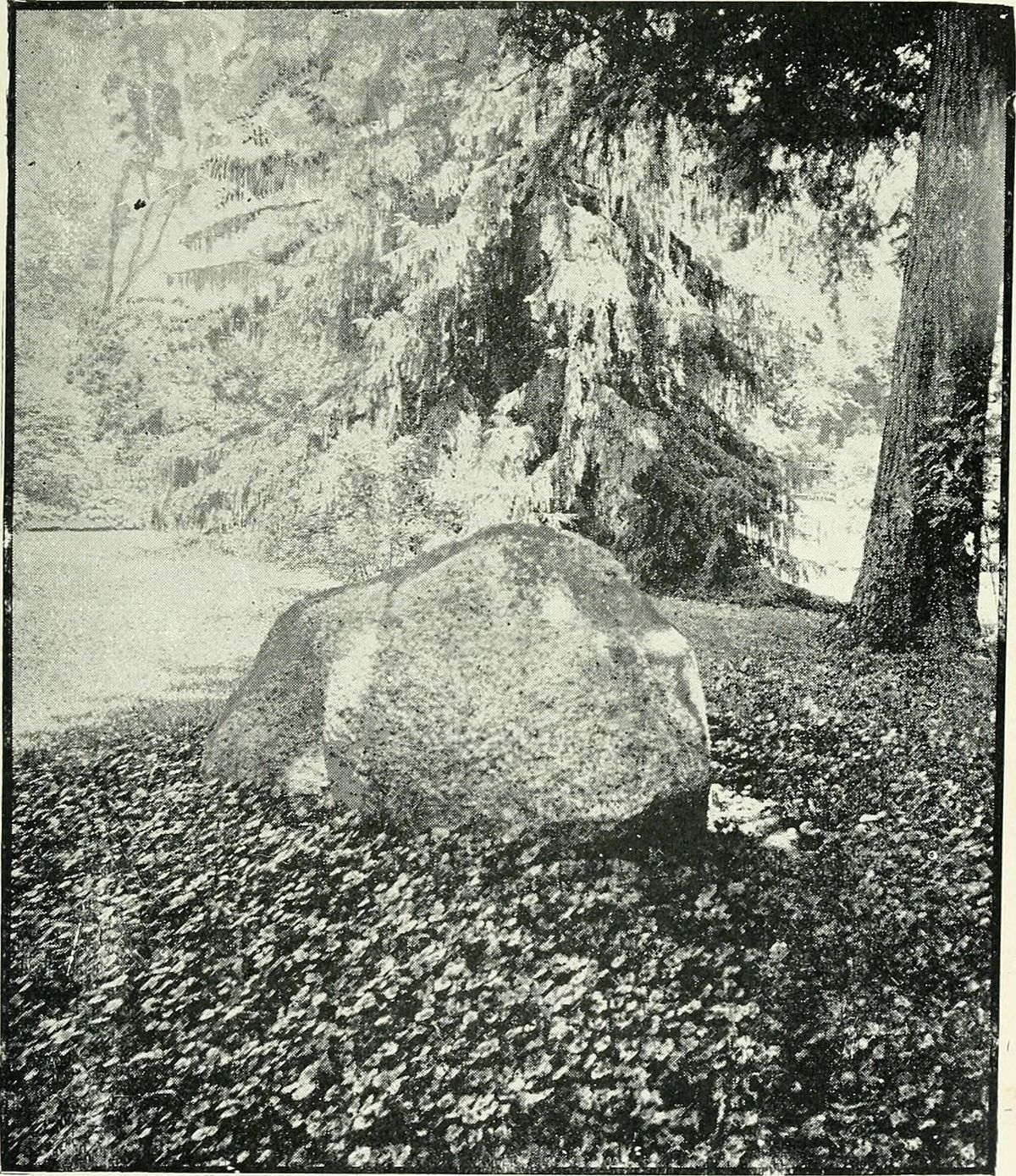
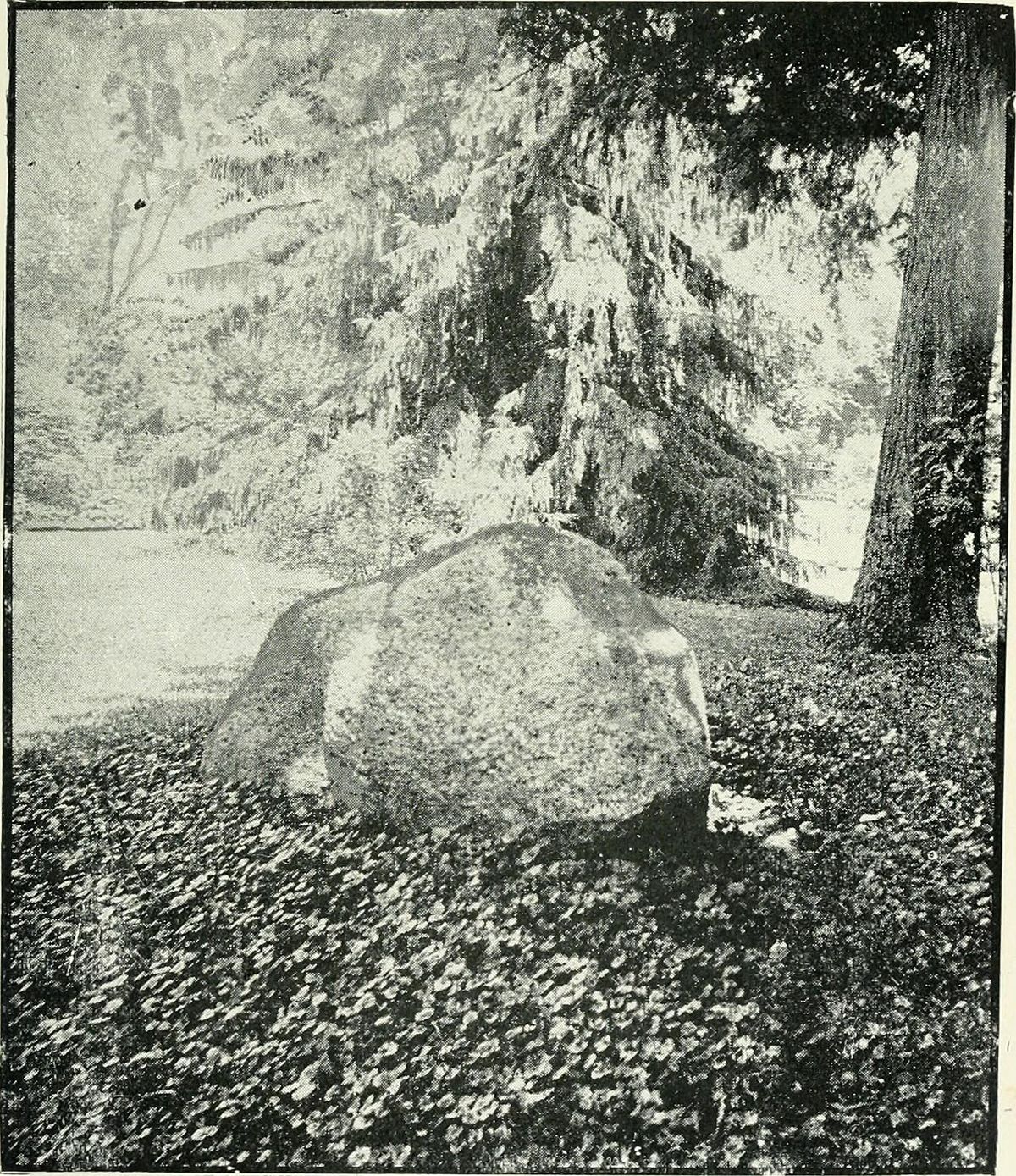
The name Oneida is derived from the English pronunciation of Onʌyotaʼá꞉ka, meaning 'People of the Standing Stone.' This identity originates from a legend where the Oneida, being pursued by an enemy, disappeared into a clearing and were said to have shapeshifted into the stones that stood there. An older identification is Latilutakówa, the 'Big Tree People,' which may correspond to Haudenosaunee concepts of the Tree of Peace. The Oneida Nation articulates core values that guide community life. These include a healthy perspective on life and a generous sense of humour, good thoughts about themselves and all people, and the seeking of harmony with family, neighbours, and humanity. A key concept is the 'heart felt encouragement' in each person, understood as the ability to strengthen others with a good mind and strong fire. These values are reflected in modern community initiatives and the ongoing practice of cultural traditions despite historical pressures to assimilate.
Questions about Oneida people
Who are the Oneida people?
The Oneida are an Indigenous nation known as the 'People of the Standing Stone.' They are one of the five original nations that formed the Haudenosaunee, or Iroquois, Confederacy. Their traditional homeland is in the region around Oneida Lake in central New York State. Today, the Oneida people live in communities in New York, Wisconsin, and Ontario, maintaining their distinct cultural identity and sovereign governance. An older name for the people is Latilutakówa, meaning 'Big Tree People.'
What side did the Oneida take in the American Revolution?
After initially advocating for neutrality within the Haudenosaunee Confederacy, most Oneida ultimately sided with the American revolutionaries. This decision was influenced by their geographic proximity to rebel communities and the work of missionary Samuel Kirkland. Oneida warriors served as scouts and fought in battles like Oriskany. Most famously, Oneida people including Polly Cooper brought vital food supplies to General George Washington's starving army at Valley Forge in the winter of 1777 to 1778. A minority faction, however, supported the British, especially after the destruction of the Oneida settlement at Kanonwalohale.
Where do the Oneida live today?
The Oneida people are represented by four main nations. In the United States, these are the Oneida Indian Nation in New York and the Oneida Nation in Wisconsin, near Green Bay. In Canada, the Oneida communities are the Oneida Nation of the Thames in Southwold, Ontario, and the Oneida First Nation at the Six Nations of the Grand River reserve in Ontario. Each is a distinct, sovereign government with its own lands and laws.
What is the significance of Polly Cooper?
Polly Cooper was an Oneida woman who played a critical role during the American Revolution. In the harsh winter of 1777 to 1778, she was part of a group that brought bushels of white corn to the starving Patriot army at Valley Forge. Cooper remained with the troops to teach them how to properly cook and eat the corn, and she refused any monetary payment for this service. In 2026, her contributions were nationally recognized when the U.S. Mint issued a Native American one-dollar coin in her honour.
What are the Oneida clans?
The Oneida have a matrilineal clan system with three clans: Wolf (Othahyu:ní), Turtle (A’no:wál), and Bear (Ohkwa:lí). Children belong to their mother's clan, which determines their social identity and roles. Each clan has traditional responsibilities: the Wolf clan are pathfinders and spiritual guides, the Turtle clan are keepers of knowledge and the land, and the Bear clan are healers. The mother's eldest brother is particularly important for supervising the passage of boys into adulthood.
What land claims have the Oneida pursued?
Since the early 20th century, the Oneida have sought legal redress for the loss of millions of acres of their ancestral homeland in New York. Activists like Laura Cornelius Kellogg and the Cornelius sisters pushed these claims from the 1920s onward. In 1970 and 1974, the New York, Wisconsin, and Thames Oneida nations jointly filed a lawsuit to reclaim lands taken by New York State without federal approval. The U.S. government intervened on their behalf in 1998. While the core possessory claims were dismissed in 2007, the litigation confirmed the separate status of the different Oneida communities.
Sources and further reading
- Oneida people (Wikipedia)
- Oneida Indian Nation (oneidaindiannation.com)
- Oneida Nation (oneida-nsn.gov)
- Oneida Nation marks Indigenous Peoples' Day with ... (nbc26.com)
Checked by the Nosy Mag desk. Last updated 2026-10-22.