Wendigo
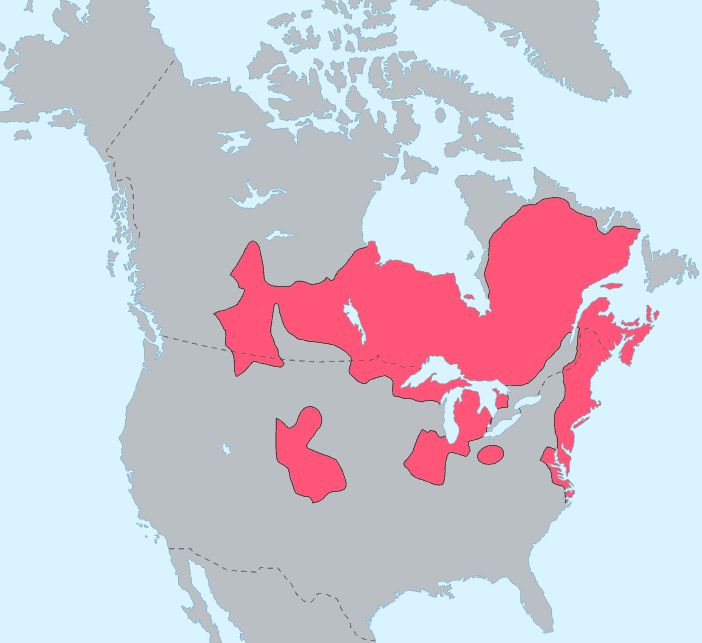
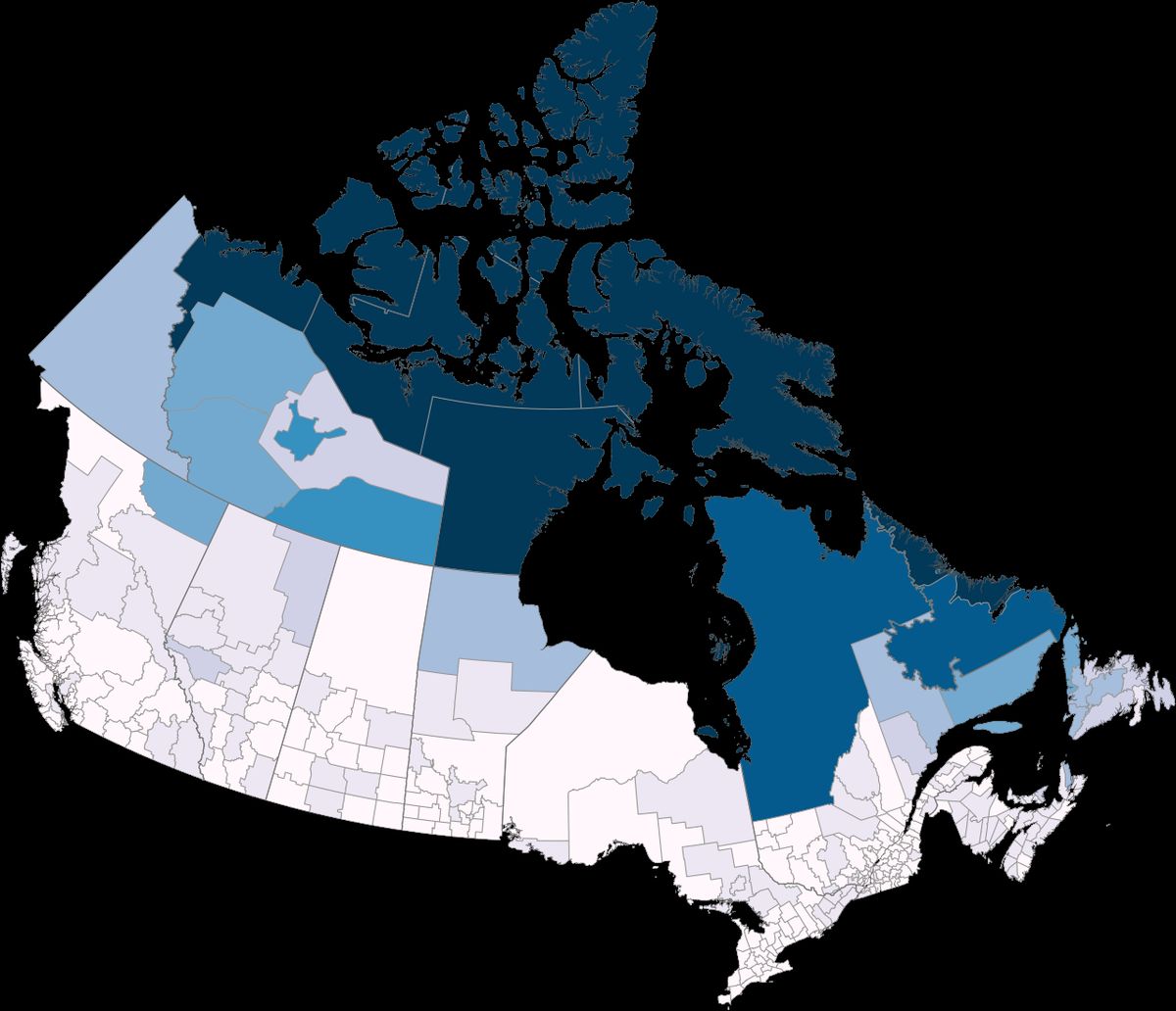
The Wendigo (also spelled Windigo, Wiindigo, or Witiko) is a malevolent, cannibalistic spirit or creature from the traditional belief systems of Algonquian-speaking First Nations, including the Ojibwe, Cree, Innu, and Saulteaux. In folklore, it is a supernatural being strongly associated with winter, famine, greed, and the consumption of human flesh, serving as a cautionary figure against the dangers of excess and the breakdown of community. The concept has become a metaphor in contemporary discourse, used to critique systems of insatiable consumption, such as colonialism, capitalism, and environmental destruction. Its presence in both Indigenous storytelling and popular culture makes it a significant figure in understanding Canadian cultural intersections.
Etymology and Linguistic Roots
The contemporary English word 'wendigo' is a loanword derived from Algonquian languages, specifically from Cree (wīhtikōw) and Ojibwe (wiindigoo). Comparable forms have appeared in English texts since 1714, such as 'Whitego'. The term was popularized in English literature by Algernon Blackwood's 1910 horror novella titled 'The Wendigo'. Linguists have reconstructed the Proto-Algonquian root as *wi·nteko·wa, which may have originally meant 'owl'. Across different First Nations, numerous alternative spellings and pronunciations exist, including windigo, wheetigo, windikouk, and wittikka. Other names used in specific traditions include atchen, chenoo, and kewok, reflecting the wide geographic and cultural spread of the Algonquian peoples who share this mythic being.
Traditional Folklore and Description
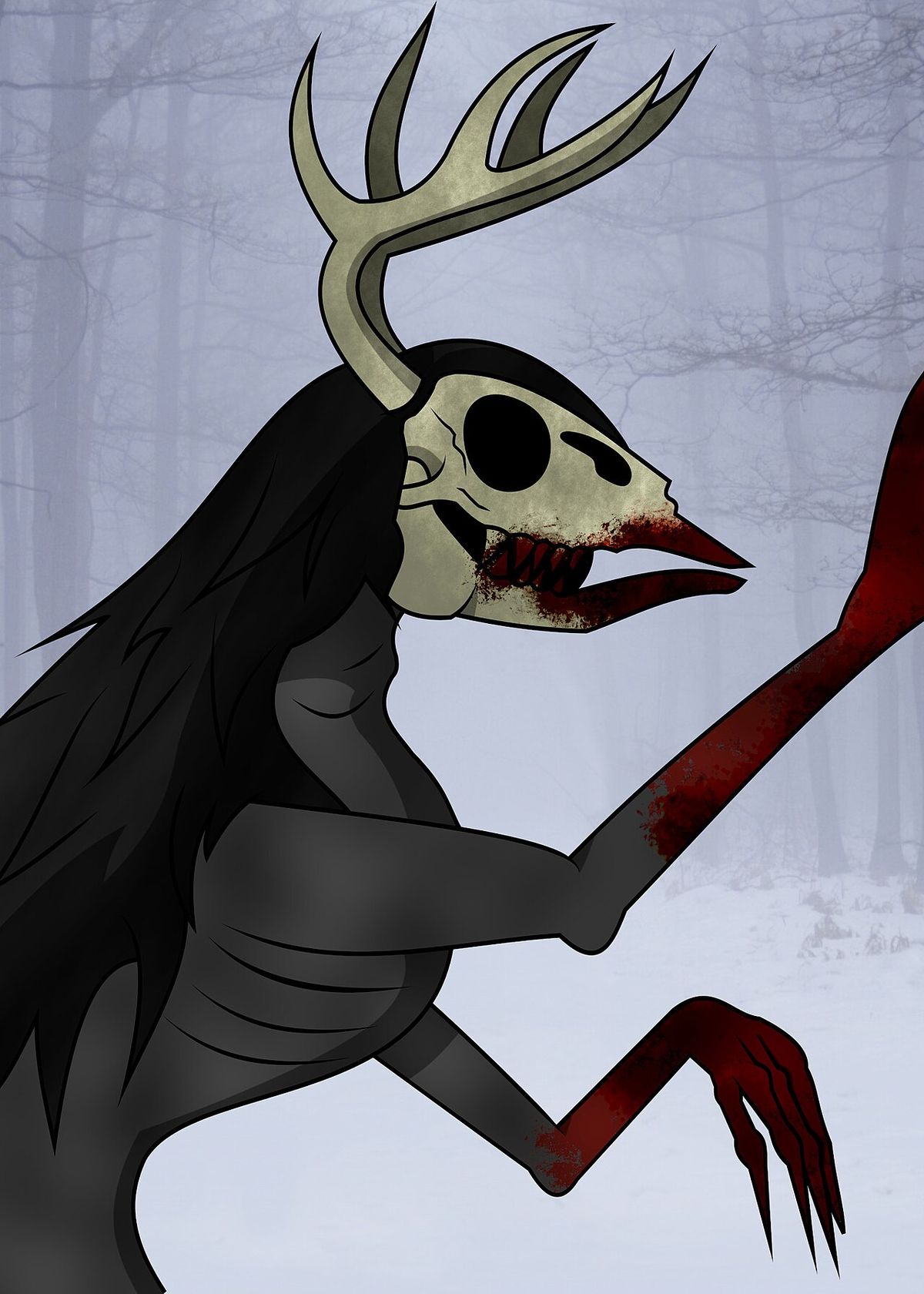
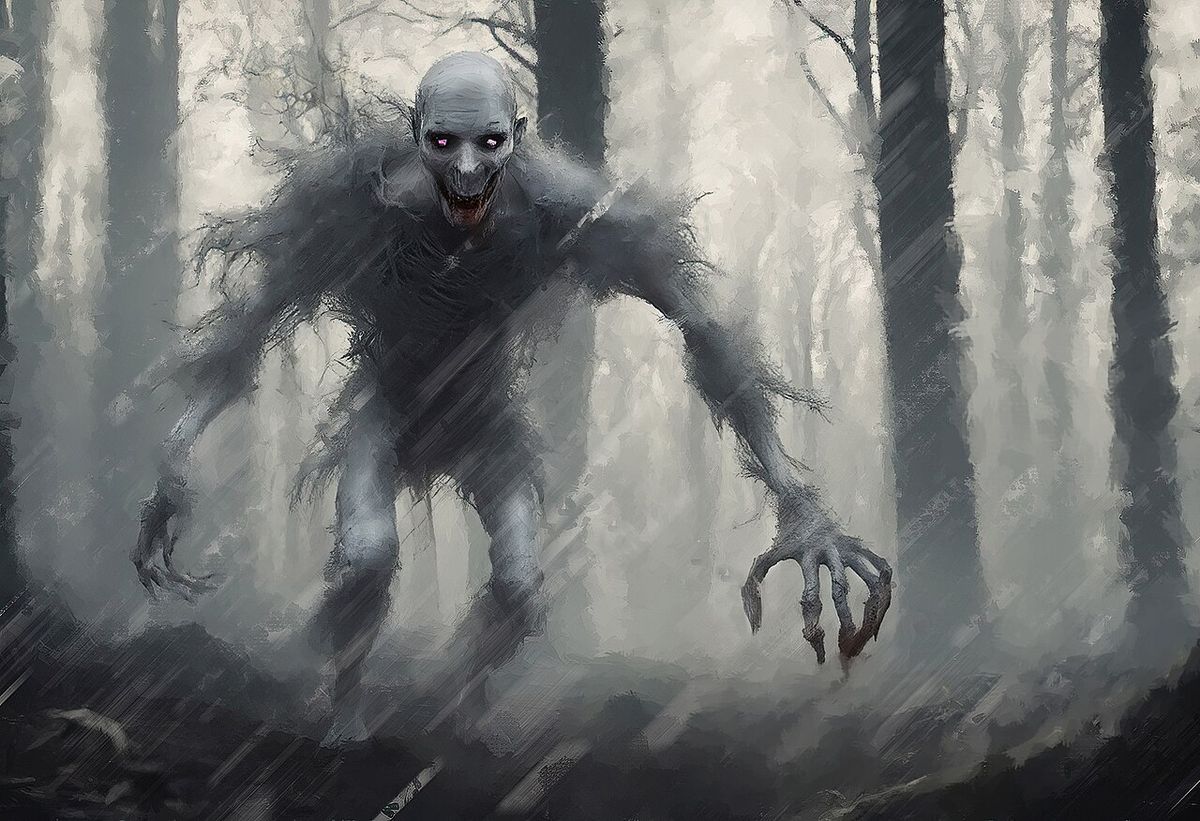
In Algonquian traditions, the Wendigo is a malevolent, supernatural being intrinsically linked to the north, winter, cold, famine, and starvation. Common to all cultural versions is its cannibalistic nature and its role as an embodiment of gluttony, greed, and excess. Descriptions of its physical form vary but often include terrifying and grotesque features. Ojibwe scholar Basil H. Johnston described it as gaunt to the point of emaciation, with skin pulled tight over bones, ash-gray complexion, eyes deep in their sockets, and tattered, bloody lips, emitting a foul odour of decay. In Ojibwe, Eastern Cree, Westmain Swampy Cree, Naskapi, and Innu lore, Wendigos are often described as giants many times larger than humans. A key trait is that the creature grows larger with every person it consumes, yet remains perpetually starving and thin, driving its endless hunt for new victims.
The Wendigo is not always a mindless beast. Some stories grant it human cognition and speech, allowing it to communicate with, threaten, or taunt its prospective victims. A folk story collected in the early 20th century from the Chippewas of Rama First Nation illustrates a Wendigo that uses a knife, survives partial dismemberment, and even engages in autocannibalism. The narrative involves a Wendigo who kidnaps a boy, cuts him to test his fatness, and is ultimately attacked by villagers. Even after his legs are cut off, the Wendigo is found eating the marrow from his own bones before being killed and dismembered. This story highlights the creature's monstrous resilience and the communal action required to defeat it.
Key Aspects of Wendigo Folklore- Cannibalistic Transformation: Humans could turn into Wendigos by resorting to cannibalism, being overcome by greed, or through prolonged contact with the spirit.
- Moral Function: The myth served to encourage cooperation, moderation, and community survival, especially during harsh winters.
- Ceremonial Reinforcement: Among the Assiniboine, Cree, and Ojibwe, a satirical dance called wiindigookaanzhimowin was performed during famines to reinforce the taboo against cannibalism and Wendigo behaviour. The last known ceremony in the United States was at Lake Windigo on Star Island of Cass Lake, within the Leech Lake Indian Reservation in Minnesota.
- Diverse Depictions: Appearances range from skeletal giants to well-fleshed beings. Some stories attribute animal-like features such as antlers, glowing eyes, or pointed ears.
- Superhuman Abilities: Legends often grant Wendigos superhuman strength, stamina, speed, keen senses, and the ability to walk on snow or water.
- Methods of Defeat: Killing a Wendigo could require conventional weapons, cutting out and melting its icy heart, or specific spells and ceremonies conducted by a spiritual leader or shaman.
Historical Accounts and Wendigo Psychosis
The first European-written account of a Wendigo was by Jesuit missionary Paul Le Jeune in 1661, who reported Algonquin beliefs in a devilish, cannibalistic spirit. Throughout the colonial period, missionaries and fur traders continued to record such legends. One of the more famous cases is that of Swift Runner, a Plains Cree trapper from Alberta. During the winter of 1878, Swift Runner and his family were starving, and his eldest son died. Twenty-five miles from emergency food supplies, he butchered and ate his wife and five remaining children. His actions, seen as beyond mere survival cannibalism, led to his confession and execution at Fort Saskatchewan.
Another well-known case involved Jack Fiddler, an Oji-Cree chief and medicine man known for defeating Wendigos, which sometimes involved killing people believed to be afflicted. In 1907, Fiddler and his brother Joseph were arrested by Canadian authorities for homicide. Jack Fiddler committed suicide, and Joseph was tried, sentenced to life in prison, and died three days after being granted a pardon. The historicity of Wendigo psychosis became a subject of intense debate among anthropologists in the 1980s. Some scholars argued it was a fabrication based on stories taken at face value, while others pointed to credible eyewitness accounts. The frequency of reported cases declined sharply in the 20th century with increased contact with European ideologies and less isolated rural lifestyles. The ICD-10 classifies 'Windigo' as a culture-specific disorder but notes controversial studies questioning its legitimacy.
The Wendigo as a Modern Metaphor
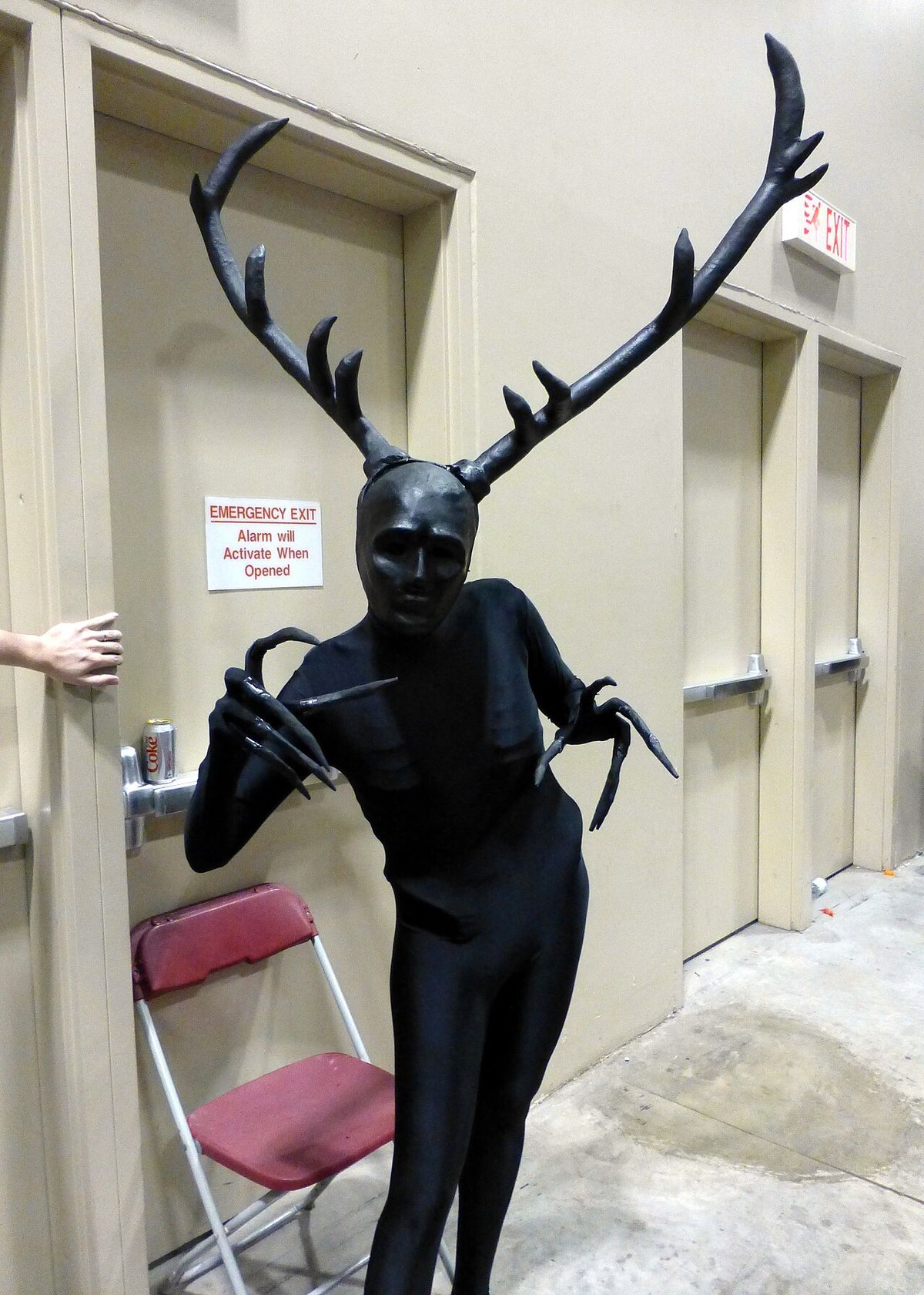
Beyond its role as a mythological monster, the Wendigo has evolved into a powerful conceptual metaphor within Indigenous and scholarly thought. It represents any person, idea, or movement corrupted by insatiable greed, excessive consumption, and a drive for self-aggrandizement that destroys ecological and social balance. Ojibwe scholar Brady DeSanti describes it as a marker for a person imbalanced internally and towards their community. This conceptual framework allows the Wendigo to critique colonialism, capitalism, and environmental exploitation. The 1999 film 'Ravenous' has been cited as an illustration equating the cannibal monster to American colonialism and manifest destiny, depicting expansion as a consuming force. Scholar Basil Johnston has stated the Wendigo has been 'reincarnated as corporations, conglomerates, and multinationals,' positioning it as a figure for global extractive and capitalist logics. Romantic scholar and documentarian Emily Zarka observes that the wendigo symbolically represents three major concepts: it is the incarnation of winter, the embodiment of hunger, and the personification of selfishness. Joe Lockhard, an English professor, argues that wendigos are agents of 'social cannibalism' that know no national borders, expressing a dark aspect of human nature. This metaphorical use allows Native Americans to describe colonialism and its agents as wendigos, as the process ejected natives from their land and threw the natural world out of balance.
Representations in Popular Culture
The Wendigo has been widely adapted in non-Indigenous literature, film, and other media, often diverging significantly from traditional lore. One of the earliest and most influential literary appearances was in Algernon Blackwood's 1910 novella 'The Wendigo', which set a template for later horror fiction. Blackwood's work influenced authors like August Derleth and Stephen King, who featured a Wendigo-like entity in his novel 'Pet Sematary'. In 1973, a character named Wendigo debuted in Marvel Comics, portrayed as a large, Bigfoot-like creature cursed by cannibalism, first appearing in The Incredible Hulk #162. Contemporary Indigenous authors have also engaged with the legend. Linda K. Hogan's 1995 novel 'Solar Storms' uses the Wendigo to interrogate corporate voracity and exploitation, while Nathan Niigan Noodin Adler's 2016 novel 'Wrist' blends the Ojibwe legend with horror genre influences.
The creature is a frequent antagonist in horror films and television. Notable appearances include the 1999 film 'Ravenous', the 2014 film 'Dark Was the Night', the TV series 'Hannibal' (2013 to 2015), and the 2021 film 'Antlers', where it is depicted as a deer-like creature with a glowing heart. The 2021 film 'The Inhuman' uses the Wendigo to symbolize inner turmoil after a character rejects his Indigenous heritage. In video games, Wendigos are central enemies in 'Until Dawn' (2015), appear as mutated cryptids in 'Fallout 76' (2018), and are invisible foes in 'Dusk' (2018). Scholar Francesca Amee Johnson has criticized the prevalent use of the Wendigo as a horror trope by non-Native creators, arguing it often presents an Indigenous antagonist for white protagonists to defeat, thereby reinforcing problematic colonial narratives.
Related Concepts and Beings
The Wendigo is part of a broader family of cannibalistic beings in Indigenous North American folklore. A closely related entity is the Wechuge (or Wechugec), which appears in the legends of Athabaskan peoples of the Northwest Pacific Coast. Like the Wendigo, the Wechuge is cannibalistic, but it is also characterized as being enlightened with ancestral insights, adding a different spiritual dimension to its mythology. Among the Mi'kmaq, Algonquin, and other eastern Algonquian groups, similar creatures are known by names like Chenoo or Kewok. These beings share core traits with the Wendigo, such as association with winter, cannibalism, and transformation from humans, but their specific characteristics and stories are shaped by the distinct cultural and environmental contexts of the peoples who tell them. The existence of these parallel myths across a wide geographic and linguistic range shows the deep-seated human anxieties about starvation, isolation, and moral transgression that the figure embodies.
Other related beings in Algonquian folklore include the Mistapew, a giant, and the Skin-walker from Navajo tradition, though the latter is distinct. The wechuge is a similar being that appears in the legends of the Athabaskan people of the Northwest Pacific Coast. It too is cannibalistic. However, it is characterized as enlightened with ancestral insights.
Questions about Wendigo
What is a Wendigo?
A Wendigo is a mythological creature or evil spirit originating from Algonquian folklore. It is a malevolent, cannibalistic, supernatural being strongly associated with the north, winter, cold, famine, and starvation. The wendigo is seen as the embodiment of gluttony, greed, and excess. In some traditions, humans who resort to cannibalism or are overpowered by greed could turn into wendigos.
Is Wendigo psychosis real?
Wendigo psychosis is a term used in historical anthropology and psychiatry to describe a culture-bound syndrome characterized by an intense craving for human flesh and a fear of becoming a cannibal. It was historically reported among some Algonquian peoples. Its existence is debated. Some scholars consider it a legitimate historical phenomenon supported by eyewitness accounts, while others argue it was a construct of early anthropologists. Reported cases declined sharply in the 20th century.
How do you kill a Wendigo in folklore?
Methods for defeating a Wendigo vary in different traditions. Some legends state it can be killed with conventional weapons like a club or firearm. Others claim its icy heart must be cut out and melted in a fire. In many stories, only a knowledgeable spiritual leader or shaman can dispatch a Wendigo using a specific spell or ceremony. The common theme is that overcoming the Wendigo often requires concerted communal effort and specialized knowledge.
How is the Wendigo used as a metaphor today?
Today, the Wendigo is often used as a powerful metaphor for insatiable consumption and greed. Indigenous scholars and activists apply it to critique colonialism, capitalism, and environmental destruction. The creature symbolizes any system or behaviour that devours resources and relationships without reciprocity or care for balance. It has been described as representing the incarnation of winter, the embodiment of hunger, and the personification of selfishness.
Are there similar creatures in other Indigenous cultures?
Yes, similar cannibalistic beings exist in the folklore of other Indigenous groups. A notable example is the Wechuge of Athabaskan peoples from the Northwest Pacific Coast, which is also cannibalistic but associated with ancestral insights. Eastern Algonquian groups have beings like the Chenoo or Kewok. Other related figures include the Mistapew, a giant in Cree folklore, and the Skin-walker from Navajo tradition.
What is the documentary 'Reckoning with the Wendigo' about?
The article does not mention a 2025 documentary titled 'Reckoning with the Wendigo' by Photographers Without Borders. The provided Wikipedia text contains no factual details about this specific documentary, including its content or subject matter. Therefore, no verified information about it can be added from the source. The Wikipedia text covers the Wendigo's folklore, etymology, and its appearances in culture up to sources from 2021.
Sources and further reading
- Wendigo (Wikipedia)
- The Indian Act as Wendigo (niche-canada.org)
- Reckoning with the Wendigo (photographerswithoutborders.org)
- Windigo (thecanadianencyclopedia.ca)
Checked by the Nosy Mag desk. Last updated 2026-10-24.