North American fur trade
The North American fur trade was a commercial trade of furs and other goods between the 16th and 19th centuries, beginning in the eastern provinces of French Canada and the northeastern American colonies. Centred on the exchange of European manufactured goods for animal pelts, primarily beaver, it fundamentally reshaped the economies, societies and political landscapes of Indigenous nations and European colonies. The trade's networks facilitated exploration, fostered the emergence of distinct Métis communities, and became a primary driver of conflict and alliance between European powers and Indigenous peoples. Its eventual decline in the mid-1800s, due to shifting fashions and ecological depletion, left a complex mark on the formation of Canada and the United States.
Origins and early French trade
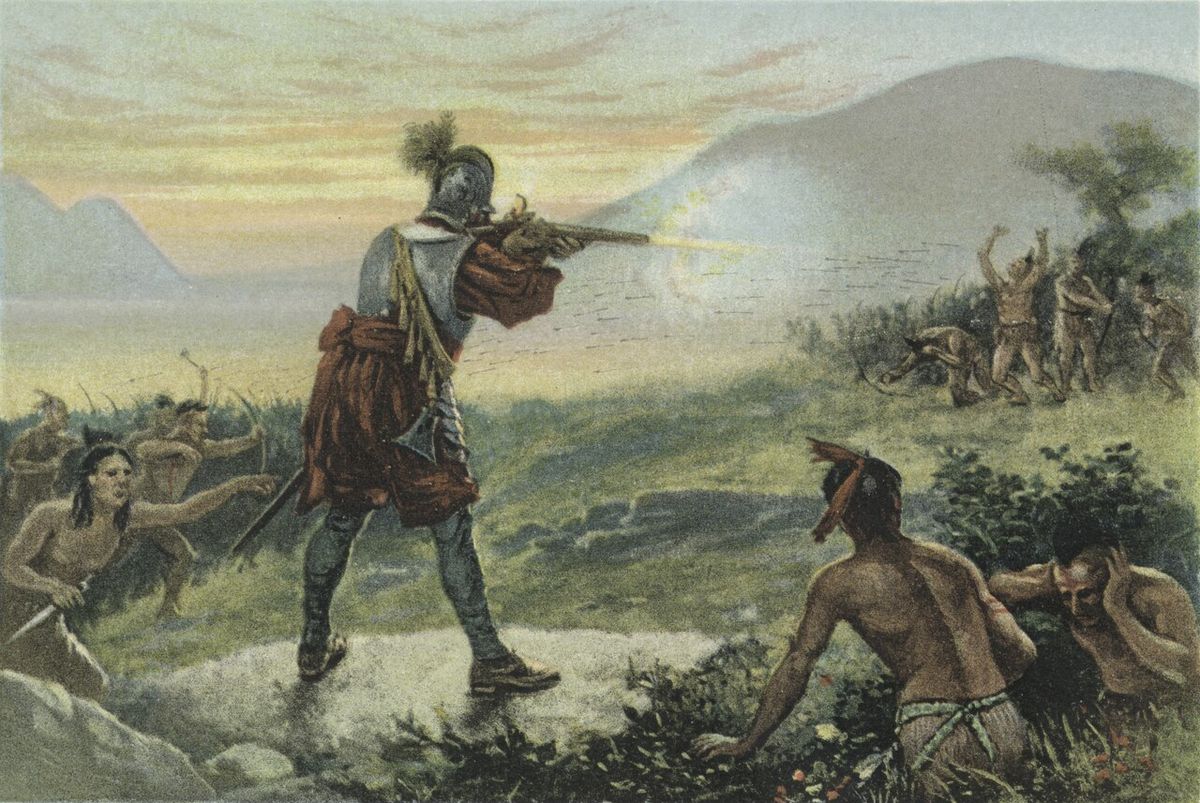
The earliest European fur trading in North America began as an adjunct to the transatlantic cod fishing industry in the 16th century. Basque and other fishermen drying their catch on the Newfoundland coast traded metal items for beaver robes made of sewn-together, native-tanned beaver pelts, known as castor gras. These worn pelts were discovered to have superior felting qualities, which coincided with a growing European fashion for beaver felt hats. This incidental trade was transformed into a systematic commercial enterprise by French explorers and settlers. Jacques Cartier conducted some of the earliest recorded trade for furs used as trimming and adornment during his voyages in the 1530s and 1540s, though he did not focus on the beaver pelt that would later dominate. The establishment of a permanent French foothold was achieved by Samuel de Champlain, who founded Québec on the Saint Lawrence River in 1608. Champlain strategically allied with the Algonquin, Montagnais, and Huron-Wendat nations, who became crucial suppliers and middlemen. To deepen French knowledge and trade connections, he sent young men like Étienne Brûlé to live among Indigenous communities.
The fur trade introduced a wide array of European goods into Indigenous economies, including iron axe heads, brass kettles, wool cloth, and firearms. These items were exchanged for beaver pelts and other furs. The trade also brought destructive new elements, such as alcohol, which led to widespread social problems. The intense demand for beaver pelts quickly depleted populations along the Saint Lawrence Valley, intensifying competition among Indigenous nations for access to richer hunting grounds further inland. This economic pressure, combined with the introduction of European diseases like smallpox, set the stage for deep demographic and political upheaval. The French monopoly system was constantly challenged by unlicensed independent traders, known as coureurs des bois, who began operating in the late 17th century. Many of these men formed unions with Indigenous women, and their descendants, the Métis, would become central figures in the trade. English colonies to the south also entered the lucrative trade, capturing and controlling Québec from 1629 to 1632.
The Beaver Wars and imperial rivalry
The mid-17th century witnessed a period of intense conflict known as the Beaver Wars, driven by competition over the fur trade. The Iroquois Confederacy, having exhausted beaver stocks in their own territories and seeking to control access to European traders, launched a series of devastating campaigns against their neighbours. Armed with firearms obtained from Dutch traders at Fort Orange, the Iroquois targeted the Huron-Wendat, who were the primary middlemen between French traders on the Saint Lawrence and nations in the interior. In 1649, Iroquois raids effectively destroyed the Huron-Wendat as a political entity, with thousands killed or adopted into Iroquois families. This conflict was also a mourning war, driven by the Iroquois practice of taking captives to replace population losses from European diseases. The wars forced a massive demographic shift, with refugee populations fleeing west and north of Lake Michigan. The Iroquois also clashed directly with the French, intercepting canoe convoys and blockading the Saint Lawrence River, which contributed to the bankruptcy of the Compagnie des Cent-Associés in 1663.
Following the company's collapse, New France became a royal colony. King Louis XIV dispatched the Carignan-Salières Regiment, which raided Iroquois territory in 1666 and compelled the Five Nations to sue for peace in 1667. This period cemented a fierce imperial rivalry between France and Great Britain for control of the continent's fur wealth. A key moment in this competition was the 1659 to 1660 voyage of Pierre-Esprit Radisson and Médard Chouart des Groseilliers beyond Lake Superior. Their successful but unlicensed trading led to French confiscation of their furs, prompting them to seek English backing. Their efforts resulted in the chartering of the Hudson's Bay Company in 1670, which granted the English a vast territory and direct access to northern fur resources. The French responded with westward expansion, constructing forts like Frontenac on Lake Ontario in 1673 and exploring the Mississippi River valley to secure trade alliances and counter the HBC's influence.
Indigenous and Métis roles in the trade
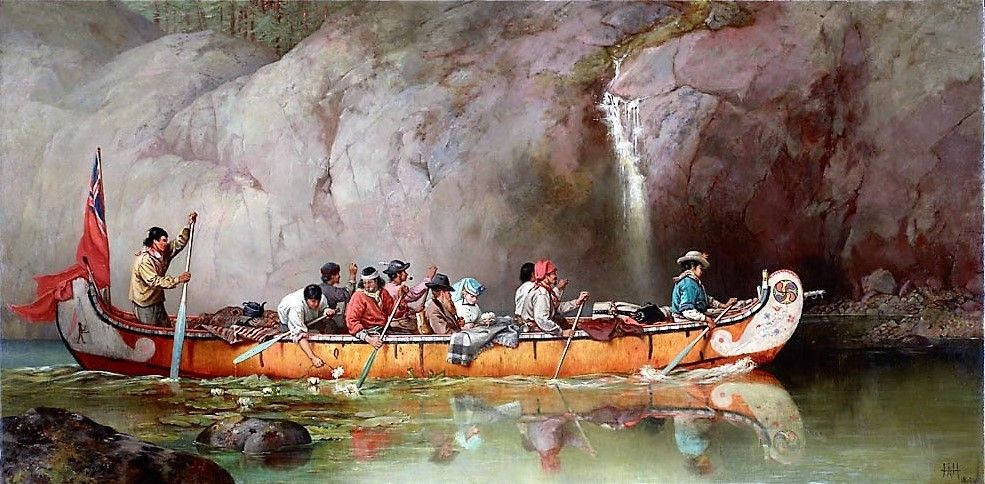
Indigenous peoples were not merely suppliers but were essential partners, guides, diplomats, and skilled labourers without whom the fur trade could not have functioned. Nations like the Ojibwe and Dakota held powerful positions, prompting both French and British traders to actively court their military and trade allegiance. Many European traders adopted Indigenous protocols, such as gift-giving, council meetings, and the use of ceremonial pipes. Indigenous knowledge of the land, waterways, and trapping techniques was invaluable. The trade also led to widespread intermarriage between European traders and Indigenous women, which forged critical kinship networks that facilitated and stabilized commerce. These unions gave rise to distinct Métis communities, who became integral to the trade's operations. Métis men worked as voyageurs, the main labour force paddling freight canoes across vast distances, and as skilled hunters and trappers. After the 1821 merger of the Hudson's Bay and North West companies, many Métis became free traders and provisioners, supplying pemmican and bison robes to trade posts.
Métis women were central to the economic and social fabric of the trade. They were sought after as marriage partners for fur trade officials due to their kinship ties. They provided essential foodstuffs, such as garden produce, fish, and game, to the posts and produced handcrafted goods. Indigenous women like Elizabeth Bertrand Mitchell were successful traders. The labour of voyageurs was extraordinarily demanding. They paddled for months, portaging canoes and packs over difficult terrain. After the 1821 merger, Métis boatmen continued this work. Their strength was later relied upon by Louis Riel during the Red River Resistance of 1869-70. The diversity of individuals involved in the trade is exemplified by figures like George Bonga, an Ojibwe-French-African interpreter and trader.
- Voyageurs were the primary transporters, paddling from Montreal to the interior and back.
- Indigenous women forged kinship alliances and provided food and manufactured goods for posts.
- Métis trappers sold furs to competing companies until the 1821 HBC monopoly.
- Métis boatmen portaged heavy loads and supported the Red River Resistance.
- Interpreters like George Bonga facilitated communication between cultures.
- Indigenous nations like the Ojibwe set diplomatic and trade protocols.
The trade in the 19th century and American expansion
By the early 19th century, the fur trade had expanded across the continent, and the United States emerged as a major competitor following its independence. In the Upper Mississippi region, trade involved three main parties: Native American nations like the Dakota and Ojibwe, fur trading companies, and the US government. The American Fur Company, controlled by John Jacob Astor, dominated much of present-day Minnesota by 1823, with its headquarters at Mendota. The US government established Fort Snelling and an Indian Agency to control and stabilize the region's trade. For Indigenous communities, trade goods like firearms, cloth, and metal tools had become integrated into daily life, creating a degree of economic dependency. This dependency influenced subsequent treaty negotiations and US-Native political relations throughout the 1800s. The trade also continued to foster intermarriage, leading to large communities of mixed heritage who maintained ties to both Indigenous and fur trade networks.
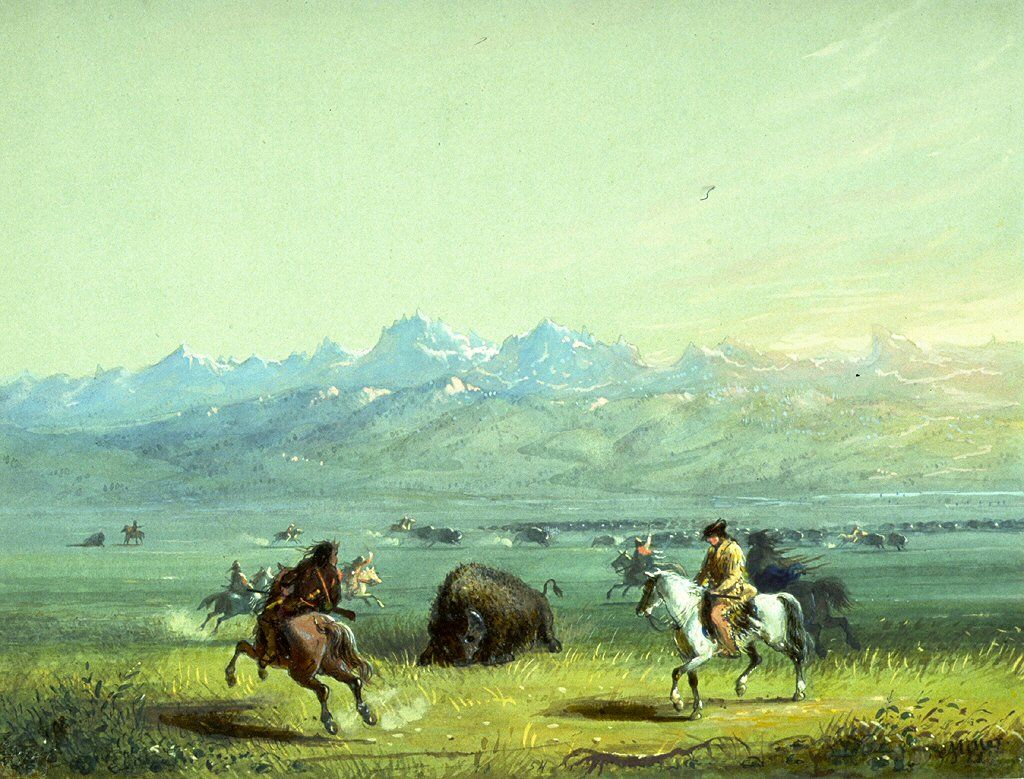
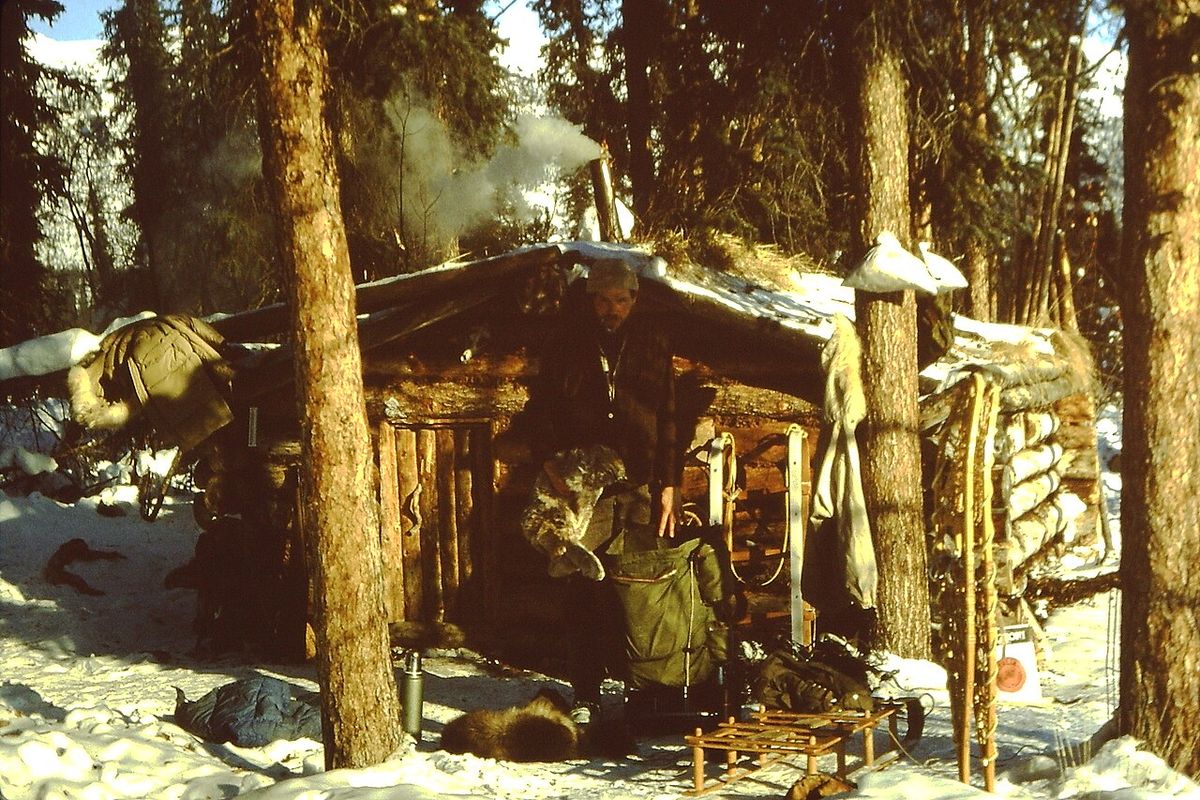
The structure of the trade in British North America was dramatically altered by the merger of the two great rivals, the Hudson's Bay Company and the North West Company, in 1821. The new HBC monopoly eliminated competition, leading to lower fur prices for Indigenous and Métis trappers. This economic pressure was compounded by a collapse in European demand. By the 1830s, silk hats became more fashionable than beaver felt, causing beaver pelt prices to plummet. Prices for other furs also dropped, plunging many communities that had relied on the trade into poverty. The bison hunt on the Plains gained increased importance as an alternative source of robes and provisions, but the herds were themselves nearing collapse by the 1870s. The mid-19th century thus marked the end of the fur trade as a dominant continental economic force, though it continued in a reduced capacity in northern regions.
Ecological impact and population decline
The fur trade had a catastrophic effect on North American animal populations, particularly beavers and river otters. The relentless pursuit of beaver pelts for the European hat market led to the local extirpation of beavers from vast stretches of their original range. This overharvesting caused severe ecological damage, as beaver dams are important for creating wetlands, managing water flow, and supporting biodiversity. The destruction of these ecosystems led to significant environmental change, including alterations in river courses. Competition between the English and the French was disastrous on the beaver population. Data from trading posts of the Hudson's Bay Company show that increased French competition raised prices, giving Indigenous hunters greater incentive to increase harvests, leading to unsustainable depletion. The number of beavers and river otters killed during the fur trade was devastating, and their populations in North America would continue to decline until around the mid-twentieth century.
Key corporate entities and monopolies
The fur trade was driven and shaped by a series of corporate entities granted monopolies by European crowns. The Compagnie des Cent-Associés, also known as the Company of One Hundred Associates, held a monopoly in the Saint Lawrence Valley and was responsible for encouraging settlement, though its focus remained on the fur trade. Its monopoly was challenged by coureurs des bois and was ultimately dissolved when New France became a royal colony in 1663. The most enduring corporate entity was the English Hudson's Bay Company, chartered in 1670 after the explorations of Radisson and des Groseilliers. The HBC was granted exclusive trading rights over the vast Hudson Bay watershed, known as Rupert's Land. Its main rival for over four decades was the Montreal-based North West Company, formed by Scottish and English-Canadian merchants. The intense competition between the HBC and NWC, which included conflicts and trade wars, culminated in their forced merger in 1821. The new, larger HBC held a de facto monopoly over the fur trade in British North America for many years thereafter.
Cultural exchange and social transformation
The fur trade facilitated a deep and continuous cultural exchange that reshaped societies on both sides of the exchange. European manufactured goods, from iron tools and copper kettles to firearms and wool blankets, were integrated into Indigenous material culture, often increasing efficiency but also creating new dependencies. In return, Europeans adopted Indigenous technologies such as canoes, snowshoes, and pemmican, which were essential for travel and survival in the North American interior. Perhaps the most significant social transformation was the ethnogenesis of the Métis people, born from relationships between European fur traders and Indigenous women. These communities developed distinct languages like Michif, cultures, and economic practices centred on the trade. The trade also established patterns of diplomacy that blended European and Indigenous customs, including the use of wampum belts, ceremonial gift-giving, and council meetings. However, this exchange also had devastating consequences, including the introduction of alcohol and the spread of epidemic diseases for which Indigenous peoples had no immunity, leading to catastrophic population losses.
Questions about North American fur trade
What was the most valuable fur in the North American fur trade?
The most valuable and sought-after fur was the beaver pelt, specifically from the North American beaver. Worn beaver robes, called castor gras, were particularly prized by European hat makers because the worn fibres felted more easily into a durable material. The high demand for beaver felt to make fashionable hats in Europe drove the trade's expansion for over two centuries. This demand began in the second half of the 16th century and was a primary economic driver of exploration and trade in New France and British territories.
How did the fur trade lead to the creation of the Métis people?
The Métis people emerged from unions between European fur traders, primarily French-Canadian and Scottish, and Indigenous women. Their descendants formed distinct communities in some areas, with a unique culture blending European and Indigenous elements. The fur trade is directly linked to this ethnogenesis, as many Métis were drawn to the independent trade as the descendants of French trappers and native women. These communities became central to the trade's operations, particularly as skilled voyageurs and hunters.
What were the Beaver Wars?
The Beaver Wars were a series of mid-17th century conflicts primarily initiated by the Iroquois Confederacy, also known as the Five Nations. Driven by the depletion of beaver in their own lands around 1640 and a desire to control access to European traders, the Iroquois launched devastating attacks on neighbouring nations. In 1649, they made raids that destroyed the Huron Confederacy, or Wendat, as a people. These wars caused a massive demographic shift as western neighbours fled the violence, seeking refuge west and north of Lake Michigan.
What was the Hudson's Bay Company's role in the fur trade?
The Hudson's Bay Company was chartered by the English Crown in 1670 following the success of French traders Pierre-Esprit Radisson and Médard Chouart des Groseilliers in London. It was granted a monopoly over trade in the vast Hudson Bay watershed, known as Rupert's Land. The HBC established a network of coastal forts, like York Factory and Fort Churchill, where Indigenous trappers would bring furs to trade. It became a major corporate force for the next two centuries, fiercely competing with French and later Montreal-based traders.
Why did the fur trade decline in the mid-19th century?
The fur trade declined in the mid-19th century due to a combination of ecological depletion and shifting European markets. By this time, beaver and river otter populations had been severely overharvested across North America. Simultaneously, changing fashions in Europe brought about a collapse in fur prices, leading to the crashing of several fur companies. This sudden collapse plunged many Indigenous and European communities that relied on the trade into poverty and caused them to lose political influence.
Who were the voyageurs and what did they do?
Voyageurs were the licensed, contracted labourers who formed the backbone of the Montreal-based fur trade transportation system in the 18th century. They paddled large freight canoes on gruelling journeys from Montreal to far-flung interior trading posts in the North West. These voyages replaced the older system of coureurs des bois and native middlemen traveling to Montreal. The voyages required large initial investments from Montreal merchants and had a very slow return, sometimes taking four or more years for revenues to arrive from Europe.
Sources and further reading
- North American fur trade (Wikipedia)
- Fur Trade (indigenouspeoplesatlasofcanada.ca)
- The Fur Trade (mnhs.org)
- The Fur Trade (thecanadianencyclopedia.ca)
- Untold Stories (canadashistory.ca)
Checked by the Nosy Mag desk. Last updated 2026-10-25.