Official Languages Act
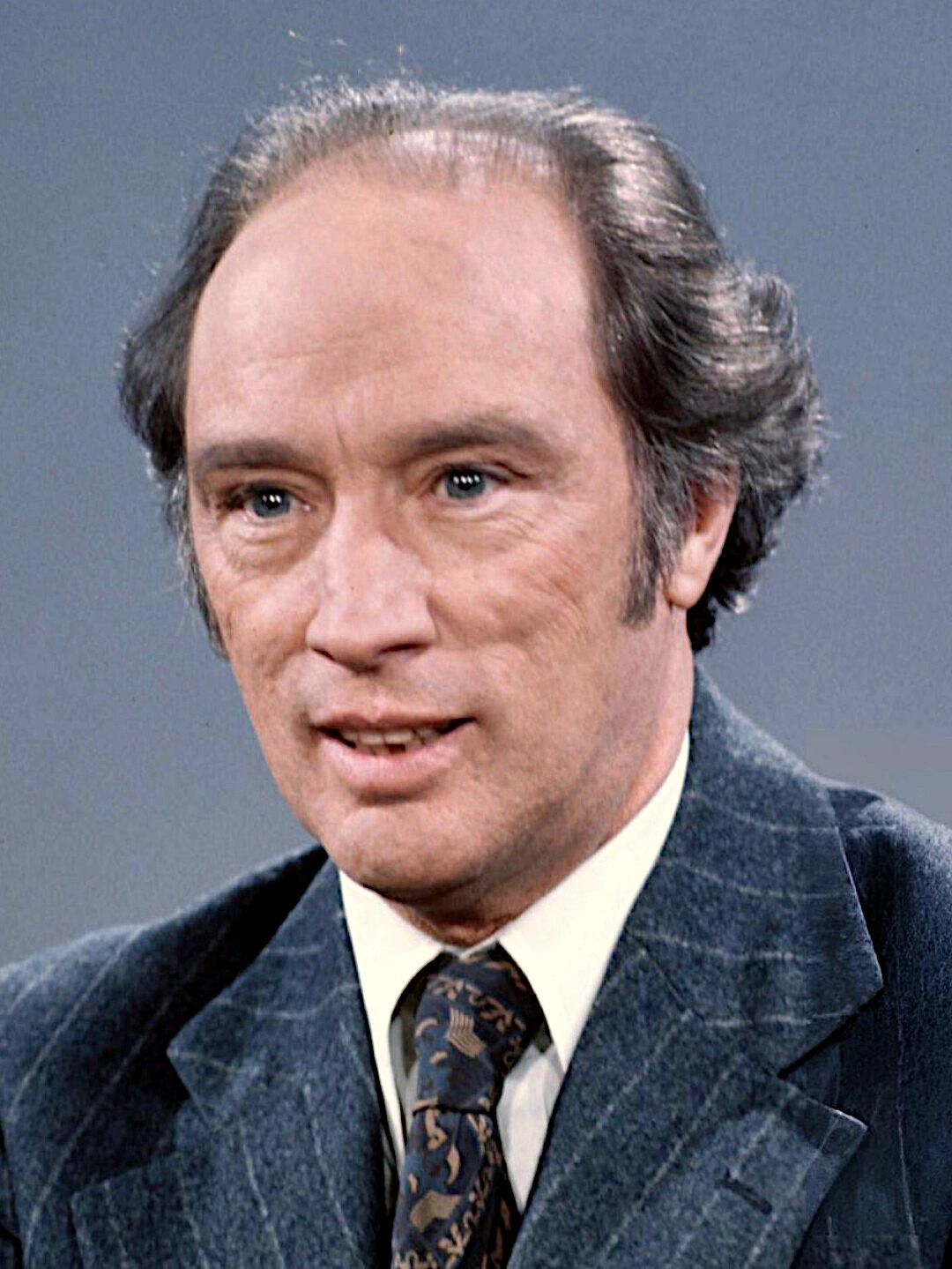
The Official Languages Act is the foundational federal statute that established English and French as the official languages of Canada. Enacted on September 9, 1969, under Prime Minister Pierre Trudeau, the Act grants these two languages equal status in all institutions of the Parliament and Government of Canada. It was a direct response to the findings of the Royal Commission on Bilingualism and Biculturalism, which documented systemic inequities faced by Francophones within the federal administration. The legislation fundamentally reshaped the delivery of government services, the operations of the federal public service, and the legal framework for language rights across the country.
Origins and the Royal Commission
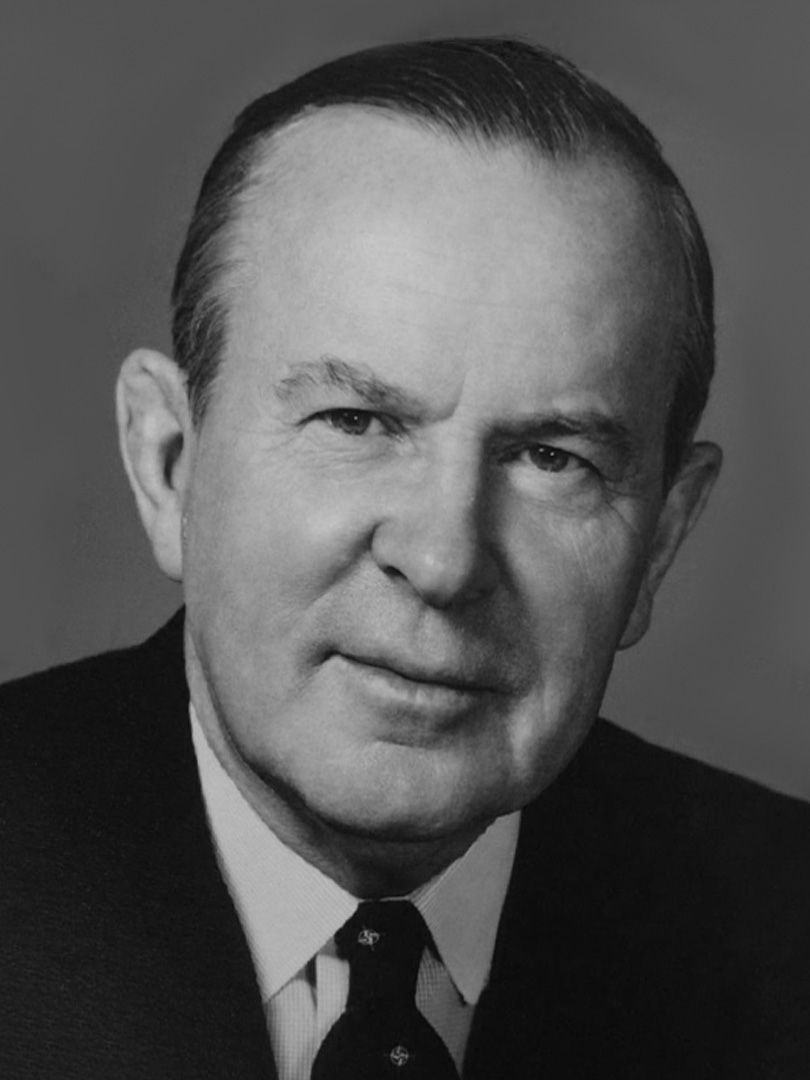
The impetus for the Official Languages Act stemmed from growing national tensions over the status of French within Canadian Confederation. In 1963, Prime Minister Lester B. Pearson established the Royal Commission on Bilingualism and Biculturalism to examine the state of English-French relations. The Commission's extensive reports, issued periodically from 1965 onward, revealed deep disparities. A key finding was that Francophones, who constituted roughly a quarter of Canada's population at the time, occupied only nine percent of jobs within the federal public service. This underrepresentation was symptomatic of a federal administration that operated predominantly in English, creating significant barriers for French-speaking citizens. The Commission concluded that the federal government had to take decisive action to ensure the equality of English and French, not only as a matter of justice but as a necessity for national unity.
Key Provisions of the 1969 Act
The 1969 Official Languages Act was an omnibus statute containing 39 sections that established a comprehensive framework for official bilingualism at the federal level. Its central declaration, in Section 2, made English and French the official languages of Canada for all purposes of the Parliament and Government of Canada. The Act mandated that all Acts of Parliament and their regulations be enacted, made, and published in both languages, with each version holding equal legal authority. It guaranteed Canadians the right to receive available services from federal departments and Crown corporations in either official language where there was significant demand. The Act also secured the right to be heard before federal courts in the official language of one's choice. It began the process of establishing English and French as languages of work within the federal public service, particularly in designated bilingual regions like the National Capital Region. One of its most significant institutional creations was the Office of the Commissioner of Official Languages, an independent officer of Parliament tasked with investigating public complaints, conducting audits, and promoting compliance with the Act.
The Act outlined a system for defining where bilingual services must be offered, a concept later refined by regulations promulgated in 1991. It introduced measures for the federal public service, including designating certain positions as bilingual and offering language training and a bilingualism bonus to encourage public servants to learn their second official language. Part VI of the Act included provisions aimed at preventing discrimination in employment opportunities and advancement based on ethnic origin or first language learned. The legislation also contained transitional provisions, allowing for an orderly adaptation period, and explicitly stated that its provisions did not diminish the status of any non-official languages in Canada.
Provincial Reactions and Legal Challenges
The federal initiative met with a mixed and often resistant response from provincial governments, reflecting the varied linguistic realities across the country. The premiers of the three Prairie provinces challenged the bill's constitutionality in early 1969, requesting a Supreme Court reference, though one was never made. The legal question was settled in 1974 when the Supreme Court ruled in Jones v. Attorney General of New Brunswick that the subject matter was within federal jurisdiction. Provincial policy responses diverged significantly.
- New Brunswick: On April 18, 1969, it became the first and only province to adopt its own Official Languages Act, mirroring the federal policy. Its bilingual status was later constitutionally entrenched in 1993 via Section 16.1 of the Charter.
- Ontario: It enacted the French Language Services Act, which provides for provincial government services in French in certain designated regions but does not grant French equal official language status.
- Manitoba: It refused to overturn its 1890 ban on French in the legislature and courts until forced by the Supreme Court's 1985 ruling in Reference re Manitoba Language Rights, which found the province constitutionally obligated to enact laws in both languages.
- Quebec: Historically generous to its English-speaking minority, Quebec shifted policy in the 1970s with laws like the Charter of the French Language (Bill 101), which strengthened French as the language of work, education, and commerce.
The 1988 Major Overhaul and Bill C-13
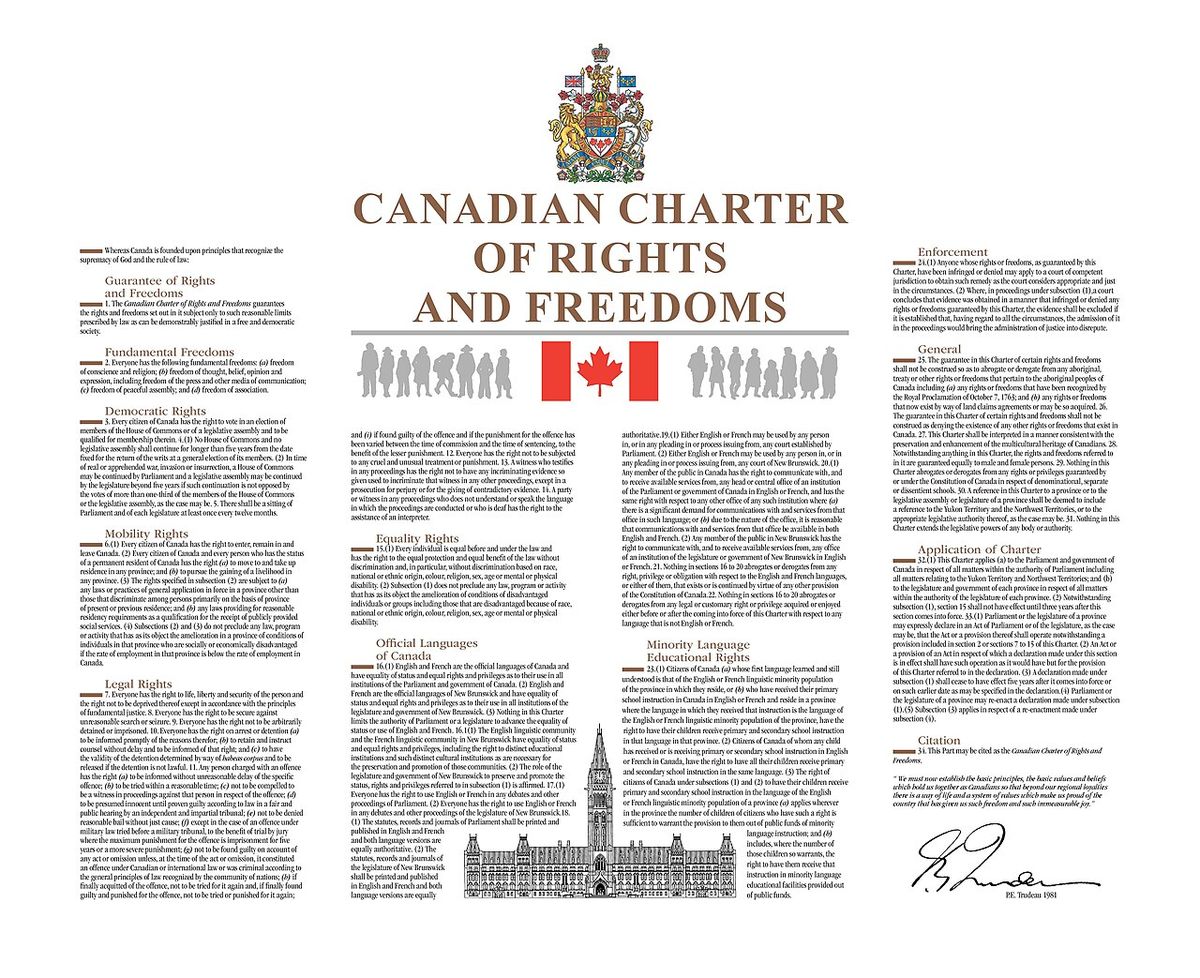
The original 1969 Act was repealed and replaced by a new Official Languages Act in 1988. This major overhaul was driven by two primary objectives. First, it was necessary to update the law to align with and implement the new language rights guarantees in Sections 16 to 23 of the Canadian Charter of Rights and Freedoms, which was enacted in 1982. For instance, Section 20 of the Charter guaranteed the public's right to communicate with federal offices in either language where there was 'significant demand,' a term the 1988 Act sought to define more clearly. Second, the new Act introduced a stronger mandate for the federal government to promote the vitality of official language minority communities, the English-speaking minority in Quebec and French-speaking minorities elsewhere. It established mechanisms for federal-provincial funding agreements to support minority-language education and services, areas typically under provincial jurisdiction. In June 2021, the government introduced a bill to modernize the Act for a digital society. This was followed by Bill C-13, a more comprehensive reform bill tabled in 2022. Bill C-13 passed third reading in the Senate on June 15, 2023, and received royal assent.
Implementation and Public Opinion
Implementation of the Act's provisions, particularly within the public service, has been an ongoing process. In 1978, only 70 percent of positions designated bilingual were filled by individuals who had mastered both languages at accepted levels. By 2004, this figure had improved to 86 percent, as noted by then-Commissioner Dyane Adam. The proportion of bilingual positions in the public service grew from 9 percent in 1969 to 14 percent in 1978 and reached 25 percent by 2004. Public opinion on official bilingualism has evolved and varied regionally. A 1965 poll showed only 17 percent of Canadians outside Quebec supported public funding for French-language schools, a figure that rose to 77 percent by 1977. A 2002 poll found 98 percent of Quebecers considered bilingualism important, compared to 76 percent in Atlantic Canada, 72 percent in Ontario, and 67 percent in the Prairie provinces. A 2016 telephone poll found 88 percent of Canadians somewhat or strongly supported the Act's aims, with support highest in Quebec at 94 percent and lowest in the Prairies at 83 percent. That same year, 67 percent of respondents across Canada said they were personally in favour of bilingualism for all of Canada.
The Commissioner of Official Languages
The Commissioner of Official Languages, created by the 1969 Act, serves as an independent ombudsman and auditor for language rights. Appointed by Parliament, the Commissioner holds the status of a deputy head of a department. The core duties include investigating complaints from the public regarding federal institutions' compliance with the Act, conducting periodic audits and studies, and making recommendations to Parliament and government agencies. The Commissioner also plays a proactive role in promoting linguistic duality and the vitality of official language communities. The office publishes annual reports and special studies that have frequently highlighted gaps in implementation, such as the failure to fill bilingual positions with qualified individuals. The Commissioner's work ensures ongoing scrutiny and advocacy for the principles enshrined in the Official Languages Act.
Debates and Proposals for Expansion
While the Act solidified the status of English and French, it has also been the subject of debates regarding its scope and the exclusion of other languages. The Act explicitly states it does not affect the status of non-official languages, but calls have grown to include Indigenous languages. During his first term, Prime Minister Pierre Trudeau suggested in a Winnipeg speech that if a language like Ukrainian were the mother tongue of 10 percent of the population, steps could be taken to make it official. More recently, former NDP MP Romeo Saganash advocated for all living Indigenous languages to be granted official language status, including the right to use them in the House of Commons and Senate. These proposals highlight the tension between the foundational bilingual framework and Canada's multilingual reality.
Impact and Legacy
The Official Languages Act fundamentally transformed the Canadian state and its relationship with citizens. It legally entrenched the principle of institutional bilingualism, ensuring federal laws, services, and courts operate in both English and French. The Act made the federal public service more representative, gradually increasing Francophone participation and embedding bilingualism as a core competency. Its principles were constitutionally fortified with the Charter of Rights and Freedoms in 1982. While it did not halt the rise of Quebec sovereigntism, with the Parti Québécois gaining power in 1976, it established a durable framework for linguistic rights. The Act shaped a generation of language policies, from New Brunswick's official bilingualism to court-mandated changes in Manitoba. It also fostered the growth of a infrastructure supporting official language minority communities through education and cultural funding. The Act remains a living document, as seen in the ongoing modernization efforts like Bill C-13.
Questions about Official Languages Act
What is the Official Languages Act?
The Official Languages Act is the federal law that made English and French the official languages of Canada. Enacted in 1969, it grants both languages equal status in Parliament, the federal government, and the administration of justice. The Act guarantees Canadians the right to receive federal services and be heard in court in either official language where numbers warrant. It also established the Office of the Commissioner of Official Languages to oversee its implementation.
Why was the Official Languages Act created?
The Act was created to implement policy objectives from the Royal Commission on Bilingualism and Biculturalism. The commission reported on inequitable treatment of English and French speakers by the federal administration. A key finding was that Francophones, who formed a quarter of the population, held only nine percent of federal public service jobs. The government of Pierre Trudeau introduced the Act to address these disparities and give French and English equal status in government.
How did provinces react to the Official Languages Act?
Provincial reactions were mixed. New Brunswick adopted its own Official Languages Act in 1969. Ontario enacted the French Language Services Act but did not grant French official status. Manitoba resisted until a 1985 Supreme Court ruling forced it to provide laws and services in French. Quebec passed laws like Bill 101 to strengthen French. The Prairie provinces initially questioned the federal law's constitutionality.
Has the Official Languages Act been changed?
Yes, the Official Languages Act was repealed and replaced by a new Act in 1988 to incorporate language rights from the Canadian Charter of Rights and Freedoms. The 1988 Act also introduced a mandate to promote official language minority communities. The Act is regularly amended. Bill C-13, a comprehensive modernization bill, passed the Senate in June 2023 and received royal assent.
Do all federal government jobs require bilingualism?
No, not all federal jobs require bilingualism. The Act designates certain positions as bilingual based on their duties and location, particularly in bilingual regions like the National Capital Region. In 2004, about 25 percent of federal public service positions were designated bilingual. The government provides language training and a bilingualism bonus to employees in designated positions who meet the language requirements.
What is the Commissioner of Official Languages?
The Commissioner of Official Languages is an officer of Parliament created by the Official Languages Act. The Commissioner is charged with receiving complaints from the public, undertaking inquiries, and making recommendations regarding the status of English and French. This role was established to protect language rights and ensure federal compliance with the Act. For example, in a 2004 report, Commissioner Dyane Adam noted that 86 percent of designated bilingual posts were filled by persons who had mastered both languages.
Sources and further reading
- Official Languages Act (Wikipedia)
- Official Languages Act Education Guide (historicacanada.ca)
- Official Languages Act (1969) (thecanadianencyclopedia.ca)
Checked by the Nosy Mag desk. Last updated 2026-10-23.