Cribbage
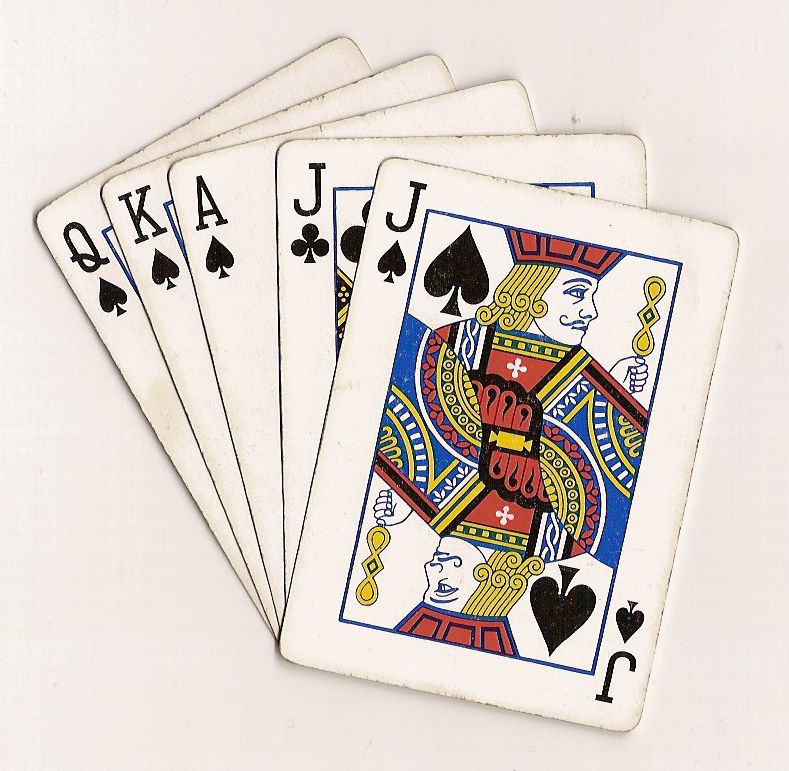
Cribbage is a classic card game for two to four players that combines elements of chance and strategy, traditionally played with a distinctive scoring board and pegs. The objective is to be the first player to score a target number of points, typically 61 or 121, by forming specific card combinations during two distinct phases: the play and the show. Invented in early 17th-century England, cribbage has endured for centuries and maintains a strong following in Canada and across the English-speaking world as a popular pub and family game. Its unique scoring system, centred on card groupings that total fifteen, and its fast-paced play make it a compelling blend of tactical skill and luck.
History and Origins
The game of cribbage was invented in the early 17th century by the English poet Sir John Suckling, who derived it from an older game called noddy. The earliest known rules for cribbage were published in England in 1662 by John Cotgrave, with subsequent publications by Francis Willughby in 1672 and Charles Cotton in 1674. Cribbage evolved from noddy by adding the distinctive crib, or extra hand for the dealer, and altering the scoring system to emphasize combinations that total fifteen. The Victorian novelist Charles Dickens helped cement the game's popularity by depicting it in his novel The Old Curiosity Shop. The game spread widely with British and American culture, becoming a favourite pastime among prospectors in the American West and serving as a common game on American submarines, where a historic cribbage board from World War II commander Rear Admiral Dick O'Kane is still passed between vessels.
The ancestor game, noddy, was played with only three cards dealt to each player and had no crib, with game play to 31 points. Another relative, costly colours, also used three-card hands and retained the original noddy scoring for points at 15, 25, and 31, but added points for cards of the same suit. Cribbage's distinct identity was secured by the 19th century, and it was characterized as Britain's national card game. Its portability and social nature ensured its survival and adaptation into the modern era, including digital formats.
Game Equipment and Setup
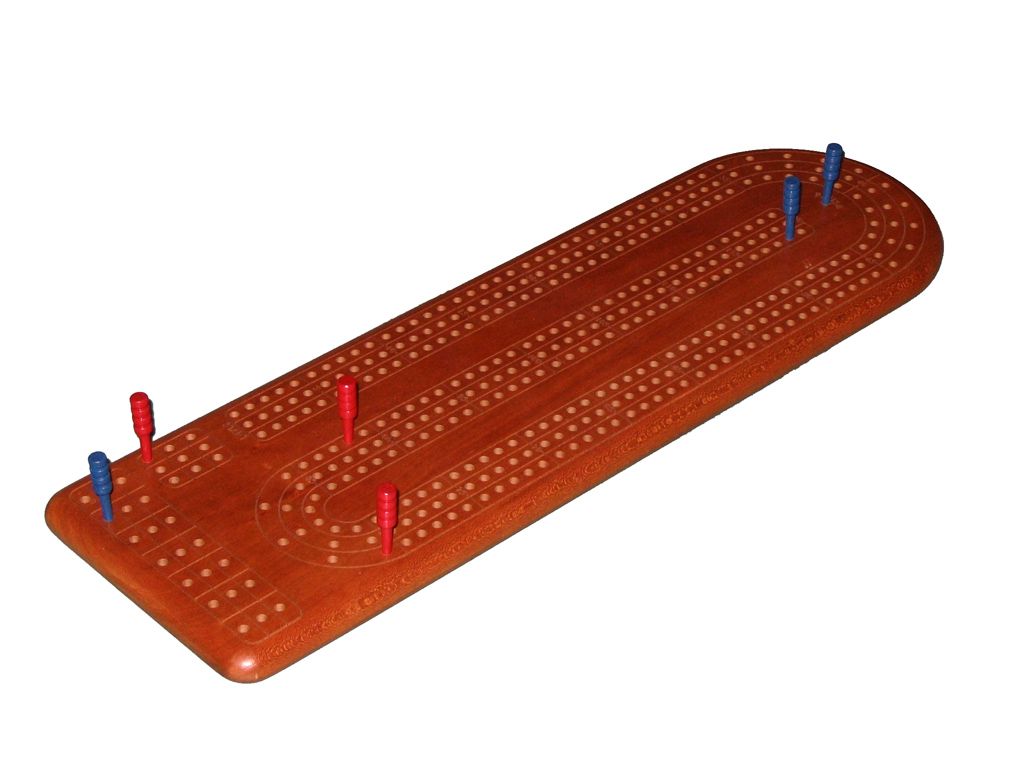
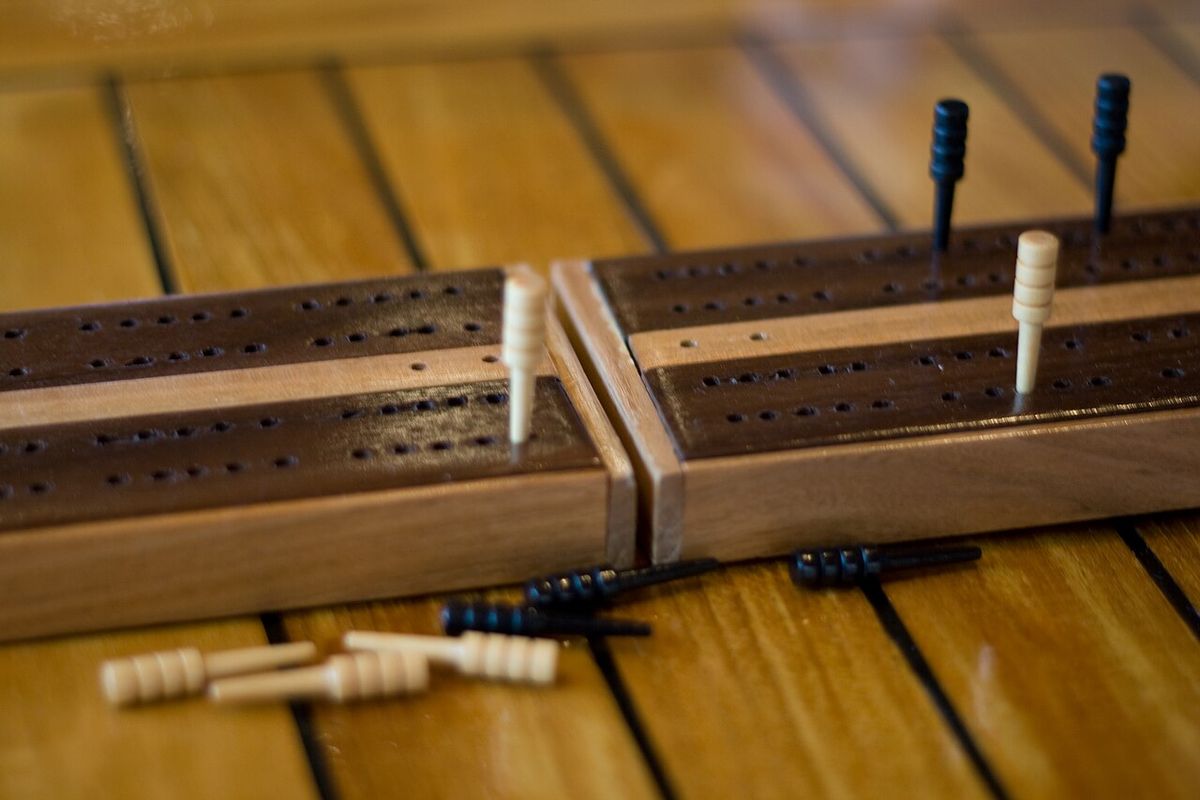
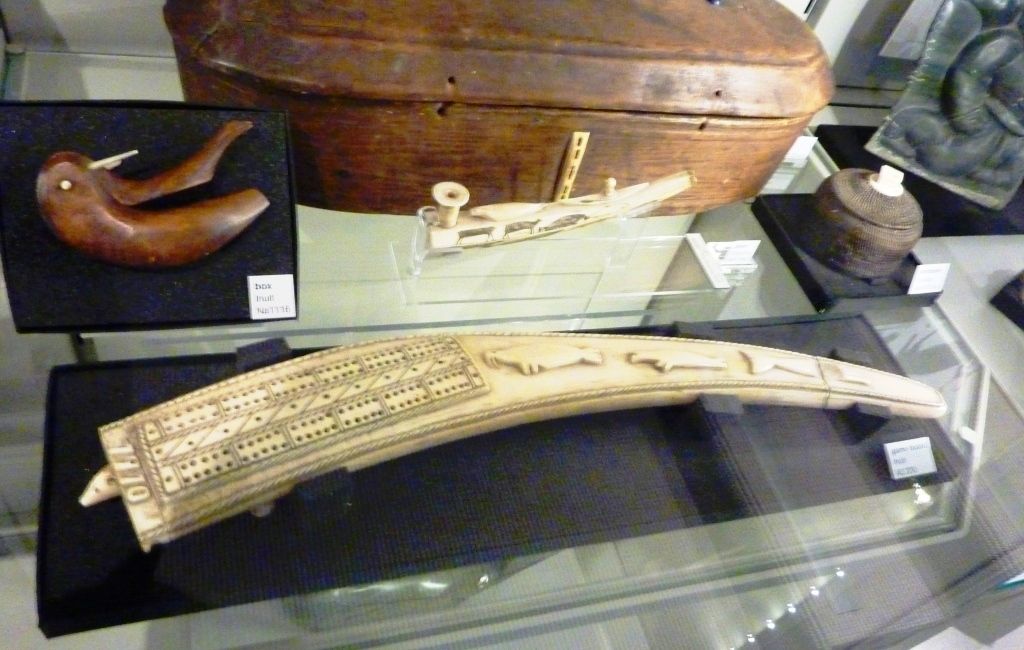
Cribbage requires a standard 52-card deck and a cribbage board for scoring. The board is a defining feature of the game, with holes arranged in rows for tracking points using two pegs per player in a leapfrog fashion. Classic boards are wooden and flat with two tracks of 60 holes each for a 121-point game, while modern designs often feature a continuous 'paperclip' shape of 120 holes. Some novelty boards are shaped like the number 29, referencing the highest possible hand score. To begin a two-player game, players cut the deck to determine the first dealer, with the player cutting the lowest card dealing first. The dealer shuffles and deals six cards to each player. Each player then selects four cards to keep and discards two face-down to form the 'crib', an extra hand that belongs to the dealer. The non-dealer cuts the remaining deck, and the dealer reveals the top card of the lower half as the 'starter' card.
Different board designs have emerged over time. The classic flat wooden board is approximately 250 to 300 mm by 70 to 80 mm and contains two sets of 60 holes. An older design uses an equilateral triangle with two rows of forty holes on each side. The modern paperclip-shaped board with three or four rows of 120 holes is best suited for 121-point games. Each of the four 30-point segments on a standard board is colloquially called a 'street', such as first street for points 1 to 30. The board's primary function is to provide a reliable and visible score track, as points are scored continuously throughout the hand, not just at the end.
Rules of Play and Scoring
A game of cribbage proceeds through three stages: the deal, the play, and the show. Points can be scored at any stage, and the game ends immediately when a player reaches the target score, usually 61 or 121. If the starter card turned up by the dealer is a jack, the dealer immediately scores two points, known as 'two for his heels'. The play phase begins with the non-dealer laying a card face up and announcing its value, with face cards counting as ten and aces as one. Players alternate, each adding a card to a running total that must not exceed 31. Points are scored during play for specific combinations created by the sequence of cards laid.
Players peg points on the board for the following achievements during the play. A player who plays a card making the running total exactly fifteen scores two points. Playing a card of the same rank as the previous card scores two points for a pair, six points for a third of a kind, and twelve points for a fourth of a kind. Completing a run of three or more consecutive cards, regardless of the order played, scores one point per card in the run. If a player cannot play without exceeding 31, they say 'Go', and the opponent continues playing if possible. The player who lays the last card before the count is reset scores one point, or two points if the total is exactly 31.
- Fifteen: Playing a card to make the count 15 scores 2 points.
- Pair: Playing a card matching the previous rank scores 2 points.
- Three of a Kind: Playing a third matching card scores 6 points.
- Four of a Kind: Playing a fourth matching card scores 12 points.
- Run: Completing a sequence of 3 or more cards scores 1 point per card.
- Go: The last card played before the count resets scores 1 point.
- Thirty-One: Playing a card to make the count exactly 31 scores 2 points.
After all cards are played, the show phase begins for counting hands. The non-dealer counts their hand first, followed by the dealer counting their hand, and finally the dealer counts the crib. In all counts, the starter card acts as a fifth card. Points are scored for every distinct combination of cards that total fifteen (2 points each), for pairs (2 points each), and for runs of three or more cards (1 point per card). A four-card flush, where all four cards in a player's hand are the same suit, scores 4 points, or 5 points if the starter card is also the same suit. A jack in the hand that matches the suit of the starter card scores 1 point for 'his nobs'. The crib can only score a five-card flush, requiring all four crib cards and the starter to be the same suit.
The scoring during the show allows for complex combinations. A double run, such as A-A-2-3, scores 8 points for a run of three. A triple run, like A-A-A-2-3, scores 15 points. A double-double run, such as A-A-2-2-3, scores 16 points. All scores from 0 to 29 are possible except for 19, 25, 26, and 27, which is why a hand scoring zero is often jokingly called a 'nineteen hand'. The optional Muggins rule allows an opponent to claim any points a player overlooks during their turn, adding a layer of attentiveness to the game.
Strategy and Tactical Considerations
While cribbage involves luck in the deal, skilled play significantly influences the outcome. Two primary strategic elements are discarding to the crib and tactical play during the pegging phase. When discarding, the dealer aims to put cards in their own crib that have high point potential, often favouring pairs, cards close in rank for runs, and fives. The non-dealer, or pone, typically discards defensively, choosing cards that are less likely to combine well in the opponent's crib. During the play, experienced players sequence their cards to maximize pegging opportunities while limiting their opponent's chances. This involves calculating the odds of what cards remain and anticipating an opponent's possible replies. Positioning on the board is also critical, as being ahead can allow for more conservative play, while being behind may necessitate riskier discards and aggressive pegging to catch up.
Good pegging, or pegsmanship, refers to the skill of ordering card play to score points during the play phase while denying them to the opponent. Players must consider not only the immediate points from a fifteen or pair but also the potential to create a long run or force a 'Go' situation. The relative positions of the pegs on the board inform decisions on risk. A player far behind may need to play for a large hand score, while a player narrowly ahead might prioritize safe plays that avoid giving up easy pegging points. The game's depth comes from these constant small calculations, making it more than a simple game of card combinations.
Common Variations and Formats
While the standard two-player game to 121 points is most common, several variations exist. A shorter game to 61 points is often played when time is limited. Three- and four-player versions are also popular, with each player receiving five cards and discarding one to the crib. In a four-player game, partners are often used, with teammates sitting opposite each other and combining their scores. The optional 'Muggins' rule is widely used, allowing an opponent to claim any points a player fails to peg during their turn. Match play involves multiple games, with points awarded for wins and for particularly lopsided victories known as skunks. A 'skunk' occurs when the loser scores 90 points or fewer, a 'double skunk' for 60 or fewer, and a 'triple skunk' for 30 or fewer, which may constitute an automatic match win depending on local rules.
| Variant | Cards Dealt | Target Score | Key Feature |
|---|---|---|---|
| Standard Two-Player | 6 | 121 | Discard 2 to crib |
| Three-Player | 5 | 121 | Single card dealt to crib |
| Four-Player (Partners) | 5 | 121 | Teammates combine scores |
| Short Game | 6 | 61 | Faster play |
Match scoring follows specific conventions. In a two-player match, a player scores one match point for a game win. A skunk awards two match points, a double skunk awards three or four, and a triple skunk often results in an automatic match win. These match points are tracked on the cribbage board using special holes reserved for that purpose. The existence of organized bodies like the American Cribbage Congress (ACC) has helped standardize rules for tournament play, while more whimsical variants like the 13-card Calvinball cribbage, which can take 20 minutes per hand, exist on the fringe.
Cribbage in Canada and Online Play
Cribbage holds a cherished place in Canadian game culture, enjoyed in homes, cottages, and community centres across the country. Its portable nature makes it ideal for travel, camping, and casual social gatherings. The game's blend of simple rules and strategic depth appeals to players of all ages. In the digital age, cribbage has found a substantial online presence. As of November 2026, one major online card game site reported over 170,000 games of cribbage played. These platforms allow players to compete against computer opponents or challenge other people in public or private tables. Online play often includes interactive tutorials, automatic scoring, and the ability to note skunk victories, helping new players learn the game's intricacies.
Online platforms facilitate various forms of play. Players can host a private table by generating a link to share with a friend, ensuring a two-player game. They can also join public tables or practice immediately against a computer bot. The automation handles the scoring and enforces rules, which is particularly helpful for beginners learning the count for fifteens and runs. The existence of clubs and tournaments, both in person and online, continues to support a dedicated cribbage community. The game's adaptability from physical boards to digital interfaces demonstrates its enduring appeal.
- Public Tables: Join open games against other online players.
- Private Tables: Create a named table and share a link to play with a friend.
- Bot Opponents: Practice against a computer player with immediate start.
- Automatic Scoring: The system calculates points for fifteens, pairs, and runs.
- Game Statistics: Sites track total games played, with over 170,000 recorded.
- Tutorials: Interactive guides walk players through a real hand.
Notable Hands and Scoring Facts
The highest possible score in a cribbage hand is 29 points, an exceptionally rare combination. This perfect hand consists of three fives and a jack, with the fourth five as the starter card and the jack matching the starter's suit. The score is derived from eight combinations of fifteen (16 points), six pairs (12 points), and one point for the matching jack. Conversely, a hand scoring zero points is colloquially called a 'nineteen hand', as the scores of 19, 25, 26, and 27 are impossible to achieve in standard cribbage. The concept of 'level pegging', meaning a tied score, originates from the visual of the two players' pegs being side-by-side on the board. Skilled players often memorize common hand values and scoring combinations to speed up play and improve their strategic decisions during the discard phase.
Other notable scoring facts involve the play phase. A 'pair royal' for three of a kind scores 6 points because it represents three distinct pairs. A 'double pair royal' for four of a kind scores 12 points for six distinct pairs. The original game of noddy scored differently for hitting 15 or 31, awarding points equal to the number of cards making up the total rather than a flat two points. Understanding these scoring nuances is key to advanced play, as is recognizing that the game can end on any turn, including during the deal if a jack is cut for starter, awarding the dealer two points to reach the target.
Organizations and Tournament Play
Formal cribbage play is often organized through national bodies that standardize rules and host competitions. The American Cribbage Congress (ACC) is the primary governing body in the United States, providing official rules for tournament play, including the stipulation that a flush in the crib must be a five-card flush. In the United Kingdom, the UK Cribbage Association serves a similar role. Tournament play typically involves match formats where players compete over multiple games, with match points tracked on the board. Large annual tournaments attract dedicated players, and the game has even inspired proposals for new organizations, such as a hypothetical Calvinball Cribbage Congress (CCC) for fans of extended variants.
Tournament cribbage imposes structure and time limits on play. In standard ACC events, players are often expected to complete a 6-card cribbage game within a 15-minute timeframe to maintain the schedule of a large tournament. This contrasts with more leisurely home play or complex variants like 13-card cribbage, which can take significantly longer. The equipment used in tournaments is also specific. Specialized boards, sometimes costing around $75 USD for a standard tournament-sized board from a maker like CreativeCrafthouse, are common. The proposal for a CCC tournament humorously suggested Reno, Nevada as a potential host city, highlighting the game's reach into competitive gaming circles.
- American Cribbage Congress (ACC): Sets official tournament rules in the United States.
- UK Cribbage Association: The governing body for cribbage in the United Kingdom.
- Tournament Time Limits: A 6-card game is often played within 15 minutes.
- Official Rule: A crib flush requires all five cards (four crib + starter).
- Tournament Boards: Often sourced from specific makers like CreativeCrafthouse.
- Match Points: Scored separately on the board to track multi-game matches.
- Major Tournaments: Held annually, such as proposed CCC event in Reno.
Questions about Cribbage
How do you win at cribbage?
You win a game of cribbage by being the first player to score the target number of points, which is typically 61 or 121. Points are scored during two main phases: the play, where you peg points by playing cards to a running count, and the show, where you count points from combinations in your hand and, if you are the dealer, in the crib. The game ends immediately when a player reaches or exceeds the target score, even if it happens in the middle of a hand. Victory requires a mix of strategic discarding, tactical card play, and efficient counting of your hand.
What is a cribbage board used for?
A cribbage board is a specialized device used to keep score throughout the game. It features a series of holes arranged in rows, and each player uses two pegs to mark their points in a leapfrog fashion. This method provides a clear, permanent record of the score and helps prevent errors, as one peg marks the previous score while the other marks the new total. Boards are designed for games to 61 or 121 points and are a traditional and almost universal piece of cribbage equipment, adding to the game's distinctive character.
Can you play cribbage online for free?
Yes, many websites and apps offer free online cribbage. These platforms allow you to play against a computer opponent or challenge other players from around the world. As of November 2026, one popular site reported over 170,000 games played. Features often include public tables, the ability to create private tables to play with friends, automatic scoring, and tutorials. Online play is an excellent way to practice, learn strategy, and enjoy the game without needing physical cards or a board.
What is the highest possible hand in cribbage?
The highest possible hand in cribbage scores 29 points. This requires a player to hold three fives and a jack in their hand, and for the starter card to be the remaining five of a different suit, with the jack in the hand matching the suit of that starter five. The score is calculated as 16 points from eight distinct combinations that total fifteen, 12 points from the six pairs formed by the four fives, and 1 point for 'his nobs' from the jack matching the starter's suit. This hand is extremely rare.
What does 'skunk' mean in cribbage?
In cribbage, a 'skunk' is a lopsided victory where the winner reaches 121 points before their opponent has scored 91 points. This means the loser finishes with 90 points or fewer. A 'double skunk' occurs if the loser has 60 points or fewer, and a 'triple skunk' if they have 30 or fewer. While not part of the official rules for a single game, these terms are often used in casual play or match formats to denote a decisive win, and in some cases, award extra match points for such victories.
How long does a game of cribbage take?
A standard two-player game of cribbage to 121 points typically takes between 15 and 30 minutes, depending on the players' experience and speed of play. A shorter game to 61 points can be completed in even less time. More complex variants, like a 13-card cribbage game, can take significantly longer, with reports indicating a single hand lasting about 20 minutes. The game's relatively quick pace, combined with its strategic depth, contributes to its enduring popularity as a casual pastime.
Sources and further reading
- Cribbage (Wikipedia)
- Cribbage, Online & Free | Play Classic Card Games (worldofcardgames.com)
- How to Play Cribbage: Step-by-Step Guide (gldproducts.com)
- 13 Card Cribbage to Ring in the New Year 2026! - Go Retire Psychiatrist (retirepsychiatrist.com)
- Cribbage (bicyclecards.com)
Checked by the Nosy Mag desk. Last updated 2026-11-09.