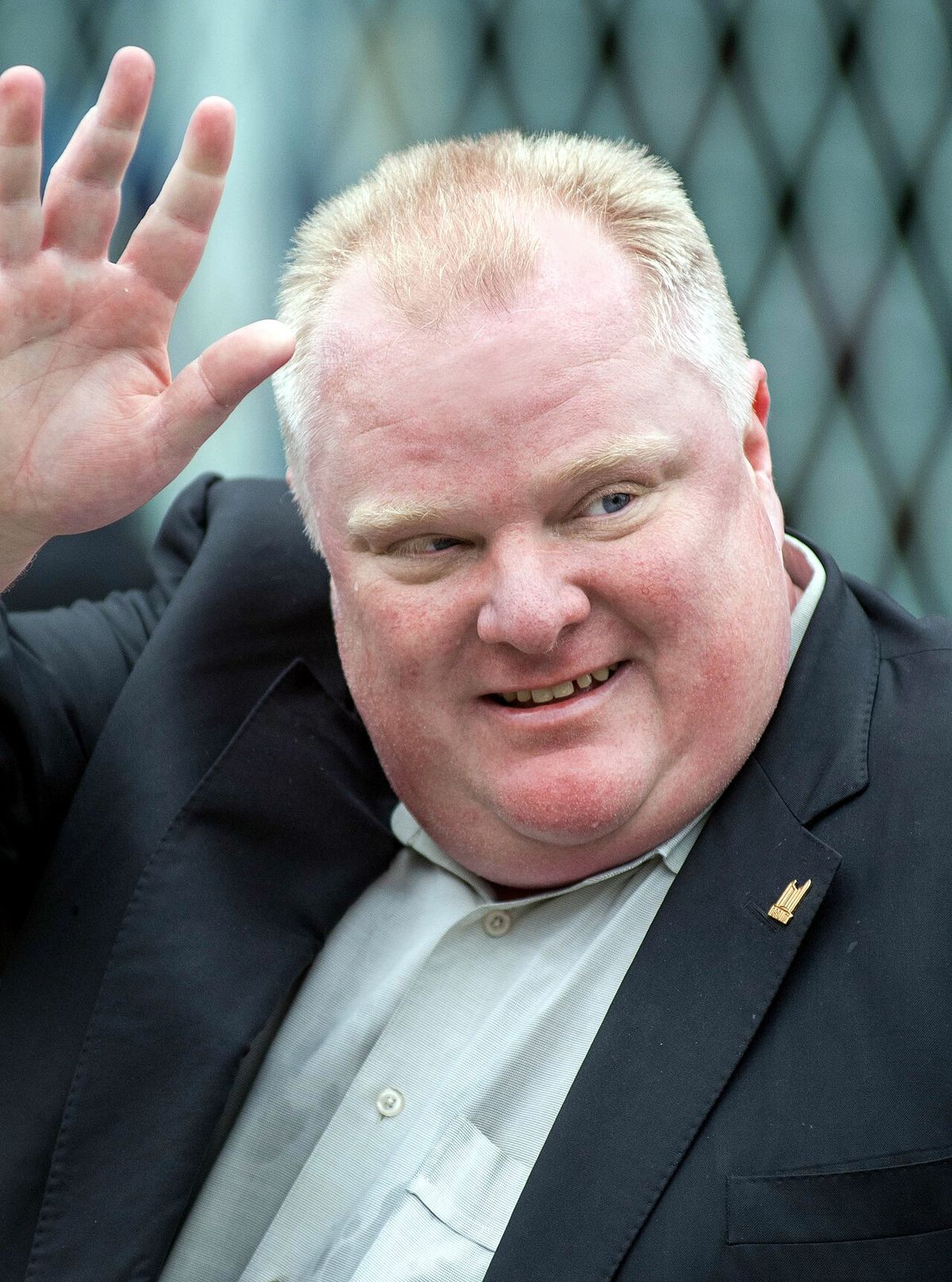
Avi Lewis
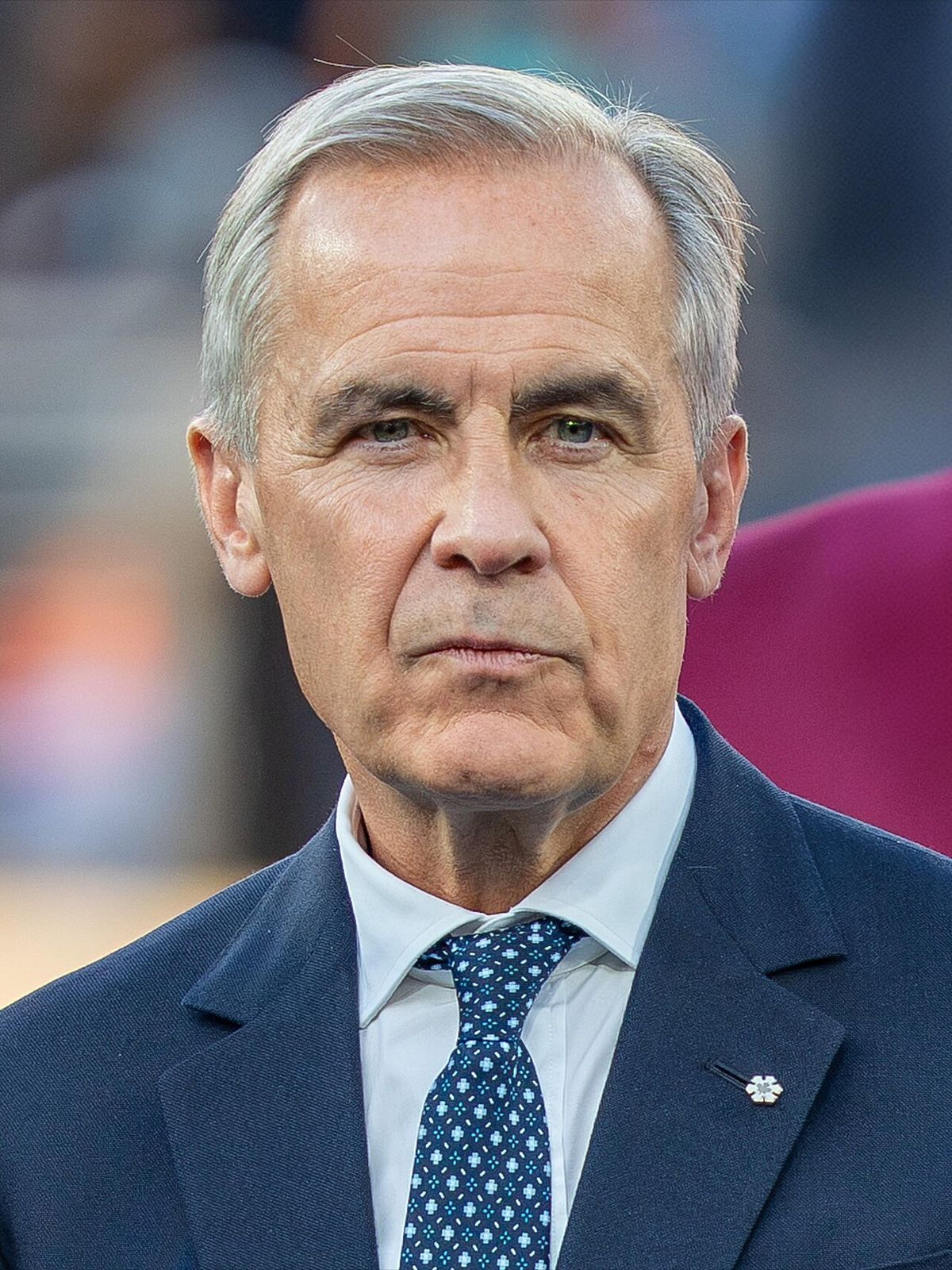
Avi Lewis is a Canadian politician, documentary filmmaker, and journalist who has served as the leader of the New Democratic Party (NDP) since March 2026. A prominent figure on the Canadian left, Lewis brings a background in media, activism, and academia to federal politics, advocating for a socialist policy platform centred on a Green New Deal, public ownership, and wealth redistribution. His election as party leader marked a significant shift for the NDP, which he leads from outside Parliament as it holds a reduced caucus of only five seats. Lewis's tenure has been defined by his outspoken positions on climate policy, Palestinian rights, and economic justice, which have both energized the party's base and provoked criticism from within the broader NDP family and the Jewish community.
Early life and family political legacy
Avram David Lewis was born in Toronto in May 1967 into a family with a deep and storied history in Canadian social democratic politics. His paternal grandfather, David Lewis, served as the national leader of the New Democratic Party from 1971 to 1975. His father, Stephen Lewis, was the leader of the Ontario NDP from 1970 to 1978 and later served as Canada's ambassador to the United Nations. His mother is the journalist and author Michele Landsberg. This lineage extends further back to his great-grandfather, Morris Lewis, a Polish-Jewish Bundist who fled political persecution in Europe and settled in Montreal in 1921. Lewis has two siblings, casting director Jenny Lewis and human rights activist Ilana Landsberg-Lewis. He was educated at Jarvis Collegiate Institute and Upper Canada College before graduating with a Bachelor of Arts from University College at the University of Toronto in 1988. The political legacy of his family profoundly shaped his worldview and future career path, embedding a commitment to social justice from an early age.
Broadcasting and documentary filmmaking career
Lewis established his public profile through a successful career in television journalism and documentary filmmaking that spanned over two decades. From 1998 to 2001, he hosted the CBC Newsworld debate program CounterSpin, presiding over hundreds of discussions. He later hosted CBC programs The Big Picture with Avi Lewis and On the Map with Avi Lewis, a daily international news commentary show. In 2009, he became a co-host of Al Jazeera English's investigative program Fault Lines, examining the United States' role in global affairs.
Parallel to his broadcasting work, Lewis directed several acclaimed documentary films, often in collaboration with his wife, author Naomi Klein. Their 2004 film The Take chronicled Argentina's worker-recovered factory movement and won the International Jury Prize at the American Film Institute festival. In 2015, Lewis directed This Changes Everything, a feature-length documentary based on Klein's book, which placed second in audience voting at the Toronto International Film Festival. He also co-wrote the short films A Message from the Future (2019) with Alexandria Ocasio-Cortez and its 2020 sequel, which were nominated for a News and Documentary Emmy Award. This body of work consistently focused on themes of economic democracy, climate justice, and grassroots resistance.
Academic work and the Leap Manifesto
Lewis complemented his media career with academic appointments, teaching as a lecturer in journalism at Rutgers University and as an associate professor in the geography department at the University of British Columbia. At UBC, he taught courses on climate justice, social change, and documentary filmmaking. His most significant pre-political activism was the co-creation of the Leap Manifesto in September 2015. Developed with Naomi Klein and other activists, the manifesto called for a radical, justice-based transformation of the Canadian economy to address climate change, inequality, and colonialism. The document's call to leave fossil fuels in the ground drew sharp criticism from the Alberta NDP government under Premier Rachel Notley. At the 2016 federal NDP convention, Lewis spearheaded a motion for the party to endorse the manifesto, though it was ultimately referred to constituency associations for further debate. In 2017, he helped launch The Leap, an organization dedicated to promoting the manifesto's vision, which was a key convenor of Canada's Pact for a Green New Deal in 2019 before ceasing operations in 2021.
Entry into electoral politics and leadership ascent
Lewis first entered electoral politics as the NDP candidate for West Vancouver, Sunshine Coast, Sea to Sky Country in the 2021 federal election. Despite endorsements from figures like David Suzuki and Jane Fonda, he placed third, though he achieved the party's best-ever result in that riding. He ran again in the 2025 election in Vancouver Centre, where he also finished third as the NDP suffered a catastrophic loss, reduced to just five seats and losing official party status. Following this defeat, Lewis launched his campaign for the party leadership on September 19, 2025, under the slogan for the many, not the money. His platform promised a Canadian Green New Deal, a wealth tax, public options in key sectors, a million public housing units, and the expansion of Medicare. On March 29, 2026, at the party convention in Winnipeg, Lewis was elected leader on the first ballot with 56 percent of the vote, becoming the first NDP leader to have never held elected office. His father, Stephen Lewis, died just two days after his victory.
Tenure as NDP leader and political strategy
Since his election, Lewis has led the NDP from outside the House of Commons, choosing not to immediately seek a seat in several 2026 by-elections. One of his first acts was a shadow cabinet shuffle on April 10, 2026, where he named Don Davies as parliamentary leader and Heather McPherson as House leader. His leadership began amid internal party tension, as the Alberta NDP leader Naheed Nenshi and Saskatchewan NDP leader Carla Beck publicly distanced their provincial wings from Lewis's federal party, criticizing his opposition to new fossil fuel developments as unrealistic. Lewis has maintained a public focus on opposition to government legislation, holding a news conference on Parliament Hill in October 2026 to outline his party's opposition to Bill C-39. His strategy appears centred on movement-building and public campaigning rather than parliamentary manoeuvring, reflecting his background as an activist and communicator. He continues to live in Vancouver with his family while leading the federal party.
Political positions and policy platform
Lewis describes himself as a socialist and his policy platform represents a pronounced shift to the left within the NDP. On economic policy, he advocates for a wealth tax of one to three percent on the top one percent of earners, a corporate profits tax, and an end to subsidies for the oil and gas sector. He champions the creation of public options for groceries, telecommunications, and pharmaceuticals, and proposes a public home builder to construct a million units of non-market housing. His housing policy includes a national cap on rent increases and stronger protections against renovictions. For healthcare, Lewis supports expanding the public system to include universal pharmacare, and dental, vision, hearing, and mental health care. On climate, he proposes investing two percent of Canada's GDP to fight climate change and implementing a windfall profits tax on oil and gas companies. He is also a vocal pro-choice advocate, calling for equal abortion access across the country.
Views on Israel, Palestine, and antisemitism
Lewis's views on Israel and Palestine have been among the most controversial aspects of his political career. He identifies as an anti-Zionist and is a member of Independent Jewish Voices Canada. During the leadership campaign, he stated his aim to unlearn and unpack the Zionist myths and described Zionism as linked to the ethnic cleansing of Palestine. These statements drew strong criticism from Jewish community organizations. The Centre for Israel and Jewish Affairs (CIJA) stated it received his election with a deep sense of sadness, arguing his rhetoric tells Jewish Canadians a core part of their identity is illegitimate. In October 2025, Lewis co-authored a report accusing CIJA of anti-Palestinian racism and genocide denial. A post by Lewis on the eve of Yom Kippur in September 2026, in which he reflected on failing to stop a genocide committed in our name, was condemned by Liberal MPs Anthony Housefather and Ben Carr, who said it wrongly held Jewish people collectively responsible. Lewis has acknowledged that antisemitism is rising in Canada but has dismissed criticism of his own statements.
Personal life
Avi Lewis is married to the award-winning journalist, author, and activist Naomi Klein. The couple has one son, Toma, and a dog named Smoke. They reside in Vancouver, British Columbia. His family's history was explored in a 2001 CBC Life & Times episode titled The Lewis Family and in a 2008 episode of Who Do You Think You Are? where his genealogical search was featured. His personal and professional partnership with Klein has been central to both his documentary work and his political activism, most notably in the creation of the Leap Manifesto.
Questions about Avi Lewis
When was Avi Lewis elected NDP leader?
Avi Lewis was elected leader of the New Democratic Party on March 29, 2026, at the party's convention in Winnipeg. He won on the first ballot, securing 39,734 votes, which represented 56 percent of the total vote. His main competitor was Heather McPherson, who received 29 percent. Lewis became the first person to lead the federal NDP without having previously held elected office.
What is Avi Lewis's background before politics?
Before entering politics, Avi Lewis had a long career as a television journalist, documentary filmmaker, and academic. He hosted programs for MuchMusic, CBC News, and Al Jazeera English, including CounterSpin, On the Map, and Fault Lines. He co-directed the documentaries The Take and This Changes Everything with his wife Naomi Klein. Lewis also taught as an associate professor at the University of British Columbia and as a lecturer at Rutgers University.
What are Avi Lewis's main political policies?
Lewis describes himself as a socialist and advocates for a policy platform he calls a Canadian Green New Deal. His key economic policies include implementing a wealth tax on the top one percent, creating public options for groceries, telecommunications, and pharmaceuticals, and building one million public housing units. He supports expanding healthcare to include universal pharmacare, dental, vision, and mental health care. On environmental issues, he advocates for investing two percent of Canada's GDP into fighting climate change and supports a windfall profits tax on the oil and gas sector. He also proposes a national cap on rent increases and a moratorium on AI data centre construction.
Has Avi Lewis ever been an MP?
No, Avi Lewis has never been a Member of Parliament. He was a candidate for the New Democratic Party in the 2021 and 2025 federal elections but was not elected, finishing in third place in both races. Following his election as NDP leader in March 2026, he chose not to immediately seek a seat in the House of Commons through the scheduled by-elections that year. Consequently, he leads the party from outside Parliament without prior experience as an elected official.
What is the Leap Manifesto and what is Avi Lewis's connection to it?
The Leap Manifesto is a policy framework launched in 2015 that calls for a rapid, justice-based transition off fossil fuels while addressing inequality and colonialism. Avi Lewis co-wrote the manifesto with his wife Naomi Klein and other activists. In 2016, he led an effort to have the NDP adopt it at its convention, though the motion was only sent to constituencies for debate. He later helped found The Leap organization to promote its vision until 2021.
Why has Avi Lewis been controversial regarding Israel and antisemitism?
Avi Lewis has been controversial due to his views on Israel and Zionism, as he identifies as an anti-Zionist and is a member of Independent Jewish Voices Canada. He has consistently described Israel's military actions in Gaza following the October 7 attacks as a genocide. During his leadership campaign, he stated he sought to unlearn Zionist myths and described Zionism as linked to the ethnic cleansing of Palestine. Major Jewish organizations like the Centre for Israel and Jewish Affairs have criticized his statements, arguing they delegitimize a core part of Jewish identity for many. In September 2026, a post he made on the eve of Yom Kippur led to accusations from some Liberal MPs that he was holding Jewish people collectively responsible for Israel's actions, which aligns with a potential indicator of antisemitism in the federal government's definition.
Sources: Wikipedia and current public reporting, checked by the Nosy Mag desk. Last updated 2026-10-19.