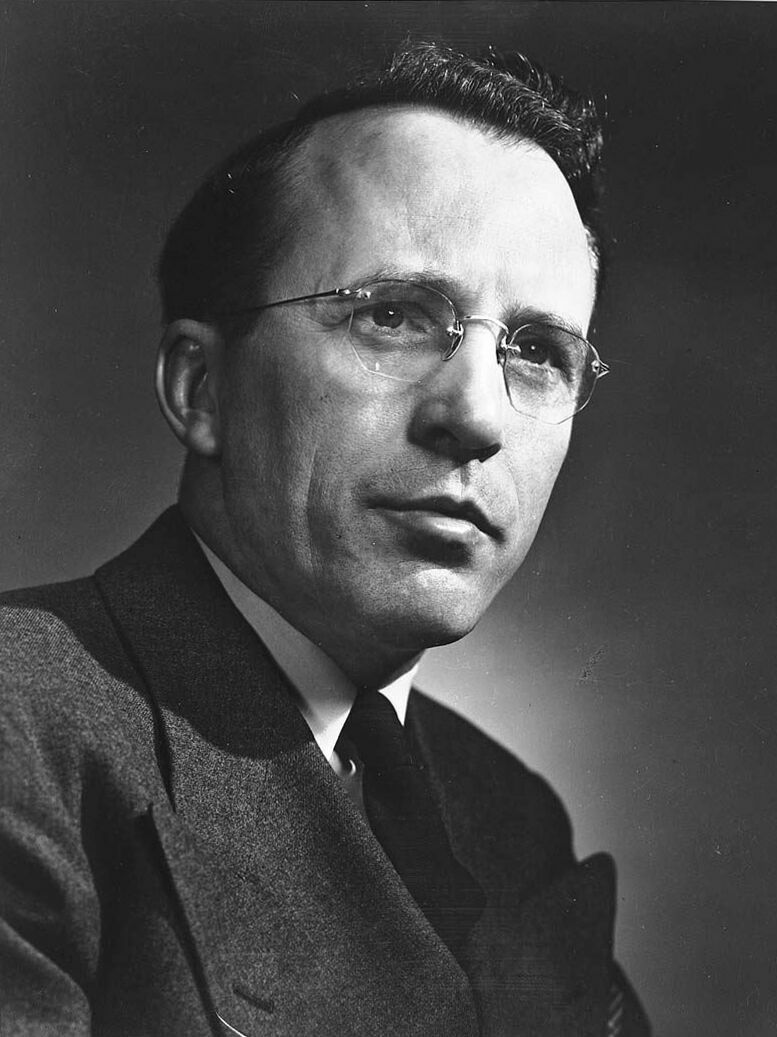
Stephen Lewis
Stephen Henry Lewis (November 11, 1937, March 31, 2026) was a Canadian politician, diplomat, broadcaster and humanitarian. A lifelong democratic socialist, he led the Ontario New Democratic Party from 1970 to 1978, propelling it to Official Opposition status in 1975. He later served as Canada's ambassador to the United Nations from 1984 to 1988 and as the UN's inaugural special envoy for HIV/AIDS in Africa from 2001 to 2006. Lewis became a globally recognized advocate for social justice, human rights and the fight against the AIDS pandemic. He was known for his powerful oratory and received 42 honorary doctorates.
Early Life and Formative Influences
Stephen Lewis was born in Ottawa on November 11, 1937, to Sophie Carson and David Lewis, the latter serving as national secretary of the Co-operative Commonwealth Federation. His parents gave him the Hebrew name Sholem, meaning peace, as he was born on Armistice Day. He was the grandson of Morris Lewis, a Polish-Jewish activist of the Jewish Bund in Russia and the Jewish Labour Committee in Montreal. His family moved to Toronto in 1950, where Lewis attended Oakwood Collegiate Institute and later Harbord Collegiate Institute. He entered University College at the University of Toronto in 1956 and became a member of the Hart House debating committee. On November 14, 1957, he debated the visiting U.S. Senator John F. Kennedy on the question, 'Has the United States failed in its responsibilities as a world leader?' Kennedy's team narrowly won 204 to 194, but Lewis's performance was considered the highlight. He spent his third year at the University of British Columbia before returning to U of T, where he failed to write his final examinations. He later dropped out of law school at both U of T and UBC in the early 1960s.
In the mid-1960s, Lewis left his studies for a clerical job with the Socialist International, which led to an invitation to a conference in Ghana. He remained in Africa for over a year, working, travelling, and teaching across the continent. This period proved deeply influential, shaping his lifelong commitment to African issues. He recalled this sojourn as a key influence in his 2005 Massey Lectures. He returned to Canada at the urging of federal NDP leader Tommy Douglas. In 1963, at age 26, he was elected to the Legislative Assembly of Ontario as the MPP for Scarborough West, beginning his political career.
Political Career in Ontario
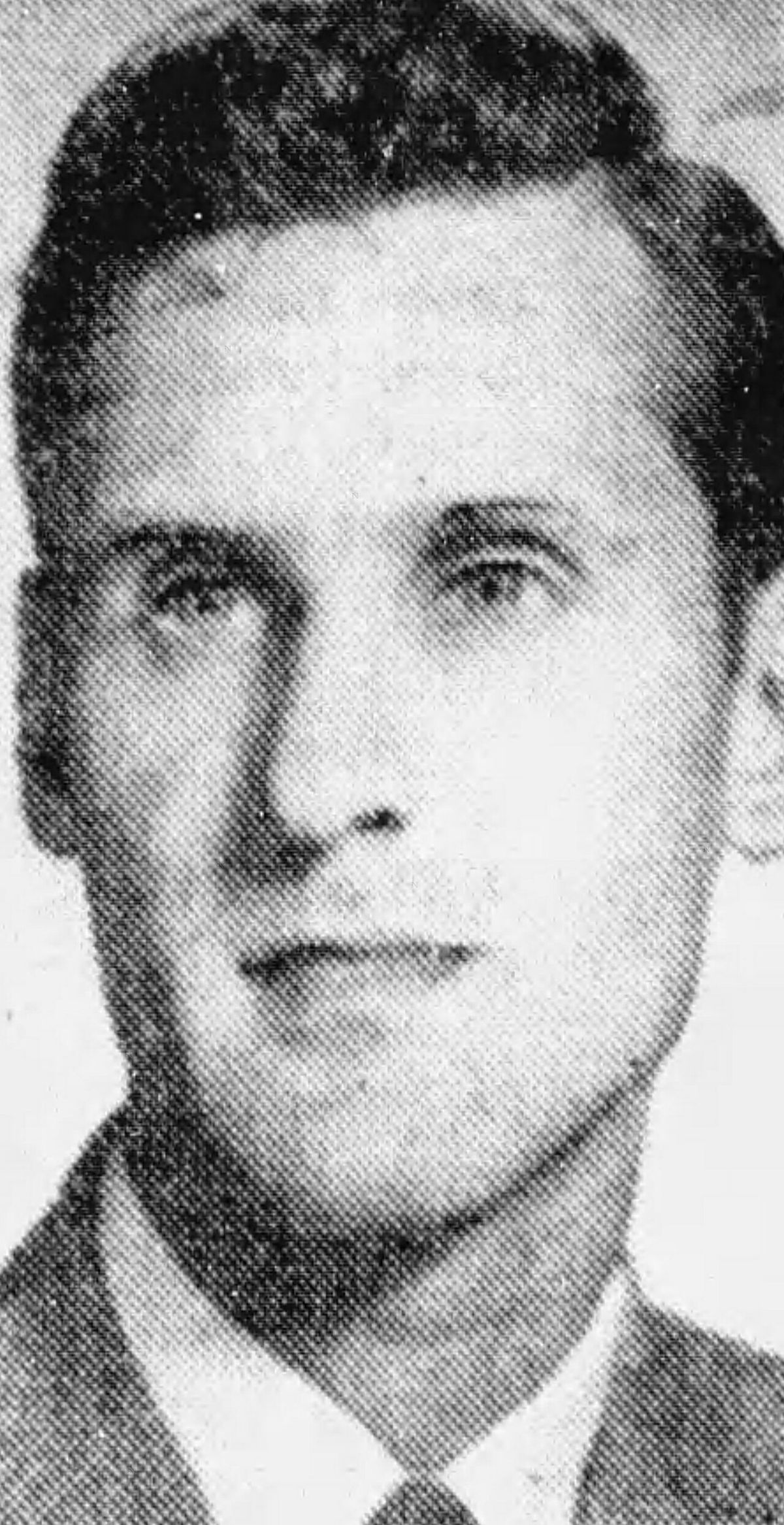
Following the engineered resignation of Donald C. MacDonald, Stephen Lewis was elected leader of the Ontario New Democratic Party on October 4, 1970, at a convention held at the Royal York Hotel in Toronto. His first election as leader in 1971 was a disappointment, with the party slipping from 20 seats to 19. During his early leadership, he confronted internal party strife, notably from the radical left-wing faction known as The Waffle, which had gained prominence after James Laxer won one-third of the vote in the 1971 federal NDP leadership race. In June 1972, Lewis supported a movement to expel the group on the basis that it was a party within a party, arguing it threatened the NDP's credibility and stability.
In 1974, Lewis strongly supported striking miners in Elliot Lake and successfully lobbied Premier Bill Davis to establish the Royal Commission on the Health and Safety of Workers in Mines. The commission's recommendations led to the landmark Occupational Health and Safety Act of 1979. The 1975 provincial election became the pinnacle of his political career. Lewis led a powerful campaign centred on issues like rent control and workplace safety, using his formidable oratory to personalize the struggles of everyday Ontarians. The NDP's surge in the polls forced Premier Davis to commit to progressive reforms like rent control. On election night, the Progressive Conservatives were reduced to a minority government. Lewis's NDP doubled its seat count from 19 to 38, surpassing the Liberals to become the Official Opposition, the party's best result in its modern history until the 1990 majority victory.
The 1977 election proved a setback, as NDP support stalled and the party lost its Official Opposition status to the Liberals, falling to 33 seats. Frustrated by this stagnation, Lewis resigned as party leader and as an MPP in 1978 at the age of 40. After leaving elected office, he remained engaged in public life. In 1992, at the appointment of NDP Premier Bob Rae, he delivered the influential Stephen Lewis Report on Race Relations in Ontario. He continued to campaign for the NDP in subsequent decades, including in the 2015 federal election, and voiced support for initiatives like the Leap Manifesto. He declined to run in the 1989 New Democratic Party leadership election.
Diplomatic and United Nations Service
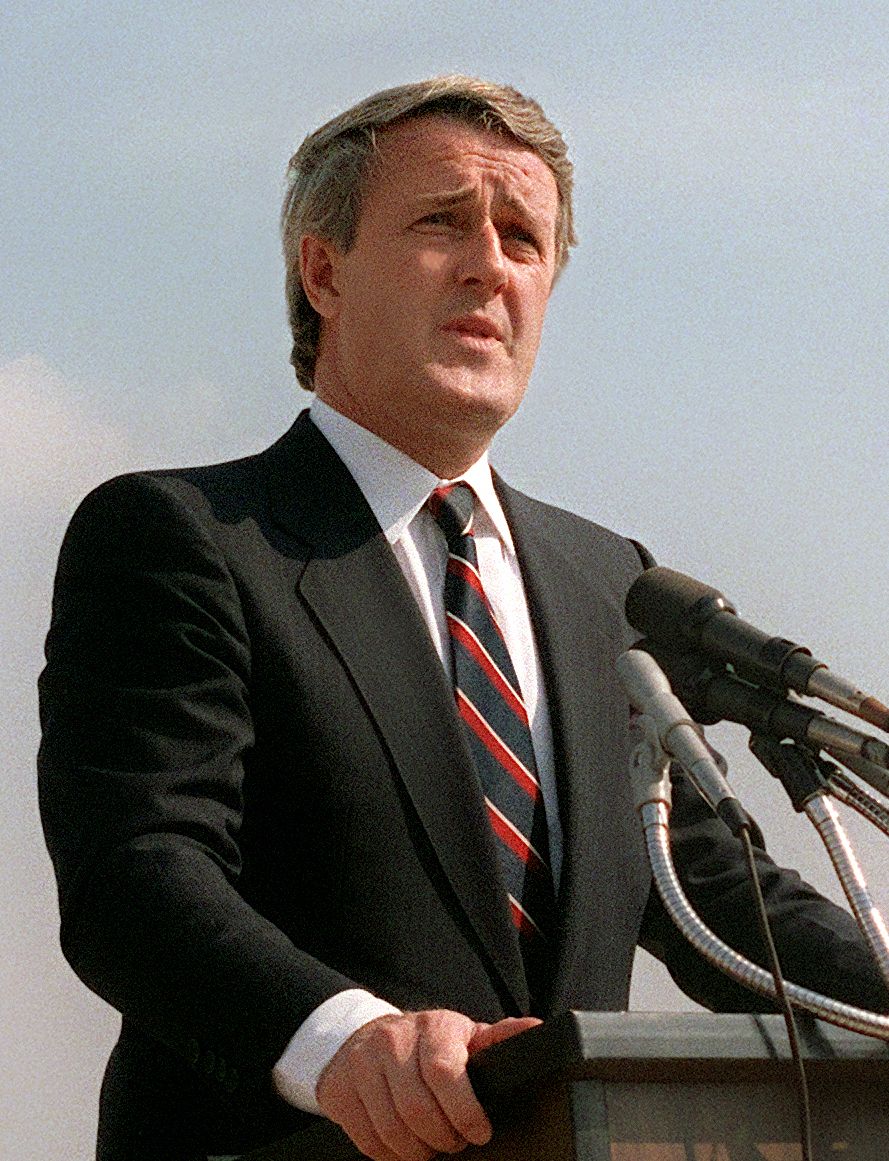
In 1984, Progressive Conservative Prime Minister Brian Mulroney named Stephen Lewis as Canada's ambassador to the United Nations. The appointment was made by Governor General Jeanne Sauvé on the advice of the Prime Minister and was also supported by former Ontario Premier Bill Davis. Lewis served as Permanent Representative until 1988. As ambassador, he worked with Mulroney and External Affairs Minister Joe Clark to champion a strong Canadian stance against apartheid in South Africa. He continued his UN service as the Special Advisor to the UN Secretary General on Africa until 1991. From 1995 to 1999, Lewis served as deputy executive director of UNICEF. During this period, he coordinated the groundbreaking Graça Machel study, commissioned in 1993, which was the first global examination of the impact of armed conflict on children, presented to the UN General Assembly in 1996.
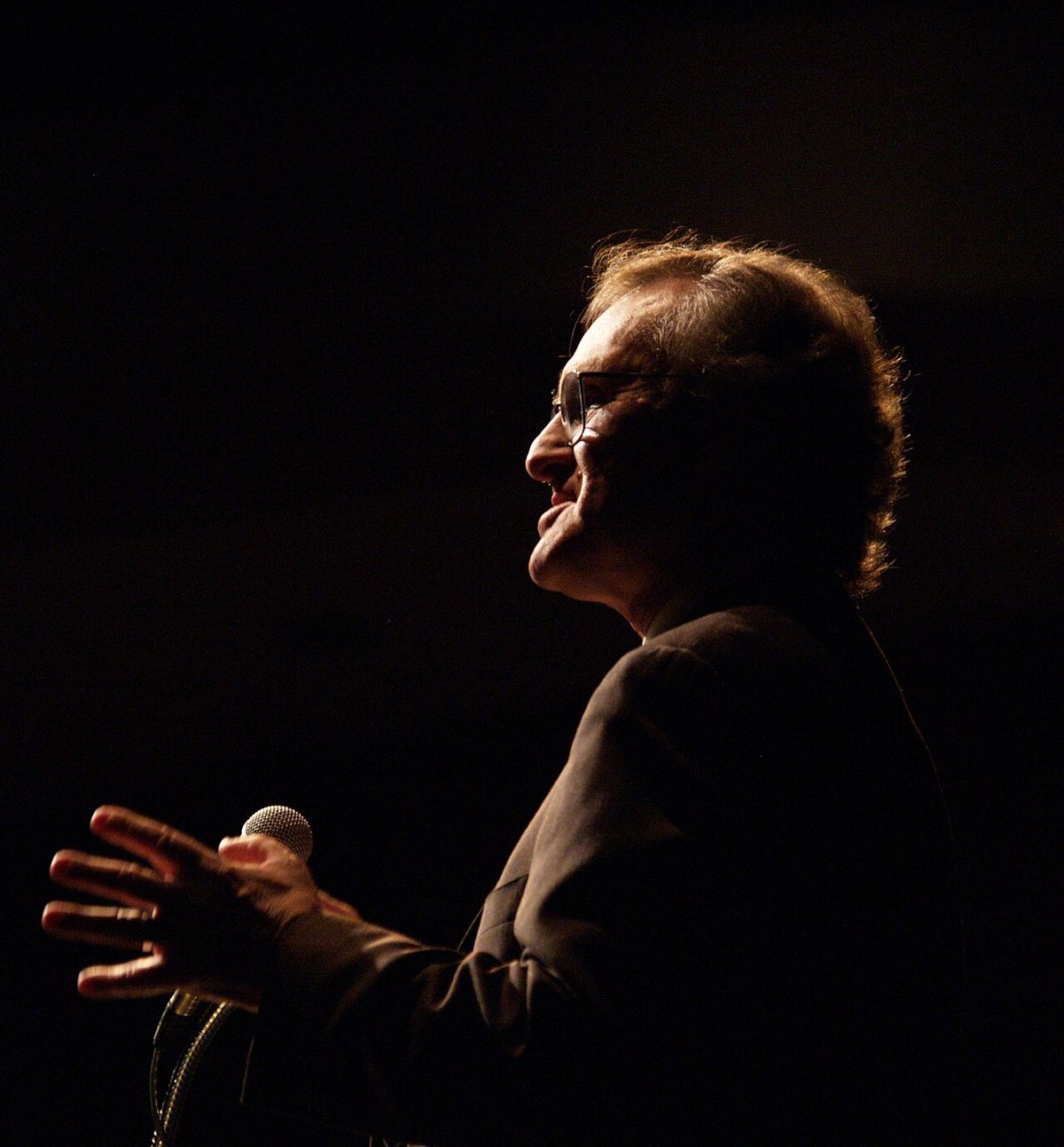
In 1997, the Organisation of African Unity appointed him to a panel investigating the Rwandan genocide, which produced the stark report Rwanda: The Preventable Genocide in June 2000. His most defining international role began in 2001 when UN Secretary-General Kofi Annan appointed him as the inaugural UN Special Envoy for HIV/AIDS in Africa. For five years, Lewis brought relentless moral urgency to the pandemic, travelling extensively to witness its devastation and using his powerful voice to criticize the inadequate response of international institutions, African governments, and the G8. He was a fierce critic of World Bank and International Monetary Fund debt policies. In 2004, he spoke at the Conference on Retroviruses and Opportunistic Infections. In 2009, he publicly condemned Pope Benedict XVI's comments that condom use exacerbates the AIDS crisis. His 2005 Massey Lectures, later published as the book Race Against Time, critically examined the gap between the international community's promises and its actions on AIDS in Africa. Lewis was also a member of the World Health Organization Commission on Social Determinants of Health.
Broadcasting, Academia, and Advocacy
After leaving provincial politics, Stephen Lewis became a familiar voice and face in Canadian media. He worked as a labour mediator and arbitrator with the Ontario Ministry of Labour before becoming a political commentator on CITY-TV's CityPulse News and on CKEY radio in Toronto. He gained national prominence as a regular panelist alongside Dalton Camp and Eric Kierans on Peter Gzowski's CBC Radio show Morningside, a role he returned to in the late 1980s. His commentary earned him the Gordon Sinclair Award from ACTRA in 1982. In 2006, he participated in the Canadian Songwriters Hall of Fame TV special Words to Music, earning a Gemini Award nomination for Best Performance or Host in a Variety Program or Series. He also served as an advisor to the PBS television series Women, War & Peace, lending his expertise to programs on international conflict.
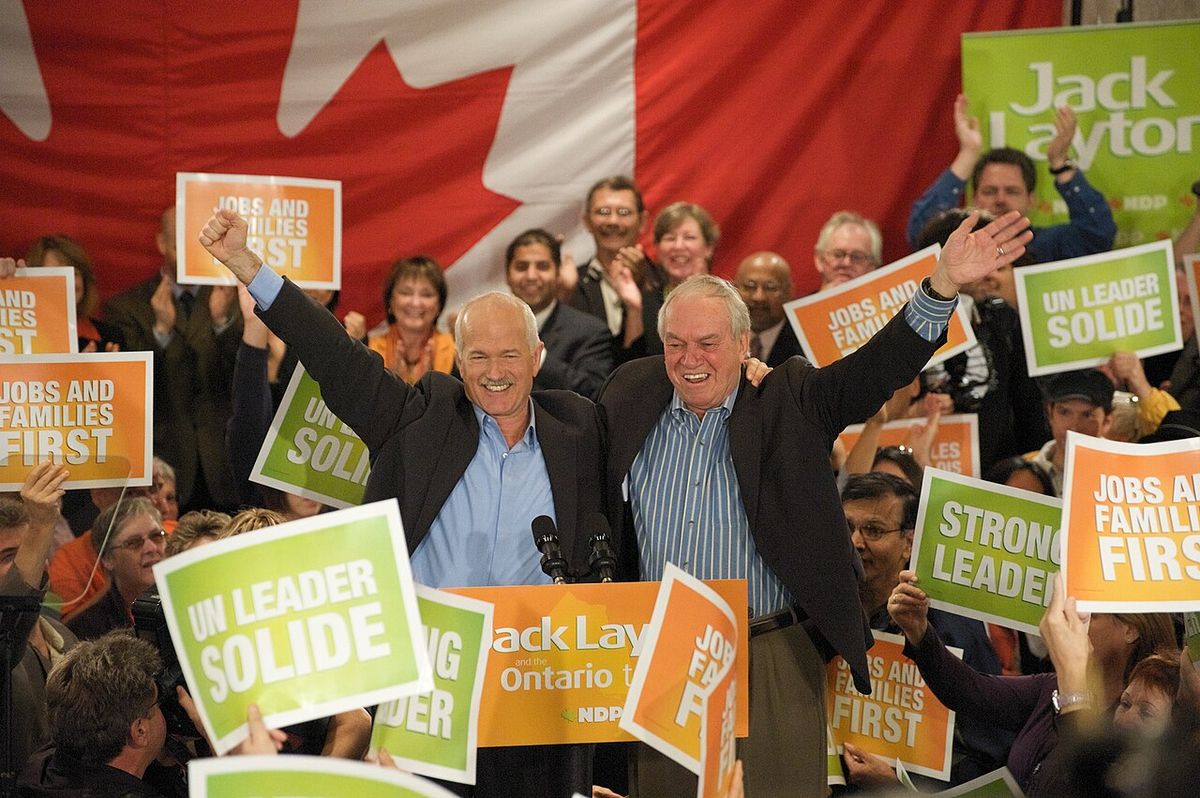
Lewis maintained strong academic ties, holding positions at several major universities. In May 2006, he joined McMaster University as a scholar-in-residence in the Faculty of Social Sciences and was elected a senior fellow of Massey College at the University of Toronto. He served as a distinguished visiting professor at Ryerson University, now Toronto Metropolitan University, and as a senior advisor to Columbia University's Mailman School of Public Health. In October 2009, he helped launch the A Dare to Remember campaign to raise money for his foundation, performing a dare by singing live on CBC's The Hour with the band the Arkells. Other participants in the campaign included musician k-os, federal NDP leader Jack Layton and Olympic gold medalist Duff Gibson.
The Stephen Lewis Foundation and AIDS-Free World
Driven by the devastation he witnessed as UN special envoy, Stephen Lewis co-founded the Stephen Lewis Foundation in 2003 with his daughter, Ilana Landsberg-Lewis. The Toronto-based non-profit was created to channel resources directly to community-based organizations in sub-Saharan Africa tackling HIV/AIDS. The foundation quickly grew, raising approximately $10 million annually within its first few years and, over two decades, mobilizing over $200 million in support. A central initiative of its work was the Grandmothers to Grandmothers Campaign, launched in 2006 after a gathering of 300 Canadian and African grandmothers in Toronto. By its 15th anniversary in 2021, the campaign had raised $40 million specifically for African grandmothers caring for children orphaned by AIDS.
In 2007, seeking to address systemic injustices at a policy level, Lewis co-founded the international advocacy organization AIDS-Free World with long-time colleague Paula Donovan. The organization worked to hold governments and international bodies accountable for more effective responses to HIV and AIDS. Lewis was a vocal and sometimes controversial advocate for evidence-based prevention strategies. He called for integrating male circumcision with childhood vaccination programs in Africa, specifically when boys receive the first of two UN-administered measles shots, to help reduce HIV transmission. The foundation's work focused on supporting key groups most affected by the pandemic, including grandmothers, young women and girls, people living with HIV, and members of LGBTIQ communities. Lewis served as chair of the board of the Stephen Lewis Foundation.
Personal Life, Family, and Death
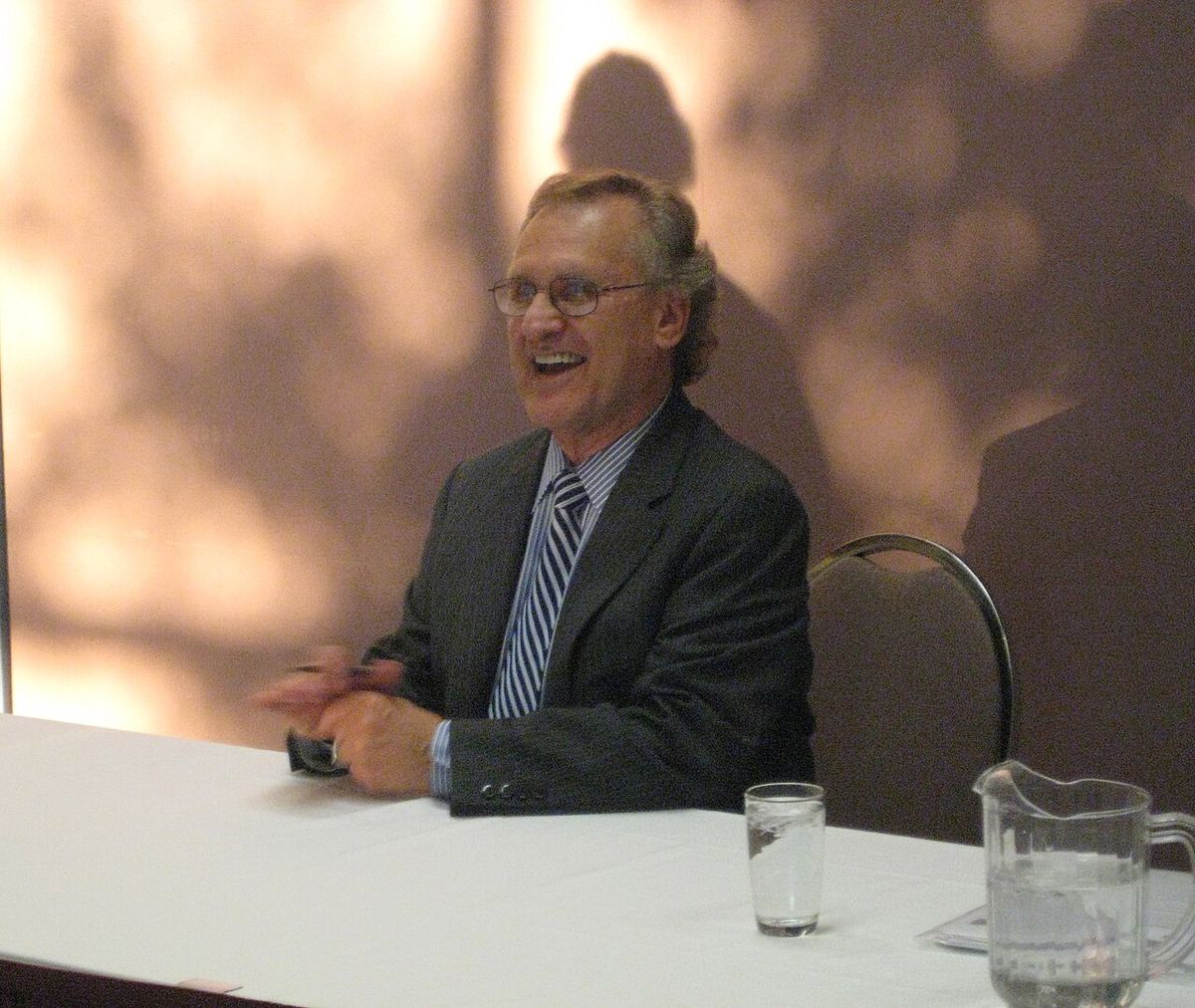
Stephen Lewis married journalist and author Michele Landsberg in 1963. The couple had three children: Ilana Landsberg-Lewis, who served as executive director of the Stephen Lewis Foundation and was married to singer Lorraine Segato. Avi Lewis, a filmmaker and politician. And Jenny Lewis, a casting director. His son Avi is married to author and activist Naomi Klein. Lewis came from a deeply political family. His father, David Lewis, led the federal NDP. He had three siblings. Two of them, Michael Lewis and Janet Solberg, held high-ranking positions within the Ontario NDP during the 1980s and 1990s. Michael was the party secretary and Janet was its president. His sister Nina Lewis-Libeskind is married to architect Daniel Libeskind.
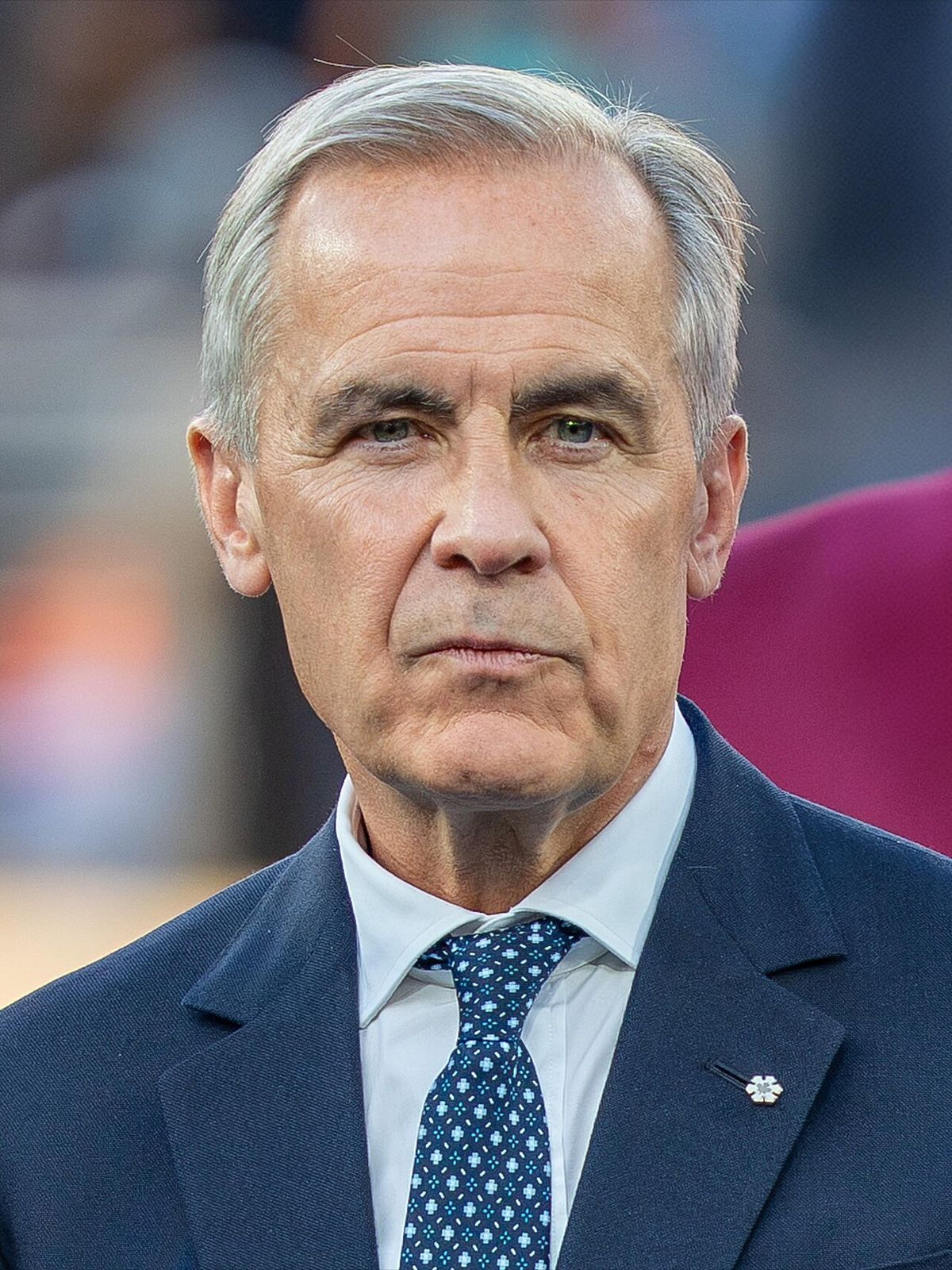
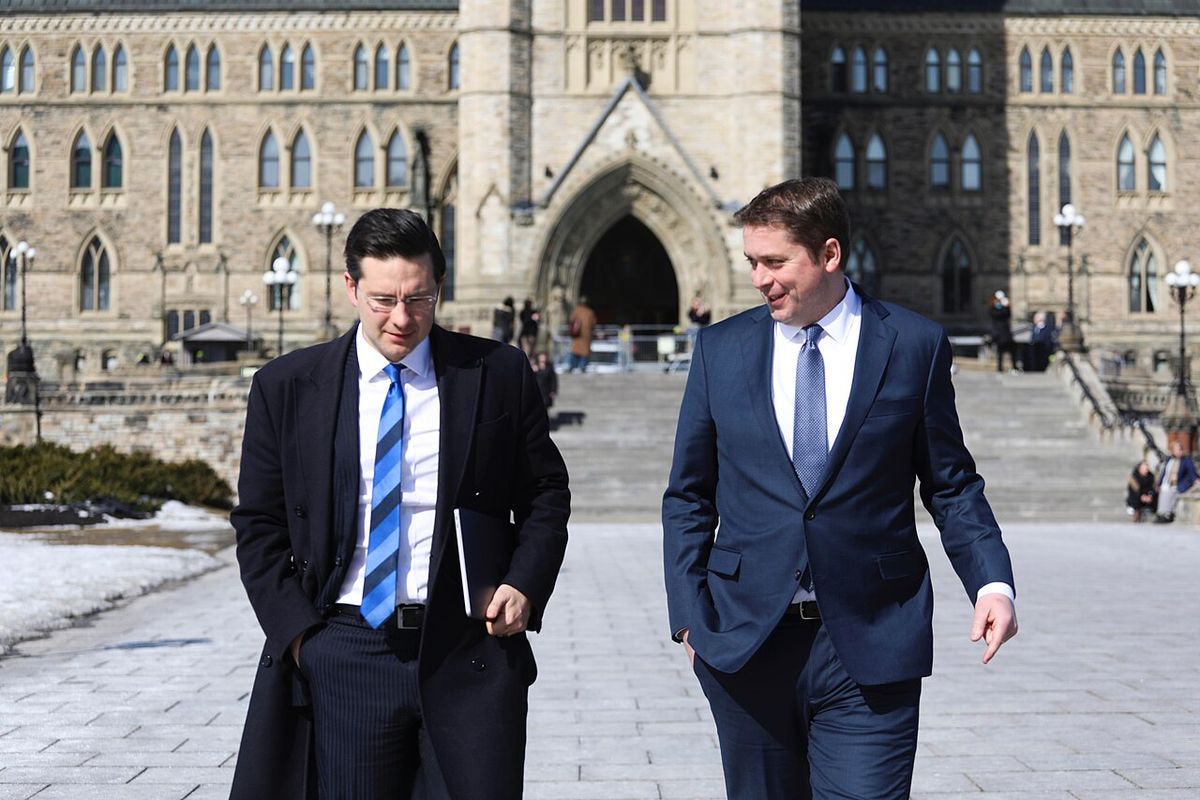
In 2021, Lewis publicly revealed he was undergoing experimental treatment for inoperable abdominal cancer, a recurrence three years after surgery for an earlier occurrence of the disease. He died in Toronto on March 31, 2026, at the age of 88, while under hospice care. His death came just two days after his son Avi was elected leader of the federal New Democratic Party in the 2026 leadership election. A memorial service held on April 26 at Toronto Metropolitan University's Chrysalis was attended by over 1,000 people. Tributes poured in from across the political spectrum and around the world, including from Prime Minister Mark Carney, Opposition Leader Pierre Poilievre, premiers Wab Kinew and David Eby, Toronto Mayor Olivia Chow, WHO Director-General Tedros Adhanom Ghebreyesus, and environmentalist David Suzuki.
Honours, Awards, and Legacy
Stephen Lewis received widespread recognition for his humanitarian work and oratory. Governor General Adrienne Clarkson appointed him a Companion of the Order of Canada on October 10, 2002, for his distinguished service, particularly regarding the United Nations and the HIV/AIDS epidemic in Africa. His investiture was held on October 23, 2003. He was awarded the Pearson Medal of Peace, named Maclean's Canadian of the Year in 2003, and included in Time magazine's list of the 100 most influential people in the world in 2005. In 2007, King Letsie III of Lesotho invested him as a Knight Commander of the Most Dignified Order of Moshoeshoe. He also received the Queen Elizabeth II Diamond Jubilee Medal in 2012 and the Bonham Centre Award from the University of Toronto's Mark S. Bonham Centre for Sexual Diversity Studies in 2013 for his contributions to sexual diversity education.
Two secondary schools in the Greater Toronto Area were named in his honour in 2006: Stephen Lewis Secondary School in Mississauga, which has a focus on social justice and global citizenship, and Stephen Lewis Secondary School in Vaughan. Lewis accumulated 42 honorary doctorates from Canadian and American universities, one of the highest totals ever held by a Canadian. He was celebrated as one of the best political orators of his generation, with his 2016 speech at the federal NDP convention in Edmonton receiving particular praise. In 2010, feminist playwright Eve Ensler, asked by Forbes to identify the world's most powerful feminists, named Lewis as one of her top seven. His legacy endures through the ongoing work of the foundation that bears his name and his contributions to international diplomacy.
Electoral Performance as Ontario NDP Leader
| Election | Seats Won | Result |
|---|---|---|
| 1971 | 19 | Third Party |
| 1975 | 38 | Official Opposition |
| 1977 | 33 | Third Party |
Stephen Lewis was elected leader of the Ontario New Democratic Party on October 4, 1970, at a convention held at the Royal York Hotel in Toronto following the resignation of Donald C. MacDonald. The 1975 result was the party's best performance in the modern era until it formed a majority government under Bob Rae in 1990. The campaign was characterized by Lewis's effective focus on pocketbook issues like rent control and his ability to connect with voters through compelling storytelling. Each day, Lewis told the story of a different Ontarian in trouble to highlight inadequate legislation. The surge in NDP support directly contributed to reducing the long-governing Progressive Conservatives to a minority government. The 1977 election, however, halted this momentum, as the party lost five seats and returned to third place in the legislature, a key factor in Lewis's decision to resign the following year. Lewis also contested the 1970 Ontario NDP leadership convention, which he won.
Questions about Stephen Lewis
What was Stephen Lewis's role in the fight against HIV/AIDS?
Stephen Lewis served as the first United Nations Special Envoy for HIV/AIDS in Africa from 2001 to 2006. In this role, he travelled extensively across the continent, witnessing the pandemic's devastation firsthand and using his powerful oratory to demand a more strong global response. He criticized international financial institutions, African governments, and the G8 for inadequate action. He also spoke at the 2004 Conference on Retroviruses and Opportunistic Infections. He co-founded the Stephen Lewis Foundation in 2003 to fund grassroots organizations in sub-Saharan Africa and later co-founded the advocacy group AIDS-Free World in 2007 to push for systemic change.
How did Stephen Lewis become Canada's UN ambassador?
Stephen Lewis was appointed as Canada's Permanent Representative to the United Nations in 1984. Progressive Conservative Prime Minister Brian Mulroney made this non-partisan appointment, which was formalized by Governor General Jeanne Sauvé. The appointment also received a recommendation from former Ontario Premier Bill Davis. Lewis served as ambassador until 1988, and during his tenure he worked with Mulroney to oppose and denounce apartheid in South Africa.
What was Stephen Lewis's greatest political achievement in Ontario?
Stephen Lewis's greatest political achievement was leading the Ontario New Democratic Party to Official Opposition status in the 1975 provincial election. Under his leadership, the NDP doubled its seat count from 19 to 38, surpassing the Liberal Party. This breakthrough, the party's best result in over 25 years, was driven by a campaign focused on issues like rent control and workplace safety. It reduced the governing Progressive Conservatives to a minority government and stood as the party's modern peak until the 1990 NDP majority victory under Bob Rae.
What is the Stephen Lewis Foundation?
The Stephen Lewis Foundation is a Canadian non-profit organization co-founded by Stephen Lewis and his daughter Ilana Landsberg-Lewis in 2003. Based in Toronto, its mission is to support community-based organizations in sub-Saharan Africa that are responding to the HIV/AIDS pandemic. The foundation has raised over $200 million, funding initiatives that support grandmothers, orphans, people living with HIV, and women's groups. Its landmark Grandmothers to Grandmothers Campaign, launched in 2006 after a gathering of 300 grandmothers, has mobilized Canadian grandmothers to raise $40 million specifically for African grandmothers caring for children orphaned by AIDS.
When did Stephen Lewis die and what was the circumstance?
Stephen Lewis died in Toronto on March 31, 2026, at the age of 88. He was under hospice care at the time of his death. He had been publicly battling inoperable abdominal cancer, which recurred in 2021 three years after surgery for an earlier occurrence. His death came just two days after his son, Avi Lewis, was elected leader of the federal New Democratic Party in the 2026 leadership election. A large public memorial service was held at Toronto Metropolitan University's Chrysalis on April 26, 2026, with over a thousand people in attendance.
How many honorary degrees did Stephen Lewis have?
Stephen Lewis had 42 honorary doctorates from Canadian and American universities. This impressive number represents one of the largest collections of such honours held by any Canadian. These doctorates were awarded by various institutions in recognition of his extensive public service and advocacy work. In 2010, feminist playwright Eve Ensler also named him one of the world's top seven feminists when asked by Forbes. His oratory skills were also recognized with the Gordon Sinclair Award from ACTRA in 1982.
Sources and further reading
- Stephen Lewis (Wikipedia)
- Message from the Governor General following the passing ... (gg.ca)
- Remembering Stephen Lewis, 1937 - 2026 (stephenlewisfoundation.org)
- 'A Little Touch of Stephen in the Night': A Tribute to ... (policymagazine.ca)
Checked by the Nosy Mag desk. Last updated 2026-10-28.