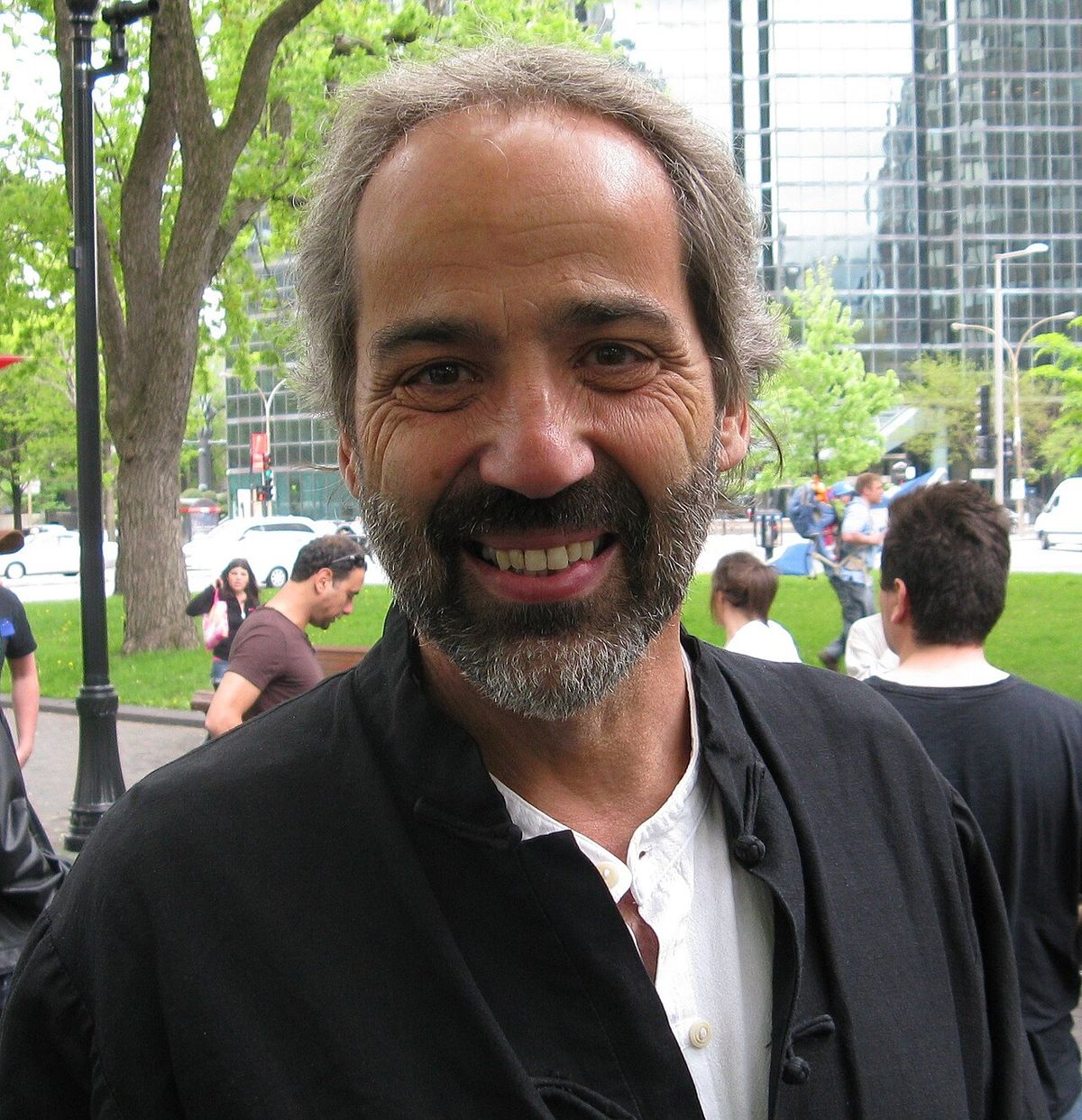
1995 Quebec referendum
The 1995 Quebec referendum was the second direct vote on sovereignty held in the predominantly French speaking province of Quebec. Held on October 30, 1995, it asked voters whether Quebec should become an independent country after offering a new political and economic partnership to Canada. The referendum campaign was an exceptionally close and dramatic affair, culminating in the largest voter turnout in Quebec's history at 93.52 percent. The "No" side won by a razor thin margin of 54,288 votes, with 50.58 percent of valid ballots, a result that deeply shaped Canadian federalism and Quebec politics for decades.
Historical and Constitutional Background
The roots of the 1995 referendum lay in decades of constitutional tension between Quebec and the federal government. The 1980 sovereignty referendum, which sought a mandate to negotiate sovereignty association, was decisively defeated. In response, Prime Minister Pierre Trudeau patriated the Canadian Constitution in 1982 with the Charter of Rights and Freedoms, an act done without the consent of the Quebec National Assembly after the Supreme Court ruled Quebec's consent was not necessary. This created a lasting grievance in Quebec. Subsequent efforts to bring Quebec into the constitutional fold, led by Prime Minister Brian Mulroney and Quebec Premier Robert Bourassa, resulted in the Meech Lake Accord. That accord, which recognized Quebec as a distinct society and decentralized some powers, collapsed in dramatic fashion in the summer of 1990 after two provinces failed to ratify it within the three year time limit. The failure of Meech Lake triggered a surge in sovereignist support and prompted federal cabinet minister Lucien Bouchard to leave Mulroney's government and form the Bloc Québécois with six other Progressive Conservative and one Liberal MP. A second attempt at constitutional renewal, the Charlottetown Accord, was rejected by voters across Canada, including in Quebec, in a 1992 national referendum. These successive failures set the stage for the return to power of the Parti Québécois in the 1994 provincial election under Jacques Parizeau, who had campaigned on holding a sovereignty referendum within his first year. The PQ won a majority government with 44.75 percent of the popular vote, just ahead of the Liberals at 44.4 percent.
Pre-Referendum Negotiations and Legal Challenges
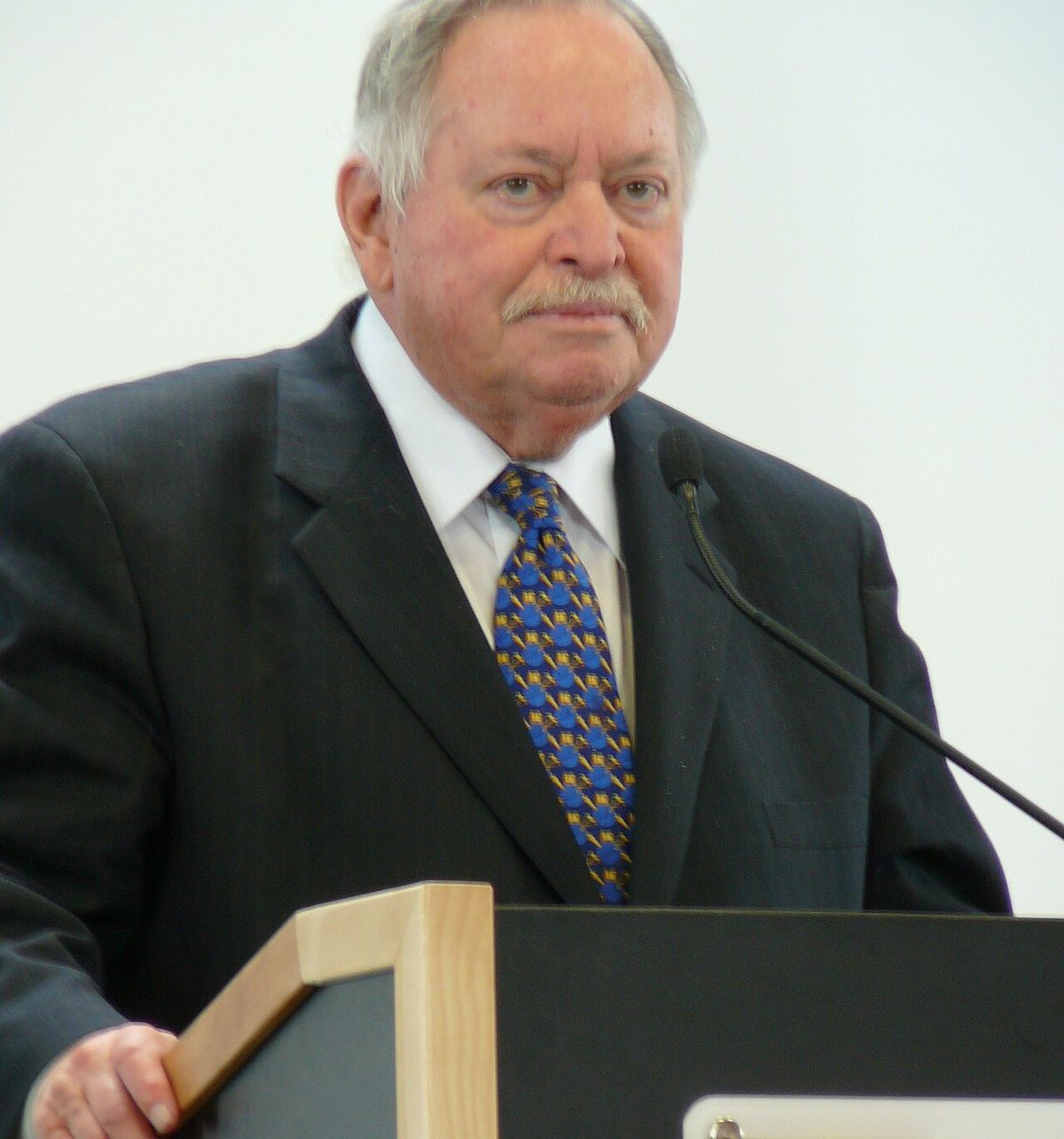
In preparation for the vote, the Parti Québécois government sent a draft of the Act Respecting the Future of Quebec, known as the Sovereignty Bill, to every household and announced the National Commission on the Future of Quebec in February 1995, a commission boycotted by the federal and provincial Liberal and Progressive Conservative parties. A key internal debate centred on whether the sovereignty proposal should include an offer of an economic partnership with Canada. Premier Jacques Parizeau, a staunch independentist, was initially opposed, fearing it would give Ottawa an excuse to refuse negotiations as had happened in 1980 and that such a partnership was unnecessary given existing free trade agreements. However, pressure from the more popular Bloc Québécois leader Lucien Bouchard and Action démocratique du Québec leader Mario Dumont, who argued a partnership was essential to attract soft nationalists worried about economic consequences, forced a compromise. The final findings of the National Commission, issued April 19, stated the public generally desired an economic partnership with Canada. On June 12, 1995, the three leaders signed an agreement that committed a future sovereign Quebec to making a formal partnership offer to Canada. The agreement also contained a clause allowing for a unilateral declaration of independence if negotiations failed or were refused after a successful vote. Concurrently, prominent lawyer Guy Bertrand launched a court challenge seeking an injunction to stop the referendum. The Quebec Attorney General unilaterally withdrew from the hearing and the government moved a National Assembly sitting to claim parliamentary immunity for MNAs. In September 1995, Quebec Superior Court Justice Robert Lesage ruled that secession could only occur by constitutional amendment and that a unilateral declaration of independence would be manifestly illegal, but he refused to issue an injunction, believing it could paralyze government. Parizeau denounced the ruling, stated the Constitution Act, 1982 did not apply to Quebec, and proceeded with the referendum timetable.
The Referendum Question and Campaign Structure
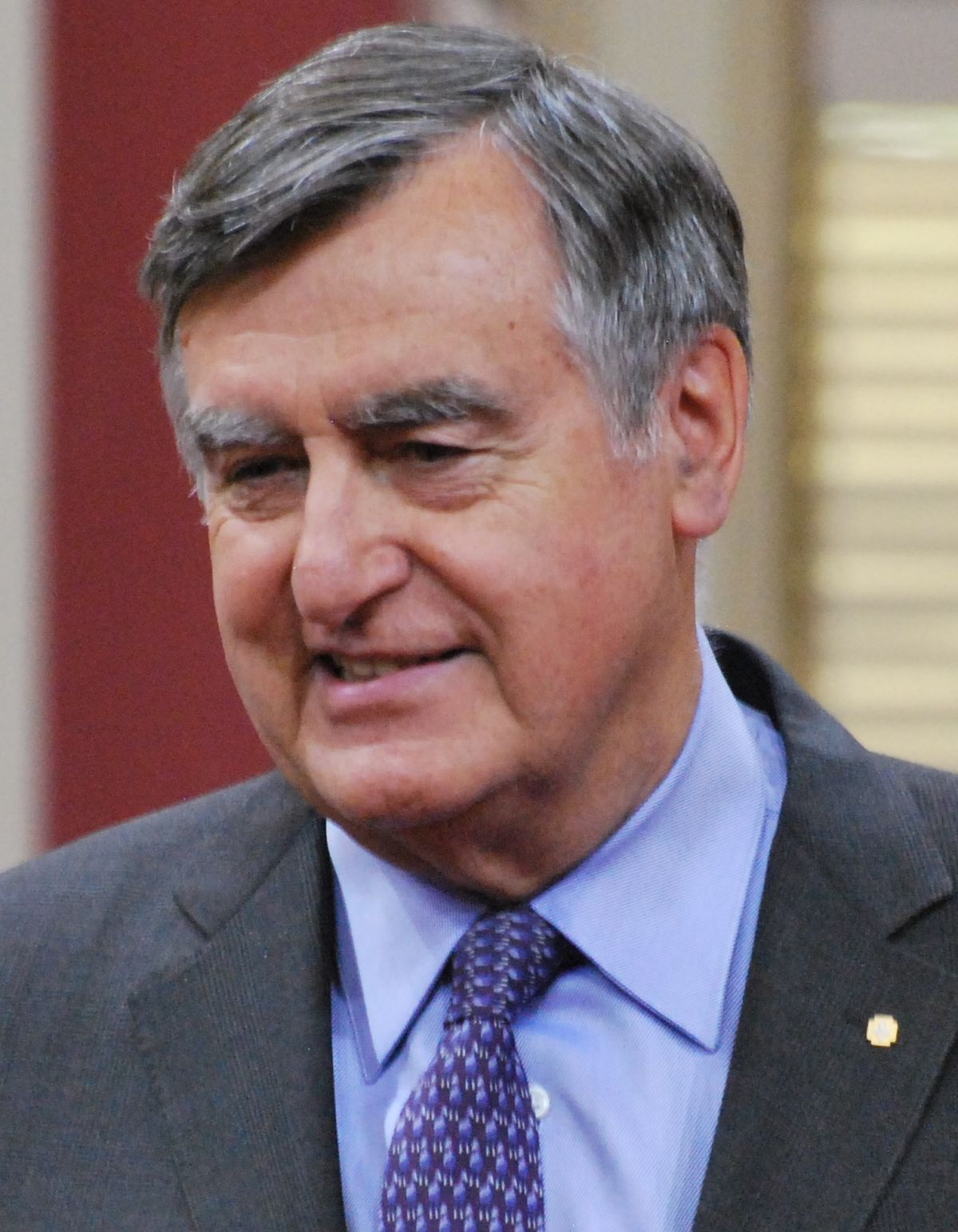
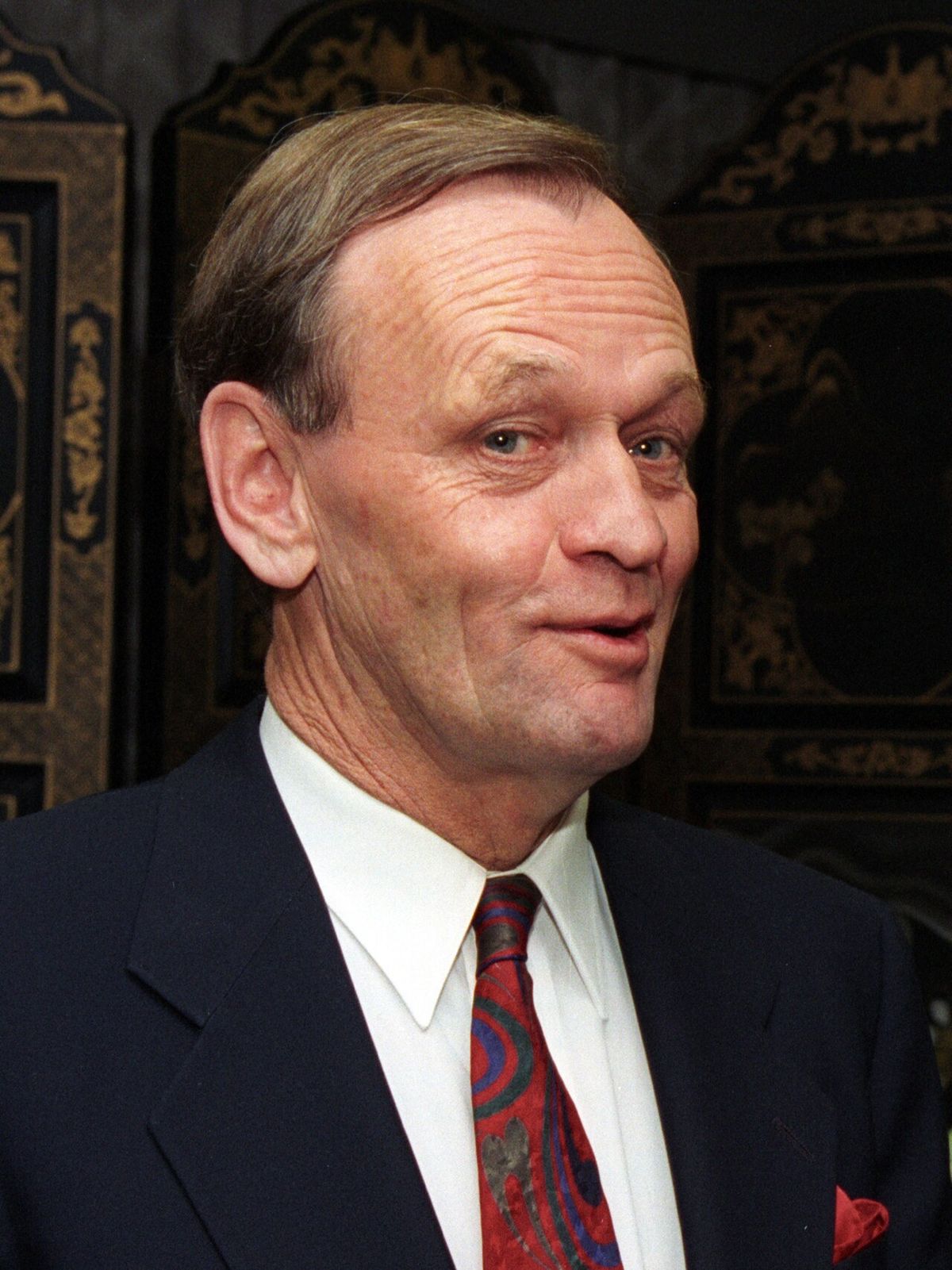
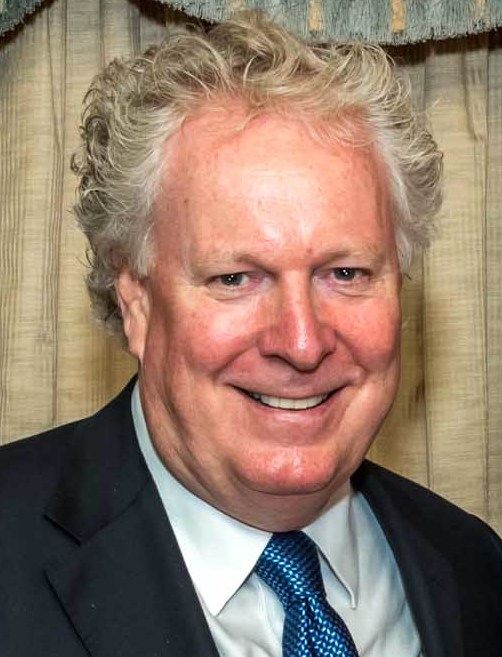
The final referendum question was unveiled at the Grand Théâtre de Québec on September 7, 1995, to be voted on October 30. It explicitly referenced the June 12 partnership agreement and the Sovereignty Bill, which was tabled in the National Assembly awaiting the result. Parizeau later expressed regret that the agreement had to be cited in the question but noted it had been sent to every registered voter. Federalist critics immediately attacked the question as confusing and misleading, arguing it implied a partnership was assured when no Canadian political leaders outside Quebec had shown any interest and were under no legal obligation to negotiate. Daniel Johnson stated it was confusing and should have contained the word country. The campaign was governed by Quebec's Referendum Act, which mandated that all spending be channeled through two official umbrella committees, each with an authorized budget of five million dollars. The Yes committee (Le Comité national du OUI) was chaired by Premier Jacques Parizeau. The No committee (Comité des Québécoises et des Québécois pour le NON) was chaired by Quebec Liberal leader Daniel Johnson Jr. The federalist campaign was complicated by the need to manage the involvement of unpopular federal figures, particularly Prime Minister Jean Chrétien, whose role in the 1982 negotiations and stance against Meech Lake made him unpopular with moderate francophone federalists and sovereignists. Lucienne Robillard, a nationalist former Bourassa era cabinet minister, served as the federal Liberal representative on the No committee, while Progressive Conservative leader Jean Charest was also prominently featured. Johnson's team tightly controlled appearances by federal politicians and outright banned the Reform Party and its leader Preston Manning from participating, a decision that went unchallenged by Ottawa for most of the campaign but created frustration within the governing federal Liberals.
The Campaign Dynamics and Bouchard's Ascendancy
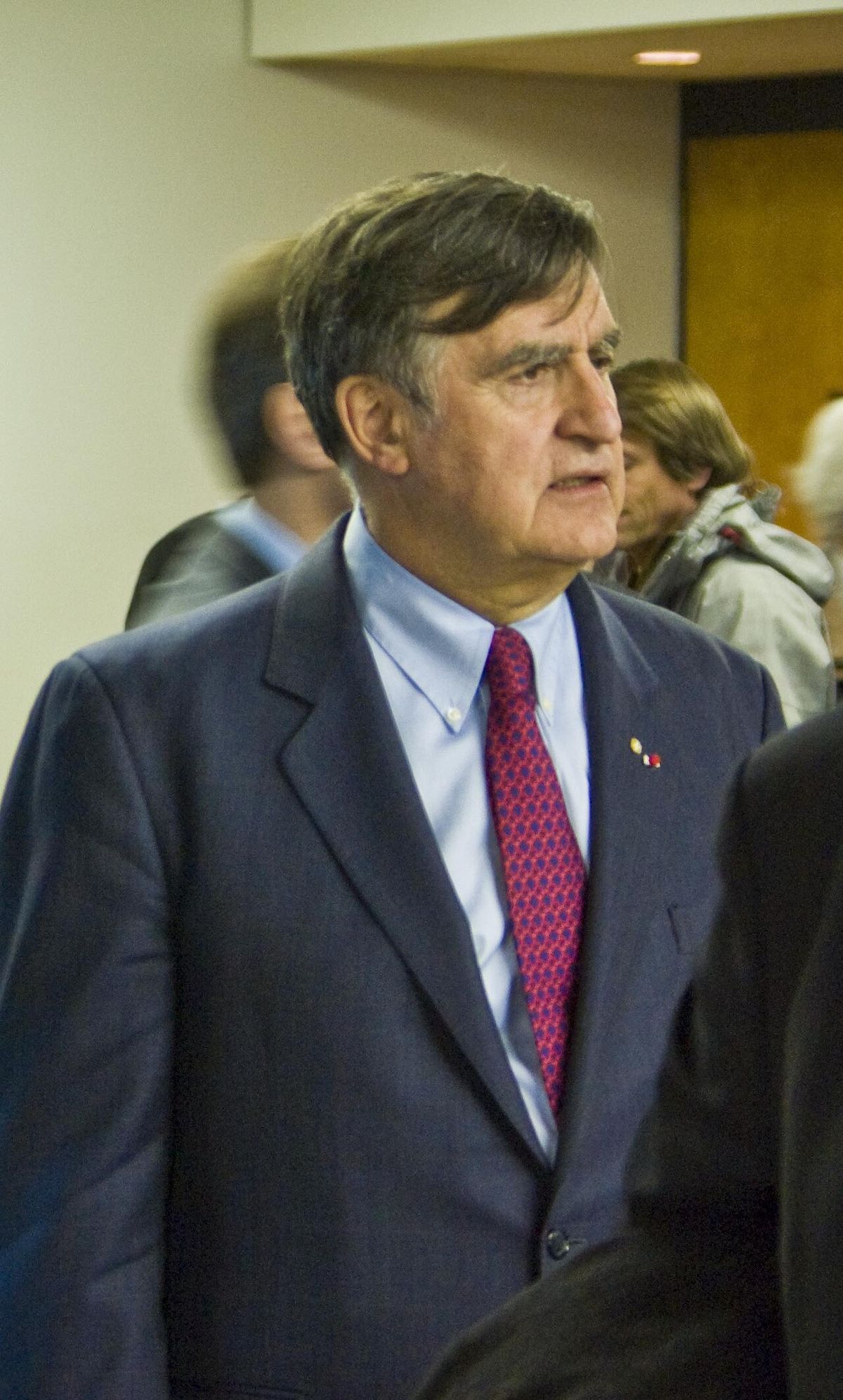
The official campaign began on October 2, 1995, with televised addresses by both leaders. Parizeau emphasized this might be the last opportunity for sovereignty, while Johnson forecast the uncertainty a Yes vote would provoke. Early polls showed the No side with a significant lead of five to seven percentage points among decided voters, with a larger gap if undecided voters were weighed toward the No side as expected. The Yes campaign, led by Parizeau with Mario Dumont campaigning separately in rural areas, focused on nationalist themes and attacked business leaders like Power Corporation's Paul Desmarais and Bombardier's Laurent Beaudoin who warned of economic doom, a tactic Parizeau called a betrayal. This strategy failed to gain traction with undecided voters concerned about practical problems like Quebec's position under NAFTA and control of the Canadian dollar. The campaign's trajectory changed dramatically on October 7 at an unannounced ceremony at the Université de Montréal, when Parizeau unexpectedly appointed the charismatic and recovering Lucien Bouchard as the chief negotiator for the partnership talks following a Yes vote. This move effectively placed Bouchard at the forefront of the Yes campaign. His personal popularity, moderate image, poignant recovery from necrotizing fasciitis which cost him his left leg, and his involvement in the Meech Lake Accord created a powerful appeal that resonated with soft nationalists. No campaign advisor John Parisella noted that focus group participants would refuse to believe Bouchard meant statements they did not like. Polls soon showed the Yes side pulling into the lead, shocking the No campaign and forcing a wholesale change in strategy just three weeks before the vote. Unwilling to believe Parizeau had given up leadership voluntarily, No forces were stunned by the development.
In the final weeks, the federal government became directly involved. On October 24, Prime Minister Jean Chrétien, at a rally in Verdun, promised constitutional recognition of Quebec as a distinct society and reforms to give Quebec more power. On October 25, U.S. President Bill Clinton made a statement extolling the virtues of a united Canada. The same night, Chrétien gave a televised address to the nation announcing Quebec would be recognized as a distinct society and that any future constitutional reform impacting Quebec would require its consent. On October 27, a large Unity Rally was held in Montreal's Place du Canada, organized with federal encouragement and featuring discounted travel. The rally attracted between 50,000 and 125,000 attendees. The Yes side protested the federal involvement and travel discounts as illegal intervention. Indigenous activism was also prominent. The Cree held their own referendum on October 24, with 96.3 percent voting to stay in Canada. The Inuit of Nunavik held a similar vote, with 96 percent voting No.
- October 7, 1995: Jacques Parizeau appoints Lucien Bouchard as chief negotiator.
- October 24, 1995: Chrétien promises distinct society recognition at a Verdun rally. The Cree hold their sovereignty referendum.
- October 25, 1995: U.S. President Bill Clinton makes a statement supporting a united Canada. Chrétien gives a national address.
- October 27, 1995: The Unity Rally takes place in Montreal.
Referendum Results and Immediate Aftermath
Voting took place on October 30, 1995, with a record 93.52 percent of registered voters casting ballots. The count was excruciatingly close, with the result uncertain until the final ballots were tallied. The No option carried by a margin of 54,288 votes, receiving 50.58 percent of the valid votes cast. The Yes side received 49.42 percent. The Yes side was the choice of French speakers by an estimated majority of about 60 percent. Anglophones and allophones voted No by a margin of 95 percent. There was a majority Yes vote in 80 out of 125 National Assembly ridings. The Yes side was strongest in Saguenay-Lac-Saint-Jean, the Gaspé, the Centre-du-Québec, and generally the suburbs of Quebec City and Montreal. The largest support for the No vote was found in Montreal, the far North, the Outaouais, the Beauce, and the Eastern Townships. The riding with the highest Yes result was Saguenay with 73.3 percent. The riding with the highest No result was D'Arcy-McGee in western Montreal with 96.38 percent. The riding with the closest result was Vimont in Laval, which the Yes won by 6 votes. There were 86,501 rejected ballots, a number that prompted the Chief Electoral Officer to launch an inquiry into abnormally high rejection rates in the Chomedey, Marguerite-Bourgeoys, and Laurier-Dorion electoral divisions. On the night of the defeat, a visibly emotional Premier Jacques Parizeau delivered a concession speech that included controversial remarks blaming money and the ethnic vote for the loss. The following day, he announced his pending resignation as premier and Parti Québécois leader. He later stated that had the Yes side won, he would have moved quickly toward a unilateral declaration of independence if partnership negotiations were refused by Canada.
Contingency Preparation and Federal Response
Sovereignists believed a Yes vote of 50 percent plus one was binding. Parizeau planned to return to the National Assembly within two days of a Yes victory to seek support for a motion recognizing the result. He intended to extend a hand to Canada for partnership negotiations. If the federal government refused to negotiate, or if negotiations exceeded October 30, 1996, Parizeau stated he would proceed with a unilateral declaration of independence pursuant to the Sovereignty Bill. He hoped for international recognition from France and the Francophonie. Federalists differed on how to recognize a Yes result. No campaign head Daniel Johnson disputed that a simple majority was sufficient, given the vagueness of the question. Prime Minister Jean Chrétien refused to publicly comment on contingencies and never stated the referendum bound the federal government to negotiations. Little planning was made by the federal government for a Yes vote. In the wake of the near defeat, the federal government under Jean Chrétien moved swiftly. On November 27, 1995, Chrétien unveiled a three part plan. This included a parliamentary motion to recognize Quebec as a distinct society within Canada, a law to grant Quebec a de facto veto over future constitutional amendments, and a reference to the Supreme Court of Canada on the legality of secession. The 1998 Reference Re Secession of Quebec stated that unilateral secession was illegal, would require a constitutional amendment, and that only a clear majority on a clear question could bring about an obligation to negotiate. After the decision, the federal government passed the Clarity Act in 2000.
Long Term Consequences and Controversies
The near victory solidified the Bloc Québécois as a major federal force in Quebec for over a decade. Parizeau's resignation led to Lucien Bouchard becoming premier of Quebec. The Chrétien government also established a sponsorship program to promote Canada in Quebec, which later became the Sponsorship Scandal. The National Assembly of Quebec passed Bill 99, proclaiming the right of self-determination and the right of the National Assembly to set referendum questions and declare a winning majority as 50 percent plus one vote. Controversy arose over the approximately 86,000 rejected ballots. An inquiry concluded that some ballots had been rejected without valid reasons, but the incidents were isolated. The majority of the rejected ballots were No votes. Citizenship and Immigration Canada hurried citizenship applications for immigrants in Quebec before the referendum. Minister Sergio Marchi later admitted applications were hurried on Chrétien's direct orders. The lobbying group Option Canada, which promoted federalism, received millions in federal funding. An investigation later determined that $539,000 was illegally spent by the No side during the referendum. After the referendum, the ballot for Quebec elections was redesigned and identification rules were changed. As of 2026, the 1995 referendum remains the most recent vote on Quebec independence.
- The Bloc Québécois won 54 seats with 49.3% of Quebec's vote in the 1993 federal election, becoming the Official Opposition.
- The 1998 Supreme Court reference led to the federal Clarity Act in 2000.
- Bill 99 was passed by the Quebec National Assembly in response to the Clarity Act.
- The Sponsorship Scandal was revealed in an Auditor General's report in November 2003.
Questions about 1995 Quebec referendum
Who was the premier of Quebec during the 1995 referendum?
The premier was Jacques Parizeau, leader of the sovereigntist Parti Québécois. He called the referendum upon taking power in 1994 after the PQ won a majority government with 44.75 percent of the popular vote. Parizeau chaired the official Yes campaign committee during the referendum. Following the narrow defeat, he announced his resignation as premier the next day.
Why was Lucien Bouchard so important in the campaign?
Lucien Bouchard was the charismatic leader of the federal Bloc Québécois. His recovery from necrotizing fasciitis made him a sympathetic figure. He was appointed chief negotiator by Parizeau on October 7, 1995, which propelled him to the forefront. His moderate image and popularity are widely credited with dramatically boosting the Yes side's support in the final weeks.
What did the federal government do after the referendum?
The federal government under Prime Minister Jean Chrétien took several actions. It passed a parliamentary motion recognizing Quebec as a distinct society and a law granting Quebec a de facto constitutional veto. It also referred the issue of secession to the Supreme Court of Canada, leading to the 1998 Reference Re Secession of Quebec. This later contributed to the federal Clarity Act.
Has there been another Quebec independence referendum since 1995?
No. As of 2026, the 1995 referendum remains the most recent vote on Quebec independence. The Parti Québécois returned to power in 2012 under Pauline Marois but did not hold a referendum during its term. The 1995 vote was the second referendum on Quebec sovereignty, following the first one held in 1980.
What was the exact result of the 1995 Quebec referendum?
The No option carried by a margin of 54,288 votes, receiving 50.58 percent of the valid votes cast. The Yes side received 49.42 percent. Voter turnout was 93.52 percent of the 5,087,009 registered voters, the largest in Quebec's history. The proposal from the June 12, 1995 agreement was therefore rejected.
How did Indigenous groups in Quebec respond to the referendum?
Indigenous groups strongly affirmed their right to self-determination. The Cree held their own referendum on October 24, 1995, with 96.3 percent voting to stay in Canada. The Inuit of Nunavik also held a vote, with 96 percent voting No. They demanded to be full participants in any new constitutional negotiations.
Sources and further reading
- 1995 Quebec referendum (Wikipedia)
- 1995 referendum on Québec's accession to sovereignty (electionsquebec.qc.ca)
- Quebec Referendum (1995) (thecanadianencyclopedia.ca)
Checked by the Nosy Mag desk. Last updated 2026-10-24.