Starlight tours
Starlight tours are a police practice involving the detention and abandonment of Indigenous people, primarily men, in remote areas during extreme cold. The term specifically refers to a series of incidents involving the Saskatoon Police Service documented from at least 1976 to 2018, though allegations exist in other provinces. These actions have resulted in at least three confirmed deaths from hypothermia: Neil Stonechild, Rodney Naistus, and Lawrence Wegner. The case of survivor Darrell Night, which led to the only criminal convictions, brought national attention to the practice, prompting judicial inquiries and cultural works.
Historical Context and Early Cases
The practice now known as starlight tours existed as an open secret within Indigenous communities for decades before gaining official recognition. The earliest case acknowledged by police leadership occurred in 1976, when a Saskatoon Police Service officer was disciplined for taking an Indigenous woman to the city outskirts and abandoning her there. Police Chief Russell Sabo admitted this in 2003, confirming the practice had historical roots. The 1990 death of 17-year-old Neil Stonechild marked a turning point, though it was inadequately investigated at the time. Stonechild was last seen on November 24, 1990, with facial blood and in the back of a police car. His frozen body was found five days later in a field on the city's northwest outskirts where the temperature had reached -28.1°C. The police investigation concluded without evidence of foul play, a finding later discredited. The 2003 inquest into his death could not determine the circumstances that led to it.
The 2000 Cluster: Deaths, Survival, and Exposure
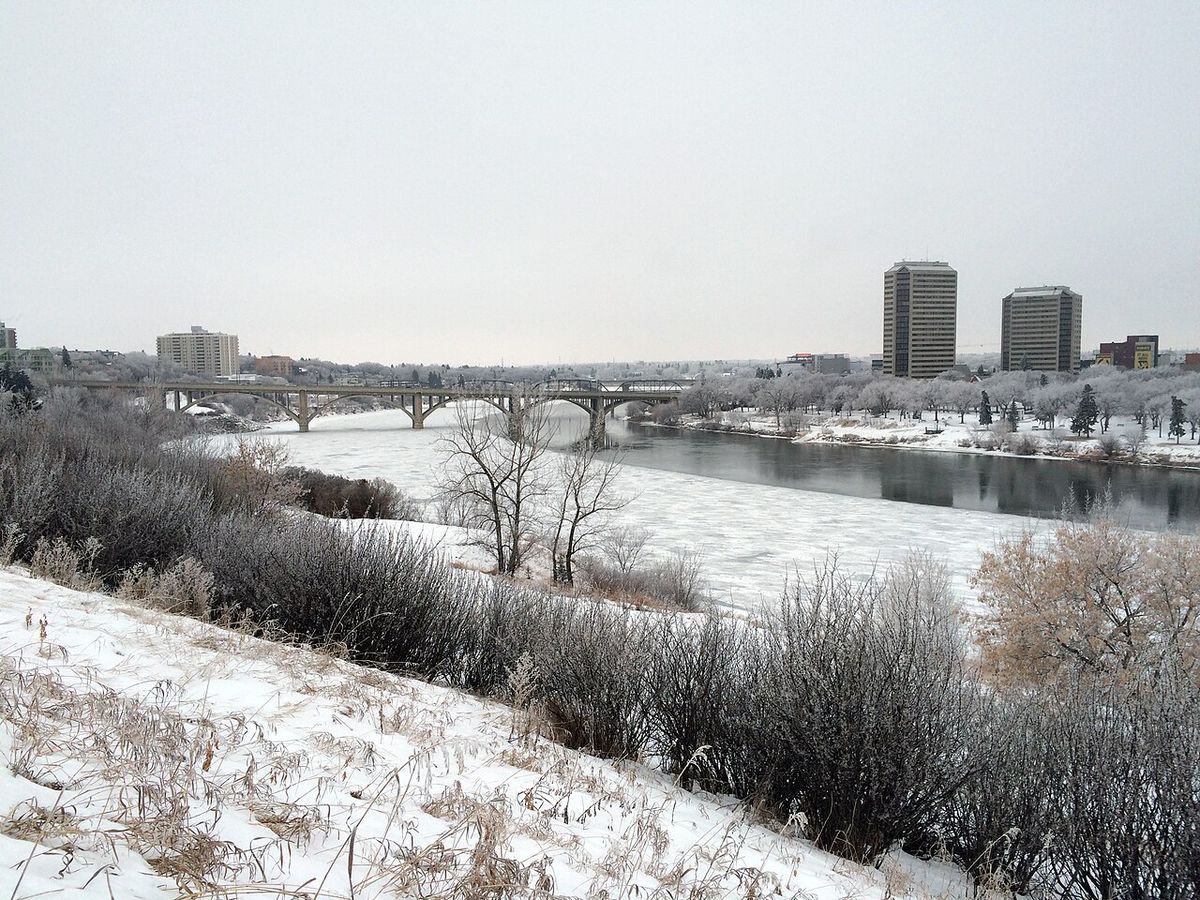
January 2000 witnessed a critical cluster of events that forced the starlight tours into public view. On January 28, Saulteaux First Nation member Darrell Night was picked up by constables Dan Hatchen and Ken Munson. Driven to an industrial area near the Queen Elizabeth Power Station in -22°C weather while wearing only a light denim jacket, Night was told his freezing was 'your f-ing problem' before the officers drove away. He survived by pounding on the power station door until a worker heard him. Within days, the frozen bodies of two Indigenous men were discovered in the same general area. Rodney Naistus, 25, was found on January 29, and Lawrence Wegner, 30, was found on February 3. The proximity of these three incidents, one survival and two deaths, made the pattern undeniable. Night's decision to report his experience after learning of the deaths triggered an RCMP investigation and separate coroner's inquests into the fatalities. The inquests in 2001 and 2002 concluded Naistus and Wegner died of hypothermia but were deemed inconclusive, with juries focusing recommendations on improving police policies and Indigenous relations.
Legal Proceedings and the Sole Conviction
The criminal case stemming from Darrell Night's abandonment represents the only successful prosecution related to starlight tours. Constables Dan Hatchen and Ken Munson were charged and stood trial in 2001. They claimed they had given Night a ride home at his request, a story the court rejected. In September 2001, they were convicted of unlawful confinement. The sentencing in November 2001 resulted in eight-month prison terms for both officers, and they were fired from the Saskatoon Police Service. The Saskatchewan Court of Appeal upheld their convictions in 2003. In his victim impact statement, Night said the officers 'have given me a different perspective towards the police. I have no trust whatsoever towards policemen.' No police officers have ever been charged with murder or manslaughter for a starlight tour death. In a separate but related case, an Indigenous man was sentenced to four months imprisonment in 2016 for falsely reporting a starlight tour incident.
Judicial Inquiries and Official Recommendations
The death of Neil Stonechild was re-examined following the 2000 incidents. This led to a formal Commission of Inquiry established by the Province of Saskatchewan. The 2004 inquiry report was sharply critical of the original police investigation into Stonechild's death. The commission confirmed Stonechild was in police custody before his death but could not determine the exact circumstances. It issued eight specific recommendations for reforming the Saskatoon Police Service and improving Indigenous-police relations.
- Increase the number of Indigenous police officers within the SPS.
- Designate an Aboriginal peace officer liaison with the rank of sergeant.
- Enhance race relations and cross-cultural training for all officers.
- Implement improved anger management training.
- Establish clearer and more accessible public complaint procedures against police.
- Improve protocols for dealing with intoxicated persons.
- Enhance the police service's internal investigation capabilities.
- Strengthen accountability and oversight mechanisms.
The 2001 and 2002 inquests into the deaths of Rodney Naistus and Lawrence Wegner made several recommendations. These recommendations called for clearer public complaint procedures and improved protocols for dealing with intoxicated persons. They also sought enhanced internal investigation capabilities within the police service. The inquests advocated for strengthened accountability mechanisms to improve indigenous-police relations.
Geographic Spread and Contemporary Allegations
While Saskatoon remains the epicentre of documented cases, evidence indicates the phenomenon or fear of it is widespread. Allegations and reports have emerged from multiple provinces, often shared through community networks or social media rather than official channels. In 2016, Brandon Police in Manitoba asked an outside force to investigate a social media allegation that officers took an Aboriginal man on a starlight tour. A 2019 case involved Jeremiah Skunk of Mishkeegogamang First Nation, who reported an Ontario Provincial Police officer left him on a highway in intense summer heat, forcing a long walk. In April 2018, Ken Thomas alleged Saskatoon police dropped him outside city limits at night in the cold, but the Public Complaints Commission found the claim unfounded after Police Chief Troy Cooper cited contradictory video evidence. A 2023 TikTok video discussing the practice prompted hundreds of users to share personal or familial accounts, demonstrating its enduring presence in community memory.
Cultural and Media Representations
The starlight tours have inspired a significant body of artistic work. The National Film Board documentary Two Worlds Colliding (2004), directed by Tasha Hubbard, won the Canada Award and featured Darrell Night's testimony. Dramatic films include Out in the Cold, a half-hour drama starring Gordon Tootoosis. An episode of the TV series Tribal titled 'Starlight, Starbright' dramatized the concept. Musical responses are numerous: Propagandhi's 2005 song 'Bringer of Greater Things' is dedicated to Naistus, Stonechild, and Wegner. Kris Demeanor wrote 'One Shoe' about Stonechild, and The Wailin' Jennys' song 'Starlight' was inspired by the tours. In 2017, Mi'kmaq artist Cathy Elliott completed a five-week workshop with Sheridan College students to develop the musical Starlight Tour, commissioned by London, Ontario's Grand Theatre. The practice is also discussed in podcasts like Criminal and Commons, and analyzed in scholarly books such as Sherene Razack's Dying from Improvement and Thomas King's The Inconvenient Indian.
Institutional Conduct and Public Scrutiny
The response of the Saskatoon Police Service evolved from denial to limited acknowledgment. Initially, the SPS insisted the cases were isolated incidents. In 2003, Chief Russell Sabo admitted the force might have been dumping Indigenous people outside the city for years. A significant controversy emerged between 2012 and 2016 when Wikipedia edits deleting the 'Starlight tours' section from the SPS article were traced to a computer within the police department. A police spokeswoman confirmed the deletion originated internally but said investigators could not identify who was responsible, denying official approval for the action. The force stated it was focusing on positive work from the Stonechild inquiry. The legacy of the tours continues to affect police-community interactions. The death of Darrell Night in April 2023 prompted renewed tributes to his courage and reflection on the ongoing struggle for justice and systemic change in Canadian policing.
Statistical Overview of Key Incidents
Several major documented starlight tour incidents have shaped public understanding and legal responses. These incidents include fatalities such as Neil Stonechild in 1990 and Rodney Naistus and Lawrence Wegner in 2000. The primary survival case is that of Darrell Night in January 2000. His case led to the only criminal convictions of police officers for such actions. At least seven such incidents have been claimed, with three resulting in deaths and only one leading to a conviction.
| Victim | Date of Incident | Outcome | Official Finding |
|---|---|---|---|
| Neil Stonechild | November 24, 1990 | Death (hypothermia) | 2003 Inquest: Could not determine circumstances. |
| Rodney Naistus | Late January 2000 | Death (hypothermia) | 2001 Inquest: Accidental hypothermia. Inconclusive. |
| Lawrence Wegner | Late January 2000 | Death (hypothermia) | 2002 Inquest: Accidental hypothermia. Inconclusive. |
| Darrell Night | January 28, 2000 | Survived | 2001 Conviction: Officers guilty of unlawful confinement. |
| 1976 Case (Woman) | 1976 | Survived (alleged) | Officer disciplined. Admitted by Chief in 2003. |
| Ken Thomas (Allegation) | April 21, 2018 | Claim unfounded | Public Complaints Commission investigation found no evidence. |
Questions about Starlight tours
What exactly happens during a starlight tour?
During a starlight tour, police officers typically detain an Indigenous person, often under the pretext of public intoxication or disorderly conduct. The individual is then driven in a police vehicle to a remote location on the outskirts of a city or town, far from help. The person is forced out of the vehicle and abandoned, often in extreme winter cold without adequate clothing. The term implies being left under the stars in freezing temperatures.
Why is Darrell Night's case so significant?
Darrell Night's case is significant because he is a known survivor who successfully brought charges against the officers involved. His testimony in January 2000 directly linked police action to the practice. His survival occurred just days before two other Indigenous men were found frozen to death nearby. His coming forward forced a reopening of the Neil Stonechild case and triggered investigations that exposed the problem. His case resulted in the only criminal convictions for starlight tours.
What were the results of the inquests into the deaths?
The inquest into Rodney Naistus's death in 2001 and the inquest into Lawrence Wegner's death in 2002 concluded the men died of hypothermia. The juries deemed the inquests inconclusive regarding the full circumstances. The inquests did not assign direct criminal responsibility to police. However, the juries issued recommendations focused on reforming police policies and improving Indigenous-police relations.
Has the Saskatoon Police Service implemented changes since the inquiries?
The Saskatoon Police Service has acknowledged the need for change and points to work stemming from the 2004 Stonechild Inquiry recommendations. These included hiring more Indigenous officers, improving cultural training, and creating liaison roles. However, independent observers and community advocates have described progress as slow and inconsistent. A 2016 controversy where SPS computers were used to delete Wikipedia references to starlight tours raised questions about the depth of institutional commitment to transparency regarding this history.
Are starlight tours considered a form of murder?
While Indigenous communities and advocates often describe the fatal starlight tours as murders, no police officer has ever been charged with murder or manslaughter in connection with these deaths. The sole criminal conviction was for unlawful confinement in Darrell Night's case. Official inquests have ruled deaths as accidental hypothermia, though they note inconclusive circumstances. The gap between community perception and legal outcome highlights a central conflict in these cases.
How do starlight tours fit into broader issues of Indigenous justice in Canada?
Starlight tours are a stark example of broader systemic racism and violence faced by Indigenous peoples in the Canadian justice system. They are frequently discussed alongside the Highway of Tears murders, disproportionate rates of Indigenous deaths in custody, and the legacy of residential schools. These tours exemplify how racial profiling, police misconduct, and inadequate oversight can have lethal consequences. They have become a powerful symbol in calls for police reform and truth and reconciliation.
Sources and further reading
- Starlight tours (Wikipedia)
- Starlight tour, Jackman Faculty of Law, University of Toronto (jackmanlaw.utoronto.ca)
- Canada's Best-Kept Secret: Starlight Tours (spheresofinfluence.ca)
- Left to freeze by Canada police, Darrell Night exposed their ... (theguardian.com)
- 'Starlight Tours' fear felt by Indigenous people in Canada ... (cbc.ca)
Checked by the Nosy Mag desk. Last updated 2026-10-22.