Saulteaux
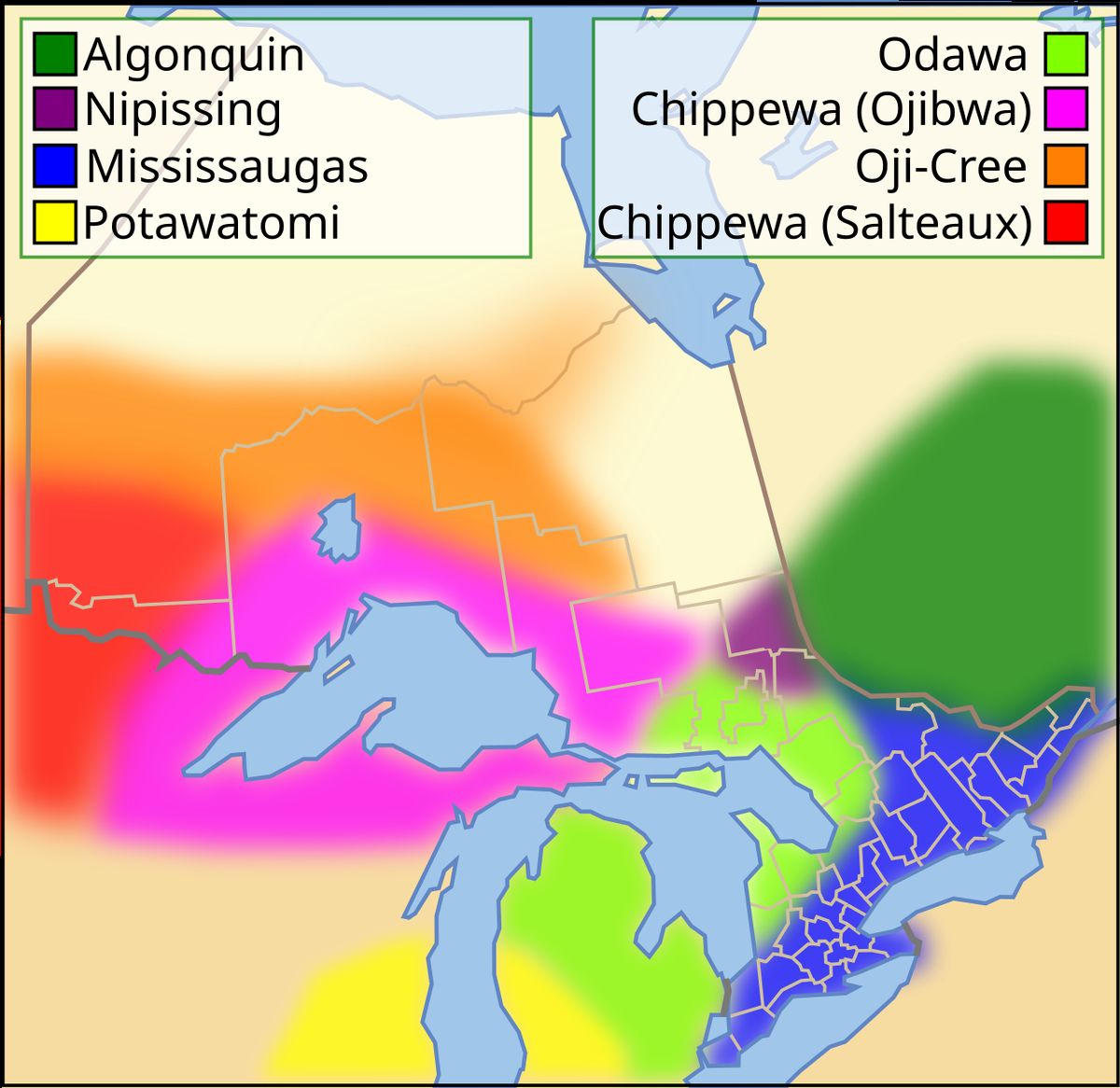
The Saulteaux, also known as the Plains Ojibwe or Nakawē, are a First Nations people with a significant presence across Ontario, Manitoba, Saskatchewan, Alberta, and British Columbia. They are a western branch of the larger Ojibwe (Anishinaabe) nation, historically emerging from the Sault Ste. Marie area, a fact reflected in their name, which derives from the French for 'people of the rapids'. Their history is marked by a westward migration driven by the fur trade and European settlement, leading to the development of distinct regional identities blending Woodland and Plains cultures. Today, numerous Saulteaux First Nations are vital communities and governments, signatories to several of the Numbered Treaties, and continue to assert their rights and revitalize their languages and traditions.
Origins, Name and Early Contact
The name 'Saulteaux' originates from French fur traders in the 17th century. It is derived from 'saulteurs', meaning 'people of the rapids', a direct reference to their historical settlement around the St. Mary's River rapids at Sault Ste. Marie, the junction of Lakes Superior and Huron. The people refer to themselves as Anishinaabe, a broader term for Ojibwe peoples, and specifically as Nakawē (or Nahkawiyiniw in Cree). Their traditional language, Nakawēmowin or Western Ojibwa, is part of the extensive Algonquian language family. Initial contact with Europeans centred on the fur trade at Sault Ste. Marie, where the Saulteaux acted as intermediaries and traders with the French, British, and later Americans. They were primarily hunters and fishers, and had extensive trading relations with Europeans at that post.
Westward Migration and Regional Divisions
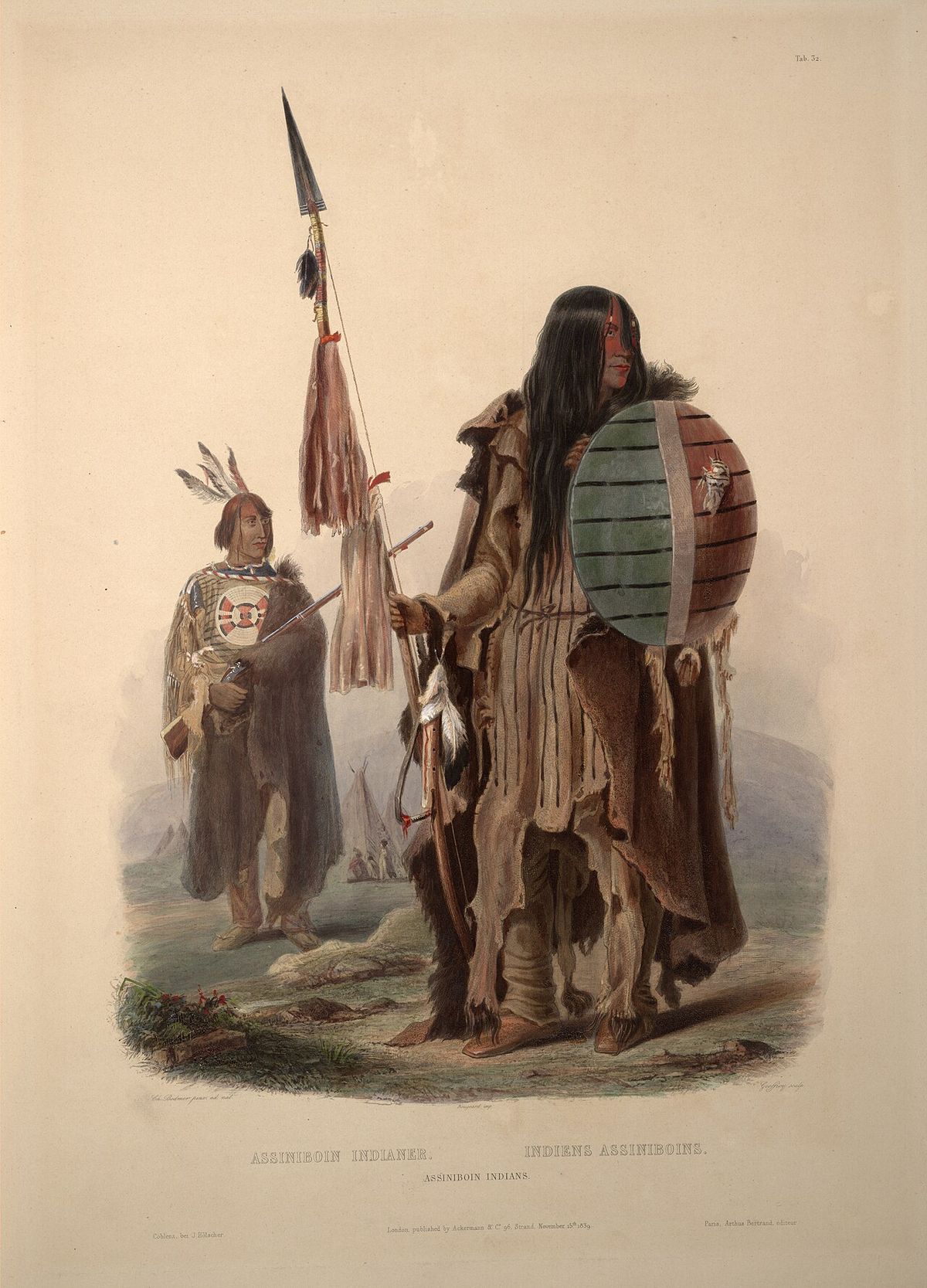
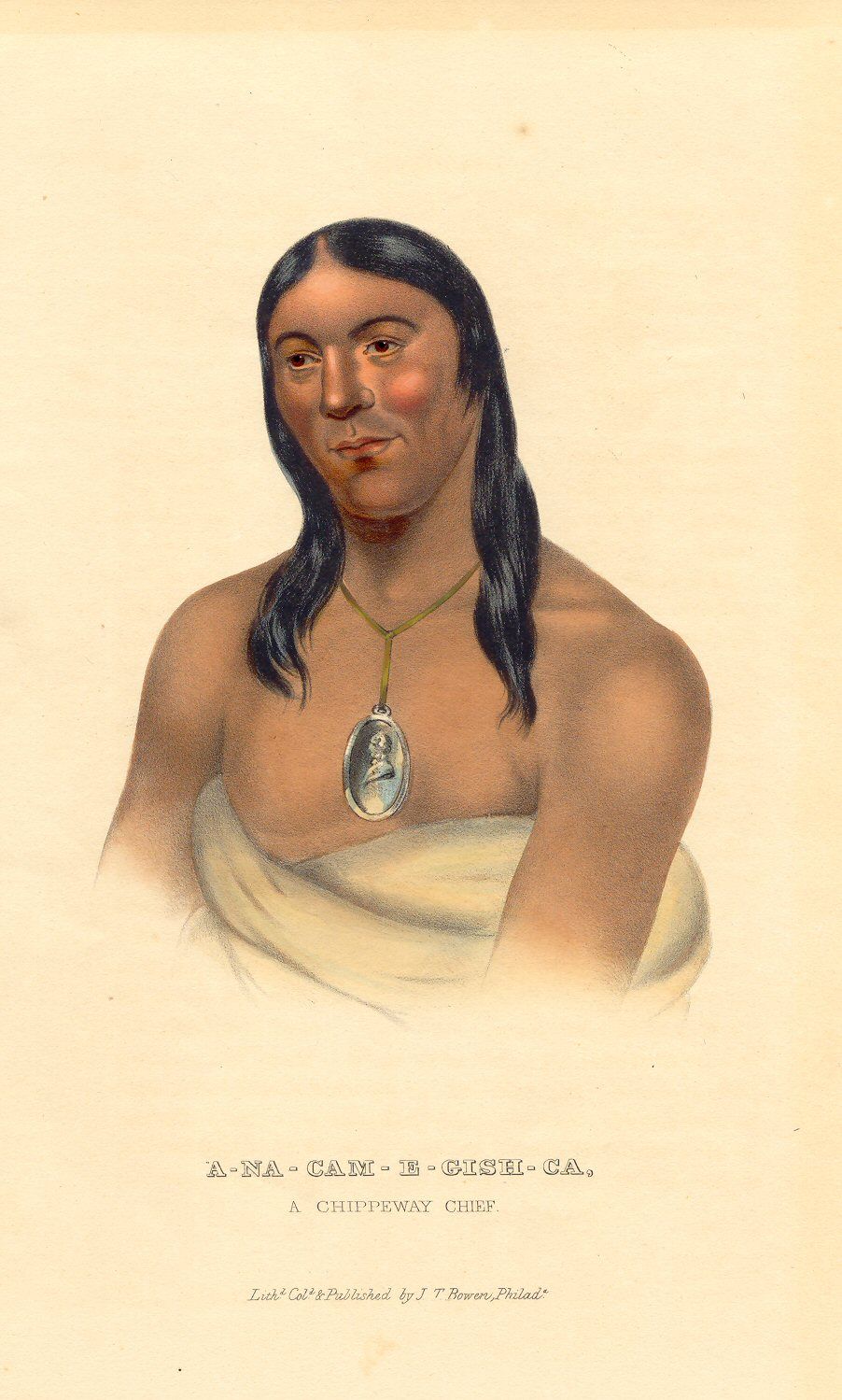
Beginning in the late 18th century, groups of Saulteaux began a gradual migration northwest from the Great Lakes region. This movement was primarily motivated by their deepening involvement in the fur trade as partners with the Cree and later by the decline of game in the east. Attracted by the expansion of the trade, they moved into the Swan River and Cumberland districts of west-central Manitoba and along the Assiniboine River into Saskatchewan. They typically remained on the edges of the parkland, venturing onto the prairies primarily to hunt buffalo. This historical process resulted in three broadly recognized regional divisions today, each with distinct cultural characteristics and treaty relationships. The Eastern or Ontario Saulteaux remain in the Rainy Lake and Lake of the Woods areas of northwestern Ontario and southeastern Manitoba, maintaining a Woodlands culture and being signatories to Treaty 3. Their form of Anishinaabemowin is classified as Northwestern Ojibwa. The Central or Manitoba Saulteaux, found in eastern and southern Manitoba extending into Saskatchewan, represent a cultural transition zone and are primarily linked to Treaties 1 and 2. Their culture blends Woodland and Plains traits, and the term Bungi has sometimes been used to refer to them or their Métis population. The Western Saulteaux, located in central Saskatchewan and extending into Alberta and British Columbia, fully adopted a Plains lifestyle and are signatories to Treaties 4 and 6, with the Saulteau First Nations in British Columbia being signatory to Treaty 8. Their language is Western Ojibwa, and they are the group most commonly called Plains Ojibwe.
Treaty Relationships and Land Entitlement
Their leaders, representing various bands, were signatories to several of the Numbered Treaties that shaped modern Western Canada. The Western Saulteaux signed Treaty 4 in 1874, covering southern Saskatchewan, and Treaty 6 in 1876, covering central Saskatchewan and Alberta. The Saulteau First Nations in northeastern British Columbia are signatories to Treaty 8, signed in 1899. These treaties involved the cession of vast territories in return for promises of reserves, annuities, and hunting, fishing and trapping rights. The modern era has seen many Saulteaux First Nations actively pursuing land claims and treaty land entitlement settlements to address historical shortfalls. A landmark example is the Saulteaux First Nation in Saskatchewan, which on April 7, 1993, celebrated the ratification of its Treaty Land Entitlement Claim. This settlement resolved a century-old debt owed under Treaty 6 and enabled the First Nation to purchase 56,000 acres of land within Saskatchewan.
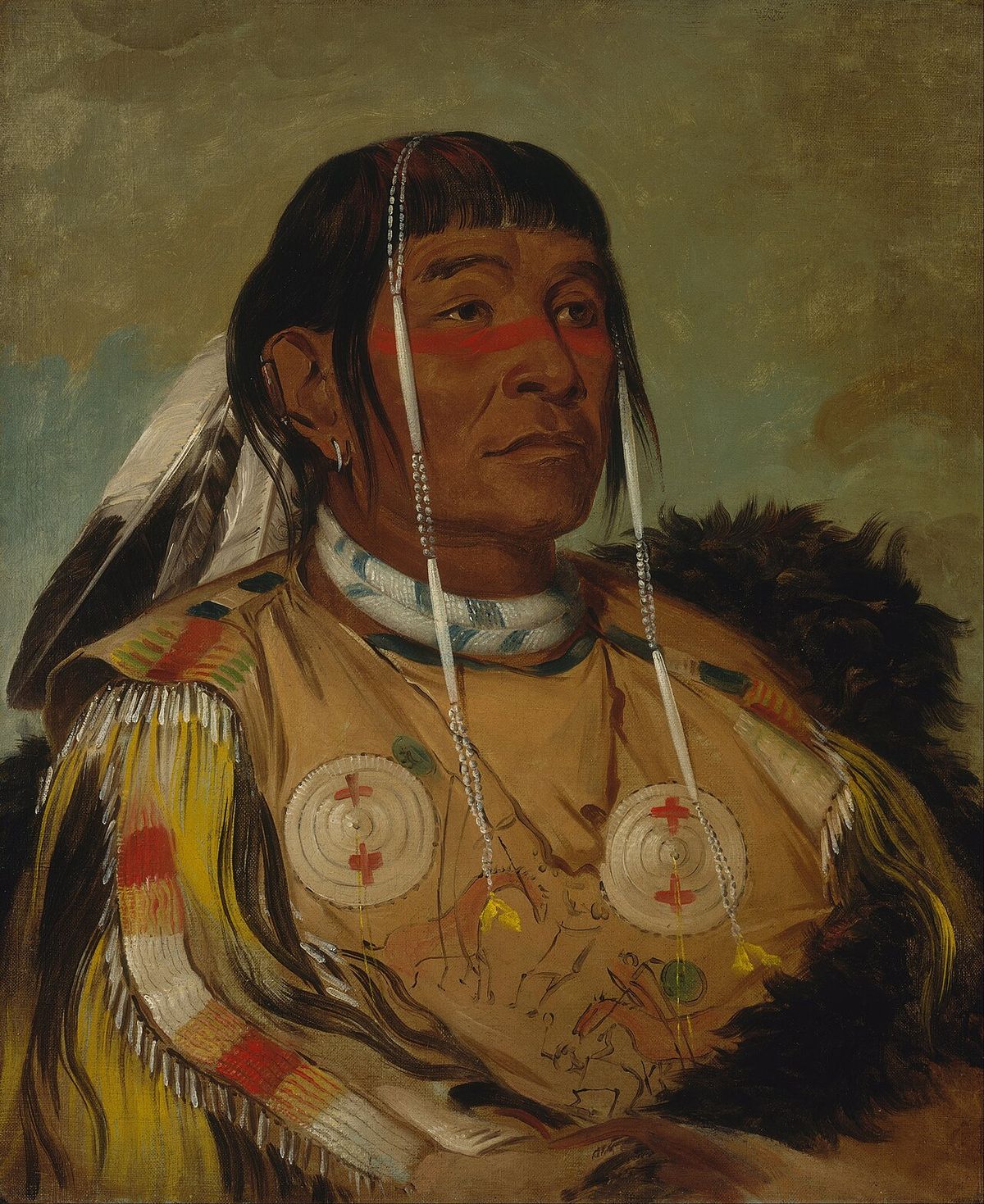
Contemporary Communities and Demographics
Saulteaux people live in dozens of distinct First Nations communities across five provinces. These communities vary greatly in size, location, and local economy. Population figures are dynamic, as illustrated by the Saulteau First Nations in British Columbia, which reported a total registered population of 1,484 members as of September 2026. Many communities have a mix of on-reserve and off-reserve memberships. The Saulteaux First Nation in Saskatchewan, for instance, reported having 1,157 registered members. The following list provides examples of Saulteaux and mixed-heritage First Nations from across their territory, highlighting their geographic spread and some population figures from available data.
- Ontario: Asubpeeschoseewagong First Nation (Grassy Narrows, population 1,326), Shoal Lake 40 First Nation (population 542), Wabaseemoong Independent Nations (population 1,716), Big Grassy First Nation (population 660).
- Manitoba: Peguis First Nation (population 8,410), Sandy Bay First Nation (population 5,521), Sagkeeng First Nation (population 6,844), Pine Creek First Nation (population 2,730), Ebb and Flow First Nation (population 2,467).
- Saskatchewan: Saulteaux First Nation (population 1,157), Cote First Nation (population 3,059), Keeseekoose First Nation (population 2,145), Muskowpetung First Nation (population 1,183), Zagime Anishinabek (population 1,404).
- Alberta: O'Chiese First Nation (Rocky Mountain House, population 963).
- British Columbia: Saulteau First Nations (Moberly Lake, population 1,484 registered in 2026).
- Mixed-Heritage Nations: White Bear First Nations (Cree, Saulteaux, Nakota, Dakota, population 2,805), Cowessess First Nation (part Cree, population 3,570), Gordon First Nation (population 3,065).
Culture, Language and Revitalization
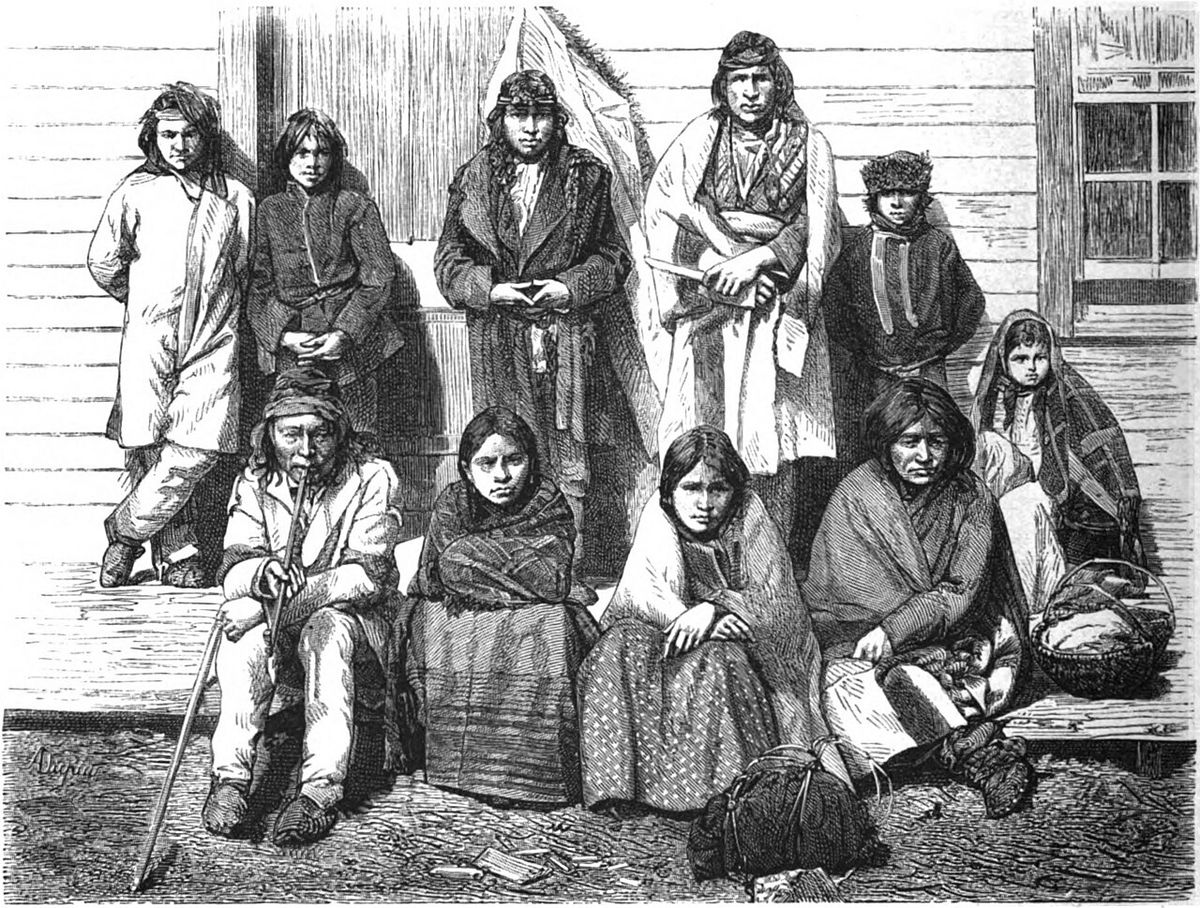
Saulteaux culture is a synthesis of eastern Woodland and western Plains traditions, reflecting their history of migration and adaptation. Traditional practices included hunting, fishing, and gathering, with a later incorporation of buffalo hunting on the plains. Ceremonial life is rich, featuring practices such as the Midewiwin (Grand Medicine Society) and, among Western groups, the Sun Dance. For much of the 20th century, these ceremonies and the use of Indigenous languages were suppressed by government policies and the residential school system. In recent decades, a powerful movement of cultural revitalization has taken hold. Communities are working to reclaim and teach the Nakawēmowin language, though English is now the first language for many. Ceremonies are being revived, and traditional arts like beadwork and the creation of ribbon skirts are celebrated, with events like the Ribbon Skirt and Indigenous Culture Celebration hosted by Saulteau First Nations. Groups like the Saulteaux First Nation Singers are renowned performers who travel across North America to share round dance songs, promoting cultural continuity and pride.
Governance, Infrastructure and Economy
Each Saulteaux community is governed as a distinct First Nation band under the Indian Act, with elected chiefs and councils serving specific terms. For example, the Saulteaux First Nation in Saskatchewan held an election term from March 25, 2023, to March 25, 2026. Many are also members of larger tribal councils that provide collective services and advocacy, such as the Battlefords Agency Tribal Chiefs (BATC) in Treaty 6 Territory. Economic development strategies are tailored to local resources and opportunities. Common sectors include agriculture, forestry, and tourism, leveraging natural resources and cultural heritage. Infrastructure on reserves is often comprehensive, including band offices, community complexes, medical clinics, daycares, fire halls, schools like the Saulteaux Heritage School (K-9), arenas, and recreation centres. Modern governance also involves complex negotiations with provincial and federal governments on issues like land claims, resource revenue sharing, and self-government. The Saulteau First Nations in British Columbia, for instance, have Forest Consultation and Revenue Sharing Agreements and are in discussions with the province on land and resource issues outside the formal treaty process.
Notable Saulteaux Individuals
Saulteaux people have made significant contributions to Canadian society in diverse fields. Their achievements in the arts, politics, sports, and military service are a source of great pride for their communities and for Canada. The following individuals are prominent examples of this legacy, demonstrating the wide-ranging impact of Saulteaux citizens. Adam Beach is an acclaimed actor known for roles in films like Flags of Our Fathers and Windtalkers, and the television series Arctic Air. Phil Fontaine is a former National Chief of the Assembly of First Nations, serving three terms and being a leading advocate for Indigenous rights and the residential school settlement. Tommy Prince is one of Canada's most decorated Indigenous war heroes, serving with distinction in the Second World War and the Korean War. Henry Boucha is a former National Hockey League player for several teams who also represented the United States in Olympic hockey.
- Robert Houle: A renowned artist, curator, and critic whose work addresses Indigenous history, memory, and identity from a Saulteaux perspective.
- Jennifer Podemski: An accomplished actor, producer, and advocate for Indigenous storytelling in film and television, known for her production company and activism.
- Tamara Podemski: An actor and singer, known for her role as Bharadwaj in the series Murderbot and for her award-winning stage work in theatre.
- Wilma Pelly: A respected actor with a long career in Canadian television and film, appearing in numerous productions over several decades.
- Al Hunter: An Anishinaabe writer and poet from the community, contributing to Indigenous literature.
Language Communities and Present-Day Challenges
The Nakawēmowin language, while endangered, continues to be spoken in specific communities, particularly in Saskatchewan. According to language surveys, the following First Nations in Saskatchewan are noted as having Nahkawininiwak (Saulteaux) speakers: Cote, Cowessess, Fishing Lake, Gordons, Keeseekoose, Key, Muskowpetung, Nut Lake (Yellow Quill), Pasqua, Poorman, Sakimay (Zagime Anishinabek), Saulteaux, and Yellowquill. Communities like Cowessess, Gordons, White Bear, and Keeseekoose have a mixture of Nahkawininiwak, Nêhiyawêwin (Cree), and other languages. The challenge of language preservation is met with educational programs in schools and community-led immersion initiatives. Contemporary governance also involves managing band operations and member services, such as the distribution of treaty annuity and per capita payments. For example, the Saulteaux First Nation communicated that its Per Capita Distribution for 2026 would be final on September 30, 2026, with payments prepared for August 13th. These administrative functions coexist with the ongoing work of healing from historical trauma, protecting land and water rights, and fostering economic self-sufficiency for future generations.
Questions about Saulteaux
What does the name 'Saulteaux' mean?
The name 'Saulteaux' comes from the French word 'saulteurs', which translates to 'people of the rapids'. It refers to their historical homeland around the St. Mary's River rapids at Sault Ste. Marie, where they first encountered French fur traders in the 17th century. The people's own name for themselves is Anishinaabe or, specifically, Nakawē. The neighbouring Plains Cree refer to them as Nahkawiyiniw.
Where do the Saulteaux live today?
The Saulteaux live in First Nations communities across western and central Canada. Their communities are located in the provinces of Ontario, Manitoba, Saskatchewan, Alberta, and British Columbia. Significant populations reside in Manitoba's Interlake District and in areas like Kamsack, Saskatchewan. Specific communities include Saulteaux First Nation near Cochin, Saskatchewan, and Saulteau First Nations at Moberly Lake, British Columbia.
Which treaties did the Saulteaux sign?
Different Saulteaux bands signed several of the Numbered Treaties with the Crown. The Eastern Saulteaux signed Treaty 3. The Central Saulteaux signed Treaties 1 and 2. The Western Saulteaux signed Treaty 4 (1874) and Treaty 6 (1876). The Saulteau First Nations in northeastern British Columbia are signatories to Treaty 8 (1899).
What language do the Saulteaux speak?
The traditional language of the Saulteaux is a dialect of Ojibwe, known specifically as Nakawēmowin or Western Ojibwa. It is part of the Algonquian language family. Due to historical policies like residential schools, many community members now speak English as a first language. However, there are ongoing and vigorous efforts in many communities to revitalize and teach Nakawēmowin to younger generations.
Who are some famous Saulteaux people?
Many Saulteaux individuals have gained national prominence. Notable figures include actor Adam Beach, former National Chief of the Assembly of First Nations Phil Fontaine, war hero Tommy Prince, and former NHL player and Olympian Henry Boucha. In the arts, Robert Houle is a celebrated visual artist, while Jennifer Podemski and Tamara Podemski are accomplished actors and producers. Writer and poet Al Hunter and actor Wilma Pelly are also notable Saulteaux individuals.
What is a major economic activity for Saulteaux First Nations?
Economic activities vary by location but commonly include agriculture, forestry, and tourism. Many communities leverage their natural resources and cultural heritage. For instance, the Saulteau First Nations in British Columbia have Forest Consultation and Revenue Sharing Agreements. Other nations are involved in agriculture on treaty land entitlement settlements, such as the Saulteaux First Nation in Saskatchewan which purchased 56,000 acres for development.
Sources and further reading
- Saulteaux (Wikipedia)
- Saulteaux First Nation, Home (saulteauxfn.ca)
- Saulteaux, Indigenous Saskatchewan Encyclopedia (teaching.usask.ca)
- Saulteaux First Nation, An Integral Member of BATC (batc.ca)
Checked by the Nosy Mag desk. Last updated 2026-10-24.