Seneca people
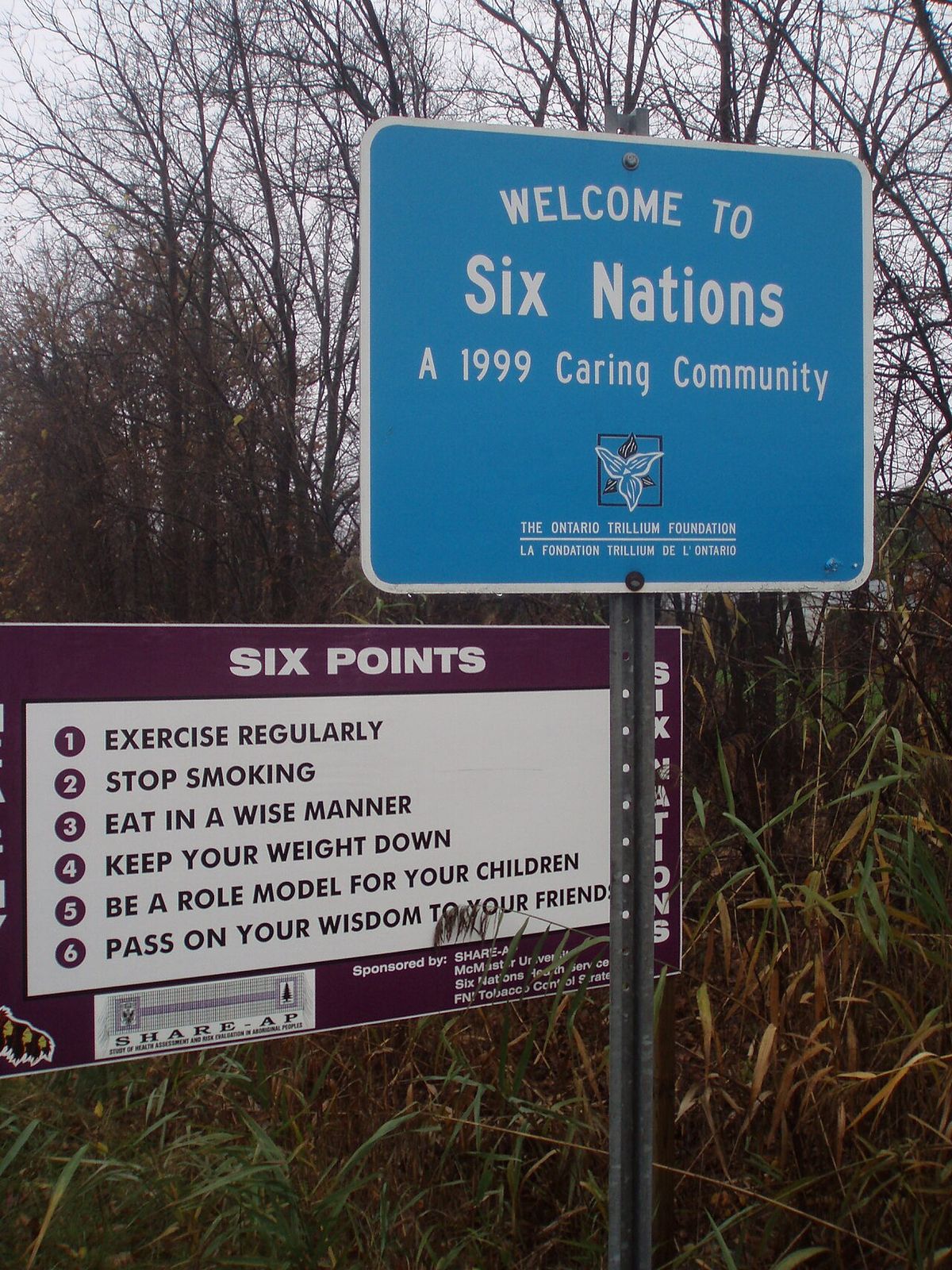
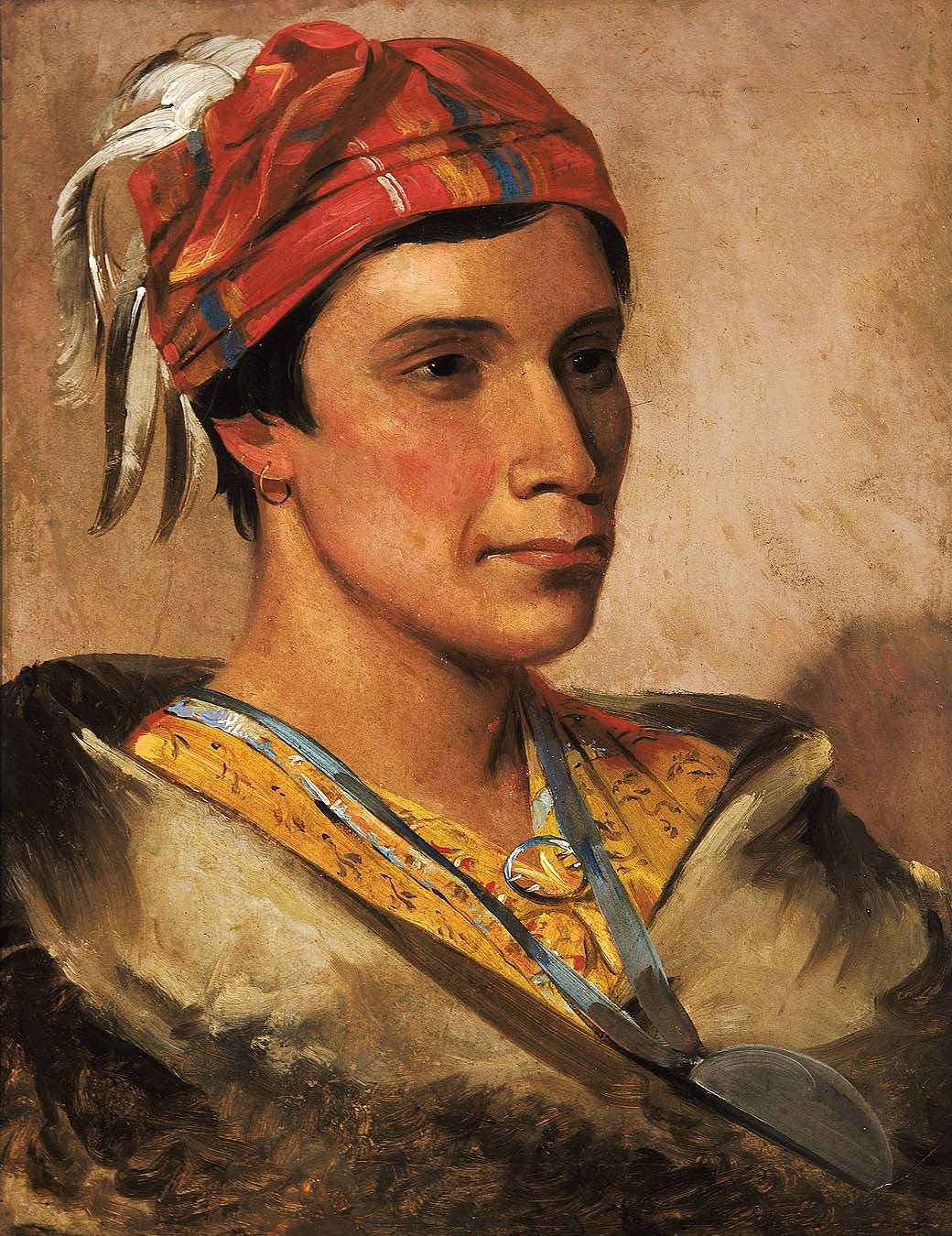
The Seneca (Onödowa’ga˙’) are an Indigenous Iroquoian-speaking nation and a founding member of the Haudenosaunee (Iroquois Confederacy), historically known as the "Keepers of the Western Door." Historically residing south of Lake Ontario in what is now western New York, the Seneca were the most populous nation within the Six Nations. Today, more than 10,000 Seneca live in the United States across three federally recognized tribes. Approximately 1,000 Seneca live in Canada, enrolled in the Konadaha Seneca First Nation and Niharondasa Seneca First Nation at the Six Nations of the Grand River in Ontario. For Canadians, the Seneca story is part of the shared history of the Great Lakes region, and their ongoing struggles for jurisdiction and cultural preservation resonate with broader Indigenous rights movements across the country.
Historical Origins and Traditional Society
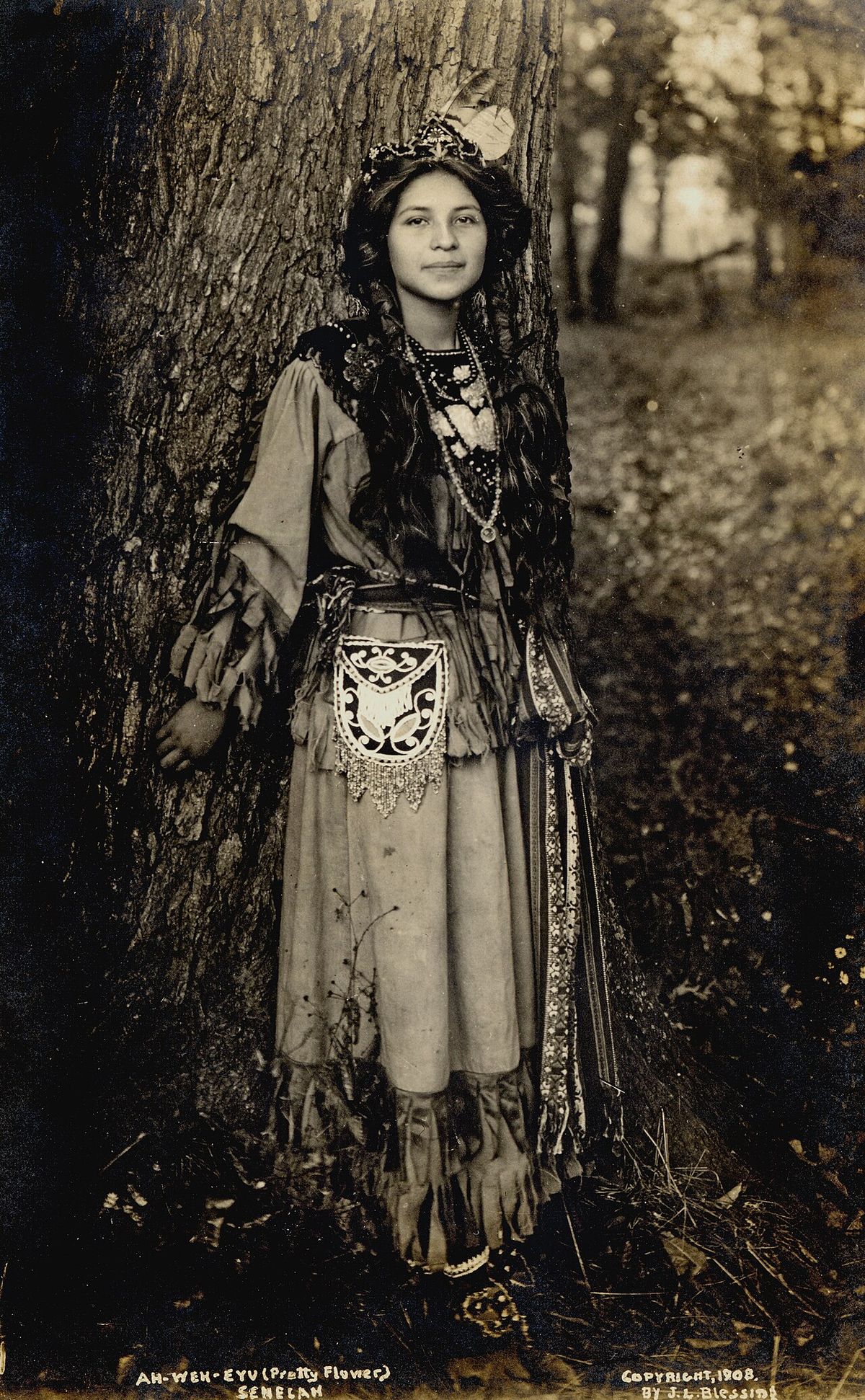
Seneca oral history places their origins at a village called Nundawao near the south end of Canandaigua Lake, at a place known as Bare Hill (Genundowa). Archaeological evidence indicates the Seneca were established in what is now New York state between the Genesee River and Canandaigua Lake by at least the 12th century. The dating of an oral tradition mentioning a solar eclipse yields 1142 AD as the year for the Seneca joining the Haudenosaunee. Their territory eventually expanded to include areas along the Allegheny River in present-day Pennsylvania. The Seneca nation was divided into western and eastern branches. The western Seneca lived predominantly in and around the Genesee River, while the eastern Seneca lived south of Seneca Lake. Their society was matrilineal, with clans traced through the mother's line, and women held significant roles in land ownership, agricultural production, and the selection of chiefs. Men were primarily responsible for hunting, warfare, trade, and diplomacy. The Seneca lived in large villages protected by wooden palisades. Their 17th-century capital, Ganondagan, contained 150 longhouses. Their subsistence was based on agriculture, notably the cultivation of corn, beans, and squash known collectively as the Three Sisters, alongside hunting and fishing. Major villages were located as far east as Schuyler County, south into Tioga and Chemung counties, and west into the Genesee River valley.
Expansion, Conflict, and European Contact
The Seneca's position as the most numerous Haudenosaunee nation made them a dominant military and political force in the 17th century. Following a severe smallpox epidemic in 1635, they led the Confederacy in a series of Mourning Wars to capture and assimilate people from neighbouring nations to stabilize their population. In a near 35-year period of conquest, the Seneca and their allies defeated several powerful rivals. They subjugated the Wendat (Huron) by 1650, the Neutrals that same year, and the Erie nation by 1653. In 1675, they defeated the Andaste (Susquehannock) to the south. Survivors of these conflicts were often relocated to Seneca homelands. The Seneca became deeply involved in the fur trade with Dutch and later British colonists, which increased hostilities with the French and their Wendat allies. In 1687, a large French army under Marquis de Denonville destroyed the Seneca eastern capital of Ganondagan and other villages. Despite this, Seneca power remained extensive, and they subsequently formed an alliance with the British. Their influence extended along ancient trails like the Seneca Trail, exerting control over areas in the lower Catskills and mediating in conflicts such as the First Esopus War between the Dutch and Esopus people in 1659. They used rivers like the Genesee and Allegheny, as well as the Great Indian War and Trading Path, for travel and trade into Pennsylvania and Ohio.
Diplomacy and Influence in the 17th and 18th Centuries
Seneca diplomacy and influence extended far beyond their core territories, particularly into the lands of the Lenape (Munsee) in present-day Sullivan, Ulster, and Orange counties of New York. The Seneca traveled the Forbidden Path south to Tioga and then east over the Minnisink Path to exert control. Historical records show Seneca diplomats visiting Dutch officials in New Amsterdam in 1657 and 1658. In 1694, a colonial report described Minnisink chiefs as fearful of Seneca attack for not paying wampum tribute. From approximately 1720 to the 1750s, the Seneca actively resettled and assimilated Munsee people into their nation and the Confederacy. Archaeological work at the 1715 to 1754 Seneca Townley-Read site shows evidence of substantial Seneca autonomy and innovation during this period. In 1756, the Confederacy directed the Munsee to settle in a new satellite town on Seneca territory called Assinisink on the Chemung River. At the 1758 peace conference in Easton, Pennsylvania, Seneca chief Tagashata required the Munsee and Minnisink to make peace with colonists and bury the hatchet. Colonial records from 1759 indicate that negotiators had to work through the Seneca to achieve diplomatic success with the Munsee, demonstrating the Seneca's role as a protective and influential power over these groups.
The American Revolution, Land Loss, and Internal Revitalization
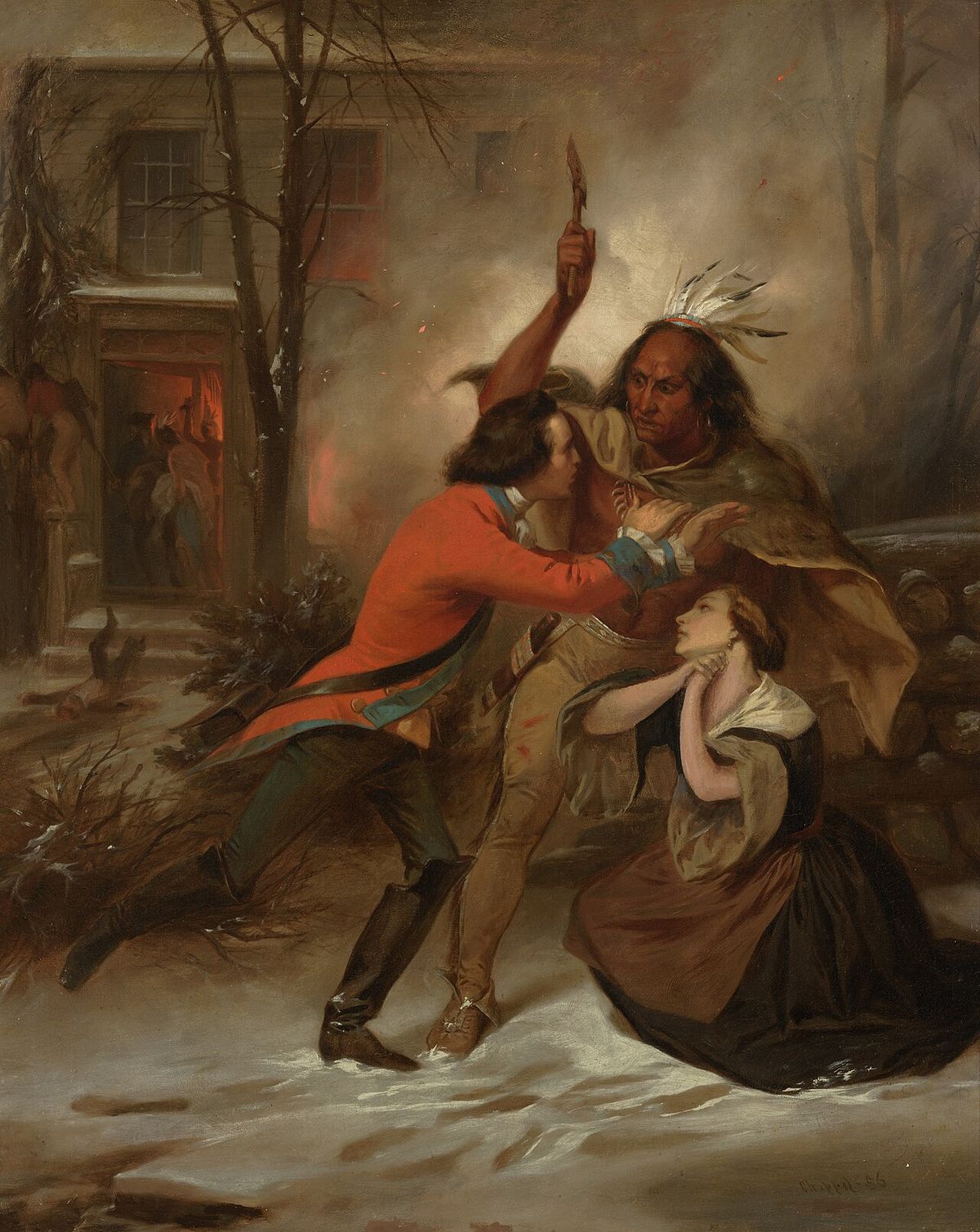
Initially attempting to remain neutral in the conflict between American colonists and the British, the Seneca were ultimately drawn into the American Revolutionary War. Their longstanding alliance with the British through agreements like the 1768 Treaty of Fort Stanwix, and their anger over American encroachment into the Ohio Territory, led many Seneca to fight alongside British forces. The defeat of the British and their allies had catastrophic consequences for the Seneca. In the 1784 Treaty of Fort Stanwix, the victorious United States demanded substantial land cessions from the Haudenosaunee. Although the 1794 Treaty of Canandaigua later defined Seneca boundaries and promised peace, by 1797 the Seneca retained only about 310 square miles of their ancestral territory in New York. This period of demoralization, exacerbated by land speculators and alcohol, was followed by fraudulent land deals, culminating in the 1838 Treaty of Buffalo Creek which proposed Seneca relocation west of Missouri. With assistance from Quakers, a compromise was reached in 1842 where the Seneca surrendered reservations at Buffalo Creek and Tonawanda but retained those at Allegany and Cattaraugus. These events led to significant political reorganization, including the creation of the Seneca Nation of Indians in 1848. A key internal development was the 1799 revelation of the Gai'wiio (Good Message) by the prophet Handsome Lake. His teachings initiated a revitalization movement that combined traditional rituals with a new social structure based on nuclear households and male agriculture, while forbidding alcohol and witchcraft. This movement helped stabilize Seneca society in the face of immense external pressure.
Modern Governance, Communities, and Economic Enterprises
Today, Seneca people are citizens of several distinct political entities in the United States and Canada. In the United States, there are three federally recognized Seneca tribes. The Seneca Nation of Indians (SNI), with a constitution adopted in 1848, governs territories in western New York: the Allegany, Cattaraugus, Oil Springs, Buffalo Creek, and Niagara Falls territories. The Tonawanda Seneca Nation, which repurchased part of its reservation in 1857, retains a government by hereditary chiefs. The Seneca-Cayuga Nation is located in Oklahoma, descendants of those relocated from Ohio during the Indian Removal period. In Canada, approximately 1,000 Seneca people are enrolled in the Konadaha Seneca First Nation and Niharondasa Seneca First Nation at the Six Nations of the Grand River near Brantford, Ontario. These communities are descendants of Seneca who resettled there as allies of the British after the American Revolution. Modern governance involves addressing complex jurisdictional issues. Disputes over annuity distributions in the 19th century led to the abolition of the government by chiefs and the establishment of the SNI's elected system. The Seneca Nation of Indians operates a variety of economic enterprises that support its citizens and the surrounding region. These include casino gaming, hospitality, and entertainment facilities. Other ventures include a chain of convenience stores, construction management services, diverse business holdings, and cannabis operations. Revenue from these enterprises funds cultural, educational, and governmental services. Historical challenges related to land use persist, such as the extremely low rents from non-Seneca settlements on reservation land that were sanctioned by Congress in 1875 and 1892. These leases were successfully renegotiated at fair market rates in 1990 and 1991.
Cultural Preservation, Language, and Education
Seneca cultural identity remains strong despite historical pressures, with active efforts focused on language, tradition, and education. The Seneca language, Onödowá’ga˙’ Gawéːnö’, was rated critically endangered in 2007 with fewer than 50 fluent speakers. The Seneca Nation has implemented language immersion programs and classes to develop new generations of speakers. Cultural institutions like the Onöhsagwë:de' Cultural Center play a central role in preserving and sharing Seneca heritage through exhibits, workshops, and events. Traditional arts such as beadwork, basketry, and silversmithing continue to be practiced. The Handsome Lake religion (Gai'wiio), which emerged in 1799, remains an important spiritual practice for many. Social dances, lacrosse, and other traditional games are vital community activities. The Seneca have eight clans: Bear, Wolf, Turtle, Beaver, Deer, Hawk, Snipe, and Heron. These clans are divided into two moieties, the animal side and the bird side. In Canada, institutions like First Peoples@Seneca at Seneca College in Toronto provide advisement and cultural events for Indigenous students. These combined efforts in language revival, cultural programming, and intergenerational teaching are crucial for ensuring the continuity of Seneca culture.
Contemporary Challenges, Population, and Legal Context
The Seneca continue to address significant contemporary challenges related to sovereignty, land rights, and community well-being. Jurisdictional confusion over law enforcement on Seneca territories, stemming from a 1948 federal law that gave New York State criminal jurisdiction, has been a persistent issue. Environmental concerns and the impact of past infrastructure projects remain poignant, most notably the construction of the Kinzua Dam in the 1960s which flooded over 10,000 acres of the Allegany Territory and forced the relocation of more than 600 Seneca. Congressional compensation from this project was later used for college scholarships and to build government offices, clinics, and libraries. The Seneca population reflects these complex histories of displacement and resilience. More than 10,000 Seneca live in the United States across the three federally recognized tribes. The Seneca Nation of Indians alone reports more than 8,500 citizens. Approximately 1,000 Seneca live in Canada, primarily at the Six Nations of the Grand River. The following table outlines the primary modern Seneca communities and their locations, governance, and notable features.
| Community/Nation | Primary Location | Governance & Notable Features |
|---|---|---|
| Seneca Nation of Indians (SNI) | Western New York (Allegany, Cattaraugus, Oil Springs, Buffalo Creek, Niagara Falls) | Elected council per 1848 constitution. Major gaming, hospitality, retail, and cannabis enterprises. |
| Tonawanda Seneca Nation | Tonawanda Reservation, New York | Government by hereditary chiefs. Repurchased part of reservation in 1857. |
| Seneca-Cayuga Nation | Oklahoma | Descendants of groups removed from Ohio. Federally recognized tribe. |
| Konadaha & Niharondasa Seneca First Nations | Six Nations of the Grand River, Ontario, Canada | Descendants of Loyalist-era migrants. Part of the larger Six Nations community. |
The Seneca people share a common identity as Onödowa'ga:', which means Great Hill People, their own name for themselves. Their communities are administratively separate, including the Seneca Nation of Indians and the Tonawanda Seneca Nation in New York and the Seneca-Cayuga Nation in Oklahoma. These communities actively work to uphold their traditions and rights in the modern era. In the 21st century, more than 10,000 Seneca live in the United States across these three federally recognized tribes.
Questions about Seneca people
What does the name 'Seneca' mean?
The Seneca's own name for themselves is Onödowa’ga˙’, which translates to "Great Hill People. The name "Seneca" is an exonym derived from an ethnonym originally applied to the Oneida people, which was adapted through Mohegan, Dutch, and finally English languages. Within the Haudenosaunee Confederacy, they are also known as the "Keepers of the Western Door" due to their position as the westernmost nation. The French historically referred to them as Sonontouans.
Where do the Seneca live today?
Today, Seneca people live in several communities in the United States and Canada. In the U.S., the three federally recognized tribes are the Seneca Nation of Indians and the Tonawanda Seneca Nation in western New York, and the Seneca-Cayuga Nation in Oklahoma. The Seneca Nation of Indians administers five territories: Allegany, Cattaraugus, Oil Springs, Buffalo Creek, and Niagara Falls. In Canada, approximately 1,000 Seneca are enrolled in the Konadaha Seneca First Nation and Niharondasa Seneca First Nation at the Six Nations of the Grand River near Brantford, Ontario.
What was the traditional Seneca way of life?
Traditionally, the Seneca were agriculturalists living in large, palisaded villages of bark longhouses. They cultivated the Three Sisters: corn, beans, and squash. Society was matrilineal, with women owning agricultural land, selecting chiefs, and heading clans. Men were responsible for hunting, fishing, trade, warfare, and diplomacy. The Seneca were a powerful military force within the Haudenosaunee Confederacy and were renowned for their sophisticated oratory and diplomatic skills.
What is the Seneca Nation Law Enforcement Efficiency Act?
This proposed legislation aims to address jurisdictional confusion on Seneca Nation lands. It would nullify a 1948 federal law, specifically 25 U.S.C. § 232, that gave New York State criminal jurisdiction over Seneca territory. The act would create a mechanism for the Seneca Nation and the U.S. attorney general to agree to restore federal jurisdiction. Tribal leadership argues this change is necessary to improve public safety and fulfill treaty responsibilities.
How is the Seneca language being preserved?
The Seneca language, Onödowá’ga˙’ Gawéːnö’, is considered critically endangered, but active preservation efforts are underway. The Seneca Nation runs language immersion programs and classes aimed at developing new fluent speakers. Cultural institutions like the Onöhsagwë:de' Cultural Center support these efforts through educational programming. These initiatives are part of a broader cultural preservation strategy.
What are the main economic activities of the Seneca Nation of Indians?
The Seneca Nation of Indians operates a diverse portfolio of enterprises. This includes casino gaming, hospitality, and entertainment complexes. Other ventures include a chain of convenience stores, construction management, cannabis operations, and various other business holdings. Revenue from these enterprises funds governmental services, cultural programs, education, and community development.
Sources and further reading
- Seneca people (Wikipedia)
- History, SNI (sni.org)
- First Peoples@Seneca (senecapolytechnic.ca)
- Legislation Could Restore Jurisdiction Over Seneca Nation ... (nativenewsonline.net)
- Seneca | Social Sciences and Humanities (ebsco.com)
Checked by the Nosy Mag desk. Last updated 2026-10-21.