Iron Confederacy
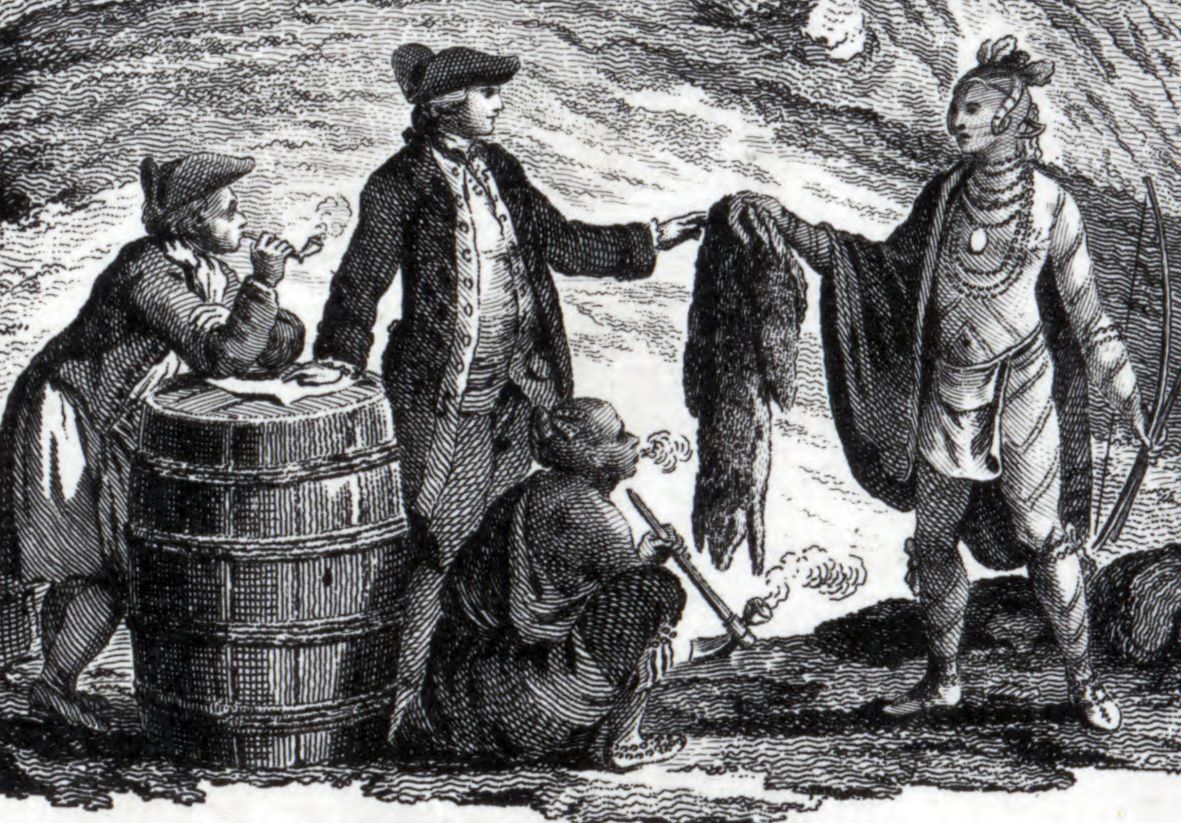
The Iron Confederacy or Iron Confederation, also known as the Nehiyaw-Pwat or Cree-Assiniboine alliance, was a political and military alliance of Plains Indigenous peoples in what is now Western Canada and the northern United States. It rose to predominance during the height of the North American fur trade by operating as middlemen controlling the flow of European goods, particularly firearms, to other Indigenous nations and the flow of furs to Hudson's Bay Company and North West Company posts. Its peoples took part in the bison hunt and pemmican trade. The alliance's power declined after the 1860s due to the collapse of the bison herds and the end of the fur trade era, leading its constituent bands to sign treaties with the Canadian government in the 1870s.
Origins and Early Formation
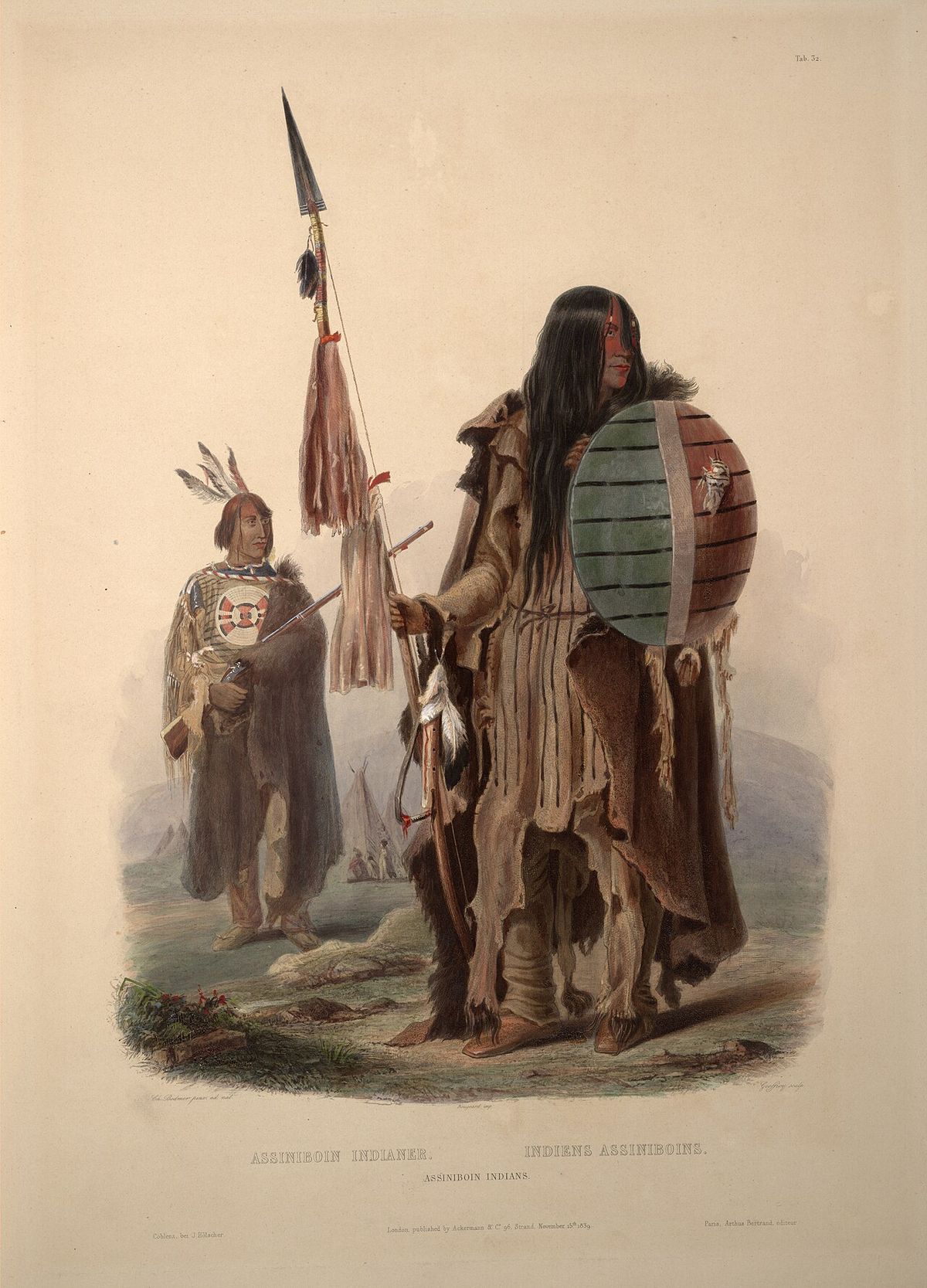
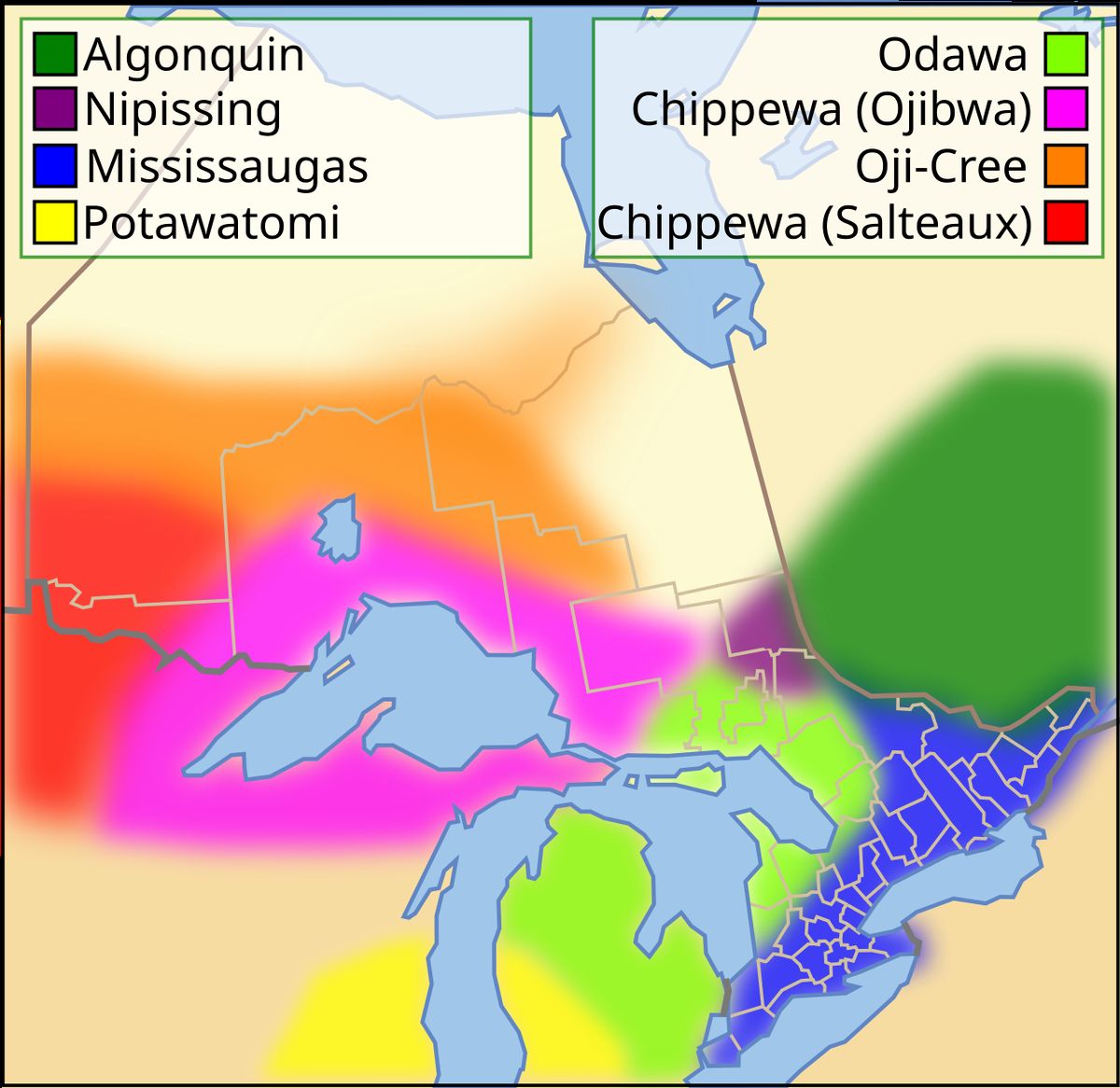
The Assiniboine originated from the southern edge of the Laurentian Shield in present-day Minnesota, becoming a separate people from the Yanktonai Dakota sometime prior to 1640. By 1806, they were established in the Assiniboine River valley in present-day Saskatchewan and Manitoba. The Cree had been in contact with Europeans since around 1611 when Henry Hudson reached their ancestral homeland. The traditional view is that once the Hudson's Bay Company established bayside posts in 1668 and 1688, the Cree moved west to act as middlemen. A more recent view based on oral history suggests the Cree were already west of Lake Winnipeg. The earliest written record of their alliance comes from the journal of Henry Kelsey around 1690 to 1692, which noted good relations and a military alliance between the Cree and Assiniboine against common enemies. The Stoney, speaking a Siouan language called nakoda, were a separate group from the Assiniboine by 1754 when Anthony Henday wrote of camping with "Stone" families near present-day Red Deer, Alberta.
Expansion and the Fur Trade Economy
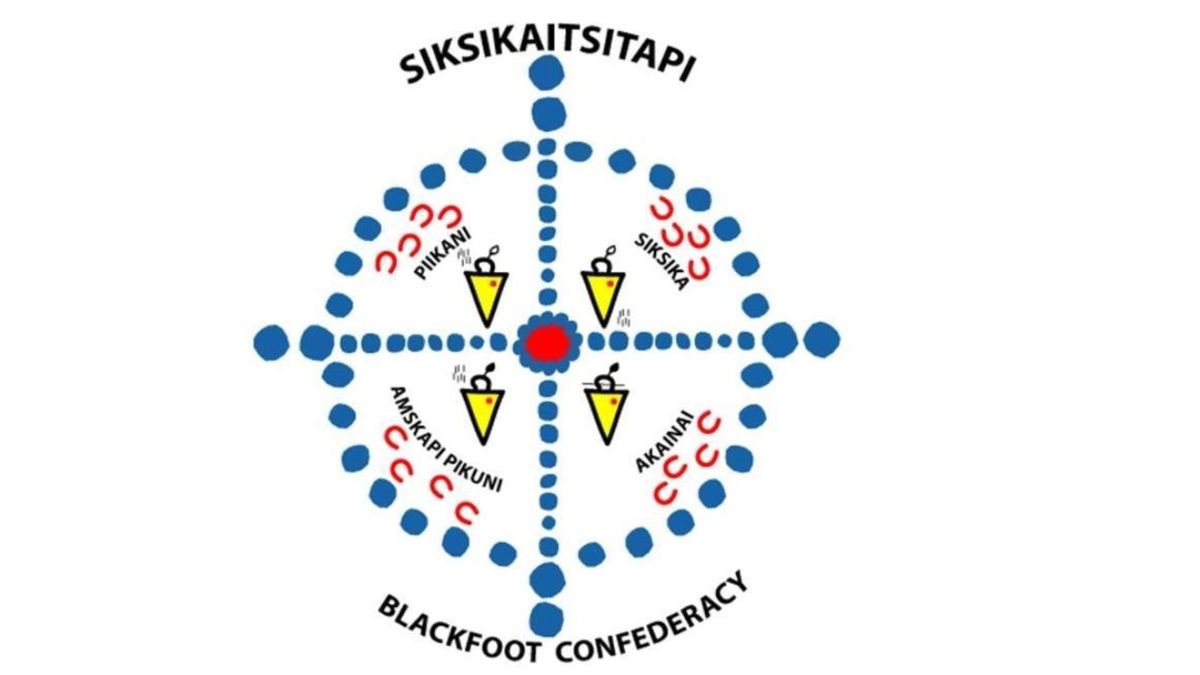
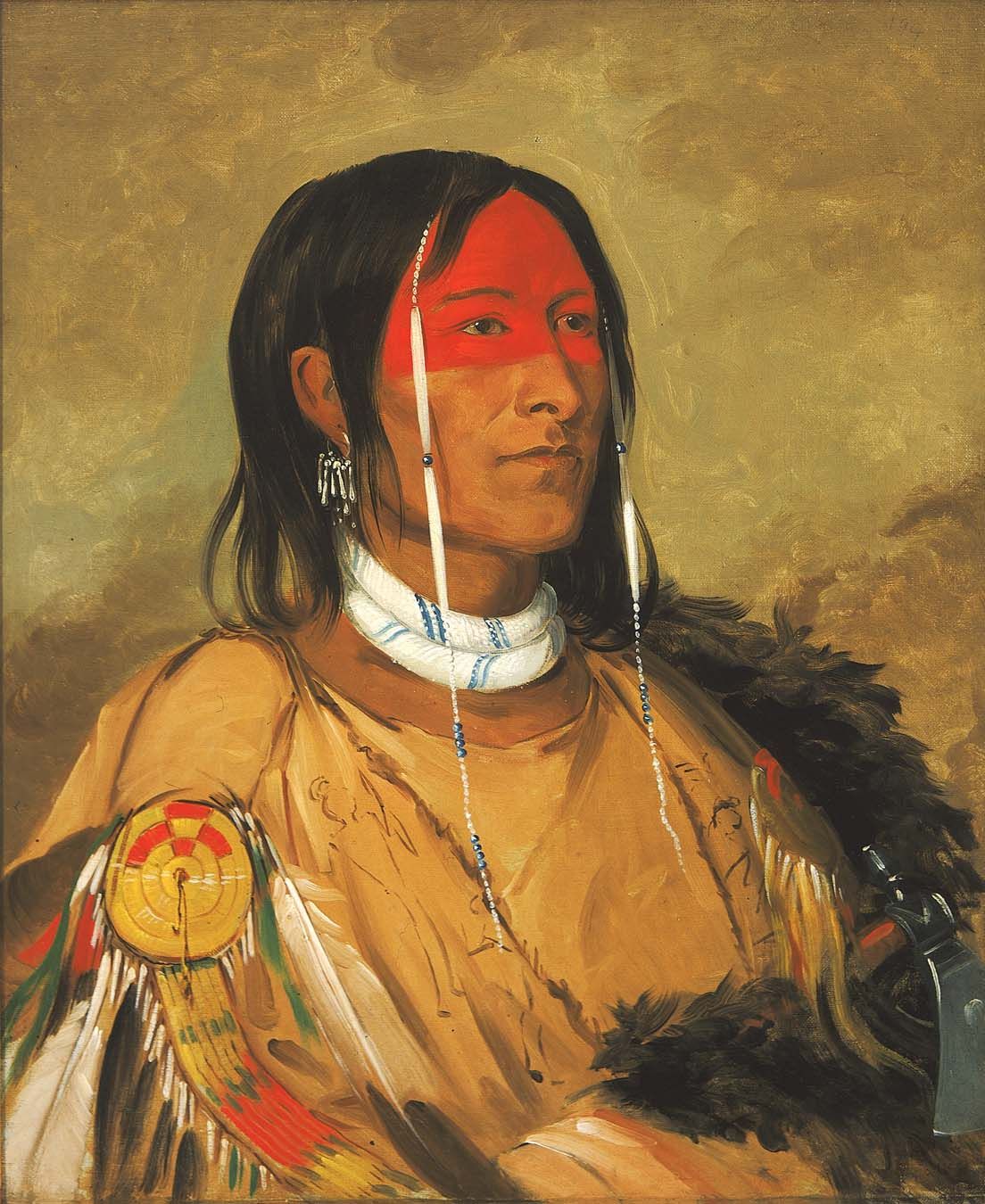
The Confederacy's power was built on its strategic position as the primary intermediary in the North American fur trade. As the Hudson's Bay Company and North West Company moved inland, the allied Cree and Assiniboine ensured they maintained control over the flow of goods. They traded European manufactured items like muskets, knives, kettles, and gunpowder to plains peoples such as the Blackfoot Confederacy, in exchange for horses, buffalo robes, and furs. Anthony Henday's 1754 account from near Battleford, Saskatchewan, details this trade, noting a gun was worth about fifty prime beaver pelts and a horse was valued at one gun. The Blackfoot refused to travel to HBC posts themselves, relying on the Confederacy. One HBC journal records a Cree trader buying a musket for 14 beaver pelts and selling it to a Blackfoot warrior for 50. The alliance also expanded territorially, with Cree movement northwest leading to conflict and eventual peace with the Chipewyan in 1715, brokered with the help of interpreter Thanadelthur. By 1760, Cree expansion reached the Lesser Slave Lake region in northern Alberta, where they pushed out the Beaver people until a smallpox epidemic in 1781 led to a peace treaty at Peace Point, which gave the Peace River its name and established a boundary.
Military Alliances and Conflicts
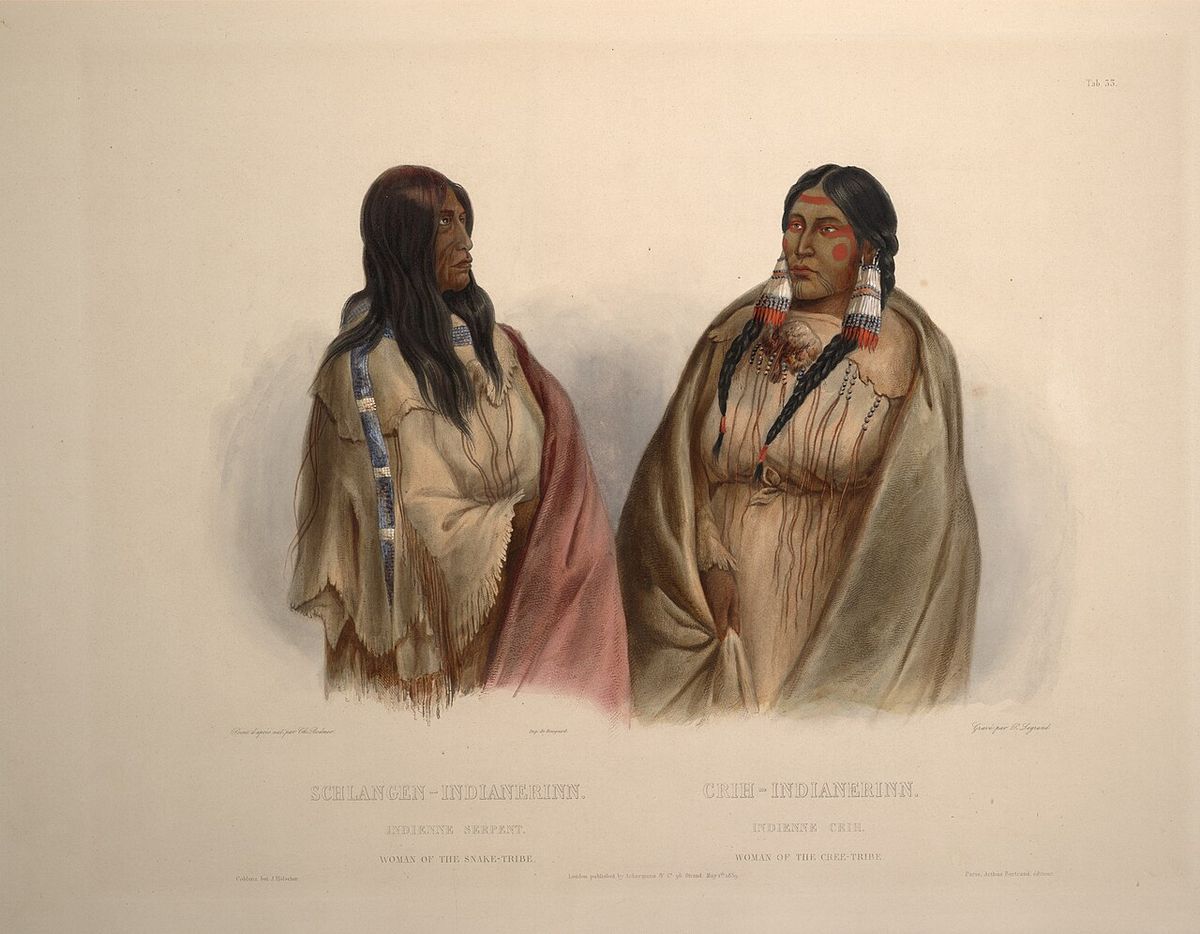
The Iron Confederacy's military partnerships were crucial for securing trade routes and hunting grounds, and they shifted significantly over time. Initially, the Cree and Assiniboine were allies of the Blackfoot Confederacy. Oral history from Cree man Saukamappee recounts aiding the Piegan (Blackfoot) against the Snake people around 1723 in a battle fought with bows and arrows. By 1732, when the Snakes acquired horses, the Piegan again called for aid, and this time Cree and Assiniboine muskets were decisive. Before 1790, the Cree relied on the Mandan as a source of horses. By 1790, the Gros Ventres joined the Blackfoot Confederacy, turning the Iron and Blackfoot Confederacies into enemies. The Plains Cree then allied with the Flathead (Salish) as a new horse source. The rivalry with the Blackfoot intensified, leading to the naming of the Battle River in present-day Alberta and culminating in the Battle of the Belly River on October 25, 1870, near present-day Lethbridge, Alberta, where the Plains Cree lost at least 200 warriors. A final peace was symbolized in 1873 when Blackfoot leader Crowfoot adopted the Cree-Assiniboine leader Poundmaker. The Confederacy's military composition was fluid and multi-ethnic. It included various individual bands that formed political, hunting and military alliances. These bands were loose, temporary groupings that were often multiethnic and multilingual.
- Early alliance with Blackfoot against common foes like the 'Snake' people.
- Shifting alliances in the early 19th century after the Gros Ventres joined the Blackfoot Confederacy.
- Expansion of mixed hunting parties including Cree, Assiniboine, and Métis into northern Montana by the 1830s.
- Participation in the later 'buffalo wars' as dwindling herds forced hunting bands into rival territories.
Transition to Plains Culture and Peak Influence
From approximately 1800 to 1850, the Iron Confederacy reached its zenith, fully adapting to and dominating the Plains way of life. As the fur companies moved inland, many Cree transitioned from woodland to plains culture, becoming nomadic bison hunters and skilled horsemen. These emerging Plains Cree, along with their Assiniboine and Métis allies, formed the core of the Confederacy. They controlled key trade at HBC posts like Fort Pitt and Fort Edmonton. The southern expansion of the Confederacy peaked in the 1860s, with Plains Cree bands controlling most of present-day southern Saskatchewan and east-central Alberta. The social structure was based on loose, multi-ethnic bands rather than a centralized nation. As historian Neal McLeod clarifies, historical references to 'the Cree' often actually denote these mixed Cree-Assiniboine-Saulteaux groups. Epidemics like the smallpox outbreak of 1780 to 1781 and whooping cough in 1819 to 1820 decimated populations, forcing bands to merge and further blending identities. By the 1850s, distinct bands like the 'Young Dogs' (Cree-speaking Assiniboine) and the Qu'Appelle band were operating in the Wood Mountain and Cypress Hills region, trading freely across what would become the Canada, U.S. border.
Collapse of the Bison and Treaty Making
The rapid decline of the bison herds from the 1850s onward precipitated a subsistence crisis that fundamentally undermined the Confederacy's economic and political base. The herds' migratory patterns meant overhunting by any group affected all, and the bison vanished from the parklands where the Confederacy lived sooner than from the southern shortgrass prairies. This forced Cree hunting bands into Blackfoot territory, sparking conflict. By the 1870s, facing starvation, member bands sought aid from the Canadian government, which was offered only in exchange for treaties extinguishing Aboriginal title. The loose nature of the Confederacy meant there was no single leadership to negotiate. Instead, individual bands made separate agreements. Member bands signed Treaty 1 (1871), Treaty 4 (1874 to 1877), Treaty 5 (1875 to 1879), and Treaty 6 (1876 to 1879). These were negotiated separately from Treaty 7 (1877) with the Blackfoot Confederacy, indicating the Canadian government's recognition of the two as distinct entities. The treaties promised aid and reserves in exchange for land. Not all bands accepted immediately. Leaders like Big Bear and Little Pine initially refused to sign, while Piapot signed but resisted selecting a reserve site. The table below outlines the major treaties signed by bands historically associated with the Iron Confederacy.
| Treaty | Signing Period | Primary Region Today | Key Context |
|---|---|---|---|
| Treaty 1 | 1871 | Southern Manitoba | First post-Confederation treaty. Involved Saulteaux and Swampy Cree bands. |
| Treaty 4 | 1874 to 1877 | Southern Saskatchewan | Covered Qu'Appelle valley. Signed by Cree, Saulteaux, and Assiniboine bands. |
| Treaty 5 | 1875 to 1879 | Northern Manitoba | Extended to Saskatchewan. Included Swampy Cree and Woods Cree bands. |
| Treaty 6 | 1876 to 1879 | Central Saskatchewan & Alberta | Covered area of Plains Cree and Assiniboine. Included famine and pestilence clause. |
Dispersal and Legacy
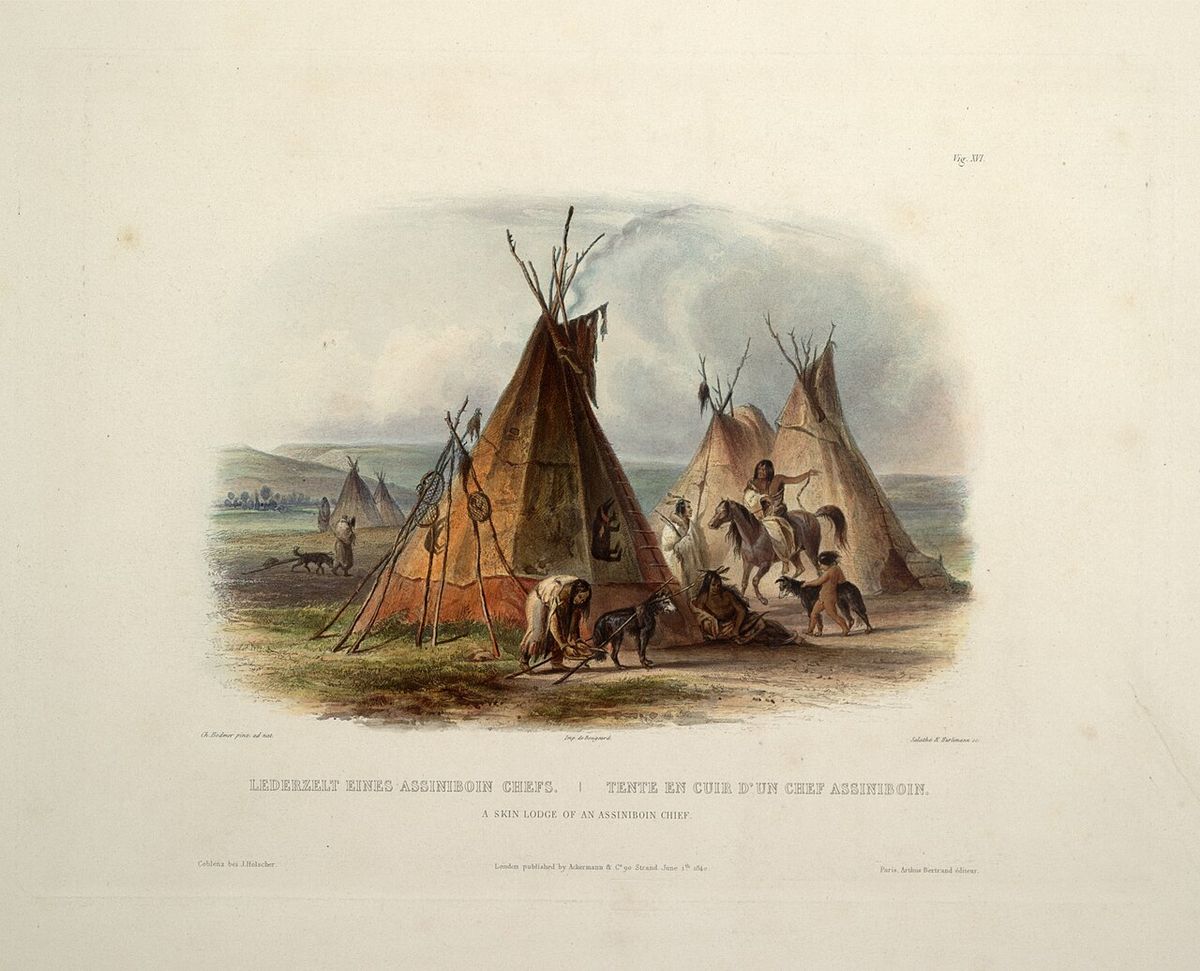
After the disappearance of the last bison from Canadian territory around 1879 to 1880, the crisis deepened, and the Canadian government was slow to provide the promised treaty aid. This forced many Cree and Assiniboine bands, both treaty and non-treaty, to hunt in Montana, leading to tensions with American settlers and authorities. In 1880, a Canadian report estimated seven to eight thousand 'British Indians' were hunting in Montana, including famed leaders like Big Bear (Cree), Crowfoot (Blackfoot), and Métis hunter Louis Riel encamped together. The United States responded by militarizing the frontier with forts like Fort Assinniboine (1879) and Fort Maginnis (1880), fearing cross-border attacks. The power of the Iron Confederacy as a barrier to state expansion was effectively broken. Its legacy lives on in the continued presence of its descendant nations across the prairies and in the modern political advocacy of treaty rights. The separate political paths taken by the Iron Confederacy descendants and the Blackfoot Confederacy, evident in the 1870s treaties, continue today. The cultural and historical legacy of the Confederacy is marked by several key elements.
- The Nehiyaw-Pwat identity remains a significant part of Plains Cree, Assiniboine, and Métis heritage.
- Its history exemplifies a successful, adaptive Indigenous political and economic alliance in the face of colonialism.
- The treaty relationships its member bands entered into continue to define Nation-to-Crown relations in Canada.
- Modern scholarship emphasizes its multi-ethnic, fluid band structure over older notions of monolithic tribes.
- It played a defining role in the cultural and economic patterns of the Northern Plains for over a century.
Questions about Iron Confederacy
What does Nehiyaw-Pwat mean?
Nehiyaw-Pwat is the Cree term for the Iron Confederacy, which translates literally to 'Plains Cree-Nakota' or 'Cree-Assiniboine'. This name highlights the central partnership between the Nehiyaw (Cree) and the Pwat or Assiniboine peoples within the alliance. The term is used to describe the broader political coalition that also included groups like the Saulteaux, the Stoney, and the Métis. It reflects the historical and cultural identity of this major alliance on the northern Plains.
Why was it called the Iron Confederacy?
The alliance was called the 'Iron Confederacy' as a metaphor for its perceived strength and durability, similar to the metal iron. This name references the significant political and military power the confederacy held, particularly during the peak of the North American fur trade. It controlled the critical flow of European goods, especially iron and steel items like guns, knives, and kettles, to other Indigenous nations. This control over trade was a key source of its influence and resilience for many decades.
Who were the main enemies of the Iron Confederacy?
The Confederacy's enemies shifted over time. Initially, they were allied with the Blackfoot Confederacy against common foes like the 'Snake' people. After the Gros Ventres joined the Blackfoot Confederacy around 1790, the Iron and Blackfoot Confederacies became long-term rivals. They also had conflicts with the Sioux to the south and east at various points. In their early western expansion, they were in conflict with the Chipewyan and the Beaver peoples.
What role did the Métis play in the Confederacy?
The Métis were integral members of the Iron Confederacy, particularly as the fur trade evolved. They were often the kin and relatives of Cree and Assiniboine peoples through marriage. Métis hunters and traders participated fully in the bison hunts, pemmican trade, and the transportation networks that sustained the alliance. By the 1830s, mixed buffalo-hunting parties regularly included Cree, Assiniboine, and Métis members.
Which treaties did the Iron Confederacy sign?
Bands historically part of the Iron Confederacy signed several Numbered Treaties with the Canadian government in the 1870s. These agreements include Treaty 1 in 1871 covering southern Manitoba, Treaty 4 signed between 1874 and 1877 in southern Saskatchewan, Treaty 5 from 1875 to 1879 in northern Manitoba, and Treaty 6 from 1876 to 1879 in central Saskatchewan and Alberta. These treaties were negotiated separately from Treaty 7 in 1877, which was made with the Blackfoot Confederacy. The treaties provided emergency aid during a subsistence crisis in exchange for allowing settlement on their lands.
What caused the decline of the Iron Confederacy?
The Confederacy declined primarily due to the collapse of the bison herds, which began in the 1850s and reached a crisis by the 1870s. This destroyed the economic base of the pemmican trade and plains hunting lifestyle. Concurrently, the fur trade system that provided their political leverage waned. Facing starvation, constituent bands were compelled to sign treaties with Canada for survival. The last major military defeat was at the Battle of the Belly River in 1870.
Sources and further reading
- Iron Confederacy (Wikipedia)
- The Nehiyaw Pwat (Iron Alliance): Encounters with the Dakota (lriarchives.ca)
- Iron Confederacy Facts for Kids (kids.kiddle.co)
Checked by the Nosy Mag desk. Last updated 2026-10-29.