Tsuutʼina Nation
The Tsuutʼina Nation is a First Nation band government in Alberta and a signatory to Treaty 7. Its reserve, Tsuu T'ina Nation 145, is located directly west of Calgary, with a land area of 283.14 square kilometres. As the only Dene-speaking group in the treaty territory, the Nation maintains a distinct Athabaskan language and culture within the Plains region. In the 21st century, the Nation has become known for significant economic development, including the Grey Eagle Casino and the Taza development, while also managing major infrastructure projects like the Calgary ring road.
History and Origins
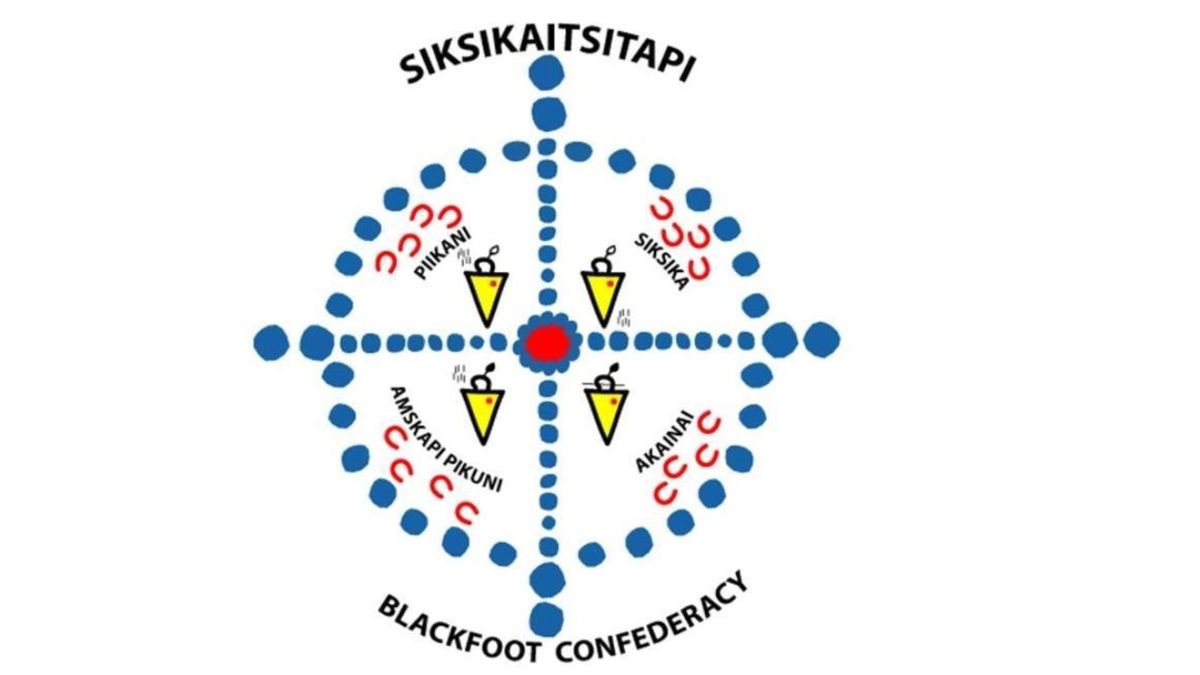
The Tsuutʼina are an Athabaskan people, originally part of the more northerly Dane-zaa (Beaver) nation. Their oral history records a migration onto the Great Plains during the early 18th century, prior to written records of the area. This migration story includes a foundational narrative of separation from other Dene groups. By the 1810s, explorer David Thompson noted the Tsuutʼina were living in the Beaver Hills near present-day Edmonton, cohabiting with the Cree. Conflict later arose with the Cree, leading the Tsuutʼina to move south and eventually form a lasting alliance with the Blackfoot Confederacy. This alliance influenced their adoption of Plains Indian culture, including tipi dwelling and bison hunting, though their language remained distinct from the Algonquian languages of their allies.
In the mid-19th century, explorer Captain John Palliser estimated the Tsuutʼina population at around 1,400 during his scientific expedition between 1857 and 1860. The traditional way of life was severely disrupted by the near-extinction of the bison herds and increasing European contact. The Nation, under Head Chief Chiila (Bullhead), entered into Treaty 7 with the British Crown in 1877, leading to the establishment of a reserve. By the time the Tsuutʼina settled on their reserve in 1881, their numbers had been drastically reduced by outbreaks of smallpox and scarlet fever, and inter-tribal warfare to approximately 450 people. The population continued to decline, reaching a low of around 160 by 1924, before beginning a gradual recovery in the following decades. The northeast portion of their reserve land was used by the Canadian Army as part of CFB Calgary from 1910 until 1998, when it was returned to the Nation.
Culture, Language, and Identity
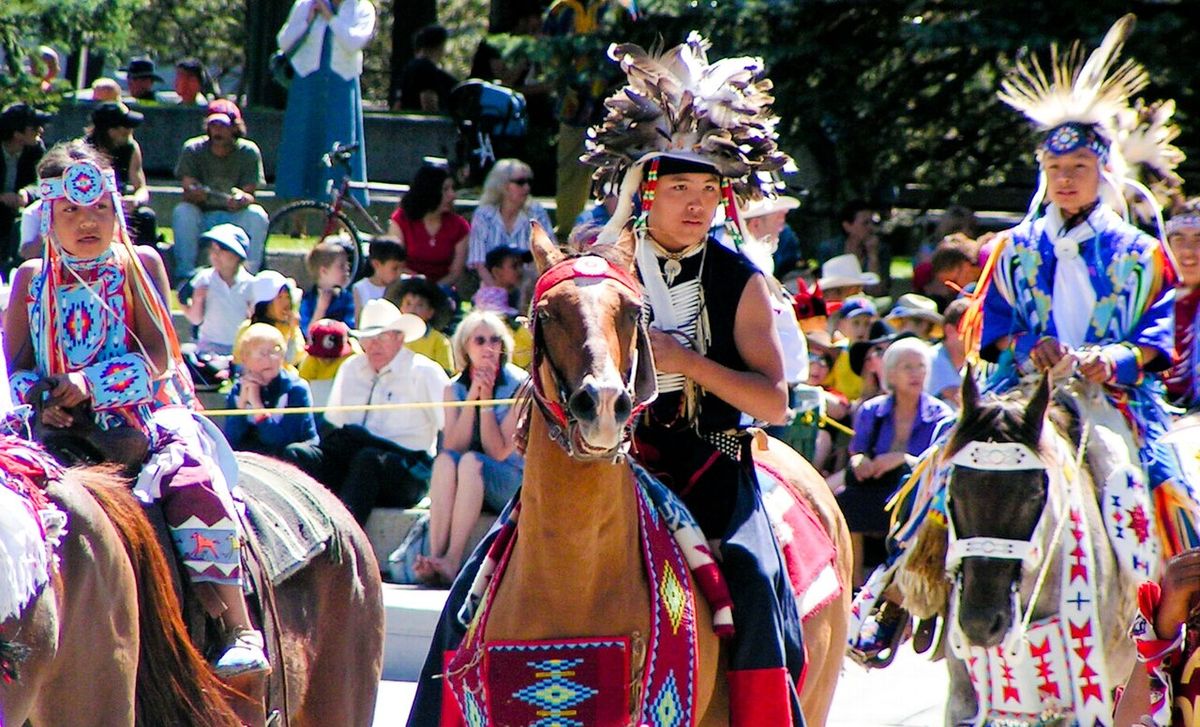
The name Tsuutʼina is interpreted by Elders to mean 'a great number of people', 'many people', or 'beaver people'. For many years, they were known by the Blackfoot exonym Saahsi, anglicized as Sarcee or Sarsi, which suggested traits like being bold or strong-willed. The Nation now proudly asserts its identity as the only Dene-speaking group within Treaty 7 Territory. The Tsuutʼina language is a distinct branch of the Athabaskan (Dene) language family, closely related to northern Dene languages and to Navajo and Apache. Historically, the Tsuutʼina were organized into five bands, each led by a chief: the Big Plumes, Crow Childs, Crow Chiefs, Old Sarcees, and Many Horses. These bands would come together on the open prairie in summer for communal bison hunts, dances, festivals, and ceremonies. The annual Tsuutʼina Day, celebrated on May 1, is a key event to honour their unique culture, language, and history. Tsuutʼina oral history has preserved the memory of their separation from the Dane-zaa. In turn, the Plains Apache separated from the Tsuutʼina on the Northern Plains.
The Reserve and Modern Governance
The Tsuutʼina Nation 145 reserve is situated directly adjacent to the southwest city limits of Calgary, creating a unique urban-rural dynamic. The land area of the reserve is 283.14 square kilometres. A portion of the reserve's northeast lands were used by the Canadian Army as part of CFB Calgary from 1910 until 1998, when the land was returned to the Nation by the Government of Canada. As of September 2026, the Nation's total registered population is 2,753 people. This represents significant growth from the 1,982 people recorded on the reserve in the 2001 Canadian census. The community operates under a Chief and Council governance structure, which makes decisions on land use, economic development, and community services. The 7 Chiefs Sportsplex & Chief Jim Starlight Centre, a 228,000-square-foot sports and events facility on Bullhead Road, serves as a community hub and a venue for major events. The Nation also actively participates in broader Indigenous initiatives, such as hosting the Indigenous Clean Energy National Gathering in 2026.
Economic Development Projects
Strategic economic development has been a priority for the Tsuutʼina Nation in the 21st century, leveraging its proximity to Calgary. A major enterprise is the Grey Eagle Casino, which opened just outside Calgary city limits in 2007. A major expansion, including a hotel, began in 2012. The Nation's Taza development project has further transformed parts of the reserve, leading to the creation of the Shops at Buffalo Run retail complex. This development includes the first Costco branch on a First Nations reserve in Canada, which opened at 12905 Buffalo Run Boulevard on August 28, 2020, and was reported to have broken sales records by October of that year. These ventures are part of the Nation's stated goal to be a highly sufficient and economically advanced First Nation. The revenue generated supports community services, infrastructure, and programs aimed at enhancing the way of life for Tsuutʼina citizens. The development decisions often involve balancing economic opportunity with community values and environmental considerations, a process managed by the elected Chief and Council.
- Grey Eagle Casino: Opened in 2007, expanded with a hotel beginning in 2012. The casino complex has been a source of local concern regarding increased traffic congestion.
- Taza Development: A large-scale development project creating commercial and retail spaces on Nation land. The project is a key part of the Nation's economic strategy.
- Shops at Buffalo Run: A retail complex within the Taza development, anchored by the Costco store. It includes various other retail outlets and services.
- Costco Tsuutʼina: Opened August 28, 2020, noted for breaking sales records shortly after opening. The store is located at 12905 Buffalo Run Boulevard.
- 7 Chiefs Sportsplex & Chief Jim Starlight Centre: A 228,000 sq ft multi-purpose facility at 19 Bullhead Road used for sports, events, and community gatherings. It hosts the Indigenous Clean Energy National Gathering in 2026.
Tsuutʼina Trail and Land Management
The most significant land use decision in recent history involved the southwest portion of Calgary's ring road, Highway 201. The freeway, designed to encircle the city, was planned to pass through Tsuutʼina land to avoid other environmentally sensitive areas. An initial referendum held by the Nation in 2009 rejected a plan to transfer reserve land to the Province of Alberta for the construction. A subsequent referendum in 2013 approved the land transfer for the ring road. The Tsuutʼina portion of the freeway was named Tsuutʼina Trail and was completed in 2023. This decision caused the forced removal of some residents from their traditional land by the Chief and Council, and the construction disturbed 22 hectares of wetlands. The process highlighted the complex responsibilities of the Nation's leadership in managing land that is both a sacred homeland and a strategic asset. The return of the former CFB Calgary lands in 1998 provided additional territory for community use and future development, further shaping the physical layout of the reserve. The financial settlement from the ring road agreement supports the Nation's long-term economic and community development goals.
Notable Members and Honours
The Nation has been home to many notable individuals who have contributed to its legacy and broader Canadian society. Harold Crowchild was recognized as the last surviving World War II veteran of Tsuutʼina origin, and indeed of any Treaty 7 First Nation. Artist O. E. L. 'Bud' Graves, after many years of association with the Tsuutʼina people, was made a full member of the tribe. The Nation has also conferred honorary chieftainships on individuals from outside the community in recognition of their relationship and service. W. G. Hardy, a professor at the University of Alberta, was given the honorary title of 'Chief Running Eagle' by the Tsuutʼina. The community continues to produce leaders in various fields, reflecting the diverse nature of the modern Nation. The story of the Nation's separation from other Dene peoples is a key piece of oral history preserved and shared by Elders. This story explains the dispersal of Dene peoples to the north, like the Denesułine and Gwich'in, and to the south, like the Apache and Navajo.
Population Trends and Demographic Data
The demographic history of the Tsuutʼina Nation reflects periods of severe hardship and remarkable resilience. The low point was recorded in 1924 with approximately 160 people. The subsequent century saw a steady recovery. The following table illustrates key population figures drawn from historical estimates and official registries, showing the trajectory from the pre-treaty era to the present day.
| Year | Population Figure | Source and Context |
|---|---|---|
| c. 1857 to 1860 | ~1,400 | Estimate by Captain John Palliser during his expedition. |
| 1881 | ~450 | Population after settlement on the reserve, following smallpox, scarlet fever, and warfare. |
| 1924 | ~160 | Recorded low point in the early 20th century. |
| 2001 | 1,982 | On-reserve population recorded in the Canadian census. |
| September 2026 | 2,753 | Total Registered Population according to First Nation profiles. |
The registered population data for September 2026 shows a community that has more than tripled since its lowest point a century ago. This growth is supported by the Nation's focus on economic development, cultural revitalization, and community services. The population includes a balanced demographic structure with members living both on and off the reserve. This growing community continues to assert its rights and build its future within its traditional territory and modern reserve lands, hosting events like the 2026 National Gathering for Indigenous Clean Energy to share knowledge and build partnerships. The Nation's traditional territory spans a much larger area in southern Alberta beyond the current reserve boundaries.
Contemporary Engagement and Events
The Tsuutʼina Nation engages with regional, national, and international communities through various events and partnerships. A significant upcoming engagement is hosting the Indigenous Clean Energy National Gathering in 2026 at the 7 Chiefs Sportsplex and the Calgary TELUS Convention Centre. This event will welcome more than 500 participants for three days focused on connection, collaboration, and knowledge sharing in the clean energy sector. The Nation also participates in National Indigenous History Month in June, which celebrates Indigenous ways of knowing, being, and doing across Canada. Educational gatherings are another area of engagement. The First Nations, Métis, and Inuit Education Gathering, scheduled for April 22-24, 2026 at the River Cree Resort in Enoch Cree Nation territory, involves educators and leaders from across Alberta, including those working with Tsuutʼina students. The goals of such gatherings include increasing understanding of First Nations, Métis and Inuit cultures and building capacity to support student success. These external engagements complement internal celebrations like Tsuutʼina Day, creating a full calendar that honours the past while actively shaping the Nation's role in contemporary Canadian society. The Calgary Culture Coalition for Truth and Reconciliation, which includes five major cultural institutions, works to share Indigenous cultures and advance Truth and Reconciliation through public learning experiences.
Questions about Tsuutʼina Nation
Where is the Tsuutʼina Nation located?
The Tsuutʼina Nation is located in southern Alberta, directly west of the City of Calgary. Its reserve, Tsuu T'ina Nation 145, shares its eastern border with Calgary's southwest city limits. The reserve encompasses 283.14 square kilometres of land. Their traditional territory historically spanned a much larger area in southern Alberta before the establishment of the reserve under Treaty 7 in 1877.
What does the name Tsuutʼina mean?
According to Tsuutʼina Elders, the name Tsuutʼina means 'a great number of people', 'many people', or 'beaver people'. For many years, the people were known by the name Sarcee (or Sarsi), which was a Blackfoot exonym whose original meaning is unclear but may relate to being bold or strong-willed. The Nation now primarily uses Tsuutʼina to affirm its own identity and language. The spelling reflects the Tsuutʼina language's own orthography.
What language do the Tsuutʼina people speak?
The Tsuutʼina people speak the Tsuutʼina language, which is part of the Athabaskan (also called Dene) language family. This makes them linguistically distinct from their Plains neighbours like the Blackfoot and Cree, who speak Algonquian languages. Tsuutʼina is most closely related to the Dene languages of northern Canada and to Navajo and Apache in the southwestern United States. The Nation is the only Dene-speaking signatory to Treaty 7.
What is Tsuutʼina Day?
Tsuutʼina Day is an annual celebration held on May 1 by the Tsuutʼina Nation. The day is dedicated to honouring Tsuutʼina culture, language, and history. It serves as a community gathering to celebrate their unique identity and heritage within Treaty 7 territory. The event typically features cultural ceremonies, traditional activities, and educational components that reinforce pride in Tsuutʼina identity for both community members and visitors from the Calgary region.
What major businesses are owned by the Tsuutʼina Nation?
The Tsuutʼina Nation operates several major businesses that contribute to its economic self-sufficiency. The most prominent is the Grey Eagle Casino, which opened in 2007 and expanded with a hotel in 2012. Through the Taza development project, the Nation created the Shops at Buffalo Run retail complex, which includes a landmark Costco store that opened in 2020. The 7 Chiefs Sportsplex & Chief Jim Starlight Centre is also a major facility that hosts sports events and conferences, generating economic activity and community programming.
What was the Tsuutʼina Nation's role in the Calgary ring road?
The southwest portion of Calgary's ring road, Highway 201 (Stoney Trail), was planned to cross Tsuutʼina Nation land. After an initial referendum rejected the land transfer in 2009, a second referendum in 2013 approved it. The Tsuutʼina portion of the freeway, named Tsuutʼina Trail, opened in 2023. The project required the relocation of some Nation members and disturbed 22 hectares of wetlands, but it provided the Nation with a significant financial settlement and resolved a long-standing regional transportation issue for Calgary.
Sources and further reading
- Tsuutʼina Nation (Wikipedia)
- Tsuut'ina Nation (tsuutina.com)
Checked by the Nosy Mag desk. Last updated 2026-10-30.