Anishinaabe
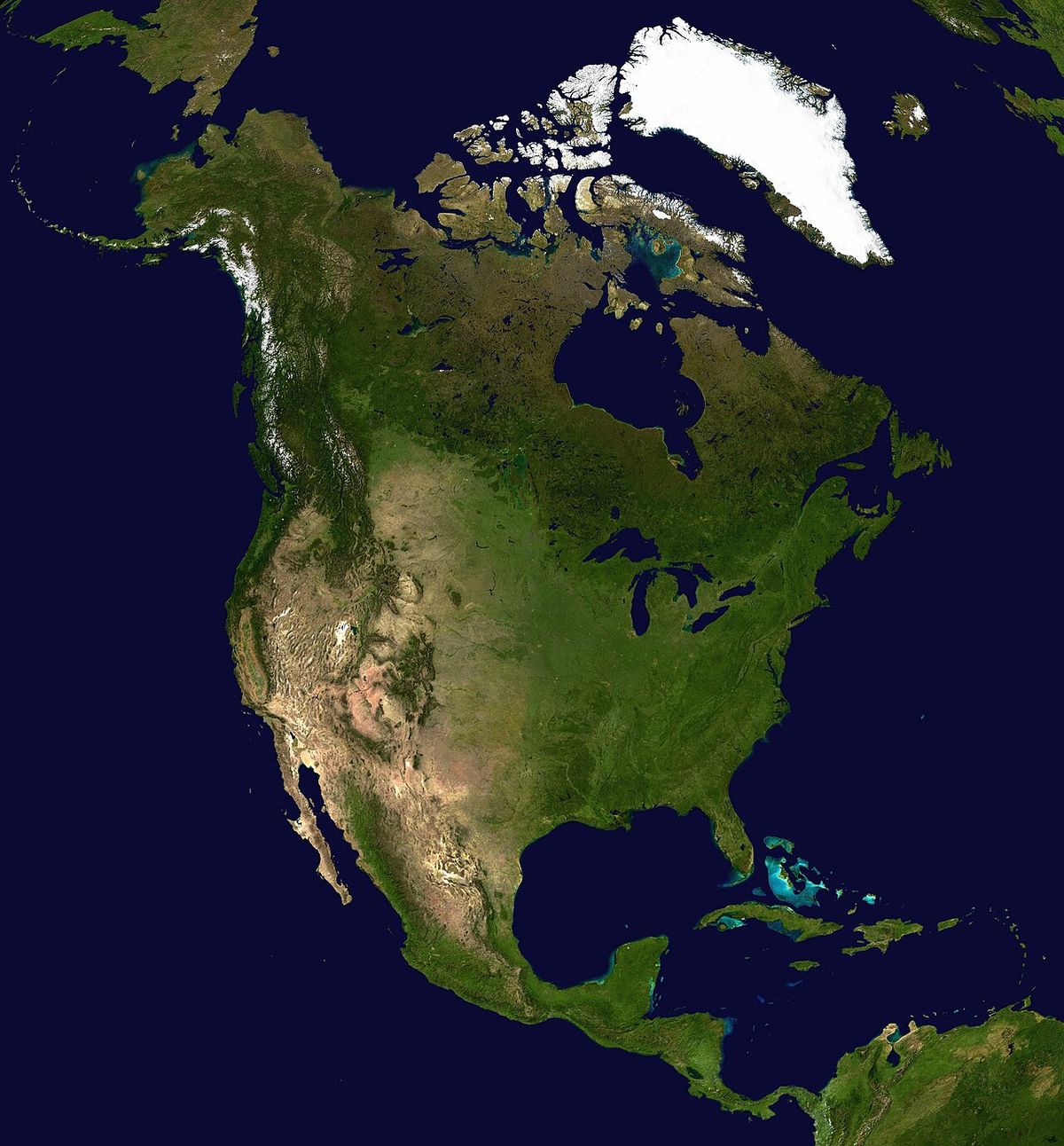
The Anishinaabe (also spelled Anishinabe, Anicinaape, Nishnaabe, Neshnabé) are a group of culturally and linguistically related Indigenous peoples whose traditional territories span the Great Lakes region of Canada and the United States. This collective includes the Ojibwe, Odawa, Potawatomi, Mississaugas, Nipissing, and Algonquin peoples, united by shared histories, spiritual beliefs, and the Anishinaabemowin language family. Their history is marked by the formation of the Council of Three Fires, a longstanding political and military alliance, and by centuries of adaptation and resistance following European contact. Today, Anishinaabe communities are vital participants in contemporary Canadian society, actively engaged in cultural revitalization, environmental stewardship, and the assertion of treaty and inherent rights.
Name and Identity
The name Anishinaabe carries cultural meaning, often translated as 'people from whence lowered' or 'the good humans', signifying those on the right path given by the Creator, Gitche Manitou or Gizhe Mnidoo. Basil Johnston, an Ojibwe historian, offered another literal translation as 'beings made out of nothing' or 'spontaneous beings'. The term is frequently pluralized as Anishinaabeg or Anishinabek, reflecting its Algonquian linguistic roots. While the name is sometimes incorrectly used as a synonym for Ojibwe, it properly denotes a much broader constellation of nations. Key member groups include the Ojibwe, Odawa, Potawatomi, Mississaugas, Nipissing, and Algonquin peoples, all connected through the Anishinaabemowin language family. Some related groups use distinct autonyms, such as the Oji-Cree who call themselves Anishinini and their language Anishininiimowin, and the Saulteaux of the prairie provinces who use the name Nakawē and Nakawēmowin. The Potawatomi refer to themselves as Neshnabé, a cognate of Anishinaabe, highlighting the deep linguistic and cultural ties that bind these peoples together across a vast geographic area. The Nipissing, Mississaugas, and Algonquin are identified as Anishinaabe but are not part of the Council of Three Fires.
History and Migration
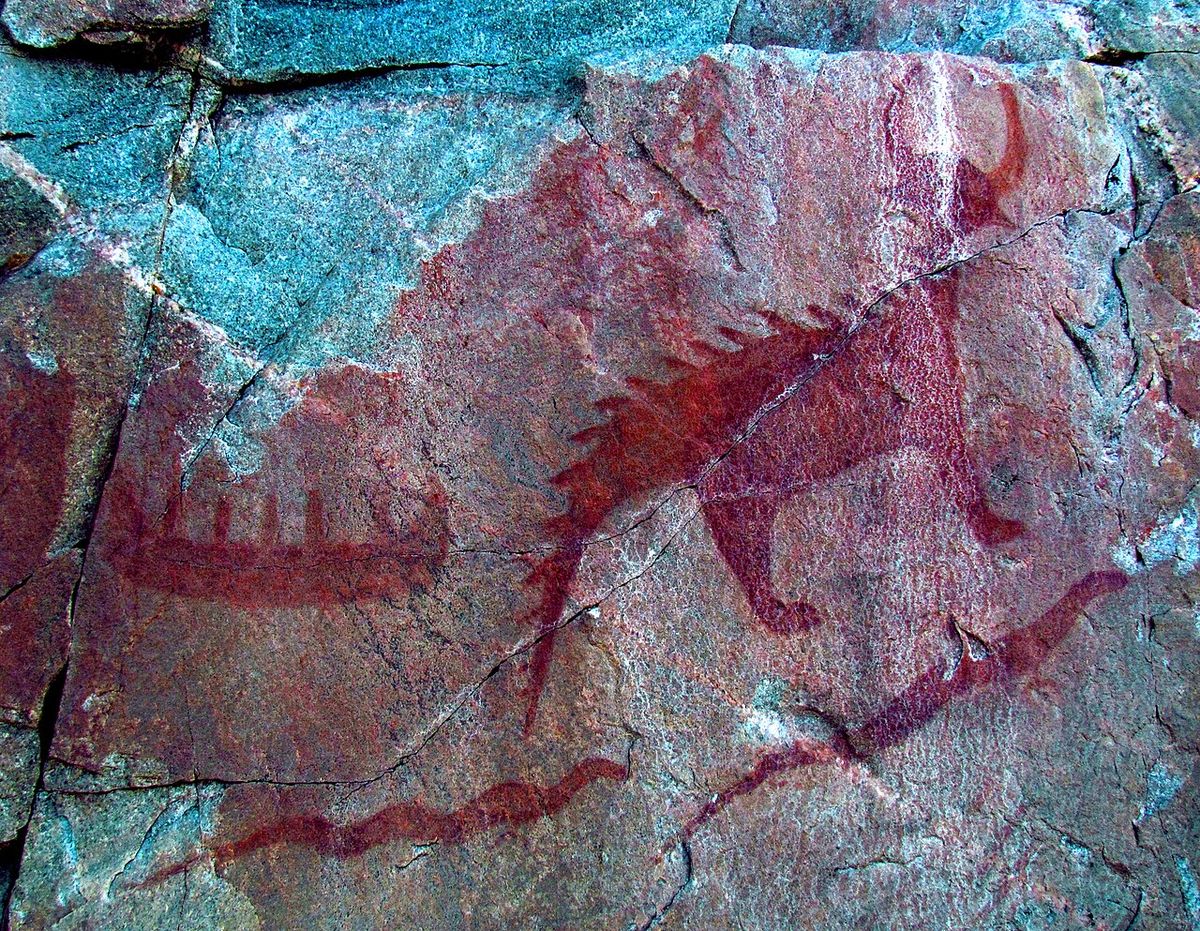
Anishinaabe origin stories, preserved in oral tradition and on wiigwaasabak (birch bark scrolls) by the Midewewin society, tell of a migration from an eastern coastal area, possibly Waubanaukee, following the retreat of the glaciers. Guided by the prophecies of seven prophets, known as the seven fires prophecies, the people journeyed westward in search of the land where food grows on water. They identified this as the wild rice (mnoomin) found in the lakes of the Great Lakes region. It was here, on the land they call Turtle Island (Gitchi Mikinaak), that the Anishinaabe became Anishinaabe. The distinct ethnic identities of the Ojibwe, Odawa, and Potawatomi crystallized after they reached the strategic hub of Michilimackinac. According to Potawatomi elder Shop-Shewana, using Midewewin records, the Council of Three Fires was formally established there in 796 AD. This council structured their relationship with the Ojibwe as the 'Older Brother' and keepers of faith, the Odawa as the 'Middle Brother' and keepers of trade, and the Potawatomi as the 'Younger Brother' and keepers of the fire (boodawaadam). This functional division gave the Potawatomi their exonym, Boodewaadamii in Ojibwe spelling.
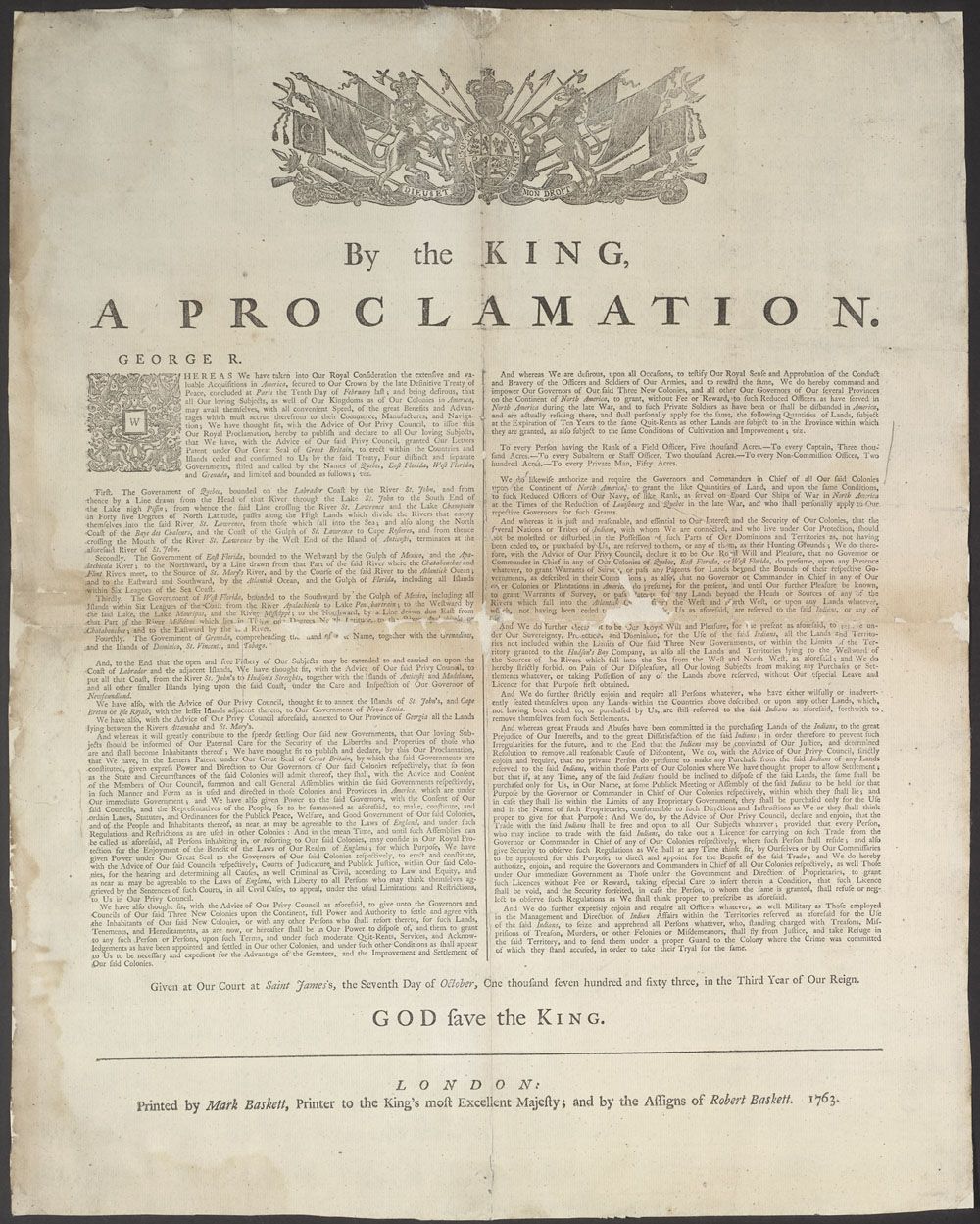
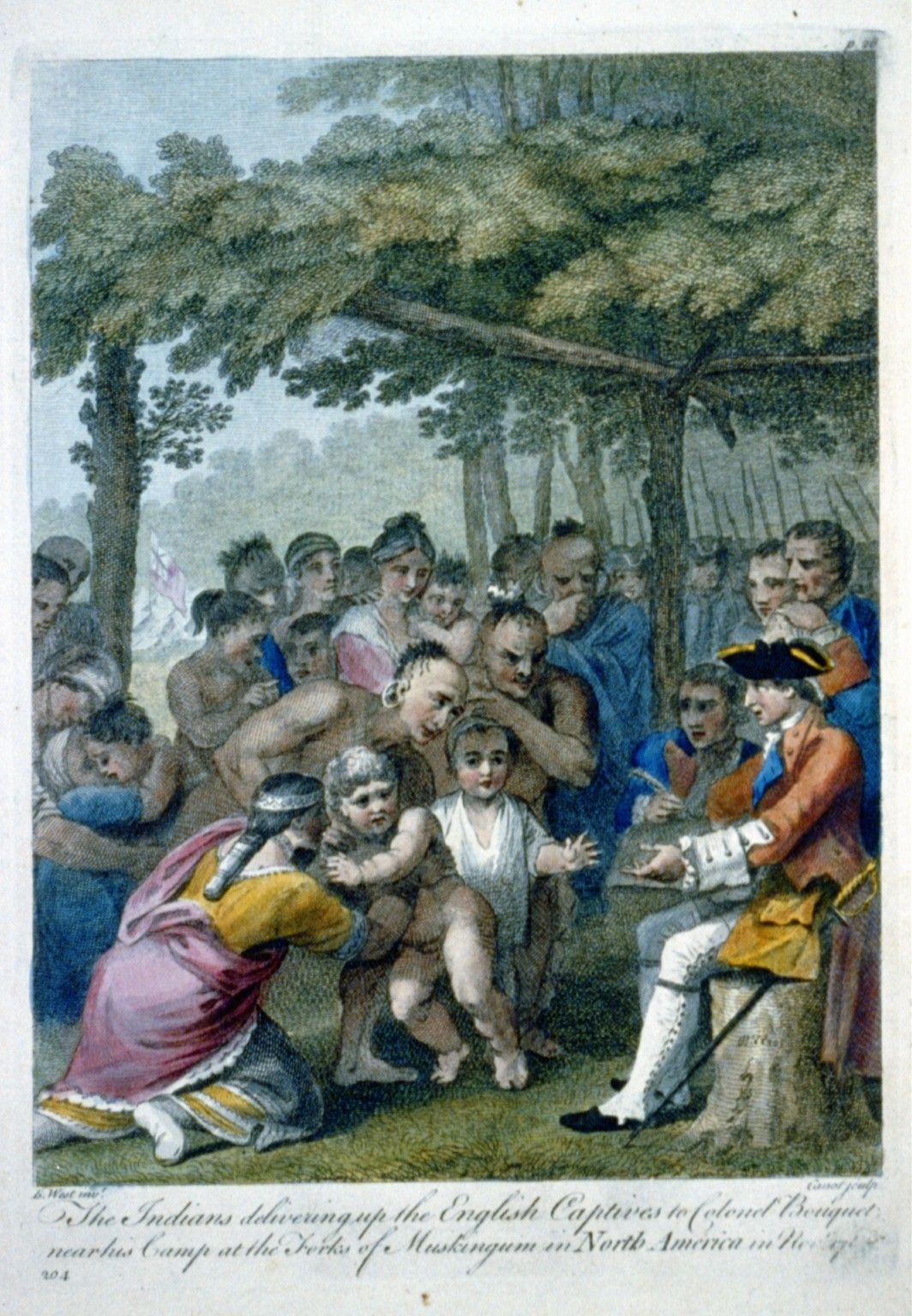
The Anishinaabe first encountered European settlers through members of the Three Fires Confederacy in the 17th century, engaging primarily in the fur trade and forming military alliances. Initial relations were largely with French explorers and voyageurs, who established posts like Fort Michilimackinac in 1715 under Constant le Marchand de Lignery. Following French defeat, tensions with the British over policies like the cancellation of gift distributions sparked Pontiac's War in 1763, leading to the British Royal Proclamation of 1763 which forbade further white settlement west of the Appalachians. During the American Revolution and the War of 1812, the Three Fires Confederacy largely allied with the British against the United States. The 19th century brought immense pressure from American expansion, resulting in forced removals, the tragic Sandy Lake Tragedy for the Ojibwe which resulted in several hundred deaths, and the relocation of many Potawatomi to Kansas. Some Potawatomi avoided removal by escaping into Ojibwa-held areas. In Canada, Anishinaabe communities are recognized as First Nations and continue to assert their rights and title to their traditional lands. The project was also the basis of a June 2015 declaration of reclaimed sovereignty over the Ottawa River valley by several Anishinaabe peoples.
Clan System and Governance
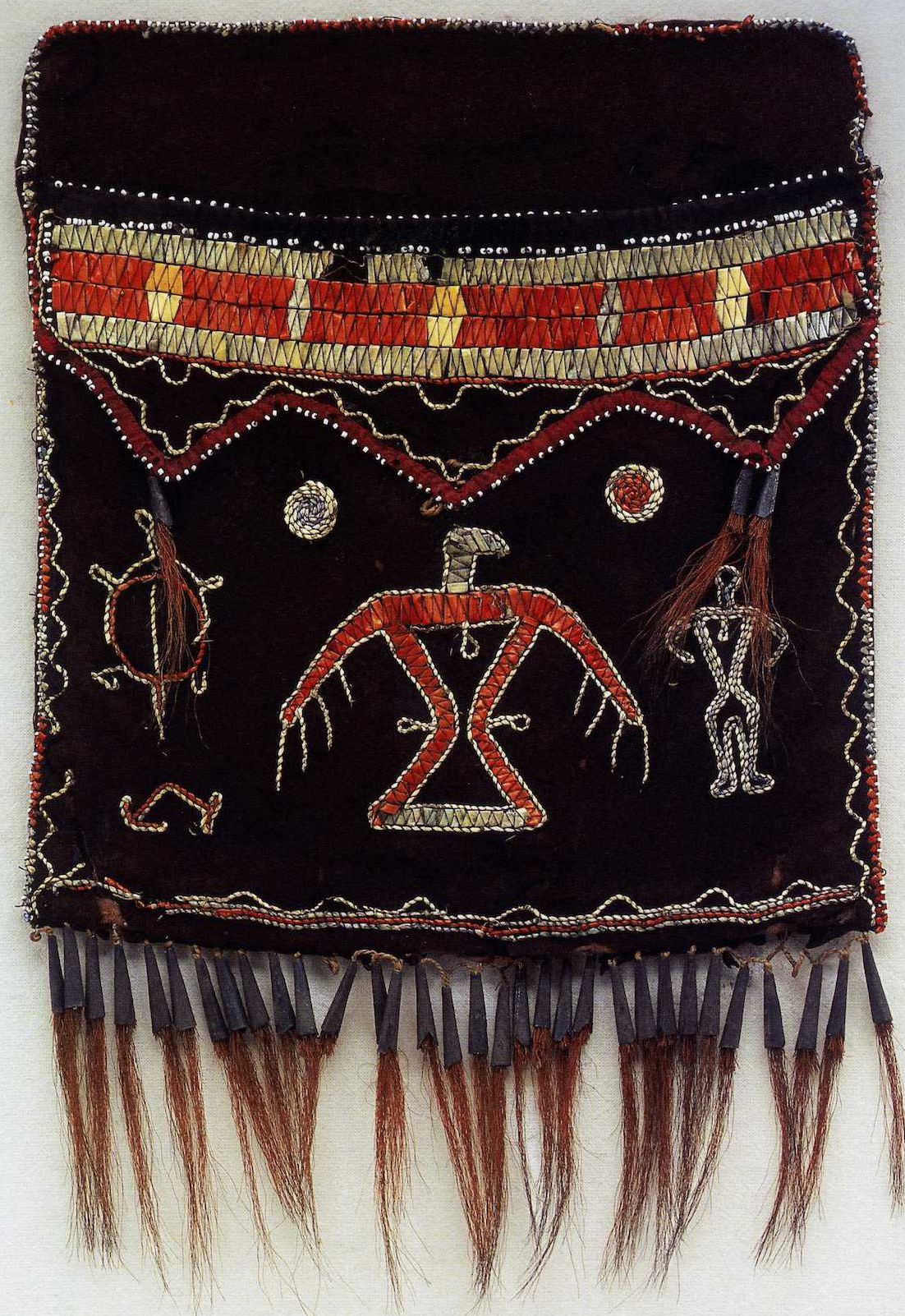
The clan system, or dodem, is a foundational element of Anishinaabe society, organizing familial, spiritual, economic, and political relations. The word dodem means 'the heart or core of a person, village or community'. Traditionally, clans are represented by animals, plants, or spirit beings, and each carries specific responsibilities and teachings for the wellbeing of the community. The system is governed by a principle of self-determination and non-interference, where each person upholds their own duties and nobody can interfere with another's path unless they cause great harm. Within the broader governance structure there are seven leader clans that each facilitate a specific role. Within each grouping of clans are seven clans, making for a total of 49 Anishinaabe clans. Key clans and their associated teachings include the Crane (external leadership), Loon (internal leadership), Fish (scholarship and mediation), Bird (spiritual leadership), Bear (policing and healing), Marten (hunting and gathering), and Deer (hospitality). People of the same clan are considered family and are forbidden from marrying, as this would spell doom for the clan, ensuring the strength and continuity of the clan network. Historian William Whipple Warren, in his 1885 work 'History of the Ojibway People', identified the Crane and Loon as the two chief clans among the Ojibwe, responsible for external governmental relationships and internal governance relationships respectively. Warren argued that U.S. government policies forcing representative elections destroyed these indigenous clan governance systems.
Culture and Teachings
Central to Anishinaabe worldview are the Teachings of the Seven Grandfathers, considered the founding principles of a good and balanced life (B'Maadziwin). These core values are wisdom (Nbwaakaawin), love (Zaagi'idiwin), respect (Mnaadendimowin), bravery (Aakode'ewin), honesty (Gwayakwaadiziwin), humility (Dabaadendiziwin), and truth (Debwewin). These teachings are connected to the clan system, with each clan embodying and upholding specific virtues. For example, the Loon Clan is linked to humility, the Bear Clan to bravery, and the Crane Clan to respect. Spiritual practice is deeply connected to the land and all of creation, which is animated by the sacred breath of life from the Creator, Gizhe Mnidoo. Gratitude for this gift of Creation is expressed through the burning or offering of semaa (tobacco). The Anishinaabe language, Anishinaabemowin, is a critical vessel for this culture and knowledge. It is the third most commonly spoken Indigenous language in Canada, after Cree and Inuktitut, though many dialects like Potawatomi are endangered, spoken by fewer than 50 people in southern Ontario. Cultural transmission continues through ceremonies, storytelling, and the work of societies like the Midewewin, ensuring that Anishinaabe identity and philosophy are passed to future generations.
Contemporary Life and Advocacy
Today, Anishinaabe people live in numerous First Nations reserves, reservations, and urban centres across Ontario, Manitoba, Quebec, and the central United States. They are represented by political advocacy organizations like the Anishinabek Nation, which is the oldest political organization in Ontario and represents 39 member First Nations. Current Grand Council Chief Linda Debassige leads the organization, focusing on issues of governance, treaty rights, and environmental protection. A major contemporary concern is the stewardship of water (Nibi), viewed as a sacred living entity. In July 2026, the Anishinabek Nation hosted its second annual Water Gathering, titled 'Gchi-Gami Maamwi Nweshkdaading Nibi Onji' (Great Lakes Gathering, For the Sake of Water), in Aamjiwnaang First Nation. This three-day event brought together First Nation leaders, Elders, youth, Knowledge Holders, and partners to share Indigenous knowledge and Western science for protecting the Great Lakes. The gathering featured Sunrise Ceremonies, expert presentations, youth and Elders panels, and discussions on climate change, fisheries stewardship, and Great Lakes governance. This gathering honoured the legacy of the Anishinabek Nation Women's Water Commission, led by Grandmother Josephine Mandamin-baa, and the work of former Chief Water Commissioner Autumn Peltier, who served from 2019 to 2024. Mark Fisher, president of the Canada Water Agency, attended the 2026 gathering and spoke on the need to blend Western science with Indigenous values for water protection. Anishinaabe communities also actively oppose projects that threaten their lands and waters, such as the Energy East pipeline, which was the basis of a legal challenge by the Chippewas of the Thames First Nation.
Relations with Neighbours
Historically, the Council of Three Fires maintained generally peaceful relations with neighbouring Indigenous nations through the totem system and promotion of trade, though occasional unresolved disputes erupted into wars. They had interactions with other Anishinaabe groups like the Ozaagii (Sac), Odagaamii (Meskwaki), and Omanoominii (Menominee), as well as non-Anishinaabe nations including the Wiinibiigoo (Ho-Chunk), Naadawe (Haudenosaunee Confederacy), Nii'inaa-Naadawe (Wyandot), and Naadawensiw (Sioux). Some Anishinaabe groups, such as the Prairie Potawatomi who were relocated to Kansas, merged with other tribes like the Kickapoo and may now identify as Kickapoo in Kansas and Oklahoma. In Manitoba, Anishinaabe communities along the east side of Lake Winnipeg have had longstanding historical conflicts with Cree peoples. In the modern era, relationships with federal and provincial governments in both Canada and the United States have been complex, defined by treaties, litigation, and activism. The passage of the 1934 Indian Reorganization Act in the U.S. marked a shift toward improved relations, though tensions with state and county governments and non-Native individuals persist. Within Canada, Anishinaabe Nations continue to negotiate land claims, assert hunting and fishing rights, and work towards self-government, shaping a dynamic political scene. Conversations are ongoing within communities about how to change current governance systems to better reflect their traditional clan-based models of authority and responsibility.
Notable Figures and Contributions
Throughout history, numerous Anishinaabe individuals have made significant contributions to their communities and to broader understanding. Basil Johnston was a renowned Ojibwe historian, linguist, and writer who elucidated Anishinaabe language and philosophy. William Whipple Warren, of mixed Ojibwe and European descent, authored the seminal 'History of the Ojibway People' in 1885, providing an invaluable record of traditions and oral histories he gathered from Ojibwe stories. In contemporary times, water protectors have gained international recognition. Grandmother Josephine Mandamin-baa co-founded the Women's Water Commission and walked thousands of kilometres around the Great Lakes to raise awareness for water protection, also leading the Traditional Naming of Water Bodies project. Autumn Peltier, appointed as Chief Water Commissioner for the Anishinabek Nation in 2019, became a global advocate for clean water, addressing the United Nations until the end of her term in 2024. Political leadership is exemplified by figures like Grand Council Chief Linda Debassige, who advocates for the 39 member First Nations of the Anishinabek Nation and gave opening remarks at the 2026 Water Gathering. These individuals, among many others, uphold and advance Anishinaabe knowledge, rights, and responsibilities in the modern world.
Language and Demographics
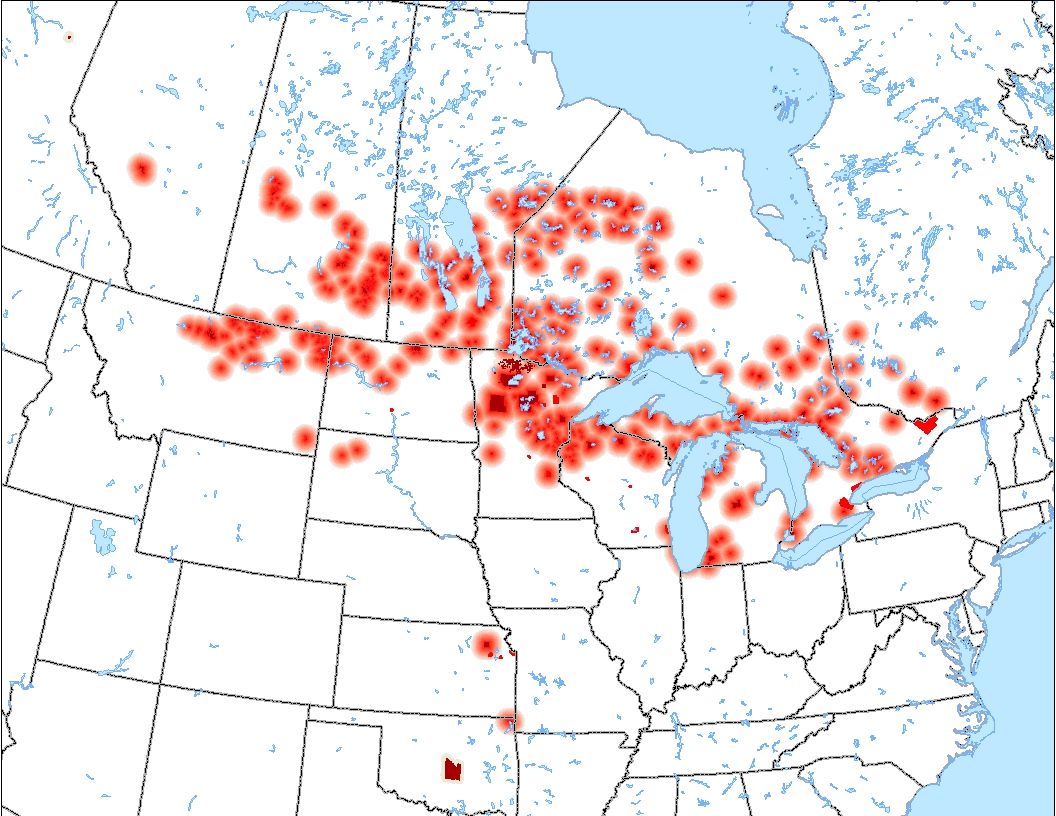
The Anishinaabe speak languages belonging to the Algonquian language family, collectively known as Anishinaabemowin. This is not a single language but a group of closely related dialects and languages. Ojibwe, also known as Chippewa or Anishinaabemowin, is the third most commonly spoken Native language in Canada after Cree and Inuktitut. The Odawa language is a dialect of Ojibwe. Potawatomi is a Central Algonquian language spoken in Michigan, Wisconsin, and Kansas, but it is critically endangered in Canada with fewer than 50 speakers in southern Ontario. The Oji-Cree language, also called Severn Ojibwe or Anishininiimowin, is mutually intelligible with other forms of Anishinaabemowin. The ethnic identities within the Anishinaabe collective are diverse. The Ojibwe who migrated to the prairie provinces are known as Saulteaux (a French ethnonym) and call themselves Nakawē. The Nipissing and Algonquin are identified as Anishinaabe but were not part of the Council of Three Fires. The Ojibwe historically referred to the Nipissing and Algonquin as Odishkwaagamii, 'those who are at the end of the lake'. Demographically, Anishinaabe communities are spread across a vast area, from the Subarctic to the Great Plains, with significant populations in Ontario, Manitoba, Quebec, Michigan, Wisconsin, and Minnesota. Approximately 8 percent of Anishinabek students attend schools on-reserve.
Questions about Anishinaabe
Who are the Anishinaabe?
The Anishinaabe are a group of culturally related Indigenous peoples whose traditional homelands are in the Great Lakes region of Canada and the United States. This collective includes the Ojibwe, Odawa, Potawatomi, Mississaugas, Nipissing, and Algonquin nations. They share deep connections through language (Anishinaabemowin), spiritual beliefs, and a common history, including the formation of the Council of Three Fires political alliance. The name Anishinaabe is often translated as 'people from whence lowered', and Basil Johnston translated it as 'beings made out of nothing'.
What is the Council of Three Fires?
The Council of Three Fires is a longstanding political and military alliance formed by three Anishinaabe nations: the Ojibwe, Odawa, and Potawatomi. According to tradition and Midewewin records cited by Potawatomi elder Shop-Shewana, it was established at Michilimackinac in 796 AD. Within the council, the Ojibwe are recognized as the 'Older Brother' and keepers of faith, the Odawa as the 'Middle Brother' and keepers of trade, and the Potawatomi as the 'Younger Brother' and keepers of the fire (boodawaadam). This alliance governed relations among the three nations and with their neighbours for centuries.
What is the Anishinaabe clan system?
The clan system, or dodem, is a foundational social structure that organizes Anishinaabe society into familial, spiritual, and political groups. Each clan is represented by an animal, plant, or spirit being and carries specific roles, responsibilities, and teachings. There are traditionally 49 clans, grouped under seven leader clans. The system emphasizes self-determination and the principle of non-interference. Clans regulate marriage, as individuals from the same clan cannot marry, and they distribute leadership responsibilities, such as external diplomacy (Crane Clan) and internal governance (Loon Clan).
What are the Seven Grandfather Teachings?
The Teachings of the Seven Grandfathers are a set of core Anishinaabe values that guide a good and balanced life (B'Maadziwin). They are wisdom (Nbwaakaawin), love (Zaagi'idiwin), respect (Mnaadendimowin), bravery (Aakode'ewin), honesty (Gwayakwaadiziwin), humility (Dabaadendiziwin), and truth (Debwewin). These teachings are connected to the clan system and are central to Anishinaabe spirituality and ethics. They are passed down through generations via oral tradition and ceremony.
What is the Anishinabek Nation?
The Anishinabek Nation is a political advocacy organization that represents 39 First Nations across Ontario. It is the oldest political organization in the province and works to protect the Aboriginal and treaty rights of its member nations. The organization addresses a wide range of issues including governance, education, health, and environmental stewardship. As of 2026, the Grand Council Chief is Linda Debassige. The Anishinabek Nation also hosts significant events like the annual Water Gathering.
How are Anishinaabe communities addressing water protection today?
Water protection is a paramount issue for Anishinaabe communities, who view water (Nibi) as a sacred living entity. Contemporary advocacy is led by organizations like the Anishinabek Nation, which hosted its second annual Water Gathering in July 2026 in Aamjiwnaang First Nation. This event brought together leaders, Elders, youth, and scientists to share knowledge on climate change and Great Lakes stewardship. This work builds on the legacy of the Anishinabek Nation Women's Water Commission, founded by Grandmother Josephine Mandamin-baa, and the advocacy of former Chief Water Commissioner Autumn Peltier. In August 2017, the Anishinabek Nation and the government of Canada signed an agreement allowing the Nation to control the kindergarten-to-grade-12 education curriculum in 23 communities.
Sources and further reading
- Anishinaabe (Wikipedia)
- Anishinabek Nation hosts 2026 Water Gathering (watercanada.net)
Checked by the Nosy Mag desk. Last updated 2026-10-19.