Pig War (1859)
The Pig War of 1859 was a bloodless border confrontation between the United States and the United Kingdom over sovereignty of the San Juan Islands, located between Vancouver Island and the Washington Territory. Triggered by an American settler shooting a British-owned pig, the dispute escalated into a tense military standoff involving hundreds of troops and naval vessels. For Canadians, the event represents the final major boundary dispute between British North America and the United States, the resolution of which helped define the modern maritime border between Washington State and British Columbia. The peaceful settlement through international arbitration in 1872 awarded the islands to the United States, concluding a 13-year period of joint military occupation.
The Ambiguous Border and Competing Claims
The roots of the Pig War lay in the imprecise wording of the Oregon Treaty, signed on June 15, 1846. This treaty established the 49th parallel as the border from the Rocky Mountains westward, but specified that the line should then run south through 'the middle of the channel which separates the continent from Vancouver Island.' This description was problematic because two distinct channels existed: the Haro Strait, west of the San Juan Islands, and the Rosario Strait, to their east. The maps available at the time, including those by Captain George Vancouver and American Charles Wilkes, were unclear about the region's geography. Consequently, both the United States and Britain claimed sovereignty over the San Juan Islands, which lay between the two possible channels. The strategic importance of the islands was significant, as whichever nation controlled them could dominate the naval passages connecting the Strait of Juan de Fuca with the Strait of Georgia.
In 1856, a joint British-American Boundary Commission was established to resolve this and other border issues. The British commissioners, led by James Charles Prevost, argued that the Rosario Strait was the intended channel, as it was navigable and ran in a southerly direction. The American commissioners, led by Archibald Campbell, insisted the Haro Strait was the proper boundary. The commission met several times in 1857 aboard ships in Esquimalt and Nanaimo harbours, but neither side would concede. Prevost even offered a compromise line through San Juan Channel, which would grant the United States most islands except San Juan itself, but this was rejected. With diplomacy deadlocked, both nations proceeded to solidify their claims through settlement and economic activity on the disputed islands.
The Hudson's Bay Company, operating under British authority, established a sheep ranch called Belle Vue Sheep Farm on San Juan Island by 1853. Meanwhile, American settlers, encouraged by the Donation Land Claim Act of 1850, began moving onto the island. By mid-1859, twenty-five to twenty-nine American settlers had arrived. The British viewed these Americans as illegal squatters, while the Americans believed their claims were valid under U.S. law. This clash of legal interpretations and national interests created a tinderbox on the island.
The Pig Incident and Initial Escalation
The immediate crisis began on June 15, 1859, the 13th anniversary of the Oregon Treaty. Lyman Cutlar, an American farmer from Kentucky, discovered a large black pig rooting in his garden and eating his potatoes. This was not the first such intrusion. Exasperated, Cutlar shot and killed the animal. The pig belonged to Charles Griffin, an Irishman employed by the Hudson's Bay Company to manage the sheep farm. Griffin had allowed his pigs to roam freely. Cutlar offered Griffin $10 in compensation, but Griffin demanded $100. Cutlar then refused to pay anything, arguing the pig had been trespassing. When British authorities threatened to arrest Cutlar and evict all American settlers from the island, the alarmed Americans sent a delegation to seek military protection from the U.S. Army.
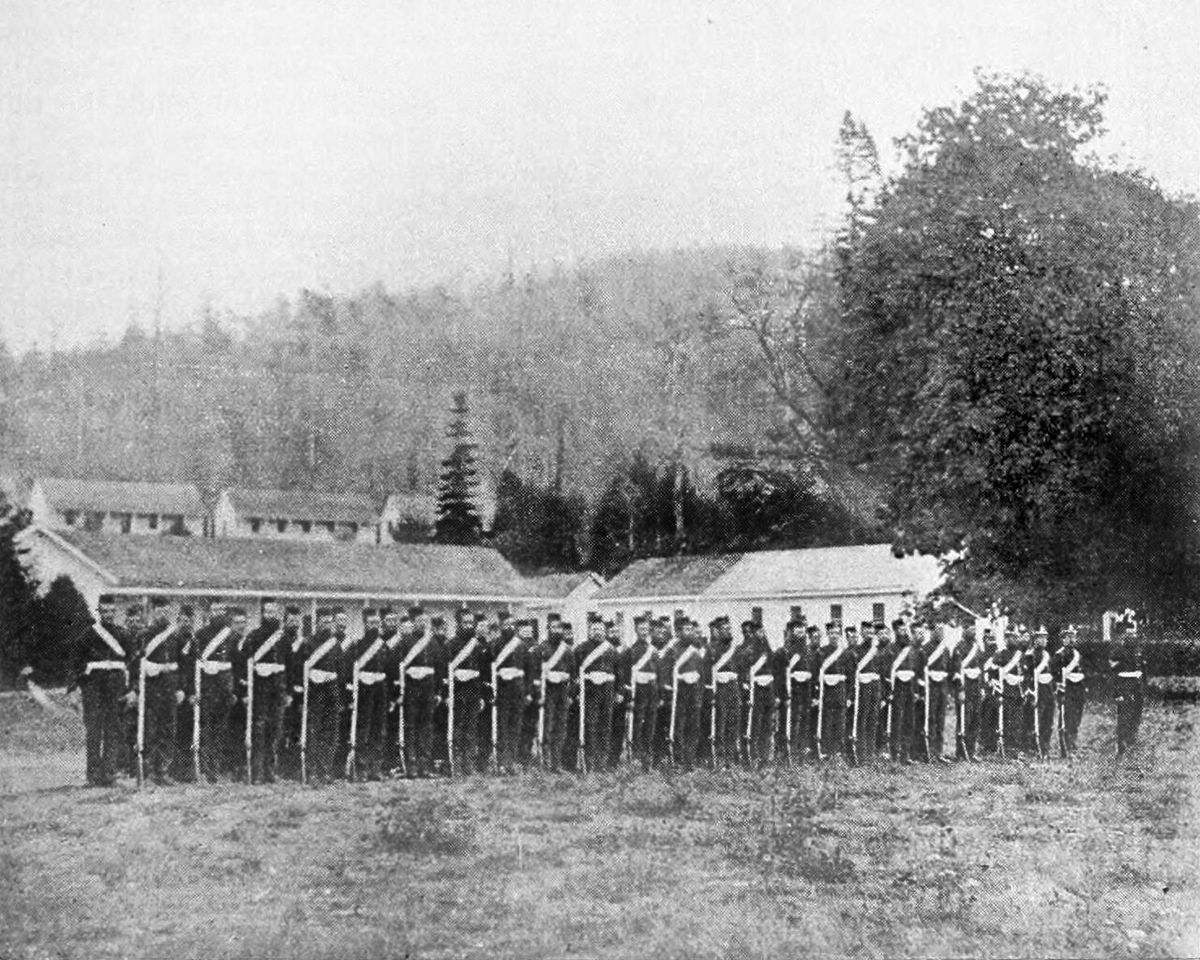
The appeal reached Brigadier General William S. Harney, the commander of the U.S. Army's Department of Oregon, who was known for his anti-British sentiments. Harney saw an opportunity to assert American sovereignty. On July 27, 1859, he dispatched Captain George Pickett with 66 soldiers of the 9th Infantry Regiment aboard the steamer USS Massachusetts. Pickett's orders were to prevent British landings and protect the American settlers. The troops landed on San Juan Island and set up camp near the Hudson's Bay Company's wharf on Griffin Bay, just north of the Belle Vue Sheep Farm. Pickett reportedly vowed to 'make a Bunker Hill of it' if challenged. His initial camp placement was tactically poor, situated directly under the guns of the British warship HMS Satellite, so he soon moved his forces to higher ground overlooking Griffin Bay and began constructing fortifications.
Military Buildup and the Standoff
The British response was swift. James Douglas, the Governor of the Colony of Vancouver Island, was angered by the American military landing. He ordered Captain Geoffrey Phipps Hornby of the Royal Navy, commanding the 31-gun steam frigate HMS Tribune, to dislodge Pickett's force but to avoid armed conflict if possible. Hornby was soon joined by the warships HMS Satellite and HMS Plumper. However, Hornby wisely refused to take aggressive action until his superior, Rear Admiral Robert L. Baynes, commander of British naval forces in the Pacific, arrived. When Baynes assessed the situation in early August, he was appalled at the prospect of war, famously stating he would not 'involve two great nations in a war over a squabble about a pig.' Meanwhile, the American side reinforced Pickett. On August 10, Lieutenant Colonel Silas Casey arrived with more men, assuming overall command and bringing the total U.S. force to 461 soldiers supported by 14 field cannons.
The military presence on both sides grew dramatically throughout August 1859. The British assembled a formidable naval flotilla of five warships mounting 70 guns and carrying 2,140 men. The Americans, under the supervision of Second Lieutenant Henry Martyn Robert, dug in and constructed a substantial redoubt for their artillery, including eight 32-pounder naval guns removed from the USS Massachusetts. Robert would later achieve fame as the author of Robert's Rules of Order. Despite the serious military posturing, the atmosphere on the island was often bizarrely cordial. Officers from both sides attended church services together aboard British ships and socialized at Charles Griffin's house. Tourists from Victoria even arrived on excursion boats to watch British gunnery practice. This odd coexistence persisted until news of the crisis reached the national capitals, where officials were shocked by the potential for a major international conflict.
- Key American Units: Company D, 9th U.S. Infantry (Pickett's initial force). Reinforcements under Lt. Col. Silas Casey.
- Key British Warships: HMS Tribune (31 guns), HMS Satellite, HMS Plumper, HMS Pylades, and the 84-gun ship of the line HMS Ganges.
- American Commander: Captain George Pickett (initial), then Lt. Col. Silas Casey.
- British Naval Commander: Captain Geoffrey Hornby, under Rear Admiral Robert L. Baynes.
- Peak American Strength: 461 soldiers, 14 cannons, 8 naval guns.
- Peak British Strength: 5 warships, 70 guns, 2,140 sailors and marines.
General Winfield Scott, the aging U.S. Army General-in-Chief, was sent by President James Buchanan in September 1859 to defuse the situation. Scott had successfully mediated earlier border crises and was trusted by both sides. He negotiated directly with Governor Douglas. Their agreement, reached in October, established a joint military occupation of San Juan Island. Each nation would maintain a token force of no more than 100 men until a final diplomatic settlement could be reached. The British established their camp on the north end of the island for ease of naval resupply, while the Americans occupied a high, windswept meadow on the south end, suitable for artillery. This arrangement effectively froze the conflict and prevented any accidental clash from spiraling into war.
Joint Occupation and Life on the Island
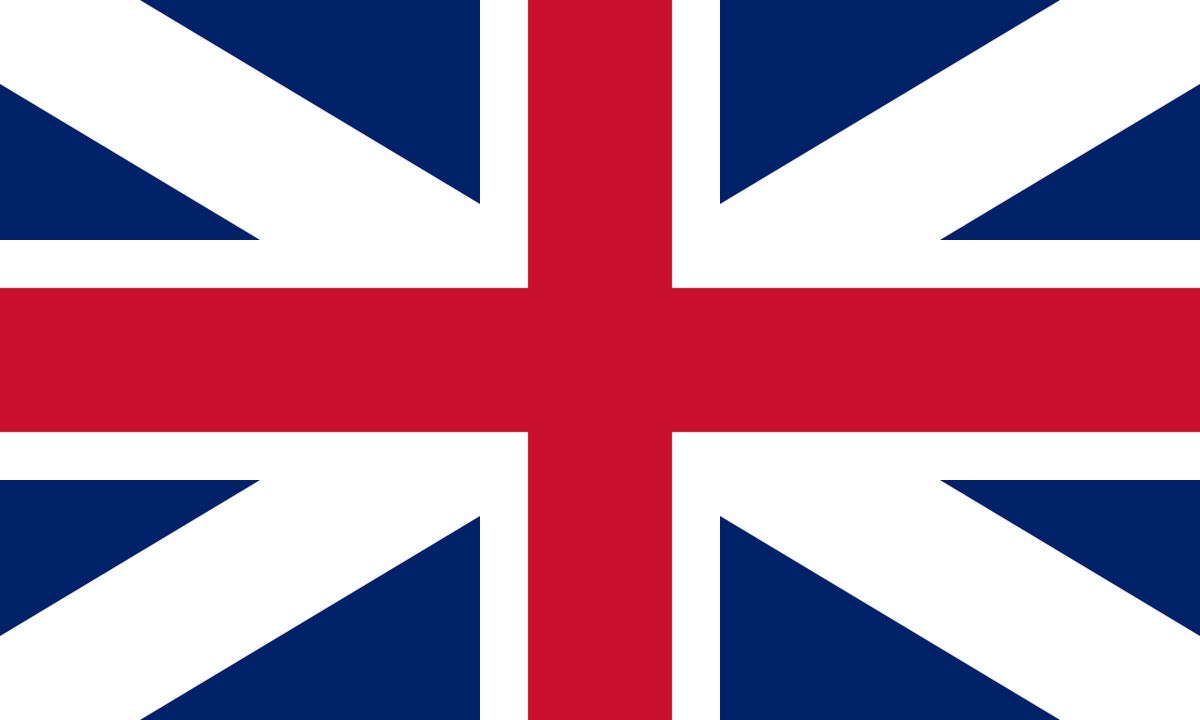
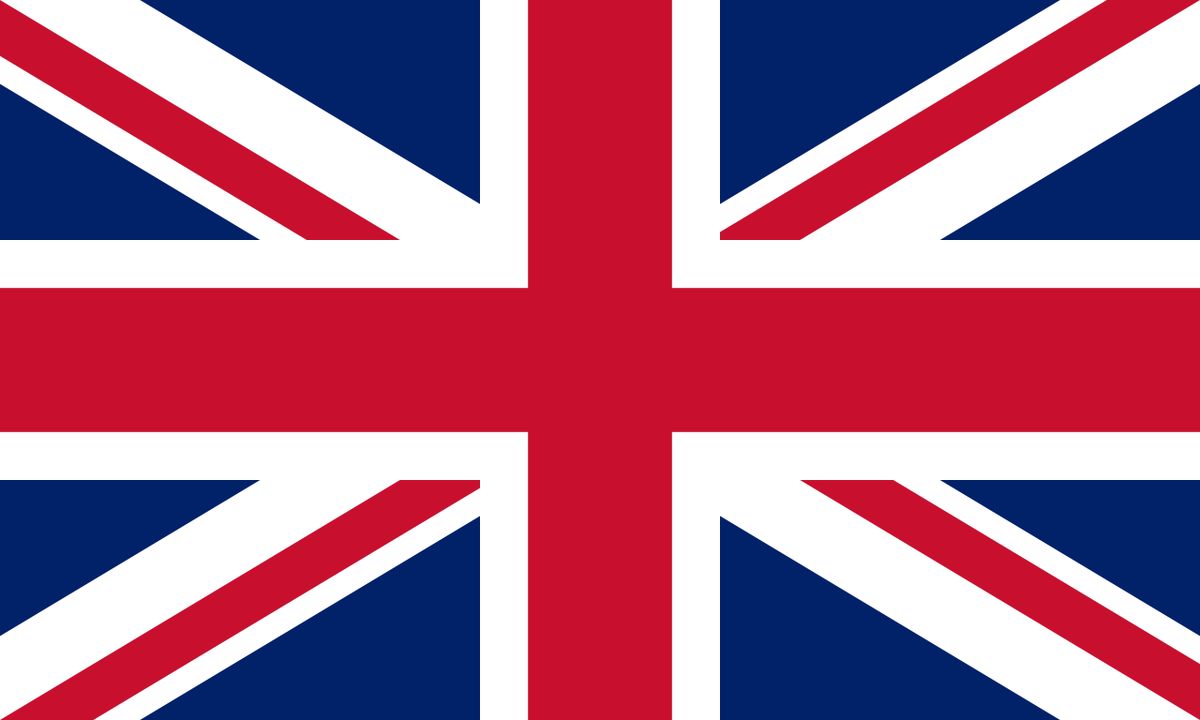
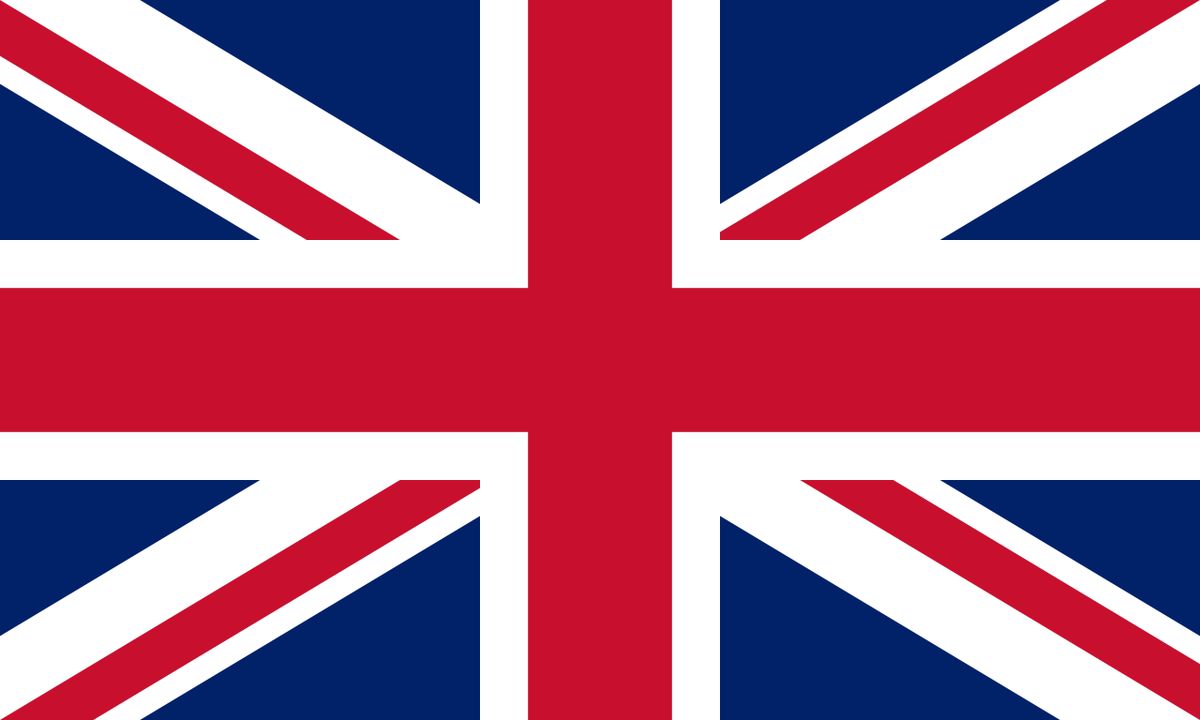
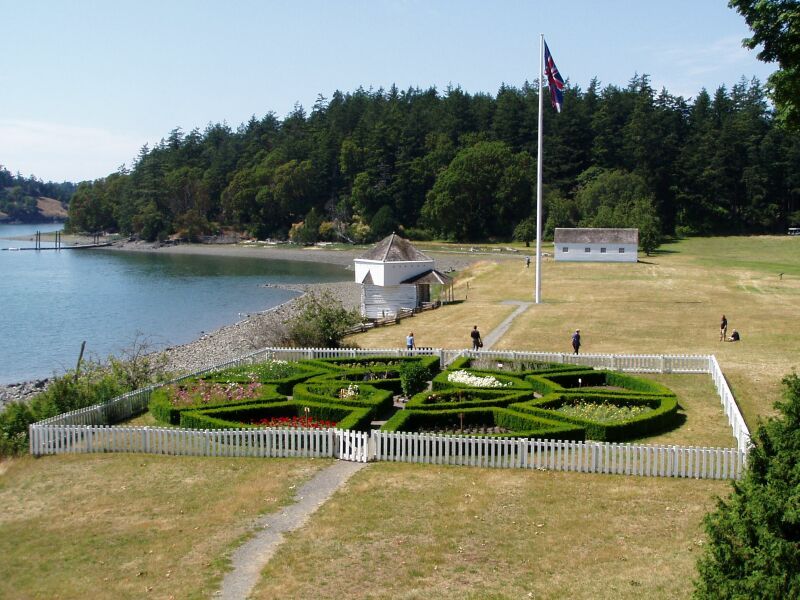
The joint military occupation of San Juan Island lasted for nearly 12 years, from late 1859 until 1872. During this period, the small British and American detachments developed an unexpectedly amicable relationship. The soldiers frequently visited each other's camps, celebrating national holidays like the Fourth of July and Queen Victoria's birthday together. They organized athletic competitions and shared social events. Park rangers at the San Juan Island National Historical Park often note that the greatest threat to peace during these years was 'the large amounts of alcohol available.' The British camp, manned by Royal Marines, and the American camp, staffed by U.S. infantry, became permanent fixtures on the landscape. The British withdrawal in 1872 did not end the tradition at the site. Today, U.S. National Park Service rangers raise and lower the Union Jack daily at the former British camp, one of the few non-diplomatic locations where the U.S. government regularly hoists another nation's flag for historical commemoration.
This prolonged occupation occurred against a backdrop of dramatic political change in North America. On the British side, the Colony of Vancouver Island merged with the mainland Colony of British Columbia in 1866. Then, in 1871, the enlarged Colony of British Columbia joined the new Dominion of Canada as a province. These developments framed the final diplomatic negotiations to resolve the island's status. The peaceful coexistence on the island itself stood in stark contrast to the bloody conflict to the south and demonstrated that a diplomatic solution was both possible and preferable.
Arbitration and Final Settlement
The final resolution of the San Juan Islands dispute came through international diplomacy. In 1871, the United Kingdom and the United States signed the Treaty of Washington, which addressed several lingering issues, including border disputes. Article XXXIV of the treaty referred the San Juan boundary question to arbitration by a friendly head of state. German Emperor Wilhelm I was chosen as the arbitrator. Both nations presented their cases to a three-member arbitration commission that convened in Geneva. The United States was represented by the historian and former Secretary of the Navy, George Bancroft, who argued for the Haro Strait boundary. The British case, presented by British officials, advocated for the Rosario Strait line. The commission deliberated for nearly a year, examining maps, treaties, and historical documents.
On October 21, 1872, Emperor Wilhelm I announced the arbitration decision. The commission ruled in favour of the United States' position, selecting the Haro Strait as the international boundary. This decision awarded all the San Juan Islands to the United States. The British government accepted the verdict gracefully. On November 25, 1872, the Royal Marines stationed at the British camp lowered the Union Jack for the last time and departed San Juan Island. The American forces followed suit, withdrawing completely by July 1874. The peaceful arbitration settled the last major border dispute between the United States and the British Empire, firmly establishing the maritime boundary between the future state of Washington and the Canadian province of British Columbia. The process set a valuable precedent for resolving international conflicts through law and negotiation rather than force.
Key Personalities and Their Legacies
The Pig War involved several individuals who would later achieve greater fame in other conflicts, particularly the American Civil War. Captain George Pickett, who led the initial American landing, became a Confederate major general infamous for 'Pickett's Charge' at the Battle of Gettysburg in 1863. His superior, General William S. Harney, was a veteran of the Mexican-American War known for his brash and sometimes reckless actions. On the British side, Captain Geoffrey Hornby, who commanded the initial naval flotilla, later rose to become Admiral of the Fleet, the highest rank in the Royal Navy, and was renowned as a leading 19th-century tactician. Governor James Douglas, the formidable head of the Colony of Vancouver Island, was a central figure in the early development of British Columbia.
Other participants left legacies in different fields. Second Lieutenant Henry Martyn Robert, the engineer who designed the American redoubt on San Juan Island, later authored the first edition of Robert's Rules of Order in 1876, the seminal guide to parliamentary procedure still in widespread use today. The arbitrator, German Emperor Wilhelm I, would soon oversee the unification of Germany and the creation of the German Empire. The Pig War, therefore, is a curious intersection point in the biographies of men whose primary historical impact lay elsewhere.
| Figure | Role in Pig War | Later Notable Achievement |
|---|---|---|
| Captain George Pickett | Commander of initial U.S. landing force | Confederate General at Gettysburg |
| General William S. Harney | U.S. Department of Oregon commander who ordered occupation | Veteran of Mexican-American War |
| Second Lieutenant Henry M. Robert | Supervised construction of American redoubt | Author of Robert's Rules of Order (1876) |
| Captain Geoffrey Hornby | Commander of British naval flotilla | Admiral of the Fleet, Royal Navy |
| Governor James Douglas | Governor of Colony of Vancouver Island | 'Father of British Columbia' |
| General Winfield Scott | U.S. negotiator of joint occupation | Commanding General of the U.S. Army |
| German Emperor Wilhelm I | Arbitrator of the boundary dispute | First German Emperor (1871) |
Commemoration and Historical Significance
The San Juan Island National Historical Park preserves the sites of both the American and British military camps, along with trails, interpretative centres, and historical re-enactments. The event is remembered not for its violence, but as a case study in peaceful conflict resolution. For Canada, the Pig War was the last serious border dispute between British North America and the United States. Its settlement via arbitration in 1872 completed the process of defining the western border between Canada and the U.S., which had begun with the 1846 Oregon Treaty. The outcome confirmed American control of the San Juan Islands but did so through a process that strengthened international law and bilateral relations.
Historians often frame the Pig War within larger narratives of 19th-century North American history. It highlights the lingering tensions of the Oregon boundary dispute, the economic interests of the Hudson's Bay Company, and the westward expansion of American settlers. The event also intersects with the lead-up to the American Civil War, as some contemporaries speculated that aggressive officers like Harney and Pickett may have been attempting to provoke a foreign war to divert from sectional crises at home. The story continues to be a popular subject for historians and a unique chapter in the shared history of Canada and the United States.
Questions about Pig War (1859)
What started the Pig War?
The Pig War was triggered on June 15, 1859, when American settler Lyman Cutlar shot and killed a pig that was rooting in his garden on San Juan Island. The pig belonged to Charles Griffin, an employee of the British Hudson's Bay Company. Cutlar offered $10 in compensation, but Griffin demanded $100. When British authorities threatened to arrest Cutlar, American settlers called for U.S. military protection, leading to the deployment of American troops and a subsequent British naval response.
Were there any human casualties in the Pig War?
No, there were no human casualties during the Pig War. The only direct casualty was the pig itself. Despite a significant military buildup in August 1859 involving hundreds of American soldiers and over two thousand British sailors and marines backed by warships and artillery, no shots were ever fired in anger between the opposing forces. The conflict was resolved through diplomacy and a prolonged joint military occupation.
How was the Pig War finally resolved?
The dispute was resolved through international arbitration. The 1871 Treaty of Washington referred the boundary issue to German Emperor Wilhelm I for arbitration. A three-member commission met in Geneva and, on October 21, 1872, decided in favour of the United States, establishing the Haro Strait as the boundary. British forces withdrew in November 1872, and American forces left by July 1874.
Why were the San Juan Islands so important?
The San Juan Islands held significant strategic military importance in the mid-19th century. They are located in the waterways connecting the Strait of Juan de Fuca with the Strait of Georgia. Control of the islands was seen as key to dominating naval access to Puget Sound and the Fraser River, especially after the 1858 Fraser Canyon Gold Rush. British Captain James Prevost warned that losing San Juan might 'prove fatal to Her Majesty's possessions in this quarter of the globe.' National pride and perceived strategic value, rather than economic worth, drove the dispute.
Where can I learn more about the Pig War today?
The primary site for learning about the Pig War is the San Juan Island National Historical Park in Washington State. The park preserves the original American and British military camps, with museums, interpretative trails, and historical re-enactments. The park is unique in that U.S. Park Rangers daily raise and lower the British Union Jack at the former British camp site. Numerous books and historical articles have been written on the subject, and it is frequently covered in Canadian and American history curricula.
What was the role of the Hudson's Bay Company in the dispute?
The Hudson's Bay Company was the primary British economic and political entity on the ground. It established the profitable Belle Vue Sheep Farm on San Juan Island in 1853, claiming the island for Britain. The company's employee, Charles Griffin, owned the pig that was shot. The HBC's operations provided the British claim of effective occupation, while the American settlers were seen as squatters on company land. The company's interests were directly defended by the British military during the standoff.
Sources and further reading
- Pig War (1859) (Wikipedia)
- The Pig War, San Juan Island National Historical ... (nps.gov)
- The Pig War (canadashistory.ca)
- From Imbroglio to Pig War: The San Juan Island Dispute ... (ojs.library.ubc.ca)
Checked by the Nosy Mag desk. Last updated 2026-10-19.