Algonquian peoples
The Algonquian peoples are a major Indigenous cultural and linguistic group whose traditional territories span a vast portion of North America, from the Atlantic Coast to the Great Lakes and the Canadian Prairies. In Canada, Algonquian-speaking nations include the Algonquin, Ojibwe, Cree, Mi'kmaq, and Blackfoot, among many others, each with distinct histories and communities. Their historical and ongoing presence is foundational to the cultural and political fabric of eastern and central Canada, with unresolved land claims, such as those in the Ottawa Valley, remaining significant contemporary issues. Today, recognized Algonquin First Nations in Quebec and Ontario continue to assert their rights, manage their lands, and preserve their languages and cultural practices for future generations.
Historical Territories and Nations
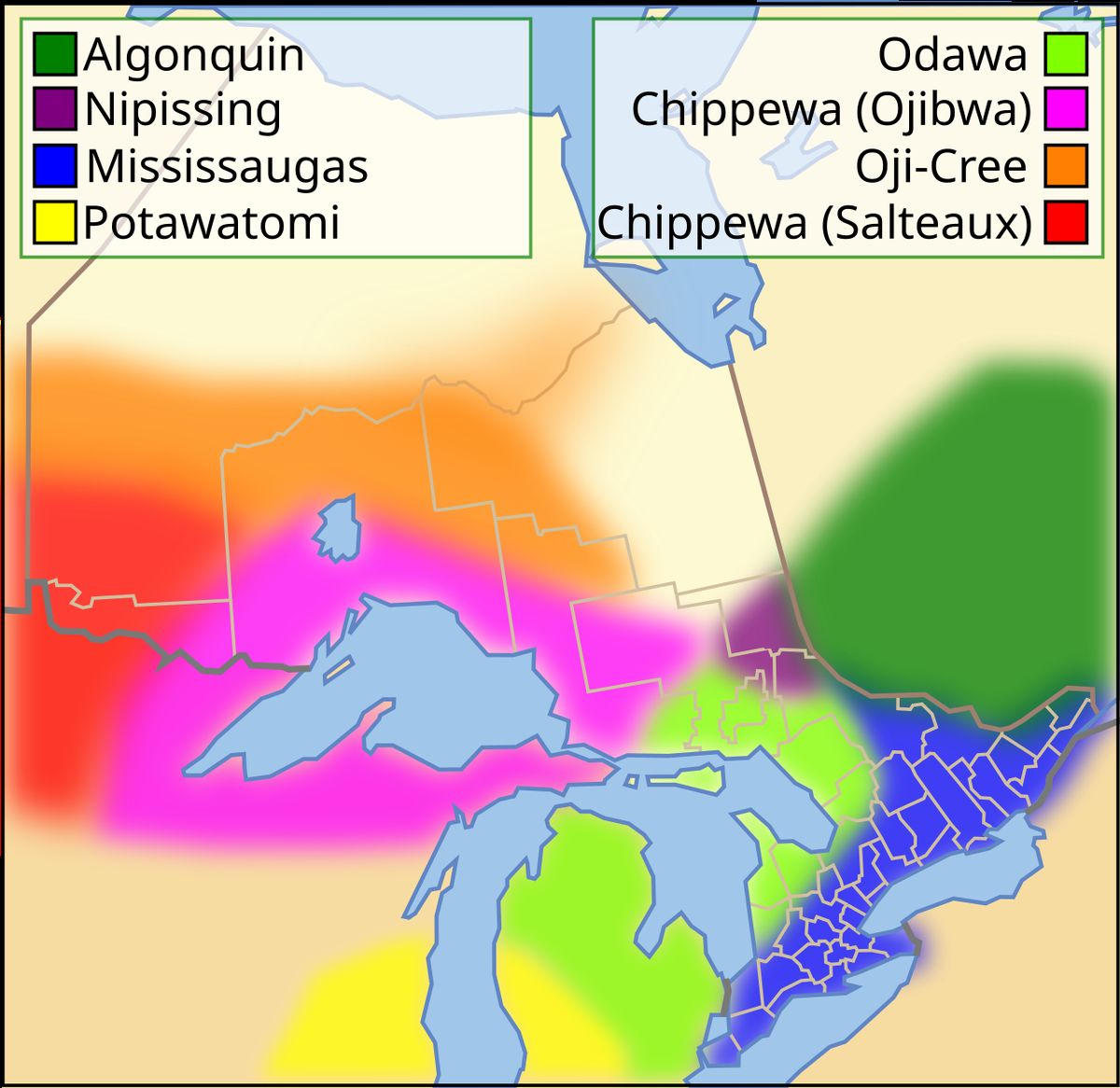
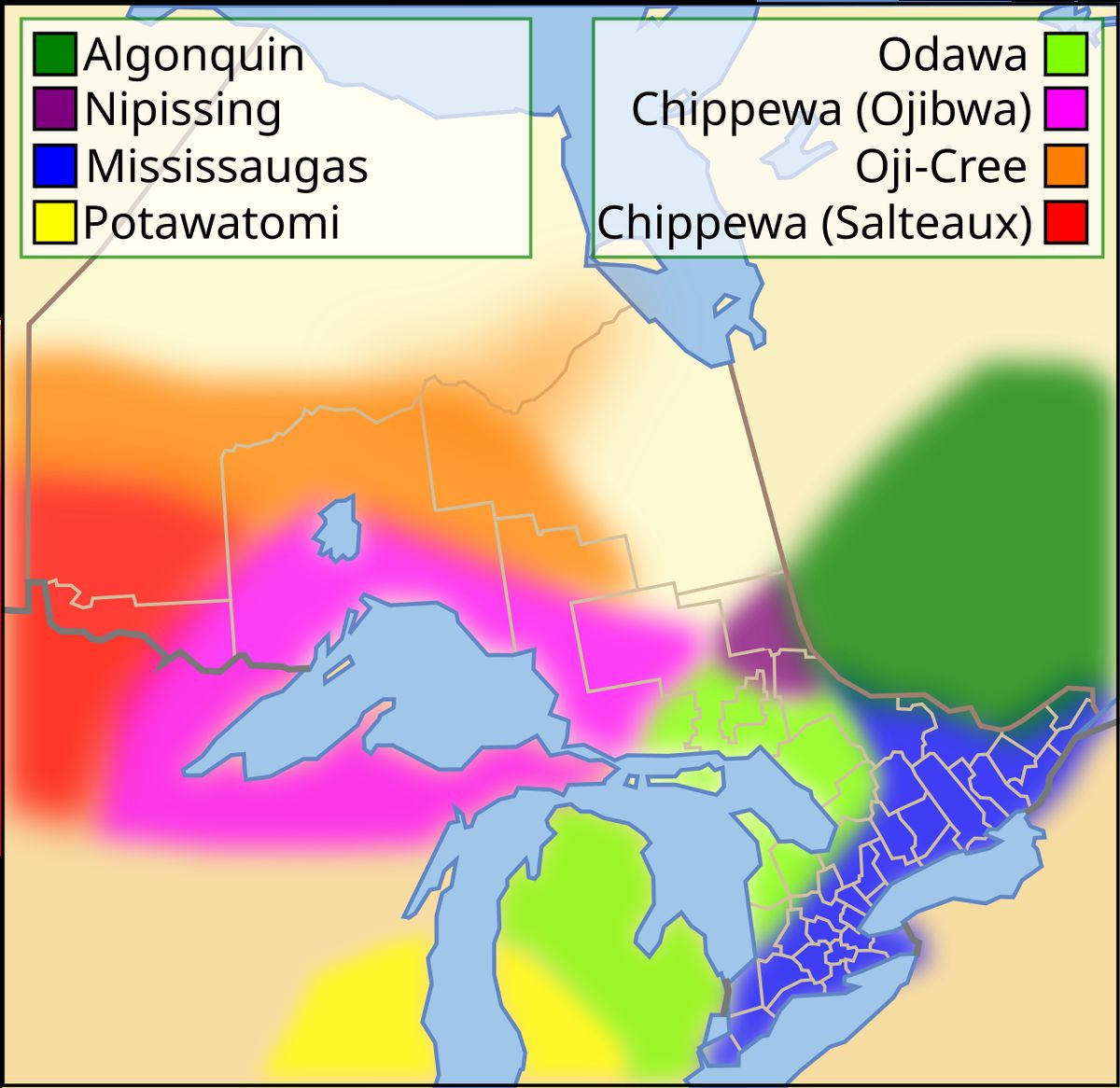
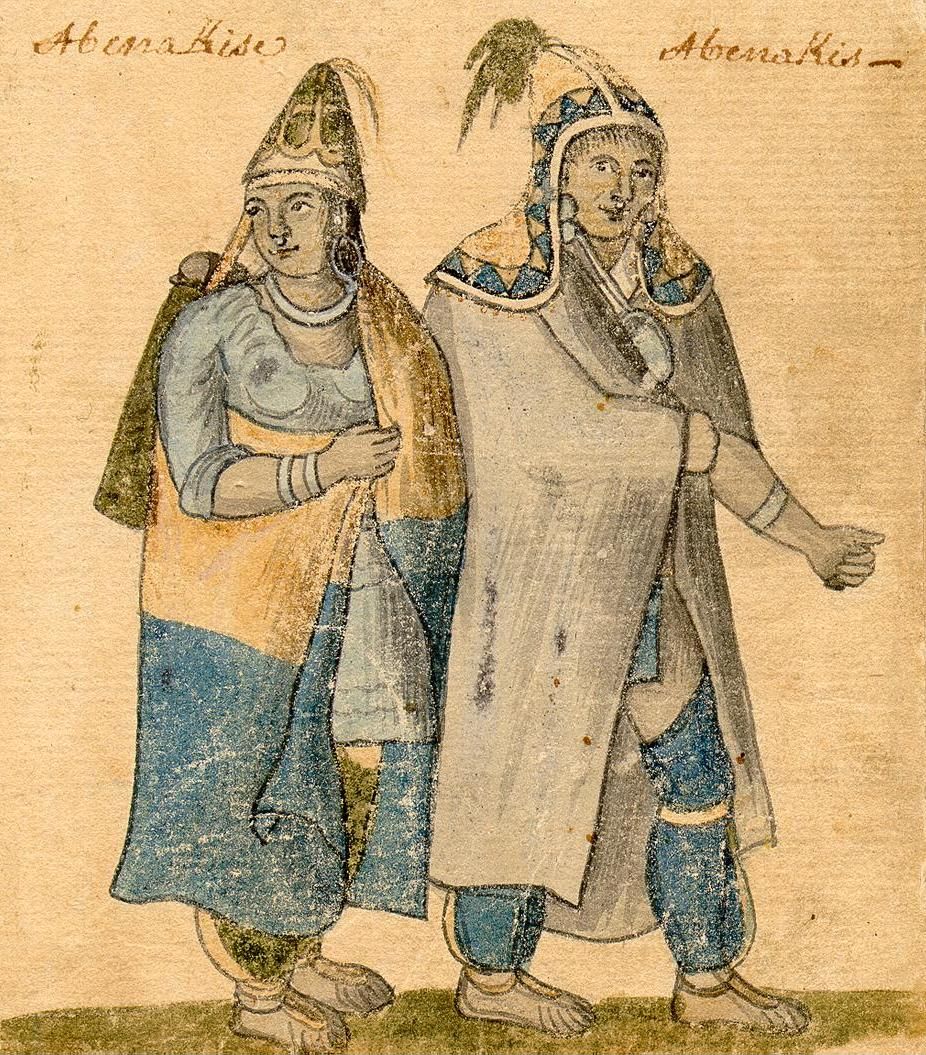
The Algonquian cultural-linguistic group encompasses numerous distinct nations whose traditional homelands cover an immense area of North America. At the time of European contact, Algonquian peoples resided across present-day Canada east of the Rocky Mountains, throughout New England, and around the Great Lakes region. In what is now Canada, prominent Algonquian nations included the Mi'kmaq and Maliseet in the Maritimes, the Abenaki in northern New England and eastern Quebec, and the Algonquin proper in the Ottawa River Valley. The expansive Great Lakes region was home to the Ojibwe, Odawa, Potawatomi, and Menominee, while the Cree and Blackfoot nations lived across the Subarctic and Plains regions respectively. This widespread distribution highlights the diversity within the Algonquian language family, which served as a root language for communication and trade across much of the continent. The precise boundaries of these territories were often fluid, shaped by seasonal movements, intertribal relations, and later, colonial pressures.
In the specific context of the Algonquin people, their traditional territory has always included the Ottawa Valley and adjacent lands, straddling the current Quebec-Ontario border. Unlike much of Ontario and the Prairies, this territory has never been addressed by a land-sharing treaty, meaning Algonquin title to these lands remains unextinguished. Historical maps, such as the 'Canada Native People 1630' map published by the National Atlas of Canada, identify regional Algonquin groups within this area, including the Matouweskarini and Keinouche. The strategic importance of the Ottawa River as a primary transportation corridor to the interior made the Algonquin key players in the early fur trade and colonial geopolitics.
Traditional Life and Seasonal Economy
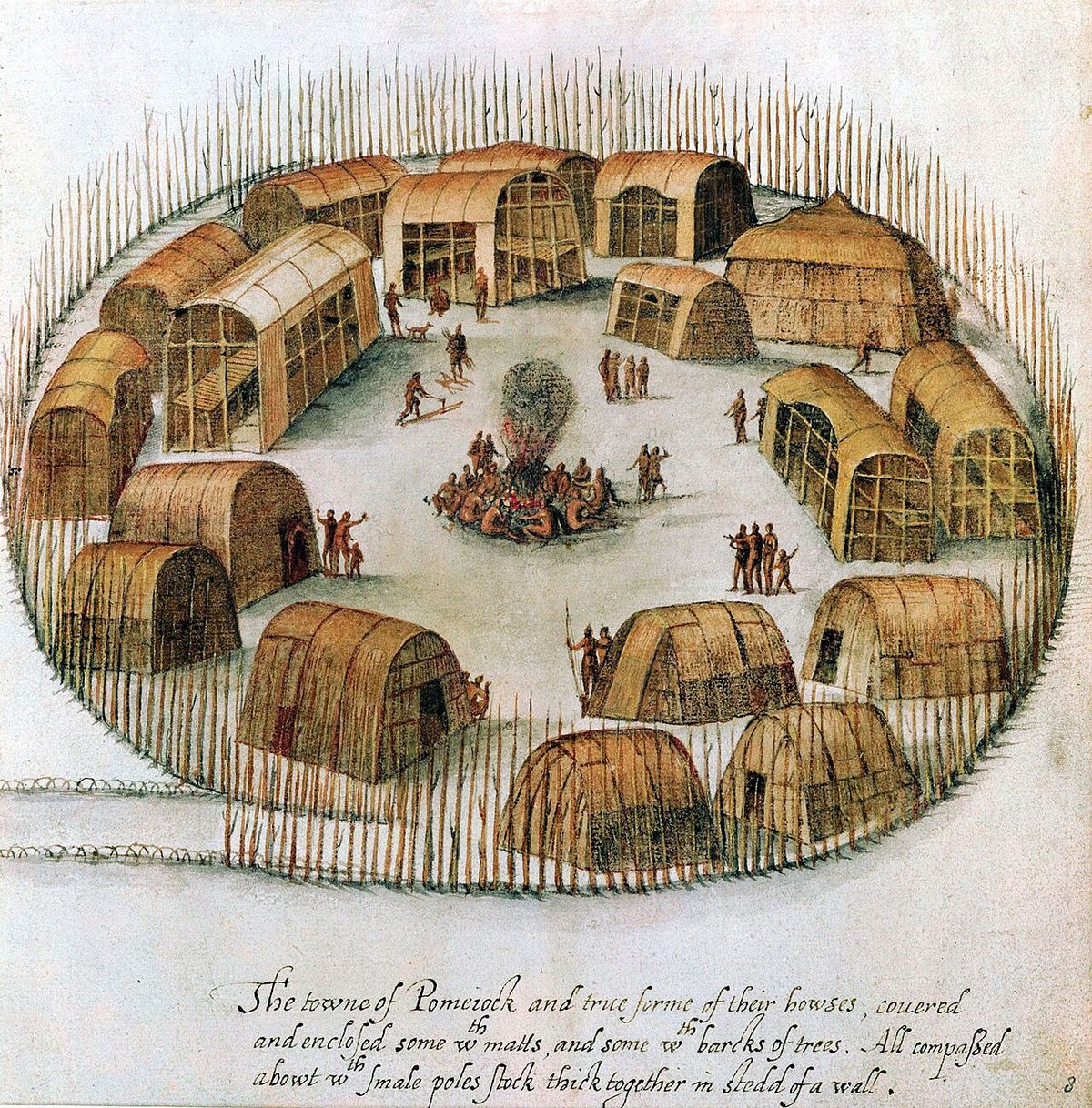
For Algonquian peoples, particularly those in the forested regions of the Northeast, life followed a seasonal cycle intimately tied to the availability of natural resources. The basic social unit was often the village or band, composed of groups related through clan kinship structures. These communities were semi-nomadic, constructing portable wigwams from birch bark or animal skins in warmer months and more substantial, communal longhouses for winter shelter. Their economy was a sophisticated blend of hunting, fishing, gathering, and, for some southern groups like those in New England, slash-and-burn agriculture of corn, beans, and squash. This seasonal mobility allowed them to exploit different food sources throughout the year, moving to coastal areas for spawning fish in spring and into forests for game like moose and beaver in the fall. The Algonquin people exemplify this pattern, with their traditional way of life revolving around hunting, fishing, trapping, and gathering, with subsistence activities varying with the seasons.
The annual cycle was precisely calibrated to the environment. In spring, communities focused on fishing at coastal locations and waterfalls, using nets and weirs to catch smelt, alewife, and salmon. Summer allowed for the hunting of migratory birds, gathering of berries and nuts, and ocean fishing for species like cod and whales. From September, groups would move into the forests to hunt large game before establishing larger winter camps in sheltered locations by December. The winter months of February and March were often lean, relying on cached food supplies, a practice that historians suggest helped regulate population levels. For the Algonquin, travel was by birch bark canoe in summer and by toboggan and snowshoe in winter. Summer was also a time for large social gatherings where marriages were celebrated, before families dispersed to their hunting grounds for the winter. This deep knowledge of the land and its cycles was essential for survival and shaped their cultural and spiritual worldview.
European Contact and the Fur Trade
Samuel de Champlain first made contact with Algonquin groups in 1603, shortly after establishing a French settlement at Tadoussac. He was impressed by the quality of their furs and, seeking to shorten their travel distance for trade, moved the French fur trade upstream. By 1610, Algonquin guides were accompanying French explorers like Étienne Brûlé into the interior, marking the beginning of a deep involvement in the fur trade. The French recognized the Algonquin language as a root language for many other Indigenous languages, and fur traders often learned it to facilitate communication and trade across vast territories. This alliance was also strategic. The French sought treaties with the Algonquin and their Montagnais and Huron allies to secure their support against the Iroquois Confederacy and to preclude competition from Dutch and English rivals.
The Algonquin, controlling the crucial Ottawa River route to the upper Great Lakes, became central intermediaries. As documented in the Jesuit Relations of 1636, they demanded tolls from Huron, Ottawa, and French canoes passing by Allumette Island. This strategic position made them valuable allies during the colonial competition between France and Britain. During the Seven Years War, British officials like Sir William Johnson worked to secure the neutrality or alliance of French-allied nations, including the Algonquin, by employing Indigenous diplomatic protocols like the exchange of wampum belts. The balance of power meant both European powers had to engage with First Nations on their own terms, using presents and treaty-making. However, the ultimate shift of power to colonial governments led to displacement, land loss, and the erosion of traditional ways of life for many Algonquian nations.
Contemporary Algonquin Communities and Governance
Today, there are ten recognized Algonquin First Nations, with a total population of approximately fourteen thousand people. The demographic distribution shows that out of 14,106 Algonquin people, more than 6,490 live within the nation's communities. Nine of these First Nations are located in Quebec, while one, Pikwàkanagàn, is in Ontario. Several other First Nations in Ontario, including Temagami and Wahgoshig, have partial Algonquin descent through kinship ties. These communities vary in size and administration, with some established on reserves and others, like Kitcisakik and Winneway, not on reserve land. The communities are primarily located in the Abitibi-Témiscamingue and Outaouais regions of Quebec, reflecting their continued connection to their traditional territories.
Modern Algonquin communities exercise growing self-governance, administering their own government services which form a major source of employment. These services typically include education, health care, housing, and municipal infrastructure development. Economic activities extend beyond public administration to include forestry operations, tourism, and arts and crafts. Kitigan Zibi is the largest and most populous Algonquin community, hosting a variety of small businesses and community institutions such as a cultural centre, police station, and support services for women and youth. Community governance also involves ongoing stewardship of land and resources, as evidenced by initiatives like the Algonquins of Pikwàkanagàn First Nation's Department of Lands, Estates and Membership, which released its 2025 to 2026 Lands Management Annual Report. This work is part of a broader commitment to preserving cultural heritage and fostering sustainable futures.
- Quebec Communities (9): Kitigan Zibi, Barriere Lake, Kitcisakik, Lac Simon, Abitibiwinni, Long Point, Timiskaming, Kebaowek, Wolf Lake.
- Ontario Community (1): Pikwàkanagàn (Algonquins of Pikwàkanagàn First Nation).
- Communities not on reserve land: Kitcisakik, Winneway, Hunter’s Point.
- Key Community Institutions in Kitigan Zibi: Youth centre, workshop for persons with disabilities, drug treatment centre, cultural centre, police station, group home, women's crisis service centre.
Language, Culture, and Contemporary Identity
The Algonquin language, known as Anishnabemowin, remains a vital component of cultural identity and is spoken in most communities. For some elders, it is their first and sometimes only language, with English or French acquired as second languages, making many community members trilingual. The language is deeply rooted in the territory and is often taught using illustrations and pictograms to aid in its transmission to younger generations. Cultural practices are intertwined with a spiritual connection to the land, particularly the forest, which is considered a sacred site and the cradle of their spirituality, marked by the presence of ancestors. Traditional teachings, such as those of the Seven Grandfathers, emphasizing honesty, humility, respect, courage, wisdom, love, and truth, continue to shape community values and ways of life.
Arts and crafts hold a prominent place in community life, serving as both an economic activity and a means of cultural expression and socialization. Unique creations like the Pikogan Abitibikwe doll, along with the making of clothing, moccasins, and jewellery, reflect the richness of Anishinaabe heritage. These activities reinforce community bonds where mutual aid and sharing remain central. The transition from a semi-nomadic life to more settled communities accelerated in the early 20th century with the colonization of regions like Abitibi, which brought an influx of settlers, prospectors, and loggers. Reserves were created between 1940 and 1974 for some communities, while others maintain a different legal status. Despite these changes, Algonquin communities continue to assert their Aboriginal title and rights across their unceded traditional lands, including rights to hunt, trap, fish, and gather, which they have exercised for millennia.
Land Claims and Political Advocacy
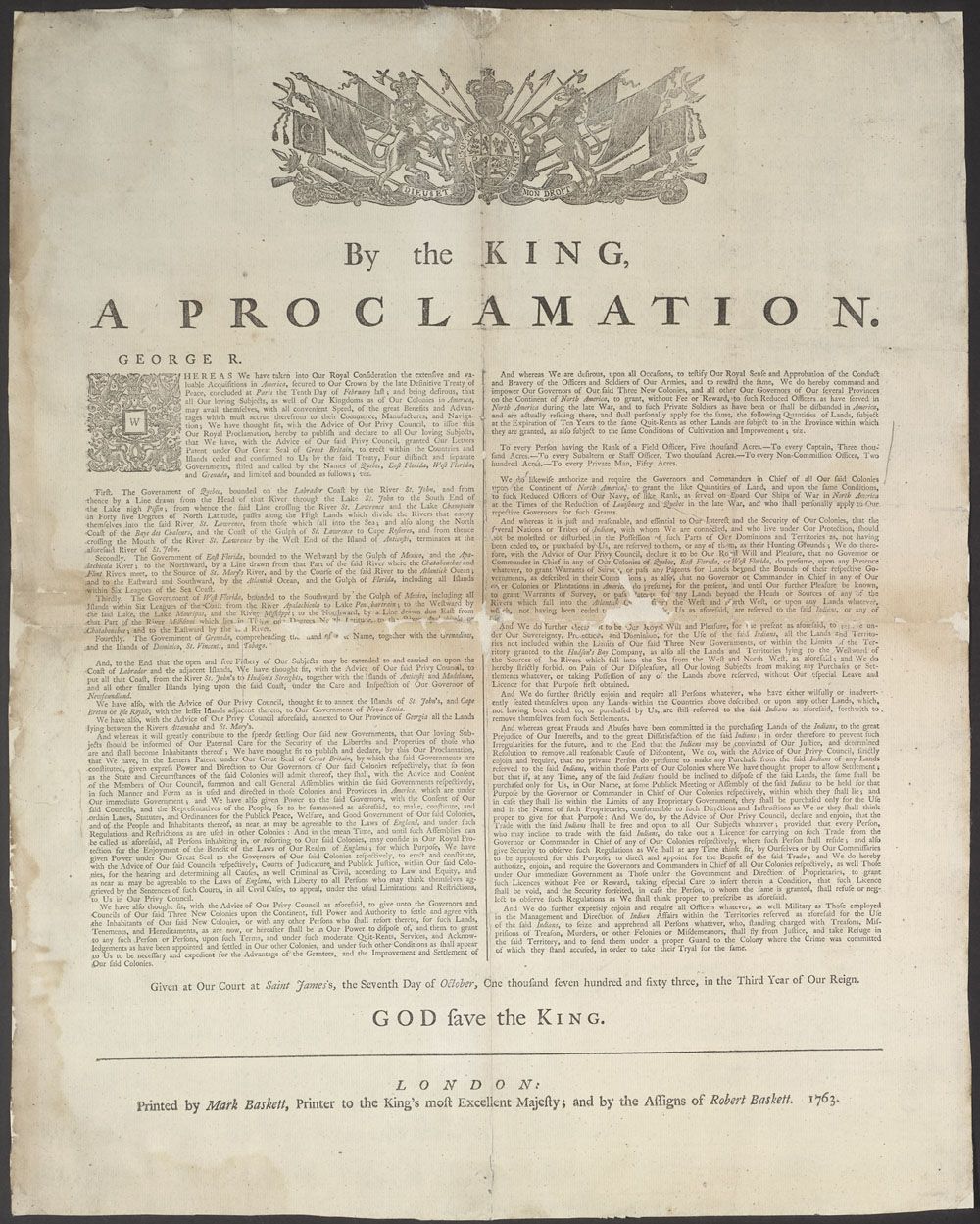
A defining issue for the Algonquin people is the unresolved status of their traditional territory in the Ottawa River watershed. This land, straddling Ontario and Quebec, is unceded, meaning no treaty has ever been signed to surrender it to the Crown. The Royal Proclamation of 1763, which followed the Seven Years War, contained provisions recognizing Indigenous rights to traditional territories, and its boundary line intersects Algonquin territory. The absence of a modern treaty has led to ongoing negotiations and advocacy. In recent years, representatives from ten Algonquin Nations in Ontario and Quebec have united in calls for equal partnership, particularly in discussions surrounding national projects like the Indigenous Peoples' Space in Ottawa. This political mobilization shows their continued assertion of sovereignty and their role as the original inhabitants of the region.
The Algonquin Nation Secretariat and individual First Nations actively work to advance their land claims and protect their rights. This involves detailed research to document historical use and occupancy, as seen in provisional maps of Algonquin Nation Territory circa 1850 to 1867. The management of existing reserve lands is also a critical function, with communities like Pikwàkanagàn producing detailed annual reports on lands management. The goal of these efforts is not only to settle historical grievances but also to secure a foundation for economic self-sufficiency, cultural preservation, and environmental stewardship for future generations. The issue remains a live and complex part of Canadian Indigenous policy, with the Algonquin people insisting on their rightful place as partners in the governance and care of their ancestral lands.
Demographic and Community Data
The demographic profile of the Algonquin people illustrates both their historical presence and contemporary community structures. The total Algonquin population is approximately 14,106 individuals. A significant portion, over 6,490 people, reside within the nine core Algonquin communities located in Quebec and Ontario. The remaining population includes registered members living off-reserve in urban or rural areas. The communities themselves vary in size, with Kitigan Zibi being the largest and most populous. The creation of reserves between 1940 and 1974, such as Lac-Simon and Pikogan, formalized some community land bases, though others maintain a non-reserve status. This demographic distribution reflects the outcomes of historical policies, migration, and ongoing patterns of community affiliation. The following table provides a comparative overview of key demographic and territorial facts for the Algonquin people, highlighting the relationship between population, community location, and land.
| Category | Data |
|---|---|
| Total Algonquin Population | 14,106 |
| Population in Nine Communities | Over 6,490 |
| Number of Recognized First Nations | 10 |
| First Nations in Quebec | 9 |
| First Nation in Ontario | 1 (Pikwàkanagàn) |
| Largest Community | Kitigan Zibi |
| Pikwàkanagàn On-Reserve Members | Approx. 450 |
| Pikwàkanagàn Total Registered Members | Nearly 3,800 |
| Pikwàkanagàn Reserve Size | 1,800 acres |
| Traditional Territory Claim (Pikwàkanagàn) | 9 million acres |
Questions about Algonquian peoples
Who are the Algonquian peoples?
The Algonquian peoples are a large Indigenous cultural and linguistic group whose many distinct nations are spread across North America. In Canada, this includes nations such as the Algonquin, Ojibwe, Cree, Mi'kmaq, Blackfoot, and Abenaki. They are not a single tribe but a family of peoples connected by related languages and cultural patterns. Historically, they inhabited territories from the Atlantic Coast to the Great Lakes and the Canadian Prairies, with diverse adaptations to local environments ranging from coastal fishing to plains hunting.
What is the difference between Algonquin and Algonquian?
The terms refer to different but related concepts. 'Algonquian' (with a 'quian') is the name of the broad cultural and linguistic group that includes dozens of distinct Indigenous nations across the continent. 'Algonquin' (with a 'quin') refers specifically to one Indigenous people within that larger group, whose traditional territory centres on the Ottawa River Valley in Ontario and Quebec. The Algonquin people are one of many Algonquian-speaking nations, others being the Ojibwe, Cree, and Mi'kmaq, for example.
Where do Algonquin people live today?
Today, there are ten recognized Algonquin First Nations. Nine are located in Quebec: Kitigan Zibi, Barriere Lake, Kitcisakik, Lac Simon, Abitibiwinni, Long Point, Timiskaming, Kebaowek, and Wolf Lake. One, the Algonquins of Pikwàkanagàn First Nation, is located in Ontario on the shores of Golden Lake. The total Algonquin population is 14,106, with over 6,490 living within these communities. Some communities are on reserves, while others, like Kitcisakik, are not on designated reserve land.
What language do the Algonquin speak?
The Algonquin people speak Anishnabemowin, the Algonquin language, which is part of the larger Algonquian language family. The language remains in active use in most communities, with some elders speaking it as their first and sometimes only language. Many Algonquin people are bilingual or trilingual, also using English or French as second languages. Efforts to teach and preserve the language are ongoing, often using visual aids like illustrations and pictograms to facilitate learning and transmission to younger generations.
What is the status of Algonquin land claims?
The traditional territory of the Algonquin people in the Ottawa Valley is unceded, meaning it has never been surrendered through a treaty with the Crown. This makes land claims a central and unresolved contemporary issue. The Royal Proclamation of 1763 recognized Indigenous rights to such territories. Algonquin Nations continue to assert their Aboriginal title and rights to hunt, trap, fish, and gather on these lands. Representatives from ten Algonquin Nations actively advocate for equal partnership in decisions affecting their territory, including in national discussions about spaces like the proposed Indigenous Peoples' Space in Ottawa.
What was the traditional way of life for Algonquian peoples?
Traditionally, many Algonquian peoples in the Northeast followed a seasonal, semi-nomadic economy based on hunting, fishing, gathering, and, in some southern areas, agriculture. They lived in mobile villages, using portable wigwams in summer and larger longhouses in winter. Their annual cycle moved them to coastal areas for spring fishing, into forests for fall hunting, and to sheltered winter camps. For the Algonquin specifically, life revolved around hunting, trapping, fishing, and gathering, with summer being a time for large social gatherings and winter spent in smaller family hunting camps. This deep connection to the land's rhythms shaped their culture, spirituality, and social organization.
Sources and further reading
- Algonquian peoples (Wikipedia)
- Home | Algonquins of Pikwàkanagàn First Nation (algonquinsofpikwakanagan.com)
- Our Proud History (tanakiwin.com)
- Algonquin Territory (canadashistory.ca)
- Algonquin (Anishinaabe) (quebec.ca)
Checked by the Nosy Mag desk. Last updated 2026-10-19.