Komagata Maru incident
The Komagata Maru incident was a critical event in Canadian history that exposed the country's racially discriminatory immigration policies in the early 20th century. In May 1914, the Japanese steamship Komagata Maru, carrying 376 British subjects from India, arrived in Vancouver's Burrard Inlet seeking entry. Canadian authorities, citing the restrictive 'continuous journey' regulation, refused to allow the passengers to disembark, holding the ship offshore for two months under harsh conditions. The ship was ultimately forced to return to India, where a violent confrontation with British colonial police resulted in the deaths of 20 passengers. The incident remains a profound symbol of injustice and has led to official apologies and widespread commemorative efforts across Canada.
The Continuous Journey Regulation and Immigration Context
The Komagata Maru incident was a direct consequence of deliberate Canadian government policies designed to exclude immigrants from India. On 8 January 1908, the government issued an order in council that prohibited the immigration of anyone who did not come to Canada by continuous journey from their country of birth or citizenship. This regulation was specifically crafted to target Indian migrants, as the government pressured steamship companies to stop selling direct tickets from India to Canada. These restrictions were implemented during a period of significant immigration from the United States, Europe, and Asia, and followed intense anti-Asian sentiment that had erupted in the Vancouver riots of 1907. The continuous journey rule created a nearly insurmountable barrier for Indian British subjects, effectively barring them from legal immigration despite their status within the British Empire. The Komagata Maru's voyage was a direct challenge to this discriminatory law, orchestrated by individuals aware of its injustice. The order gave the Minister of the Interior broad discretionary power to exclude individuals based on their travel route, a power used almost exclusively against people from Asia.
Organizing the Voyage and Key Figures
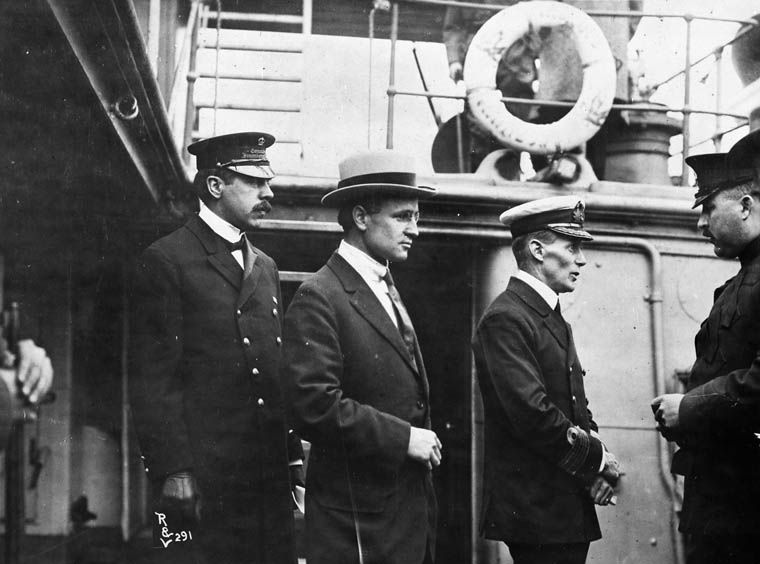
The journey was organized by Gurdit Singh, a Sikh businessman based in Singapore and Malaysia, who chartered the Komagata Maru in March 1914 with the explicit goal of challenging Canada's exclusionary laws. After signing the charter, Gurdit Singh was arrested in Hong Kong on 25 March 1914, but the police released him after determining they had no case. Further delays were caused by Francis Henry May, the Governor of Hong Kong, before the ship finally departed on 4 April with 165 passengers. It made subsequent stops in Shanghai and the Japanese ports of Moji and Yokohama, taking on more passengers including Ghadarite leaders Maulvi Barkatullah and Bhagwan Singh Gyanee. While the ship sailed from Moji to Yokohama, Gurdit Singh traveled ahead by train to Kobe to negotiate charter payments, rejoining the ship later. By the time it left Yokohama on 3 May, the ship carried a total of 376 passengers: 340 Sikhs, 24 Muslims, and 12 Hindus, all from the Punjab province of British India. The passengers themselves referred to the vessel as the Guru Nanak Jahaz, reflecting their faith and hopes for the journey.
Arrival, Standoff, and Legal Defeat in Vancouver
When the Komagata Maru arrived at Burrard Inlet on 23 May 1914, Canadian immigration officials immediately prohibited it from docking. Federal and local authorities, including Prime Minister Robert Borden, Conservative MP H. H. Stevens, and immigration official Malcolm R.J. Reid, conspired to keep the ship offshore, cutting off communication and supplies in hopes the charter would run out of funds and be forced to leave. The local South Asian community in Vancouver quickly mobilized to support the stranded passengers, forming a Shore Committee led by Husain Rahim, Bhag Singh Bhikiwind, Mitt Singh Pandori, Balwant Singh Khurdpur, and Muhammad Akbar. This committee successfully raised a substantial sum, reported as $20,000 in one account and $60,000 in another, to take over the ship's charter and sustain the legal fight. Lawyer J. Edward Bird was hired to challenge the immigration orders in court. On 29-30 June 1914, Bird argued a test case on behalf of passenger Munshi Singh before the British Columbia Court of Appeal. The court delivered its unanimous ruling on 6 July 1914, upholding the continuous journey regulation and denying the passengers entry. This legal defeat left the passengers with no remaining recourse within the Canadian justice system, setting the stage for a forced and violent conclusion to the standoff.
Forced Departure Under Military Threat
Following the court's decision, Canadian authorities intensified pressure to force the ship's departure by withholding food and water. On 19 July, an armed police force of 150 men aboard the harbour tug Sea Lion attempted to board the Komagata Maru but was repelled by passengers throwing coal, fire bricks, and scrap metal. In response, Prime Minister Robert Borden ordered the naval cruiser HMCS Rainbow to Vancouver to 'enforce the law firmly and effectively but with no unnecessary violence'. Under the threat of naval bombardment, federal Minister of Agriculture Martin Burrell arrived in Vancouver to negotiate a resolution. The government agreed to provision the ship for its return voyage, and the Shore Committee allowed the captain to retake control. Only 22 passengers were ultimately admitted to Canada before the Komagata Maru departed under escort on 23 July 1914. The use of military force to expel civilian passengers marked a severe escalation and demonstrated the government's commitment to its exclusionary policy at any cost.
The Tragic Return to India and Budge Budge Massacre
With the outbreak of the First World War, British officials, suspecting the passengers of anti-colonial intent, barred the ship from docking in Hong Kong and Singapore, forcing it to sail directly to India. The ship arrived at the mouth of the Hooghly River near Calcutta on 26 September 1914 and was directed to anchor at Budge Budge. British authorities attempted to force the passengers onto a special train to Punjab, but they refused, suspicious of the authorities' intentions and wishing to take their sacred scripture, the Guru Granth Sahib, to a gurdwara in Howrah. On 29 September, as passengers began marching toward Calcutta, armed police intercepted them. After an altercation where a police superintendent was allegedly knocked down, troops from the Royal Fusiliers and local police opened fire on the crowd. An inquest report confirmed eighteen of the dead died from wounds inflicted by service rifles. Many others were severely injured or subsequently imprisoned. Gurdit Singh later surrendered on the advice of Mahatma Gandhi and was imprisoned for five years.
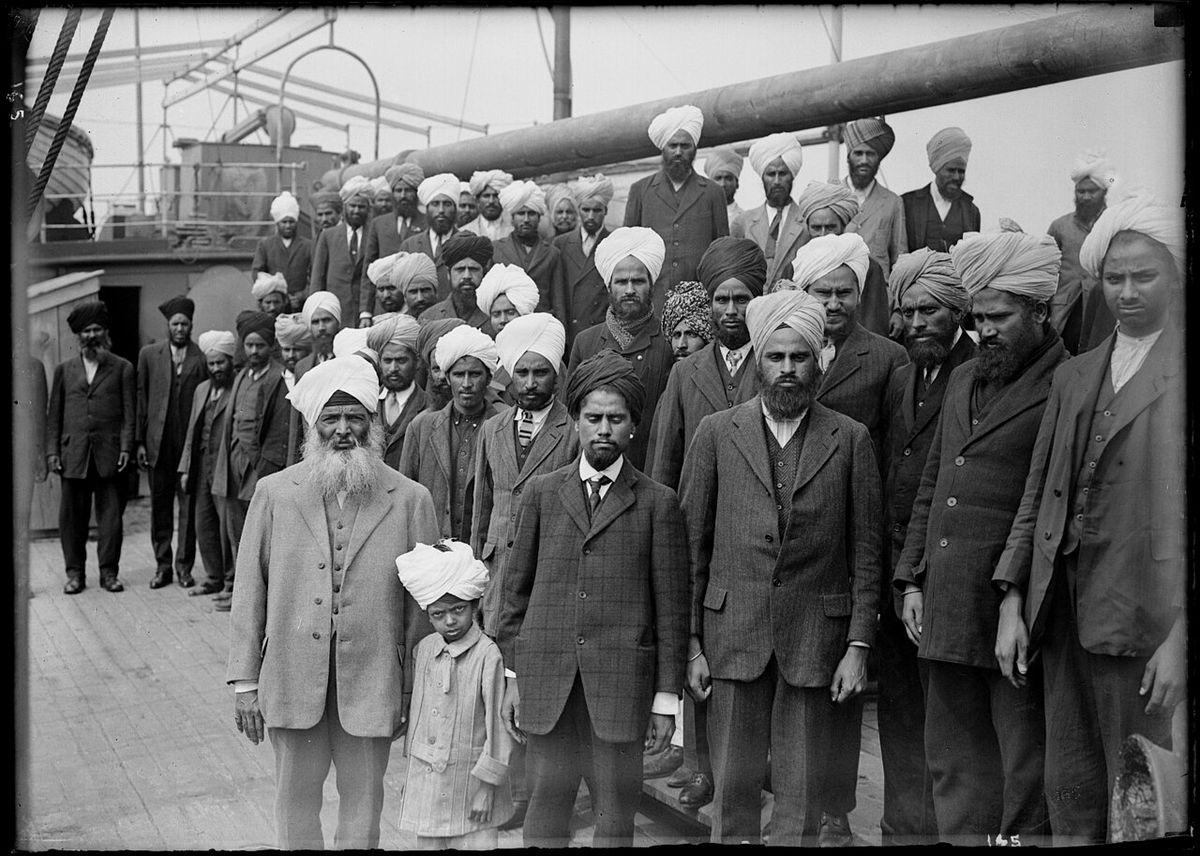
Violent Aftermath in Vancouver and the Ghadar Movement
The incident triggered violent repercussions within Vancouver's South Asian community, which was deeply divided over the event and the role of informants working for British authorities. Punjabi residents had supplied information to William C. Hopkinson, a British immigration official. On 15 September 1914, one of these informants, Bela Singh, murdered two Sikhs inside a Vancouver gurdwara. Hopkinson then threatened another Sikh, Mewa Singh, an eyewitness, to testify in Bela Singh's favour. Mewa Singh instead testified against him. On 21 October 1914, Mewa Singh assassinated Hopkinson inside the Vancouver courthouse while Hopkinson was attending the Punjabi trials. Mewa Singh surrendered, was sentenced to death, and was hanged on 11 January 1915. He is revered as a martyr in many South Asian Canadian communities. The Komagata Maru incident also galvanized the transnational Ghadar Movement, an anti-colonial organization founded as the Hindustani Association of America in Astoria in 1913. The Yugantar Ashram in San Francisco, a centre of Ghadar activity, sent a telegram of support to Gurdit Singh during the standoff, which Canadian officials intercepted as 'evidence of sedition and conspiracy.' The perception of Indian activists as radicals, compounded by this incident, influenced broader anti-immigration policies like the United States' Asiatic Barred Zone Act of 1917.
Commemoration and Memorials in Canada and India
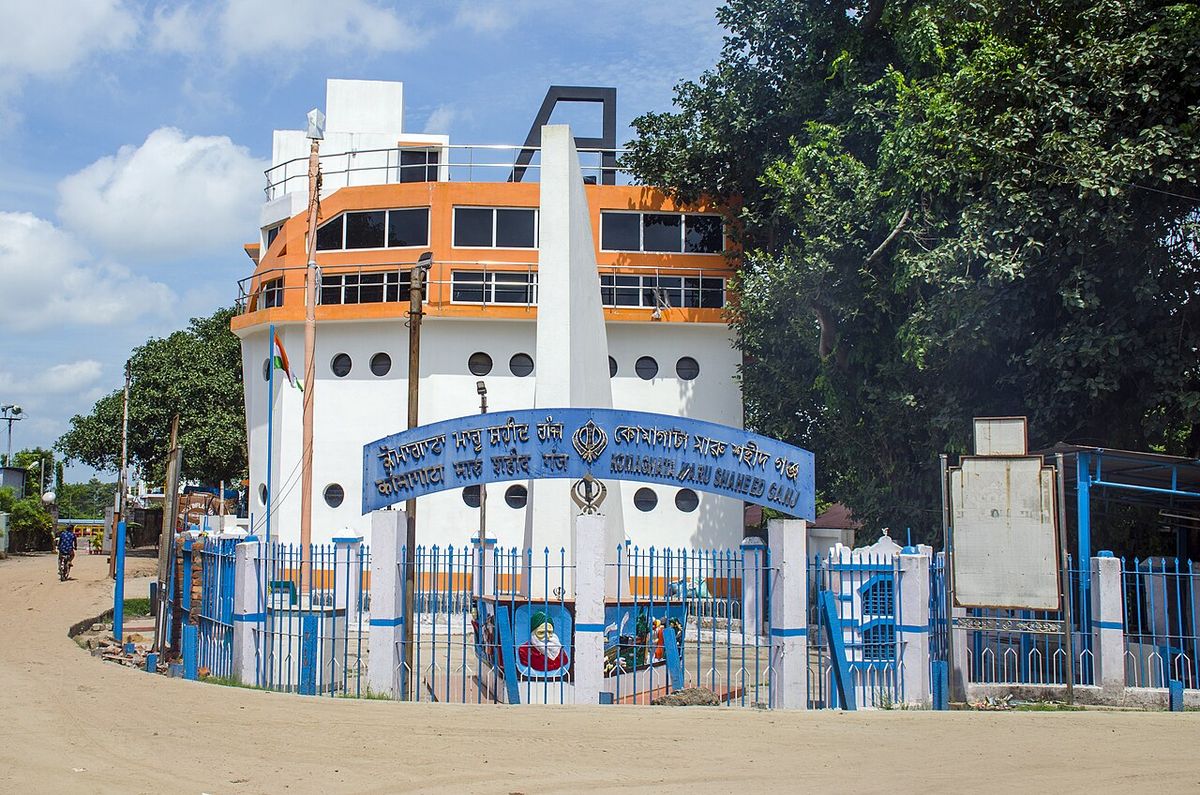
The legacy of the Komagata Maru has been actively preserved through physical memorials, museums, and public art across Canada and India. In India, a memorial was established at Budge Budge in 1952, inaugurated by Prime Minister Jawaharlal Nehru and locally known as the Punjabi Monument for its kirpan (Sikh dagger) design. A tripartite agreement was later signed for a three-storey museum building behind the memorial, estimated to cost ₹24 million and containing a library, museum, and auditorium. In 2014, the Indian government issued commemorative ₹5 and ₹100 coins for the centennial. In Canada, commemorative efforts have been extensive and ongoing, largely driven by community advocates like Raj Singh Toor, vice president of the Descendants of the Komagata Maru Society and a grandson of passenger Baba Puran Singh Janetpura. Key commemorative landmarks and events began with plaques for the 75th anniversary in 1989 at a Vancouver gurdwara and in Portal Park. The 80th anniversary was marked by a plaque in Vancouver Harbour in 1994. The Vancouver Maritime Museum hosted an exhibit on the incident from 6 to 8 January 2014, and the Centre for Indo-Canadian Studies undertook a year's worth of work to commemorate the centenary.
- Street Renamings: Komagata Maru Way in Surrey (31 July 2019). Komagata Maru Way in Abbotsford (22 July 2023) with three accompanying interpretive signs. Canada Place in Vancouver co-named Komagata Maru Place (9 February 2024).
- Heritage Storyboards and Plaques: Installed in Surrey's R. A. Nicholson Park (17 September 2020), Delta's North Delta Social Heart Plaza (23 December 2020), New Westminster's Komagata Maru Perimeter Trail and Dock (4 October 2022), Port Moody's Rocky Point Park (9 November 2022), Richmond's King George Park (12 July 2023), and Mission's Jack Poole Park (16 August 2023).
- Museums and Exhibits: The Komagata Maru Museum opened at the Khalsa Diwan Society Vancouver Ross Street Temple in June 2012. The Sikh Heritage Museum in Abbotsford hosted a year-long centennial exhibition titled 'Challenge and Denial' from January to December 2014, launched with over 100 attendees including government officials.
- Artistic Commemorations: The play 'That Land Beyond the Waves' was commissioned by the Centre for Indo-Canadian Studies and performed in November 2014. Canada Post issued a commemorative stamp on 1 May 2014 for the centennial.
These efforts ensure the story of the Komagata Maru is integrated into the public landscape. Mission City Council and the Mission School Board approved a display board to be used to teach Mission students about the Komagata Maru incident. The display board also teaches about the need for respecting and valuing people of different cultures. These commemorations are part of the ongoing legacy of the event.
The Long Path to Governmental Apologies
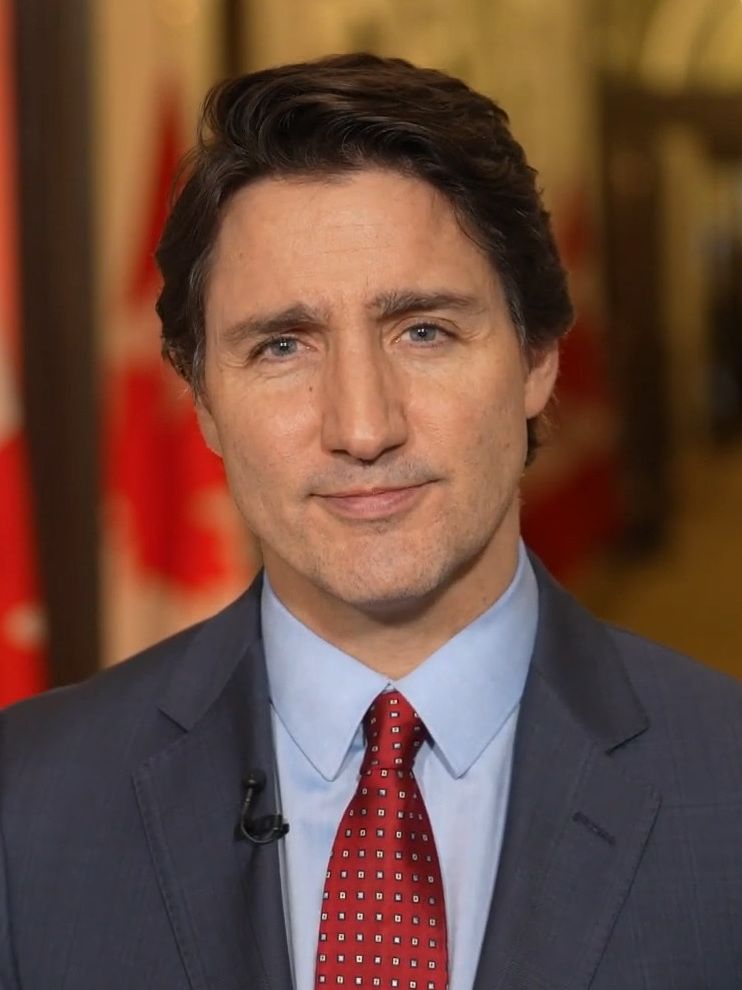
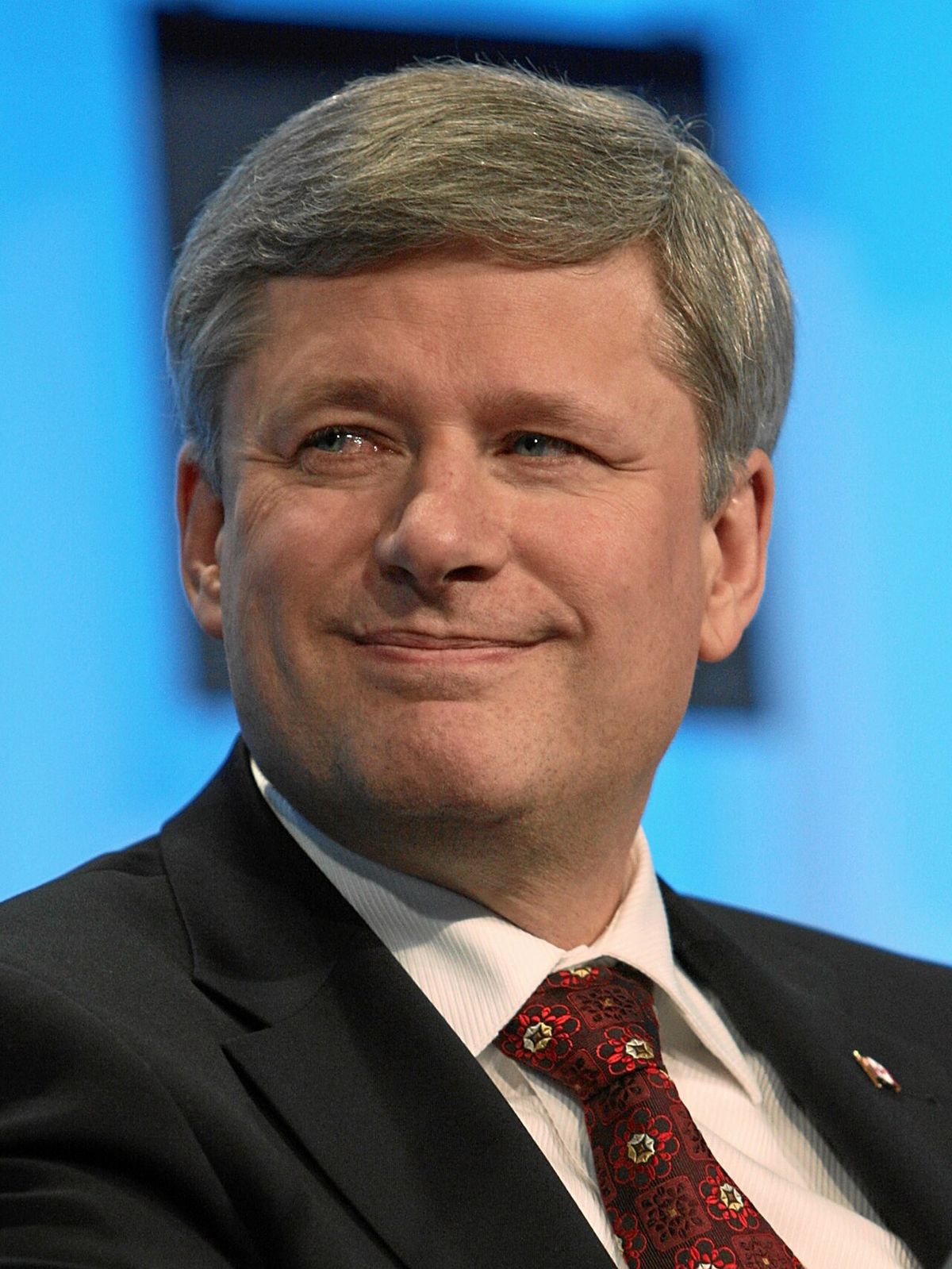
The pursuit of an official governmental apology for the Komagata Maru incident was a long and contested process spanning multiple governments. In 2006, Prime Minister Stephen Harper's government created the Community Historical Recognition Program, which later allocated up to $2.5 million in grants for Komagata Maru commemorations announced on 10 May 2008. This followed Harper's initial acknowledgement of the incident at a festival in Surrey on 6 August 2006. On 23 May 2008, the Legislative Assembly of British Columbia unanimously passed a resolution apologizing for the events of 1914. Later that year, on 3 August 2008, Prime Minister Harper issued an apology at the Ghadri Babiyan Da Mela festival in Surrey, BC, stating 'On behalf of the government of Canada, I am officially conveying as prime minister that apology.' This apology was rejected by many in the community, including the Professor Mohan Singh Memorial Foundation, who demanded a formal apology delivered in the House of Commons and recorded in Hansard. Harper's team refused this, and he was booed at the festival by foundation members. The foundation, along with the Descendants of the Komagata Maru Society, continued lobbying. This goal was achieved on 18 May 2016, when Prime Minister Justin Trudeau delivered a full formal apology in Parliament, specifically acknowledging their work. The apology process also led to the removal of MP H. H. Stevens' name from a federal building in Vancouver following a request from Raj Singh Toor to Prime Minister Trudeau in 2018. Furthermore, due to lobbying by Toor, May 23 is now a day of remembrance for the passengers in British Columbia and many of its municipalities.
Legacy and Contemporary Significance
The Komagata Maru incident is now widely understood as a defining example of state-sanctioned racism in Canadian history and a case study in the statelessness of displaced people. It occurred within a global context of restrictive immigration policies targeting Asian migrants and rising anti-colonial sentiment among the Indian diaspora. The passengers' two-month ordeal in Vancouver Harbour with limited provisions, followed by their tragic reception in India, created a powerful narrative of displacement that scholars note prefigures the experiences of refugees in later decades. The incident highlighted the transnational network of colonies and countries that restricted Asian immigration and contributed to a developing British-American understanding on the issue. In Canada, the incident forced a reckoning with the country's exclusionary past and has become a touchstone for discussions on multiculturalism, inclusion, and historical justice. The extensive commemorative work, including the proclamation of May 23 as Komagata Maru Remembrance Day across British Columbia, represents ongoing efforts to acknowledge this injustice. The advocacy of descendants like Raj Singh Toor has been instrumental in embedding this history into civic infrastructure, from street names to park storyboards. The formal apologies, particularly the 2016 parliamentary apology, provide a permanent record for future generations and affirm the incident's place in the national narrative as a lesson in the consequences of discrimination. The British Columbia Regiment (Duke of Connaught's Own), which was involved in the 1914 expulsion, was later commanded by a Sikh Canadian, Harjit Sajjan, from 2011 to 2014, symbolizing a profound change in the country's social fabric.
Questions about Komagata Maru incident
What was the Komagata Maru incident?
The Komagata Maru incident was a 1914 immigration dispute where 376 British subjects from India aboard the Japanese steamship Komagata Maru were denied entry into Canada. The ship arrived in Vancouver on 23 May 1914, but authorities refused to let the passengers disembark, citing the discriminatory 'continuous journey' regulation. After a two-month standoff where food and water were restricted, the ship was forced to leave on 23 July 1914 under threat from the naval cruiser HMCS Rainbow. Upon its return to India, British police opened fire on the passengers at Budge Budge on 29 September, killing 20 people and imprisoning many others.
Why were the passengers not allowed into Canada?
Canadian officials denied entry using the 'continuous journey' regulation, an order in council from 1908 that required immigrants to travel directly from their country of origin. This rule was designed to block immigration from India, as the government pressured steamship companies not to offer direct passage from India to Canada. Officials also claimed, without evidence, that some passengers had links to revolutionary anti-colonial groups like the Ghadarites. Only 24 passengers, mostly former residents or the ship's doctor and his family, were eventually allowed to disembark after a prolonged legal battle that was lost in the British Columbia Court of Appeal.
Who was Gurdit Singh and what was his role?
Gurdit Singh was a Sikh businessman based in Singapore and Malaysia who chartered the Komagata Maru in March 1914 specifically to challenge Canada's exclusionary immigration laws. He organized the voyage from Hong Kong, was briefly arrested there, and was a central leader for the passengers during the standoff in Vancouver. After the ship's forced return to India, he escaped the Budge Budge shooting but later surrendered on Mahatma Gandhi's advice to act as a 'true patriot'. He was subsequently imprisoned by British authorities for five years. His entrepreneurial effort turned into a major political challenge to colonial and discriminatory laws.
Has the Canadian government apologized for the incident?
Yes, there have been multiple apologies. The Legislative Assembly of British Columbia issued an apology on 23 May 2008. Prime Minister Stephen Harper gave an apology at a community festival in Surrey on 3 August 2008, but it was not in Parliament and was rejected by groups demanding a formal parliamentary apology. A full formal apology was finally delivered in the House of Commons by Prime Minister Justin Trudeau on 18 May 2016, which was recorded in Hansard as requested by community advocates like the Professor Mohan Singh Memorial Foundation and the Descendants of the Komagata Maru Society.
How is the Komagata Maru remembered today in Canada?
The incident is commemorated through monuments, museums, renamed streets, and annual remembrance days. Key sites include a monument near the Vancouver Convention Centre West Building, the Komagata Maru Museum at the Ross Street Temple, and the Sikh Heritage Museum in Abbotsford. Streets have been renamed Komagata Maru Way in Surrey and Abbotsford, and Canada Place in Vancouver was co-named Komagata Maru Place in 2024. Heritage storyboards are installed in parks across multiple BC municipalities. May 23 is recognized as Komagata Maru Remembrance Day by the Province of British Columbia and many of its cities.
What was the Shore Committee and what did it do?
The Shore Committee was a group formed by the local South Asian community in Vancouver to support the passengers of the Komagata Maru. Led by figures like Husain Rahim and Bhag Singh Bhikiwind, it raised tens of thousands of dollars, with reports of $20,000 to $60,000, to pay for the ship's charter and legal fees after the original charter was in danger of defaulting. The committee hired lawyer J. Edward Bird to fight the case in court and helped provide supplies to the passengers during the two-month ordeal. They ultimately negotiated with federal minister Martin Burrell and allowed the captain to retake control of the ship for its forced departure.
Sources and further reading
- Komagata Maru incident (Wikipedia)
- Statement by Prime Minister Carney commemorating the ... (pm.gc.ca)
- The Tragic Journey of the Komagata Maru (iwm.at)
- South Asian Studies Institute > Research > Komagata Maru (ufv.ca)
Checked by the Nosy Mag desk. Last updated 2026-10-20.