Klondike Gold Rush
The Klondike Gold Rush was a migration of an estimated 100,000 prospectors to the Klondike region of Canada's Yukon Territory between 1896 and 1899. It was triggered by the discovery of gold on Bonanza Creek on August 16, 1896, by American prospector George Carmack and Tagish men Skookum Jim (Keish) and Tagish Charlie (K̲áa Goox̱). Only about 30,000 to 40,000 completed the arduous journey. The rush dramatically shaped the development of the Canadian North, creating boomtowns like Dawson City and leaving a complex legacy of economic opportunity, environmental impact, and consequences for Indigenous peoples.
Background and the Path to Discovery
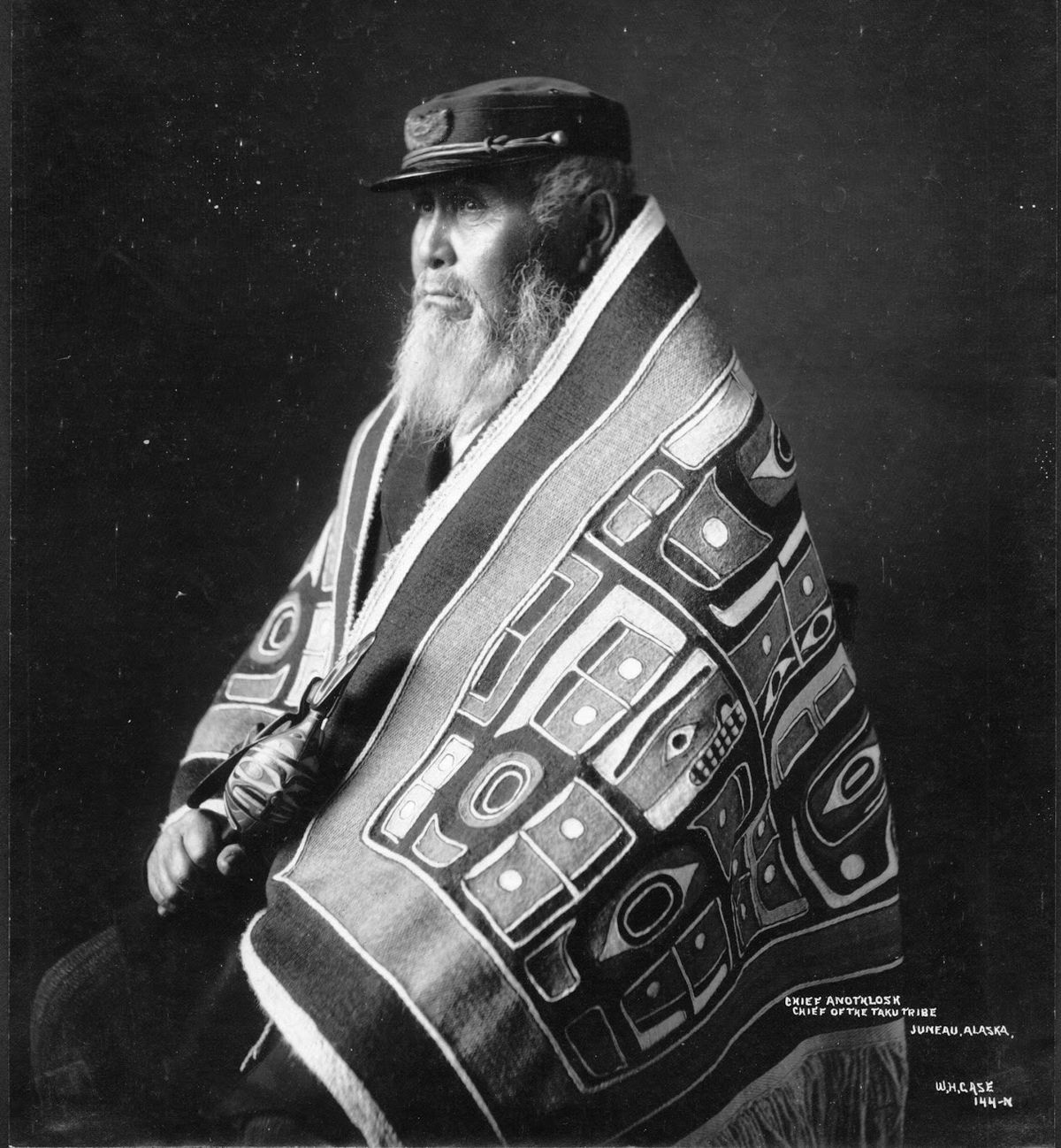
Prior to European contact, Indigenous peoples in the northwest, including the Tlingit, Tagish, and Hän, were aware of gold in the region but did not value it as a commodity. The area was initially explored by Russians and the Hudson's Bay Company for the fur trade, which offered more immediate profits than uncertain gold rumours. They encountered the Hän people, semi-nomadic hunters and fishermen living along the Yukon and Klondike Rivers who did not appear to know the full extent of regional gold deposits. Earlier strikes had set the stage, such as the 1886 discovery on the Fortymile River that founded Fortymile City. Circle City, Alaska, grew to about 1,200 inhabitants by 1896, earning the nickname "the Paris of Alaska" before being abandoned for the Klondike. The stage was set for a major discovery when on August 16, 1896, George Carmack, Skookum Jim, and Tagish Charlie found substantial gold deposits on Bonanza Creek, then called Rabbit Creek, a tributary of the Klondike River. The group agreed to let Carmack, an American, be the official discoverer to ensure their claims were recognized by authorities, fearing an Indigenous claimant would not be accepted. They immediately staked four claims along the river, two for Carmack and one each for Jim and Charlie, registering them the next day at the police post at the mouth of the Fortymile River.
News spread rapidly through the existing mining community, and by the end of August, every claim on Bonanza Creek had been staked. A prospector then moved up into a feeder creek, later named Eldorado Creek, and discovered even richer deposits there. Claims began to be sold between miners and speculators for considerable sums. Just before Christmas 1896, word reached Circle City, prompting many prospectors to immediately leave for the Klondike by dog-sled despite the winter. The outside world remained largely unaware until June 1897, when the first boats could leave the ice-bound region carrying the freshly mined gold and the full story. Canadian officials had sent messages to Ottawa about the finds and influx, but the government did not give it much attention initially.
The Stampede Begins: Economics and Hype
The outside world learned of the gold in July 1897 when the first prospectors returned to Seattle and San Francisco aboard the ships Excelsior and Portland, carrying large quantities of gold. Press reports claimed a total of $1,139,000 had been brought in, an amount equivalent to about $1 billion in 2010 prices, though this was an underestimate. This occurred during a period of severe economic recession in the United States, including the Panics of 1893 and 1896 caused by bank failures and a shortage of gold currency, which created widespread unemployment and financial uncertainty. The unresolved global demand for gold and the promise of individual financial security drove the mass response. A massive publicity campaign, largely engineered by Seattle newspaperman Erastus Brainerd, cemented Seattle as the primary supply and departure point, helping it win the larger share of trade over San Francisco. The migration caught so much attention it was joined by outfitters, writers, and photographers, and newspapers termed the phenomenon "Klondicitis".
An estimated 60 to 80 percent of the stampeders were Americans or recent immigrants, many with no mining experience, including clerks, salesmen, and even city officials who resigned en masse. In Seattle, this included the mayor, twelve policemen, and a significant percentage of the city's streetcar drivers. The migration included notable figures such as former Washington governor John McGraw, prominent lawyer A. Balliot, and scout Frederick Burnham, who arrived from Africa only to be called back for the Second Boer War. Those who documented the rush included Swedish-born photographer Eric Hegg, who took well-known pictures of Chilkoot Pass, reporter Tappan Adney, who wrote a first-hand history, and writer Jack London, who made money mostly by working for prospectors. Friedrich Trump, grandfather of the later US president, joined the rush as a service provider. The psychological appeal was powerful, with historian Pierre Berton noting the Klondike was "just far enough away to be romantic and just close enough to be accessible". The Pacific ports closest to the gold strikes were desperate to encourage trade and travel to their region.
The Arduous Journey North: Trails and Tribulations
Reaching the Klondike was a formidable challenge of logistics, terrain, and climate. Most prospectors sailed from Seattle or San Francisco up the Inside Passage to the Alaskan ports of Dyea or Skagway, with a cabin ticket from Seattle to Dyea initially costing $40, though premiums soon soared and steamship companies hesitated to post rates in advance. From there, they faced the daunting task of crossing the Coast Mountains into Canada. The Canadian North-West Mounted Police required each person to bring a year's supply of food, about 1,150 pounds, bringing a typical traveller's total load to nearly a ton. This rule was intended to prevent starvation but made the trek extraordinarily difficult, and the price of draft animals skyrocketed, with poor quality horses at Dyea selling for up to $700 or renting for $40 a day. Two main trails led from the coast: the Chilkoot Trail from Dyea and the White Pass Trail from Skagway.
The Chilkoot Pass was higher and used by around 22,000 people during the rush. The trail passed through camps to a flat ledge called the Scales, where goods were weighed before entering Canada. The final 1,000-foot slope was too steep for animals, requiring prospectors to carry everything on their backs in relays, a process that could mean walking 2,500 miles to move all their supplies. An avalanche on April 3, 1898, killed more than 60 people on the pass. Entrepreneurs built solutions including a 1,500-step staircase cut into the ice, known as the "Golden Steps," for a daily fee, and tramways, with one aerial tramway built in spring 1898 able to move 9 tonnes of goods an hour. Packers, many of them Tlingit or Tagish, charged up to $1 per pound on the later stages, and by December 1897, Archie Burns had built a tramway up the final parts of the pass, with five more soon following.
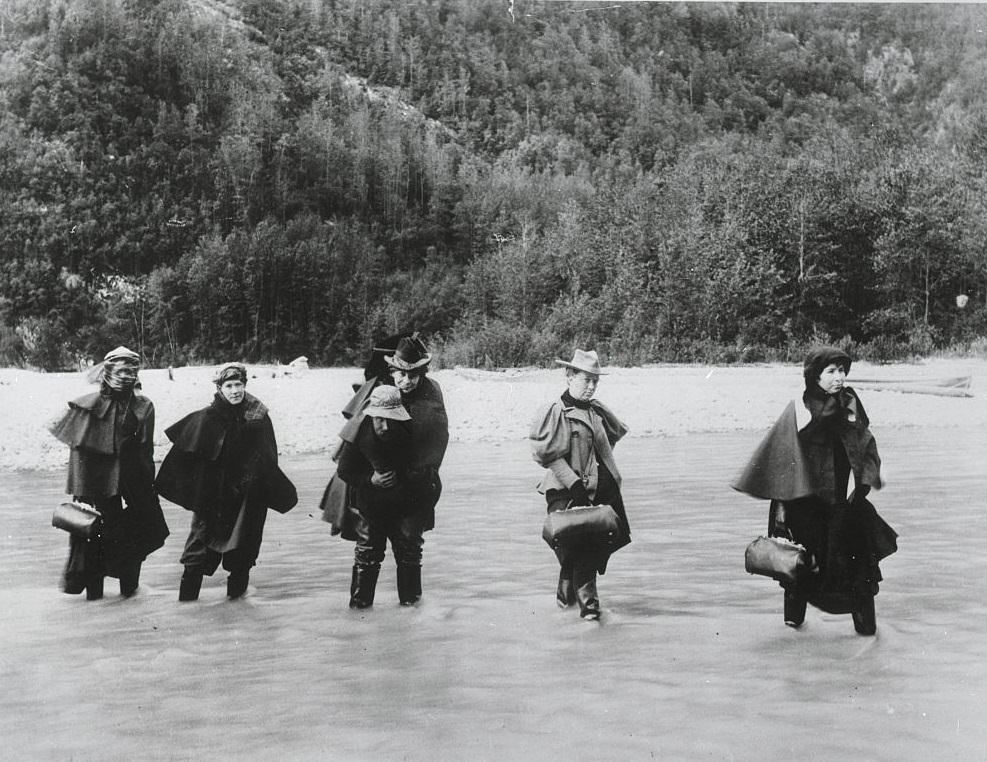
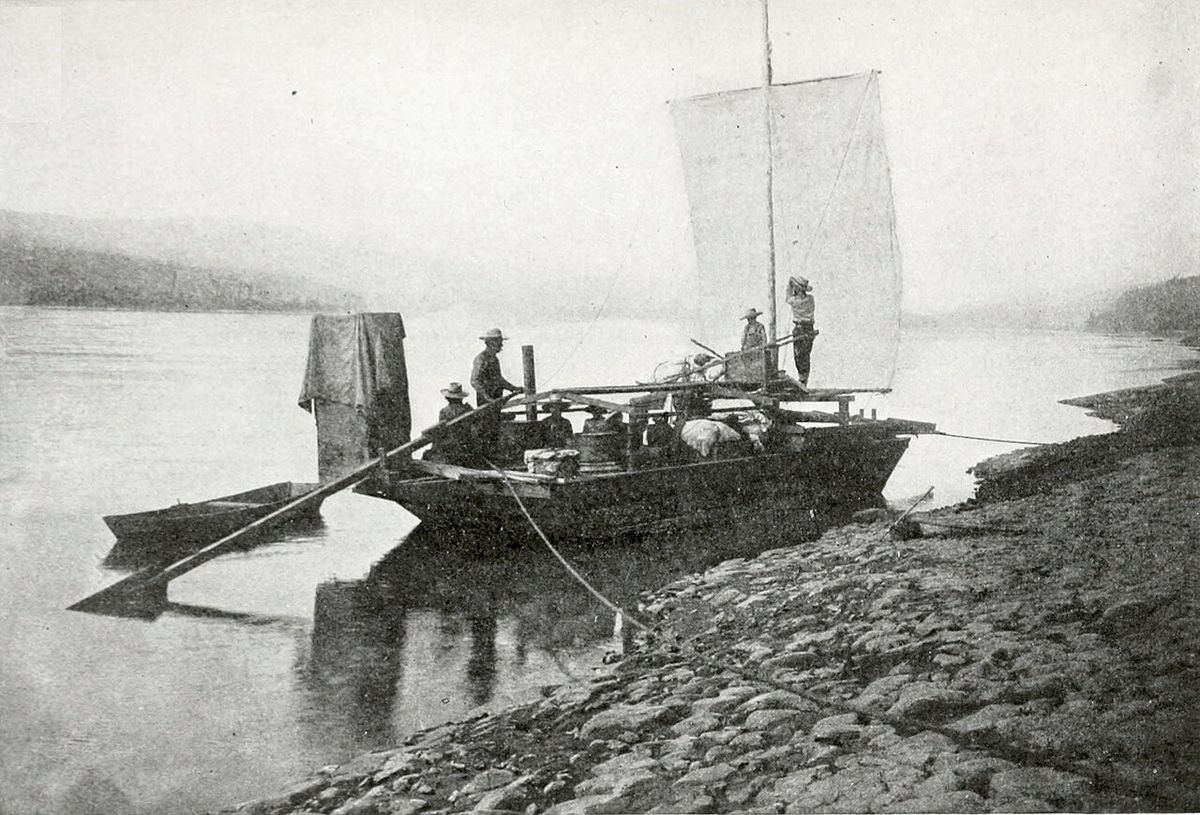
The White Pass Trail, dubbed the "Dead Horse Trail," was brutal on pack animals due to narrow paths as small as 2 feet wide and terrain covered with boulders. More than 3,000 animals died on this route. By late 1897 the trail became impassable and closed, stranding about 5,000 people in Skagway until a toll road was built and colder weather froze the ground. Moving supplies in stages, a strong man using a sled would need about 90 days and cover 1,000 miles to reach Lake Bennett. After crossing the passes, prospectors camped at Lakes Lindeman and Bennett to build rafts or boats for the final 500-mile journey down the Yukon River to Dawson City. In May 1898 alone, 7,124 boats left the lakes, largely denuding the surrounding forests for timber. The river above Whitehorse was dangerous, with rapids at Miles Canyon and White Horse Rapids causing many wrecks and several hundred deaths, leading the NWMP to introduce safety rules, vet boats, forbid women and children from the rapids, and require licensed pilots typically costing $25.
Life in the Boomtowns: Dawson and Skagway
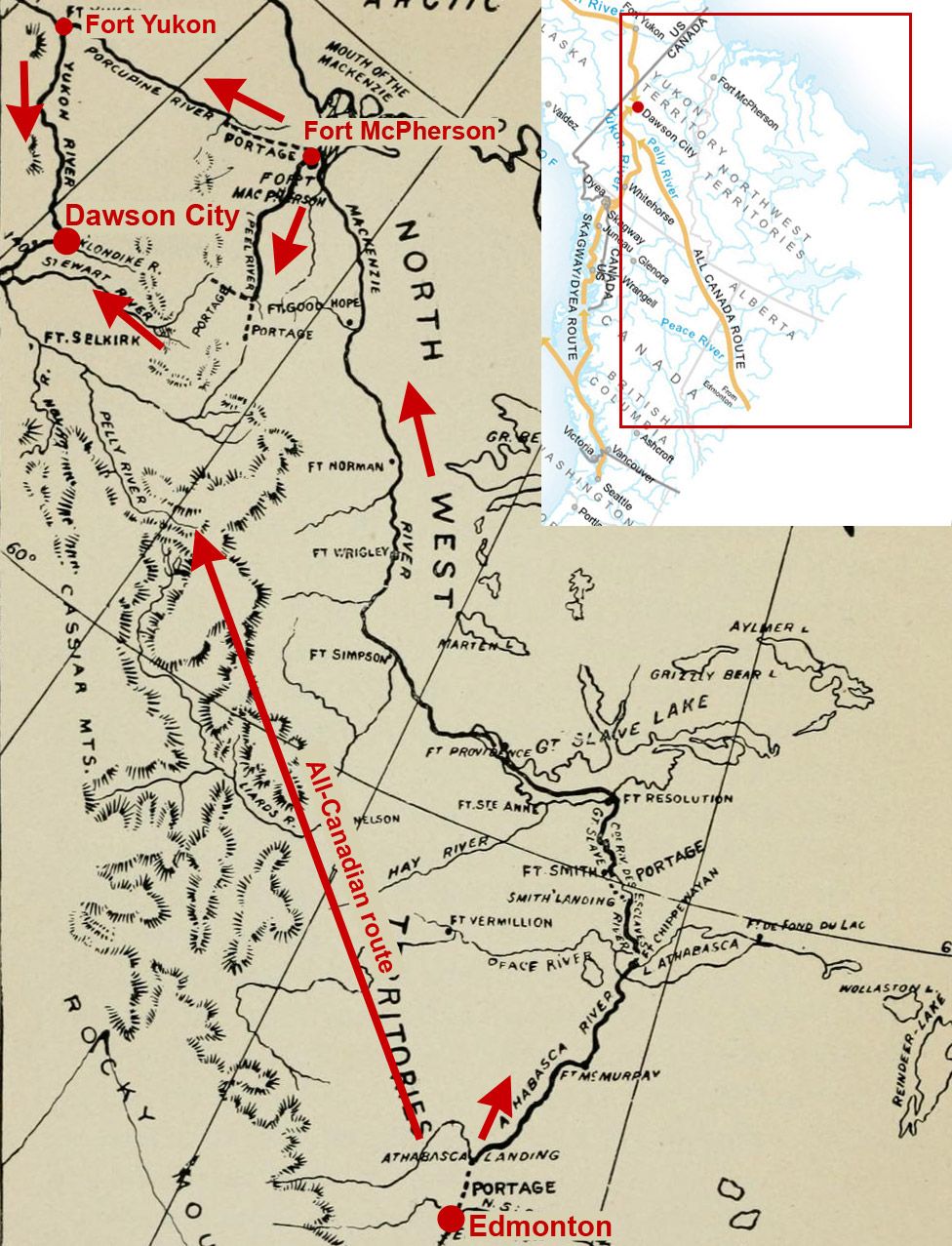
The terminus of the trails was Dawson City, founded at the confluence of the Klondike and Yukon rivers. It exploded from a population of 500 in 1896 to roughly 17,000 by the summer of 1898, briefly making it the largest city west of Winnipeg. Built hastily of wood, the town was isolated, unsanitary, and prone to fires and epidemics. Prices were astronomically high, but the wealthiest prospectors spent extravagantly in saloons, gambling halls, and theatres. The rush created a unique social scene, attracting not only miners but also entrepreneurs, writers, photographers, and even wealthy tourists like Mary Hitchcock and Edith Van Buren, who arrived with a luxurious circus tent containing a portable bowling alley, a soda machine, and fine silver. While some found modest success in supporting roles, such as a couple who made $30,000 in one winter selling coffee and pies, or John McIymont Whyte who found steady work after losing everything in the recession, the majority of arrivals found few opportunities.
Skagway, the main port for the White Pass, grew just as rapidly from a small homestead founded by former steamboat captain William Moore to a town inundated with some 10,000 transient residents struggling to get their supplies over the mountains. It was notoriously lawless under criminal boss Jefferson "Soapy" Smith, who preyed on newcomers. The town's two-mile dock was built on beaches where Tlingit people traditionally fished. Dyea, three miles away at the head of the Taiya Inlet, experienced similar frantic boomtown activity as stampeders poured ashore for the Chilkoot Trail. In these towns, prostitutes were noted to make more money than laundresses, cooks, dressmakers, or nurses, reflecting the skewed economy of the stampede.
Impact on Indigenous Peoples and Black Communities
The gold rush had devastating consequences for the Indigenous peoples of the region, particularly the Hän, who lived along the Yukon and Klondike rivers. Their semi-nomadic hunting and fishing lifestyle was violently disrupted by the influx of tens of thousands of outsiders. The Hän were forcibly moved off their traditional lands to make way for mining claims and the growing town of Dawson City, relocated to a reserve where many suffered and died from introduced diseases and the destruction of their food sources. While some Tlingit and Tagish people worked as packers on the trails, the overall impact was the loss of sovereignty, territory, and cultural stability. The rush represented a permanent alteration of their homeland. In response to earlier rushes and concerns about American expansion, authorities also encouraged specific immigration. Before the Fraser Canyon gold rush, Governor James Douglas, worried about American miners undermining British control, sent Captain Jeremiah Nagle to encourage black Americans in San Francisco to immigrate to British territory. An estimated five hundred black individuals came to Victoria and the mainland, with some forming Victoria's first police force and others, like Peter Lester and Mifflin Gibbs, founding the first large merchant house to compete with the Hudson's Bay Company. This was part of an effort to increase the number of people in the colony who could be counted on to oppose threats of American expansion.
Mining, Decline, and Lasting Legacy
Mining in the Klondike initially relied on labour-intensive placer methods in the creek beds. By midsummer 1898 there were over 5,000 people working the diggings at Dawson. Gold production peaked in 1903 after the introduction of heavier industrial equipment like dredges. To 2013, an estimated 14 million ounces of gold had been extracted from the region, with half coming from Bonanza Creek alone and a quarter from Hunker Creek. The rush itself was short-lived. By 1898, the newspapers that had promoted the stampede lost interest. In the summer of 1899, the discovery of gold around Nome, Alaska, drew away most of the remaining prospectors, marking the effective end of the stampede and causing a larger exodus from Dawson. The boom towns declined, and Dawson City's population plummeted. Mining continued intermittently, and the Klondike's legacy evolved into a fundamental part of Yukon's identity and economy through tourism. The event is commemorated annually in Yukon by Discovery Day, a statutory holiday observed on the third Monday in August, which in 2026 falls on August 17. Celebrations in Dawson City feature parades, gold-panning competitions, and historical re-enactments, drawing visitors to experience the preserved heritage of the gold rush era.
Key Figures of the Klondike
- George Carmack: American prospector often credited as the official discoverer of Klondike gold on August 16, 1896.
- Skookum Jim (Keish): Tagish First Nation member and key figure in the discovery, considered by many historians to have been the actual finder.
- Tagish Charlie (K̲áa Goox̱): Tagish First Nation member who was part of the discovery party.
- Robert Henderson: Canadian prospector who suggested to Carmack's group that they look for gold on Bonanza Creek.
- Erastus Brainerd: Seattle newspaperman whose publicity campaign established Seattle as the primary gateway to the Klondike.
- Eric Hegg: Swedish-born photographer who took well-known images of stampeders on the Chilkoot Pass.
- Jack London: American writer who spent time in the Yukon during the rush, later using his experiences as material for stories like The Call of the Wild.
- Jefferson "Soapy" Smith: Notorious con artist and criminal boss who controlled Skagway, Alaska, during the rush.
- William D. Wood: Mayor of Seattle who resigned to form a company to transport prospectors to the Klondike.
Routes and Their Challenges
Stampeders faced a critical choice of route to the Klondike. Most prospectors landed at the southeast Alaskan towns of Dyea and Skagway. From Dyea, they travelled the Chilkoot Trail, which was higher and used by around 22,000 people. From Skagway, they used the White Pass trail, which became known as the Dead Horse Trail due to the many horses that died. An alternative all-water route from Seattle to St. Michael and then up the Yukon River was expensive and long but avoided overland travel. The Canadian authorities required anyone entering Yukon to bring a year's supply of food, making the load for travellers very heavy.
| Route | Description & Primary Entry Point | Key Challenges & Nicknames | Approximate Cost (1897-98) |
|---|---|---|---|
| All-Water / "Rich Man's Route" | Sail to St. Michael, Yukon River delta, then riverboat upstream to Dawson. | Expensive, long (4,700 miles), stranded by winter ice. Only 43 of 1,800 travellers in 1897 arrived before winter. | $150 initially, up to $1,000 in winter 1897-98. |
| Chilkoot Trail | From port of Dyea, over Chilkoot Pass to Lakes Lindeman/Bennett. | Steep ascent, required relay carrying. Avalanche killed >60. "Golden Steps" staircase. | Packers charged up to $1 per pound on later stages. |
| White Pass Trail | From port of Skagway, over White Pass to Bennett Lake. | Rocky, narrow paths. >3,000 pack animals died. "Dead Horse Trail". | Horse rental up to $40 per day. Poor quality horses sold for $700. |
After the mountain passes, all routes converged on the Yukon River headwaters at Lakes Bennett and Lindeman. At these lakes, prospectors built boats for the final river journey down to the Klondike. This river journey posed lethal hazards at the Miles Canyon and White Horse Rapids. These dangers led to North-West Mounted Police regulations on boat safety and licensed pilots. Some prospectors, to avoid paying the pilot fee, simply unpacked their boats and let them drift unmanned through the rapids with the intent of retrieving them downstream.
Economic Dimensions and Total Yield
The Klondike Gold Rush was as much an economic event as a physical migration. The demand for supplies and transport created a boom economy on the Pacific coast, with Seattle benefiting most from the fierce competition with San Francisco. Guidebooks and equipment branded with "Klondike" flooded the market, allegedly designed for the northwest. The requirement for a ton of gear per person meant fortunes were made by outfitters before prospectors even reached the north, and the sudden increase in demand saw old paddle wheelers, fishing boats, barges, and coal ships pressed into service, many overloaded and sinking. In the Yukon itself, while few struck it rich from mining, ancillary businesses thrived. One couple earned $30,000 in a single winter selling coffee and pies. The total gold extracted from the Klondike region to 2013 was an estimated 14 million ounces (400,000,000 grams). The following table shows the proportion of that total yielded by the two most productive creeks, based on historical records, illustrating how concentrated the wealth was.
| Creek | Estimated Proportion of Total Gold (to 2013) |
|---|---|
| Bonanza Creek | 50% |
| Hunker Creek | 25% |
| Other Klondike creeks | 25% |
Questions about Klondike Gold Rush
When was gold discovered in the Klondike?
Gold was discovered on Bonanza Creek, a tributary of the Klondike River, on August 16, 1896. The discovery is credited to American prospector George Carmack and Tagish First Nation members Skookum Jim (Keish) and Tagish Charlie (K̲áa Goox̱). The news reached the outside world in July 1897, triggering the stampede. Yukon now commemorates this event with Discovery Day, a statutory holiday on the third Monday of August, which in 2026 falls on August 17.
How many people joined the Klondike Gold Rush?
An estimated 100,000 people set out for the Klondike goldfields between 1896 and 1899. However, the extreme difficulty of the journey meant only about 30,000 to 40,000 actually reached the Dawson City area. The peak of the rush was from the summer of 1897 to the summer of 1898. Many of those who did arrive found few opportunities and left disappointed.
What were the main routes to the Klondike?
Most prospectors sailed to the Alaskan ports of Dyea or Skagway. From Dyea, they took the steep and arduous Chilkoot Trail, used by about 22,000 people. From Skagway, they used the White Pass Trail, infamous as the "Dead Horse Trail" where over 3,000 animals died. After crossing these mountain passes, they built boats at lakes to travel down the Yukon River to Dawson. A much more expensive all-water route via the Yukon River delta was also available but often stranded travellers when the river iced over.
What is Dawson City and why was it important?
Dawson City was the boomtown founded at the confluence of the Klondike and Yukon rivers, serving as the centre of the gold rush. Its population exploded from about 500 in 1896 to approximately 17,000 by summer 1898, making it the largest city west of Winnipeg at the time. It was a chaotic hub of mining, commerce, and entertainment, though it was also unsanitary, prone to fires, and suffered from epidemics. Its population declined rapidly after the rush ended following the 1899 Nome gold strike.
What is Discovery Day in Yukon?
Discovery Day is a Yukon statutory holiday observed on the third Monday of August each year. It commemorates the August 1896 gold discovery that sparked the Klondike Gold Rush. In 2026, the holiday falls on August 17. Celebrations, particularly in Dawson City, include parades, historical re-enactments, gold-panning competitions, and live music, drawing visitors to experience the region's heritage.
How did the gold rush affect Indigenous peoples?
The rush had catastrophic effects on local Indigenous communities, especially the Hän people. They were forcibly displaced from their traditional lands along the Klondike and Yukon rivers to make way for mining and settlement, moved to a reserve. Many died from introduced diseases and the disruption of their food sources. While some Tlingit and Tagish worked as packers, the invasion of prospectors and establishment of colonial authority permanently altered their homeland and way of life.
Sources and further reading
- Klondike Gold Rush (Wikipedia)
- The Gold Rush in British Columbia and the Yukon (pier21.ca)
- Discovery Day 2026: Date, History & Dawson City Events (remitly.com)
- What Was the Klondike Gold Rush? (nps.gov)
Checked by the Nosy Mag desk. Last updated 2026-10-23.