North-West Mounted Police
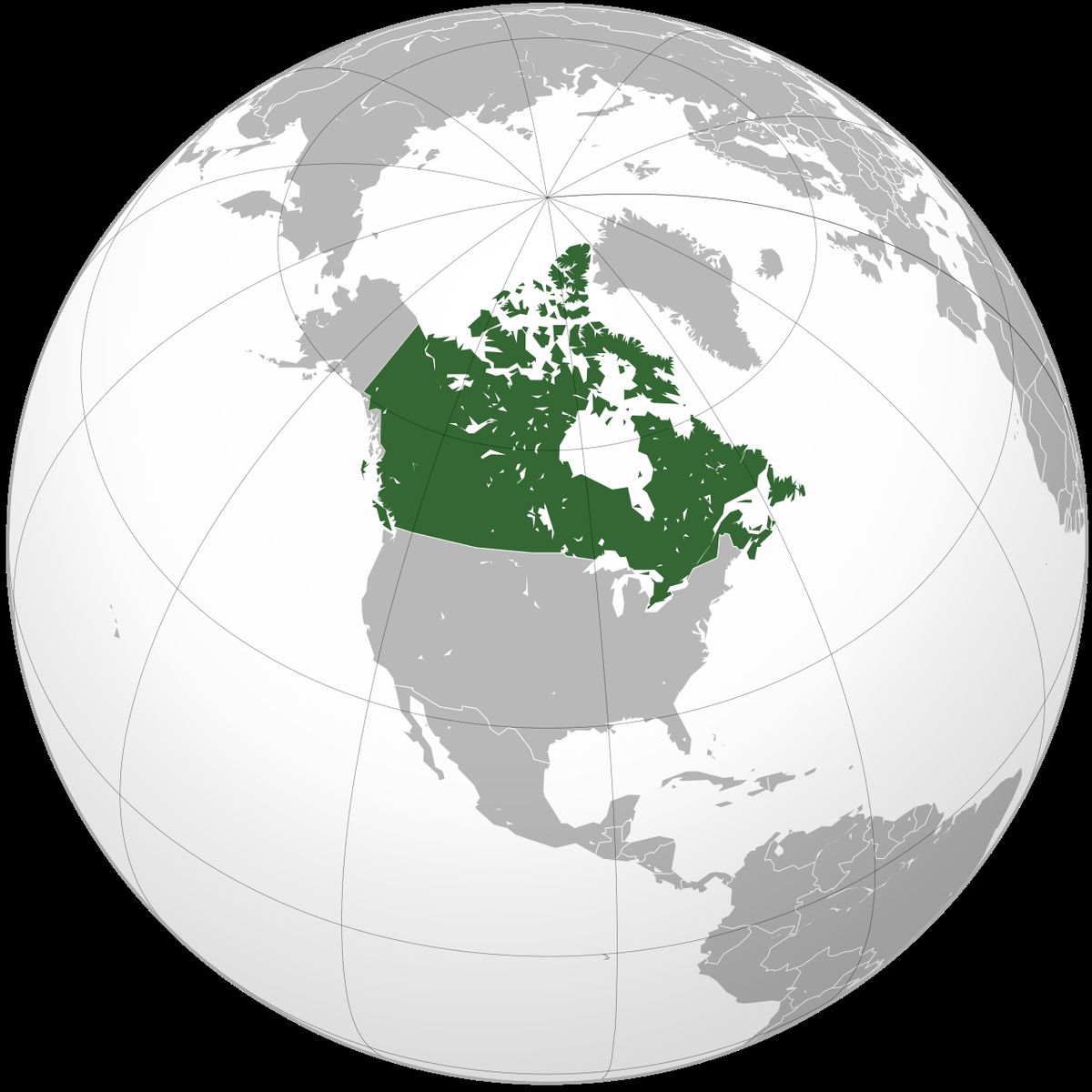
The North-West Mounted Police (NWMP) was a Canadian paramilitary police force established in 1873 to maintain order in the new Canadian North-West Territories. Created in response to lawlessness, exemplified by the Cypress Hills Massacre, and fears of United States military incursions, the force combined military, police, and judicial functions. It was instrumental in ending the illegal whiskey trade and facilitating westward expansion. The NWMP was renamed the Royal Northwest Mounted Police in 1904 and amalgamated with the Dominion Police in 1920 to form the modern Royal Canadian Mounted Police (RCMP).
Historical Background and Formation
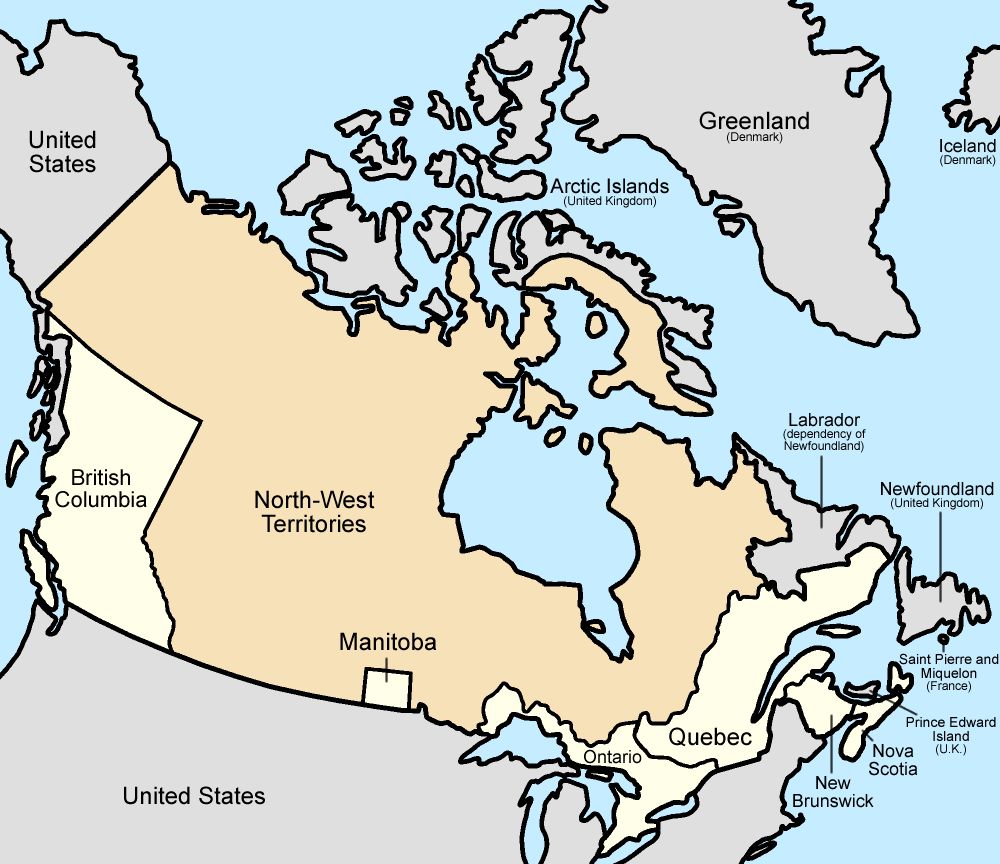
The creation of the North-West Mounted Police was a direct consequence of Canada's westward expansion following Confederation in 1867 and the 1870 transfer of Rupert's Land and the North-Western Territory from the Hudson's Bay Company. Prime Minister Sir John A. Macdonald feared the United States might annex the sparsely populated territory, a concern amplified by the activities of American whiskey traders and the violent 1873 Cypress Hills Massacre. Macdonald's initial plan for a 200-strong mounted police force, conceived as early as 1869, was delayed by the Red River Rebellion and Fenian invasion threats. Surveys by Lieutenant William Butler in 1871 and Colonel Patrick Robertson-Ross in 1872 provided differing recommendations on the size and strategy for such a force. Macdonald finally secured parliamentary approval for the Mounted Police Act on May 23, 1873. He was heavily influenced by the model of the Royal Irish Constabulary. The force was initially to be called the North-West Mounted Rifles, but the name was changed to Police to avoid provoking American suspicions.
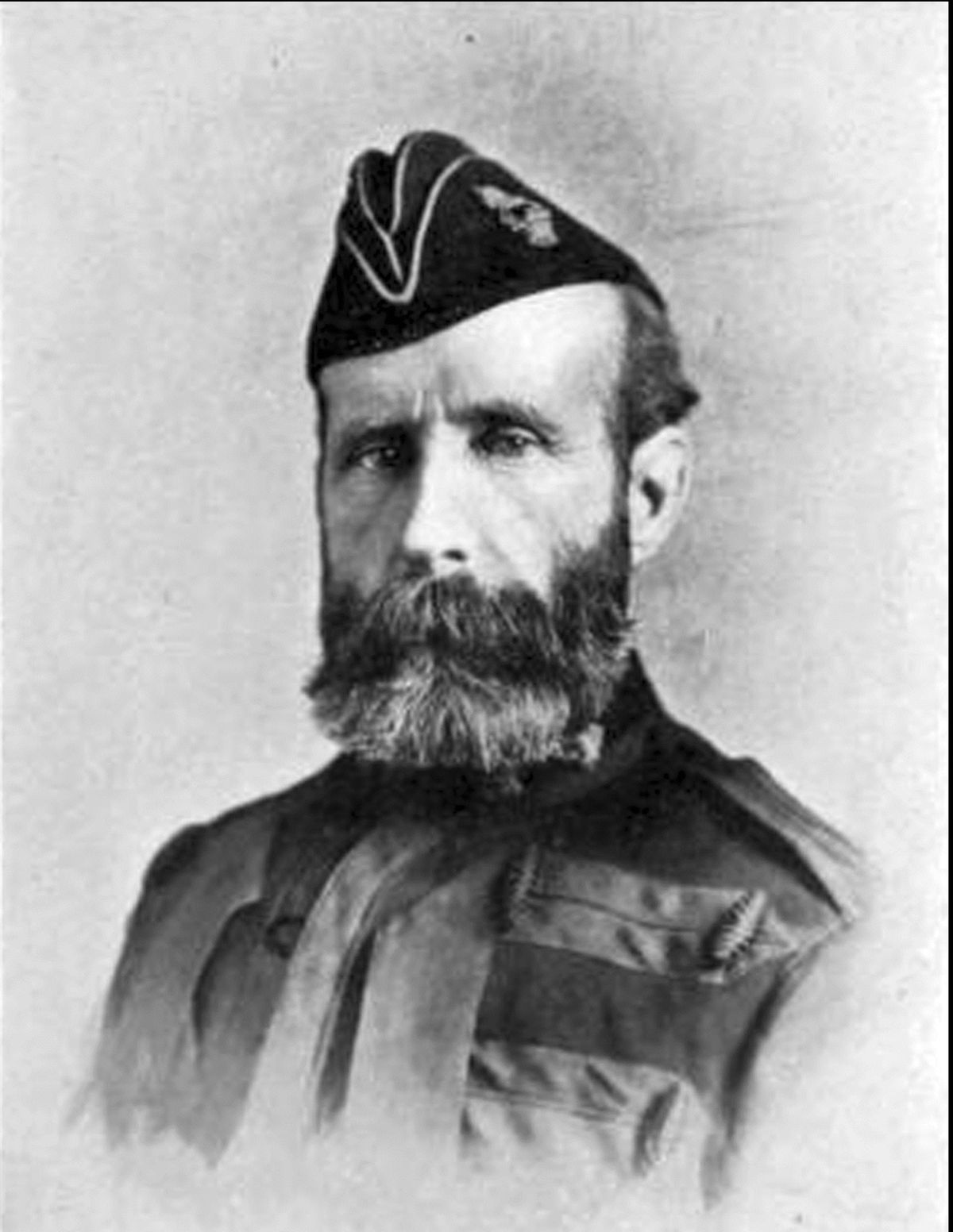
The Cypress Hills Massacre in June 1873, where around 30 Assiniboine people were killed, created a national outcry and accelerated the force's mobilization. Using a Privy Council order, Macdonald enacted the new legislation and began recruitment. Alexander Morris, Lieutenant Governor of the North-West Territories, warned that inaction could lead to a major First Nations uprising. The first 150 recruits were sent to Lower Fort Garry near Winnipeg for training under Commissioner George French in the winter of 1873 to 1874. After Macdonald's government fell due to the Pacific Scandal, the new Liberal Prime Minister Alexander Mackenzie authorized the recruitment of another 150 men. These recruits were trained in Toronto and sent west by rail through the United States to rendezvous with the first contingent at Fort Dufferin, Manitoba, in the summer of 1874.
The March West and Early Forts
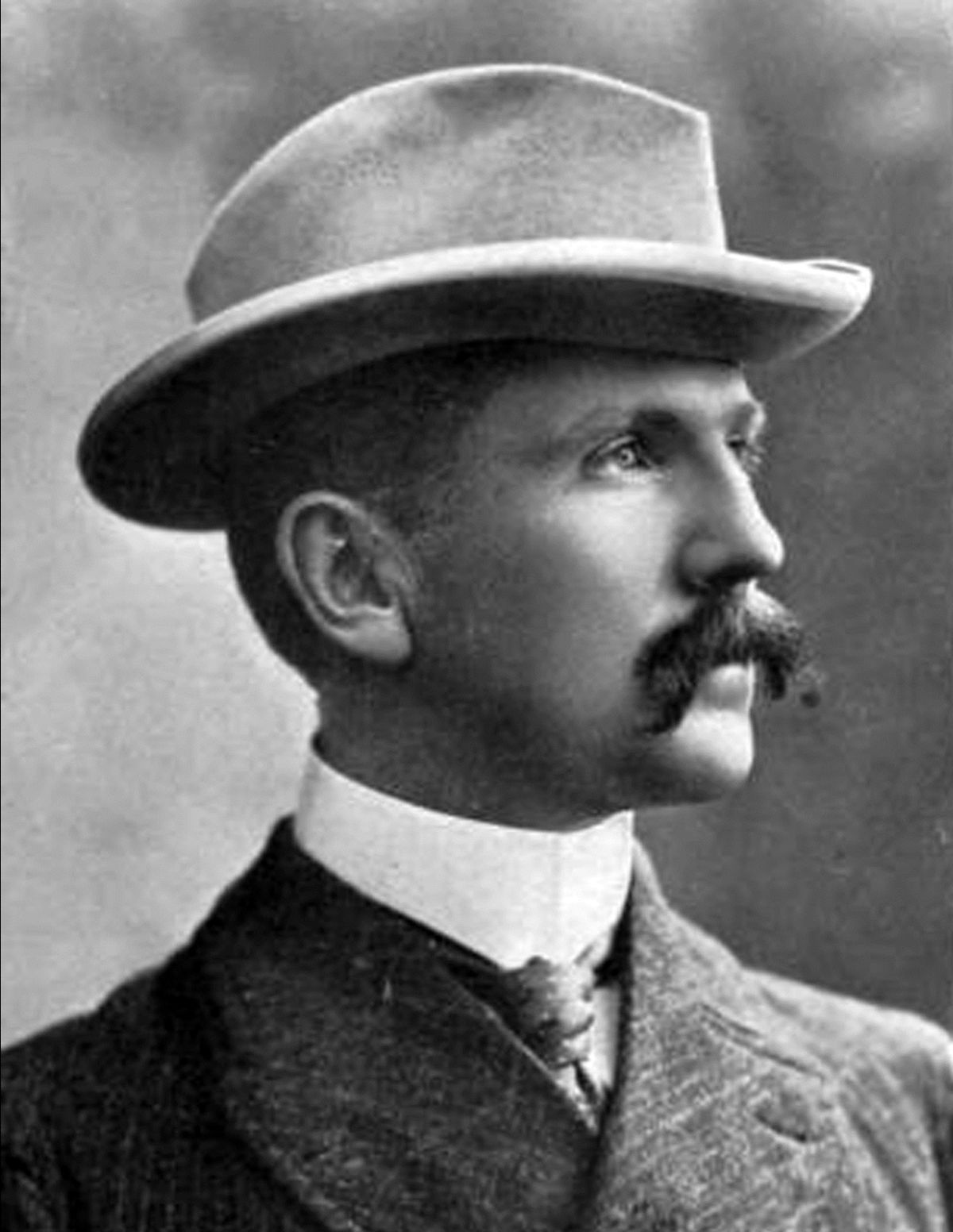
The mounted police's deployment onto the plains in 1874 became known as the historic March West. Commissioner George French was ordered to lead approximately 275 officers and men from Fort Dufferin to confront whiskey traders at the notorious Fort Whoop-Up in present-day southern Alberta, before establishing posts across the territories. The expedition, divided into six divisions, was a massive logistical undertaking involving over 300 horses, 143 draught oxen, 187 Red River carts, field guns, and supplies. Against French's initial preference to follow the well-established boundary trail, instructions from Ottawa, influenced by Lieutenant Governor Morris's fears of Sioux attacks, dictated a more northerly route across the dry prairies. The force departed Dufferin on July 8, 1874, accompanied by journalist Henri Julien.
The journey was ill-planned and arduous, plagued by a lack of water, unsuitable horses, and harsh weather. After turning off the trail on July 29, the men endured severe hardship, with horses dying and supplies running out. On September 10, they arrived at the junction of the Bow and South Saskatchewan rivers, mistakenly believing they had reached Fort Whoop-Up, which was actually 75 miles away. French led a desperate 70-mile trek south to the U.S. border to resupply, having travelled nearly 900 miles in total. After resupplying, French returned east with part of the force, leaving Assistant Commissioner James Macleod to advance on Fort Whoop-Up with about 150 men. When Macleod's group reached the fort on October 9, they found the traders had fled. The police then established Fort Macleod on an island in the Oldman River. Historian William Baker later described the march as a monumental fiasco.
Following the establishment of Fort Macleod, the force quickly expanded its network of posts to assert Canadian authority. Key early forts and posts included Fort Dufferin in Manitoba, Fort Edmonton, established by Inspector W.D. Jarvis and A Troop in 1874, and Fort Walsh in Saskatchewan, built in 1875. Fort Calgary was established at the confluence of the Bow and Elbow rivers in 1875. Other important locations were the Swan River Barracks in Manitoba and Fort Ellice on the Manitoba-Saskatchewan border. These posts formed the backbone of the NWMP's presence, enabling patrols, law enforcement, and the extension of Canadian law across the vast territory.
Policing the Frontier and Relations with First Nations
The arrival of the NWMP effectively collapsed the illegal whiskey trade around Fort Macleod. This action was greatly appreciated by First Nations, whose communities had been devastated by alcohol-related violence. The force's approach to indigenous relations has been characterized by historians as a benevolent despotism or legal tyranny, applying Canadian law rigidly but often supporting First Nations claims against incoming white settlers. The NWMP built cordial personal relationships with leaders like Blackfoot Chief Crowfoot, who stated in 1877 that the Mounted Police protected his people as feathers protect a bird from winter frosts. The fact that the police arrested whites accused of killing First Nations people fostered a perception of the force as high-handed but fair.
The police were instrumental in the government's efforts to sign treaties, establish reserves, and promote integration into an agricultural economy. Commissioner James Macleod, who replaced George French in 1876, represented Queen Victoria in the negotiations leading to Treaty 7 in 1877. This treaty established reserves for the Blackfoot Confederacy in exchange for gratuities and annuities. The subsequent disappearance of the last Canadian buffalo herds by 1879 made First Nations dependent on police-issued supplies to avoid starvation. Simultaneously, the NWMP managed the complex Sitting Bull incident after the Sioux leader and approximately 5,600 followers crossed into Canada following the Battle of the Little Bighorn in 1876. Assistant Commissioner Acheson Irvine facilitated negotiations, and the police deployed around 200 men to Fort Walsh to oversee the community, sharing their own supplies with the Sioux who were ineligible for government support. Most Sioux eventually returned to the United States due to starvation, with Sitting Bull surrendering in 1881.
From 1885 onward, the NWMP was charged with enforcing the pass system, under which a First Nations person was permitted to leave a reservation only with a pass issued by the local Indian agent. The pass system was brought in as a temporary measure during the North-West Rebellion but was made permanent. The NWMP knew the system had no basis in law and violated Treaty 7. In May 1893 Commissioner Herchmer ordered the NWMP to stop enforcing it, only to be overruled by the Department of Indian Affairs.
Evolution of Duties and the Path to Royalty
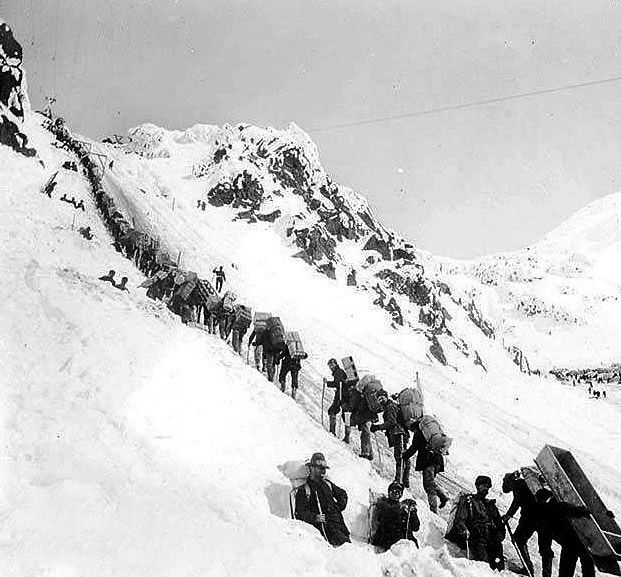
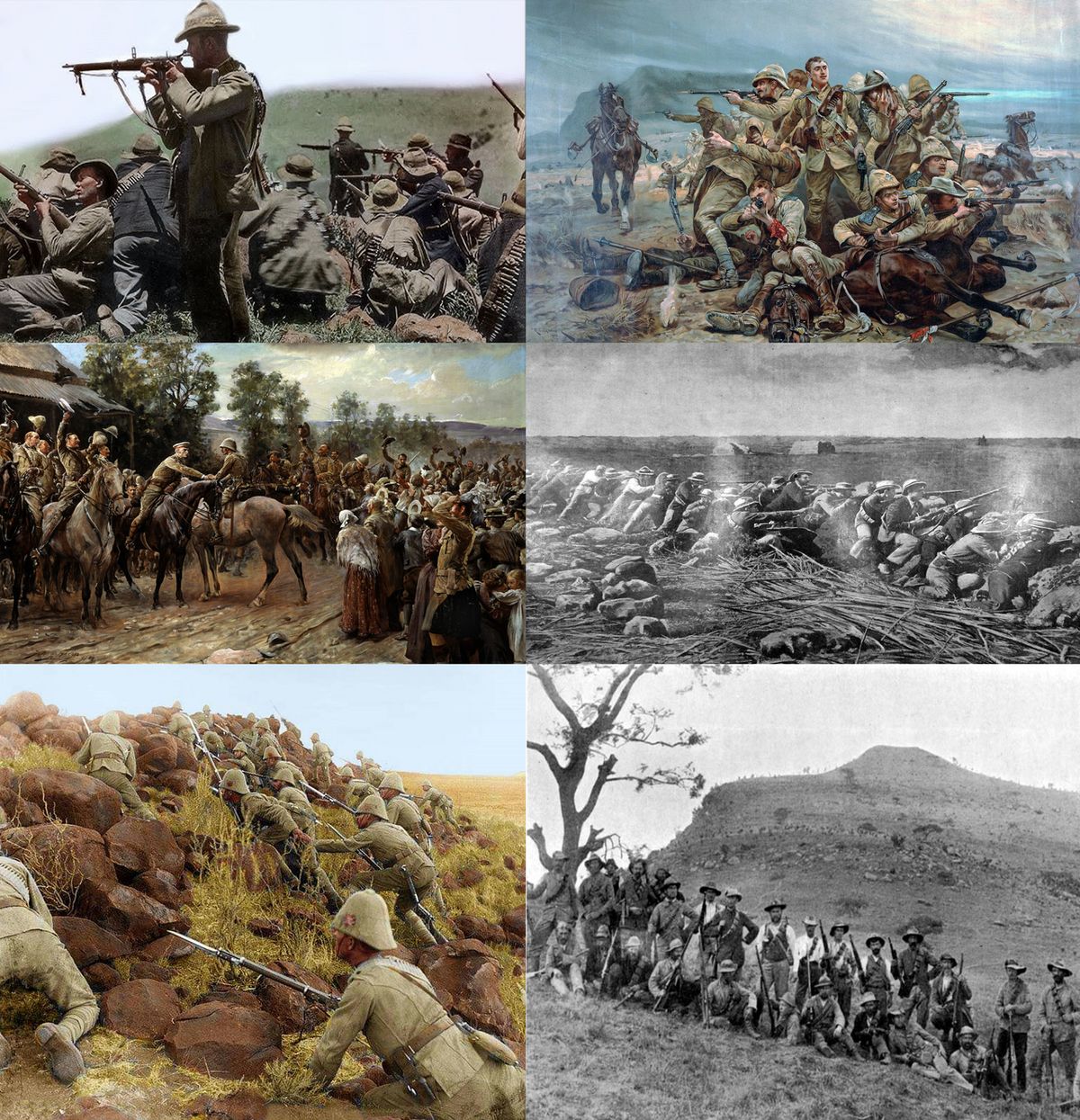
Initially focused on suppressing the whiskey trade, the force increasingly dealt with horse theft and provided general law enforcement for growing settler communities. By 1896, the federal government considered passing policing responsibilities to the provinces and disbanding the NWMP. The discovery of gold in the Klondike in 1896 dramatically reversed the force's fortunes. The NWMP was redeployed to the Yukon to protect Canadian sovereignty and maintain order during the Klondike Gold Rush. This successful operation reaffirmed the force's national utility. Further recognition came when NWMP volunteers served in the Second Boer War. In 1904, in recognition of this service and 30 years of policing, King Edward VII granted the force the right to use the prefix Royal, renaming it the Royal Northwest Mounted Police (RNWMP). During the First World War, large numbers of RNWMP members volunteered for military service. Following the 1919 Winnipeg General Strike, the government amalgamated the RNWMP with the Dominion Police in 1920 to form the modern Royal Canadian Mounted Police (RCMP).
Organization, Recruitment, and Uniform
The North-West Mounted Police was organized as a paramilitary force along the lines of a cavalry regiment. The first commissioner, Colonel George Arthur French, was appointed in September 1873 to organize the force, select officers, and recruit members. Applicants had to be male, between 18 and 40 years of age, of sound constitution and good character, and able to read and write in either English or French. A critical requirement was the ability to ride a horse. Pay was set at 75 cents per day for sub-constables and one dollar per day for constables. While men from various backgrounds applied, many of the early recruits had previous military or police experience. Training at Lower Fort Garry emphasized cavalry drills, revolver and carbine rifle use, and light field artillery.
The force's distinctive uniform was chosen for its symbolic power. Reports from the West had stressed the respect First Nations held for the traditional British army uniform, so the NWMP adopted a scarlet tunic and blue trousers, deliberately reminiscent of British military attire. This red serge, coupled with the Stetson hat adopted later for practical western use, became a widely recognized symbol of Canadian authority. The uniform served as a visual tool for establishing presence and legitimacy on the frontier. The command structure and geographical deployment of the NWMP evolved significantly from its founding to its amalgamation.
| Period | Commissioner | Key Developments |
|---|---|---|
| 1873 to 1876 | Colonel George A. French | Formation, training, and leadership of the March West. |
| 1876 to 1880 | James F. Macleod | Treaty 7 negotiations, establishment of key western posts. |
| 1880 to 1886 | Acheson Irvine | North-West Rebellion, management of the force during the conflict. |
| 1886 to 1900 | Lawrence Herchmer | Introduction of the patrol system, management of industrial disputes. |
| 1900 to 1920 | Aylesworth Perry | Klondike Gold Rush, First World War service, amalgamation into RCMP. |
The force began as a small, mobile paramilitary police unit tasked with policing the vast North-West Territories. Its mandate expanded to include managing the Klondike Gold Rush influx and protecting Canadian sovereignty. Commissioners oversaw its growth into a network of forts and posts, and its role evolved to include military service in the Second Boer War and the First World War. This adaptability prevented its disbandment and led to its transformation into the national Royal Canadian Mounted Police.
Legacy and Historical Significance
The North-West Mounted Police left a deep and complex legacy on the Canadian nation. Its most immediate achievement was establishing Canadian sovereignty in the West, preventing potential American annexation and creating a framework of law and order that enabled peaceful settlement. The force's role in ending the destructive whiskey trade and its involvement in treaty negotiations fundamentally shaped the relationship between the Canadian state and Indigenous peoples during a critical period. While its actions supported a colonial policy that dispossessed First Nations of their land, its relatively non-violent approach and enforcement of laws against settler violence distinguished it from other frontier police forces.
The NWMP's institutional legacy is the Royal Canadian Mounted Police, one of the world's most recognized police forces. Its symbols, the red serge tunic, the Stetson hat, and the Musical Ride, are strongly associated with Canada globally. The force's early history of endurance on the March West and maintaining order in the Klondike became central to national mythology. The NWMP's model of combining military discipline with civil policing functions proved durable. Its story remains a foundational chapter in the narrative of Canada's development from a collection of eastern colonies to a transcontinental nation.
Questions about North-West Mounted Police
Why was the North-West Mounted Police created?
The North-West Mounted Police was created due to the expansion of Canada into the North-West Territories following the 1870 transfer of Rupert's Land. The Canadian government, led by Prime Minister Sir John Macdonald, feared United States military incursions and potential annexation of the region. This concern was heightened by lawlessness, such as the Cypress Hills Massacre, and the illegal activities of American whisky traders. The force was established as a paramilitary police body to assert Canadian sovereignty and maintain law and order.
What was the March West?
The March West was the gruelling initial deployment of the NWMP in 1874 from Fort Dufferin, Manitoba, to the foothills of the Rockies. Approximately 275 officers and men under Commissioner George French undertook a nearly 900-mile journey across untracked prairie to confront whiskey traders at Fort Whoop-Up in present-day Alberta. Plagued by poor planning, harsh weather, lack of water, and dying horses, the expedition almost failed but succeeded in establishing Fort Macleod. The march was later mythologized as an epic story of endurance.
How did the NWMP interact with First Nations?
The NWMP's relationship with First Nations was complex. The force was appreciated for ending the destructive whiskey trade. Leaders like Blackfoot Chief Crowfoot cooperated with the police, who often supported Indigenous claims against unscrupulous white settlers and arrested whites for crimes against First Nations people. The NWMP played a major role in implementing government policy, including treaty negotiations like Treaty 7, and provided essential supplies after the buffalo herds disappeared. However, from 1885 they also enforced the controversial pass system on reserves.
When did the NWMP become the Royal Canadian Mounted Police?
The NWMP became the Royal Canadian Mounted Police in 1920. Before that, it was renamed the Royal Northwest Mounted Police in 1904 after King Edward VII granted it the prefix 'Royal'. This recognition was for the force's service in the Second Boer War and for thirty years of policing the North-West and Yukon Territories. The final change occurred when the government merged the Royal Northwest Mounted Police with the Dominion Police to create the modern RCMP.
What were the living conditions like for NWMP officers?
Living conditions for NWMP officers in remote frontier posts were extremely spartan and often uncomfortable. Early forts were poorly constructed from logs with sod roofs. Constables slept on wooden boards with straw-filled mattresses. Conditions slowly improved in the 1880s and 1890s with better barracks, but life remained difficult with primitive quarters, harsh winters, and isolation. In the far north, patrols faced extreme cold and danger, exemplified by the deaths of the "Lost Patrol" in the winter of 1910-11.
What is the connection between the NWMP and the Klondike Gold Rush?
The NWMP was redeployed to the Yukon following the discovery of gold in the Klondike in 1896. The force was tasked to protect Canada's sovereignty over the region and manage the influx of prospectors. By 1898, a detachment of 288 men, representing about a third of the entire force, was established in the Klondike. They set up control posts at borders and mountain passes, collected customs duties, and maintained order in Dawson City. This successful operation demonstrated the NWMP's ongoing national importance and helped secure its future.
Sources and further reading
- North-West Mounted Police (Wikipedia)
- North-West Mounted Police (thecanadianencyclopedia.ca)
- Royal Canadian Mounted Police (rcmp.ca)
- The first contingent : the North-West Mounted Police, 1873- ... (publications.gc.ca)
- North-West Mounted Police are Formed | History (ebsco.com)
Checked by the Nosy Mag desk. Last updated 2026-10-27.