King William's War
King William's War (1689 to 1697) was the North American theatre of the Nine Years' War, marking the first of six major colonial conflicts between New France and New England along with their respective Indigenous allies. The war, also known as the Second Indian War, was fuelled by unresolved border tensions, competition over the fur trade, and the complex alliances formed with Indigenous nations such as the Wabanaki Confederacy and the Haudenosaunee (Iroquois). For Canadians, this conflict represents a foundational episode in the long struggle for continental supremacy, shaping early colonial boundaries and Indigenous-European relations in the regions that would become Quebec, the Maritimes, and northern New England. It concluded with the Treaty of Ryswick, which restored pre-war territorial claims but failed to resolve underlying tensions, setting the stage for future conflicts.
North American Context and Antecedents
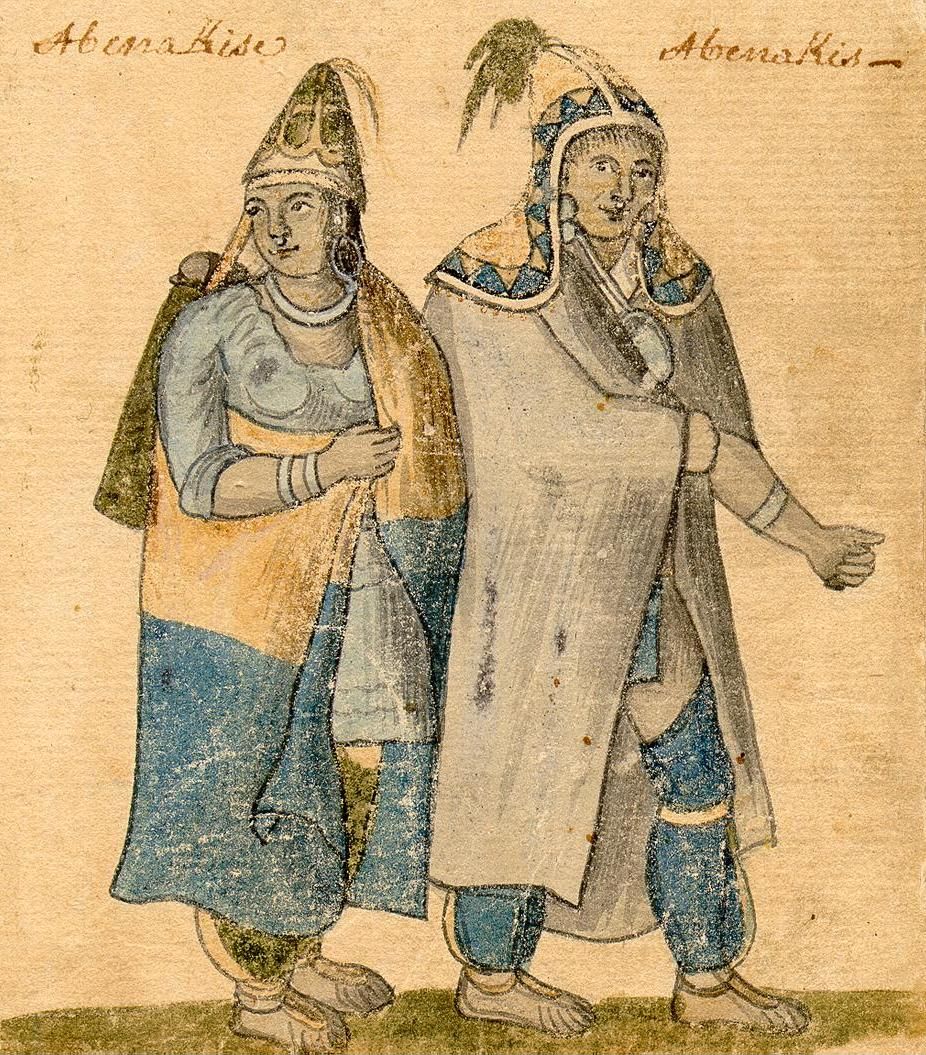
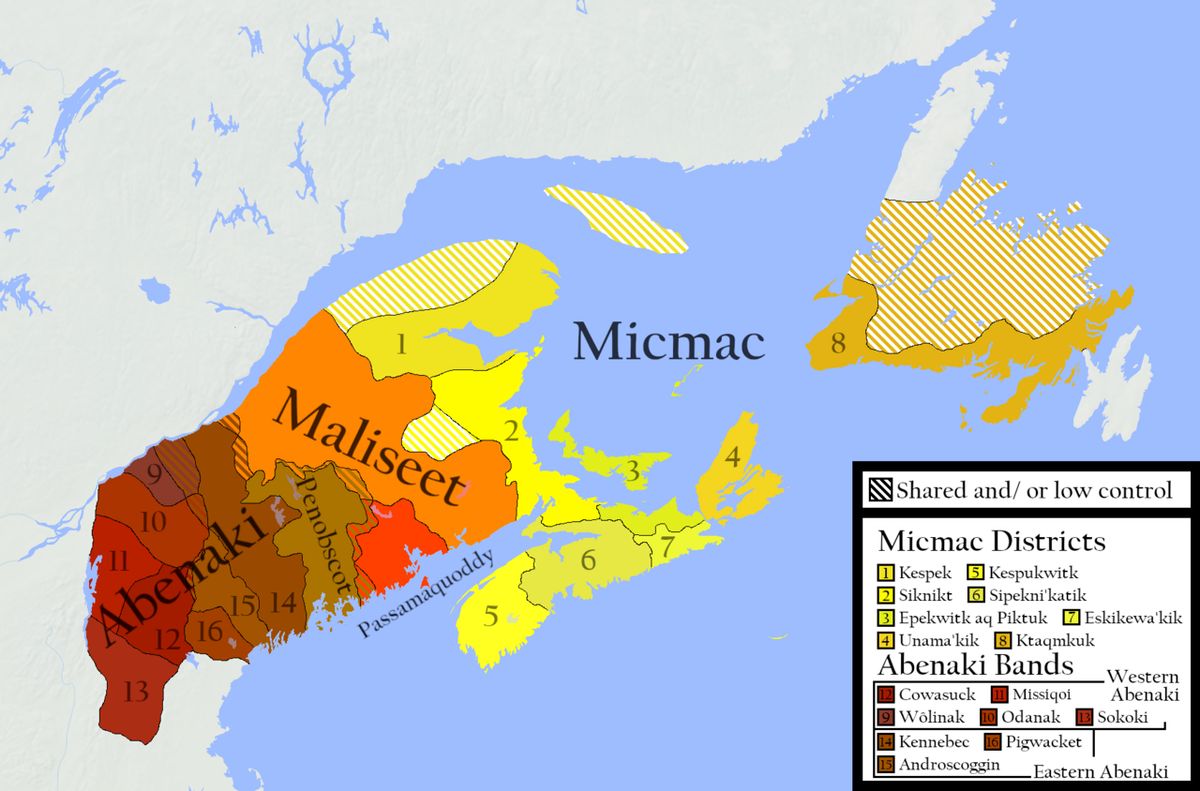
By the late 17th century, the English and French colonial presence in North America was defined by starkly different models of settlement and expansion. The English colonies, with a population exceeding 154,000, heavily outnumbered the French, who numbered only about 14,000 in 1689. English settlements were primarily agricultural, spread along the Atlantic coast in multiple colonies that often struggled to cooperate. In contrast, New France was politically more unified and divided into three vast regions: Canada along the St. Lawrence River, Acadia on the Atlantic coast, and Louisiana in the Mississippi basin. The French economy centred on the fur trade, which necessitated and fostered strong alliances with Indigenous nations. These foundational differences created a persistent rivalry, with border disputes, particularly over the definition of Acadia's boundary with New England, serving as a constant flashpoint. The French defined the boundary as the Kennebec River in southern Maine. The aftermath of the earlier King Philip's War (1675 to 1678) saw the formation of the Wabanaki Confederacy, a political and military alliance of five Acadian tribes with New France, explicitly aimed at halting English expansion. The five tribes were the Mi'kmaq, Maliseet, Passamaquoddy, Abenaki, and Penobscot. Simultaneously, the Haudenosaunee Confederacy's dominance of the Great Lakes fur trade brought them into repeated conflict with New France, a tension that English colonists were eager to exploit.
Causes and European Triggers
The war's immediate trigger was the Glorious Revolution of 1688 to 1689 in England, which saw the Catholic King James II deposed and replaced by the Protestant monarchs William III and Mary II. William, already engaged in the European Nine Years' War against France as part of the League of Augsburg, brought England into that continental conflict. This European war provided the framework for the existing colonial tensions in North America to erupt into open warfare. In the colonies, the recent creation of the Dominion of New England under Governor Edmund Andros had centralized English administration but also created resentment. Andros's attempt to enforce English claims in Acadia by plundering the home of French Baron Jean-Vincent d'Abbadie de Saint-Castin on Penobscot Bay in April 1688 was a direct provocation. The Haudenosaunee, encouraged by New England, had been disrupting the fur trade between New France and its western allies, leading to French retaliatory raids. The combination of local border skirmishes, trade competition, and the overlay of European dynastic and religious conflict made war inevitable.
The New England and Acadia Theatre
The northeastern frontier, encompassing present-day Maine, New Hampshire, and the Canadian Maritimes, witnessed intense and brutal guerrilla warfare, often called Castin's War. In June 1689, Abenaki and Pennacook forces under Kancamagus and Mesandowit raided Dover, New Hampshire, killing more than 20 and taking 29 captives. The frontier collapsed further when, in August 1689, a force led by Saint-Castin and Father Louis-Pierre Thury destroyed the English fort at Pemaquid. New England's response was led by the aggressive Major Benjamin Church, who conducted four punitive expeditions into Acadia. His first raid in September 1689 defended Falmouth but failed to prevent its subsequent destruction in May 1690, an event known as the Battle of Fort Loyal, which nearly depopulated Maine. The English launched a major counter-offensive in May 1690 when Sir William Phips led 736 men in a successful naval attack on Port Royal, the Acadian capital. The New Englanders looted the settlement, imprisoned the garrison, and forced oaths of allegiance before departing, after which Governor Joseph Robineau de Villebon moved the capital inland to Fort Nashwaak for safety. Warfare continued through devastating raids like the Oyster River Massacre in Durham, New Hampshire, in July 1694, where French and Abenaki forces under Claude-Sébastien de Villieu and Bomazeen killed 104 inhabitants and took 27 captive. The conflict culminated in 1696 with a major French and Wabanaki offensive that included the Siege of Pemaquid and d'Iberville's destructive campaign in Newfoundland.
Major Raids and Campaigns in the Northeast:- April 1688: Governor Edmund Andros plunders Saint-Castin's home on Penobscot Bay.
- August 1688: Northeast Coast Campaign by Wabanaki Confederacy begins at New Dartmouth and Yarmouth.
- June 1689: Raid on Dover, New Hampshire.
- August 1689: Destruction of Fort Pemaquid by Saint-Castin and Abenaki forces.
- May 1690: Sir William Phips captures and sacks Port Royal.
- May 1690: Battle of Fort Loyal (Casco) leads to massacre of English settlers.
- June 1691: Failed Wabanaki attack on the garrison at Wells, Maine.
- Early 1692: Candlemas Massacre at York, Maine. About 100 English killed.
- July 1694: Oyster River Massacre in Durham, New Hampshire.
- 1696: Siege and capture of Pemaquid by d'Iberville and Saint-Castin.
The 1696 campaign also included Pierre Le Moyne d'Iberville's Avalon Peninsula Campaign in Newfoundland. In this campaign, French, Acadian, and Mi'kmaq forces destroyed almost every English settlement in Newfoundland. They killed over 100 English settlers and deported almost 500 prisoners to England or France. In retaliation, Benjamin Church's fourth expedition ravaged Acadian communities on the Isthmus of Chignecto and attacked Fort Nashwaak, which was the capital of Acadia. His troops burned homes, looted goods, and slaughtered livestock, demonstrating the war's reciprocal and destructive nature.
The Quebec and New York Theatre
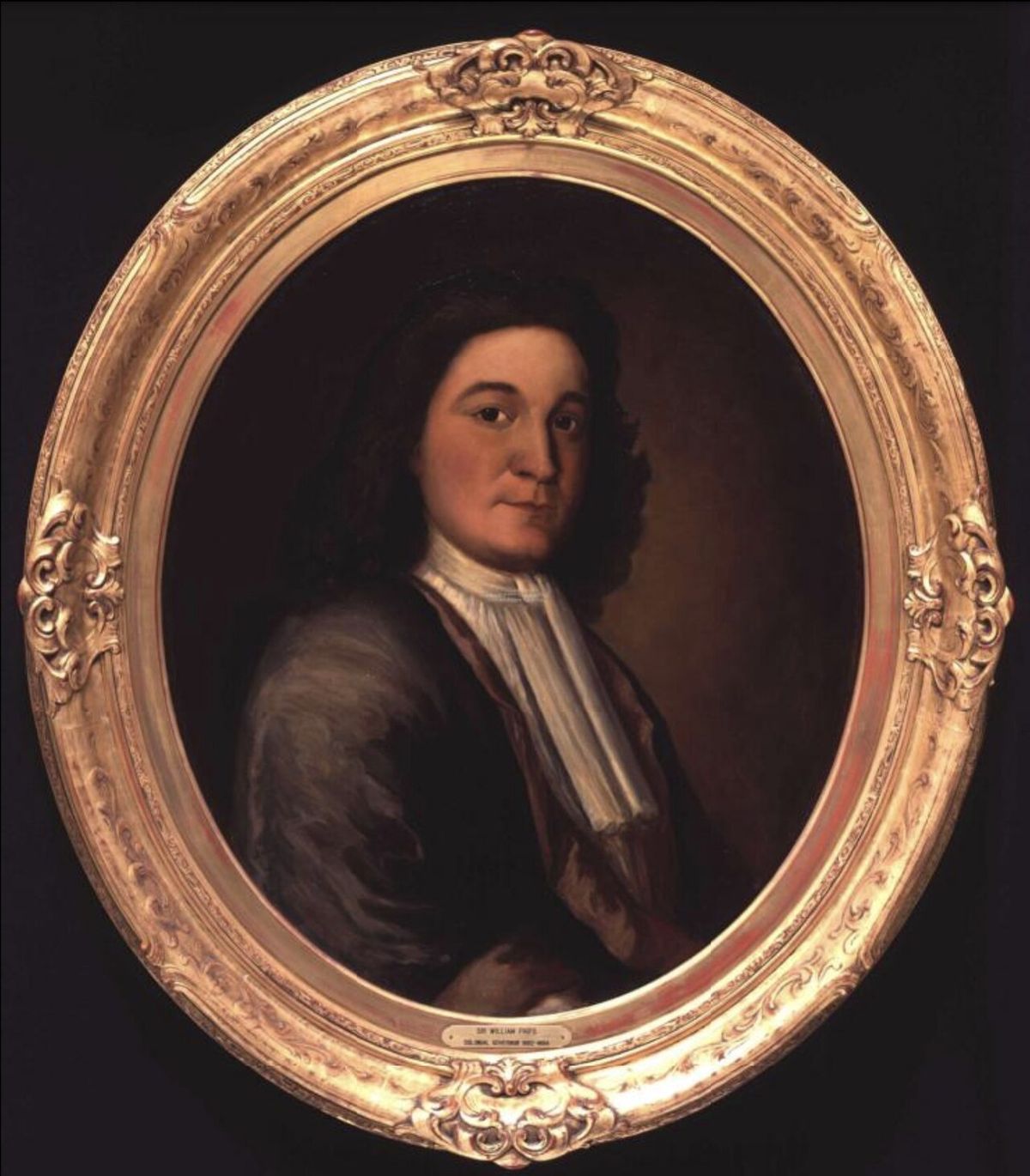
Conflict also raged along the New York frontier and the St. Lawrence River. In August 1689, seeking revenge for earlier French attacks, 1,500 Haudenosaunee warriors devastated the French settlement at Lachine. The new Governor General of New France, Louis de Buade de Frontenac, responded with a policy of aggressive raids on English settlements, most famously destroying Schenectady, New York, in early 1690. The English colonies planned a two-pronged offensive against New France for 1690. A land expedition under Fitz-John Winthrop aimed for Montreal but faltered due to disease and supply issues. The naval expedition, again led by Sir William Phips, targeted Quebec. Phips's fleet arrived in October 1690 and demanded the city's surrender, to which Frontenac famously replied he would answer with 'the mouths of my cannons.' The subsequent Battle of Quebec ended in a decisive French victory, repelling the invasion. These failed offensives marked the end of major English initiatives in this theatre. For the remainder of the war, the French and their allies maintained pressure, ravaging Haudenosaunee towns in 1693 and 1696 while English colonists offered little support. This abandonment left the Haudenosaunee to continue a separate war with New France until negotiating their own peace in 1701, a diplomatic shift that would influence future conflicts.
The Hudson Bay Theatre
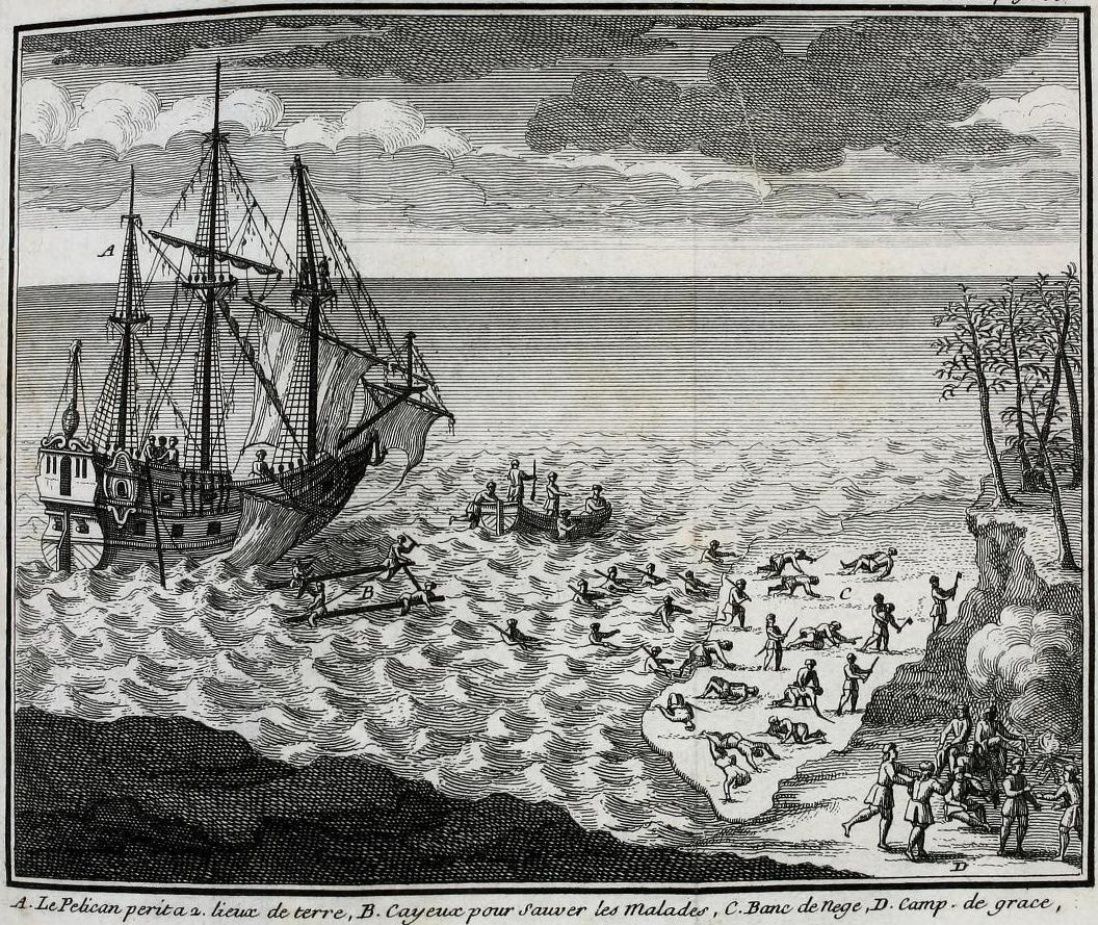
The war extended into the subarctic, where English and French commercial interests clashed over control of the Hudson Bay fur trade. The Hudson's Bay Company had established key outposts like York Factory, Fort Albany, and Moose Factory. French forces, led primarily by the Canadian naval captain Pierre Le Moyne d'Iberville, conducted a series of raids to capture these posts. The conflict here was characterized by its small scale and the difficulty of maintaining control over such remote locations. York Factory changed hands multiple times. It was captured by the French, recaptured by the English in 1695, and then captured again by d'Iberville in 1697 following the Battle of Hudson's Bay. In that notable naval engagement, d'Iberville's single ship, the Pelican, defeated three English warships, securing French control of the bay for the duration of the war. This theatre showed how European wars were fought globally for economic advantage, with control of the fur-rich Hudson Bay being a significant prize that remained contested after the peace.
The Treaty of Ryswick and Aftermath
The war concluded with the European Peace of Ryswick in September 1697, which ended the Nine Years' War. The treaty restored the pre-war status quo in North America, meaning no territorial changes were officially recognized. For the colonists and Indigenous nations, this was an unsatisfactory peace that failed to address the root causes of the conflict. The English colonies had suffered significantly, with historians estimating that Natives and French forces killed more than 700 English and captured over 250 along the Acadian frontier. The Hudson's Bay Company was particularly aggrieved, as the status quo provision left its key posts in French hands. The Wabanaki Confederacy remained hostile, and tensions quickly flared into the next conflict, Queen Anne's War, in 1702. The Haudenosaunee, having made a separate peace with New France in 1701, largely remained neutral in the subsequent war. The conflict also had deep social consequences. Some scholars, such as Jenny Hale Pulsipher and Emerson Baker, have argued that the displacement, fear, and trauma caused by King William's War contributed to the climate of panic that fueled the Salem witch trials in 1692. The war established a pattern of frontier brutality, complex alliances, and unresolved issues that would define colonial warfare in North America for the next six decades.
Military Forces and Tactics
The contrasting military approaches of the two sides defined the character of the war. The French, though vastly outnumbered, possessed key advantages. Their population included a high proportion of men with military experience, and they were more politically unified under a single governor. Critically, they cultivated strong alliances with Indigenous nations like the Wabanaki and Algonquin, who provided essential knowledge of the terrain and excelled at the guerrilla-style raiding that dominated the conflict. French strategy relied on swift, surprise attacks against frontier settlements, followed by rapid withdrawal. The English colonies, while populous, were militarily disorganized, divided among themselves, and often failed to effectively support their Haudenosaunee allies. Their militias were better suited for static defence than for the forest warfare required. Major offensives like the expeditions against Port Royal and Quebec showed a capacity for naval projection but also revealed logistical weaknesses. The English also struggled to match the French in building consistent, reliable alliances with Indigenous groups, often viewing them as subjects rather than partners. This fundamental difference in diplomatic and military approach allowed New France and its allies to effectively thwart English expansion for the duration of the war despite the population disparity.
Casualties and Impact on Settlements
The human cost of the war was severe, particularly for the English frontier settlements and Indigenous villages caught in the crossfire. The conflict was characterized not by large set-piece battles but by relentless raids that targeted civilians, crops, and property. The near-depopulation of Maine following the fall of Fort Loyal in 1690 demonstrated the war's devastating effect on colonial settlement patterns. Specific massacres, such as the 104 deaths at Oyster River and approximately 100 at the Candlemas Massacre in York, created lasting trauma and pushed the frontier line significantly southward. French and Acadian settlements also suffered, notably from Benjamin Church's destructive raids in Acadia and the English sack of Port Royal. Indigenous communities, whether allied with the French or English, also endured significant losses from retaliatory strikes and the destruction of their villages and food supplies. The following table illustrates the disproportionate impact on some major English settlements compared to the single major French colonial centre that was captured.
| Location | Year | Event | Reported Casualties/Captives |
|---|---|---|---|
| Dover, New Hampshire | 1689 | Abenaki/Pennacook Raid | 20+ killed, 29 captured |
| Fort Loyal (Casco), Maine | 1690 | Battle of Fort Loyal | Entire garrison killed/settlers massacred |
| Salmon Falls, Maine | 1690 | Raid by Castin | Settlement destroyed |
| York, Maine | 1692 | Candlemas Massacre | ~100 killed |
| Durham, New Hampshire | 1694 | Oyster River Massacre | 104 killed, 27 captured |
| Newfoundland Settlements | 1696 | Avalon Peninsula Campaign | 100+ killed, ~500 deported |
| Port Royal, Acadia | 1690 | Capture by Phips | Garrison imprisoned, settlement sacked |
The cumulative effect of these raids was a climate of pervasive insecurity on the frontier. This insecurity persisted long after the formal peace and influenced colonial policy and settlement strategy for generations. The war's aftermath saw a temporary halt to New England expansion into Acadia. It also reinforced the position of New France and the Wabanaki Confederacy in the region. This set the conditions for continued conflict in the 18th century, such as Queen Anne's War.
Questions about King William's War
What was King William's War and when did it take place?
King William's War was the North American theatre of the larger Nine Years' War in Europe, fought from 1689 to 1697. It was the first in a series of six colonial wars between New France and the northern English colonies, primarily New England. The conflict involved both colonial militias and their respective Indigenous allies, notably the Wabanaki Confederacy supporting France and the Haudenosaunee (Iroquois) Confederacy often aligning with the English. It was sparked by unresolved border disputes, competition over the fur trade, and the extension of European war following the Glorious Revolution in England.
Who were the main Indigenous allies in the war?
The French were strongly allied with the Wabanaki Confederacy, a political and military alliance of five tribes, the Mi'kmaq, Maliseet, Passamaquoddy, Abenaki, and Penobscot, formed to resist English expansion in Acadia. Key Wabanaki leaders included Bomazeen and chiefs allied with French Baron Jean-Vincent d'Abbadie de Saint-Castin. The English colonies were allied with the Haudenosaunee Confederacy (Five Nations Iroquois), who dominated the fur trade and were long-time adversaries of New France. However, this English alliance was often unreliable, and the Haudenosaunee suffered significantly from French raids with limited English support.
What were the major battles of King William's War?
Major engagements included the Siege of Port Royal in May 1690, where New England forces under Sir William Phips captured and sacked the Acadian capital. The Battle of Quebec in October 1690 saw Phips's naval expedition decisively repelled by Governor Frontenac. The Siege of Pemaquid in 1696 resulted in the fort's capture by French and Wabanaki forces led by Pierre Le Moyne d'Iberville. Other significant events were the devastating Oyster River Massacre (1694) in New Hampshire, the Avalon Peninsula Campaign (1696) in Newfoundland, and the ongoing raids and counter-raids along the Maine and Acadia frontier led by figures like Major Benjamin Church.
How did the war end and what were the terms?
The war ended with the European Peace of Ryswick in September 1697, which concluded the Nine Years' War. The treaty restored the status quo ante bellum in the colonies, meaning no permanent territorial changes were recognized. Boundaries between New France, New England, and New York reverted to their pre-war lines. This was deeply unsatisfactory for many, particularly English colonists and the Hudson's Bay Company, which lost trading posts in the Hudson Bay. The peace did not include formal agreements with Indigenous nations, leaving underlying tensions unresolved and leading directly to the next conflict, Queen Anne's War, within five years.
Why is King William's War significant in Canadian history?
It demonstrated the critical importance of Indigenous alliances, as French success relied heavily on the Wabanaki Confederacy. The conflict solidified the pattern of frontier warfare characterized by raids and counter-raids that would persist for generations. It also highlighted the vulnerability of English colonial frontiers and the resilience of New France despite its small population. For the regions that would become Canada, particularly Acadia and Quebec, the war was a defining early test of their colonial societies and their relationships with both European rivals and First Nations.
What was the connection between King William's War and the Salem witch trials?
Some historians, including Jenny Hale Pulsipher and Emerson Baker, argue that King William's War was a contributing factor to the Salem witch trials of 1692. The war created a climate of fear, trauma, and displacement in Essex County, Massachusetts, as refugees from frontier raids flooded into the region. This influx carried with it heightened fears of Indigenous attacks, which some scholars theorize became conflated with fears of witchcraft and demonic influence, as the devil was often associated with Indigenous peoples and magic in the Puritan worldview. The pervasive anxiety and social disruption caused by the war are seen as part of the context that made the community susceptible to the witchcraft hysteria.
Sources and further reading
- King William's War (Wikipedia)
- King William's War | History | Research Starters | EBSCOhost (ebsco.com)
- franecdote 1688 : King William's War, je parle américain (jeparleamericain.com)
- 541. King William's War (1689-97) (podcasts.apple.com)
Checked by the Nosy Mag desk. Last updated 2026-10-22.