45th Ontario general election
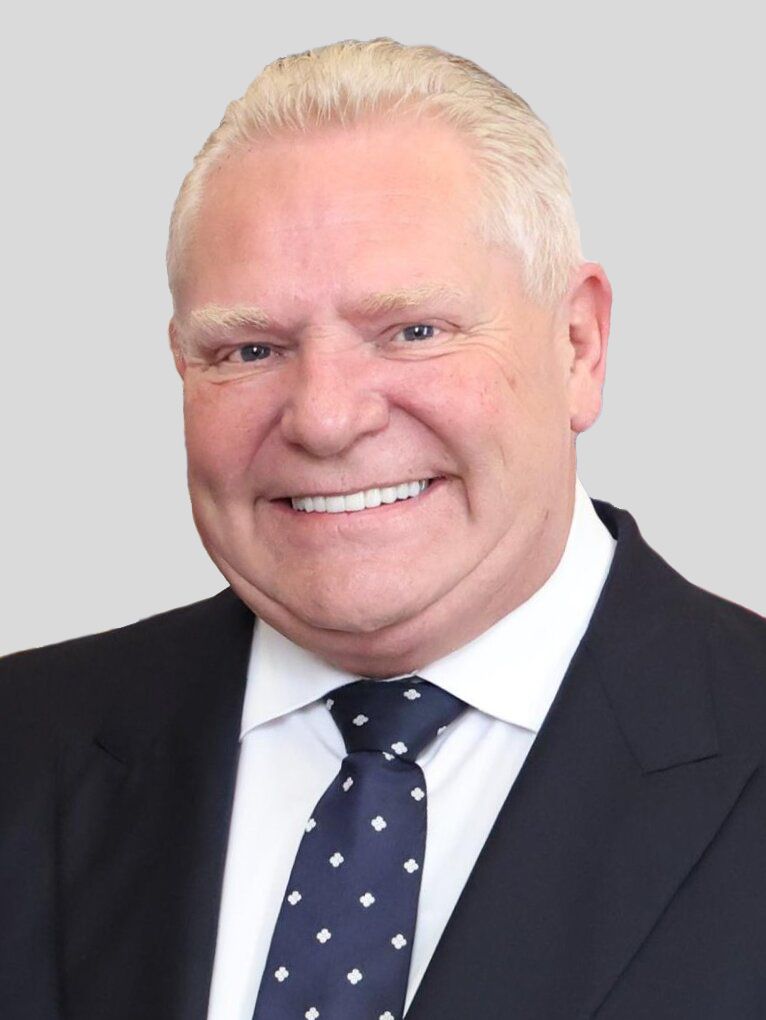
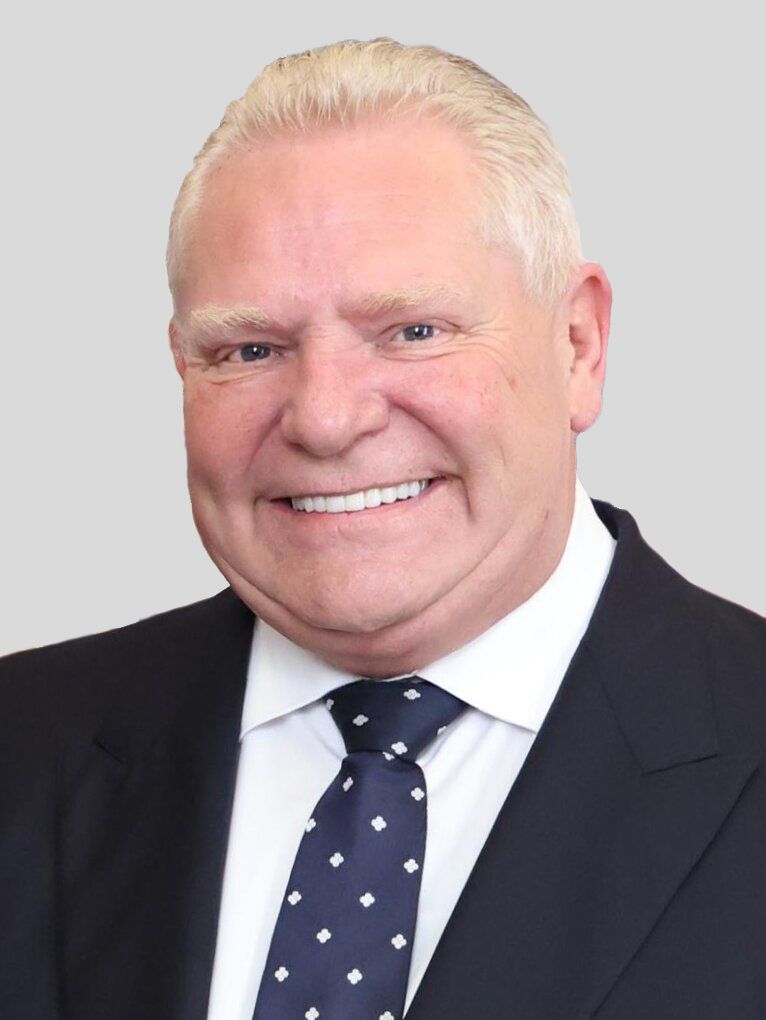
The 45th Ontario general election is tentatively scheduled to be held on April 11, 2030, unless the Legislative Assembly of Ontario is dissolved earlier by the lieutenant governor. The election will determine the composition of Ontario's 124-seat legislature and the province's government for the subsequent parliamentary term. It follows the Progressive Conservative Party's third consecutive majority victory under Premier Doug Ford in the 2025 election. The political scene leading into the 2030 contest has been shaped by leadership changes within the opposition parties and the government's decision to break with the tradition of aligning provincial electoral boundaries with federal redistributions.
Electoral Context and Seat Distribution
The 45th general election will be contested across 124 electoral districts, a number established through a series of legislative changes over the preceding decades. The base number of seats was increased from 107 to 122 by the Electoral Boundaries Act, 2015, which adopted the federal 2013 Representation Order for Ontario while preserving the special boundaries of 11 Northern Ontario seats. Subsequently, the Far North Electoral Boundaries Commission recommended creating two new ridings, Kiiwetinoong and Mushkegowuk, James Bay, which were carved out from the existing Kenora, Rainy River and Timmins, James Bay districts. This recommendation was implemented through the Representation Statute Law Amendment Act, 2017, bringing the total to the current 124 seats. Ontario does not have legislation mandating a scheduled review of electoral districts, meaning any future boundary changes would require new legislation. In a significant break from recent practice, Premier Doug Ford announced on August 1, 2024, that Ontario would not adopt the federal electoral boundary changes stemming from the 2022 Canadian federal electoral redistribution for the 2025 provincial election, setting a precedent that may extend to the 2030 contest.
Constitutional and Legal Framework
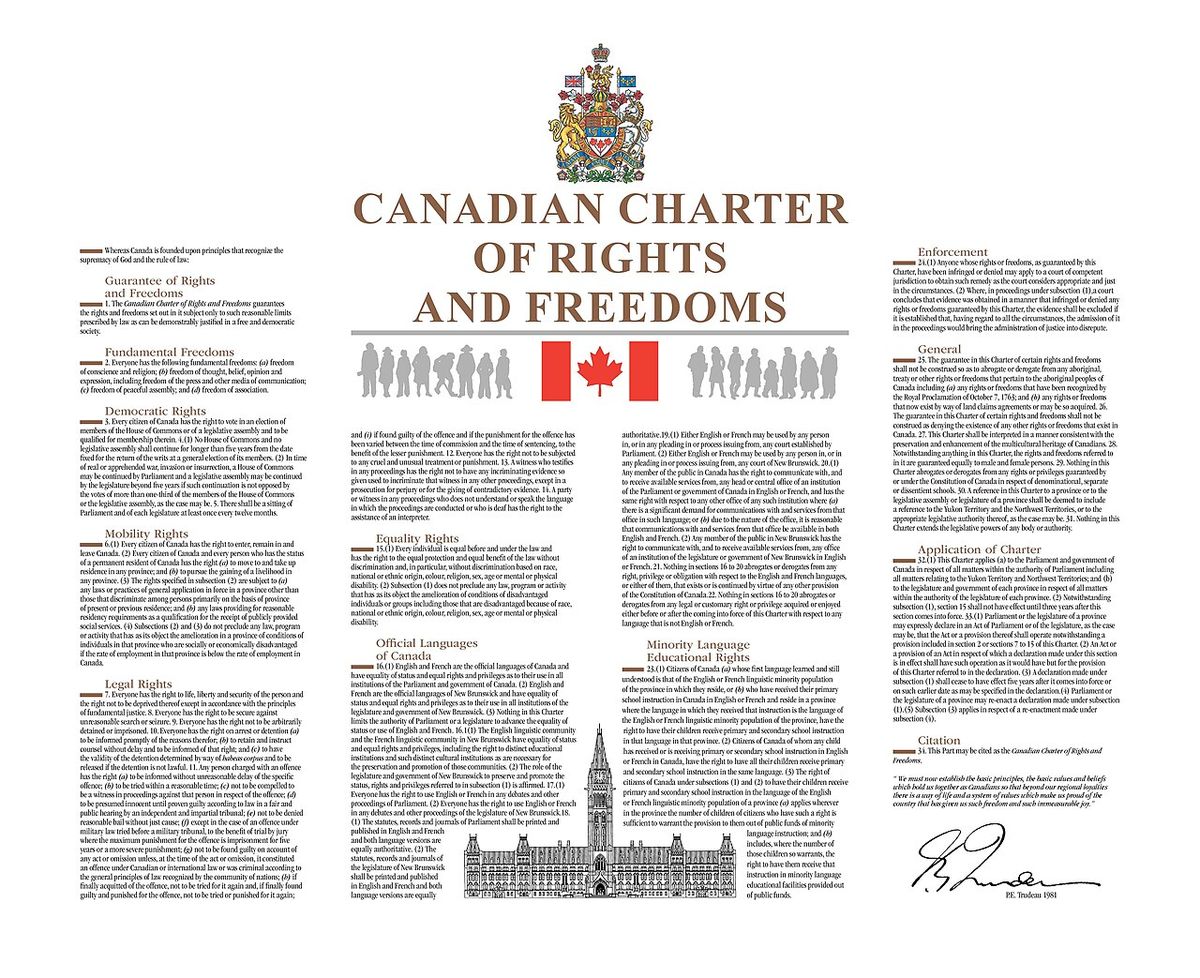
The timing of the 45th election is governed by constitutional provisions and provincial legislation, following the repeal of Ontario's fixed election date law on November 27, 2025. Section 4 of the Canadian Charter of Rights and Freedoms mandates that a provincial legislature cannot continue for longer than five years. The writs for the previous 44th general election were returned on March 7, 2025, which sets the clock for the automatic dissolution of the Legislative Assembly on March 7, 2030. Following dissolution, Ontario election law requires that polling day be set for the fifth Thursday after the date the writ is issued. This legal framework means that, barring an earlier dissolution by the lieutenant governor on the advice of the premier, the latest possible date for the 45th Ontario general election is April 11, 2030. The repeal of fixed-date legislation returns full discretion to the premier to request an earlier dissolution, potentially triggering an election at any time before the constitutional deadline.
Political scene and Leadership
The political environment leading into the 2030 election has been marked by stability within the governing party and transition among its main opponents. Premier Doug Ford, having led the Progressive Conservative Party to a third majority government on February 27, 2025, confirmed his intention to seek a fourth term. In contrast, the official opposition Ontario New Democratic Party, led by Marit Stiles, underwent a leadership review on September 20, 2025, where Stiles received 68 percent support and vowed to remain as party leader. The Ontario Liberal Party experienced a more significant upheaval following its 2025 election result. Leader Bonnie Crombie announced her intention to resign on September 14, 2025, after a disappointing leadership review where she received 57 percent support. Crombie initially stated she would remain until a successor was chosen but ultimately resigned on January 14, 2026. The party's caucus subsequently nominated John Fraser as interim leader on January 19, 2026, with his formal appointment occurring on January 22, 2026.
By-elections and Seat Changes Preceding 2030
The composition of the legislature underwent several changes between the 2025 general election and the run-up to 2030, tested through a series of by-elections. These contests provided early indicators of party strength in specific regions and followed the resignations of several sitting members. Notable resignations from the Progressive Conservative caucus included Caroline Mulroney, who announced her intention to resign as MPP on June 5, 2026, and retire from politics, and Neil Lumsden, who announced a similar intention to resign on August 4, 2026. From the NDP caucus, MPP Doly Begum resigned her seat on February 3, 2026, to run in the federal Scarborough Southwest by-election. Three provincial by-elections were held concurrently on September 3, 2026, with the following results.
| Riding | Winning Party | Winning Candidate |
|---|---|---|
| Scarborough Southwest | NDP | Fatima Shaban |
| Hamilton East, Stoney Creek | PC | Jeff Beattie |
| York, Simcoe | PC | Susan Lahey |
The results of the September 3, 2026 by-elections saw the governing Progressive Conservatives hold two traditionally strong seats. The New Democratic Party retained the riding of Scarborough Southwest, which was won by candidate Fatima Shaban. These by-elections did not alter the balance of power in the legislature, which remained firmly under a PC majority government. The outcomes in Hamilton East, Stoney Creek, won by Jeff Beattie, and York, Simcoe, won by Susan Lahey, demonstrated the PC party's ability to defend its territory. Meanwhile, the NDP's hold on Scarborough Southwest maintained its urban base in that region.
Administrative Preparedness and Electoral Integrity
Elections Ontario, the non-partisan agency responsible for administering provincial elections, undertakes extensive preparations in the years preceding a general election. While the agency's specific plans for the 2030 election are not yet public, its federal counterpart, Elections Canada, outlined priorities for the 45th federal general election that reflect broader trends in electoral administration which often influence provincial practices. Key areas of focus include improving services for electors facing barriers to voting, such as through Vote on Campus programs at post-secondary institutions and enhanced services in remote and Indigenous communities. The implementation of assistive voting technologies at polling locations is another priority to improve accessibility for blind and partially sighted electors. Security and integrity measures are paramount, with agencies working closely with security partners to protect the electoral process from threats including foreign interference and disinformation. Modernization of electoral services is also a continuous process, involving pilot projects for electronic lists of electors and updated systems for political entity registration and election worker payroll.
Key Dates and Events Leading to the Election
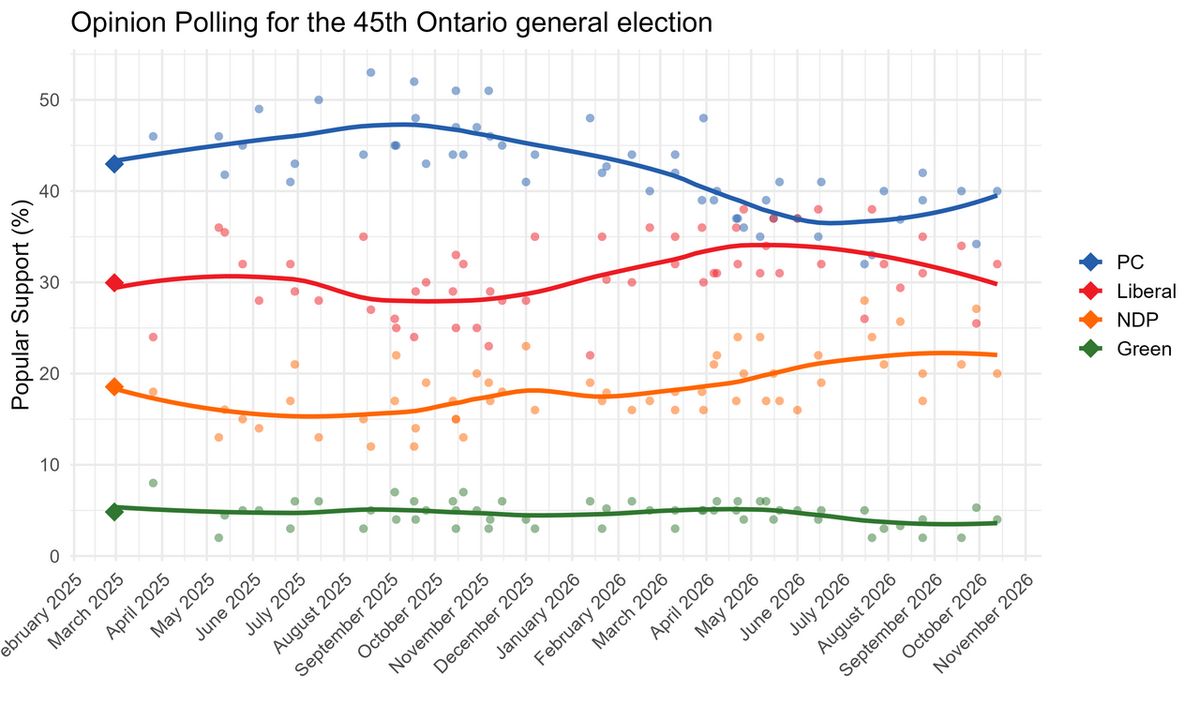
The timeline from the previous election to the scheduled 2030 vote includes several critical political and administrative milestones. The period is defined by the constitutional clock, party leadership decisions, and the practical planning required to conduct a province-wide election. The Progressive Conservative victory on February 27, 2025, set the stage for the subsequent five-year term, while the repeal of fixed election date legislation on November 27, 2025, reintroduced uncertainty over the election's timing. Leadership reviews and changes within the opposition parties in late 2025 and early 2026 reshaped their public faces ahead of the next campaign. The by-elections of September 3, 2026, served as mid-term tests of party organization and voter sentiment in key ridings. The constitutional machinery then dictates that the legislature will be automatically dissolved on March 7, 2030, five years to the day after the return of the writs from the 2025 election, ultimately leading to the latest possible polling day of April 11, 2030. Throughout this period, Elections Ontario and the political parties will engage in their own preparatory work, from candidate recruitment to updating voter lists and planning campaign logistics.
- February 27, 2025: PCs win a third majority government in the 44th general election.
- September 14, 2025: Liberal Leader Bonnie Crombie announces intention to resign.
- September 20, 2025: NDP Leader Marit Stiles receives 68 percent support in a leadership review.
- November 27, 2025: Ontario repeals its fixed election date legislation.
- January 14, 2026: Bonnie Crombie resigns as Liberal leader.
- January 22, 2026: John Fraser is formally appointed interim Liberal leader.
- September 3, 2026: Three provincial by-elections are held in Scarborough Southwest, Hamilton East, Stoney Creek, and York, Simcoe.
- March 7, 2030: Automatic dissolution of the Legislative Assembly, five years after the return of the writs from the 2025 election.
- April 11, 2030: Latest possible date for the 45th Ontario general election, being the fifth Thursday after dissolution.
Questions about 45th Ontario general election
When is the next Ontario election scheduled to be held?
The 45th Ontario general election is tentatively scheduled for April 11, 2030. This is the latest possible date under the constitutional five-year limit, as the legislature will be automatically dissolved on March 7, 2030. The date of March 7, 2030 is exactly five years after the return of the writs for the previous 2025 general election. However, the premier can request an earlier dissolution from the lieutenant governor, meaning the election could be called at any time before that deadline.
How many seats will be contested in the 2030 Ontario election?
The election will be contested across 124 electoral districts. This number was set following the creation of two new northern ridings, Kiiwetinoong and Mushkegowuk, James Bay, through the Representation Statute Law Amendment Act in 2017. The total increased from the previous 122 seats, which themselves resulted from a 2015 boundary adjustment that raised the count from 107. Ontario does not have legislation for a scheduled review of electoral districts, so any future changes would require new legislation.
Who is the premier going into the 45th Ontario general election?
Doug Ford of the Progressive Conservative Party of Ontario is the premier as the province approaches the 2030 election. Ford led his party to a third consecutive majority government in the February 27, 2025 election. He has confirmed his intention to seek a fourth term as premier. There are no term limits for the Premier of Ontario.
Who are the leaders of the main opposition parties?
The official opposition Ontario New Democratic Party is led by Marit Stiles. Stiles received 68 percent support in a leadership review vote during the party's convention on September 20, 2025. The Ontario Liberal Party is under interim leadership following the resignation of Bonnie Crombie on January 14, 2026. John Fraser was nominated as interim leader on January 19, 2026, and formally appointed on January 22, 2026.
What were the results of the 2026 provincial by-elections?
Three provincial by-elections were held on September 3, 2026. The Progressive Conservatives held two seats, with Jeff Beattie winning in Hamilton East, Stoney Creek and Susan Lahey winning in York, Simcoe. The New Democratic Party held the seat of Scarborough Southwest, with candidate Fatima Shaban winning. These by-elections were held following the resignations of sitting members, including Doly Begum who resigned to run federally.
Why is April 11, 2030, the latest possible election date?
April 11, 2030, is the latest possible date due to the combination of constitutional and provincial election laws. The Canadian Charter of Rights and Freedoms limits a legislature's life to five years, triggering automatic dissolution on March 7, 2030. This date is exactly five years after the fixed return of the writs from the 2025 election, which was March 7, 2025. Following dissolution, Ontario law requires that polling day be the fifth Thursday after the date the writ is issued, which calculates to April 11, 2030.
Sources: Wikipedia and current public reporting, checked by the Nosy Mag desk. Last updated 2026-10-19.