32nd Alberta general election
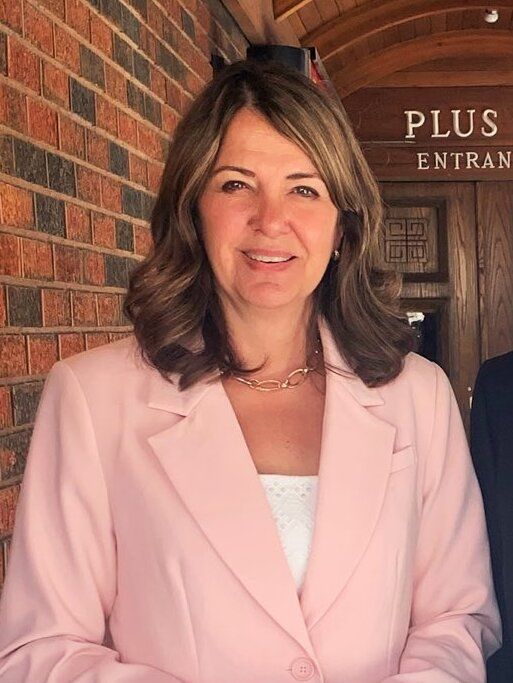
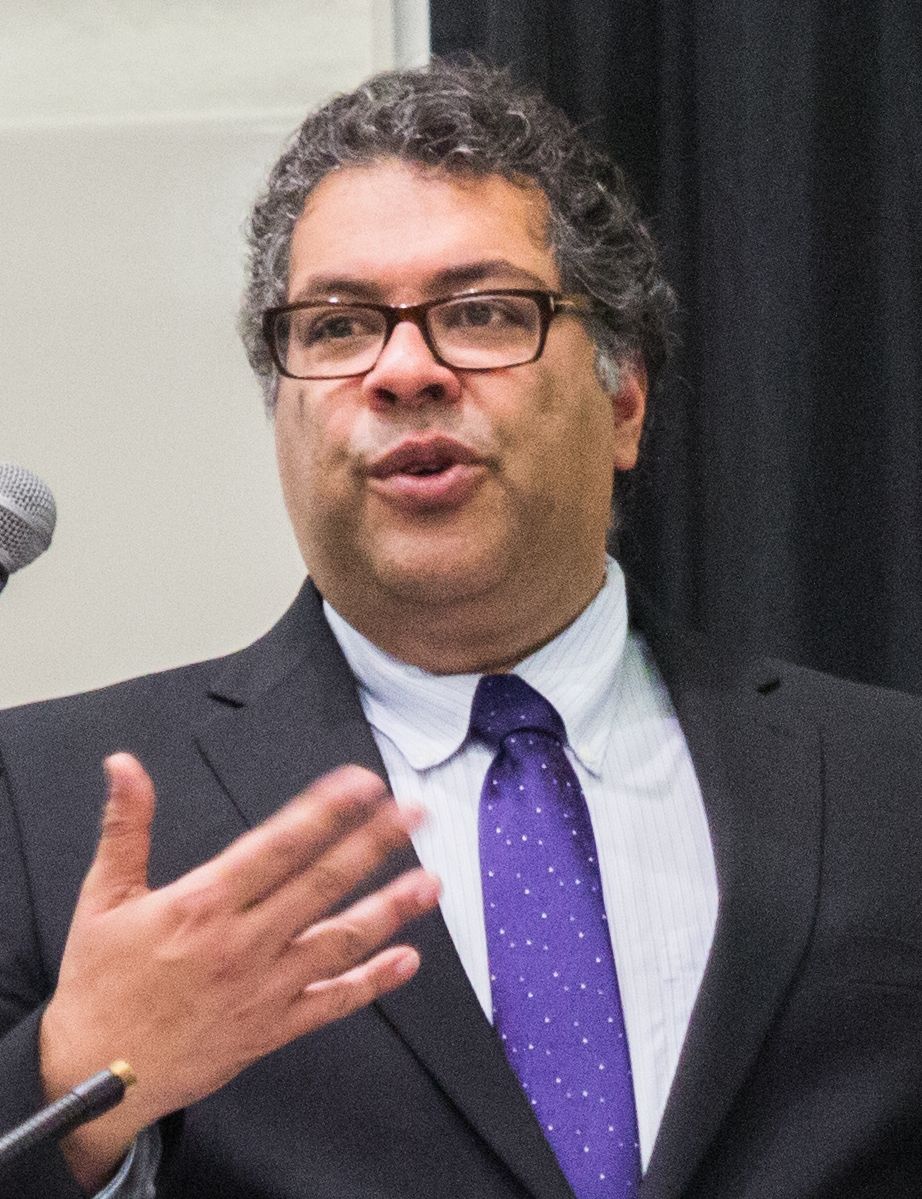
The 32nd Alberta general election will elect members to the 32nd Alberta Legislature. The election is scheduled for October 18, 2027, under fixed-date legislation. It will be contested primarily between Premier Danielle Smith's governing United Conservative Party and the Official Opposition Alberta New Democratic Party, led by Naheed Nenshi. It follows a period marked by a 2026 referendum and a contentious redrawing of the province's electoral boundaries. The outcome will determine the direction of provincial policy for the subsequent four-year term.
Constitutional and Legal Framework
The date for the 32nd Alberta general election is established by fixed-date election legislation. Section 38.1 of Alberta's Election Act mandates that election day shall be the third Monday in October in the fourth calendar year following the most recent general election. As the 31st general election was held on May 29, 2023, this provision sets the next election for October 18, 2027. The legislation is designed to provide predictability, though it explicitly does not curtail the reserve powers of the lieutenant governor of Alberta. In accordance with the Westminster parliamentary system, the premier may request the lieutenant governor to dissolve the legislature and call an election before the fixed date. The election will be administered by Elections Alberta, the independent, non-partisan agency responsible for conducting provincial votes, referendums, and plebiscites.
Several legislative changes were enacted in the lead-up to the election that affect its administration. Bill 21 received royal assent on May 30, 2024, formally changing the fixed election date to October 18, 2027. Bill 31 received royal assent on December 5, 2024, amending the Electoral Boundaries Commission Act to allow for the addition of two more seats in the next redistribution. This legislative groundwork set the stage for the significant electoral boundary review process that would become a major point of contention. The legal framework also governs campaign finance, advertising rules, and the conduct of the vote, with the Chief Electoral Officer, Glen Resler, overseeing these operations.
Electoral Boundary Redistribution
A major preparatory element for the 2027 election is the redrawing of Alberta's electoral map, a process mandated after every second general election. The Electoral Boundaries Commission was established on March 28, 2025, with a mandate to propose new boundaries for 89 ridings, an increase from the existing 87. The commission, comprising a non-partisan chair, two government members, and two opposition members, undertook an extensive public consultation. It held 30 public hearings across the province and received nearly 2,000 written submissions from Albertans. The commission's work focused on addressing population growth and ensuring effective representation.
The commission submitted its final report on March 26, 2026. Its recommendations included creating two additional ridings for Calgary, one additional riding in the city of Edmonton, and modifying the boundaries of several ridings in central and southern Alberta. A minority opinion within the commission, written by two members, advocated for a different approach. They recommended a greater use of hybrid ridings around Alberta's major cities to improve regional representation and bridge urban-rural divides. This minority report was criticized by the Opposition NDP, which alleged the governing UCP was attempting to gerrymander districts to amplify rural voting power.
In a controversial move, the provincial government rejected the independent commission's report on April 16, 2026. It replaced the process with an expedited review overseen by a government-led committee, which proceeded without further public consultation. The government also signalled its intention to expand the legislature to 91 seats, rather than the 89 recommended by the commission. As of mid-2026, the final number and configuration of electoral districts for the 2027 election remained unresolved, pending the committee's work and subsequent legislative approval.
Political Context and the 2026 Referendum
The political scene for the 2027 election is dominated by the outcome and aftermath of a provincial referendum held on October 19, 2026. Premier Danielle Smith announced the referendum on May 21, 2026, posing a single question on whether Alberta should stay in Canada or hold a future binding referendum on separation. This vote was the culmination of long-standing western alienation sentiments and specific political manoeuvring. Smith, who stated she would personally vote to stay, framed the referendum as a means to bring finality to the separation debate and gain leverage in negotiations with the federal government.
The path to the referendum was complex, involving competing citizen-led petitions. In June 2025, former deputy premier Thomas Lukaszuk launched a Forever Canadian petition to affirm Alberta's place in Canada, which gathered over 400,000 signatures. A court ruling on May 13, 2026, quashed a separatist petition on constitutional grounds, but Smith cited both petitions as evidence of strong public demand for a decision. The referendum campaign saw the government launch a $4 million advertising campaign in September 2026 urging citizens to vote to stay, as polls indicated a broad majority favoured remaining in Canada.
The referendum result had immediate political repercussions. The day after the vote, Premier Smith vowed not to hold a formal referendum on separation, following a result that saw Albertans vote to remain in Canada. Analysts noted the referendum campaign and result would influence party platforms and voter alignment heading into the 2027 general election, with issues of provincial autonomy and federal relations remaining central. The UCP's loss of the Calgary-Shaw seat in a by-election on September 14, 2026, was widely attributed by critics to voter dissatisfaction with the referendum strategy.
Major Political Parties and Leadership
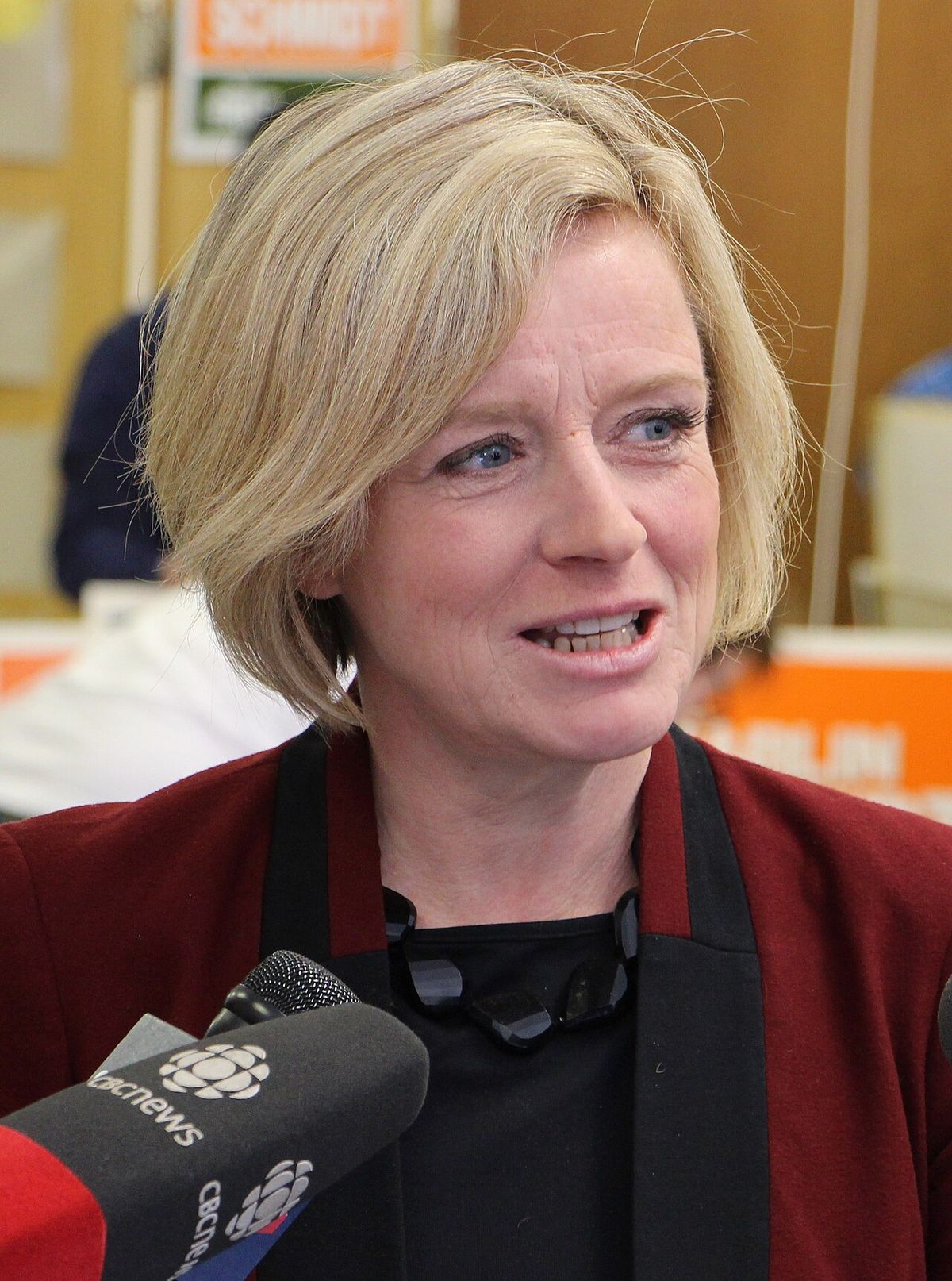
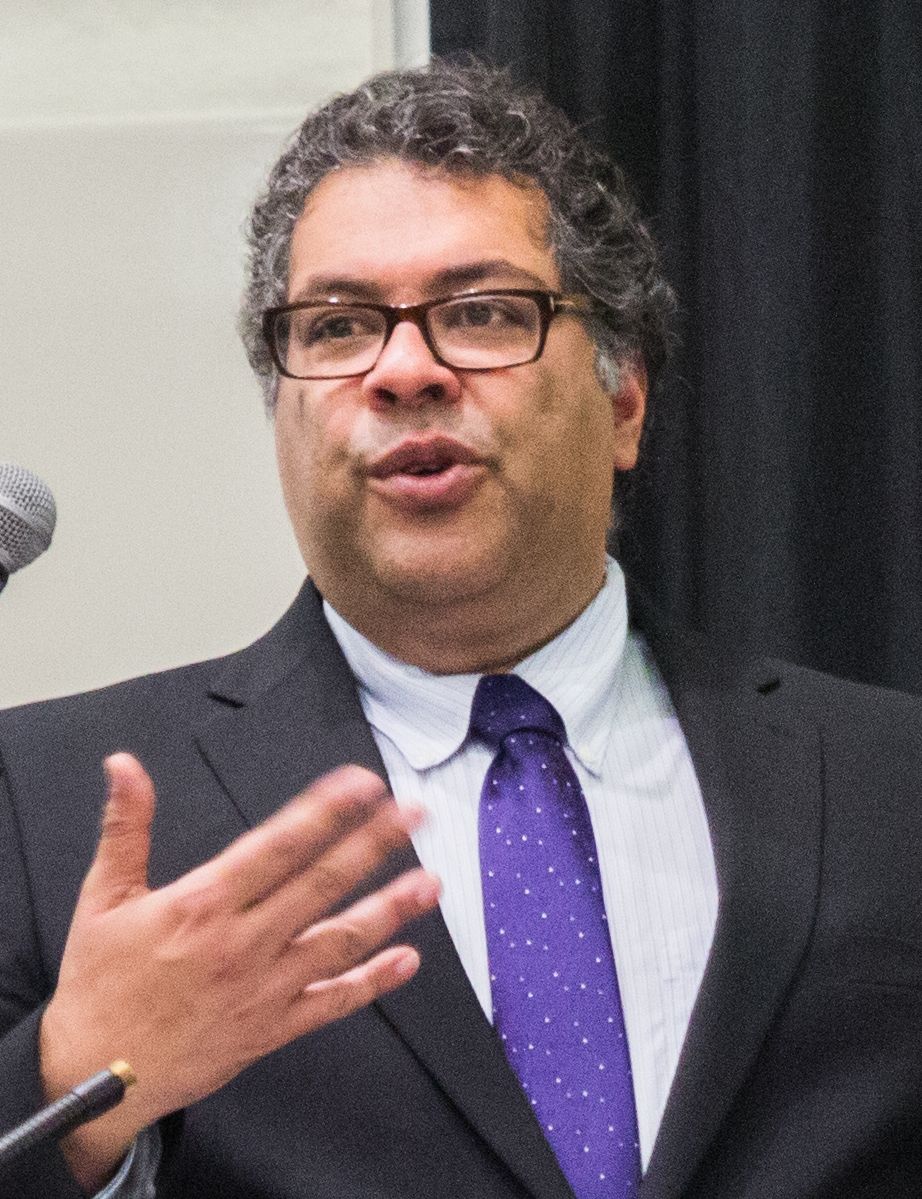
The election will be contested primarily by two major parties with full slates of candidates across the province. The governing United Conservative Party (UCP), led by Premier Danielle Smith, seeks a second consecutive majority mandate. Smith has led the party since October 2022 and won the 2023 general election. The Official Opposition is the Alberta New Democratic Party (NDP), led by Naheed Nenshi. Nenshi, the former mayor of Calgary, was elected party leader on June 22, 2024, succeeding Rachel Notley, who announced her intention to resign in January 2024. Nenshi subsequently won a by-election in Edmonton-Strathcona on June 23, 2025, securing a seat in the legislature.
A third party underwent a significant transformation in the inter-election period. The Alberta Party, which held no seats after the 2023 election, rebranded itself. The process began in July 2025 when former UCP MLAs Peter Guthrie (Airdrie-Cochrane) and Scott Sinclair (Lesser Slave Lake) joined the Alberta Party with the intent to change its name. The party voted to rebrand as the Progressive Conservative Party in August 2025, and on December 18, 2025, it officially changed its name to the Progressive Tory Party. Peter Guthrie became the party's leader on December 9, 2025. However, Scott Sinclair returned to the UCP caucus in May 2026. Other parties, including the Green Party and the separatist Alberta Prosperity Project, are also expected to field candidates, though they held no legislative seats prior to the election.
The period between the 2023 and 2027 elections was marked by significant by-elections and caucus changes that tested party strength. Key events included the resignation of NDP leader Rachel Notley as MLA for Edmonton-Strathcona in December 2024, which triggered a by-election. Naheed Nenshi was acclaimed as the NDP candidate and won the Edmonton-Strathcona seat on June 23, 2025. Other by-elections held on that same day saw the UCP hold Olds-Didsbury-Three Hills and the NDP hold Edmonton-Ellerslie. In September 2026, the NDP's Kyle Campbell won a significant by-election in Calgary-Shaw, gaining the seat from the governing UCP.
- December 18, 2024: The NDP's Rob Miyashiro wins the Lethbridge-West by-election.
- March 7, 2025: UCP MLA Scott Sinclair is removed from caucus over budget criticisms.
- April 16, 2025: UCP MLA Peter Guthrie is removed from caucus after alleging the health minister withheld information.
- June 23, 2025: By-elections are held in Edmonton-Strathcona (NDP hold), Olds-Didsbury-Three Hills (UCP hold), and Edmonton-Ellerslie (NDP hold).
- September 14, 2026: NDP candidate Kyle Campbell wins the Calgary-Shaw by-election, gaining the seat from the UCP.
- May 7, 2026: Lesser Slave Lake MLA Scott Sinclair returns to the UCP caucus.
- May 15, 2026: Calgary-Shaw MLA Rebecca Schulz resigns her seat.
- May 22, 2025: Olds-Didsbury-Three Hills MLA Nathan Cooper resigns his seat.
Key Issues and Campaign Dynamics
The 2027 election campaign is anticipated to revolve around several dominant themes rooted in the preceding four years. The result of the 2026 referendum will cast a long shadow, with parties forced to articulate their visions for Alberta's relationship with the federal government. For the UCP, this likely involves continuing a platform of assertive provincial autonomy, or sovereignty within a united Canada, leveraging the referendum's clear result to seek new powers or fiscal arrangements. The NDP, under Naheed Nenshi, is expected to campaign on a message of constructive federalism, economic diversification, and rebuilding public services such as healthcare and education, which were central themes in the 2023 campaign.
Economic management and resource development remain perennial core issues. Alberta's economy, heavily tied to oil and gas, faces ongoing challenges related to market access, climate policy, and energy transition. The parties' approaches to balancing economic growth with environmental sustainability will be a key point of differentiation. The contentious electoral boundary redistribution will itself be a campaign issue, with the NDP and other critics likely accusing the UCP of manipulating the electoral map for partisan advantage through its rejection of the independent commission's report. Social policy and the cost of living are also expected to feature prominently, with issues such as affordability, housing, and healthcare wait times directly impacting voters.
The leadership styles of Danielle Smith and Naheed Nenshi will be heavily scrutinized during the election campaign. Nenshi's high profile in Calgary is seen as a critical factor in the NDP's attempt to make further inroads in that city. The performance of the rebranded Progressive Tory Party could also influence electoral dynamics. This party, led by Peter Guthrie, might potentially siphon votes from the UCP's right flank or the NDP's centre. The campaign will unfold in a media environment still grappling with the effects of the 2026 referendum.
Administration and Voting Process
Elections Alberta, under Chief Electoral Officer Glen Resler, will administer the 2027 general election. The agency is responsible for maintaining the voters list, establishing voting places, training election officers, and enforcing election laws. The voting process will follow established procedures used in previous elections and the 2026 referendum. Electors will be assigned a specific voting location based on their ordinary residence for election day, though advance voting will allow voting at any location within their electoral division. Special ballot voting by mail will also be available for those unable to vote in person.
To vote, an individual must be a Canadian citizen, at least 18 years old on election day, and an ordinary resident of Alberta. Voters must prove their identity and current Alberta address, which can be done through more than 50 accepted forms of identification. The Election Act requires employers to provide employees with three consecutive hours to vote while the polls are open. Campaign advertising is strictly prohibited on the property of designated voting locations. Elections Alberta will operate a service centre and provide detailed information on voting places and procedures through its official website and public communications.
The administration of the election will need to account for the new electoral boundaries, once finalized. This involves updating all voter registration information, redistributing election materials, and potentially opening new returning offices. The integrity of the electoral process and public confidence in the result will be paramount, especially following the heightened political tensions of the referendum period. Elections Alberta's mandate is to conduct a fair, accessible, and efficient election for all eligible Albertans.
Historical Precedents and Provincial Political Evolution
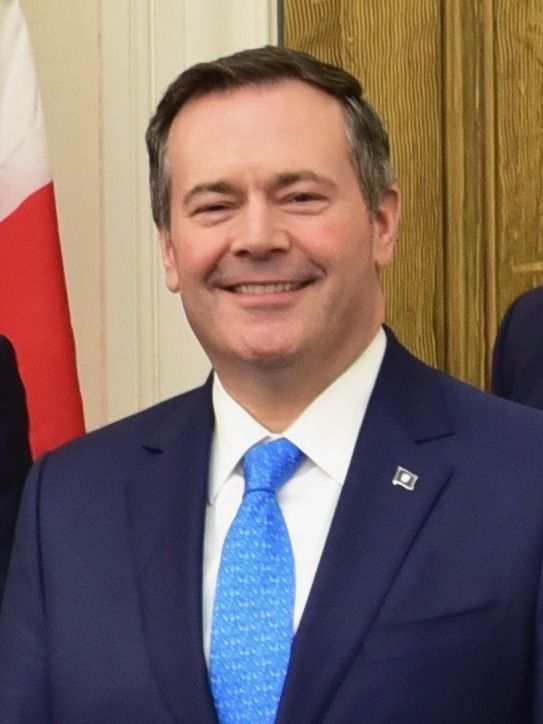
The 2027 election continues a historical pattern of Alberta politics dominated by long periods of one-party rule punctuated by dramatic shifts. The United Conservative Party, formed from a merger of the Progressive Conservatives and the Wildrose Party, regained power in 2019 under Jason Kenney and held it in 2023 under Danielle Smith. The 2027 contest will test whether the UCP can secure a third consecutive term or if the NDP can stage a comeback under new leadership. The theme of western alienation and sovereignty has recurred throughout Alberta's history, influencing its political culture. A major flashpoint was the federal National Energy Program in 1980, which ignited lasting resentment. Separatist sentiment saw a brief electoral success in 1982 when Gordon Kesler of the Western Canada Concept won a by-election, though the movement faded thereafter. The policies of Premier Danielle Smith and the 2026 referendum are the most recent manifestations of this enduring dynamic.
Timeline of Key Events Leading to the Election
- May 29, 2023: The United Conservative Party wins a majority in the 31st Alberta general election.
- January 16, 2024: NDP Leader Rachel Notley announces her intention to resign before the next election.
- May 30, 2024: Bill 21 receives royal assent, setting the fixed election date for October 18, 2027.
- June 22, 2024: Naheed Nenshi is elected leader of the Alberta NDP.
- March 28, 2025: The Electoral Boundaries Commission is established.
- May 21, 2026: Premier Danielle Smith announces the October 19, 2026, referendum on Alberta's place in Canada.
- March 26, 2026: The Electoral Boundaries Commission submits its final report.
- April 16, 2026: The government rejects the commission's report, proposing a government-led review.
- October 19, 2026: Alberta holds the provincial referendum.
- December 5, 2024: Bill 31 receives royal assent, allowing the Electoral Boundaries Commission to add 2 more seats.
- May 15, 2026: Calgary-Shaw MLA Rebecca Schulz resigns her seat.
Questions about 32nd Alberta general election
When is the next Alberta provincial election?
The 32nd Alberta general election is scheduled for October 18, 2027. This date is set by fixed date provisions in Alberta's Election Act. The act states election day shall be the third Monday in October in the fourth calendar year following the most recent general election. However, the Election Act is subject to the powers of the lieutenant governor of Alberta to dissolve the legislature earlier. This means the premier could request an election before the fixed date.
How many seats will be contested in the 2027 Alberta election?
The size of the legislature is in flux due to a boundary redistribution process. An independent commission recommended expanding from 87 to 89 seats. However, the government rejected that report in April 2026 and proposed an expedited process to redraw boundaries, signalling an intent to expand to 91 seats. The final number of ridings will be determined by legislation passed before the legislature is dissolved for the election.
What was the 2026 Alberta referendum about?
On October 19, 2026, Alberta held a referendum asking voters whether the province should stay in Canada or hold a future binding referendum on separation. Premier Danielle Smith announced the vote on May 21, 2026. The result saw Albertans vote to remain in Canada, after which Smith vowed not to hold a formal separation referendum. The outcome is expected to heavily influence the issues and party platforms in the 2027 general election.
Who is the leader of the Alberta NDP going into the 2027 election?
Naheed Nenshi is the leader of the Alberta New Democratic Party. He was elected leader on June 22, 2024, succeeding Rachel Notley. Nenshi, the former mayor of Calgary, won a by-election in Edmonton-Strathcona on June 23, 2025, to secure a seat in the Legislative Assembly. He will lead the Official Opposition into the 2027 election campaign against Premier Danielle Smith's United Conservative Party.
What happened to the Alberta Party?
The Alberta Party underwent a significant rebranding. In 2025, former UCP MLAs Peter Guthrie and Scott Sinclair joined the party with the intent to change its name. The membership voted to rebrand as the Progressive Conservative Party in August 2025, and it officially became the Progressive Tory Party on December 18, 2025. Peter Guthrie was acclaimed as its leader on December 9, 2025. However, Scott Sinclair returned to the UCP caucus in May 2026.
How can I vote in the Alberta provincial election?
To vote, you must be a Canadian citizen, at least 18 years old on election day, and an ordinary resident of Alberta. You can vote at your assigned polling station on election day, at any advance voting location in your electoral division, or by special mail-in ballot. You must prove your identity and Alberta address with accepted identification. Employers are required to provide employees with three consecutive hours to vote while the polls are open.
Sources: Wikipedia and current public reporting, checked by the Nosy Mag desk. Last updated 2026-10-19.