National Energy Program
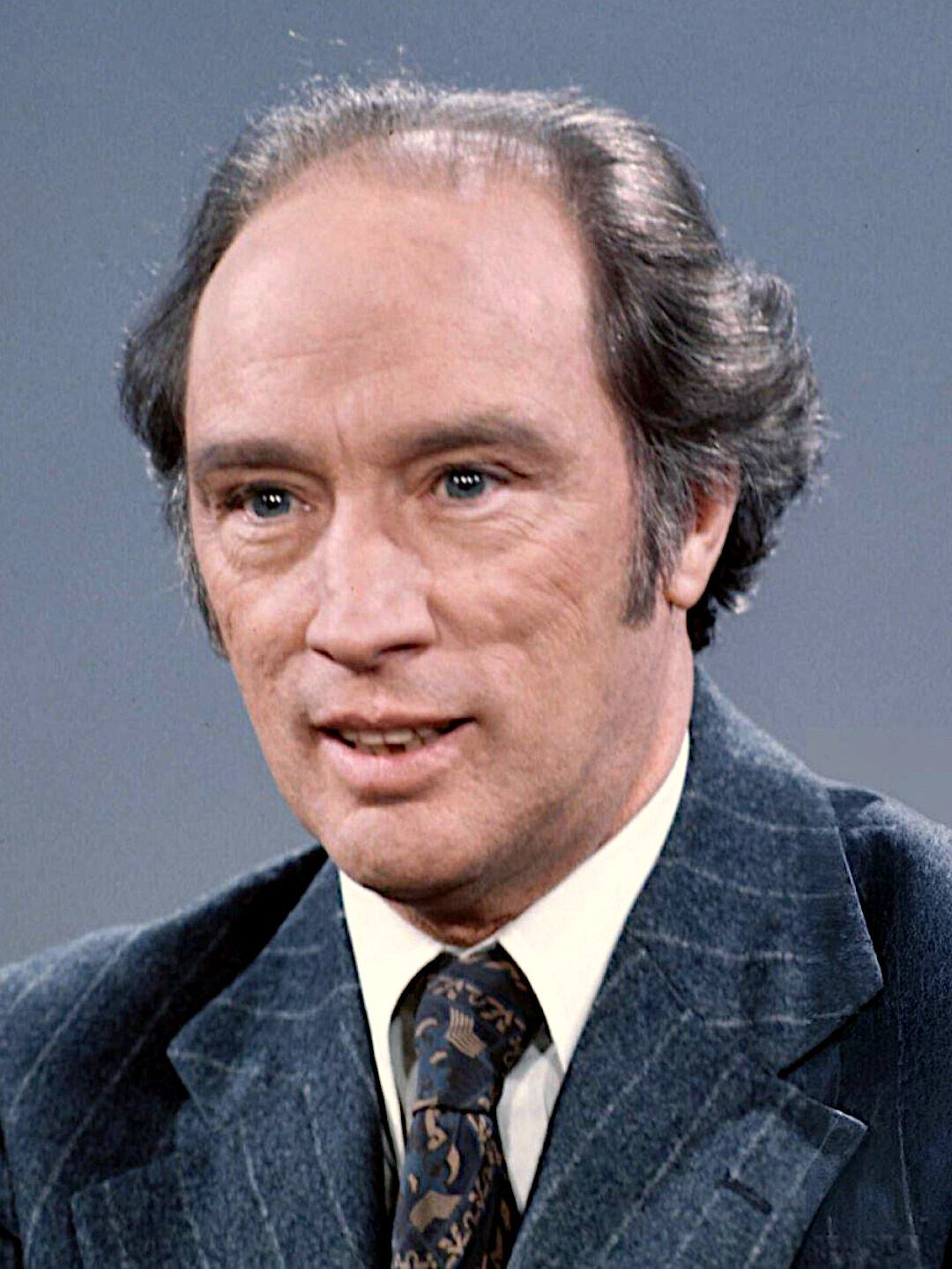
The National Energy Program (NEP) was an energy policy of the Canadian federal government from 1980 to 1985. It was introduced by the Liberal government of Prime Minister Pierre Trudeau on October 28, 1980. Its primary goals were to increase Canadian ownership of the oil and gas industry, ensure fair pricing for consumers, and achieve national energy self-sufficiency. The program sparked intense opposition from the private sector and Western Canadian provinces, particularly Alberta, which viewed it as federal overreach. The NEP was repealed on June 1, 1985, by Prime Minister Brian Mulroney's Progressive Conservative government.
Historical and Global Context
The National Energy Program emerged from a period of global economic instability triggered by two major oil price shocks in 1973 and 1979. The 1973 crisis followed an embargo by Arab oil exporters against nations supporting Israel in the Yom Kippur War, causing immediate shortages and a quadrupling of oil prices by early 1974. This event shifted power from consuming nations to oil-producing countries. The 1979 oil crisis was precipitated by the Iranian Revolution and the Iran-Iraq War. These shocks led to high inflation and rising unemployment in developed economies. In his 1980 State of the Union address, US President Jimmy Carter highlighted the dangers of excessive foreign oil dependence. In Canada, inflation was often between 9 and 10 percent annually, and prime interest rates were over 10 percent. The global oil market had been dominated by the 'Seven Sisters' multinational oil companies. US oil production peaked in 1970, making the country a major importer and tightening global markets.
Canadian Energy Policy Preceding the NEP
Canada's oil industry developed alongside that of the United States. By the end of the Second World War, the country imported 90 percent of its oil. This changed with the 1947 discovery of the Leduc oil field in Alberta. To access markets, the Interprovincial Pipeline was built to the US Midwest and later to Toronto, while the Transmountain Pipeline served the West Coast. The National Energy Board (NEB) was created in 1959 to regulate interprovincial and international pipelines. From 1961 to 1973, the National Oil Policy protected a domestic market for western oil west of the Ottawa Valley, while eastern provinces relied on imports. After the 1973 OPEC crisis, the federal government broke the link between domestic and world oil prices to shield Canadian consumers. In 1975, the government created the Crown corporation Petro-Canada. The first system for pricing oil was inaugurated in 1974 to regulate domestic crude oil prices, subsidize imported oil for Eastern Canada, and control export prices. Synthetic crude oil from oil sands was exempted and sold at world price.
Program Goals and Key Components
The NEP was introduced by Finance Minister Allan MacEachen as part of the October 1980 federal budget. It was built on three principles: security of supply and ultimate independence from the world market, opportunity for all Canadians to participate in the energy industry, and fairness in pricing and revenue-sharing. The program's specific objectives were to increase Canadian ownership of the oil industry to 50 percent, ensure fair energy prices for consumers, and achieve national energy self-sufficiency. It also aimed to promote exploration, alternative energy sources, and increase federal revenues. The main elements included a blended or 'made-in-Canada' price of oil, financed by a Petroleum Compensation Charge levied on refiners. Natural gas prices were to increase less quickly than oil prices, with a new federal tax. The Petroleum and Gas Revenue Tax (PGRT) was an 8 percent tax on net operating revenues from oil and gas production. Depletion allowances were phased out and replaced with direct incentive payments favouring Canadian companies, especially for exploration on federally controlled Canada Lands. The program called for a greatly expanded Petro-Canada and included measures for energy conservation and oil displacement. A Canadian ownership levy was established to assist in financing the acquisition of multinational oil company operations in Canada.

Provincial Opposition and the 1981 Agreement
The NEP provoked immediate opposition from the oil-producing Western provinces of Alberta, British Columbia, and Saskatchewan. Alberta Premier Peter Lougheed was the most vocal critic, arguing it infringed on provincial jurisdiction and unfairly deprived Alberta of oil revenue. In protest, Alberta announced a reduction of 60,000 barrels per day in crude oil production over nine months beginning in April 1981, and suspended two oil sands projects. After months of negotiations, Prime Minister Pierre Trudeau and Premier Lougheed reached a revenue-sharing agreement in 1981. The agreement set a series of price increases for old oil and established near world prices for new oil, defined as oil from pools discovered after December 31, 1980. It was estimated to be worth approximately $212.8 billion in revenues to Ottawa, Alberta, and the petroleum industry over five years. The federal share rose to 29 percent, Alberta's to 34 percent, and industry's dropped to 33 percent. The agreement was marked by a photograph of a celebratory champagne toast between Trudeau and Lougheed, which Lougheed later admitted regretting.
Economic Impact and Criticism
Opponents of the program attributed severe economic damage to it. Alberta's unemployment rate rose from 3.7 percent in September 1980 to 12.4 percent in 1984. The bankruptcy rate in Alberta rose by 150 percent after the NEP took effect. Estimates placed Alberta's losses between $50 billion and $100 billion, though these were also affected by the early 1980s recession and a crash in oil prices. The Petroleum and Gas Revenue Tax was criticized as double taxation. Many multinational oil companies scaled back operations in Canada. Proponents argued the NEP protected Canadian consumers from volatile world prices. In 1986, former Energy Minister Marc Lalonde said the primary driver was correcting the fiscal imbalance between Ottawa and the provinces. The following table compares key aspects before, during, and after the NEP period.
| Period | Average Oil Price Context | Key Federal Policy | Noted Impact in Alberta |
|---|---|---|---|
| Pre-1980 | Rising post-1979 crisis | Price controls, Petro-Canada creation | Strong industry growth |
| NEP (1980 to 1985) | High then collapsing prices | National Energy Program | Rising unemployment, bankruptcies |
| Post-1985 | Lower, volatile prices | Western Accord, market-oriented policies | Industry consolidation, oil sands development |
The Edmonton economist Brian Scarfe argued in 1981 that the NEB's setting of oil and gas prices meant producers did not receive full world prices. He claimed that such subsidies led to larger trade deficits and larger federal budget deficits. Scarfe also argued the policy contributed to higher real interest rates and higher inflation. During the NEP years, only Alberta and Saskatchewan were net per capita contributors to the federal government, with Alberta's contributions peaking at $12,735 in inflation-adjusted 2004 dollars in 1981.
Repeal and Political Legacy
The Progressive Conservative government of Prime Minister Brian Mulroney formally repealed the program on June 1, 1985, with the Western Accord on Energy. The Accord provided for full deregulation of oil prices and abolished import subsidies, the export tax, the petroleum compensation charge, PIP grants, and the PGRT. It also lifted controls on oil exports. The NEP's unpopularity in Western Canada is considered a major factor in the Liberal Party's electoral collapse in the 1984 federal election. The program's legacy fueled Western alienation and served as a catalyst for the creation of the Reform Party in the late 1980s. The Reform Party made a major breakthrough in the 1993 election. It merged with the Progressive Conservatives in 2003 to form the modern Conservative Party of Canada, which governed from 2006 to 2015 under Prime Minister Stephen Harper. Senior bureaucrat Ed Clark, who helped develop the NEP, was fired shortly after Mulroney took office. Popular western slogans during the NEP included 'Let the Eastern bastards freeze in the dark' and 'I'd rather push this thing a mile than buy gas from PetroCan.'
Lasting Effects and Modern Parallels
The National Energy Program left a complex impact on Canada's energy sector and national unity. It failed to achieve its goal of energy self-sufficiency by 1990. It did contribute to the development of some major projects, such as the Hibernia offshore oil field and the Syncrude oil sands venture. The program's emphasis on Canadian ownership had a lasting effect. The deep resentment it engendered in Alberta and Saskatchewan remains a potent force in federal-provincial relations. Modern federal initiatives, such as emissions caps, are frequently criticized in Western Canada as reminiscent of the NEP. The program also affected the Alberta Heritage Savings Trust Fund, which failed to grow to its full potential due in part to reduced provincial revenues. In 2022, the fund held $19 billion, a moderate increase from $13 billion in 1986. The federal government's current energy innovation efforts, like the Energy Innovation Program managed by Natural Resources Canada, focus on funding clean technology rather than direct intervention. However, the memory of the NEP continues to serve as a powerful symbol of regional grievance and is often invoked in constitutional debates about provincial resource rights.
Questions about National Energy Program
What were the main goals of the National Energy Program?
The National Energy Program had three primary objectives. It aimed to increase Canadian ownership of the oil industry to 50 percent by 1990. It also sought to establish fair energy pricing for Canadian consumers and to achieve national energy self-sufficiency. The program was designed to promote lower prices via controls, encourage oil exploration within Canada, support alternative energy sources, and boost federal revenues from oil sales through various taxes and revenue-sharing agreements.
Why was the National Energy Program so unpopular in Alberta?
Alberta opposed the NEP because it was seen as a federal intrusion into provincial jurisdiction over natural resources. Premier Peter Lougheed argued the program unfairly transferred wealth from Alberta through taxes like the Petroleum and Gas Revenue Tax and controlled domestic oil prices. Albertans blamed the NEP for economic hardship, including soaring unemployment and increased bankruptcies. The policy ignited lasting feelings of Western alienation. Alberta's per capita fiscal contributions to the federal government increased 77 percent in 1980 over 1979 levels.
What was the Petroleum and Gas Revenue Tax (PGRT)?
The Petroleum and Gas Revenue Tax was an 8 percent tax applied to the net operating revenues from oil and gas production in Canada, calculated before deductions for royalties or other expenses. It was a central component of the NEP designed to increase federal revenues. Critics denounced it as a form of double taxation that discouraged investment. The tax was phased out as part of the Western Accord in 1985.
How did the National Energy Program affect Canadian politics?
The NEP's unpopularity in Western Canada contributed to the Liberal Party's defeat in the 1984 election. The sense of alienation it fostered led to the rise of the Western-based Reform Party in the late 1980s. The Reform Party's success eventually led to its merger with the Progressive Conservatives in 2003, creating the modern Conservative Party of Canada. The anger also influenced Alberta's stance during the patriation of the Canadian constitution, where Premier Lougheed fought for provincial resource rights.
What is the connection between the NEP and Petro-Canada?
Petro-Canada was created in 1975, before the NEP. However, the NEP called for a greatly expanded role for Petro-Canada as a tool for increasing Canadian public ownership. The corporation was involved in major projects like the Hibernia offshore field and the Syncrude oil sands venture. The NEP used incentives to favour Canadian-owned companies, with Petro-Canada being the largest. Opponents gave Petro-Canada the backronym 'Pierre Elliott Trudeau Rips Off Canada.'
When was the National Energy Program introduced and when was it ended?
The National Energy Program was introduced on October 28, 1980, by the Liberal government of Prime Minister Pierre Trudeau. It remained official federal policy from 1980 until 1985. The program was repealed on June 1, 1985, by the newly-elected Progressive Conservative government led by Prime Minister Brian Mulroney. This abolition was formalized through the Western Accord on Energy agreement with the oil-producing provinces.
Sources and further reading
- National Energy Program (Wikipedia)
- National Energy Program | Power and ... (ebsco.com)
- National Energy Program (thecanadianencyclopedia.ca)
- Energy Innovation Program, Natural Resources Canada (natural-resources.canada.ca)
Checked by the Nosy Mag desk. Last updated 2026-10-29.