Gambling
Gambling is the wagering of something of value on an event with an uncertain outcome, with the primary intent of winning additional money or material goods. In Canada, gambling is a regulated activity overseen by provincial and territorial governments, which operate lotteries, casinos, and online gaming platforms. The legal framework, established by the federal Criminal Code and administered provincially, aims to generate public revenue while addressing risks such as problem gambling and money laundering.
Legal Framework and Regulation in Canada
The legal foundation for gambling in Canada is the federal Criminal Code, which determines what forms of gambling are lawful. Amendments in 1969 first allowed governments to conduct and manage lottery schemes. A significant change occurred in 1985 when the federal government transferred primary regulatory and operational authority to the provinces and territories. This delegation means each province develops its own regulatory approach, licenses operators, decides which products are available, and directs gambling revenue according to local priorities. Provincial oversight is standard because these governments are responsible for managing the significant revenue generated, which often supports public services like health care, infrastructure, and community programs.
Most provinces operate gambling through Crown corporations or government-authorized platforms. British Columbia, Manitoba, and Saskatchewan share the PlayNow platform operated by their respective lottery corporations. Alberta launched its regulated online market, PlayAlberta, while Quebec offers Mise-o-jeu through Loto-Québec. Ontario represents a distinct model, having opened a regulated market to private operators in 2022. Companies must register with the Alcohol and Gaming Commission of Ontario and comply with provincial rules. Offshore gambling sites, which are not licensed by Canadian provinces, exist in a grey area. While Canadian law has generally focused on the legality of the operator rather than penalizing individual players, provinces strongly encourage using locally regulated sites for their consumer protections and dispute resolution mechanisms.
The regulatory system continues to evolve, with significant updates aimed at modernizing oversight and combating financial crime. In British Columbia, a new Gaming Control Act will come into effect on April 13, 2026, establishing an updated framework and creating a new independent regulator, the Independent Gambling Control Office (IGCO). This act was passed in response to independent reviews highlighting weaknesses in the previous system, particularly regarding money laundering. The IGCO will assume the functions of the former Gaming Policy and Enforcement Branch, providing regulatory oversight for the British Columbia Lottery Corporation, charitable gambling, and the horse-racing industry.
Types of Legal Gambling Available to Canadians
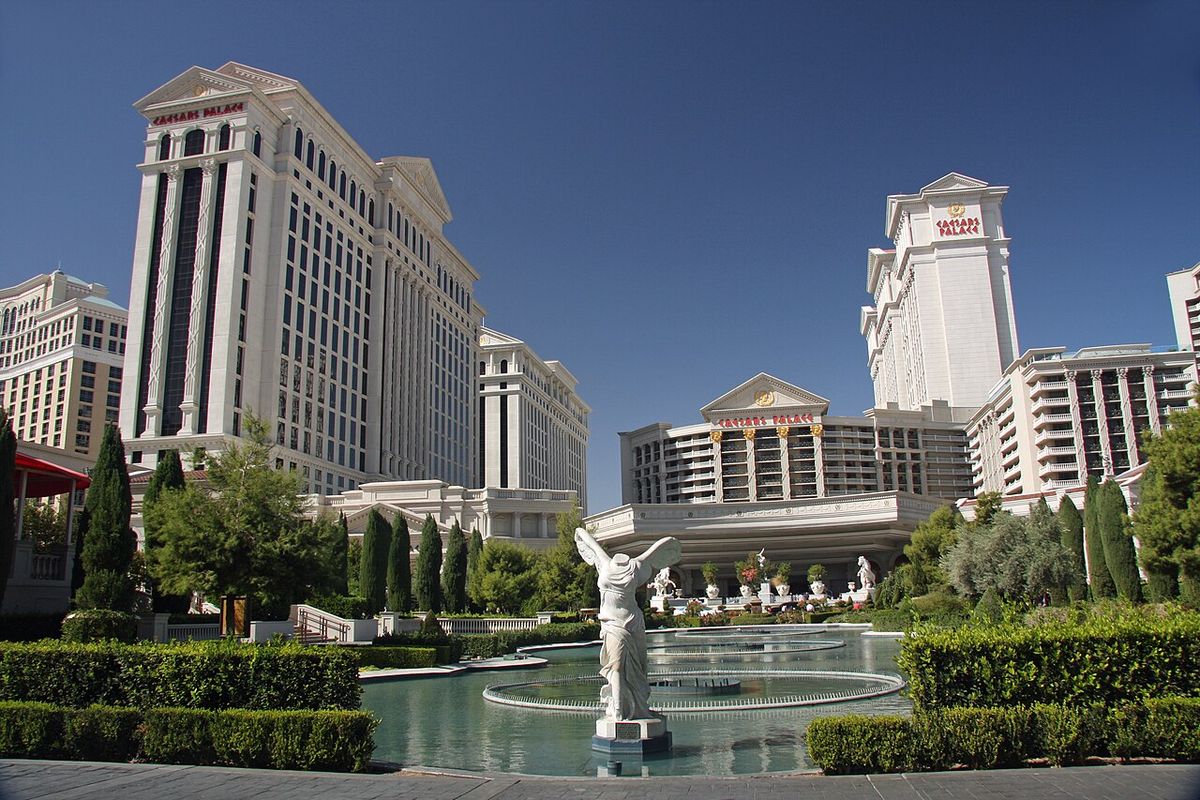
Canadians have access to a variety of legal gambling forms, all regulated at the provincial level. These include casino games, lottery products, sports betting, and charitable gaming. Casino games, whether in physical locations or online, encompass table games like blackjack, roulette, and baccarat, as well as electronic gaming such as slot machines and video poker. Other common forms include bingo, often offered by charitable organizations under license, and parimutuel betting on horse racing, which is regulated separately but falls under provincial gambling oversight. Fixed-odds betting on sports and other events is widely available through provincial platforms and, in Ontario, through licensed private operators. A notable area of regulatory clarification involves prediction markets, where users trade contracts on future events. In British Columbia, the Independent Gambling Control Office has stated that platforms like Polymarket and Kalshi offer products based on sports or entertainment outcomes, which are considered unregulated gambling and are therefore illegal in the province.
- Casino Games: Table games (blackjack, roulette), electronic slots, video poker.
- Lotteries: National draws (Lotto Max), provincial instant wins, scratch cards.
- Sports Betting: Single-game and parlay wagering, available online and at retail.
- Charitable Gaming: Bingo, raffles, and Monte Carlo events licensed for fundraising.
- Horse Racing: Parimutuel wagering at tracks and through licensed online platforms.
- Online-Only Platforms: Regulated sites like PlayNow, PlayAlberta, and Ontario's private operator market.
Provincial Regulatory Models and Key Authorities
Each province and territory has established its own regulatory body to oversee gambling within its borders. These authorities are responsible for licensing, enforcement, ensuring game integrity, and funding responsible gambling programs. The British Columbia Lottery Corporation (BCLC) operates gambling in that province, regulated by the Gaming Policy and Enforcement Branch, which will transition to the Independent Gambling Control Office in 2026. In Alberta, the Alberta Gaming, Liquor and Cannabis Commission (AGLC) regulates all gambling, and its online market is operated through PlayAlberta. Saskatchewan's gambling is overseen by the Saskatchewan Liquor and Gaming Authority (SLGA), with the Saskatchewan Indian Gaming Authority operating many casinos.
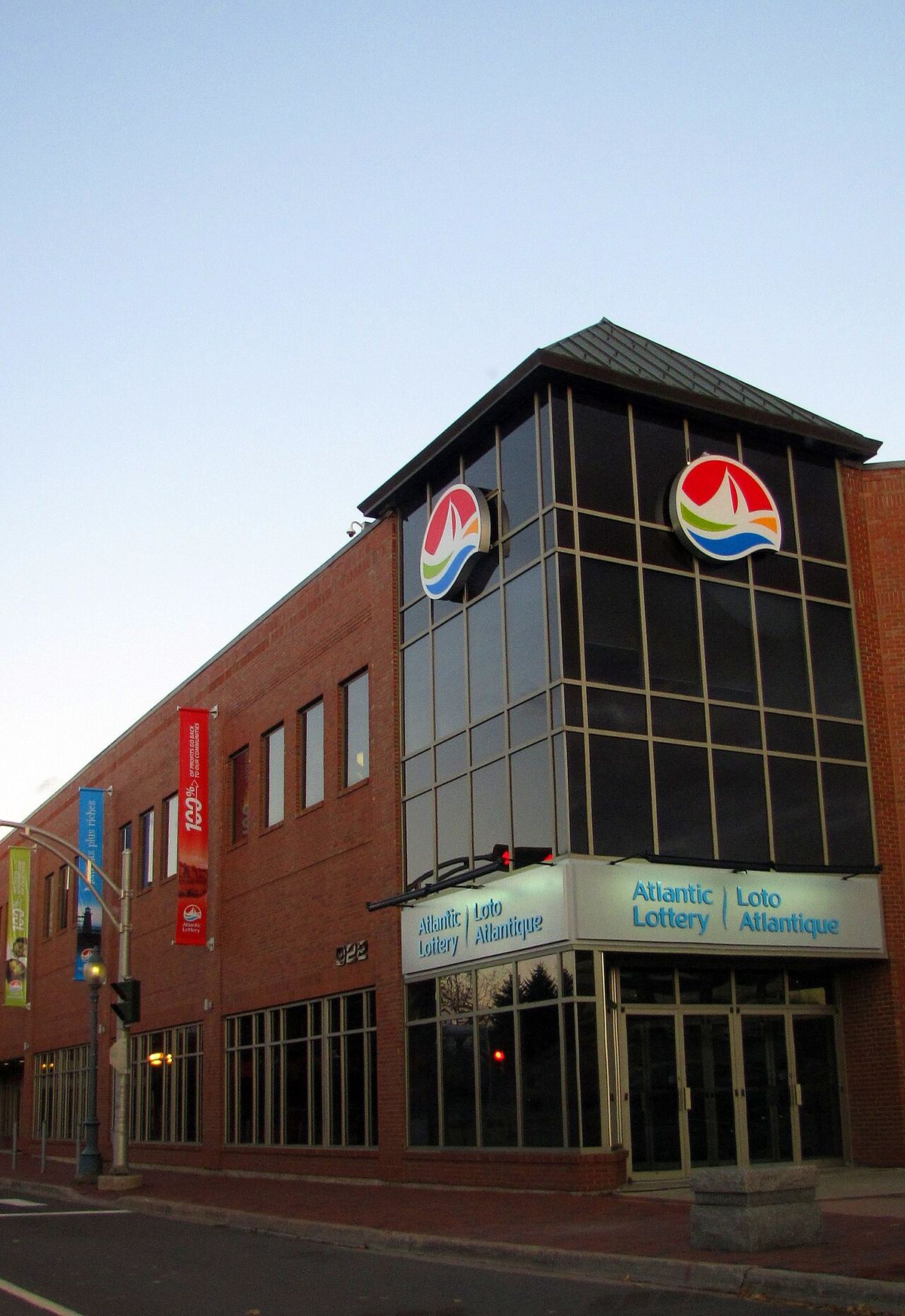
Manitoba's regulator is the Liquor, Gaming and Cannabis Authority of Manitoba (LGCA), with the Manitoba Liquor & Lotteries Corporation as the operator. Ontario has the most open system, regulated by the Alcohol and Gaming Commission of Ontario (AGCO), which registers and oversees private operators for online casino gaming and sports betting. Quebec's regulator is Loto-Québec, which operates all gambling in the province. The Atlantic Lottery Corporation serves the four Atlantic provinces, with each having its own subsidiary regulatory body.
| Province/Territory | Primary Regulator | Key Operating Entity |
|---|---|---|
| British Columbia | Gaming Policy & Enforcement Branch (IGCO from 2026) | British Columbia Lottery Corporation (BCLC) |
| Alberta | Alberta Gaming, Liquor & Cannabis Commission (AGLC) | PlayAlberta (AGLC) |
| Saskatchewan | Saskatchewan Liquor and Gaming Authority (SLGA) | Saskatchewan Indian Gaming Authority (SIGA) |
| Manitoba | Liquor, Gaming & Cannabis Authority of Manitoba (LGCA) | Manitoba Liquor & Lotteries |
| Ontario | Alcohol and Gaming Commission of Ontario (AGCO) | Multiple registered private operators |
| Quebec | Régie des alcools, des courses et des jeux (RACJ) | Loto-Québec |
| Atlantic Provinces | Individual provincial bodies | Atlantic Lottery Corporation |
Recent and Upcoming Regulatory Changes
The Canadian gambling regulatory environment is dynamic, with provinces continually updating laws to address new technologies and emerging risks. The most significant upcoming change is the implementation of British Columbia's new Gaming Control Act on April 13, 2026. This legislation establishes a stronger framework to prevent money laundering and fraud, creates the independent IGCO, and updates fee structures for the industry. The act incorporates recommendations from independent reviews and is designed to address evolving gaming technologies and online gambling. The IGCO will have a general manager empowered to make and enforce regulations.
This follows the launch of Ontario's regulated iGaming market in 2022, which initially featured 22 registered legal sites. Nationally, a trend towards tighter compliance and enforcement is evident, with regulators paying increased attention to novel verticals like prediction markets and crypto casinos. The B.C. regulator's 2025 statement clarifying that prediction market trading is unregulated gambling exemplifies this trend. The legal gambling market was estimated at $335 billion globally in 2009.
Responsible Gambling and Consumer Protection
A core component of provincial gambling regulation is the promotion of responsible gambling and the protection of consumers. All regulated operators in Canada are required to provide tools and resources to help players gamble responsibly. These typically include options for self-imposed deposit limits, loss limits, time-out periods, and self-exclusion programs. Provinces fund public awareness campaigns and treatment services for problem gambling using a portion of gambling revenue. For example, the Gambling Support BC program, which will be administered by the new IGCO, delivers outreach and treatment services. Similar programs exist across the country, such as the Responsible Gambling Council in Ontario and the Aide aux joueurs et joueuses service in Quebec.
The consumer protection offered by regulated provincial platforms is a key reason authorities encourage their use over offshore sites. Regulated operators must ensure game fairness through certified random number generators, protect player funds, offer clear terms and conditions, and provide accessible channels for dispute resolution. They are also subject to anti-money laundering reporting requirements. The legal age to gamble is strictly enforced by regulated operators, requiring age verification to prevent underage participation. Most jurisdictions that allow gambling require participants to be above a certain age, which varies by location.
Historical and Social Context of Gambling
Gambling has a long history, with evidence of dice games dating to 3000 BCE in Mesopotamia and regulated gambling houses existing in China over two millennia ago. In Europe, the first known casino, the Ridotto, opened in Venice, Italy in 1638. Gambling was introduced to Canada by European settlers and, for much of its early history, was largely prohibited or operated illegally. The modern era of government-regulated gambling began with the 1969 Criminal Code amendments. This shift reflected a broader global trend of governments moving from prohibition to regulation and taxation.
Social and religious views on gambling have historically influenced its regulation. Many world religions, including Islam, Buddhism, and several Christian denominations, discourage or forbid gambling due to concerns about greed, addiction, and social harm. These views have contributed to the cautious and regulated approach taken in many societies, including Canada. The primary social concerns addressed by modern regulation are problem gambling and its associated impacts, such as financial hardship and family strife, as well as the potential for gambling venues to facilitate criminal activities like money laundering.
- Ancient Origins: Dice from 3000 BCE Mesopotamia. Gambling houses in ancient China.
- European Development: First casino (Ridotto) in Venice, Italy, 1638.
- Canadian Legal Shift: 1969 Criminal Code amendments allowed government lotteries.
- Provincial Devolution: 1985 transfer of regulatory power to provinces.
- Social Concerns: Problem gambling, addiction, and financial crime are key regulatory drivers.
Questions about Gambling
What is the legal gambling age in Canada?
The legal gambling age in Canada is determined by each province and territory. In Alberta, Manitoba, and Quebec, the legal age is 18. The legal age in other provinces and territories is set by provincial law. This age applies to all forms of legal gambling, including casino entry, lottery ticket purchases, and online betting on regulated platforms.
Is online gambling legal in Canada?
Yes, online gambling is legal in Canada when conducted through platforms regulated by a provincial or territorial government. Each province operates or authorizes its own online gambling sites, such as PlayNow in B.C., PlayAlberta, and Mise-o-jeu in Quebec. Ontario has an open regulated market where many private operators are licensed by the AGCO. Offshore gambling sites are accessible but are not regulated by Canadian authorities, and players have no provincial recourse if issues arise.
Who regulates gambling in Canada?
Gambling in Canada is primarily regulated by provincial and territorial governments. The federal Criminal Code sets the basic legal framework, but operational and regulatory authority was delegated to the provinces in 1985. Each province has its own regulatory body, such as the AGCO in Ontario, the AGLC in Alberta, and the Gaming Policy and Enforcement Branch in British Columbia. These bodies license operators, enforce rules, ensure game integrity, and fund responsible gambling programs.
What is the new gambling law in British Columbia for 2026?
British Columbia's new Gaming Control Act comes into effect on April 13, 2026. This law establishes an updated regulatory framework to better prevent money laundering and fraud. It creates a new independent regulator, the Independent Gambling Control Office (IGCO), which will oversee all gambling in the province. The IGCO will have enhanced powers to make and enforce regulations, address problem gambling, and combat unlawful activity in both physical casinos and online gambling.
Are prediction markets like Polymarket legal in Canada?
The legality of prediction markets varies by province. In British Columbia, the Independent Gambling Control Office has stated that trading on platforms like Polymarket and Kalshi, where contracts are based on sports or entertainment outcomes, is considered unregulated gambling and is therefore illegal. The only legal online gambling platform in B.C. is the provincially run PlayNow site. Other provinces may have different stances, but these markets generally operate in a regulatory grey area outside the officially sanctioned provincial gambling systems.
Where does gambling revenue go in Canada?
Revenue from government-regulated gambling in Canada is directed by the provincial and territorial governments. These funds are typically allocated to support public services and community priorities. Common beneficiaries include health care, education, infrastructure projects, community and charitable organizations, amateur sports, and responsible gambling prevention and treatment programs. The specific allocation varies by province, as each government decides how to use the proceeds from the gambling activities it conducts and manages within its jurisdiction.
Sources and further reading
- Gambling (Wikipedia)
- Preventing money laundering through stronger gambling regulation (news.gov.bc.ca)
- 2026 gambling predictions: Regulation and compliance (igamingbusiness.com)
- Prediction market trading is gambling according to B.C. regulator (saanichnews.com)
- Guide to Provincial Gambling Laws in Canada 2026 (livescore.com)
Checked by the Nosy Mag desk. Last updated 2026-11-10.