Lottery
A lottery is a form of gambling involving the random drawing of numbers for a prize. In Canada, lotteries are legal and provincially regulated, serving as significant revenue sources for governments and community initiatives. The national lottery landscape is managed by five regional corporations that collectively operate flagship games like Lotto 6/49 and Lotto Max. These games, alongside charitable lotteries, form a major part of Canadian gaming culture, with participation restricted to adults, typically 18 or 19 years of age depending on the province.
Ancient and Classical Origins
The earliest documented lottery activities date back to the Chinese Han dynasty between 205 and 187 BC, where keno slips were used. These early lotteries are believed to have helped finance major state projects, including construction of the Great Wall of China. References to games of chance appear even earlier in the Chinese Book of Songs from the 2nd millennium BC, describing a drawing of wood that likely involved lots. In the Roman Empire, lotteries were primarily held as dinner party amusements where each guest received a ticket guaranteeing a prize, often fancy dinnerware. The first known lottery offering tickets for sale was organized by Roman Emperor Augustus to raise funds for repairs in the City of Rome, with winners receiving articles of unequal value.
Development in Medieval Europe
The first recorded lotteries to sell tickets for money prizes emerged in the Low Countries during the 15th century. Towns like Ghent, Utrecht, and Bruges held public lotteries to raise money for fortifications and to aid the poor. A record from L'Ecluse on May 9, 1445, details a lottery with 4,304 tickets and total prize money of 1737 florins to build town walls. In the 17th century, Dutch lotteries became a common method to collect money for the poor and various public uses, hailed as a painless form of taxation. The Dutch state-owned Staatsloterij, established in 1726, is the oldest continuously running lottery in the world. The English word lottery derives from the Dutch noun lot, meaning fate. The first recorded Italian lottery was held on January 9, 1449, in Milan organized by the Golden Ambrosian Republic to finance the war against the Republic of Venice.
Early Modern Lotteries and State Adoption
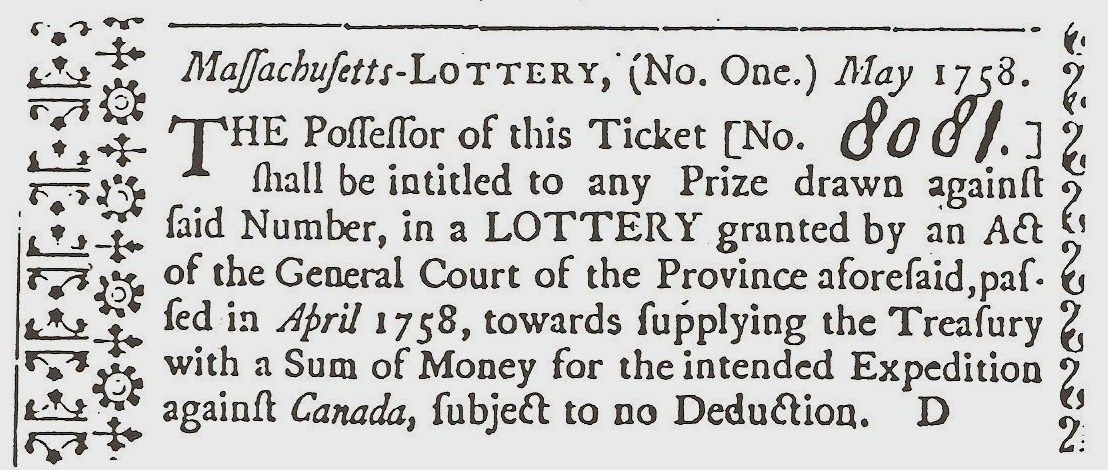
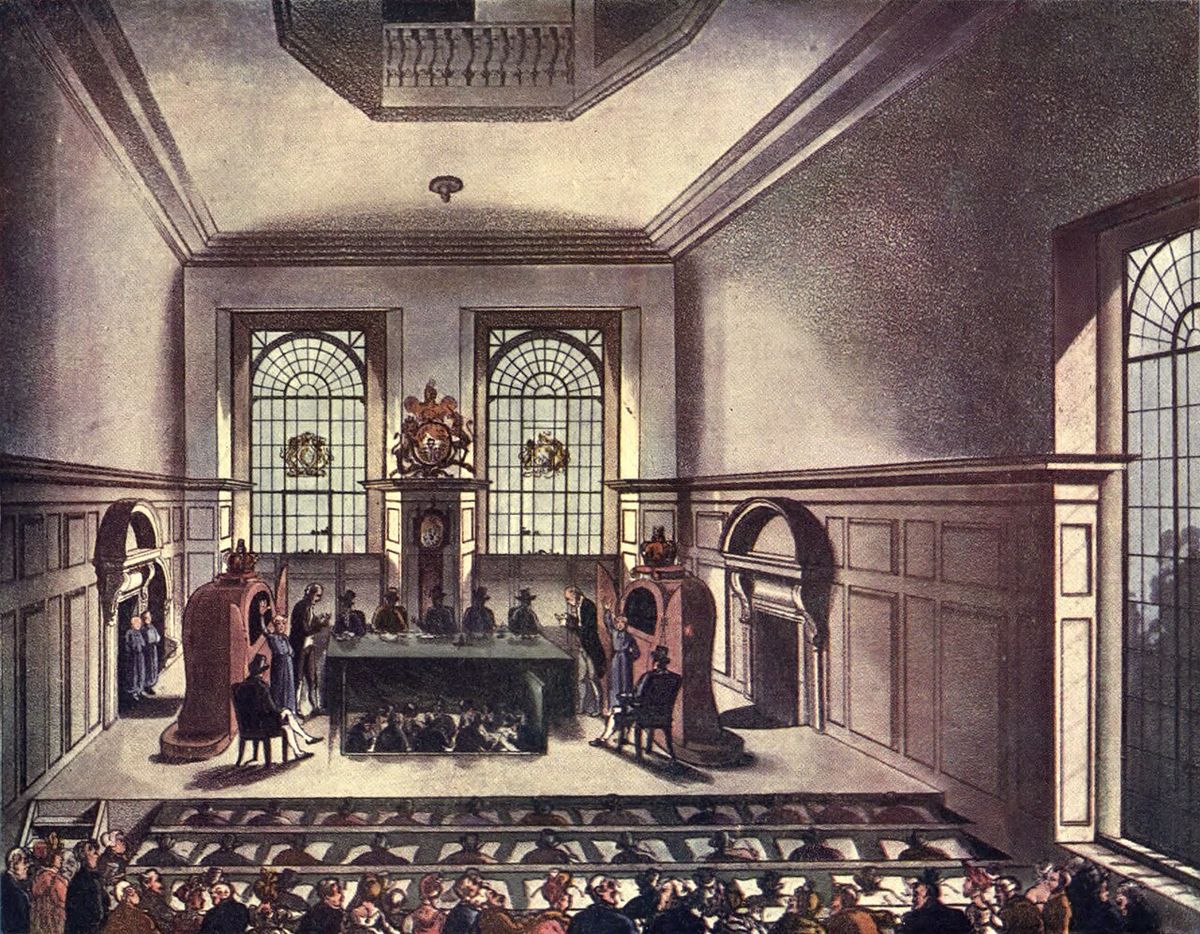
Following exposure during his Italian campaigns, King Francis I of France authorized the first French lottery, the Loterie Royale, in 1539, though its high ticket prices led to public opposition and initial failure. A more successful French state lottery ran from 1757 to 1836, with interruptions during the Revolution, conceived to fund the École militaire with involvement from figures like Giacomo Casanova. In England, the first official lottery was chartered by Queen Elizabeth I in 1566 and drawn in 1569, selling 400,000 tickets at ten shillings each to raise money for harbour repairs and the royal fleet. The English State Lottery operated from 1694 until 1826, with private lotteries also funding ventures like the Virginia Company's settlement at Jamestown. In the American colonies, over 200 lotteries were sanctioned between 1744 and 1776, financing roads, libraries, churches, and universities including Princeton, Columbia, and Pennsylvania. Benjamin Franklin organized a lottery to buy cannons for Philadelphia's defense, and George Washington managed a lottery advertising land and slaves as prizes.
Modern Lottery Operations in Canada
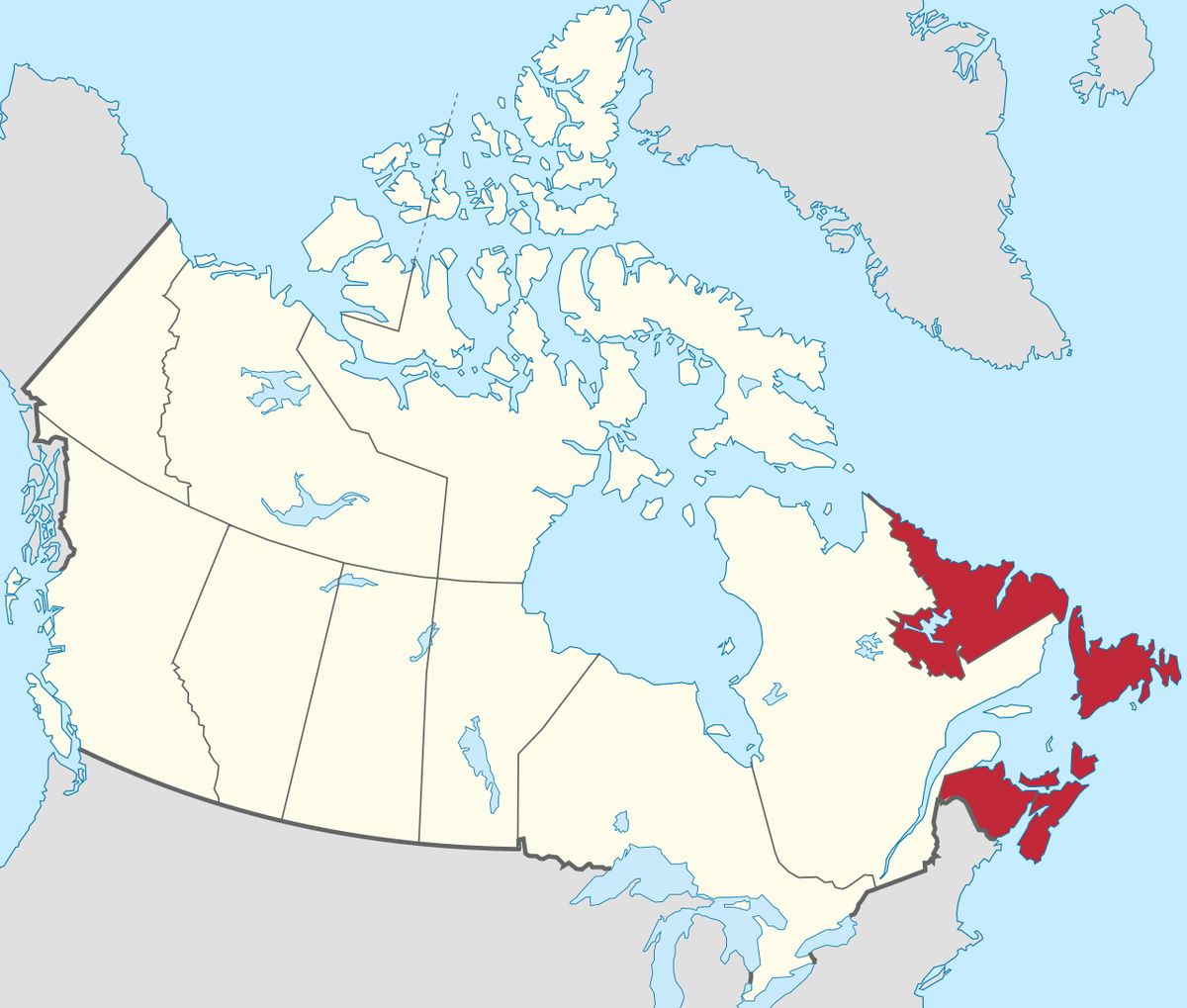
Canadian lotteries are administered by five regional government-owned corporations, each serving specific provinces and territories. The Atlantic Lottery Corporation serves Atlantic Canada, Loto-Québec operates in Quebec, the Ontario Lottery and Gaming Corporation (OLG) runs games in Ontario, the Western Canada Lottery Corporation serves Western and Northern Canada excluding British Columbia, and the British Columbia Lottery Corporation operates in B.C. These five corporations are members of the Interprovincial Lottery Corporation (ILC), a consortium that administers national games. The ILC oversees flagship draw games like Lotto 6/49 and Lotto Max, ensuring consistent rules and prize structures across the country. Each regional corporation also manages its own suite of draw games, instant scratch tickets, and sports betting products, often under brands like Sport Select. The legal age to purchase lottery tickets is 19 in most provinces, though it is 18 in Alberta, Manitoba, and Quebec.
The corporations use revenue from lottery sales to fund government programs, community projects, and charitable causes. For instance, the OLG contributes billions to the Ontario government, which allocates funds to healthcare, education, and infrastructure. Alongside the major draw games, numerous charitable lotteries are licensed to operate, such as the Dream Lottery supporting hospitals in London, Ontario, and the STARS Lottery Alberta funding air ambulance services. These charitable lotteries often offer high-value prizes like homes, cars, and cash to incentivize participation while directing proceeds to specific causes. The regional model allows for tailored games and responsible gambling messaging that meets provincial regulations and community standards.
- Atlantic Lottery Corporation: Serves Newfoundland and Labrador, Prince Edward Island, Nova Scotia, and New Brunswick.
- Loto-Québec: Founded in 1969, operates all lottery and gaming products in Quebec.
- Ontario Lottery and Gaming Corporation (OLG): Manages lottery, casinos, and online gaming in Ontario.
- Western Canada Lottery Corporation: Serves Manitoba, Saskatchewan, Alberta, Yukon, Northwest Territories, and Nunavut.
- British Columbia Lottery Corporation: Operates lottery and gaming in British Columbia.
Major Canadian Lottery Games
The Canadian lottery market is dominated by two national draw games administered by the Interprovincial Lottery Corporation: Lotto 6/49 and Lotto Max. A key feature of Lotto Max is the MAXMILLIONS draw, which creates additional $1 million prizes when the main jackpot reaches $50 million. The maximum jackpot for Lotto Max is capped at $90 million. The largest single jackpot in Canadian history was a $70 million Lotto Max prize won on January 7, 2020. Beyond these, each regional corporation offers its own array of games.
For example, the Atlantic Lottery Corporation runs Atlantic 49, a game with a guaranteed $25,649 prize every draw. Loto-Québec offers special event games. The OLG in Ontario operates games like Lottario, Ontario 49, and newer innovations like CASH POP, where players choose numbers from 1 to 15. Instant scratch tickets remain popular across all regions, with themes and price points ranging from one dollar to twenty dollars or more. Sports betting, primarily offered through Sport Select, allows wagering on professional sports outcomes. The odds of winning any prize in Lotto Max are approximately 1 in 7.0, while the odds of winning the jackpot are significantly longer, reflecting the large number of possible number combinations.
| Game | Selection Format | Draw Days | Top Prize Structure |
|---|---|---|---|
| Lotto 6/49 | Choose 6 numbers (1-49) | Wed & Sat | Jackpot starts at $5 million |
| Lotto Max | Choose 7 numbers (1-50) | Tue & Fri | Jackpot up to $90 million, plus MAXMILLIONS |
| Atlantic 49 | Choose 6 numbers (1-49) | Wed & Sat | $1 million top prize, guaranteed $25,649 prize |
Charitable and Hospital Lotteries
A significant segment of the Canadian lottery ecosystem consists of licensed charitable lotteries, which raise funds for specific non-profit organizations, hospitals, and foundations. These lotteries are often marketed as win-win propositions, offering participants the chance to win substantial prizes while supporting vital community services. The Dream Lottery, for example, supports hospitals in London, Ontario, and sells ticket packages that can include entries for additional 50/50 draws and calendar contests. Tickets for such lotteries are typically only available to residents of the province in which they are operated. The STARS Lottery Alberta raises funds for the Shock Trauma Air Rescue Service (STARS) air ambulance program, offering grand prizes that often include luxury homes, vehicles, and cash.
Other notable examples include the Roughrider & Children's Hospital Foundations Lottery in Saskatchewan. These lotteries operate under strict provincial gaming regulations, with a significant portion of ticket revenue directed to the charitable cause after prize payouts and operational expenses. Marketing for these lotteries emphasizes the tangible benefits of the funds raised, such as new medical equipment or expanded emergency services. Participation is restricted to adults, and responsible gambling messages are prominently displayed, often including contact information for problem gambling helplines like the Ontario Problem Gambling Helpline at 1-866-531-2600. The success of these lotteries relies on high-value prize packages that attract ticket sales, ensuring a substantial financial return for the supported charities.
- Dream Lottery: Supports hospitals in London, Ontario. Tickets require Ontario residency.
- STARS Lottery Alberta: Funds the STARS air ambulance service. Features home and vehicle prizes.
- Roughrider & Children's Hospital Foundations Lottery: A Saskatchewan lottery supporting children's healthcare.
- Operation: Licensed by provincial gaming authorities, with proceeds directed to specific charities.
- Eligibility: Typically restricted to residents of the hosting province, with age 18+ or 19+.
- Responsible Gambling: Prominently features help line numbers and age restrictions.
Global Lottery Context and Notable Games
Lotteries operate in various formats worldwide, often serving as government-sanctioned revenue tools. In the United States, state lotteries became common again in the mid-20th century after a long period of prohibition. Spain operates one of the world's largest lottery events, the Sorteo Extraordinario de Navidad (Christmas Lottery), which dates back to 1812. Known for its massive prize pool, the top prize category, called El Gordo, distributed €720 million among 180 winning tickets in 2012. In Finland, the national lottery is operated by Veikkaus, with draws held weekly, and the country also participates in the multinational Vikinglotto game with other Nordic and Baltic nations. Australia's first government lottery, the Golden Casket Art Union, began in 1916 to raise funds for World War One veterans.
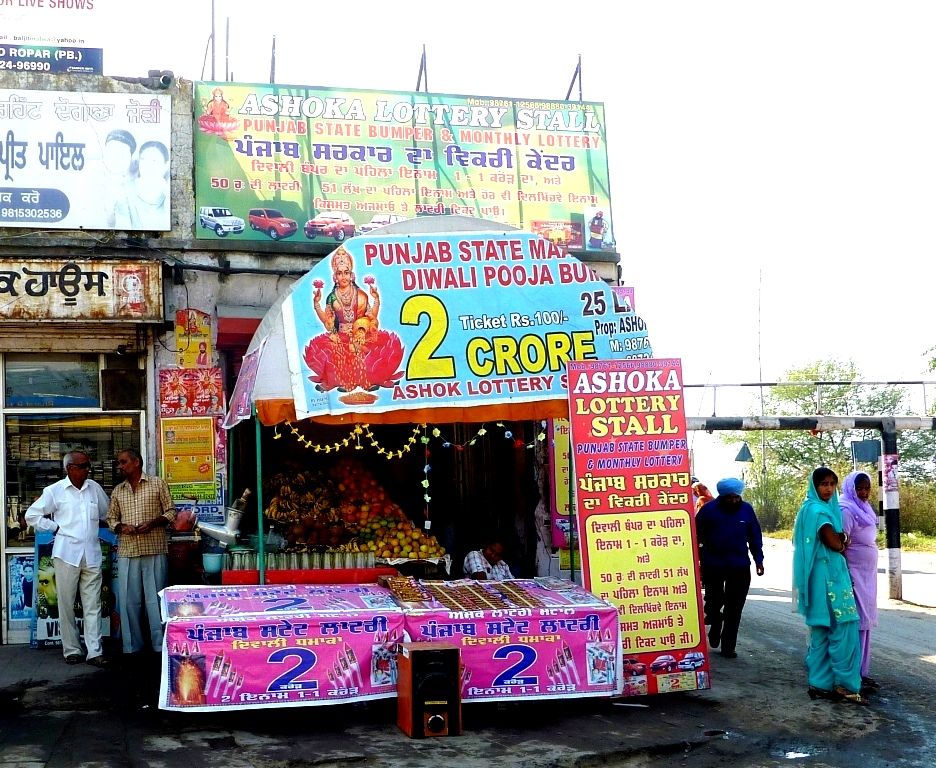
In many countries, lotteries have deep historical roots. The Mexican Lotería Nacional dates to the late 18th century, aiming to create jobs and redistribute wealth. India has a mixed landscape where only 13 of its 28 states allow government-run lotteries, with the Kerala State Lotteries, established in 1967, being a pioneer. Thailand's first lottery was held in 1874 during the reign of King Chulalongkorn. A common global regulatory theme is the prohibition of sales to minors and the licensing of vendors. The fundamental mechanics often involve players selecting numbers, with prizes funded by a fixed percentage of ticket sales, such as the common 50 to 50 draw where half the revenue forms the prize pool. The internet has expanded access, allowing players in some jurisdictions to participate in international lottery games through licensed agents.
Regulation and Responsible Play
Lottery regulation in Canada is a provincial responsibility, with each regional corporation established by provincial statute. The rules governing lottery games, including prize structures, odds, and ticket validation, are published by each corporation. These rules are subject to change, and corporations reserve the right to modify game conditions. A core regulatory principle is that lottery games are intended for adult entertainment only. The legal age to play is 19 in most provinces, including Ontario, British Columbia, and the Atlantic provinces, while it is 18 in Alberta, Manitoba, and Quebec. Retailers are prohibited from selling tickets to minors, and age verification is required for online play. Responsible gambling is a mandated component of operations, with corporations funding public awareness campaigns and problem gambling support services.
Each provincial corporation provides resources for responsible play, often under a branded program like OLG's PlaySmart. These initiatives educate players on budgeting, the odds of winning, and the signs of problem gambling. Help lines are widely advertised, such as the Ontario Problem Gambling Helpline available at 1-866-531-2600. For players, it is important to check official sources for winning numbers, as retailers provide in-store ticket checkers and official lists. Unclaimed prizes do occur. In Finland, for example, an average of six million euros in lottery winnings goes unredeemed annually. In Canada, unclaimed prizes typically revert to the provincial corporation and are often redirected into prize pools for future games or to government revenues as stipulated by law. The overarching framework ensures lotteries operate as controlled, legal forms of gambling that contribute to public coffers while mitigating potential harm.
Questions about Lottery
What are the winning numbers for Lotto Max?
Winning numbers for Lotto Max are drawn every Tuesday and Friday. Players should check official sources such as lottery corporation websites, mobile apps, or in-store ticket checkers for the most accurate and up-to-date results. Historical draws are also available on official sites by selecting a past draw date. The Ontario Lottery and Gaming Corporation provides a winning numbers line for verification, though specific numbers change with each draw.
What is the biggest lottery jackpot ever won in Canada?
The largest single jackpot in Canadian lottery history was a $70 million Lotto Max prize won on January 7, 2020. Lotto Max jackpots start at $10 million and can grow to a maximum cap of $90 million. When the main jackpot reaches $50 million, additional $1 million MAXMILLIONS prizes are created. The previous record highlights the significant prize potential of Canada's national lottery games, which are administered by the Interprovincial Lottery Corporation.
How do I play Lotto 6/49?
To play Lotto 6/49, select six numbers from a range of 1 to 49 on a play slip, or opt for a Quick Pick where the numbers are randomly generated. Draws are held every Wednesday and Saturday at 11:30 PM Eastern Time. The jackpot starts at $5 million and grows until it is won. Tickets can be purchased at authorized retailers across Canada or online through provincial lottery corporation websites where available.
Can I buy lottery tickets online in Ontario?
Yes, residents of Ontario who are 19 years of age or older can purchase lottery tickets online through the Ontario Lottery and Gaming Corporation's website. The OLG offers online sales for draw games like Lotto Max, Lotto 6/49, and instant digital games. Players must create an account and be physically located within Ontario at the time of purchase. The same restrictions apply to charitable lotteries like Dream Lottery, which require purchasers to verify they are physically in Ontario.
What is Dream Lottery and who does it support?
Dream Lottery is a charitable lottery in Ontario that raises funds for hospitals in London, Ontario. It markets itself as a win-win where participants have a chance to win prizes while supporting healthcare. Tickets are sold in packages, and purchases may include entries into additional 50/50 draws. The lottery is intended for Ontario residents only, and buyers must verify they are physically in the province.
What happens to unclaimed lottery prizes in Canada?
Unclaimed lottery prizes in Canada are governed by provincial rules. Typically, winners have a set period, often one year from the draw date, to claim their prize. If a prize goes unclaimed, the funds usually revert to the provincial lottery corporation. These funds may be allocated to future prize pools, returned to the government as revenue, or directed to community initiatives as per the corporation's mandate. Players are encouraged to check their tickets promptly and use official channels to verify results.
Sources and further reading
- Lottery (Wikipedia)
- Winning Numbers (olg.ca)
- Dream Lottery | Supporting London's hospitals in Ontario (dreamitwinit.ca)
- LOTTO MAX (sasklotteries.ca)
Checked by the Nosy Mag desk. Last updated 2026-11-07.