Roulette
Roulette is a casino game of chance named after the French word for 'little wheel'. Players bet on which numbered pocket a small ball will land in on a spinning wheel. The game offers a variety of betting options. In Canada, roulette is available at land-based casinos and online gambling sites, with European, American, and French variants common. Its history is linked to gambling's evolution in Europe and North America.
History and Origins
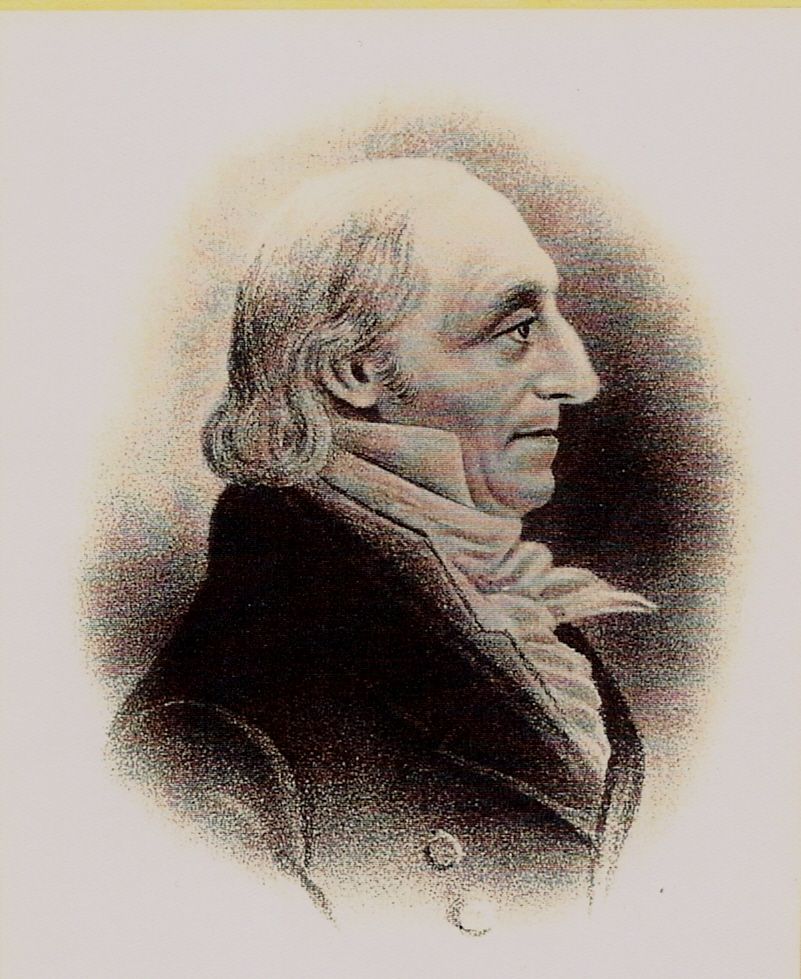
The origins of roulette can be traced to 18th-century France. Many historians believe Blaise Pascal introduced a primitive form in the 17th century during his search for a perpetual motion machine. The roulette mechanism is a hybrid of a gaming wheel invented in 1720 and the Italian game Biribi. The game has been played in its present form since as early as 1796 in Paris. An early description is found in the 1801 French novel La Roulette, ou le Jour by Jaques Lablee, which describes a wheel at the Palais Royal. This description included the house pockets zero and double zero. A reference to a game called roulette was published in regulations for New France (Québec) in 1758, which banned the games of 'dice, hoca, faro, and roulette'. The wheels used in Paris in the late 1790s had red for the single zero and black for the double zero. Green was adopted for the zeros in the 1800s to avoid confusion.
The game evolved in 1843 when Frenchmen François and Louis Blanc introduced the single-zero wheel at the casino in Bad Homburg, Germany. This version offered better odds to players. When gambling was discontinued in Bad Homburg in the 1860s, the Blanc family moved to Monte Carlo, establishing it as a gambling destination and cementing the single-zero wheel as the premier game in Europe. The double-zero wheel traveled from New Orleans up the Mississippi River and across the United States. In some forms of early American roulette wheels, there were numbers 1 to 28, plus a single zero, a double zero, and an American Eagle slot, which was a house slot that gave the casino an extra edge. This tradition later vanished. In American gambling dens, cheating led to the wheel being placed on top of the table and the betting layout being simplified, creating the American roulette style. During the first part of the 20th century, the notable casino towns were Monte Carlo with the single zero wheel and Las Vegas with the American double zero wheel. In the 1970s, casinos began to flourish worldwide. The first online casino, InterCasino, launched in 1996. By 2008, there were several hundred casinos worldwide offering roulette. The double zero wheel is found in the United States, Canada, South America, and the Caribbean, while the single zero wheel is predominant elsewhere.
Gameplay and Equipment
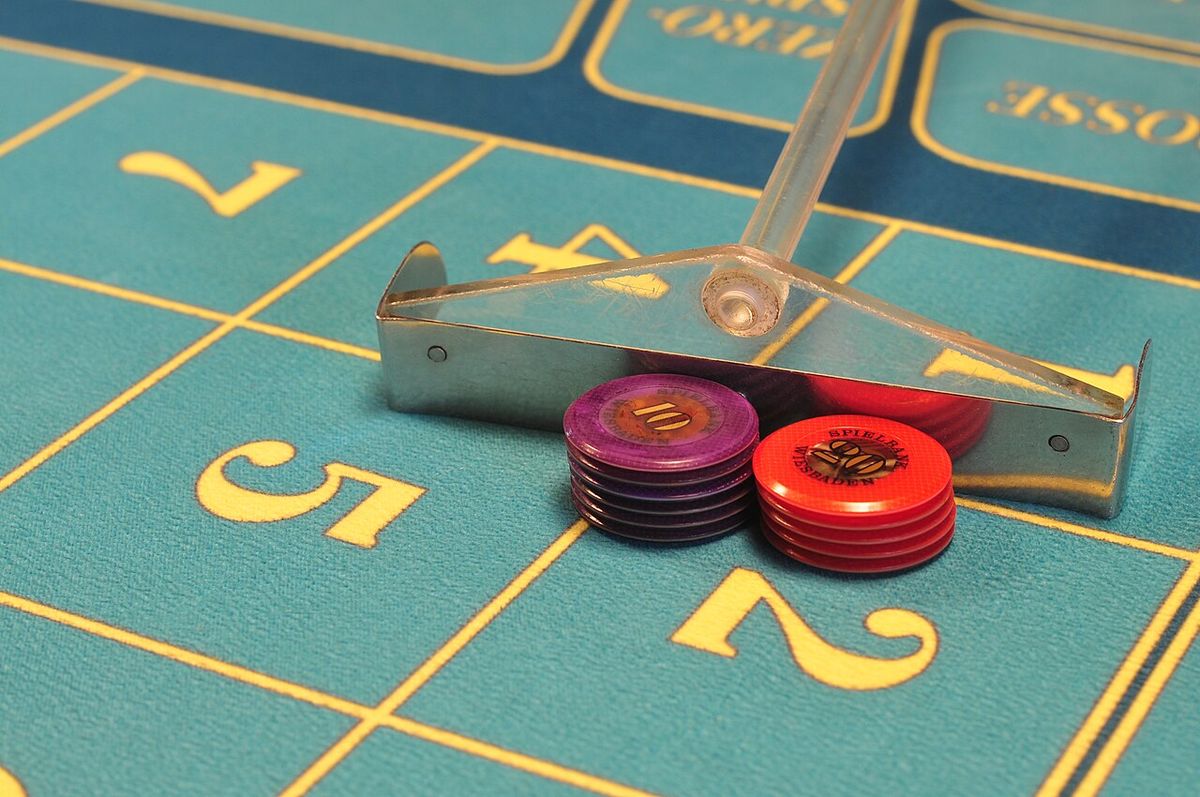
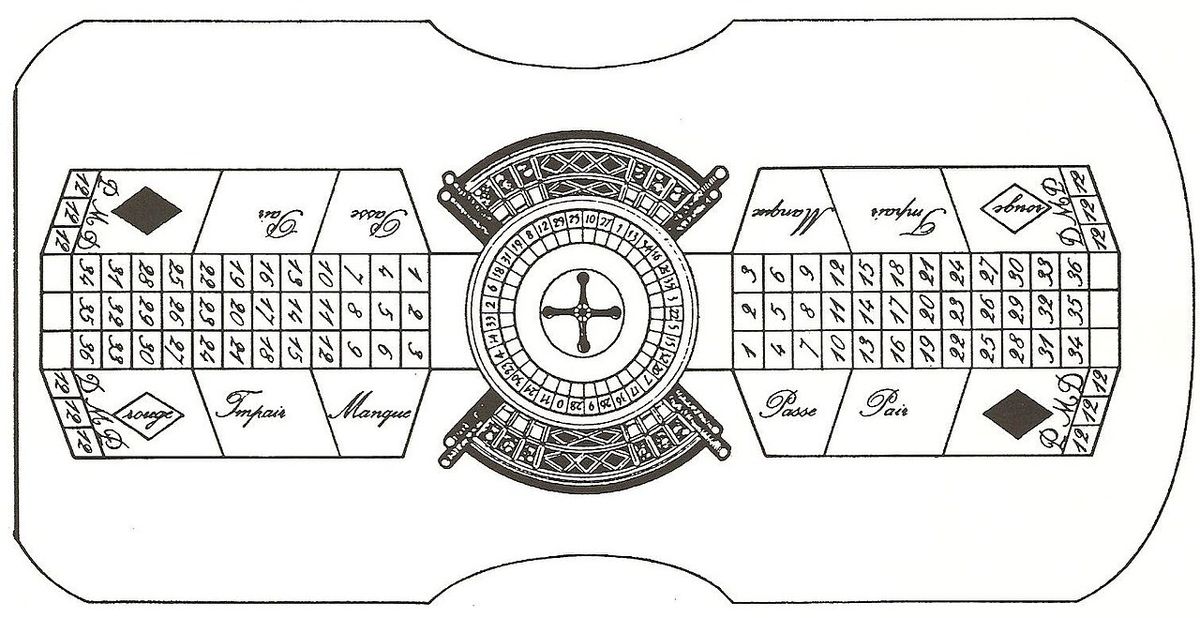
A standard roulette setup consists of a wheel, a ball, and a betting layout cloth known as the table. The wheel contains numbered and coloured pockets. The croupier spins the wheel in one direction, then spins the ball in the opposite direction around a tilted track on the wheel's outer edge. Players place bets on the table layout, which corresponds to the numbers and betting options on the wheel. Bets can be placed until the dealer announces 'no more bets' or 'rien ne va plus'. The ball loses momentum, falls through deflectors, and lands in one of the wheel's pockets. The winning number and colour are determined, and the dealer places a marker, called a dolly, on the winning number. All losing bets are collected, and winning bets are paid out. The sequence of numbers on the wheel is not sequential but follows a specific alternating pattern. The two primary wheel types are the European (single-zero) and American (double-zero). The European wheel has 37 pockets: numbers 1 to 36 (alternating red and black) and a single green zero. The American wheel has 38 pockets: numbers 1 to 36, a single green zero (0), and a double green zero (00). A triple-zero wheel with a 000 pocket also exists. The table layout mirrors the wheel's structure. The European-style layout has a single zero, while the American layout has both a zero and double zero. The American-style table typically has the wheel at one end, whereas the traditional French table has the wheel in the centre with a layout on either side, a design now rare outside Monte Carlo. In California, traditional roulette is illegal, but a house-banked card game called California roulette uses a randomized 38-card deck inside a wheel to approximate the odds.
Types of Bets and Payouts
Roulette bets are categorized as inside bets and outside bets. Inside bets are placed on specific numbers or small groups of adjacent numbers on the layout. These bets offer higher payouts but lower probabilities of winning. Outside bets are placed on larger groupings defined by properties like colour or parity. These bets offer lower payouts but better odds. The presence of the zero means most outside bets lose when the ball lands on zero, unless special rules like la partage or en prison are in effect. Inside bets include a straight-up bet on a single number, a split bet on two adjacent numbers, a street bet on three numbers in a row, a corner bet on four adjoining numbers, and a line bet on six numbers. Outside bets include betting on red or black, odd or even, numbers 1-18 (low) or 19-36 (high), a dozen (1-12, 13-24, or 25-36), or a column of 12 numbers. A special bet known as the snake bet covers the red numbers 1, 5, 9, 12, 14, 16, 19, 23, 27, 30, 32, and 34, but it is not available in all casinos. The payout for a winning straight-up bet is 35 to 1. A winning even-money outside bet pays 1 to 1. The expected value of a $1 bet for American roulette is -$0.0526 and for European roulette is -$0.0270, demonstrating the house edge.
- Straight Up: Bet on a single number. Payout: 35 to 1.
- Split: Bet on two adjacent numbers. Payout: 17 to 1.
- Street: Bet on three numbers in a row. Payout: 11 to 1.
- Corner: Bet on four adjoining numbers. Payout: 8 to 1.
- Line: Bet on six numbers. Payout: 5 to 1.
- Column/Dozen: Bet on 12 numbers. Payout: 2 to 1.
- Even-Money Bets: Red/Black, Odd/Even, High/Low. Payout: 1 to 1.
House Edge and Game Mathematics
The house edge is the mathematical percentage the casino expects to retain from all bets over the long term. It is derived from the presence of the zero pockets. The edge varies between roulette variants. For European roulette with a single zero, the house edge on most bets is 2.70 percent. For American roulette with both a single and double zero, the house edge is 5.26 percent on most bets. A triple-zero wheel carries a house edge of 7.69 percent. The edge can be reduced on even-money outside bets in French roulette through two special rules. The en prison rule imprisons a losing even-money bet when zero hits. The bet remains for the next spin, and if it wins then, the original stake is returned. The la partage rule returns half the player's stake on a losing even-money bet when zero hits. When either rule is applied, the effective house edge on those bets on a single-zero wheel drops to approximately 1.35 percent. The mathematical model of roulette demonstrates that the expected value is always negative and independent of the bet type chosen. For a roulette wheel with n green numbers and 36 other unique numbers, the average return on a player's bet is 36/(36+n), which is always less than 1 for n>0. No betting system can overcome the house edge in the long run.
| Wheel Type | Number of Pockets | House Edge (Standard) |
|---|---|---|
| European | 37 (0-36) | 2.70% |
| American | 38 (0, 00, 1-36) | 5.26% |
| French (with La Partage/En Prison) | 37 (0-36) | 1.35% on even-money bets |
| Triple-Zero | 39 (0, 00, 000, 1-36) | 7.69% |
Announced or Call Bets
Many casinos offer advanced wagers known as announced bets or call bets. These cover specific sections of the wheel based on the physical arrangement of numbers. An announced bet requires the player to place money immediately, while a call bet is placed on credit, which is illegal in many jurisdictions like the United Kingdom. Common announced bets are known as French bets and the German bet. The Voisins du Zéro covers the 17 numbers that lie between 22 and 25 on a single-zero wheel, requiring a minimum of nine chips placed on specific splits, corners, and trios. The series is 22-18-29-7-28-12-35-3-26-0-32-15-19-4-21-2-25. The Tiers du Cylindre covers the 12 numbers on the opposite side of the wheel from the zero, between 27 and 33, placed as six split bets. The series is 27-13-36-11-30-8-23-10-5-24-16-33. The Orphelins bet covers the remaining eight numbers not covered by the Voisins and Tiers bets, comprising 17-34-6 and 1-20-14-31-9. The Jeu Zéro or Zero Spiel is a German bet focusing on the numbers closest to zero, usually placed as a combination of splits and a straight-up bet on number 26. The numbers bet on are 12-35-3-26-0-32-15. Not all casinos offer these bets.
Roulette in the Canadian Online Context
Online roulette is popular in Canada, with numerous licensed sites offering many game variants. Canadian players have access to games from major software providers like Evolution Gaming and Pragmatic Play Live. Reputable online casinos for Canadian players are licensed by authorities such as the Malta Gaming Authority, the UK Gambling Commission, or the Kahnawake Gaming Commission. Key factors for players include the variety of the roulette lobby, bonus wagering requirements, deposit and withdrawal methods like Interac, and live dealer streaming quality. Responsible gambling tools such as deposit, loss, and session limits are critical features. Online casinos provide both Random Number Generator digital roulette games and live dealer roulette. The selection of variants has expanded. Popular online variants include Lightning Roulette, where random numbers receive multiplied payouts of up to 500x, and Double Ball Roulette, which uses two balls per spin with adjusted odds. Other innovations include Speed Roulette and game show-style experiences. For Canadian players, European or French roulette tables are generally advisable due to the lower house edge. Welcome bonuses often have wagering requirements where roulette bets may contribute only 10% to 20% compared to slot games.
- European Roulette: The standard online variant with a single zero and a 2.70 percent house edge.
- French Roulette: Features the La Partage or En Prison rule, reducing the edge on even-money bets to about 1.35 percent.
- American Roulette: Features a double-zero wheel with a 5.26 percent house edge.
- Lightning Roulette: A live dealer game where random Lucky Numbers receive multiplied payouts.
- Double Ball Roulette: Uses two balls per spin with adjusted payout odds.
- Live Dealer Roulette: Streams a real table and croupier.
Strategy and Responsible Play
Roulette is a game of chance with a fixed house edge. Players often employ betting strategies to manage their bankroll. Common systems include the Martingale strategy, where a player doubles their bet after a loss, and the Paroli system, which involves increasing bets after wins. The Labouchère system uses a series of numbers to determine bet amounts. The d'Alembert system adds one unit after a loss and subtracts one after a win. No strategy can alter the underlying odds or guarantee long-term profits, as each spin is independent and the expected value is negative. The American mathematician Patrick Billingsley stated no betting system can convert a subfair game into a profitable enterprise. Responsible gambling is paramount. In Canada, the legal age for gambling is 19 years old, except in Alberta, Manitoba, and Quebec where it is 18. Players should only gamble with money they can afford to lose. Reputable online casinos provide tools including deposit limits, loss limits, session timers, and self-exclusion options. Players should be aware of bonus terms and conditions, particularly wagering requirements which can be difficult to meet when playing roulette.
Questions about Roulette
What is the difference between European and American roulette?
The primary difference is the wheel layout and the resulting house edge. European roulette has a wheel with 37 pockets: numbers 1 through 36 and a single green zero. American roulette has 38 pockets: numbers 1 through 36, plus a single zero and a double zero, both green. The extra double zero in American roulette increases the house edge from 2.70 percent to 5.26 percent on most bets. This makes European roulette the statistically better choice for players seeking lower casino advantage.
What is French roulette and how is it different?
French roulette uses a single-zero wheel identical to European roulette. Its key distinction is the application of one of two special rules when the ball lands on zero for even-money outside bets. Under the La Partage rule, the player loses only half their bet. Under the En Prison rule, the bet is imprisoned for the next spin and returned if it wins. These rules reduce the house edge on those even-money bets to approximately 1.35 percent. Consequently, French roulette is considered the most player-friendly common variant.
What is a live dealer roulette game?
Live dealer roulette is an online casino game that streams a real roulette table and a human croupier to players in real time over the internet. Players place bets using a digital interface, but they watch a live video feed of the physical wheel being spun and the ball landing. This format bridges the gap between online RNG games and the authentic atmosphere of a land-based casino. Popular providers like Evolution Gaming offer numerous live roulette variants, including classic tables and innovative games like Lightning Roulette.
What is the legal gambling age for roulette in Canada?
The legal age for gambling on roulette in Canada is 19 years old in most provinces and territories. The exceptions are Alberta, Manitoba, and Quebec, where the legal age is 18. This applies to both land-based casinos and online gambling sites that are licensed to accept Canadian players. It is the player's responsibility to ensure they meet the age requirement for their jurisdiction before participating. These age restrictions are enforced to promote responsible gambling practices.
Can you really win at roulette with a strategy?
No strategy can overcome the inherent house edge in roulette, as the game's mathematical model ensures the casino has an advantage. The expected value for a player is negative, meaning more bets lead to more losses on average regardless of the betting system used. While strategies like the Martingale or Paroli can structure gameplay, they cannot change the fundamental odds, which are based on the number of pockets on the wheel. Several roulette strategy systems have been developed despite these losing odds, but they do not alter the probability in the player's favour.
What are the best online roulette casinos in Canada?
The best online roulette casinos in Canada are those that are licensed and reputable, offering a wide variety of games. Players should look for platforms featuring numerous roulette variants, such as American, European, and French roulette. Many sites also provide live dealer tables and allow practice with free games. It is important to choose casinos licensed by recognized authorities like the Kahnawake Gaming Commission to ensure safe and legal play. These casinos often facilitate comparisons between different real money roulette sites to help players make informed choices.
Sources and further reading
- Roulette (Wikipedia)
- Top Online Roulette Sites in Canada 2026: Real Money Games (livescore.com)
- Best Online Roulette Casino 2026 - Play 250+ Free Roulette Games (roulette.com)
- Best Roulette Casinos Canada 2026 | Real Money, Free Play & Fast Payouts (rg.org)
Checked by the Nosy Mag desk. Last updated 2026-11-10.