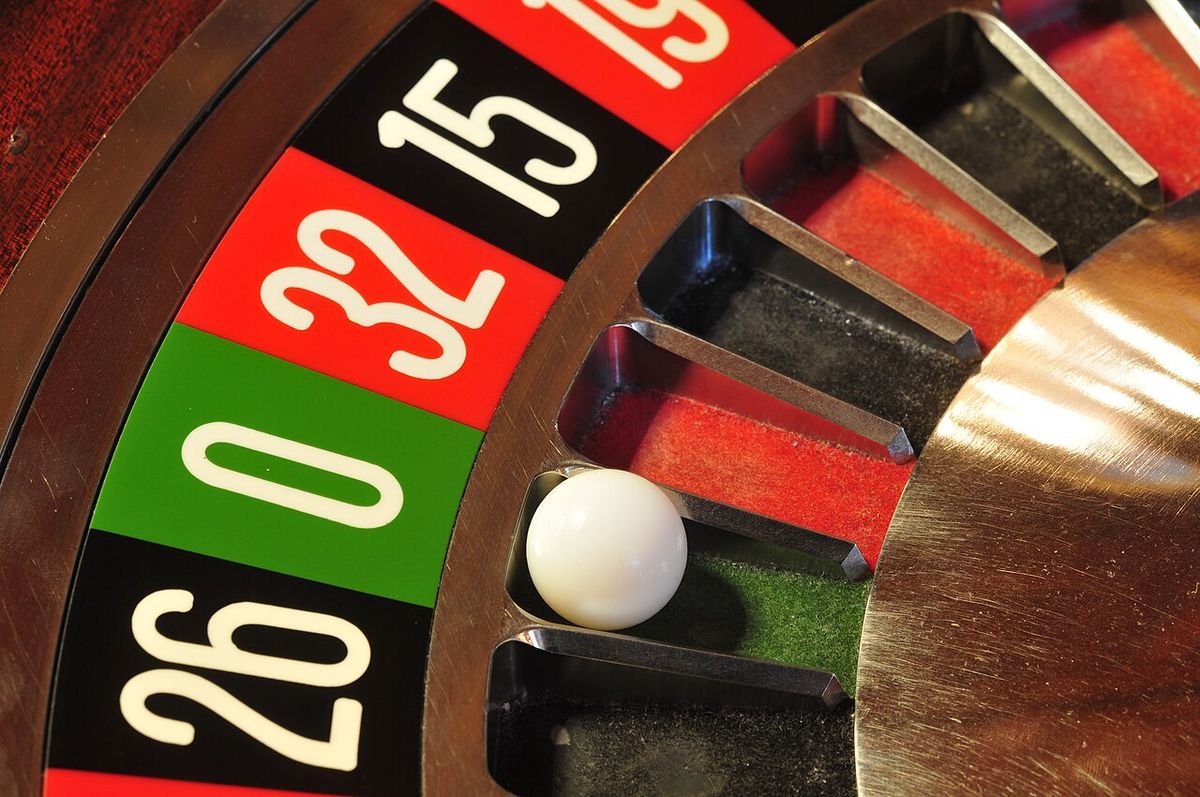
French roulette
French roulette is a classic casino table game distinguished by its single-zero wheel and unique set of rules that lower the house edge for players. It is nearly identical to European roulette but is characterized by its French-language betting layout and the application of special rules like La Partage and En Prison on even-money wagers. For Canadian players, it is widely available at online casinos as both a live dealer and software-based game, offering a mathematically favourable option compared to American roulette. Its combination of traditional gameplay and player-friendly mechanics has cemented its status as a preferred variant among discerning roulette enthusiasts.
Origins and Historical Development
The origins of roulette are debated, with theories linking it to ancient Chinese or Roman games. The modern game is widely credited to 17th-century French mathematician and philosopher Blaise Pascal, who is associated with the invention of an early wheel mechanism featuring 36 numbers. The game developed further in France throughout the 18th and 19th centuries. A major evolution occurred at the end of the 19th century when French brothers François and Louis Blanc are credited with adding the single zero pocket to the wheel. This version of the game became famously established at the Casino de Monte-Carlo, cementing the single-zero European and French roulette format. The game's name itself derives from the French word for 'little wheel,' reflecting its deep roots in French gaming culture.
Game Fundamentals and Wheel Layout
French roulette is played on a wheel containing 37 pockets. Thirty-six of these are numbered from 1 to 36 and alternate in colour between red and black. The thirty-seventh pocket is green and bears the number zero. This single-zero configuration is identical to the European roulette wheel and is the primary differentiator from American roulette, which features an additional green double-zero (00) pocket. The objective for players is to predict the numbered pocket into which a small ball will land after the wheel is spun. Bets are placed on a corresponding table layout before the spin, and winning bets are paid according to fixed odds. The table layout is distinct for its use of French terminology for the standard betting areas, though online versions often display English translations alongside. The French table places the even-money chance bets on both sides of the number grid, a design difference from the American table which places them on one side only.
Key Rules: La Partage and En Prison
The defining features of French roulette are two special rules that apply exclusively to even-money outside bets. These bets are Red/Black (Rouge/Noir), Odd/Even (Pair/Impair), and Low/High (Manque for 1-18, Passe for 19-36). The La Partage rule, meaning 'the sharing,' is invoked when the ball lands on zero. When this happens, players who placed an even-money bet lose only half of their stake. The other half is returned to them automatically. This rule effectively reduces the house edge on these bets from the standard 2.70% to 1.35%. The alternative rule, En Prison (meaning 'in prison'), offers a different outcome. When zero hits, the player's even-money bet is not lost but is instead held or 'imprisoned' for the next spin. The dealer marks the chips, the wheel spins again, and that spin decides the fate of the imprisoned stake. If the bet wins on the subsequent spin, the original stake is returned with no additional winnings. If it loses, the stake is forfeited. The rules are mutually exclusive at any given table, and their application significantly improves the game's odds for the player compared to other roulette variants.
The defining features of French roulette are two special rules that apply exclusively to even-money outside bets. These bets are Red/Black, Odd/Even, and Low/High. The La Partage rule is invoked when the ball lands on zero. The alternative rule is En Prison. The rules are mutually exclusive at any given table.
- The La Partage rule means 'the sharing'.
- When the ball lands on zero with La Partage, players lose only half of their even-money bet stake.
- The other half of the stake is returned to the player automatically under La Partage.
- La Partage reduces the house edge on even-money bets to 1.35%.
- The En Prison rule means 'in prison'.
- When zero hits with En Prison, the player's even-money bet is held for the next spin.
- If the imprisoned bet wins on the next spin, the original stake is returned with no winnings.
- If the imprisoned bet loses on the next spin, the stake is forfeited.
Standard Betting Options and Payouts
Players can place a wide variety of bets on the French roulette layout, categorized as inside or outside bets. Inside bets are placed on specific numbers or small groups of adjacent numbers on the layout grid. Outside bets cover larger groups of numbers, typically offering higher odds of winning but lower payouts. The standard bets and their payouts are consistent across single-zero roulette games. Understanding these options is essential for playing at the French table where bet names may appear in French. Players must make their bets before the dealer announces 'no more bets,' after which the ball is spun.
- Straight Up (Plein): A bet on a single number. Payout is 35 to 1.
- Split (Cheval): A bet on two adjacent numbers, placed on the line between them. Payout is 17 to 1.
- Line (Sixain): A bet on six numbers found in two adjacent rows of three numbers. Payout is 5 to 1.
- Column (Colonne): A bet on one of the three vertical columns of 12 numbers. Payout is 2 to 1.
- Dozen (Douzaine): A bet on the first (P12, 1-12), second (M12, 13-24), or third (D12, 25-36) dozen. Payout is 2 to 1.
- Even-Money Bets (Chances Simples): Bets on Red/Black (Rouge/Noir), Odd/Even (Pair/Impair), or Low/High (Manque 1-18/Passe 19-36). Payout is 1 to 1.
In French roulette, players can place additional combination bets. These include Split Column and Split Dozen bets. A Split Column bet covers two columns on the layout. A Split Dozen bet covers two dozens on the layout.
Call Bets, Sector Bets, and the Racetrack
A distinctive feature of French roulette is the availability of 'call bets' or 'announced bets,' which are also known as sector bets. These are complex wagers that cover specific sections of the wheel itself, rather than the numbered grid on the main table. To facilitate these bets, online and live dealer tables include a separate betting area known as a 'racetrack,' which is an oval diagram showing the numbers in their exact order around the wheel. Players place chips on sections of the racetrack to make these predefined combination bets. The three classic call bets are Voisins du Zéro, Tiers du Cylindre, and Orphelins. These bets allow experienced players to cover large sections of the wheel with a specific, traditional set of chip placements, using the wheel's layout to their advantage.
These specific bets are part of traditional French betting systems. The design goal is to cover a wide range of numbers on the layout. They aim to achieve this coverage using the lowest possible number of chips. This approach adheres to established French roulette betting strategies.
House Edge, Odds and Comparison to Other Variants
The mathematical advantage held by the casino, known as the house edge, is a crucial factor in comparing roulette games. French roulette offers the most favourable odds of the main variants due to its single-zero wheel and the La Partage or En Prison rules. For most inside and outside bets (excluding even-money chances), the inherent house edge on a single-zero wheel is 2.70%. This is calculated from the single zero pocket's presence among the 37 total possible outcomes. The application of La Partage reduces the edge on even-money bets to 1.35% by returning half the stake on a zero result. En Prison offers a similar reduction, typically calculated between 1.35% and 1.38% depending on how consecutive zeros are handled. This stands in contrast to American roulette, which features a double-zero wheel. European roulette shares the single-zero wheel and its 2.70% edge but does not include the La Partage or En Prison rules, leaving its even-money bets at the full 2.70% disadvantage. The following table illustrates the key statistical differences.
| Variant | Wheel Pockets | House Edge (Standard) | House Edge (Even-Money with Special Rules) |
|---|---|---|---|
| French Roulette | 37 (Single Zero) | 2.70% | 1.35% (La Partage) |
| European Roulette | 37 (Single Zero) | 2.70% | 2.70% |
The mathematical superiority of French roulette is its key feature. This low house edge is the primary reason strategic players highly regard the game. These players seek to minimize the casino's inherent advantage. It is important for players to verify an online game explicitly states it uses French rules. A single-zero game labelled as 'European' does not provide the same benefit on even-money bets.
Playing French Roulette Online in Canada
French roulette is widely accessible to Canadian players through licensed online casinos and is frequently highlighted as a top game for its low house edge. It is available in several digital formats, including Random Number Generator (RNG) software games from providers like BGaming, which may feature a 97.3% RTP and a respin mode, fully automated electronic tables, and live dealer studios from providers such as BETER Live where a human croupier spins a physical wheel streamed in real time. Reputable online casinos catering to the Canadian market typically offer French roulette tables among their game selections. When playing online, the core rules, betting options, and racetrack for call bets are digitally replicated. Players should verify that the specific game they choose explicitly states it uses the La Partage or En Prison rule to ensure they are getting the authentic French roulette experience with the reduced house edge. It is important to distinguish it from standard European roulette games, which may look similar but lack these player-friendly rules. The legal age for online gambling for money is 19 in most Canadian provinces, and 18 in Alberta, Manitoba, and Quebec. Many sites offer welcome bonuses or no deposit bonuses that can be used on table games, though these often come with wagering requirements.
Gameplay Tips and Strategic Considerations
While French roulette is a game of chance where outcomes are determined by a random number generator in digital formats or the physical mechanics of the wheel in live settings, understanding its structure can inform play. The most significant strategic advantage a player can choose is to play at a French roulette table that actively employs the La Partage or En Prison rule, as this directly reduces the house edge on the most common bets. Before wagering real money, utilizing free demo modes offered by online casinos allows players to familiarize themselves with the French layout, the racetrack, and the settlement of special rules without financial risk. Bankroll management is essential. Players should set a strict budget for a gaming session and avoid chasing losses, as no betting system can overcome the fixed house edge in the long term. Recognizing that other popular variants like Lightning Roulette may use a single-zero wheel but alter payouts to fund bonus features is also important, as they present a different mathematical proposition. Ultimately, the game should be approached as a form of entertainment with known statistical outcomes, and players should be aware of the rules and odds before placing real money bets.
Responsible Play and Canadian Resources
Roulette is designed for adult entertainment, and it is essential to approach the game with a focus on enjoyment rather than as a source of income. Players should set strict budgets for their gaming sessions and never chase losses, as this can lead to significant financial harm. Canadian players have access to responsible gambling resources and tools provided by both regulators and operators. Many online casinos offer features like deposit limits, loss limits, and self-exclusion or 'take a break' tools to help players manage their activity. National and provincial organizations provide support and information for those who may need it. ResponsibleGambling.org serves as a national resource for information and help. ConnexOntario offers support services specifically for residents of Ontario. The GameSense program, available through sites like GameSenseAB in Alberta, provides educational resources. It is advisable to take advantage of free demo or play-for-fun modes offered by many online casinos to understand the game mechanics before wagering real money. Recognizing that the game is one of chance is a fundamental part of a safe and enjoyable experience, and help is available for anyone concerned about their gambling habits.
Questions about French roulette
What is the main difference between French and American roulette?
The most significant difference is the wheel layout. This extra pocket increases the house edge in American roulette to 5.26% on most bets, compared to 2.70% in French roulette. French roulette also features the La Partage or En Prison rules on even-money bets, which further reduce the house edge on those wagers to approximately 1.35%, a benefit not available in the American version. The French table layout also places even-money bets on both sides and uses French terminology.
How does the La Partage rule work in French roulette?
The La Partage rule applies specifically to even-money outside bets: Red/Black, Odd/Even, and Low/High (1-18/19-36). When the ball lands on the green zero, these bets do not lose entirely. Instead, the player loses only half of their stake, and the other half is returned to them automatically. This rule, whose name translates to 'the sharing,' is a key feature that makes French roulette more favourable for players by cutting the house edge on these common bets from 2.70% down to 1.35%. It is applied automatically by the dealer or software when a zero occurs, with no action required from the player.
What are call bets in French roulette?
Call bets, also known as announced bets or sector bets, are predefined wagers that cover specific sequences of numbers as they appear on the roulette wheel itself, not on the main number grid. The three classic call bets are Voisins du Zéro (neighbors of zero), Tiers du Cylindre (third of the wheel), and Orphelins (orphans). These bets allow players to cover large sections of the wheel with a single betting action. Online and live dealer French roulette tables facilitate these bets through a separate betting area called a 'racetrack,' which displays the numbers in their wheel order for easy placement. They are part of the traditional French betting system.
Can I play French roulette online for free in Canada?
Yes, many online casinos operating in Canada offer a 'demo' or 'play for fun' mode for their French roulette games. This allows potential players to experience the game mechanics, test betting strategies, and familiarize themselves with the unique layout, racetrack, and rules like La Partage without risking any real money. These free-play versions use virtual credits and are an excellent tool for learning before transitioning to real-money play. Providers like BGaming often offer free demos of their French Roulette titles. Availability may vary by casino and province, but the option is commonly provided by major gaming sites.
Is French roulette the same as European roulette?
French and European roulette share an identical wheel layout: a single-zero wheel with 37 pockets. The primary differences lie in the table layout and the rules. French roulette uses a layout with French terminology (e.g., Rouge, Noir, Manque, Passe) and, crucially, incorporates the La Partage or En Prison rules for even-money bets. European roulette uses a similar layout but typically in English or other languages and does not have these special rules. Therefore, while the core wheel and most odds are the same, French roulette offers better odds on even-money bets due to its unique rules, making it the more player-friendly variant.
What is the best strategy for playing French roulette?
As a game of pure chance with a fixed house edge, no strategy can guarantee long-term profits in French roulette. The most prudent approach is to understand the rules and odds thoroughly. Choosing a French roulette table with the La Partage rule actively reduces the house edge on even-money bets to 1.35%, making it the statistically wisest variant to play. Managing your bankroll responsibly by setting loss limits and viewing the game as paid entertainment is the only sustainable approach. Players should avoid progressive betting systems that promise to beat the odds, as they cannot change the underlying randomness and mathematical advantage of the game. Using free demo modes to practice is also recommended.
Sources and further reading
- Where to Play French Roulette With La Partage in Canada (gametyrant.com)
- French Roulette, Season 1 (primevideo.com)
- French Roulette (casinoperalada.com)
- French Roulette (pbs.org)
- Online Roulette Games: Live Dealer & RNG Tables (playojo.com)
- French Roulette Online 2026 - Top Strategies & Free Play (casino.org)
Checked by the Nosy Mag desk. Last updated 2026-11-19.