Ontario Lottery and Gaming Corporation
The Ontario Lottery and Gaming Corporation (OLG) is a Crown corporation owned by the Government of Ontario, responsible for conducting and managing gaming across the province. Established in April 2000 through the merger of the Ontario Lottery Corporation and the Ontario Casino Corporation, OLG oversees a diverse portfolio including lottery games, casinos, electronic bingo, and online gaming. Its operations generate significant revenue for the provincial government and fund community initiatives. The corporation employs approximately 1,400 people and works with about 9,800 private retailers to offer gaming products to Ontarians.
History and Corporate Structure
The Ontario Lottery and Gaming Corporation was formed in April 2000, merging two existing provincial entities. Its lottery lineage dates to February 1975 with the creation of the Ontario Lottery Corporation under its own act. The OLC launched its first game, Wintario, on April 3, 1975, with the inaugural draw held on May 15 of that year. Wintario ran until late 1996, distributing over $1.1 billion in prizes during its lifetime.
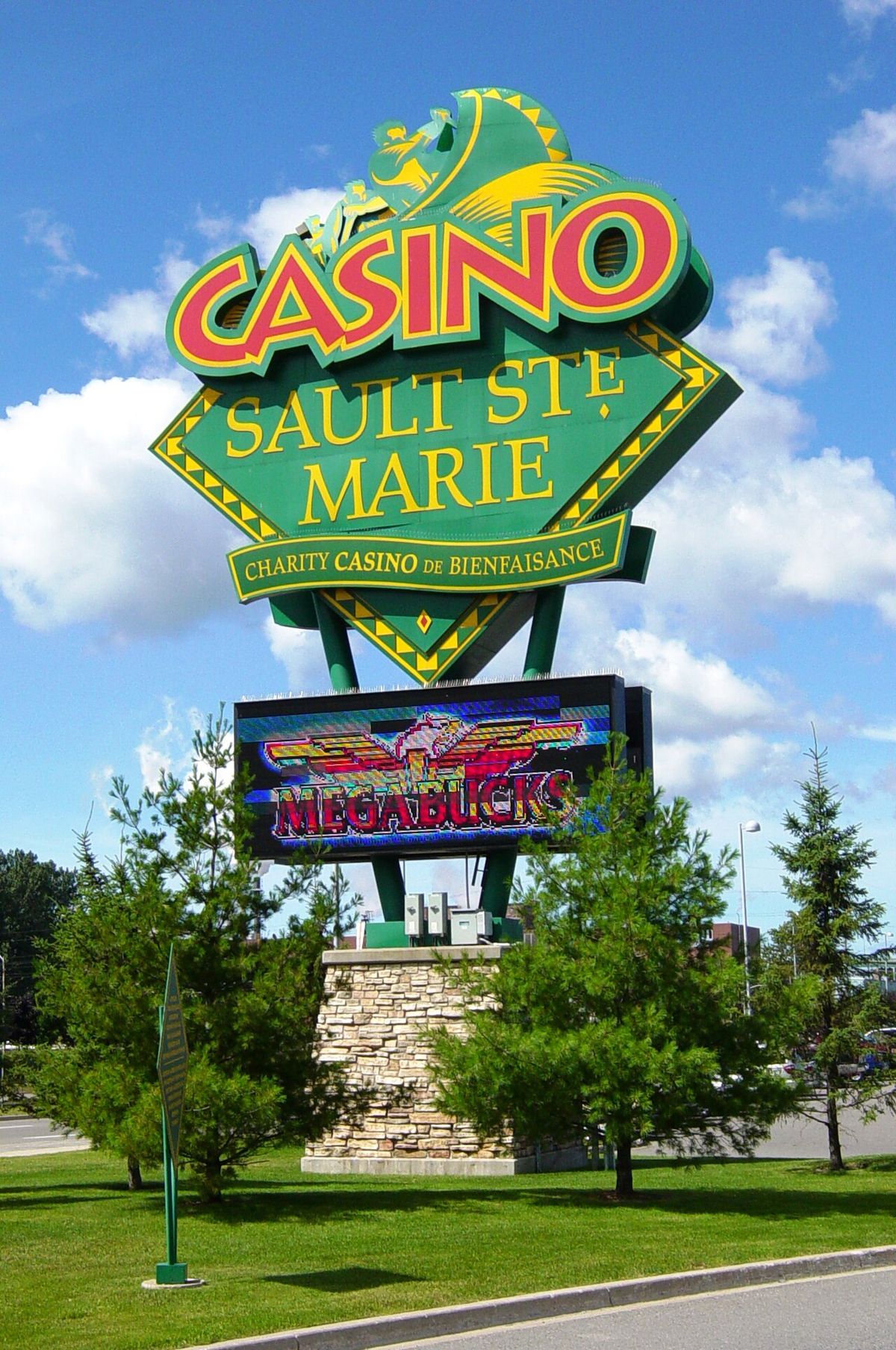
The casino side originated with the Ontario Casino Corporation, established in 1994. The merged OLG operates as a Crown corporation, reporting through its board of directors to the provincial Minister of Tourism, Culture and Gaming. The corporation's primary headquarters is in Sault Ste. Marie, while its prize centre is located in Toronto. OLG employs roughly 1,400 individuals across its offices and manages a network of approximately 9,800 retailers operating more than 10,000 lottery terminals province-wide.
Prior to 2006, the corporation was known in short form as the OLGC, with the French acronym SLJO. The regulatory framework for its lottery operations was originally the Ontario Lottery Corporation Act of 1975, which was repealed in 1999 and replaced by the current Ontario Lottery and Gaming Corporation Act. The Alcohol and Gaming Commission of Ontario (AGCO) is the independent body that regulates casino gaming, internet gaming sites, and lotteries conducted by OLG. This separation of operational and regulatory functions is a standard practice for Crown corporations in the province.
Lottery Products and Games
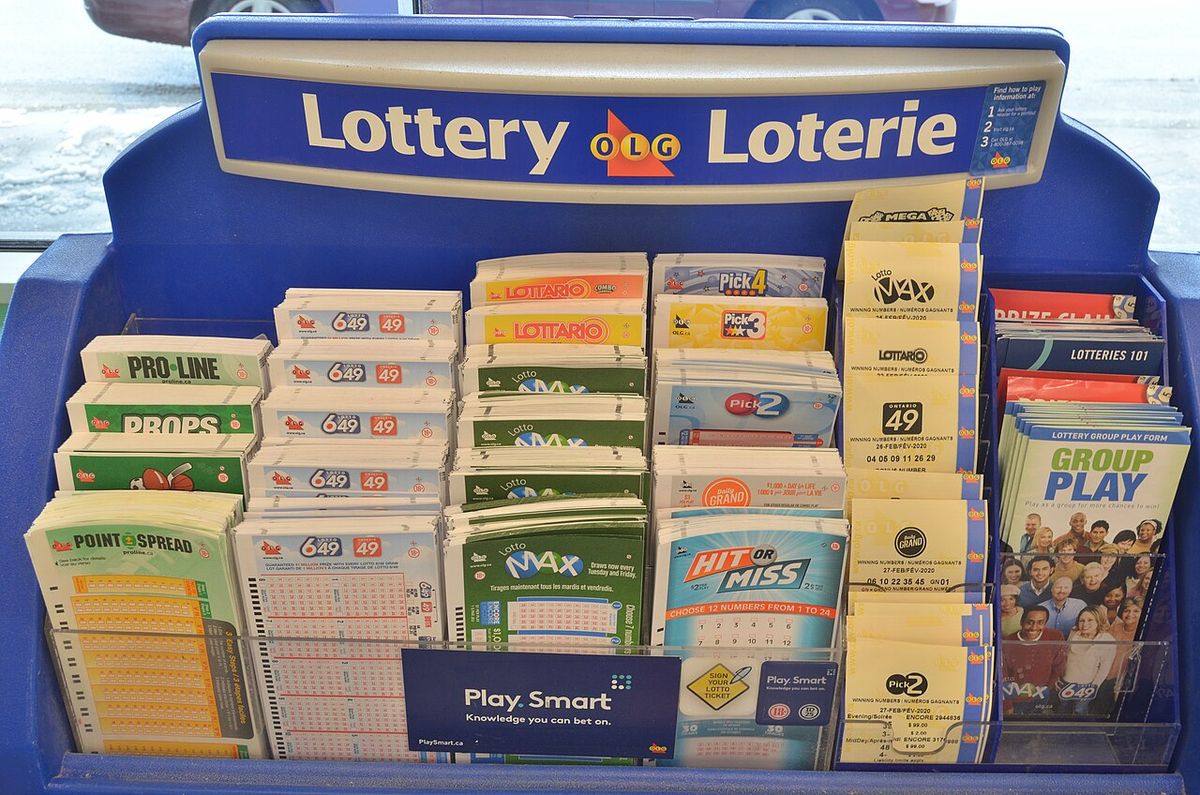
OLG operates a wide array of lottery games available through retailers and online. The product lineup is divided into several categories, including jackpot draws, daily draws, and sports games. Major national jackpot games operated in partnership with the Interprovincial Lottery Corporation include Lotto Max, Lotto 6/49, and Daily Grand. Ontario-specific draw games include Ontario 49 and Lottario.
Daily draw games such as Pick 2, Pick 3, Pick 4, Daily Keno, and Encore offer frequent opportunities to win. The corporation also offers instant scratch tickets under the Instant Games brand and sports betting through Pro-Line, Point-Spread, and Pro-Picks. In 2026, OLG introduced a new draw-based game called Cash Pop, where players select numbers known as POPs from 1 to 15. Other daily draw games include Lightning Lotto, Poker Lotto, Mega Dice Lotto, and Wheel of Fortune Lotto.
Significant changes to game structures are periodically implemented. For instance, major enhancements to Lotto Max took effect on April 14, 2026. The top jackpot increased from $80 million to a new Canadian record of $90 million. The ticket price per play rose from $5 to $6, with each play now providing four selections of seven numbers.
Each draw now includes multiple $100,000 prizes, with the quantity tied to the jackpot size. When the jackpot is $10 million, ten additional $100,000 prizes are drawn, scaling up to ninety prizes when the jackpot hits $90 million. These changes are in addition to the existing Maxmillions $1 million prizes offered when the jackpot reaches or exceeds $50 million. The Lotto 6/49 game offers two jackpots per draw.
The Lotto 6/49 game offers two jackpots per draw. The Classic Jackpot is a fixed $5 million prize, while the Gold Ball Jackpot starts at $10 million and grows by $2 million if not won, up to a maximum of $68 million. Daily Grand offers a top prize of $1,000 a day for life. Ontario 49 provides a guaranteed $2 million jackpot twice a week for a $1 play. Lottario, another Ontario-exclusive game, has a jackpot starting at $250,000 with no capped maximum. The Encore add-on game, which costs $1 extra, uses a single set of numbers drawn simultaneously with the main game and offers a top prize of $1 million. OLG also used to offer a subscription-based lottery service called Lotto Advance for Lotto 6/49, which was discontinued on September 7, 2013.
Key Lottery Game Details| Game | Draw Days | Ticket Price (2026) | Starting Jackpot | Key Feature |
|---|---|---|---|---|
| Lotto Max | Tuesday, Friday | $6 per play | $10 million | Maxmillions & $100K prizes |
| Lotto 6/49 | Wednesday, Saturday | $3 per play | $5 million (Classic) | Gold Ball Jackpot |
| Daily Grand | Monday, Thursday | $3 per play | $1,000 a day for life | Life annuity prize |
| Ontario 49 | Wednesday, Saturday | $1 per play | $2 million | Guaranteed jackpot |
| Lottario | Saturday | $1 per play | $250,000 | Uncapped growth |
| Encore | With main game | $1 add-on | $1 million | Bonus draw |
Casino and Gaming Facilities
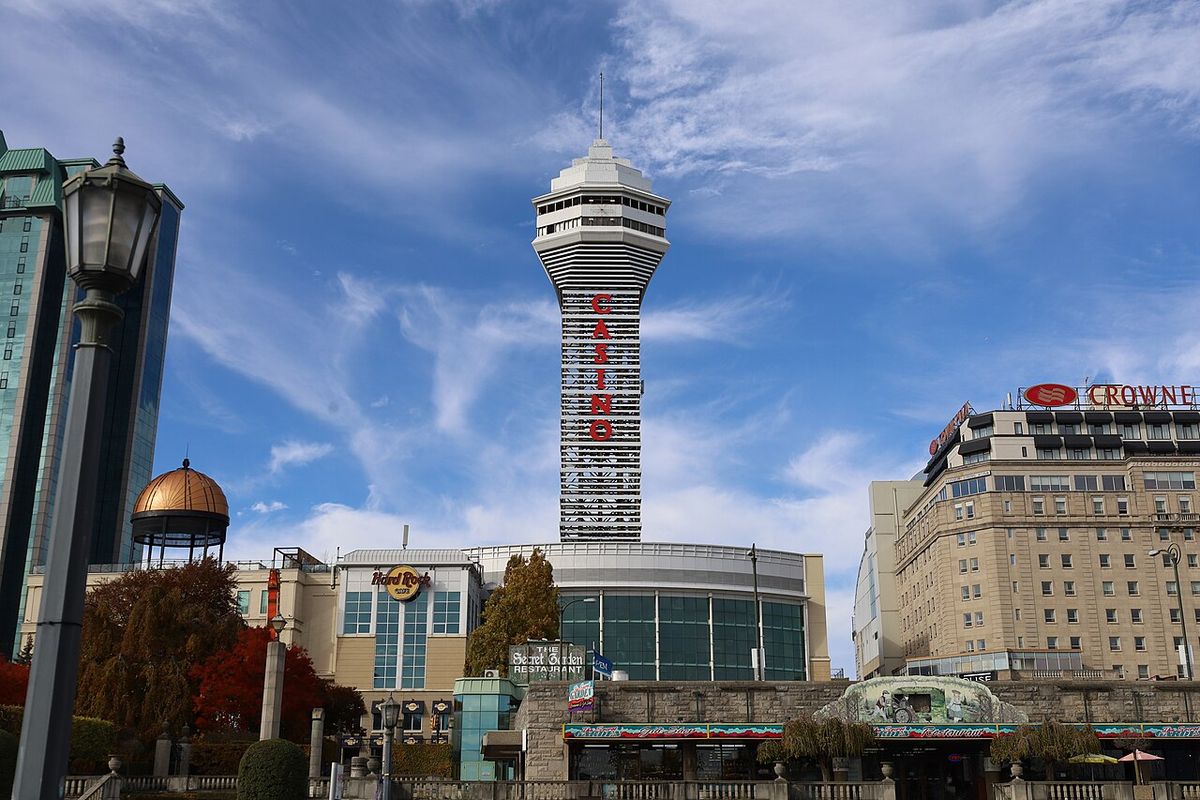
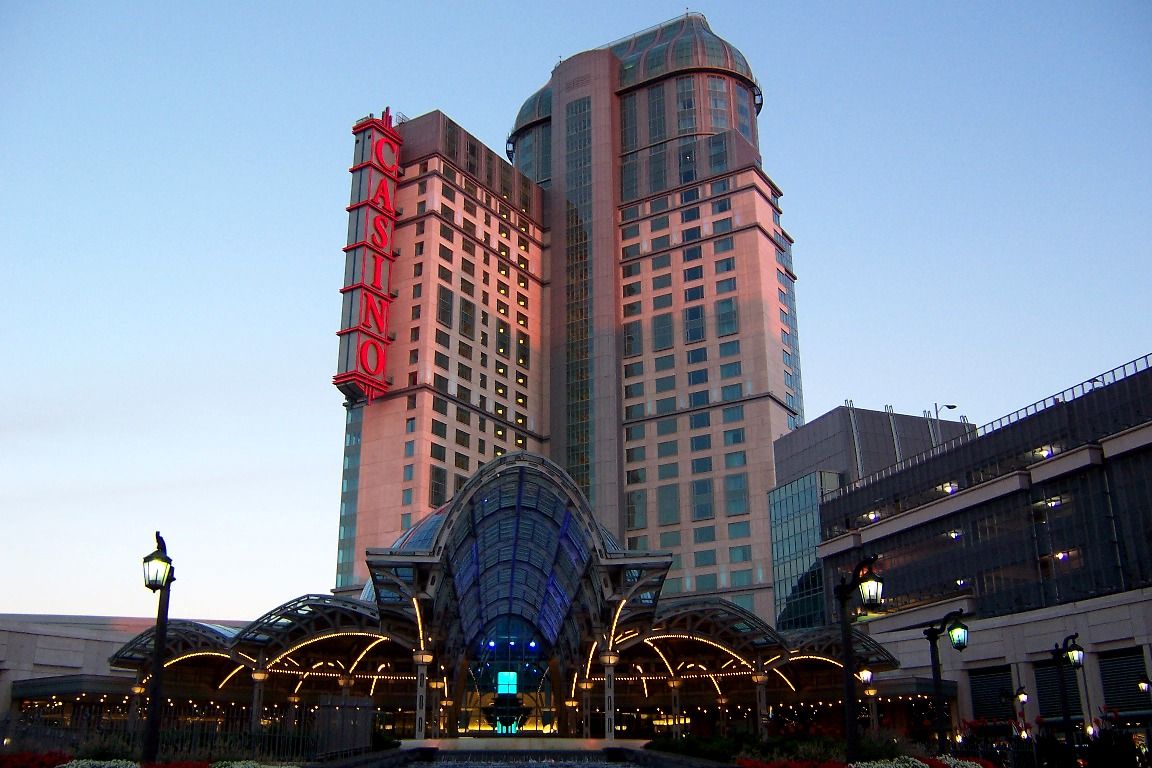
OLG owns and manages a portfolio of land-based gaming facilities across Ontario, though most day-to-day casino operations are conducted by private service providers. Notable operators include Great Canadian Entertainment and Gateway Casinos. The casino properties range from large resort destinations to smaller gaming halls. Key properties include Casino Niagara and the Niagara Fallsview Casino Resort in Niagara Falls, Casino Rama in Rama, and Caesars Windsor. OLG also operates slot machine facilities at various racetracks, such as Casino Woodbine in Toronto and Rideau Carleton Casino in Ottawa. These slots at racetracks generated around $300 million annually for the tracks until the original program ended in 2012, after which it was extended by the government. Other slot machine facilities at racetracks include Casino Ajax, Gateway Casino Clinton, Elements Casino Flamboro, Gateway Casino Innisfil, Elements Casino Grand River, Playtime Casino Hanover, Shorelines Slots Kawartha Downs, Gateway Casino London, Elements Casino Mohawk, Gateway Casino Sudbury, Gateway Casino Woodstock, and Cascades Casino Chatham.
The corporation oversees charitable bingo and gaming centres, where 25 percent of revenue supports local charities. In response to declining revenues, OLG initiated a modernization program in the mid-2010s. This included introducing electronic terminals in bingo halls for digital play and deploying Tap 'N Play electronic gaming machines that use slot machine-style reels for legal lottery games like bingo and pull-tabs. These efforts aimed to make the venues more appealing to younger adult audiences and sustain charitable fundraising. OLG continues to integrate horse racing into its gaming offerings, including the administration of ongoing funding for the industry. This integration is part of the corporation's broader mandate to manage gaming across the province. The modernization of charitable gaming is a key component of OLG's strategy to adapt to changing consumer habits.
Select OLG Casino Properties- Casino Niagara (Niagara Falls)
- Niagara Fallsview Casino Resort (Niagara Falls)
- Casino Rama (Rama)
- Caesars Windsor (Windsor)
- Pickering Casino Resort (Pickering)
- Gateway Casino Sault Ste. Marie (Sault Ste. Marie)
- Gateway Casino Thunder Bay (Thunder Bay)
- Great Blue Heron Casino (Port Perry)
- Shorelines Casino Belleville (Belleville)
- Elements Casino Brantford (Brantford)
- Starlight Casino Point Edward (Point Edward)
- Wasaga Playtime Casino (Wasaga Beach)
Prize Claims and Winner Publicity
OLG has established clear procedures for claiming lottery prizes. Winners of amounts under $999.90 can collect their winnings directly from any retailer with a lottery terminal, subject to cash availability. For prizes of $1,000 or more, winners must visit an OLG casino or slot facility, mail the ticket to the OLG Prize Centre in Toronto, or visit the prize centre in person. Claimants must present valid government identification and provide a signature.
For prizes of $5,000 or more, the retailer's terminal will freeze upon validation, and OLG contacts the winner directly with instructions. Claims of $10,000 or more involve an interview and ticket validation by an investigator, followed by a photograph of the winner with their cheque. The corporation publicizes all winners of $1,000 or more on its official website. There is a strict one-year deadline from the draw date to claim prizes for Ontario lottery games.
This policy ensures unclaimed prizes are handled according to provincial regulations. The prize claim process includes security measures designed to prevent fraud and ensure winnings are paid to the rightful ticket holder. When a ticket is validated at the prize centre, it undergoes a double-check for fraud prevention. OLG's public winner stories often feature individuals from communities across Ontario, such as Scarborough, Oakville, Burlington, and Port Colborne.
Controversies and Reforms
OLG has faced several significant controversies, primarily concerning retailer fraud and game integrity. A 2006 investigative report by CBC's The Fifth Estate highlighted cases where lottery retailers or their families fraudulently claimed major prizes. One prominent case involved 82-year-old Bob Edmonds, whose $250,000 winning Encore ticket was stolen by a store clerk in 2001. OLG initially refused his claim for four years until a judge ordered the corporation to pay him.
The report also revealed that over 200 lottery retailers in Ontario had won major prizes between 1999 and 2006, a statistical anomaly a expert calculated had a minuscule probability of occurring by chance alone. Provincial Ombudsman André Marin's subsequent report found that store owners and their families had claimed about $100 million in wins during that period, with tens of millions in fraudulent claims ignored by OLG. In response, OLG implemented mandatory security reforms. As of January 28, 2008, all tickets must be signed by the purchaser, and retailers are required to use customer-facing displays when checking tickets, accompanied by special audio cues for winning tickets. The corporation also faced product recalls, including over one million Super Bingo scratch tickets in 2007 due to a potential design flaw and over 1,000 Fruit Scratch tickets in 2009 because of misprinting. Another incident in February 2007 involved 87 Konami slot machines at provincial casinos displaying subliminal winning messages, which were corrected with a software update.
Following these scandals, OLG President Duncan Brown was dismissed in March 2007 by Minister David Caplan. The aftermath of the fraud scandal led to a shift in corporate focus. Ombudsman André Marin criticized OLG for being more fixated on profits than the integrity of its games. The corporation's handling of the Bob Edmonds case included making him sign a confidentiality agreement, which was later released after the CBC report and a personal apology from then-president Duncan Brown. In another resolved case, Toronto store owner Hafiz Malik defrauded four school board employees out of a $5.7 million prize, leading to police seizure of his assets and OLG awarding the rightful winners the prize plus interest. This case highlighted the vulnerabilities in the prize claim system before the 2008 reforms. It also demonstrated OLG's eventual commitment to correcting past injustices.
Responsible Gambling and Self-Exclusion
OLG operates a self-exclusion program for individuals who recognize they have a gambling problem. Participants can voluntarily ban themselves from entering OLG casinos and gaming facilities for a set period. The program utilizes measures such as staff training, security monitoring, and facial recognition technology to identify excluded individuals. However, the program's effectiveness has been questioned.
A 2017 investigation by The Fifth Estate found that some individuals on the self-exclusion list were able to enter casinos and gamble on multiple occasions. OLG acknowledges that the system is not designed to be foolproof. A corporation spokesman stated that enforcement relies on a combination of trained staff, disincentives, facial recognition, and security, but no single element guarantees 100 percent prevention. The website and all gaming products carry a disclaimer that they are for the use of adults in Ontario, emphasizing that gambling involves risk and outcomes are based on chance.
Expert opinions on such programs vary. Some maintain that casinos arrange self-exclusion as a public relations measure without substantially helping those with problem gambling, deflecting attention from problematic products. Others believe self-enforcement is a necessary part of a problem gambler's own responsibility within any therapy program. OLG literature confirms that enforcement cannot be expected to be completely foolproof, noting that if a self-excluded person attempts to re-enter a facility, their image may be captured by cameras and they may be automatically detected by security. The corporation provides supports through staff training and security protocols, but emphasizes the shared nature of the responsibility. This approach is common in the gaming industry. The self-exclusion program is one component of OLG's broader responsible gambling strategy.
Leadership and Governance
The leadership of OLG and its predecessor organizations has included several notable figures from the public and private sectors. The board of directors reports to the provincial minister responsible for the corporation. The chair of the board oversees governance, while the president and chief executive officer manages day-to-day operations. Recent chairs include Phil Olsson (2013 to 2016), George L. Cooke (2016 to 2019), Peter Deeb (2019 to 2021), Gail Beggs (2021), and Jim Warren, who has served as chair since 2021. The role of president and CEO has been held by Duncan Hannay since 2020, following Stephen Rigby (2015 to 2020) and Rod Phillips (2011 to 2014). Earlier leadership included Duncan Brown, who served from 2004 until his dismissal in 2007 amid controversy. The founding leadership of the original Ontario Lottery Corporation included Harvey McCullough as its first chairman in 1975 and E. Marshall Pollock as its founding Managing Director and CEO from 1975 to 1980.
Ron Barbaro served as both Chair and CEO of the OLC from 1998 to 2000, and then as the first Chair and CEO of the newly merged OLGC from 2000 to 2003. This continuity helped guide the transition from two separate corporations into a single gaming entity. The corporation's governance structure ensures it operates under the direction of the provincial government while managing its extensive commercial operations. The board includes members appointed by the government to provide oversight.
Recent Presidents and CEOs- Duncan Hannay (2020-Present)
- Stephen Rigby (2015 to 2020)
- Rod Phillips (2011 to 2014)
- Tom Marinelli, Interim (2010 to 2011)
- Kelly McDougald (2007 to 2009)
- Duncan Brown (2004 to 2007)
- Brian Wood, Interim (2003 to 2004)
- Jim Warren (2021-present)
- Gail Beggs (2021)
- Peter Deeb (2019 to 2021)
- George L. Cooke (2016 to 2019)
- Phil Olsson (2013 to 2016)
- Peter Wallace, Interim (2013)
- Paul Godfrey (2010 to 2013)
- Michael Gough (2006 to 2009)
- Timothy Reid (2004 to 2006)
- Stanley Sadinsky (2003 to 2004)
Game Rules and Consumer Information
OLG provides detailed rules and conditions for all its lottery and gaming products. The official Ontario Lottery and Gaming Corporation Rules Respecting Lottery Games and the separate Rules Respecting iGaming Lottery Games govern play. The corporation reserves the right to change these game conditions with or without notice at its discretion. While efforts are made to ensure online information is accurate and up to date, OLG advises that it cannot always reflect immediate changes.
The official disclaimer states that no warranty of accuracy or completeness is expressed or implied for information on its website, directing consumers to retailers for official winning numbers or in-store ticket checkers. For draw-based games, tickets must be purchased by 10:30 p.m. Eastern Time on the draw date to be eligible for that draw. The odds of winning vary significantly between games. The odds of winning the Lotto Max main jackpot are 1 in 33,446,140 per $6 play.
For Lotto 6/49, the Classic Jackpot odds are 1 in 13,983,816 per $3 play, while the Gold Ball Jackpot odds vary based on the number of balls in that specific draw. Ontario 49 has jackpot odds of 1 in 13,983,816 per $1 play. Daily Grand offers a main jackpot odds of 1 in 13,348,188 per $3 play. The Encore add-on game has overall odds of winning any prize at 1 in 9.17.
OLG also manages a discontinued service called Lotto Advance, which was a subscription-based lottery service for Lotto 6/49 that ended on September 7, 2013. The corporation occasionally offers special promotions like Super Draws for Lotto 6/49, which include additional guaranteed prize draws alongside the regular Classic game and Gold Ball Jackpot. Every play issued for a Super Draw, including Advance Play purchases, provides a chance to win these extra prizes. These special events are part of OLG's strategy to maintain player engagement and interest across its product portfolio.
Questions about Ontario Lottery and Gaming Corporation
How do I check OLG winning numbers?
You can check the winning numbers for all OLG lottery games on the official OLG website under the 'Winning Numbers' section. The site provides the latest results for draws like Lotto Max, Lotto 6/49, Daily Grand, Pick 3, and Pick 4. You can also visit any participating retailer to use an in-store ticket checker or obtain a printed list of official winning numbers. For past results, the OLG website archives previous draws, allowing you to see if your numbers have won. Remember, tickets must be checked within one year of the draw date to claim any prize.
What are the changes to Lotto Max in 2026?
Major changes to Lotto Max took effect on April 14, 2026. The maximum jackpot increased from $80 million to a new Canadian record of $90 million. The ticket price per play rose from $5 to $6, with each $6 play now providing four lines of seven numbers. Each draw now includes multiple $100,000 prizes, with the number of prizes tied to the jackpot size. For example, a $10 million jackpot triggers ten $100,000 prizes, scaling up to ninety prizes when the jackpot hits $90 million. These new prizes are in addition to the existing Maxmillions $1 million draws that occur when the jackpot is $50 million or more.
How do I claim a large lottery prize from OLG?
Prizes of $1,000 or more must be claimed through an OLG casino or slot facility, by mail to the OLG Prize Centre in Toronto, or in person at the prize centre. For prizes of $5,000 or more, the retailer's terminal will freeze, and OLG will contact you directly with instructions. Claims of $10,000 or more involve an interview and ticket validation process by an OLG investigator. You must present valid government photo identification and sign the ticket. Winners of $10,000 or more are photographed with their cheque. All winners of $1,000 or more are publicized on the OLG website, and you have exactly one year from the draw date to claim your prize.
What is OLG's self-exclusion program?
OLG's self-exclusion program is a voluntary service for individuals who wish to ban themselves from entering OLG casinos and gaming facilities due to gambling concerns. Participants register for a set period, and OLG employs measures like staff training, security monitoring, and facial recognition technology to help enforce the ban. However, the corporation acknowledges the system is not foolproof. An investigation in 2017 found instances where individuals on the list were able to enter and gamble. OLG states the program is one part of a responsible gambling strategy, but ultimate responsibility also lies with the individual. The program is intended as a support tool, not a guaranteed barrier.
What lottery games are exclusive to Ontario?
OLG operates several lottery games that are exclusive to Ontario, as opposed to national games shared with other provinces. These include Ontario 49, which offers a guaranteed $2 million jackpot twice weekly for a $1 play. Lottario is another Ontario-only game drawn every Saturday, with a jackpot starting at $250,000 with no capped maximum. The daily draw games like Pick 2, Pick 3, Pick 4, and Daily Keno are also provincial products. Instant scratch tickets under the Instant Games brand and the sports betting games Pro-Line, Point-Spread, and Pro-Picks are managed by OLG specifically for the Ontario market. Other Ontario-exclusive daily games include Lightning Lotto, Poker Lotto, Mega Dice Lotto, and Wheel of Fortune Lotto.
Where are OLG's headquarters and prize centre located?
The Ontario Lottery and Gaming Corporation's primary corporate headquarters is located in Sault Ste. Marie, Ontario. This is where the main administrative and executive offices are based. However, the OLG Prize Centre, where major lottery prizes are validated and paid out, is situated in Toronto, Ontario. Winners can mail winning tickets to this centre or visit in person to claim prizes of $1,000 or more. The corporation also has offices in the Greater Toronto Area. OLG employs approximately 1,400 people across its various locations and manages a network of about 9,800 retail partners throughout the province.
Sources and further reading
- Ontario Lottery and Gaming Corporation (Wikipedia)
- Winning Numbers (olg.ca)
- Major changes coming to Lotto Max in 2026 (dailyhive.com)
- Your Guide to the Lotteries | OLG PlaySmart (playsmart.ca)
- Winning Numbers (olg.ca)
Checked by the Nosy Mag desk. Last updated 2026-11-08.