Global Affairs Canada
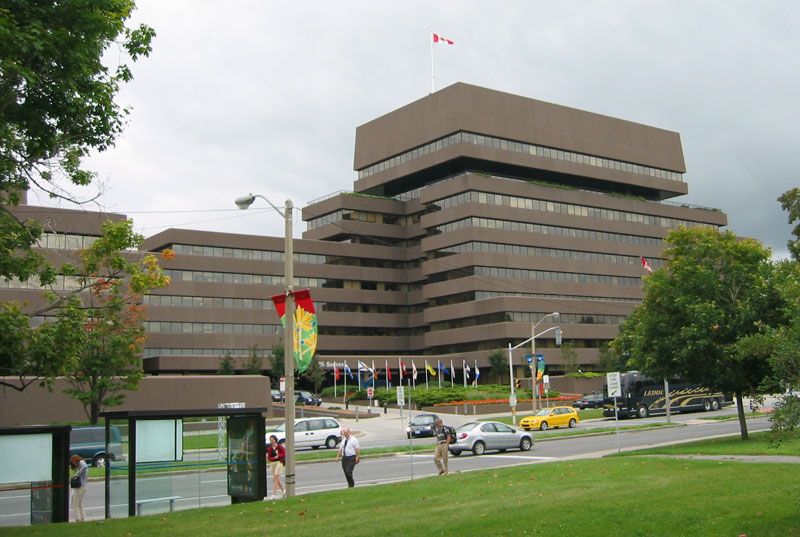
Global Affairs Canada (GAC) is the federal department responsible for managing Canada's diplomatic and consular relations, promoting international trade, and leading the country's international development and humanitarian assistance efforts. It operates from the Lester B. Pearson Building in Ottawa and is led by three ministers: the Minister of Foreign Affairs, the Minister of International Trade, and the Secretary of State for International Development. The department's legal name is the Department of Foreign Affairs, Trade and Development, while Global Affairs Canada is its applied title for public communication. Its work is fundamental to Canada's security, prosperity, and global engagement.
Historical Evolution and Name Changes
The department's origins trace back to 1 June 1909, when it was established as the Department of External Affairs. At that time, Canada was a self-governing dominion within the British Empire and did not conduct an independent foreign policy. Canada assumed greater control over its foreign relations during and after the First World War, with its full autonomy confirmed by the Statute of Westminster in 1931. The Department of Trade and Commerce, which included the Trade Commissioner Service, had been created in 1892. In 1969, it was combined with the Department of Industry to form the Department of Industry Trade and Commerce.
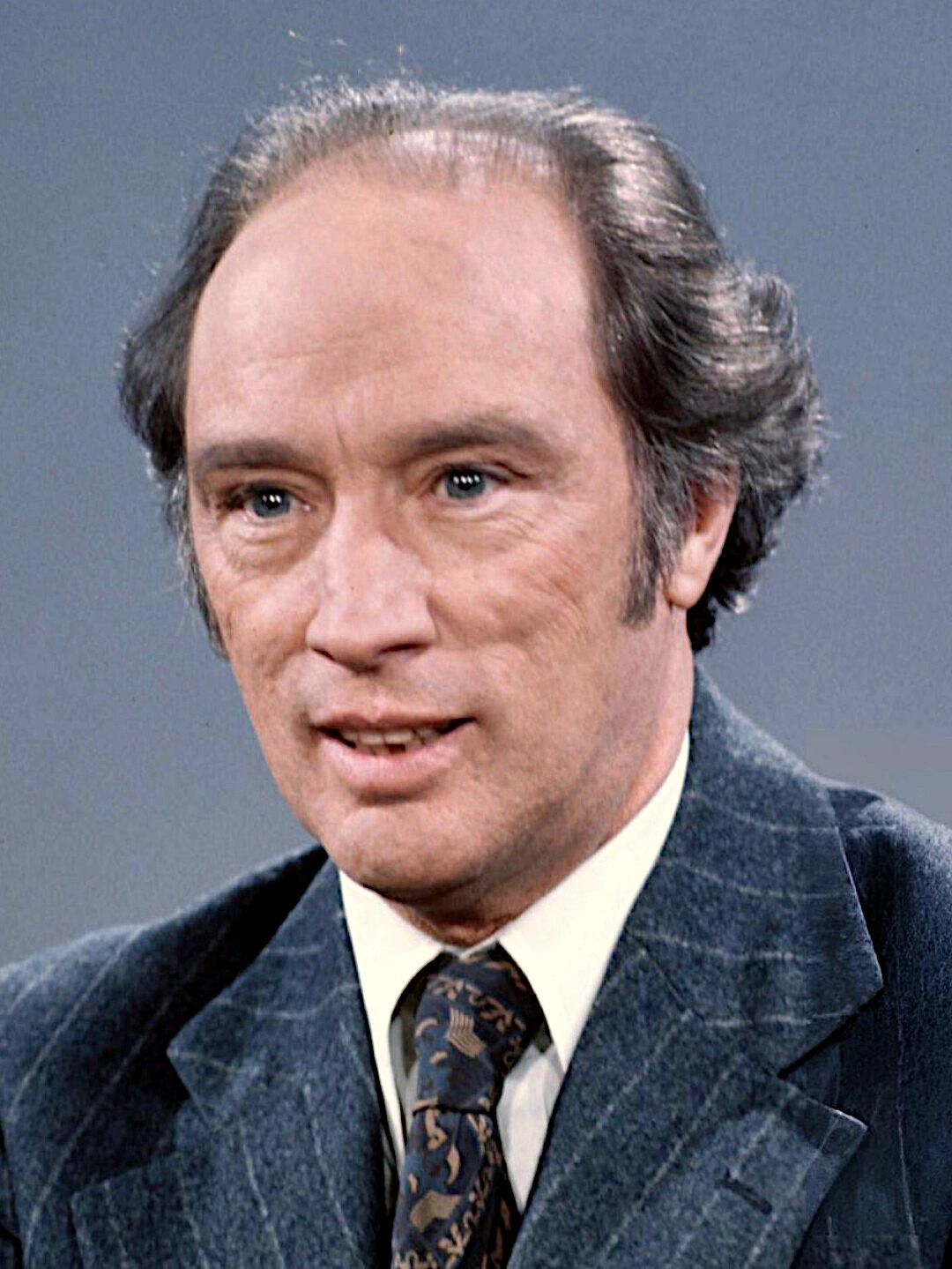
Major reorganizations occurred in the late 20th century to consolidate Canada's overseas presence. In 1979, Prime Minister Joe Clark decided to unify the various streams of the Canadian Foreign Service, including diplomatic, trade, and immigration officers. This was followed in 1982 by Prime Minister Pierre Trudeau's decision to combine External Affairs and International Trade into a single department, initially called External Affairs and International Trade. The change was reflected in a new Department of External Affairs Act passed in 1983. The department's name was changed to the Department of Foreign Affairs and International Trade (DFAIT) in 1993, a change formalized by an Act of Parliament in 1995.
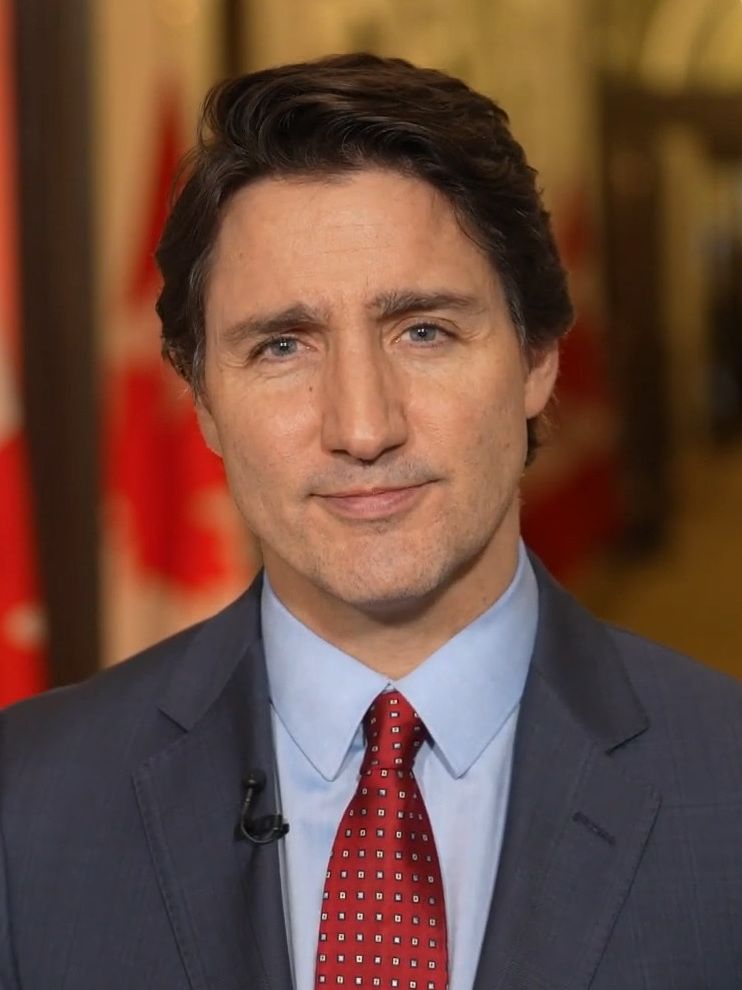
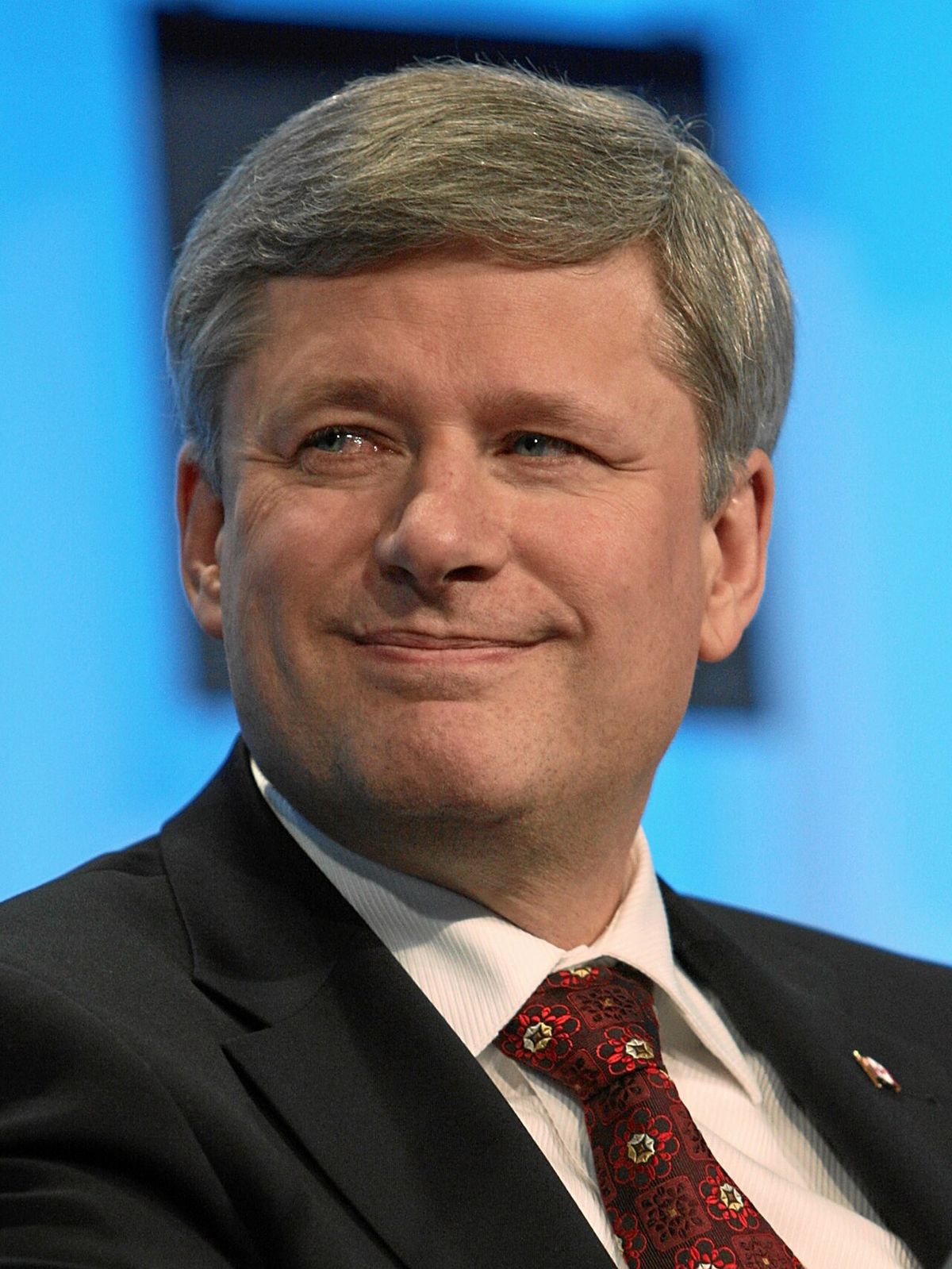
The 21st century saw further administrative changes. In December 2003, DFAIT was administratively separated into Foreign Affairs Canada and International Trade Canada, though this split was never formalized by statute. Under Prime Minister Stephen Harper's government in early 2006, the two were re-joined as Foreign Affairs and International Trade Canada. A significant consolidation occurred in 2013 when the Canadian International Development Agency (CIDA) was folded into the department through a budget bill, creating the Department of Foreign Affairs, Trade and Development (DFATD). On 4 November 2015, Prime Minister Justin Trudeau's government introduced the applied title Global Affairs Canada for public communication, while the legal name remains unchanged.
Ministerial Leadership and Portfolios
Global Affairs Canada is led by three ministers, each with distinct responsibilities and accountable to Parliament. The Minister of Foreign Affairs, Anita Anand as of 2025, is the senior minister responsible for overall foreign policy and the department. Her portfolio includes oversight of several shared-governance corporations such as the Asia Pacific Foundation of Canada, the International Joint Commission, the Permanent Joint Board on Defense, and the Roosevelt Campobello International Park Commission. The Secretary of State for International Development, Randeep Sarai, is responsible for international development, poverty reduction, and humanitarian assistance, guided by Canada's Feminist International Assistance Policy. His portfolio includes relations with development finance institutions like the African Development Bank and the Asian Development Bank, as well as the International Development Research Centre.
The Minister of International Trade, Maninder Sidhu, is responsible for matters of international trade. His ministerial portfolio includes the Business Development Bank of Canada, the Canadian Commercial Corporation (CCC), and Export Development Canada (EDC). It also includes Invest in Canada, the Office of the Extractive Sector Corporate Social Responsibility Counsellor, and the Trade Commissioner Service. The Canadian Foreign Service Institute (CFSI) is also within this portfolio and is Global Affairs Canada's primary training provider.
- Business Development Bank of Canada
- Canadian Commercial Corporation (CCC)
- Export Development Canada (EDC)
- Invest in Canada
- Office of the Extractive Sector Corporate Social Responsibility Counsellor
- Trade Commissioner Service
Day-to-day operations are managed by deputy ministers, who are senior public servants taking political direction from the ministers. The department is structured into several branches, each led by an Assistant Deputy Minister who reports to the deputy ministers. These branches include Strategic Planning and Policy, Consular Security and Emergency Management, Global Issues, International Security, International Business Development Investment and Innovation, Trade Policy and Negotiation, International Platform, Legal Advisor, Human Resources, and Corporate Finance and Operations. This structure supports the department's wide range of international responsibilities.
Core Functions and International Engagement
Global Affairs Canada's mandate encompasses three core pillars: diplomacy and consular services, international trade, and international development and humanitarian assistance. In diplomacy, GAC manages Canada's network of embassies, high commissions, and consulates, acting on behalf of all government departments abroad. It provides consular assistance to Canadians travelling or living overseas. The department also leads Canada's engagement in multilateral forums, contributes to international law, and manages diplomatic protocols through the Office of Protocol. A 2012 memorandum of understanding on diplomatic cooperation with the United Kingdom's Foreign and Commonwealth Office promotes shared embassy locations and consular services.
In international trade, GAC works to open markets and advance Canadian commercial interests globally. Key bodies within this function include the Trade Controls Bureau and the Trade Commissioner Service, which assists Canadian exporters. Other organizations like the Canada Border Services Agency and Statistics Canada collect and classify trade data using World Customs Organization categories. The department is also active in negotiating and implementing trade agreements. For the 2026-27 fiscal year, a key initiative involves Canadian post-secondary institutions hosting students from Indo-Pacific academic institutions under the SEED-2 program to strengthen educational ties.
The international development and humanitarian assistance pillar is guided by Canada's Feminist International Assistance Policy, which focuses on empowering women and girls. GAC funds humanitarian projects, contributes to the United Nations Central Emergency Response Fund, and provides emergency support through partners like the Canadian Red Cross and the Humanitarian Coalition. Official development assistance totaled US$7.8 billion in 2022, representing 0.37 percent of Canada's gross national income. This assistance is a key tool for promoting human dignity and a more just, inclusive, and sustainable world.
Key Programs and Initiatives
Global Affairs Canada administers several high-profile programs designed to foster international policy innovation, academic exchange, and capacity building. The International Policy Ideas Challenge (IPIC), run in collaboration with the Social Sciences and Humanities Research Council, is a competitive program for Canadian graduate students, post-doctoral fellows, and early-career civil society researchers. The ninth edition in 2026 invites proposals on emerging international policy challenges, with winners receiving a $5,000 award and coaching to develop policy briefs for presentation to government officials in December 2026. Applicants must be Canadian citizens or permanent residents and cannot be indeterminate or term employees of the Government of Canada. Team applications with up to three members are permitted.
The Study in Canada Scholarships program aims to diversify Canada's international linkages by funding short-term exchanges for international students at Canadian post-secondary institutions. For the 2026 to 2027 academic year, Canadian institutions were invited to apply on behalf of students, with the goal of enriching educational engagement with a wide range of partner countries. The department also runs other funding programs for international development, foreign policy, and trade projects, with open data available on funded assistance projects. These programs collectively support Canada's role in international organizations and its response to global crises.
Transformation and forward planning are central to the department's operations. The Global Affairs Canada Transformation Implementation Plan outlines how the department will evolve to better deliver on its mandates. Departmental plans for 2025-26 and 2026-27 detail strategic priorities, including working with partners to protect Canadian interests and increasing negotiation capacity for international trade agreements. Specific funding includes $20 million over four years starting in 2026-27, plus $4.8 million ongoing, to bolster trade negotiation and implementation capabilities.
Associated Organizations and Crown Corporations
| Type | Organizations |
|---|---|
| Crown Corporations | Business Development Bank of Canada, Canadian Commercial Corporation (CCC), Export Development Canada (EDC), International Development Research Centre (IDRC), Invest in Canada |
| Shared-Governance Corporations | Asia Pacific Foundation of Canada, International Joint Commission, Permanent Joint Board on Defense, Roosevelt Campobello International Park Commission |
| International Financial Institutions | African Development Bank, Asian Development Bank, Inter-American Development Bank, Caribbean Development Bank |
| Advisory Council | Asia-Pacific Economic Cooperation Business Advisory Council |

Training and Capacity Building
The Canadian Foreign Service Institute (CFSI) serves as Global Affairs Canada's primary training provider, offering programs to a wide range of clients beyond the federal public service. The institute provides training to employees in provincial and municipal governments, non-governmental organizations, foreign governments and organizations, academic institutions, and, in certain cases, private sector companies. Training focuses on areas essential to GAC's work, such as consular operations, trade negotiation, security management, and protocol. The first trade commissioner, John Short Larke, was named following a successful trade delegation to Australia led by Canada's first minister of trade and commerce, Mackenzie Bowell.
Capacity building is also a focus of the department's international assistance and partnership programs. The Study in Canada Scholarships and the International Policy Ideas Challenge are examples of initiatives that build knowledge and skills among students and researchers. The mandatory coaching provided to IPIC winners includes group and one-on-one sessions with subject-matter experts, focusing on policy analysis, brief writing, and presentation skills. Winners receive a course package with key readings and guidelines on writing persuasive policy briefs, with all sessions delivered online during the spring and summer of 2026. This investment in human capital ensures a pipeline of talent and innovative thinking for Canada's international policy community.
Questions about Global Affairs Canada
Who is the current Minister of Foreign Affairs for Canada?
As of 2025, the Minister of Foreign Affairs is Anita Anand. She is the senior minister responsible for Global Affairs Canada, overseeing foreign policy and the department's overall operations. Her portfolio includes several shared-governance corporations such as the Asia Pacific Foundation of Canada and the International Joint Commission. It also includes the Permanent Joint Board on Defense and the Roosevelt Campobello International Park Commission.
How can Canadian students or researchers contribute to international policy?
Canadian graduate students, post-doctoral fellows, and early-career civil society researchers can contribute through the International Policy Ideas Challenge (IPIC). This annual competition invites proposals on foreign policy, trade, or international assistance challenges. Winners receive a $5,000 award and coaching to develop policy briefs for government officials. The program is run in collaboration with the Social Sciences and Humanities Research Council.
What kind of financial assistance does Canada provide for international development?
Canada provides official development assistance (ODA) guided by its Feminist International Assistance Policy. In 2022, Canada's total ODA was US$7.8 billion, which represented 0.37 percent of its gross national income. This increase was due to support for Ukraine, pandemic response, and higher costs for in-donor refugees. Global Affairs Canada funds humanitarian projects, contributes to the United Nations Central Emergency Response Fund, and supports organizations like the Canadian Red Cross and Canadian Foodgrains Bank.
What is the main purpose of Global Affairs Canada?
Global Affairs Canada is the department of the Government of Canada that manages Canada's diplomatic and consular relations, promotes Canadian international trade, and leads Canada's international development and humanitarian assistance. Its diplomatic and consular offices act on behalf of all government departments. The department's legal name is the Department of Foreign Affairs, Trade and Development. It also contains the official chief officer and supportive staff for Canada's Office of Protocol.
How does Global Affairs Canada support Canadian businesses trading internationally?
Global Affairs Canada supports Canadian businesses internationally primarily through the Trade Commissioner Service, which falls under the Minister of International Trade's portfolio. The department also facilitates trade through crown corporations it oversees, including Export Development Canada (EDC) and the Canadian Commercial Corporation (CCC). Other supporting bodies within the department are the International Business Development, Investment and Innovation branch and the Trade Policy and Negotiation branch. Additional support comes from organizations like Invest in Canada and the Business Development Bank of Canada.
Sources and further reading
- Global Affairs Canada (Wikipedia)
- Most requested, Global Affairs Canada, Canada.ca (international.canada.ca)
Checked by the Nosy Mag desk. Last updated 2026-11-01.