Online gambling
Online gambling, also known as iGaming, refers to any form of gambling conducted over the internet, including casino games, poker, sports betting, and lotteries. In Canada, the legal status and regulation of online gambling is determined provincially, leading to a diverse array of licensed markets designed to protect players and generate public revenue. The sector has grown significantly since the mid-1990s, evolving with technological advancements and shifting regulatory frameworks worldwide. For Canadian adults, understanding the regulated provincial markets is crucial for accessing legal online gambling options that offer consumer protections, responsible gambling measures, and game integrity assurances.
Historical Development and Global Growth
The genesis of online gambling can be traced to 1994, when the Liechtenstein International Lottery began selling tickets online and the island nation of Antigua and Barbuda passed the Free Trade & Processing Act, allowing for the licensing of online casinos. In the same year, the software company Microgaming developed the first fully functional gambling software, which was secured by cryptographic technology from CryptoLogic, making secure online transactions viable. This technological foundation enabled the first online casinos to launch, marking the beginning of the iGaming industry. By 1996, only 15 gambling websites existed, but that number grew to 200 the following year as the concept rapidly gained popularity, with revenues exceeding $830 million in 1998 according to a Frost & Sullivan report.
Regulatory bodies emerged alongside the industry's growth, with the Kahnawake Gaming Commission established in 1996 to regulate online gaming from the Mohawk Territory of Kahnawake and issue licenses to international operators. The late 1990s saw significant milestones, including the introduction of the first online poker rooms in 1998 and multiplayer online gambling in 1999. Early legal challenges also arose, such as the unsuccessful Internet Gambling Prohibition Act introduced in the US Senate in 1999. The global market continued its expansion trajectory, with H2 Gambling Capital estimating worldwide online gambling revenue at $21 billion by 2008, and Statista predicting the market would reach $56.05 billion by 2018. More recent industry developments include the 2022 ban of popular gambling streams on the Twitch platform and the ongoing evolution of regulated cryptocurrency casinos.
- October 1994: First online gambling venue opens for Liechtenstein International Lottery tickets.
- 1994: Antigua and Barbuda passes law allowing online casino licenses. Microgaming develops first gambling software.
- 1996: Kahnawake Gaming Commission is established. Only 15 gambling websites exist.
- 1998: First online poker rooms are introduced. Annual revenues exceed $830 million.
- 1999: Multiplayer online gambling is introduced. Internet Gambling Prohibition Act fails in US Senate.
- 2001: Estimated eight million people have participated in online gambling globally.
- 2008: Worldwide online gambling revenue estimated at $21 billion.
- 2018: Statista predicted the global online gambling market would reach $56.05 billion.
- 2022: Streaming platform Twitch bans popular gambling streams.

Forms of Online Gambling
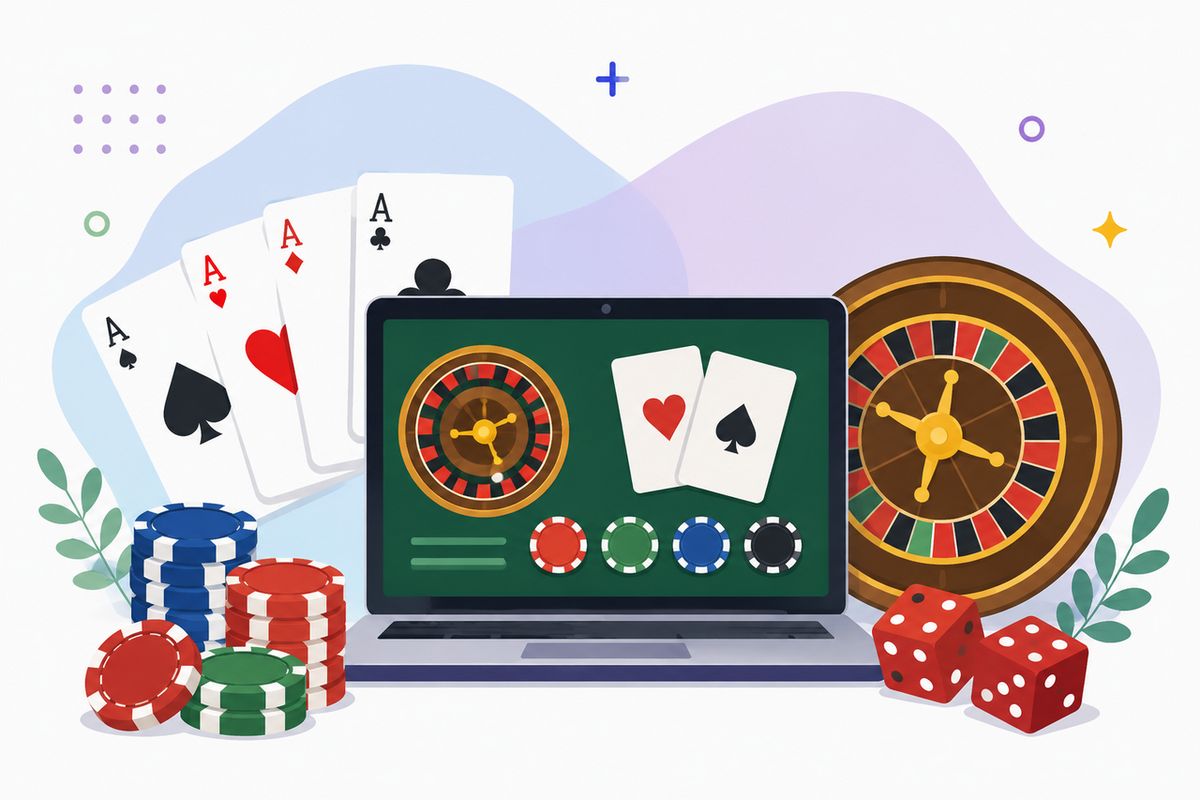
The internet has facilitated a wide array of gambling forms, each with distinct characteristics and player bases. Online casinos offer games like roulette, blackjack, baccarat, and pachinko where players compete against the house, which maintains a statistical edge. Online poker platforms host cash games and tournaments in variants like Texas hold 'em, Omaha, seven-card stud, razz, and HORSE, where players compete against each other and the site generates revenue through a fee called a rake. Sports betting allows wagers on event outcomes, with many sites offering in-play betting that enables wagers on specific occurrences during a live match, such as the next yellow card or corner kick in football.
Other popular forms include online bingo, lotteries, and horse racing betting, which comprises a significant percentage of online wagers and is often facilitated through advance-deposit wagering (ADW) systems where the bettor must fund an account before placing bets. Mobile gambling, conducted via smartphones or tablets, has become increasingly prevalent due to wireless internet connectivity. A notable model is the sweepstakes online casino, which uses a dual-currency system of valueless 'Gold Coins' and redeemable 'Sweepstakes Coins' to offer casino-style games in jurisdictions where direct real-money wagering faces legal constraints. Virtual sports are software simulations of sporting events used specifically for betting purposes because they can generate more frequent wagering activity than real sports events.
- Credit cards and debit cards (though often restricted by banks, particularly in the United States).
- Electronic checks and certified checks.
- Money orders and wire transfers.
- Cryptocurrencies such as Bitcoin.
- Accounts with electronic money services offering specialized accounts for gambling.
Canadian Regulatory Framework and Provincial Markets
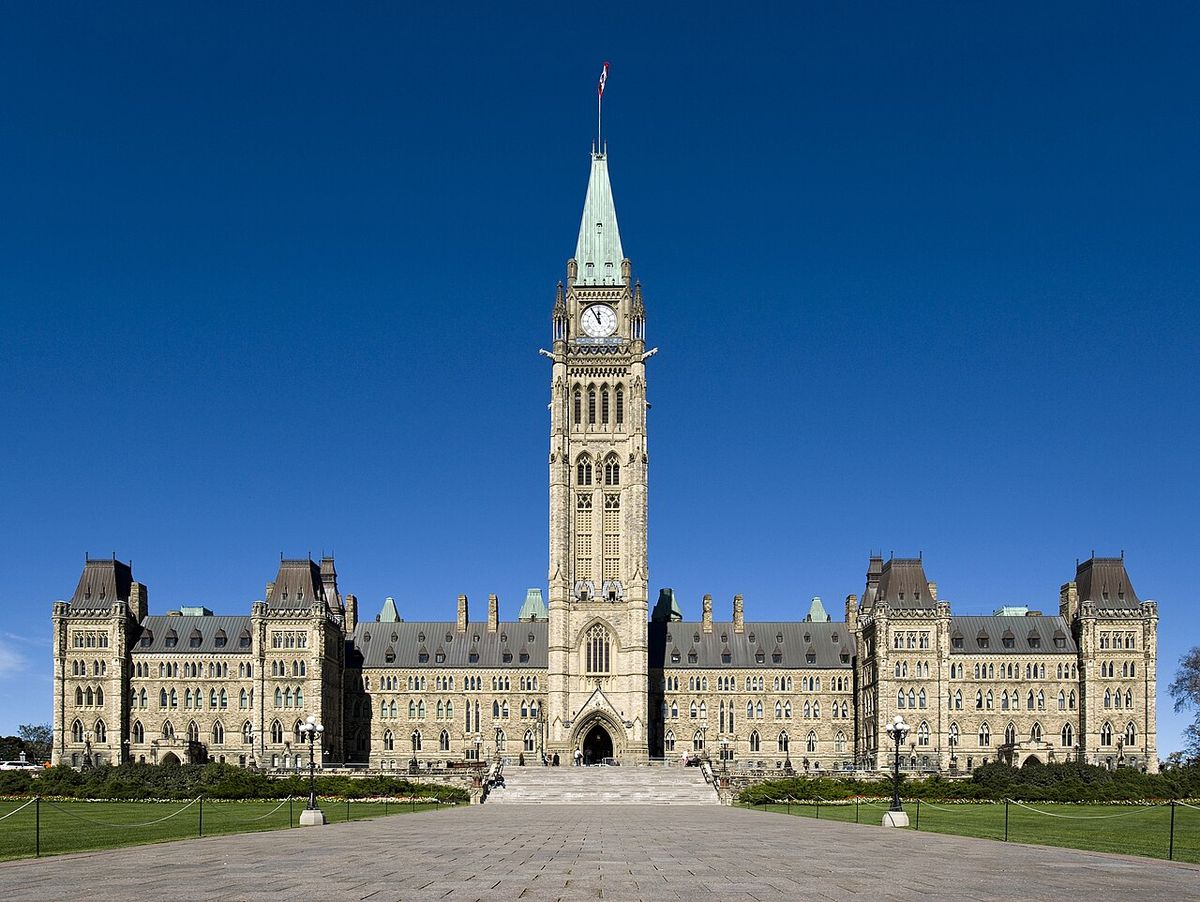
In Canada, gambling regulation is primarily a provincial responsibility, leading to a patchwork of legal frameworks across the country. Online gambling is legal when offered within a provincial regulatory system, and several provinces have established their own regulated iGaming markets. These markets are designed to channel players away from unlicensed offshore sites and toward platforms that adhere to strict standards for player protection, responsible gambling, and game integrity. Provincial help lines provide resources for individuals experiencing gambling-related harm, and the Criminal Code grants provinces the authority to conduct and manage gambling within their borders.
The largest and first provincial market of its kind in Canada was launched in Ontario on April 4, 2022. The Alcohol and Gaming Commission of Ontario (AGCO) acts as the regulator, setting and enforcing the Registrar's Standards for Internet Gaming which cover game integrity, player protection, and anti-money laundering. iGaming Ontario, established as a subsidiary of the AGCO in July 2021, conducts and manages the market by entering into operating agreements with private gaming companies. Players are encouraged to look for the iGaming Ontario logo as a sign of a regulated site that meets Ontario's high standards. The Ontario Lottery and Gaming Corporation (OLG) also continues to offer online gambling through its OLG.ca platform alongside the new private market, ensuring continued public option availability.
Alberta launched its regulated iGaming market on July 13, 2026. The regulatory framework is overseen by the Alberta Gaming, Liquor and Cannabis (AGLC) as the market regulator, with the Alberta iGaming Corporation (AiGC) managing the market's oversight. The government estimated that prior to regulation, unlicensed operators captured approximately 70% of the provincial iGaming market, operating with limited player protection measures. The new regime mandates strong player protection and social responsibility measures from private operators to ensure Albertans who choose to gamble are protected. Revenue allocation reserves 20% of net iGaming revenue for the government, with 80% allocated to operators after deductions for First Nations initiatives and social responsibility funding, which total 3% of Gross Gaming Revenue, balancing fair operator revenue with public benefit.
- Ontario: Alcohol and Gaming Commission of Ontario (AGCO) as regulator. iGaming Ontario as market conductor.
- Alberta: Alberta Gaming, Liquor and Cannabis (AGLC) as regulator. Alberta iGaming Corporation (AiGC) for oversight.
- British Columbia: British Columbia Lottery Corporation (BCLC) launched PlayNow.com in 2010.
- Quebec: Loto-Québec operates Espacejeux.
- Manitoba: Launched internet gaming in 2013 by franchising PlayNow from BCLC.
- Kahnawake: Kahnawake Gaming Commission (established 1996), an early international licensing body based in Quebec.
- Federal: No single federal regulator. Criminal code allows provincial control.
International Legal Status and Key Jurisdictions
The global legal status of online gambling varies dramatically, from outright prohibition to fully regulated markets. Many countries, including Australia with its Interactive Gambling Act of 2001, restrict the provision of online gambling services to their residents, though often without criminalizing citizens for playing. In contrast, markets within the European Union, certain US states, and some Caribbean nations have established legal, licensed online gambling industries. Jurisdictions like Gibraltar, Malta, and Alderney have become popular bases for operators due to their licensing regimes and tax structures. In Asia, the Philippines regulates through PAGCOR, while Macau has been a traditional base for regional operators, though it was removed from the EU's list of blacklisted tax havens in 2018.
A significant and protracted legal dispute unfolded between Antigua and Barbuda and the United States at the World Trade Organization (WTO). Antigua, which licenses many online gambling entities, argued that US laws like the Wire Act prohibiting the provision of online gambling services from Antigua violated international trade agreements. In April 2005, the WTO appeals panel ruled that certain US federal statutes did indeed violate the General Agreement on Trade in Services, rejecting the US defense that they were necessary for public morals because domestic horse racing betting was treated differently. The US failed to comply with subsequent rulings, leading the WTO in January 2013 to authorize Antigua and Barbuda to suspend US intellectual property rights as compensation, a measure the country planned to exploit through a statutory body.
- United Kingdom Gambling Commission (UKGC)
- Pennsylvania Gaming Control Board (US)
- Gibraltar Regulatory Authority
- Malta Gaming Authority
- Alderney Gambling Control Commission
- Philippine Amusement & Gaming Corporation (PAGCOR)
- Kahnawake Gaming Commission (Canada)
Player Protections, Standards, and Social Responsibility
Regulated online gambling markets are built upon a foundation of player protections and industry standards mandated by licensing authorities. These standards are designed to ensure game integrity, safeguard player funds and personal data, promote responsible gambling, and prevent money laundering. In Ontario, the AGCO's Registrar's Standards for Internet Gaming require operators to implement tools for self-exclusion, deposit limits, and time-outs, and to protect vulnerable individuals, including youth and self-excluded players. Regulated sites must also ensure that games are fair, using certified random number generators, and that payouts are accurate and timely. The AGCO states that playing on a regulated site is the safer choice, as unregulated sites may withhold payouts or expose user data to third parties without consent.
Playing on unregulated or offshore sites carries significant risks, including potential delays or denial of winnings, inadequate security for personal and financial data, and a lack of responsible gambling tools. Regulated markets like Ontario's and Alberta's aim to eliminate these risks by holding operators accountable to strict standards. Responsible gambling is a central priority, with regulators requiring extensive consumer awareness campaigns and access to support services. In Alberta, the framework requires private operators to put player protection at the forefront, with social responsibility funding constituting part of the revenue model. These measures are intended to combat the estimated 70% market share previously held by unprotected, unregulated operators in the province and to safeguard the interests of all participants.
- Assurance of game integrity and the use of certified random number generators.
- Implementation of responsible gambling tools like self-exclusion and deposit limits.
- Protection of personal and financial information from exposure to third parties.
- Timely and accurate payout of winnings, with recourse through the regulator.
- Protections for vulnerable persons, including age verification to prevent underage gambling.
- Contribution of operator revenue to provincial public funds and social programs.
Market Economics, Trends, and Future Outlook
The global online gambling market has experienced tremendous growth, with current estimates valuing it at approximately $40 billion annually. The industry's financial ecosystem involves various funding methods for player accounts, including credit cards, debit cards, electronic checks, wire transfers, and cryptocurrencies. However, many financial institutions, particularly in the United States, prohibit the use of their cards for internet gambling transactions, leading to the rise of electronic money services and digital wallets as alternative funding channels. The revenue model for operators varies by jurisdiction, with Alberta's model allocating 80% of net iGaming revenue to operators after setting aside 3% of Gross Gaming Revenue for First Nations and social responsibility programs, aiming for sustainable growth for legitimate sites.
Industry analysts note ongoing trends toward market consolidation through mergers and acquisitions, as seen in 2025, and the continued expansion into newly regulated markets in Latin America and Africa. The integration of cryptocurrency into regulated casino offerings is evolving as regulatory frameworks like Europe's MiCA mature. A persistent challenge in many regions is the significant market share held by unlicensed operators, which Alberta estimated at 70% before its 2026 market launch. Regulated markets aim to capture this segment by offering competitive, safe alternatives that contribute tax revenue to public funds. Stakeholders predict 2026 will see continued regulatory tightening in some markets, growth in emerging regions, and potential regulatory action on novel verticals like sweepstakes casinos, with some experts foreseeing increased compliance focus on suppliers.
- Continued regulatory tightening and compliance focus in established markets like Europe.
- Substantial growth in regulated markets across Latin America and Africa.
- Increased regulatory scrutiny and potential licensing of sweepstakes casino models.
- Further maturation and structured adoption of cryptocurrency within regulated gambling.
- Market consolidation following significant merger and acquisition activity.
- Potential regulation in major currently unlicensed jurisdictions, which could supercharge global market growth.
Comparative Provincial Models in Canada
The development of regulated online gambling in Canadian provinces provides a comparative study in market design and public policy. Ontario's model, launched in 2022, was the first to open its market to private operators under a rigorous regulatory regime managed by the AGCO and iGaming Ontario. Alberta's model, launched in 2026, shares similarities but features a distinct revenue-sharing formula and the creation of a dedicated oversight corporation, the AiGC. Both provinces explicitly aim to displace a large unregulated market, with Alberta quantifying its pre-regulation unlicensed share at 70%. The table below outlines key comparative elements of these provincial markets, highlighting their regulatory structures and financial approaches.
| Province | Regulator | Market Conductor | Launch Date | Key Revenue Allocation |
|---|---|---|---|---|
| Ontario | Alcohol and Gaming Commission of Ontario (AGCO) | iGaming Ontario | April 4, 2022 | Operator agreements. Revenue to provincial funds. |
| Alberta | Alberta Gaming, Liquor and Cannabis (AGLC) | Alberta iGaming Corporation (AiGC) | July 13, 2026 | 80% of net revenue to operators. 20% to government. 3% of GGR for social responsibility. |
These provincial frameworks operate within the broader context of the Criminal Code of Canada, which grants provinces the authority to conduct and manage gambling. Other provinces may offer online gambling solely through their provincial lottery corporations, such as the British Columbia Lottery Corporation's PlayNow.com. The Kahnawake Gaming Commission remains a unique entity, operating as a licensing authority for international online gambling from within Quebec under its Indigenous jurisdiction. The success of Ontario's and Alberta's models in protecting players and generating revenue may influence the approach of other provinces considering similar market expansions in the future, potentially leading to a more harmonized national approach over time.
Questions about Online gambling
Is online gambling legal in Canada?
Online gambling is legal in Canada when offered within a provincial regulatory framework. The legality is determined by each province, not by federal law. Provinces like Ontario and Alberta have established their own regulated iGaming markets where licensed private operators can offer services. Playing on unregulated offshore sites is not explicitly illegal for players but carries significant risks due to a lack of consumer protections and responsible gambling measures.
What is the best online gambling site in Canada?
The safest and most reliable online gambling sites in Canada are those licensed and regulated by a provincial authority. In Ontario, look for sites displaying the iGaming Ontario logo, indicating they operate under an agreement with the provincial manager and adhere to AGCO standards. In Alberta, sites regulated by the AGLC and overseen by the Alberta iGaming Corporation offer mandated player protections. These regulated sites ensure game fairness through certified software, provide responsible gambling tools like deposit limits, and guarantee the security of player funds and personal information, unlike many unlicensed offshore operators.
Can I play at online casinos for real money in Alberta?
Yes, real money online casino gambling is legal in Alberta. The province launched its regulated iGaming market on July 13, 2026. Players should use sites licensed by the Alberta Gaming, Liquor and Cannabis (AGLC) and overseen by the Alberta iGaming Corporation (AiGC) to ensure they benefit from mandated player protections, responsible gambling measures, and guaranteed payouts. Prior to regulation, an estimated 70% of the market was served by unlicensed operators with limited protections. The regulated market allocates a portion of revenue to social responsibility and First Nations initiatives, funding programs Albertans rely on.
What are sweepstakes online casinos?
Sweepstakes online casinos are platforms that use a legal model to offer casino-style games in jurisdictions where traditional online gambling faces restrictions. They operate on a dual-currency system: 'Gold Coins' for recreational play with no cash value, and 'Sweepstakes Coins' used to enter contests where players can win real money prizes. Critics argue this exploits a legal loophole. Regulatory trends, including enforcement actions by several US states like Nevada and New York, suggest a move toward bringing these models under formal gambling oversight or prohibiting them entirely, a shift expected to continue into 2026 as regulators address these emerging formats.
Are online gambling winnings taxable in Canada?
In Canada, gambling winnings are generally not considered taxable income for the player, as they are deemed to be the result of luck or fortune rather than a business or profession. This applies to winnings from provincially regulated lotteries, casinos, and sports betting. However, professional gamblers whose primary income comes from gambling may be subject to different tax treatment. Consulting with a tax professional for personal financial advice is recommended. This treatment applies to legally obtained winnings from regulated sources within Canada, not necessarily to winnings from unlicensed international sites.
How does Ontario regulate online gambling?
Online gambling in Ontario is regulated through the Alcohol and Gaming Commission of Ontario (AGCO) and iGaming Ontario. The AGCO registers and regulates online gambling sites, setting standards to protect players and ensure game integrity. iGaming Ontario, a subsidiary of the AGCO, oversees and manages the market by establishing operating agreements with private gaming companies. This regulatory framework was established to create a safe and legal online gambling environment for Ontario residents. The system ensures that licensed operators comply with strict rules regarding player protection and responsible gambling. Ontario's approach is part of a broader trend in Canada where provinces establish their own regulatory bodies for iGaming.
Sources and further reading
- Online gambling (Wikipedia)
- Gambling Laws and Regulations 2026 (iclg.com)
- Alberta's iGaming Strategy (alberta.ca)
- 2026 gambling predictions: Regulation and compliance (igamingbusiness.com)
- Online Gambling (igaming) and Sport and Event Betting (agco.ca)
Checked by the Nosy Mag desk. Last updated 2026-11-10.