Gambling winnings and taxes in Canada
In Canada, winnings from gambling are generally not subject to income tax, a policy that distinguishes the country from many others. The Canada Revenue Agency (CRA) treats lottery prizes, casino jackpots, sports betting payouts, and similar windfalls from casual play as non-taxable personal gains. This rule applies to all forms of legal gambling, whether conducted online or at physical venues, and is a significant consideration for the nearly two-thirds of Canadian adults who reported gambling in 2022. However, a critical exception exists for individuals whose gambling activities constitute a business or primary source of income, in which case winnings are taxable as business income.
The General Rule: Tax-Free Windfalls
The foundational principle of Canadian gambling taxation is that casual winnings are not income. The CRA considers money won from games of chance or mixed skill and chance as a windfall, akin to finding money, which is not a source of income enumerated under the Income Tax Act. This applies uniformly across all common forms of recreational gambling. Whether a player wins a $50 million Lotto Max jackpot, hits a slot machine progressive, places a successful sports bet through a provincial operator, or enjoys a lucky night at a blackjack table, the full amount is theirs to keep with no obligation to report it on their annual tax return. The rule holds true for winnings from provincial lottery corporations like OLG in Ontario, Loto-Québec, BC Lottery, and the Western Canada Lottery Corporation. It also extends to online casino play, charitable raffles, bingo halls, and casual poker games among friends. Because these winnings are not taxable, the corresponding losses from casual play are also not deductible, creating a symmetrical, simple tax treatment for the vast majority of Canadian gamblers.
The Professional Gambler Exception
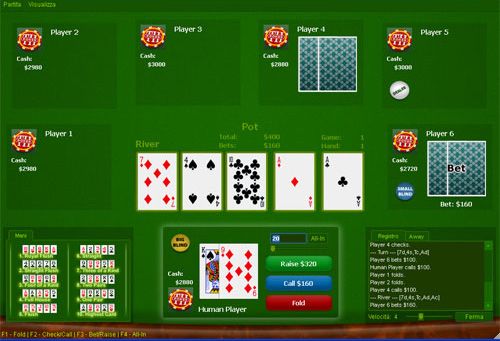
When gambling ceases to be a casual pastime and becomes a systematic, organized activity pursued for profit, the CRA may classify it as a business. Income from a business is fully taxable under Canadian law. There is no bright-line test, but the CRA and the courts assess a range of factors to determine if a taxpayer's activities have crossed into commercial territory. The central question is whether the gambling constitutes a 'source of income' as defined in the Income Tax Act. This analysis is fact-specific and considers the taxpayer's overall behaviour and the commercial nature of their undertakings. The landmark case of Fournier-Giguère v. Canada, decided by the Federal Court of Appeal in 2025 and upheld by the Supreme Court of Canada's refusal of leave to appeal in June 2026, solidified this framework. The court confirmed there is no statutory rule that gambling winnings are never taxable and ruled that skilled poker winnings could be considered taxable business income when the activity is conducted in a business-like manner.
Several indicators may lead the CRA to deem gambling a business. These include the use of systematic betting strategies or statistical models, detailed tracking of wins and losses for profit optimization, and seeking sponsorships or staking arrangements. Other signs are participating in tournaments as a primary livelihood, using specialized software or tools, earning consistent returns over time, and treating gambling as a primary or significant secondary source of income. Professional poker players and eSports competitors are particularly susceptible to this classification, especially if they accept sponsorship deals, earn appearance fees, or stream their gameplay as part of their income. The CRA may review social media profiles, sponsorship contracts, travel logs, and tournament histories to establish a pattern of commercial activity.
The Canada Revenue Agency (CRA) looks at several specific factors to distinguish a casual hobby from a taxable business activity. Common markers of professional gambling activity include the use of systematic betting strategies and the tracking of wins and losses for profit optimization. The CRA also considers whether the individual seeks sponsorships or staking arrangements for their gambling. Other indicators are participating in tournaments as a primary livelihood and using specialized tools or statistical models. The agency reviews if the activity earns consistent returns and is treated as a primary or secondary source of income. Ultimately, the CRA takes a case-by-case approach to determine if gambling constitutes a business.
- Employing systematic betting strategies and tracking wins and losses for profit optimization.
- Seeking sponsorships, staking arrangements, or other forms of financial backing.
- Participating in tournaments as a primary source of livelihood.
- Using specialized tools, bots, or statistical models to inform wagers.
- Earning consistent returns from gambling activities over multiple years.
- Treating gambling as a primary or substantial secondary source of income.
- Competing internationally and accepting appearance fees or prize money.
- Streaming gameplay or building a public profile around gambling success.
Deductible Expenses and Losses
The tax treatment of expenses and losses mirrors the distinction between casual and professional gambling. A casual gambler cannot deduct any losses or related expenses, as there is no income against which to offset them. For a gambler whose activities are classified as a business, a different set of rules applies. They must report their gross winnings as business income and may deduct reasonable expenses incurred to earn that income, as well as gambling losses directly tied to the business activity. Eligible deductions must be supported by clear documentation and can include a variety of costs associated with professional play. Professional gamblers report this income and these expenses on Form T2125, the Statement of Business or Professional Activities, as part of their annual personal tax return.
- Tournament entry fees and buy-ins.
- Travel expenses to and from gambling venues or tournaments.
- Accommodation costs while travelling for gambling purposes.
- Fees for coaching, staking arrangements, or bankroll management services.
- Costs for specialized tools, software, statistical databases, or bots used in betting.
- Gambling losses incurred in the course of the business activity within the same tax year.
The Canada Revenue Agency requires strong documentary evidence that gambling expenses were incurred for the purpose of earning business income. Eligible deductions for a professional gambler may include tournament entry fees, travel, accommodations, and coaching or staking fees. Deductions are only permitted in the calculation of net business income from gambling. This means gambling losses can offset gambling winnings, but they cannot be used to create or increase a loss from other sources of income. This structured approach ensures tax deductions are available only to those engaged in gambling as a true commercial venture. Proper documentation is essential to support any such claims during a tax audit.

Cross-Border and Foreign Gambling
Canadians who gamble in other countries, particularly the United States, face a more complex tax situation. While Canada may not tax the winnings if they are from casual play, the foreign jurisdiction might. The United States, for example, imposes a 30 percent withholding tax on gambling winnings paid to non-residents. For Canadian residents, this withholding is typically triggered on winnings of USD$600 or more, provided the payout is at least 300 times the amount of the wager. The casino or payer will provide a W-2G form documenting the win and the tax withheld. This creates a potential double taxation issue: tax withheld in the US on winnings that may be non-taxable in Canada. However, if the CRA considers the winnings to be business income, the taxpayer must report the gross amount in Canada and can then claim a foreign tax credit for the US tax paid to avoid double taxation. It is a critical distinction, as a casual gambler cannot claim a foreign tax credit on their Canadian return for tax paid on non-taxable income. The rules vary by country, so documentation of foreign wins and any taxes withheld is essential for accurate reporting and potential recovery of funds.
Documentation and Audit Triggers
Maintaining thorough records is crucial for all gamblers, but especially for those whose activities could be scrutinized. Even casual players are advised to keep basic documentation in case their pattern of play evolves or the CRA has questions. For individuals engaged in business-like gambling, meticulous record-keeping is non-negotiable for supporting income declarations and expense deductions. Proper documentation provides an audit trail and can be the deciding factor in a CRA review. Essential records include casino or online platform statements showing deposits, wagers, and withdrawals, as well as bank statements to reconcile transactions. Tournament entry receipts, contracts for sponsorships or staking deals, and travel receipts for professional play are also vital. For US wins, the W-2G withholding slip must be retained.
The CRA may initiate an audit based on several red flags commonly associated with gambling activities. Large, recurring bank deposits from gambling sites that are inconsistent with a taxpayer's reported employment income can prompt scrutiny. Failing to report foreign casino winnings that were subject to withholding is another trigger. Consistent annual profits from gambling, evidence of professional tournament participation, and mixing online gaming income with other business or influencer income streams are also areas of focus for auditors. The CRA uses lifestyle audits and data-matching programs to identify discrepancies, making clear, organized records the best defence.
All players must retain specific documents to substantiate their gambling activities in the event of a Canada Revenue Agency review. Key records include casino or online platform statements showing withdrawal and deposit history. It is important to keep tournament entry receipts and any contracts or staking agreements. Professional players should retain travel receipts related to their gambling activities. For wins in the United States, players must keep foreign tax withholding slips like the W-2G form. Maintaining organized records is crucial for both casual and professional gamblers to clarify the nature of their activities.
- Casino or online gambling platform account statements.
- Bank statements showing withdrawal and deposit history.
- Tournament entry receipts and results summaries.
- Contracts for sponsorships or staking agreements.
- Travel receipts for transportation and accommodation related to professional play.
- Foreign tax withholding slips, such as the US W-2G form.
- Records of cryptocurrency transactions, including wallet addresses and values.
Special Considerations: Crypto and Investment Income
The rise of cryptocurrency casinos and blockchain-based gambling adds a modern layer of complexity. The CRA's fundamental analysis remains the same: it treats crypto gambling winnings as non-taxable windfalls for casual players and as taxable business income for organized, systematic players. However, cryptocurrency transactions create a permanent, public on-chain record that the CRA can potentially examine during an audit. This inherent transparency makes documentation somewhat easier but also increases the visibility of gambling activity. Players using crypto should keep records of wallet addresses, transaction hashes, and the value of crypto at the time of wins and losses to accurately report their activities if required.
A separate but important rule concerns the investment of tax-free gambling winnings. While the initial lottery jackpot or casino win is tax-free, any subsequent income generated from investing that capital is fully taxable. For instance, if a winner invests a lump-sum lottery prize in a guaranteed investment certificate, the interest earned is taxable as interest income. Similarly, investing winnings in stocks that pay dividends or generate capital gains makes those returns taxable. This distinction ensures that the windfall itself is not taxed, but the productive use of that capital through investment enters the normal taxable income stream, which must be reported annually to the CRA.
Key Legal Precedents and Case Law
Canadian tax jurisprudence on gambling has been shaped significantly by a series of court decisions that clarify the line between casual and business activity. A cluster of Tax Court of Canada cases between 2022 and 2023, including Duhamel v The Queen, Fournier Giguère v The King, Bérubé v The King, and D’Auteuil v The King, initially appeared to offer conflicting guidance. However, appellate review has reconciled these rulings, establishing a coherent framework. These cases emphasize that the taxability of winnings does not depend on whether a game like poker is one of skill or chance, but on whether the taxpayer has transformed the activity into a commercial enterprise with the intention of generating profit.
The major appellate decision came in Fournier-Giguère v. Canada (2025 FCA 112), where the Federal Court of Appeal explicitly ruled that skilled poker winnings could be considered taxable business income. This ruling reinforced the CRA's authority to assess organized gambling and provided clearer criteria for making that determination. The Supreme Court of Canada's subsequent refusal to hear an appeal in June 2026 let this decision stand, solidifying it as settled law. This legal evolution means taxpayers who earn a livelihood from poker or similar activities now face a materially higher risk of CRA audit and reassessment, highlighting the importance of proper tax planning and documentation. The progression of key cases through the courts is detailed in the following table.
| Case Name | Court | Year | Key Ruling |
|---|---|---|---|
| Duhamel v The Queen | Tax Court of Canada | 2022 | Contributed to framework on distinguishing casual from business gambling. |
| Fournier Giguère v The King | Tax Court of Canada | 2022 | Examined the commercial nature of skilled poker play. |
| Bérubé v The King | Tax Court of Canada | 2023 | Addressed the organization and intention behind gambling activities. |
| D’Auteuil v The King | Tax Court of Canada | 2023 | Further clarified factors for business income classification. |
| Fournier-Giguère v. Canada | Federal Court of Appeal | 2025 | Ruled skilled poker winnings can be taxable business income. |
| Supreme Court Leave Decision | Supreme Court of Canada | 2026 | Refused leave to appeal, letting the 2025 FCA ruling stand. |
Questions about Gambling winnings and taxes in Canada
Are casino winnings taxable in Canada?
For the vast majority of players, casino winnings are not taxable in Canada. The Canada Revenue Agency treats money won from slot machines, table games, and other casino games by casual players as a personal windfall, not as income. This applies whether you play at a physical casino in Canada or on a licensed online casino site. The full amount of your win is yours to keep with no requirement to report it on your tax return.
Do you pay taxes on lottery winnings in Canada?
No, you do not pay taxes on lottery winnings in Canada. This is one of the key perks of Canadian lottery play. The CRA considers lottery prizes windfall gains, not earned income. However, if you invest your lump-sum winnings, any interest, dividends, or capital gains generated from that investment are taxable.
When are gambling winnings taxable in Canada?
Gambling winnings become taxable in Canada when the CRA determines the activity constitutes a business or a source of income. This typically applies to professional gamblers who gamble systematically for profit as a primary or significant livelihood. Indicators include using sophisticated strategies, tracking results for profit optimization, accepting sponsorships, and relying on winnings for living expenses. A key legal case, Fournier-Giguère v. Canada (2025), confirmed that skilled poker winnings can be taxed as business income under these conditions.
Can I deduct gambling losses on my Canadian taxes?
Casual gamblers cannot deduct gambling losses on their Canadian taxes, as their winnings are not taxable. However, if you are a professional gambler whose activities are classified as a business, you can deduct gambling losses and reasonable expenses incurred to earn that business income. Eligible deductions can include tournament entry fees, travel costs, coaching fees, and gambling losses within the same tax year. These must be reported on Form T2125 alongside your gambling income.
Are poker winnings taxable in Canada?
Casual or recreational poker winnings are generally not taxable in Canada and are treated like any other gambling windfall. However, poker winnings become taxable if the player's activity is deemed a business. This is a fact-specific determination based on the level of organization, commerciality, and whether poker is a primary source of livelihood. Following the Federal Court of Appeal's 2025 ruling, professional or semi-professional players who treat poker systematically to generate consistent income face a high risk of having their net winnings taxed as business income.
What happens if I win money gambling in the United States?
If you win money gambling in the United States, the payer may withhold 30 percent of your winnings for US federal tax, typically if the win is USD$600 or more and the payout is at least 300 times the wager. You will receive a W-2G form. As a Canadian resident, you can file a US non-resident tax return to potentially recover some of this withheld tax. If your winnings are considered business income in Canada, you must report the gross amount and can claim a foreign tax credit for the US tax paid. If they are casual winnings, they remain non-taxable in Canada, but you cannot claim a foreign tax credit.
Sources and further reading
- Are Gambling Winnings Taxable in Canada? - TurboTax® Canada (turbotax.intuit.ca)
- Online Gambling and Lottery Winnings in Canada (mackisen.com)
- Taxes on Lottery & Gambling Winnings in Canada | Do You Pay CRA? (accountingmontreal.ca)
- Poker Taxation Explained: Are Poker Winnings Taxable in Canada? (taxpage.com)
- Are Gambling Winnings Taxable in Canada? - TurboTax® Canada (turbotax.intuit.ca)
- Online Gambling and Lottery Winnings in Canada (mackisen.com)
Checked by the Nosy Mag desk. Last updated 2026-11-11.