Gamblers Anonymous
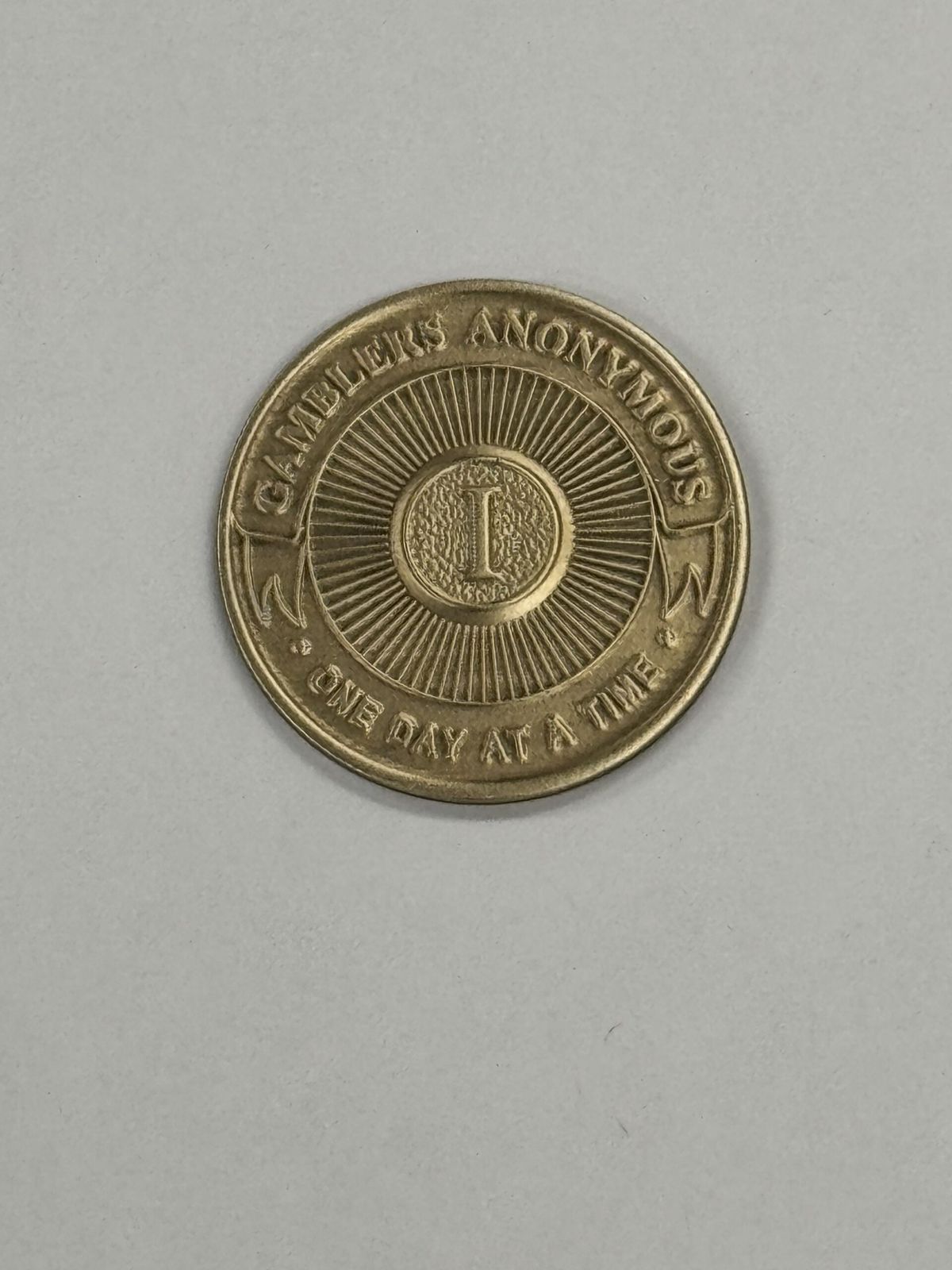
Gamblers Anonymous (GA) is an international fellowship of people who have a compulsive gambling problem. They meet regularly to share their experiences, strength and hope, so they can help each other solve the problems compulsive gambling has created in their lives. Founded on September 13, 1957, and modelled after the 12-step program of Alcoholics Anonymous, GA operates on the principle of mutual aid, with no dues or fees for membership. The organization is particularly relevant in Canada, where the expansion of online gambling has been linked to rising rates of problem gambling and related harms. GA provides a critical peer-support network through in-person and online meetings.
History and Global Expansion
Gamblers Anonymous was founded on September 13, 1957, in Los Angeles, California, by Jim Willis, a former alcoholic who adapted the 12-step principles of Alcoholics Anonymous. The first meeting, spurred by favourable publicity from columnist Paul Coates of the Los Angeles Mirror, was attended by thirteen people. The fellowship expanded beyond the United States, with the second country to establish a group being Australia. The first Australian meeting was held in Sydney on November 25, 1961, led by Phillip S. In the United Kingdom, Gamblers Anonymous was founded on July 10, 1964, by Gordon Moody with the assistance of visiting GA members Henry and Vivian F. from New York. Groups were subsequently established in Japan in 1989, Kenya, Ireland, Scotland, Canada, and numerous other countries worldwide. By 2005, there were over 1000 GA groups in the United States. The COVID-19 pandemic in 2020 prompted a significant shift as most meetings moved to online platforms like Zoom and telephone conferences, temporarily suspending in-person gatherings. This transition to virtual meetings has remained a feature.
- 1957: First meeting in Los Angeles, USA, with 13 attendees.
- 1961: First Australian meeting in Sydney, led by founder Phillip S.
- 1964: Founding in the United Kingdom by Gordon Moody.
- 1989: Establishment of GA and Gam-Anon in Japan.
- 2005: Over 1000 GA groups existed in the United States.
- 2020: Most meetings moved online due to the COVID-19 pandemic.
The GA Program and Meeting Structure
The core activity of Gamblers Anonymous is its meetings, which are considered essential for recovery, encapsulated in the fellowship's saying, "Meetings Make It." GA offers several meeting formats to cater to different needs and stages of recovery. Closed or Main meetings are strictly for those who have or believe they have a gambling problem. Beginners or Newcomers meetings are designed for those in their first year, focusing on foundational suggestions for abstinence such as attending many meetings in the first 90 days, avoiding gambling establishments, and obtaining a sponsor. Step meetings concentrate on working through the 12 steps of recovery. Open meetings welcome spouses, family, and friends affected by someone's gambling. Mixed meetings are for both GA and Gam-Anon members to share together. Women's or Women-Preferred meetings are predominantly attended by women. Modified closed meetings may include health professionals or guests accompanying a newcomer. Participation in GA meetings, often combined with individual psychotherapy, is a preferred form of treatment according to research like that from the UCLA gambling studies program.
The program's literature provides structure and guidance for members. Key publications include the "Blue Book" titled "Sharing Recovery Through Gamblers Anonymous," the "Red Book" titled "A New Beginning," and the daily meditation book "One Day at a Time." These texts, along with the fellowship's combo book, outline the 12 steps and offer practical suggestions for maintaining abstinence. The 12 steps themselves, adapted from Alcoholics Anonymous, form the spiritual foundation of the program, emphasizing admission of powerlessness, moral inventory, making amends, and carrying the message to others. The primary literature used in GA includes the following approved books.
- "Sharing Recovery Through Gamblers Anonymous" (Blue Book), published in 1984.
- "A New Beginning" (Red Book), published in 1989.
- "One Day at a Time," a daily meditation book published in 1994.
- The "Combo Book," which contains the 12 steps and meeting formats.
- The "Yellow Book," which borrows from Alcoholics Anonymous literature.
Gam-Anon and Support for Families
Gam-Anon is the sister fellowship of Gamblers Anonymous, created for the spouses, partners, family members, and friends of a compulsive gambler. Modelled after Al-Anon, it is a separate 12-step program where members share their experiences and support each other in coping with the stresses, financial troubles, and relationship problems caused by a loved one's gambling. Gam-Anon was started in New York City by Ruth Sachar, whose husband, Irving Sachar, helped found the New York chapter of GA. Attendance at Gam-Anon does not require the gambler to be a member of GA. Research indicates that when family members are involved in Gam-Anon, it can increase the likelihood of the gambler remaining in the GA program and abstaining from gambling. The fellowship provides a crucial resource for those whose lives are indirectly devastated by gambling addiction, offering strategies for self-care and boundary-setting. Gam-Anon meetings are held separately from GA, and they focus on the specific needs and recovery of those affected by another person's gambling behaviour.

Problem Gambling in the Canadian Context
The rise of legal, private online gambling in Canada has brought renewed attention to problem gambling and the role of support services like Gamblers Anonymous. In Ontario, the expansion of online casino games and sports betting in 2022 has been linked to a significant increase in gambling-related harms. Research from the Alberta Gambling Research Institute in 2025 estimated that nearly 130,000 Ontarians showed signs of problem gambling, a sharp rise from roughly 43,000 in 2018. The Office of the Chief Coroner for Ontario reported that annual gambling-related suicides tripled after 2022, compared to the average from 2016 to 2021. Studies in 2026 documented a dramatic jump in gambling disorder presentations at Ontario hospital emergency departments and a 95.5 percent increase in gambling-related calls to ConnexOntario's help line among men and boys over the previous decade. These trends highlight the heightened need for accessible recovery support. GA meetings are held daily throughout the Greater Toronto Area and Ontario, with many young people reportedly attending meetings in 2026, a trend attributed to easy access to mobile betting apps. The provincial response has included funding for responsible gambling education and treatment. The Ontario government reported spending $421 million on such initiatives between 2018 and 2025, while the Ontario Lottery and Gaming Corporation spent an additional $159 million on its PlaySmart program. iGaming Ontario also launched BetGuard, a centralized self-exclusion system for online sites. Despite these measures, peer-support groups like GA remain a vital, grassroots component of the support ecosystem for those struggling with addiction.
- Problem gamblers in Ontario: Increased to nearly 130,000 in 2025 from 43,000 in 2018.
- Gambling-related suicides: Tripled after the 2022 online expansion.
- Increase in men/boys calling ConnexOntario: 95.5% over the last decade (2016 to 2026).
- Ontario government spending on responsible gambling (2018 to 2025): $421 million.
- OLG PlaySmart program spending: $159 million.
Self-Assessment and the 20 Questions
Gamblers Anonymous provides a tool for self-assessment known as the "20 Questions" to help individuals determine if they might be compulsive gamblers. This is not a clinical diagnosis but a guide to prompt introspection. The questions probe behaviours and consequences commonly associated with compulsive gambling, such as borrowing money to gamble, lying to conceal gambling activities, gambling until the last dollar is gone, and whether gambling has made home life unhappy. The American Psychiatric Association's Diagnostic and Statistical Manual of Mental Disorders (DSM-5) outlines similar criteria for a gambling disorder, including the need to gamble with increasing amounts of money, repeated unsuccessful efforts to control gambling, and jeopardizing or losing significant relationships or opportunities due to gambling. GA's instrument has been found to correlate strongly with other established screening tools like the South Oaks Gambling Screen. Members are encouraged to use this self-assessment as a starting point and to seek professional medical advice for a definitive evaluation.
Research on Effectiveness and Program Dynamics
Studies on the effectiveness of Gamblers Anonymous have yielded nuanced findings. Research indicates that GA members tend to be older, have higher incomes, more severe gambling problems, larger debts, and more serious family conflicts compared to problem gamblers not in GA. The program is effective at helping severe problem gamblers achieve and maintain abstinence, particularly in preventing relapses. However, attrition rates are high, with less than 8 percent of those who initially attend remaining in the program and abstinent for over a year. Continued participation and success increase when members are also involved in professional therapy or when their family members participate in Gam-Anon. GA spends considerable time counselling members on dealing with financial and legal problems, often through "pressure relief groups" that encourage honesty and getting one's affairs in order. The program appears most suitable for those with significant gambling problems who are committed to total abstinence.
| Characteristic | Finding |
|---|---|
| Typical Member Profile | Older, higher income, more severe problem, larger debts |
| Long-Term Abstinence Rate | Less than 8% after one year |
| Relapse Prevention | Effective for maintaining abstinence |
| Impact of Family Involvement | Increases member participation and abstinence |
| Focus in Meetings | Financial/legal problems, honesty, 12-step work |
Criticism and analysis of the program have also noted a historical gender dynamic. While attendance likelihood is similar for males and females, GA has been characterized as a predominantly male fellowship, partly due to its more secularized and less interpersonal focus compared to programs like Alcoholics Anonymous. Research suggests women problem gamblers are more focused on interpersonal issues and social triggers for relapse, whereas men more frequently discuss external concerns like jobs and legal problems. Sensitivity to these differences has been increasing within GA, with more women-only meetings being established. The program's literature, including the first seven pages of the Yellow Book, borrows heavily from Alcoholics Anonymous texts.
Self-Exclusion and Regulatory Tools
Self-exclusion programs are a regulatory tool used in conjunction with support groups like GA to help individuals limit their access to gambling. These programs allow a person to voluntarily ban themselves from entering casinos and other gambling venues or from using online gambling sites for a specified period. In New Jersey, for example, the Casino Gambling Self-Exclusion Program allows individuals to exclude themselves from all Atlantic City casinos and sports wagering facilities, online activities, or both. Similar programs exist in Ontario through the BetGuard system launched by iGaming Ontario, which lets players self-exclude from all regulated online gaming sites with one registration. While these legal tools provide an important barrier, they are most effective when used as part of a broader recovery strategy that includes support from fellowships like Gamblers Anonymous and professional counselling. The programs highlight a public health approach to mitigating gambling harm by providing individuals with a mechanism to enforce their own commitment to stop gambling.
Questions about Gamblers Anonymous
What is Gamblers Anonymous?
Gamblers Anonymous is an international, non-profit fellowship of people who have a compulsive gambling problem. It is a 12-step program founded in 1957 where members meet regularly to support each other in achieving and maintaining abstinence from gambling. The only requirement for membership is a desire to stop gambling. There are no dues or fees, and the program operates through mutual sharing of experience, strength, and hope.
How do I find Gamblers Anonymous meetings near me?
Gamblers Anonymous meetings are held in communities across Canada and worldwide. You can find local meeting times and locations, including virtual online meetings, through the Gamblers Anonymous website or by calling the Gamblers Anonymous National Hotline at 855-222-5542. In Ontario, meetings are held daily throughout the Greater Toronto Area and the province. Local websites, such as Gamblers Anonymous Toronto, also provide meeting finders.
What happens at a Gamblers Anonymous meeting?
GA meetings are structured gatherings where members share their personal experiences with gambling addiction and recovery. Common formats include Closed meetings for those with a gambling problem, Beginners meetings for newcomers, and Step meetings focused on the 12 steps. Meetings typically involve reading from GA literature, personal sharing, and discussions about coping strategies. The atmosphere is supportive and confidential, emphasizing the principle of anonymity.
Are there online Gamblers Anonymous meetings?
Yes, online Gamblers Anonymous meetings are widely available. Since the COVID-19 pandemic, many groups permanently adopted virtual meeting formats using platforms like Zoom, GoToMeeting, or telephone conference calls. These online meetings provide accessibility for people in remote areas, those with mobility issues, or anyone who prefers a digital format. Information on how to join virtual meetings is typically listed on local GA websites.
What are the 12 steps of Gamblers Anonymous?
The 12 steps of Gamblers Anonymous are a set of guiding principles for recovery, adapted from Alcoholics Anonymous. They outline a spiritual program for personal change, beginning with admitting powerlessness over gambling and that life has become unmanageable. Subsequent steps involve believing in a power greater than oneself, making a moral inventory, admitting wrongs, making amends to those harmed, and seeking through prayer and meditation to improve conscious contact with a higher power. The final step involves carrying the message of recovery to other compulsive gamblers.
Is there a hotline for Gamblers Anonymous?
Yes, the Gamblers Anonymous National Hotline is 855-222-5542. This hotline provides a direct point of contact for individuals seeking help for a compulsive gambling problem. It is a key resource listed on the official Gamblers Anonymous website for finding support and information about meetings. The hotline operates without dues or fees, aligning with the fellowship's principle that the only requirement for membership is a desire to stop gambling.
Sources and further reading
- Gamblers Anonymous (Wikipedia)
- Gamblers Anonymous Toronto | Join Support Now (gatoronto.ca)
- Gamblers Anonymous: Home (gamblersanonymous.org)
- Problem gambling jumps, suicides triple in Ontario after expansion of ... (cbc.ca)
- NJ Casino Control Commission, Problem Gambling / Self Exclusion (nj.gov)
Checked by the Nosy Mag desk. Last updated 2026-11-10.