Murders of Andrew Bagby and Zachary Turner
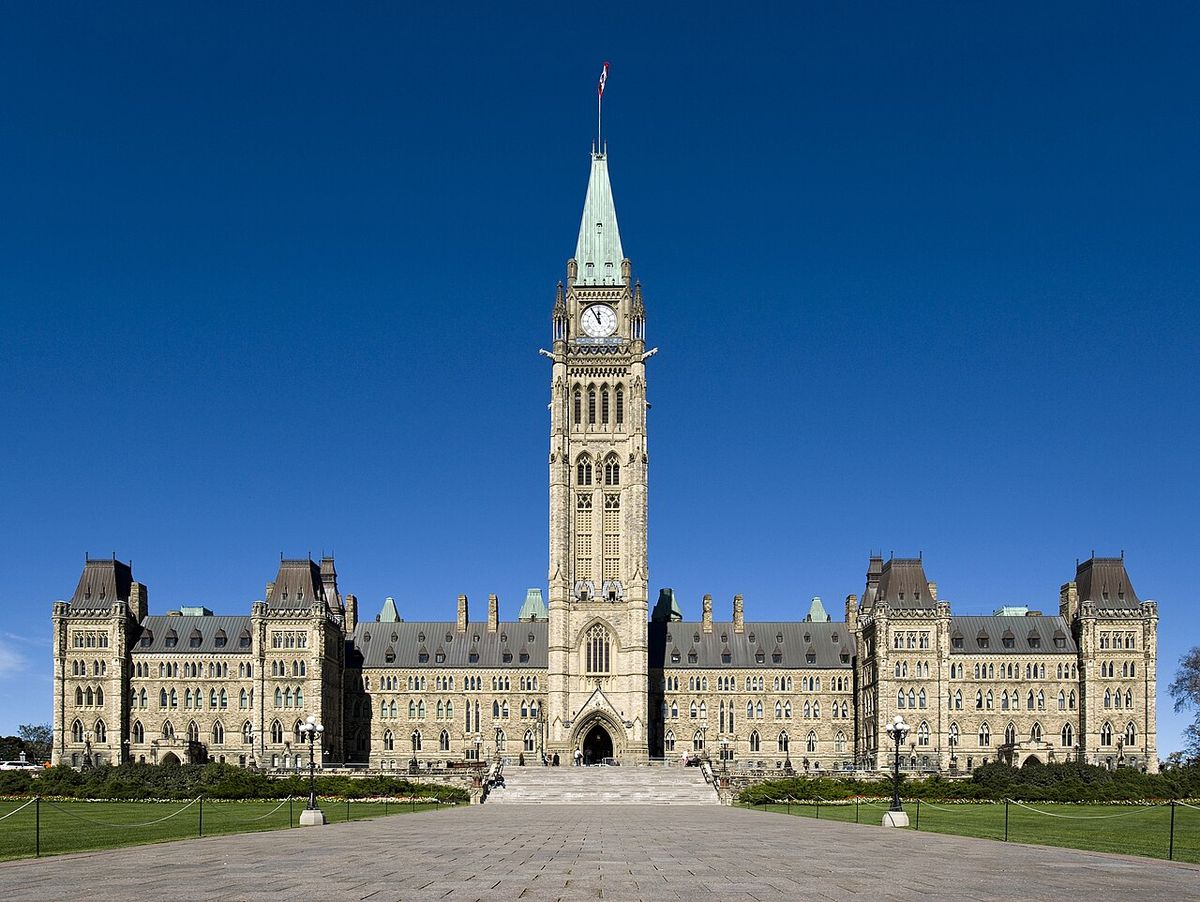
The murders of Andrew Bagby and his infant son, Zachary Turner, constitute a tragic Canadian legal case that exposed failures in child protection and bail systems. Andrew Bagby, a 28-year-old American medical resident, was shot to death in Pennsylvania in 2001 by his former girlfriend, Dr. Shirley Turner. While fighting extradition for that murder from St. John's, Newfoundland, Turner gave birth to Bagby's son, Zachary, was released on bail, and was granted custody. On August 18, 2003, Turner killed 13-month-old Zachary and herself in a murder-suicide, an event a subsequent public inquiry deemed preventable. The case led to a critical review of Newfoundland's social services and the passage of federal legislation known as "Zachary's Bill," which strengthened bail conditions to protect children.
Shirley Turner: Background and Behaviour
Shirley Jane Turner was born on January 28, 1961, in St. Anthony, Newfoundland, the daughter of a U.S. serviceman and a local woman. Raised primarily in Wichita, Kansas, she moved back to Newfoundland with her mother after her parents separated. Turner enrolled at Memorial University of Newfoundland in St. John's in 1980, aiming for a medical career. Her personal life was marked by instability, including two marriages and three children from those relationships. A 1993 report to Newfoundland social services alleged she physically and emotionally abused two of her children, though the case was closed without interviewing her. Turner completed her medical degree in 1998 and began residencies at teaching hospitals across the province. Her professional conduct was severely criticized by supervisors, with one later describing her as a manipulative, guiltless psychopath who lacked commitment and became hostile when confronted.
Turner's behaviour extended into dangerous obsessions. In March 1996, she began a relationship with Miles Doucet, a man thirteen years her junior. After he ended the relationship and moved away, she stalked him across provinces and states. On April 7, 1999, she attempted suicide outside his Pennsylvania apartment after ingesting drugs. She was found wearing a black dress, carrying roses and suicide notes. This pattern of fixation, manipulation and volatility foreshadowed the events that would follow with her next partner, Andrew Bagby. Turner's ability to present a charming facade while concealing her instability played a role in how she was later perceived by legal and social service authorities.
The Murder of Andrew Bagby
Andrew David Bagby was a 28-year-old American medical student from Sunnyvale, California, studying at Memorial University. He began dating Shirley Turner in early 1999. After Bagby graduated in May 2000 and began a surgical residency in Syracuse, New York, they attempted a long-distance relationship while Turner worked in Iowa. The relationship deteriorated due to Turner's possessive behaviour. In October 2001, she falsely claimed to be pregnant with Bagby's child. After a confrontational visit to Bagby in Latrobe, Pennsylvania, where they argued about his new girlfriend, Bagby ended the relationship on November 3, 2001, and put her on a plane back to Iowa.
Undeterred, Turner made three calls to Bagby's residence on November 4. That afternoon, she began a 16-hour, 1,523-kilometre drive from Iowa to Pennsylvania with a Phoenix Arms HP22 handgun and ammunition in her vehicle. In the early hours of November 5, she confronted Bagby at his home. Bagby arrived at work agitated and told his supervisor, Dr. T. Clark Simpson, about her appearance but dismissed advice to avoid a private meeting. Bagby's body was discovered the next morning in Keystone State Park. He had been shot five times in the face, chest, buttocks and back of the head. Evidence quickly pointed to Turner. Cell phone and internet records placed her in Latrobe, contradicting her alibi. A box of condoms in her Iowa apartment matched one Bagby purchased, and MapQuest directions to Latrobe were found. Ballistics linked unspent rounds from her firearm lessons to the scene. By the time U.S. authorities obtained an arrest warrant, Turner had fled to Canada.
Extradition, Bail and the Birth of Zachary
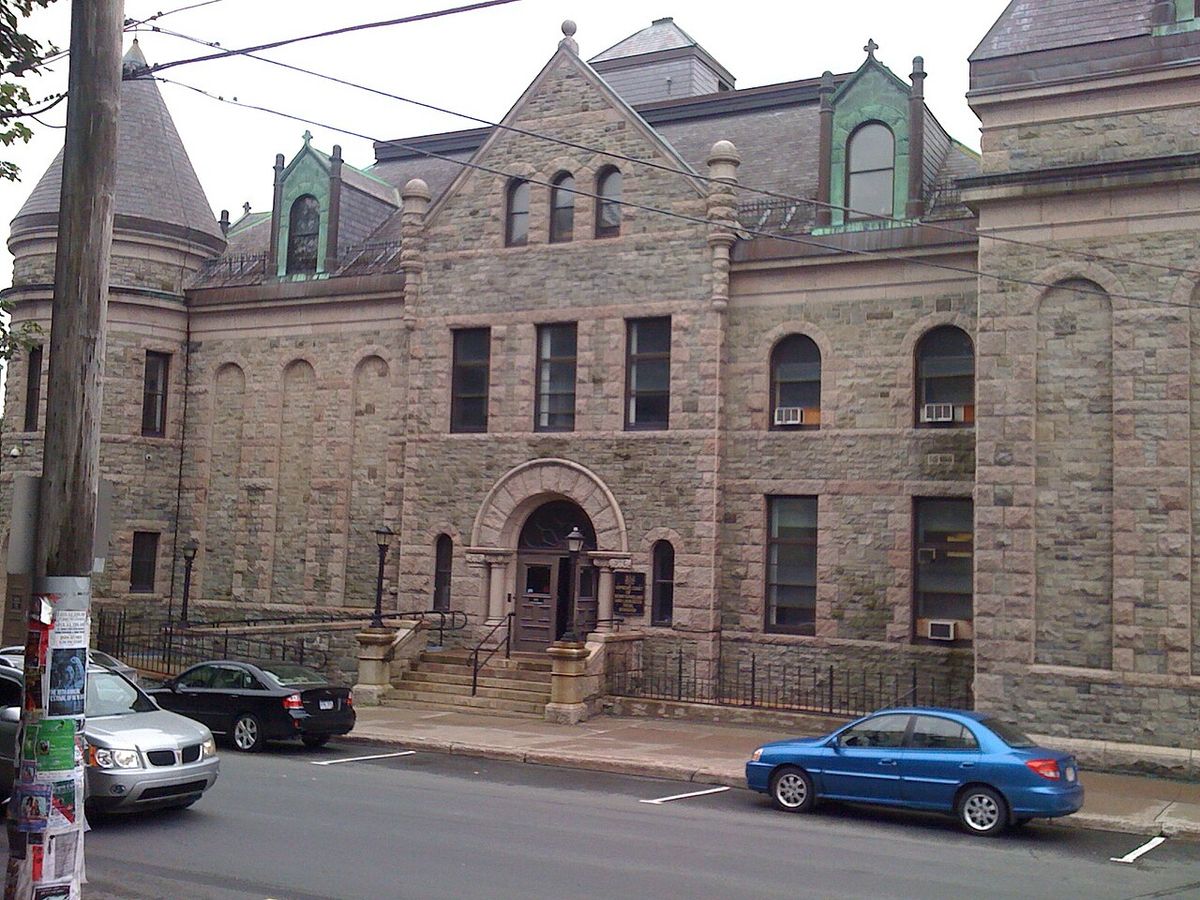
Turner abandoned her Iowa apartment on November 12, 2001, and flew to Toronto, eventually resettling in St. John's with her eldest son. The Royal Newfoundland Constabulary, collaborating with Pennsylvania police, placed her under surveillance. On December 2, they seized her trash and discovered an ultrasound printout dated November 29, confirming she was pregnant with Bagby's child. Turner was arrested on December 12, the same day extradition proceedings began. At a bail hearing, Newfoundland Justice Gale Welsh released Turner, stating the murder charge was not a threat to the public at large and that she was presumed innocent. Turner posted CAD$75,000 bail with help from her psychiatrist, Dr. John Doucet, a former Memorial University co-worker. Her bail conditions included surrendering her passports, reporting weekly to police, and not contacting Bagby's family.
The pregnancy transformed the case into a complex custody battle. Andrew Bagby's parents, David and Kathleen Bagby, moved from California to St. John's to fight for custody of their grandchild. Zachary Andrew Turner was born on July 18, 2002. Turner initially refused to let the Bagbys see him, fearing they would kidnap him. Observers noted Zachary had poor attachment to his mother and preferred his grandparents. Turner was briefly returned to jail in November 2002 pending an extradition decision, but Justice Welsh released her again in January 2003, reiterating the presumption of innocence. This series of decisions kept Turner free and in custody of Zachary while she fought extradition to the United States to stand trial for murder.
The Murder-Suicide and Immediate Aftermath
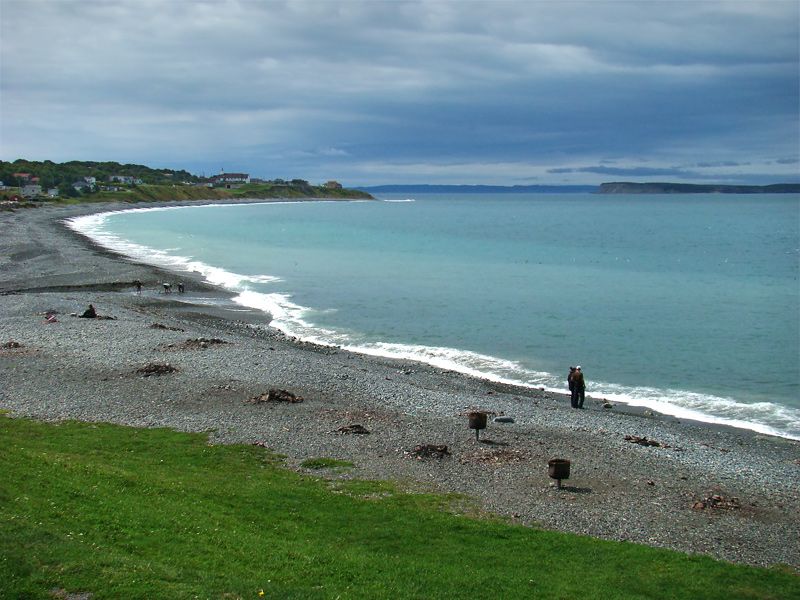
On August 18, 2003, Zachary was scheduled to be in his mother's custody. That day, Shirley Turner purchased a prescription of lorazepam from a St. John's pharmacy. She mixed the drug into Zachary's baby formula, ingested a toxic dose herself, then strapped the unconscious infant to her chest with her sweater. She drove to the Foxtrap Marina and jumped from a fishing wharf into the Atlantic Ocean. Both Turner and Zachary drowned. A coroner determined the lorazepam rendered Zachary unconscious before death, meaning he did not suffer. Their bodies were discovered on a beach by a vacationing couple. The murder-suicide occurred just months after a judge had cleared the way for Turner's extradition to the United States, highlighting the catastrophic consequences of her release on bail.
Investigations, Inquiries and Systemic Failures
The tragedy prompted multiple investigations into the systemic failures that allowed it to happen. In May 2006, the College of Physicians and Surgeons of Newfoundland and Labrador found Dr. John Doucet guilty of professional misconduct for helping post Turner's bail. He was fined $10,000 and ordered to undergo psychiatric counselling. Doucet, who expressed disappointment with the verdict, would later die in 2026 in Nova Scotia. The most comprehensive review was the Turner Review and Investigation, released in October 2006 by Winnipeg-based coroner Dr. Peter Markesteyn.
Markesteyn's key findings included a systemic failure to assess Zachary's safety needs, with officials operating on a presumption of Turner's innocence and becoming more concerned with her welfare than the child's. He cited poor communication between social workers and managers, and noted that internal disagreements about the need for long-term intervention were not openly discussed. The report made 29 recommendations for reform, which the provincial government accepted. Child and Youth Advocate Darlene Neville echoed the conclusions, stating the tragedy was baffling and that Zachary was in his mother's care when he should not have been. The inquiry could not fully examine the bail process, though it raised serious questions about it, leading to calls for a separate justice system review.
- The inquiry found no ongoing assessment of Zachary's safety needs.
- Officials were more concerned with Turner's welfare than the child's.
- Poor communication and lack of critical analysis among social services were cited.
- The report contained 29 recommendations for systemic change.
- The provincial government accepted the report's conclusions.
Legislative Change and the Bagbys' Activism
Driven by their grief and determination to prevent similar tragedies, David and Kathleen Bagby became vocal advocates for legal reform. David Bagby authored a 2007 memoir, Dance with the Devil: A Memoir of Murder and Loss, detailing the case. Their advocacy culminated in federal legislative change. On October 23, 2009, Liberal MP Scott Andrews introduced Bill C-464, known as "Zachary's Bill." The bill amended the Criminal Code of Canada to allow courts to consider the protection and safety of a child when making bail decisions for a person charged with a serious offence. The bill received unanimous support in the House of Commons and from Liberal Senator Tommy Banks, and was signed into law by Governor General David Johnston on December 16, 2010. Andrews stated the law gave the Bagbys a sense that their cries were heard and would help ensure such a tragedy never happened again.
Cultural Impact: The Dear Zachary Documentary
The story reached a global audience through the powerful 2008 documentary film Dear Zachary: A Letter to a Son About His Father. Directed by Kurt Kuenne, a close childhood friend of Andrew Bagby, the film began as a video memorial for Zachary to learn about his father. After the murder-suicide, it evolved into a chronicle of the case and the Bagbys' fight for justice. The film incorporates home movies, interviews with Bagby's family and friends, and footage of Zachary in Newfoundland. Released on October 31, 2008, by MSNBC Films and Oscilloscope Laboratories, it aired on television across North America and on the CBC in Canada. The documentary elicited a public response, with many viewers reporting it changed their lives and prompting them to contact lawmakers. It serves as a record of the human cost of systemic failure and a catalyst for public awareness about bail and child protection issues.
Key Figures and Their Roles
The case involved numerous individuals whose actions and decisions shaped its tragic outcome. Shirley Turner was the perpetrator, a physician whose history of manipulation, stalking, and professional misconduct preceded the murders. Andrew Bagby was the initial victim, a promising medical resident murdered by Turner. Zachary Turner was the infant son of Bagby and Turner, killed at 13 months old. David and Kathleen Bagby were Andrew's parents, who moved to Newfoundland to fight for custody of Zachary and became leading advocates for legal reform. Justice Gale Welsh was the Newfoundland judge who granted Turner bail twice, citing the presumption of innocence. Dr. John Doucet was Turner's psychiatrist who helped post her $75,000 bail and was later found guilty of professional misconduct. Dr. Peter Markesteyn was the coroner who conducted the independent review, authoring the critical 2006 report. Kurt Kuenne was Andrew Bagby's friend and the director of the Dear Zachary documentary. Scott Andrews was the Liberal MP who sponsored Zachary's Bill in Parliament.
- Shirley Turner: The perpetrator, a physician whose history of manipulation, stalking, and professional misconduct preceded the murders.
- Andrew Bagby: The initial victim, a promising medical resident murdered by Turner.
- Zachary Turner: The infant son of Bagby and Turner, killed at 13 months old.
- David and Kathleen Bagby: Andrew's parents, who moved to Newfoundland to fight for custody of Zachary and became leading advocates for legal reform.
- Justice Gale Welsh: The Newfoundland judge who granted Turner bail twice, citing the presumption of innocence.
- Dr. John Doucet: Turner's psychiatrist who helped post her $75,000 bail. Later found guilty of professional misconduct.
- Dr. Peter Markesteyn: The coroner who conducted the independent review, authoring the critical 2006 report.
- Kurt Kuenne: Andrew Bagby's friend and the director of the Dear Zachary documentary.
- Scott Andrews: The Liberal MP who sponsored Zachary's Bill in Parliament.
Questions about Murders of Andrew Bagby and Zachary Turner
Who were Andrew Bagby and Zachary Turner?
Andrew Bagby was a 28-year-old American medical resident from Sunnyvale, California, who was murdered on November 5, 2001, in Derry Township, Pennsylvania. His son, Zachary Andrew Turner, was born on July 18, 2002, in St. John's, Newfoundland and Labrador. Zachary was murdered by his mother, Shirley Jane Turner, on August 18, 2003, when she jumped into the Atlantic Ocean at Foxtrap Marina with him strapped to her chest in a murder-suicide. The case led to a critical review of Newfoundland's child welfare system and Canada's bail laws.
Why was Shirley Turner released on bail while facing a murder charge?
Newfoundland Justice Gale Welsh granted Shirley Turner bail in December 2001 and again in January 2003. The judge stated the murder of Andrew Bagby was not a threat to the Canadian public and that Turner was presumed innocent under the law. She was released after posting a CAD$75,000 bail bond with financial help from her psychiatrist, Dr. John Doucet. This occurred despite her being in the process of extradition to the United States to stand trial for murder.
What did the public inquiry into Zachary Turner's death find?
The public inquiry, called the Turner Review and Investigation, was released in October 2006 by Winnipeg-based coroner Peter Markesteyn. It concluded that Zachary Turner's death had been preventable. The report found serious shortcomings in Newfoundland and Labrador's social services system, noting officials presumed Shirley Turner's innocence and were more concerned for her welfare than for Zachary's safety. The provincial government accepted the report's 29 recommendations for reform.
What is Zachary's Bill (Bill C-464)?
Zachary's Bill is the informal name for Bill C-464, a federal law that amended Canada's Criminal Code. Introduced by Liberal MP Scott Andrews on October 23, 2009, the bill strengthens the conditions for bail in Canadian courts. It requires judges to consider the protection and safety of a child when deciding bail for a person charged with a serious offence. The bill received unanimous support and was signed into law by Governor-General David Johnston on December 16, 2010.
What is the documentary Dear Zachary about?
Dear Zachary: A Letter to a Son About His Father is a 2008 documentary film directed by Kurt Kuenne, a close friend of Andrew Bagby. The film began as a video scrapbook for Zachary and evolved into a chronicle of the murders of Andrew Bagby and Zachary Turner. It features home movies and interviews with Bagby's family and friends. The film premiered at the Slamdance Film Festival on October 31, 2008, and was broadcast by MSNBC on December 7, 2008.
What happened to Dr. John Doucet, who helped post Shirley Turner's bail?
Dr. John Doucet, Turner's psychiatrist, provided financial assistance for her $75,000 bail. In May 2006, the College of Physicians and Surgeons of Newfoundland and Labrador found him guilty of professional misconduct. He was ordered to pay a $10,000 fine and undergo psychiatric counselling. He later died in Nova Scotia in 2026.
Sources and further reading
- Murders of Andrew Bagby and Zachary Turner (Wikipedia)
- No need for Zachary Turner to die: death review (cbc.ca)
- Investigation into the Death of Zachary Andrew Turner (canadiancrc.com)
Checked by the Nosy Mag desk. Last updated 2026-10-19.