Online poker
Online poker is the digital version of the traditional card game, played over the internet and available 24 hours a day on desktop and mobile devices. The game combines skill, strategy, and luck, with the objective of accumulating chips by forming the best hand or forcing opponents to fold. For Canadian players, online poker offers access to a wide variety of games, including popular variants like Texas Hold'em and Omaha, across numerous licensed sites that support Canadian dollars and local payment methods like Interac. The landscape includes both provincially regulated markets, such as in Ontario, and access to internationally licensed offshore sites, providing a diverse environment for both recreational play and serious competition.
History and Development
Free poker games were available online as early as the late 1990s through platforms like IRC poker. The industry's commercial phase began when Planet Poker became the first online card room to offer real money games in 1998, with the first real money hand dealt on January 1, 1998. The event that dramatically increased the game's popularity came in 2003 when amateur player Chris Moneymaker won his entry to the World Series of Poker through an online satellite tournament on PokerStars and proceeded to win the main event. This victory triggered a massive surge in player numbers, with the 2004 WSOP featuring three times as many players as the previous year. The industry saw significant corporate activity, including Sportingbet's $340 million acquisition of ParadisePoker.com in 2004, the first time an online card room was owned by a public company. PartyGaming, parent of PartyPoker, went public on the London Stock Exchange in June 2005 with an IPO value exceeding $8 billion. By 2008, traffic was concentrated on fewer than forty stand-alone cardrooms and networks. By early 2010, there were approximately 545 online poker websites, with most operating as skins on about 21 shared networks. A major disruption occurred on April 15, 2011, known as Black Friday, when the U.S. Department of Justice seized the domains of PokerStars, Full Tilt Poker, and Absolute Poker. The COVID-19 pandemic later caused a massive increase in online poker traffic as live gaming venues closed worldwide, with many operators reporting traffic double or more the previous volume.
Legal Status in the United States and Canada
The legal status of online poker varies significantly by jurisdiction. In the United States, the Unlawful Internet Gambling Enforcement Act (UIGEA) of 2006 prohibited financial transactions with online gambling sites, leading several major operators like PartyPoker to exit the U.S. market. Subsequent state-level regulation began with Nevada legalizing online poker within its borders in 2013, followed by Delaware and New Jersey. These states formed the Multi-State Internet Gaming Agreement to pool players. The compact expanded to include Michigan in 2022 and West Virginia in 2023. Pennsylvania Governor Josh Shapiro signed the agreement in April 2025, making it the sixth member state, with shared interstate play beginning on April 28, 2025. In Canada, online poker regulation is primarily provincial. Ontario is the only province with a fully regulated market, requiring operators to be licensed locally, which means players in Ontario can only compete against others within the province. Players in other Canadian provinces and territories can access internationally licensed offshore sites that accept Canadian players. These sites are regulated in jurisdictions like Malta or the Isle of Man and are considered legal for Canadians to use, offering Canadian dollar support and Interac payments.
- 2006: UIGEA passed in the U.S., restricting financial transactions.
- 2013: Nevada becomes first U.S. state to legalize online poker.
- 2018: Three-state compact between Nevada, Delaware, and New Jersey goes live.
- 2022: Michigan joins the interstate poker compact.
- 2023: West Virginia joins the Multi-State Internet Gaming Agreement.
- 2025: Pennsylvania joins as the sixth compact state.
How Online Poker Sites Operate and Generate Revenue
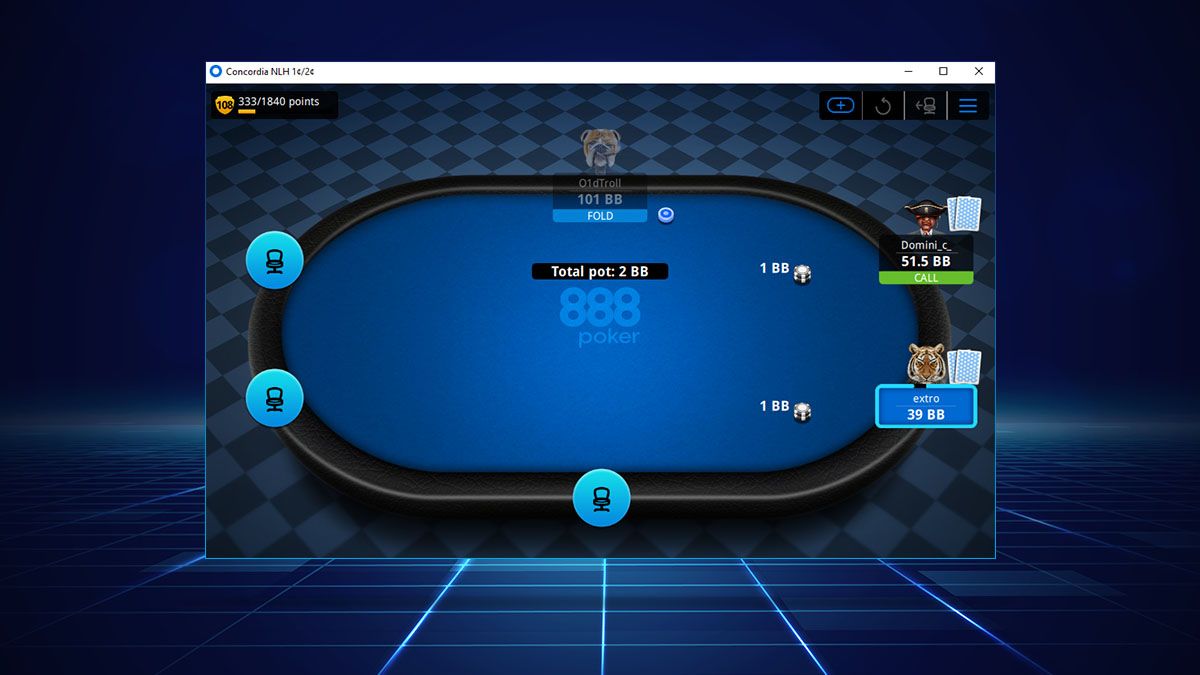
Online poker rooms generate revenue through several established methods. The primary source is the rake, a small percentage fee taken from most real-money ring game pots, which is capped at a maximum amount and is typically lower than in brick-and-mortar casinos due to lower overhead costs. A second method involves tournament entry fees, where a fee around five to ten percent of the buy-in is added to the cost of entering a scheduled multi-table or sit-and-go tournament, often displayed as a split like $20+$2. Some sites also offer side games like blackjack or roulette, where the player bets against the house, or integrate with online casinos to provide another profit stream. Finally, poker sites can invest the money that players deposit in segregated accounts, with regulations in most jurisdictions limiting the types of risks they can take with these client funds. The operational model allows sites to offer games at very low stakes, sometimes as low as 1¢/2¢, and to host frequent freeroll tournaments with no entry fee, which helps attract beginner and recreational players. This contrasts with traditional casinos, where poker often accounts for a small fraction of revenue compared to slot machines. For example, figures from the gaming accounting firm Joseph Eve estimate that poker accounts for 1% of brick and mortar casino revenues.
Game Variants, Formats, and Rules
Online poker encompasses a wide array of game variants and structural formats. The most popular variant globally is Texas Hold'em, where each player receives two private hole cards and uses five community cards to make the best five-card hand. Omaha is another major variant where players receive four hole cards but must use exactly two of them with three community cards. Other common variants include Seven Card Stud, where players receive seven individual cards with no community cards, and short-deck games like 6+ Hold'em that use a 36-card deck. Mixed games, such as HORSE, rotate through multiple poker variants including Hold'em, Omaha Hi-Lo, Razz, Seven Card Stud, and Eight-or-Better during a single session. The games are structured in two primary formats. Cash games, also known as ring games, feature chips that have a direct real-money value, and players can join or leave at any time, with blinds that remain fixed. Tournament play requires a one-time buy-in for a set stack of chips, with blinds that increase at scheduled intervals until one player accumulates all the chips. Specific hand rankings determine the winner at showdown, with a Royal Flush being the highest possible hand.
- Texas Hold'em: Two hole cards, five community cards.
- Omaha: Four hole cards, must use exactly two with three community cards.
- Seven Card Stud: Seven individual cards, no community cards.
- 6+ Hold'em: Short-deck format using a 36-card deck.
- Mixed Games (HORSE): Rotates through Hold'em, Omaha Hi-Lo, Razz, Seven Card Stud, Eight-or-Better.
- Cash Games: Fixed blinds, players can leave anytime, chips have direct cash value.
- Tournaments: Fixed buy-in, increasing blinds, last player standing wins.
- Satellites: Qualifying tournaments for larger event entries.
Safety, Fairness, and Game Integrity
Licensed online poker sites employ multiple systems to ensure game integrity and protect players. A certified Random Number Generator (RNG) is used to simulate the random shuffling of cards, and these systems are regularly audited by independent third-party testing agencies like PricewaterhouseCoopers. To combat fraud and collusion, sites utilize sophisticated security software that can analyze hand histories and player patterns across millions of hands, a capability brick-and-mortar casinos lack. Security teams check players' IP addresses to prevent individuals from the same household or using the same proxy server from playing at the same table. Digital device fingerprinting technology helps sites identify and block players who try to create new accounts to circumvent previous bans. For player protection, licensed sites are required to hold player funds in segregated accounts, separate from operational funds. They also offer responsible gambling tools such as deposit limits, loss limits, session time reminders, and self-exclusion options. These measures are enforced by regulatory bodies in jurisdictions where the sites are licensed, providing a framework for enhanced player protection. Major integrity breaches have occurred, such as at Absolute Poker in 2007 and UltimateBet in 2008, where employees used software backdoors to see opponents' cards.
Playing Free Online Poker and Learning the Game
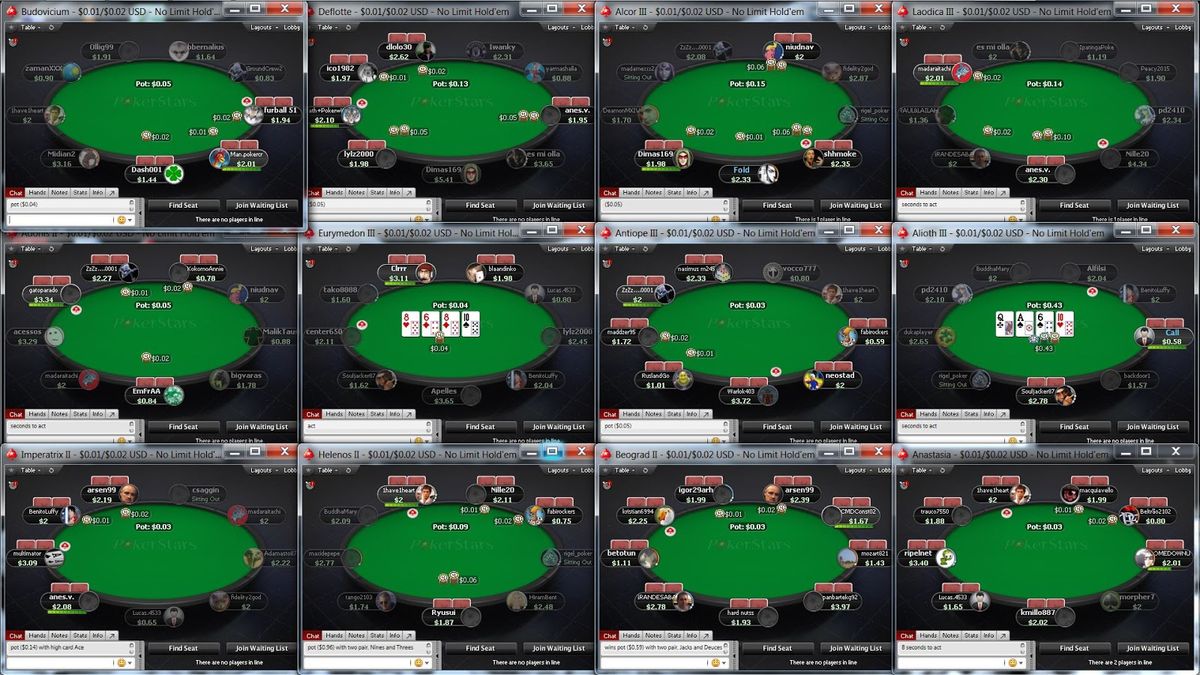
Nearly all online poker sites offer free-to-play options, which serve as a vital tool for learning the game and testing software without financial risk. These free games use virtual play money chips. When a player creates an account on a site like PokerStars or partypoker, they typically receive an initial allotment of these free chips. Players can use them to join play money cash game tables or enter play money tournaments, which operate with the same rules and formats as real money games. If the free chips run out, most sites provide periodic free top-ups. Beyond play money games, many sites also run freeroll tournaments, which are real-money tournaments that require no entry fee. Sites like WPT Global and 888 Poker are noted for offering plentiful freeroll schedules. Dedicated free poker platforms also exist, such as the official World Series of Poker (WSOP) site, which allows users to play for free in a browser using virtual chips after creating a free account. Many online poker rooms also provide online poker schools that teach the basics and speed up the learning curve for novices.
- Create a free account on the poker site or app.
- Choose a username and confirm your email address.
- Receive an initial allotment of free play money chips.
- Select the 'Play Money' option in the software lobby.
- Choose a cash game table or tournament to join.
- Use the free chips to play and learn the rules and interface.
The Canadian Online Poker Landscape and Site Selection
The Canadian online poker market in 2026 offers players a choice between provincially regulated sites and internationally licensed operators. In Ontario, the market is fully regulated, requiring operators to obtain a provincial license. A significant development is the migration of PokerStars onto the FanDuel platform in Ontario, which promises larger prize pools and an integrated experience. For players outside Ontario, internationally licensed sites that accept Canadian players remain accessible and popular. Key operators highlighted for Canadian players include GGPoker, which is fronted by Canadian poker professional Daniel Negreanu and known for its unique software and strong tournament series, and PokerStars, which is recognized for its vast game selection and high traffic, including the long-running Sunday Million tournament. Other notable sites include partypoker, praised for its frequent freerolls and soft player pool, as well as 888 Poker and WPT Global. These sites typically offer full Canadian dollar support, Interac deposits and withdrawals, and a wide range of games running around the clock. When selecting a site, players should consider factors such as game variety, tournament guarantees, software quality, welcome bonus terms, and available responsible gambling tools. Online poker sites often offer incentives like deposit match bonuses and VIP programs to attract and retain players.
| Consideration for Players | Typical Offering at Canadian Sites |
|---|---|
| Currency Support | Full CAD support for accounts and transactions |
| Popular Payment Method | Interac for deposits and fast withdrawals |
| Game Availability | 24/7 cash games and multi-table tournaments |
| Common Welcome Bonus | 100% match on first deposit, often up to C$2,000 |
| Player Pool (Ontario) | Segregated to only include players within the province |
| Player Pool (Other Provinces) | International, shared with players from other countries |
| Key Software Features | Mobile apps, anonymous tables, fast-fold poker variants |
Betting Structures and Gameplay Mechanics
Online poker follows structured betting rounds that are consistent across most variants, though the number of rounds can differ. In Texas Hold'em, there are four betting rounds: pre-flop, flop, turn, and river. Before any cards are dealt, two players post forced bets called blinds. The small blind posts half the minimum bet and the big blind posts the full minimum bet. The player immediately clockwise from the big blind acts first pre-flop, a position known as 'under the gun'. Depending on the action and the betting round, players have several options. They can check (decline to bet when no bet has been made), bet, fold (forfeit their hand), call (match the current bet), or raise (increase the current bet). In no-limit games, players can also go all-in, betting all their remaining chips. The round ends when all but one player has folded or when betting action is complete and players proceed to a showdown. At showdown, players reveal their hands, and the best five-card hand according to standard poker rankings wins the pot. The speed of online play means these rounds proceed much faster than in live poker, with many more hands dealt per hour. An online poker table can average ninety to one hundred hands per hour, compared to around thirty hands per hour in a brick and mortar casino.
Questions about Online poker
What are the best online poker sites in Canada?
In 2026, leading online poker sites for Canadian players include GGPoker and PokerStars, the latter operating on the FanDuel platform in Ontario. Other highly regarded sites are partypoker, 888 Poker, and WPT Global. The best site depends on individual preferences regarding game variety, tournament schedules, software, and bonus offers. These sites typically offer Canadian dollar support, Interac banking, and a wide range of games and stakes from micro-limits upwards. Many sites also offer rakeback and VIP programs to reward regular players.
Can I play online poker in Ontario?
Yes, online poker is legal and regulated in Ontario. The province requires operators to obtain a local license, and as a result, players physically located in Ontario can only play on licensed sites against other players within the province. A major development is the migration of PokerStars onto the FanDuel Ontario platform, which aims to provide an enhanced experience with bigger prize pools for Ontario residents. Players must be 19 years of age or older to play. Ontario's regulated market began operations in 2022.
Can I play poker on my mobile device in Canada?
Yes, all major online poker sites offer fully functional mobile applications for iOS and Android devices, as well as mobile-optimized websites. These apps allow Canadian players to access cash games, tournaments, and account management features from their smartphones or tablets. This provides a comparable experience to the desktop software with games available 24 hours a day. No download is required for browser-based play on some sites. The rate of play on mobile is similar to desktop, with many hands dealt per hour.
Do I need special software or accounts to play at Canadian online poker sites?
To play for real money, you need to download the poker site's software or use its mobile app and create a verified account. The sign-up process requires providing identification to confirm your age and identity, a standard requirement for licensed sites. For free play money games, you still need to create an account, but the verification process may be less stringent. The software itself is free to download and install. Many sites also offer hand database programs and heads up displays (HUDs) as additional software tools for players.
Do Canadians have to pay taxes on online poker winnings?
The Canada Revenue Agency generally considers gambling winnings to be tax-free for recreational players. However, if poker is considered a professional business or primary source of income, the winnings may be taxable as business income. Players should consult a tax professional for advice specific to their situation. Reporting requirements can be complex and depend on the individual's circumstances and the frequency and scale of play. This tax treatment is similar to that of winnings from other forms of gambling in Canada.
Is online poker available in Canada?
Yes, online poker is available in Canada. It is legal and regulated in many countries, and Canadian players can access major international sites. Online poker rooms are dramatically cheaper to operate than brick and mortar venues, allowing them to offer low stakes games and freeroll tournaments which attract a wide range of players. These sites are regulated in various international jurisdictions and accept Canadian players. The COVID 19 pandemic led to a massive increase in online poker traffic as players moved from closed live venues to online platforms. Many operators reported traffic doubling or more, indicating strong availability and participation. Online poker revenues grew from $82.7 million in 2001 to $2.4 billion in 2005.
Sources and further reading
- Online poker (Wikipedia)
- Best Online Poker Sites in Canada 2026 (pokerstrategy.com)
- Online Poker Canada | Best Sites for Canadian Players 2026 (pokernews.com)
- Play Online Poker | PokerStars™, Trusted for 20+ Years (pokerstars.com)
- Best Online Poker Sites in the US (2026) (runitonce.com)
- Free Poker Games (247freepoker.com)
- Texas Hold 'Em Poker (games.aarp.org)
Checked by the Nosy Mag desk. Last updated 2026-11-10.