Bingo
Bingo is a game of chance where players match numbers drawn at random to those printed on a card, aiming to complete a specific pattern. In Canada, bingo is a popular form of regulated gambling and a significant community fundraising tool, offered in dedicated halls, casinos, and online platforms. The game has evolved from its traditional paper-card roots to include electronic player devices and digital versions. For Canadian adults, bingo represents a social gaming activity with a wide range of stakes, from charity games to commercial jackpots, all governed by provincial age and gambling regulations.
History and Evolution
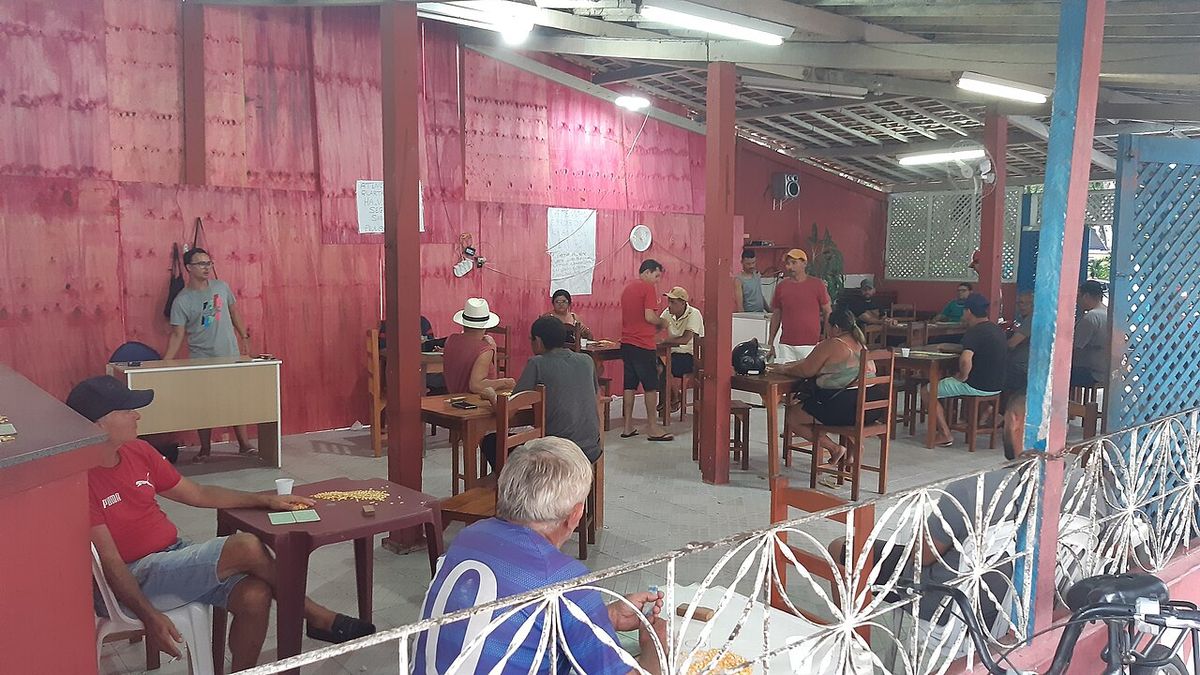
The origins of bingo trace back to a 16th-century Italian lottery game called 'lotto'. The French game 'Le Lotto', emerging in 1778, established the core concept of numbered squares arranged in rows and columns. The modern game was standardized in North America in the early 20th century. Hugh J. Ward created and copyrighted a rule book for the game at carnivals around Pittsburgh in 1933. Toy merchandiser Edwin S. Lowe is credited with popularizing the game after witnessing a similar game called 'Beano' at a carnival near Atlanta in December 1929. Lowe brought the game to New York, where its name allegedly changed to 'Bingo' after an excited winner's shout. The game's popularity surged during the Great Depression as churches adopted it for fundraising. Technological evolution continued with Mark L. Gitlin designing large electronic flashboards in 1977, and by 1989, complete electronic bingo systems were being installed in venues worldwide, from Las Vegas to military bases.
The game's fundamental mechanics have remained consistent while its presentation has diversified. The traditional method uses a caller drawing numbered balls, but electronic random number generators are now commonplace. The expansion into digital spaces has been significant, with online bingo becoming widely available. The game has also fused with other entertainment forms, such as the rise of 'Drag Bingo' fundraisers originating in Seattle in the early 1990s and the growing popularity of music bingo in bars and pubs. This evolution from church basements to global online platforms demonstrates bingo's enduring appeal and adaptability.
Game Rules and Card Mechanics
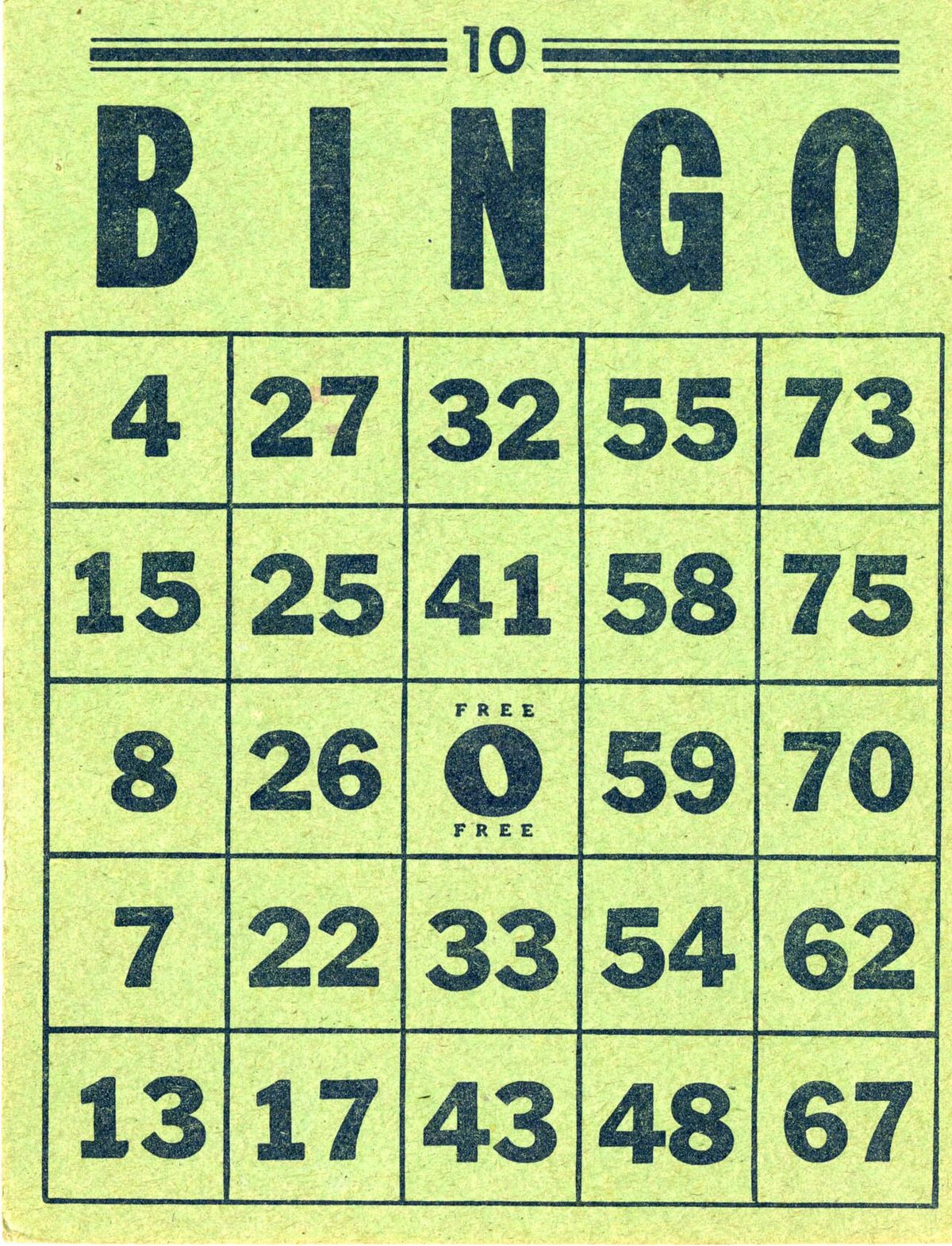
The classic version of bingo in North America is 75-ball bingo, played on a card with a five-by-five grid. The columns are labelled from left to right as B, I, N, G, and O. Each column contains a specific range of numbers: B (1-15), I (16-30), N (31-45), G (46-60), and O (61-75). The centre square is typically a 'Free Space' that is considered automatically marked. A game host or an electronic system draws numbers at random. Players mark, or 'daub', the corresponding numbers on their cards. The primary objective is to be the first player to complete a specified pattern and call out 'Bingo' for verification.
While a straight line, horizontal, vertical, or diagonal, is the most common winning pattern, countless other patterns exist for special games. These can include shapes like a postage stamp (a 2x2 square), the four corners, or a 'blackout' or 'coverall', which requires marking every number on the card. The 'hard-way' bingo is a straight line achieved without using the free space. The minimum number of balls that must be called before a bingo is theoretically possible is known as 'breaking the bubble'. In some jurisdictions, players use 'u-pick 'em' cards where they choose their own numbers from a card containing all 75 numbers, or double-action cards with two numbers per square. The number of all possible standard bingo cards is P(15,5) × P(15,5) × P(15,5) × P(15,5) × P(15,4).
Bingo in the Canadian Context
In Canada, bingo is a regulated gambling activity offered in dedicated halls, some casinos, and online. Provincial laws dictate the minimum age, which is 19 years in most provinces, including Ontario, though it is 18 in Alberta, Manitoba, and Quebec. Major operators like Delta Bingo & Gaming run numerous physical locations, often supporting local charities. Delta has reported contributing over $640 million to community organizations such as food banks, animal services, and women's shelters through charity partnerships. A typical bingo session at a hall lasts between two and two and a half hours. Players are advised to arrive at least 30 minutes before a session starts to purchase cards and find seating. The cost to play can start as low as $20, varying by location, session time, and the number of cards purchased.
Players can choose between traditional paper cards and electronic player devices. These stationary devices automatically daub numbers and alert the player to a potential win. Between bingo games, these devices often offer 'Play on Demand' electronic quick-play games. Many Canadian bingo halls feature Vegas-style gaming machines, which are bingo-based slot machines where each spin represents a bingo game. These machines typically accept cash only and have minimum bets as low as $0.40. This blend of traditional play and electronic gaming caters to a broad audience within the regulated Canadian market.
The Rise of Online and Electronic Bingo
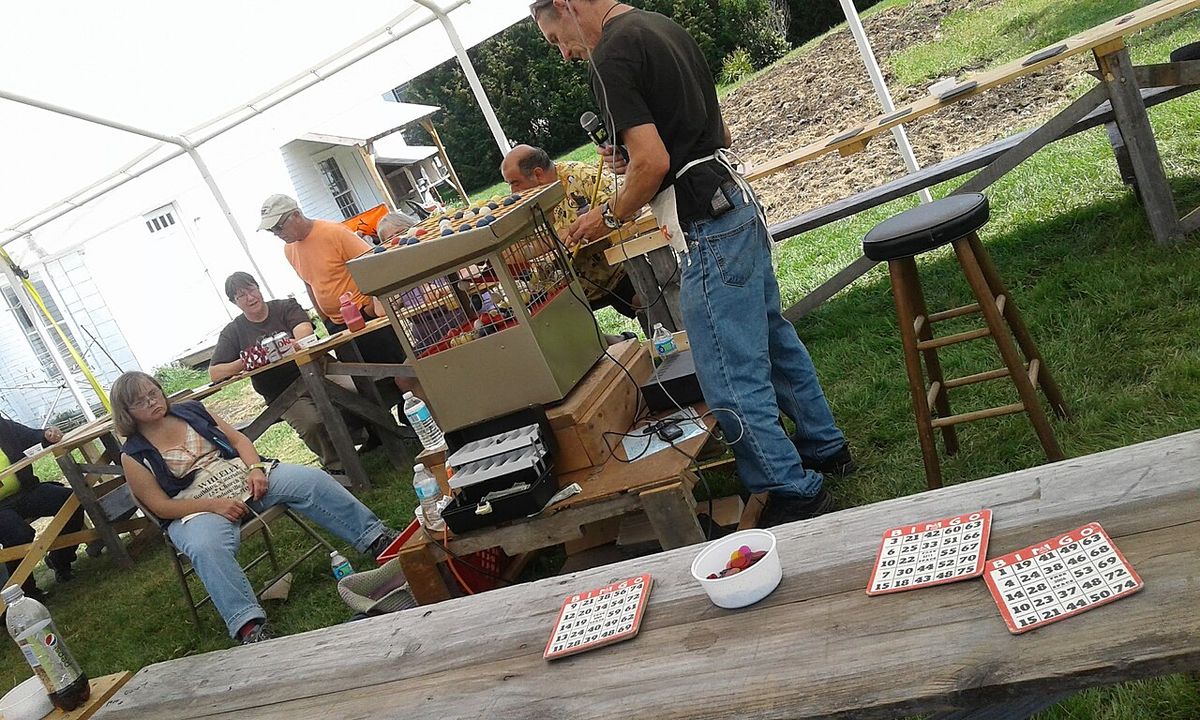
The digital transformation of bingo has made it accessible beyond physical halls. Online bingo is a digital replica where players purchase virtual cards, and numbers are drawn automatically by a random number generator. Games start frequently, allowing for continuous play from any device. The return to player (RTP) for online bingo generally falls between 70% and 90%, varying by game and platform. Online versions come in several formats, each with distinct grid sizes and ball counts. The 90-ball game, common in the UK and Europe, uses a ticket with three rows and nine columns, with five numbers and four blanks per row. The 80-ball version uses a 4x4 coloured grid. The standard 75-ball game uses the classic 5x5 grid, while 30-ball 'rapid fire' bingo is played on a compact 3x3 card.
Electronic aids have also become standard in land-based venues. Player devices automate the daubing process, allowing individuals to manage many more cards than would be possible manually. These systems are classified differently from traditional slot machines under gaming regulations in some jurisdictions, such as the Class II designation under the U.S. Indian Gaming Regulatory Act. The line between bingo and slots has blurred with the advent of bingo-based slot machines, which use bingo game outcomes to determine slot reel results. For Canadian players, online platforms offer a full lineup of bingo games and slots, accessible from phones, tablets, or computers, requiring players to be of legal age and physically located in a province that permits online gambling.
Common Gameplay Terminology
Bingo culture has developed a specific lexicon used by players and callers. A player who needs only one more number to complete a pattern is described as being 'ready', 'waiting', 'cased', or 'set'. 'Breaking the bubble' refers to the moment the minimum number of balls has been called to make a bingo pattern theoretically possible. Calling bingo without a valid win is known as 'jumping the gun', a 'premature bingo', or colloquially as a 'bongo'. A mistaken bingo call is often humorously referred to as a 'false alarm'. Special game features also have their own terminology.
- Wild Numbers: In some games, the first ball drawn determines additional numbers that are considered called.
- Standard Wild: All numbers ending with the same digit as the first ball are wild.
- Forwards/Backwards Wild: Numbers beginning or ending with the digit of the first ball are wild.
- Hard-Way Bingo: A straight line win achieved without using the free space.
- Reach: A term used in Japan when a player is one space away from a bingo.
- Coverall/Blackout: A game requiring all 24 numbers and the free space on the card to be marked to win.
Odds, Strategy, and Responsible Play
Bingo is fundamentally a game of chance where players cannot influence the numbers drawn. The house edge is estimated to be around 10%. The odds of winning depend on the number of cards in play, the speed of the game, and the specific pattern required. While no strategy can guarantee a win, players can make informed choices. Managing the number of cards purchased is crucial. Buying too many can increase cost and make it difficult to track numbers effectively. Comparing the cost of cards to the potential payout is recommended. Choosing games with a higher return to player (RTP) percentage can improve long-term expectations. New players are advised to start with free online bingo games to learn the flow and patterns without financial risk.
For real-money play, it is important to set a budget and stick to it. All forms of gambling, including bingo, are intended for adults. In Canada, the legal age is 19+ in most provinces. Players should gamble only with discretionary funds and view it as a form of entertainment, not a source of income. Provincial organizations offer resources and help lines for those who may develop a gambling problem. The social and charitable aspects of bingo are significant components of its appeal, with many players participating as much for the community experience as for the chance to win.
Popular Bingo Game Formats
Bingo is played in several distinct formats, each with its own card layout and number range. The 75-ball bingo, standard in North America, uses a 5x5 grid and is known for its variety of pattern wins. The 90-ball bingo, popular in the UK, Australia, and many online sites, uses a ticket with three horizontal rows and nine columns, with five numbers and four blanks per row. Wins are typically awarded for one line, two lines, and a full house. The 80-ball bingo is a common online variant featuring a 4x4 grid with 16 numbers, often with coloured columns. The 30-ball bingo, also known as 'speed bingo', is played on a 3x3 grid for very fast-paced games.
- 75-Ball Bingo: The classic North American game on a 5x5 grid with numbers 1-75.
- 90-Ball Bingo: Features a 3x9 ticket, common in the UK and Europe.
- 80-Ball Bingo: Played on a 4x4 coloured grid, often found online.
- 30-Ball Bingo: A rapid-fire game on a compact 3x3 card.
- U-Pick 'Em: Players select their own numbers on a card containing all 75 numbers.
- Coverall/Blackout: A game type where the win condition is marking every number and the free space on the card.
- Pattern Bingo: Games where wins are based on specific shapes (e.g., letter 'X', picture frame).
- Electronic Bingo: Played on a digital device that automatically marks numbers.
Comparing Bingo Formats and Odds
| Format | Card Grid | Number Pool | Common Win Conditions | Game Pace |
|---|---|---|---|---|
| 75-Ball | 5x5 | 1-75 | Lines, patterns, coverall | Moderate |
| 90-Ball | 3 rows x 9 cols | 1-90 | One line, two lines, full house | Slower |
| 80-Ball | 4x4 | 1-80 | Lines, corners, full card | Moderate to Fast |
| 30-Ball | 3x3 | 1-30 | Full card only | Very Fast |
The 75-ball game offers the greatest variety in patterns, which can influence the average number of calls needed for a win. The 90-ball game, with its three potential prizes per round, often has a longer duration. The 80-ball and 30-ball formats cater to players seeking quicker results. While the house edge remains, understanding these structural differences helps players select games that match their desired style of play, whether it's a leisurely social session or a rapid sequence of games.
Questions about Bingo
What is the legal age to play bingo in Canada?
The legal age for gambling, including bingo, varies by province. In Ontario and most other provinces, you must be 19 years of age or older. The exceptions are Alberta, Manitoba, and Quebec, where the minimum age is 18. All Delta Bingo & Gaming locations require patrons to be of legal age, which is 18 or 19 depending on the province. Players must provide valid government-issued photo identification as proof of age upon entry.
How much does it cost to play bingo at a hall?
The cost to play bingo can start as low as $20 for a session, but the final price varies significantly. Factors include the specific hall location, the day of the week, the session time, and the number of cards you purchase. Additional costs come from choosing electronic player devices over paper cards and from buying into special games or jackpots. For accurate pricing, it is best to check the 'pricing and programs' tab on the website of your local bingo hall or contact them directly.
What is the difference between paper bingo and electronic bingo?
Paper bingo uses physical cardboard or disposable paper cards that players manually daub with markers. Electronic bingo is played on a stationary player device provided by the hall. After purchasing cards, players load them into the device using a personal ID and PIN. The device then automatically marks, or 'daubs', the numbers as they are called and alerts the player with a sound or light when they have a winning pattern. Electronic devices allow players to manage many more cards simultaneously than with paper.
Can you play bingo online for real money in Canada?
Yes, many licensed online casinos and dedicated platforms offer real-money online bingo to Canadian players. These sites provide digital versions of 75-ball, 80-ball, 90-ball, and other bingo formats. Players must be of legal age in their province and physically located within a province that permits online gambling. Games use random number generators to draw numbers, and players can often use auto-daub features. Popular Canadian operators like Delta Casino offer online bingo alongside other casino games.
What are Vegas-style bingo machines?
Vegas-style gaming machines found in many bingo halls are electronic slot machines where the outcome of each spin is determined by a bingo game happening in the background. Players insert cash or a voucher, place a bet, and hit a play button to spin the reels. The win or loss is based on the result of the underlying bingo game. Minimum bets can be as low as $0.40. When cashing out, the machine prints a voucher for any remaining credit, which is typically valid for 30 days and can be redeemed for cash at a designated desk.
How does bingo support charities in Canada?
Bingo has a long history as a charitable fundraiser in Canada. Major operators like Delta Bingo & Gaming partner with local community organizations. These charities often receive a portion of the revenue generated from games held in their name. Delta reports that its participating charities have collectively raised over $640 million for causes including food banks, animal services, youth groups, and women's shelters. Playing at such halls directly contributes to these community support initiatives, blending entertainment with philanthropy.
Sources and further reading
- Bingo (Wikipedia)
- Vegas-Style Machines, Electronic Bingo & Lottery (deltabingo.com)
- Online Bingo in Canada 2026 - Best Sites to Play Bingo (casinocanada.com)
- Bingo Amaze - 2026 Bingo Games, App Store, Apple (apps.apple.com)
- Play Online Bingo for Real Money October 2026: Best Sites and Bonuses (bonus.com)
Checked by the Nosy Mag desk. Last updated 2026-11-09.