Parimutuel betting
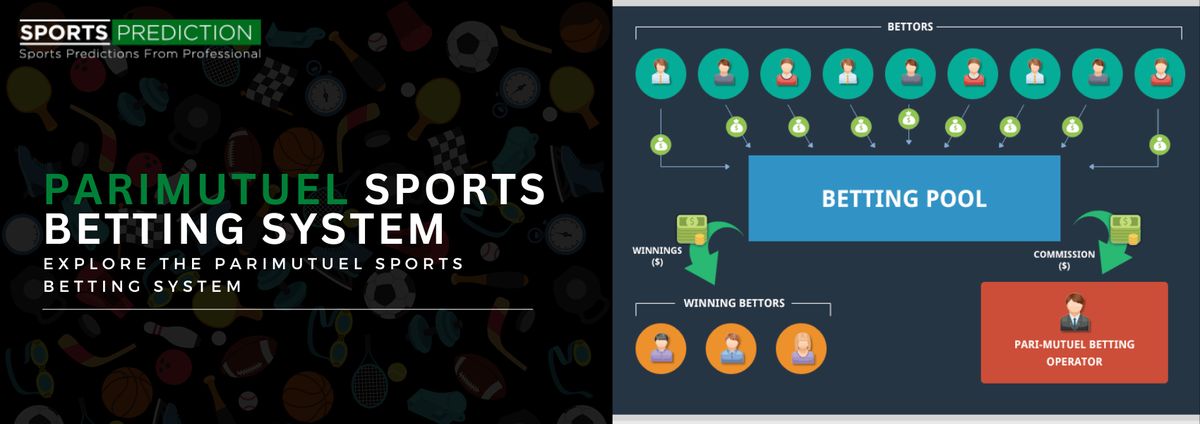
Parimutuel betting, also known as pool betting or the tote, is a wagering system where all bets of a specific type are aggregated into a common pool. After the operator deducts taxes and a commission, the remaining pool is distributed among the winning bettors, with the final payout odds determined by the total amount wagered on each outcome. This system is the foundational model for horse racing betting in Canada, used at major tracks like Woodbine Racetrack in Toronto and for off-track wagering across the country. It differs fundamentally from fixed-odds sports betting, as bettors are effectively wagering against each other rather than against a bookmaker, with payouts not finalized until betting closes.
How Parimutuel Betting Works
The mechanics of parimutuel betting involve a series of precise calculations after a betting pool is closed. First, all wagers on a specific bet type, such as 'Win' for a single race, are combined into a total pool. The operator, such as a racetrack, then deducts a predetermined commission, known as the takeout or 'house take', along with any applicable taxes. This commission is a percentage of the total pool and represents the operator's revenue. The remaining amount is called the net pool, which is distributed to those who placed winning bets. The payout for each winning dollar is calculated by dividing the net pool by the total amount wagered on the winning horse or combination.
For example, in a simple win pool with a total of $1028 wagered across eight horses, a commission rate of 14.25 percent would see $146.49 deducted. This leaves a net pool of $881.51 to be paid out. The final odds are not known until all betting is closed, which is a key distinction from fixed-odds betting where the payout is agreed upon when the bet is placed. In bets with multiple winners, such as a 'Place' bet which pays out on horses finishing first or second, the net pool is first divided equally among the number of winning positions. Each share is then divided by the total wagered on each winning horse to determine individual payouts. This system ensures all winning bets of the same type receive an equal share of the prize pool relative to the amount they wagered. The process is automated by computerized totalisator systems, which calculate and display approximate and final odds in real time for bettors.
History and Development
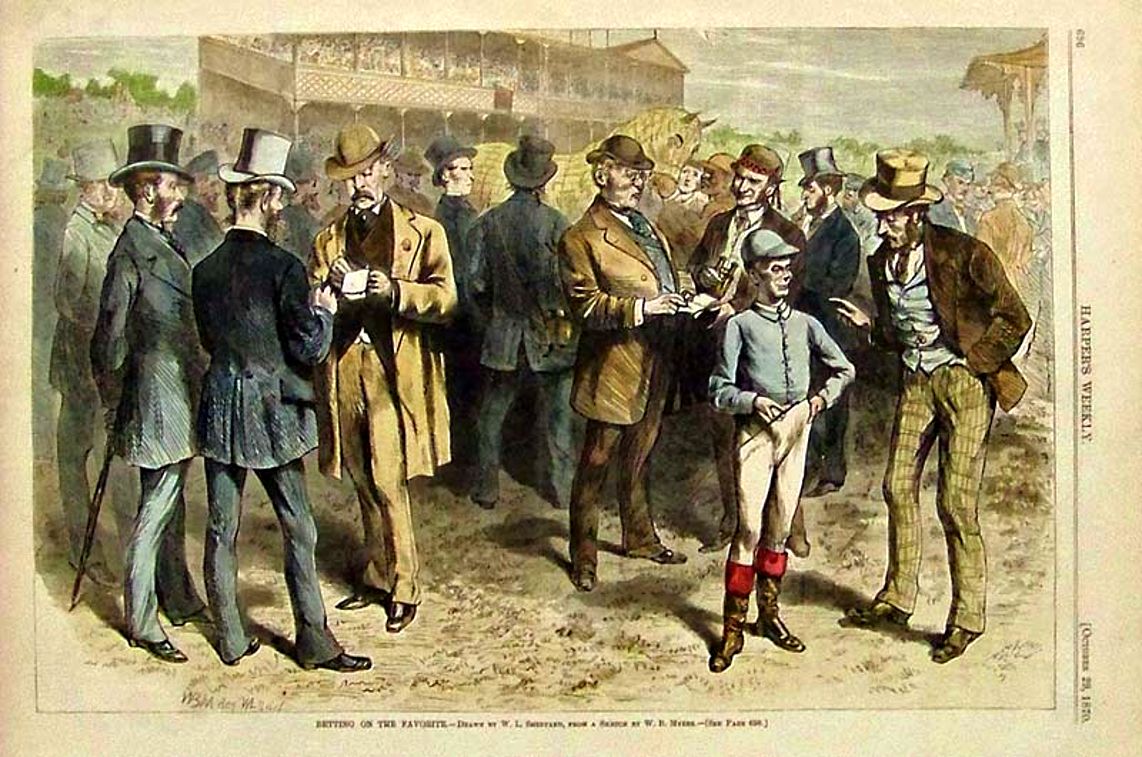
The parimutuel system was invented in 1867 by French Catalan entrepreneur Joseph Oller, offering an alternative to the bookmaker-led fixed-odds model that dominated gambling. Oller's system was designed to create a transparent and fair pool where bettors wagered against each other. The concept was introduced to the United States in the 1870s, with early adoption at tracks like Jerome Park in 1871 and Churchill Downs in 1878. However, its widespread adoption was hindered by the manual complexity of calculating payouts for large pools until the invention of automated technology.
The technological breakthrough was the totalisator, or 'tote', an electromechanical calculating machine invented by Australian engineer George Alfred Julius. The first totalisator was installed at Ellerslie Racecourse in Auckland, New Zealand, in 1913. This invention automated the aggregation of bets and the calculation of odds, making parimutuel betting efficient and scalable for large crowds. The first U.S. totalisator installation was at Arlington Park near Chicago in 1932. The adoption of the totalisator helped legitimize horse racing by providing reliable, scandal-proof calculations for payouts and ensuring accurate tax collection for governments.
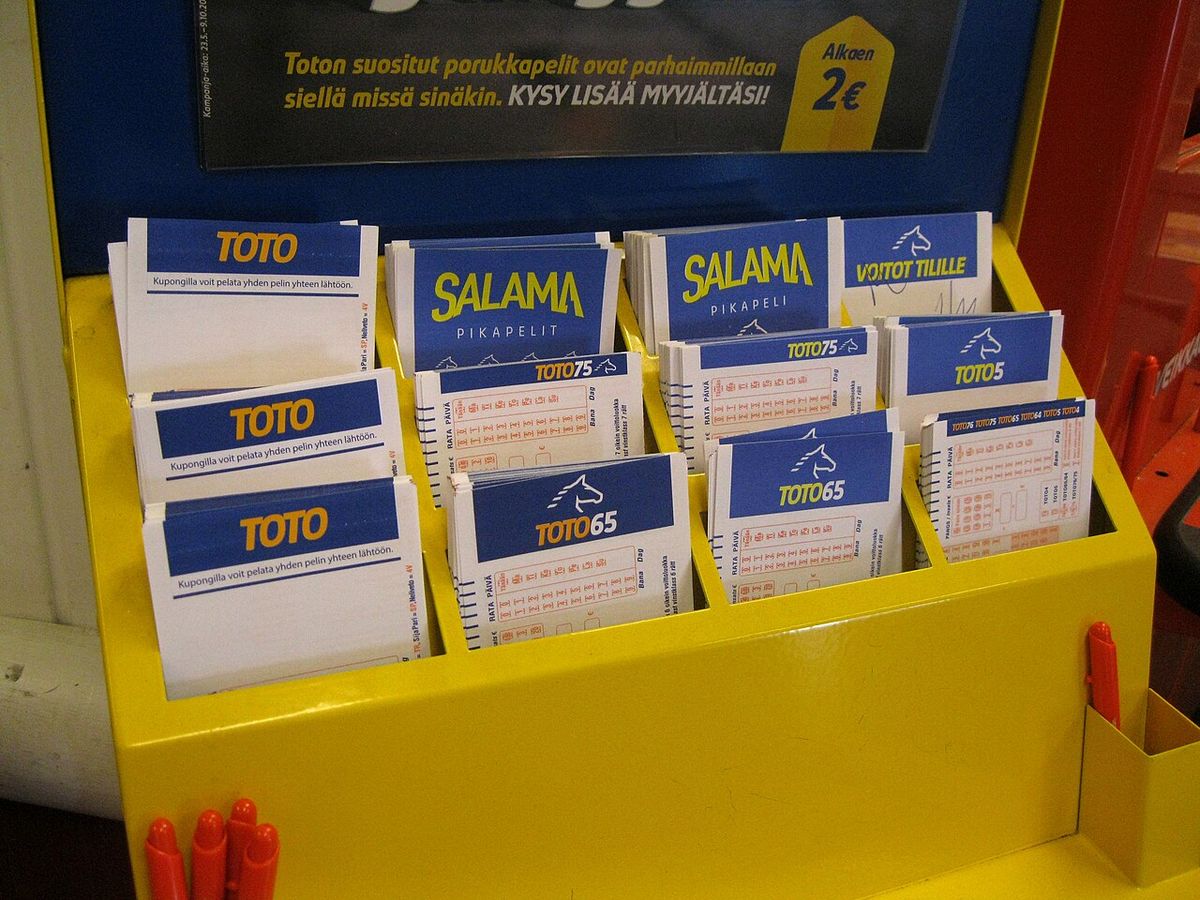
In Canada, parimutuel betting is regulated federally under the Pari-Mutuel Betting Supervision Regulations, which are administered by the Canadian Pari-Mutuel Agency (CPMA). The evolution of the system from manual pools to automated tote boards was a major step in the commercial history of horse racing wagering. The parimutuel system is used in gambling on horse racing, greyhound racing, jai alai, and other sporting events of relatively short duration. A modified parimutuel system is also used in some lottery games.
Common Parimutuel Bet Types in North America
In Canada and the United States, racetracks and off-track betting facilities offer a wide variety of parimutuel wagers, each with its own separate betting pool. These bets range from simple predictions on a single horse's finish to complex combinations across multiple races. The most fundamental wagers are known as straight bets, which involve picking a horse's finishing position in a single race. The classic straight bets are Win, Place, and Show, which form the core of horse racing betting for many participants. Beyond the straight bets, exotic wagers offer higher potential payouts by requiring bettors to predict the exact order of finish for multiple horses.
These bets are popular for their lottery-like potential for large scores, though they are inherently more difficult to win. Tracks often promote these pools with guaranteed minimum prize amounts to attract betting volume. Another category involves linking predictions across several consecutive races, challenging bettors to sustain accuracy over a longer period. The common parimutuel bet types offered in North America include a specific set of wagers that have become standard at tracks like Woodbine.
- Win: The bettor must pick the horse that wins the race.
- Place: The bettor must pick a horse that finishes first or second.
- Show: The bettor must pick a horse that finishes first, second, or third.
- Exacta (or Perfecta): The bettor must pick the first and second place finishers in the exact order.
- Trifecta (or Triactor): The bettor must pick the first, second, and third place finishers in the exact order.
- Superfecta: The bettor must pick the first four finishers in the exact order.
- Quinella: The bettor must pick the first two finishers in any order.
- Daily Double: The bettor must pick the winners of two consecutive, nominated races.
Other multi-race wagers include the Pick 3, where bettors must select winners of three consecutive races, and the challenging Pick 6, which requires picking six consecutive winners and often features large carryover pools. The exact names and availability of these bets can vary slightly between different racing jurisdictions and tracks. In Canada and the United States, common multiple race bets also include the Double, where the bettor must pick the winners of two successive races. A Quadrella or Quaddie requires the bettor to pick the winners of four nominated races at the same track.
Parimutuel Betting in the Canadian Context
Parimutuel betting is the legal and standard framework for horse race wagering across Canada. Major thoroughbred tracks like Woodbine Racetrack in Toronto operate extensive parimutuel pools on live racing from April through December each year. Woodbine offers free general admission and parking on most race days, with a typical schedule of four race days per week, featuring first post times of 1:00 p.m. ET on weekends and 3:10 p.m. ET on Thursdays. The track hosts premier events like the King's Plate, the first leg of the Canadian Triple Crown, which attracts significant national betting pools.
The industry is governed by the federal Pari-Mutuel Betting Supervision Regulations, which provide the rules for pool calculation, takeout rates, and operational standards at racecourses. The Canadian Pari-Mutuel Agency (CPMA), part of Agriculture and Agri-Food Canada, supervises the system. The agency is responsible for ensuring integrity, collecting levies, and approving betting systems. Betting is not limited to on-track attendance. Canadians can place parimutuel wagers through licensed off-track betting facilities, telephone account betting systems, and online platforms operated by the tracks or their partners. This allows bettors across the country to participate in pools for races at Woodbine, other Canadian tracks, and even select international races. The legal age for pari-mutuel wagering in Canada is 19, except in Alberta, Manitoba, and Quebec where the legal age is 18. The system's integration into the national fabric of horse racing is demonstrated by its regulated presence at tracks from coast to coast.
Comparison with Fixed-Odds Betting
Parimutuel betting operates on fundamentally different principles than the fixed-odds model common in sportsbooks. In fixed-odds betting, a bookmaker sets the odds for an outcome at the time a wager is placed, and that payout is locked in regardless of subsequent betting activity. The bettor is wagering against the house, and the bookmaker assumes the risk of balancing its books to ensure a profit. In contrast, parimutuel betting involves no pre-set odds. The final payout is a function of the total pool and the amount wagered on the winning outcome, with bettors wagering against each other.
This structural difference leads to distinct strategic considerations. In parimutuel pools, bettors must anticipate not only which horse will win but also how the betting public will distribute its money, as a heavily bet favourite will offer a low payout even if it wins. Value is found in identifying horses that the public may undervalue. Odds fluctuate dynamically until betting closes, and large late wagers can significantly alter the final payout, especially in smaller pools. This uncertainty is absent in fixed-odds betting, where the risk and reward are known at the moment of transaction.
The house's role also differs markedly. In parimutuel betting, the track or operator deducts a commission from the total pool before any payouts, guaranteeing its revenue regardless of which horse wins. There is no financial incentive for the operator regarding the outcome. In fixed-odds betting, the bookmaker's profit depends on setting accurate odds to attract balanced betting on all sides or on outperforming bettors' predictions, which can lead to significant liabilities on popular outcomes. Each system presents a different risk profile for both the operator and the bettor.
Strategic Considerations and Modern Dynamics
Successful parimutuel betting requires a blend of handicapping skill and market analysis. Handicapping is the practice of analyzing past performances, track conditions, jockey and trainer statistics, and other factors to predict a horse's chances of winning. However, because payouts are determined by the pool, a bettor must also gauge public sentiment to find overlays, which are horses whose true probability of winning is better than the odds implied by the betting pool. A horse that wins half the time but pays $3 for a $2 win bet is a poor value, whereas a horse with a 20 percent chance that pays $15 offers strong value.
The modern betting landscape has seen significant changes in pool dynamics. The proliferation of exotic wagers like trifectas and superfectas, often promoted with large guaranteed pools, has drawn betting volume away from traditional win, place, and show pools. Some industry observers argue this has made win pools thinner and more volatile, where a single sizable wager can dramatically shorten a horse's odds just before post time. Conversely, others note that the popularity of exotics creates betting opportunities, as money flowing into complex pools can sometimes create better value in simpler pools.
The rise of online and off-track betting has also transformed access, allowing bettors to participate in pools from anywhere. This has led to the growth of 'rebate shops', primarily offshore operators that offer a percentage of every wager back to the bettor, effectively reducing the takeout rate. While such operators may offer better effective odds, they operate outside the regulated Canadian framework. For bettors participating in legal Canadian pools, understanding the posted takeout rates for different bet types is crucial, as it directly impacts the net pool available for payouts. Key strategic factors for bettors include pool size, timing of wagers, and the public's betting patterns.
International Variations in Bet Types
While the core parimutuel principle is global, the specific bet types and their names vary by region, reflecting local racing traditions and regulations. In Australia and New Zealand, common bets include the Quinella (first two in any order), Trifecta, and the Quadrella or 'Quaddie' (picking winners of four nominated races). The United Kingdom's Tote operates pools like the Placepot (picking a placed horse in the first six races) and the Scoop6. In Hong Kong, complex multi-race bets like the Triple Trio (picking the first three in any order in three different races) are popular. Japan utilizes parimutuel betting not only for horse racing but also for Keirin (cycling), Kyōtei (powerboat racing), and Auto Race (motorcycle racing). Its bet types include unique offerings like the Bracket Quinella, where bettors wager on the cap colours of the first two finishers. Sweden's harness racing system is famous for its extensive 'V' pools, such as the V75, where bettors pick winners of seven races with pools often exceeding 80 million SEK. The table below outlines a sample of distinctive bet types from key international jurisdictions.
| Region | Bet Name | Description |
|---|---|---|
| Australia/New Zealand | Quadrella (Quaddie) | Pick winners of four nominated races at same track. |
| United Kingdom | Placepot | Pick a placed horse in each of the first six races at a meeting. |
| Hong Kong | Triple Trio | Pick 1st, 2nd & 3rd in any order in each of three nominated races. |
| Japan | Bracket Quinella (Waku-ren) | Pick the two bracket numbers (cap colours) that finish 1st & 2nd, any order. |
| Sweden | V75 | Pick winners of seven nominated harness races. Pools split for 5, 6 & 7 correct. |
| Ireland | Jackpot | A Pick 4 bet on races 3 through 6 at a meeting. |
- Australia/New Zealand, Quadrella (Quaddie): Pick the winners of four nominated races at the same track.
- United Kingdom, Placepot: Pick a placed horse in each of the first six races at a meeting.
- Hong Kong, Triple Trio: Pick the first three finishers in any order in each of three nominated races.
- Japan, Bracket Quinella (Waku-ren): Pick the two bracket numbers (cap colours) that finish first and second in any order.
- Sweden, V75: Pick winners of seven nominated harness races. Pools split for 5, 6 and 7 correct picks.
- Ireland, Jackpot: A Pick 4 bet on races 3 through 6 at a meeting.
Questions about Parimutuel betting
What is the difference between parimutuel and fixed-odds betting?
Parimutuel betting pools all wagers, deducts a commission, and pays winners from the remaining pool, with final odds determined by how much is bet on each outcome. Fixed-odds betting, common in sportsbooks, offers odds set by a bookmaker at the time of the wager, and that payout is locked in regardless of later betting activity. In parimutuel, bettors wager against each other, while in fixed-odds, they wager against the house. The key distinction is certainty: fixed-odds provides known potential returns upfront, while parimutuel payouts are unknown until betting closes.
How do I place a parimutuel bet on horse racing at Woodbine?
You can place a parimutuel bet on Woodbine horse racing by attending the track in person, using an approved off-track betting facility, or through an authorized online or telephone account betting system. At the track, you would go to a mutuel window or self-service terminal, specify the race number, the amount you wish to wager, the type of bet, and the horse's number. Common bet types in Canada include Win, Place, Show, Exacta, Trifecta, and Superfecta. The legal age for wagering is 19, except in Alberta, Manitoba, and Quebec where it is 18.
What are the most common types of parimutuel bets?
The most common parimutuel bets in North America are Win (picking the first-place horse), Place (picking a horse to finish first or second), and Show (picking a horse to finish first, second, or third). Popular exotic bets include the Exacta (picking the first two finishers in exact order), Trifecta (picking the first three in order), and Quinella (picking the first two in any order). Multi-race wagers like the Daily Double (winners of two consecutive races) and Pick 3 (winners of three consecutive races) are also widely offered. Each bet type has its own separate pool.
Is online horse racing betting in Canada done through parimutuel pools?
Yes, legal online horse racing betting in Canada conducted through provincially authorized platforms or those operated by racetracks like Woodbine Entertainment is parimutuel betting. Wagers placed online are added to the same total pools as bets made at the track or at off-track locations. The Canadian Pari-Mutuel Agency regulates this activity. Some international sportsbooks may offer fixed odds on horse racing, but the primary and regulated system for horse race wagering within Canada remains the parimutuel model.
What does 'takeout' mean in parimutuel betting?
The takeout is the commission or house take deducted from the total betting pool before winnings are paid. This is the primary revenue source for the operator. After all bets are placed, a set percentage is removed for taxes and the operator's profit. The remaining net pool is then divided among winning bets. For example, with a 14.25 percent commission on a $1028 pool, $146.49 is taken, leaving $881.51 to pay winners.
Who regulates parimutuel betting in Canada?
Parimutuel betting in Canada is federally regulated under the Pari Mutuel Betting Supervision Regulations, which are enforced by the Canadian Pari Mutuel Agency (CPMA). The CPMA, part of Agriculture and Agri Food Canada, supervises betting operations at racecourses and sets rules for pool calculations and takeout. It also collects a federal levy from betting pools. Provincial racing commissions provide additional oversight within their jurisdictions.
Sources and further reading
- Parimutuel betting (Wikipedia)
- Pari-Mutuel Betting Supervision Regulations, Justice Laws Website (laws-lois.justice.gc.ca)
- Is pari-mutuel betting becoming a bit obsolete? (harnessracingupdate.com)
- Pari-Mutuel Betting Explained 2026: How It Works & Where To Bet Online (bettingusa.com)
- Pari-Mutuel Betting: Tips, Wagering Strategies & Odds For Horse Racing ... (covers.com)
Checked by the Nosy Mag desk. Last updated 2026-11-08.